
Cigarette Lighter Plugs for Portable Power Stations
When evaluating power transfer solutions for portable power stations, a cigarette lighter male plug serves as the essential interface connecting DC power sources to mobile equipment. These automotive-style connectors—commonly rated for 12V or 24V systems—enable reliable energy transfer in emergency response vehicles, off-grid construction sites, and recreational applications. Understanding their technical specifications, safety features, and procurement considerations ensures procurement managers and engineers select components that maximize uptime while meeting strict operational and budgetary requirements.
Understanding Cigarette Lighter Male Plugs in Portable Power Stations
What Are Cigarette Lighter Male Plugs?
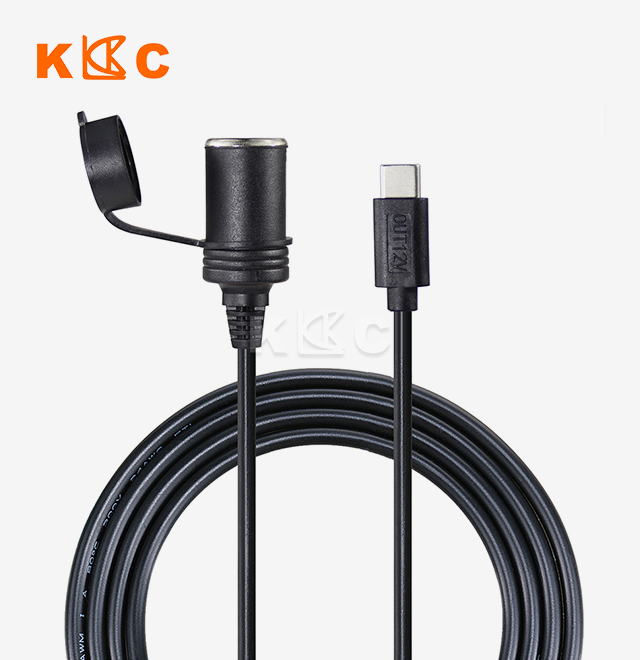
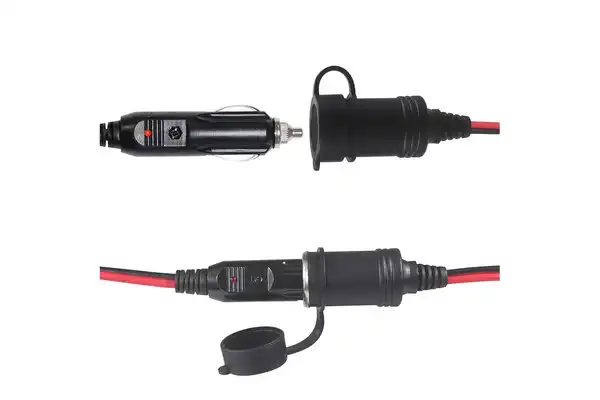
Originally made for use in cars, cigarette lighter male plugs are cylindrical DC power ports that are now widely used in portable power station ecosystems. The cigarette lighter male plug has a positive contact pin in the middle and a negative shell on the outside that is loaded with springs. This makes a secure friction-fit connection inside standard plugs. This design lets people power devices or move power between systems that are suitable without having to permanently change the wires.
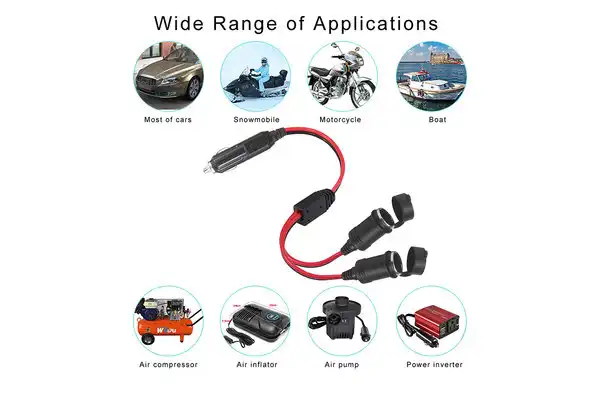
These connections are often found in modern portable power stations because they allow for quick deployment in situations. First responders use them to jump-start cars, and construction crews depend on them to power tools in remote areas. The familiar form factor cuts down on training time and often gets rid of the need for special adapters.
Essential Technical Specifications
When matching cigarette lighter male plugs to power stations, voltage compatibility is the most important thing to think about. Most portable stations made for consumers put out 12V DC through cigarette lighter ports, which is the same voltage as most cars' electrical systems. Heavy-duty uses, like commercial trucks and industrial equipment, might need cigarette lighter male plugs rated at 24V so they can handle higher voltages without breaking down.
The safe operation is directly affected by the current capacity. Cigarette lighter male plugs for beginners can handle 10A loads, which means they can be used to charge smartphones or power LED lights. Heavy-duty professional models can handle constant draws of 15A to 20A, which is needed to power winches, air engines, or extra batteries. The current capacity is affected by the wire gauge. For light loads, 16AWG conductors are enough, while 12AWG or 14AWG cables have the low resistance needed for high-current applications.
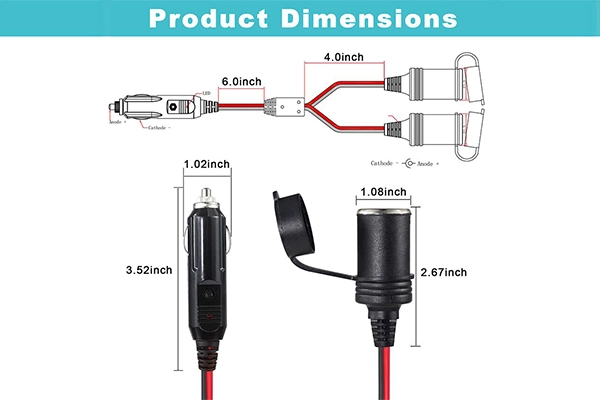
Both the output of the power station and the receiving device must have the same physical dimensions. Standard cigarette lighter male plugs are about 32 mm long and 21 mm wide, but different manufacturers make them in different sizes. Checking for dimensional compatibility stops connection problems that could stop important processes.
Compatibility Factors for Seamless Integration
Aligning electrical characteristics is more than just matching voltages. Power plants with built-in voltage control keep the output stable when they are under load, but cigarette lighter male plugs still need to have the right kind of fuse safety to keep short circuits from happening. Fuse ratings should be matched to the expected load. These ratings are usually between 10A and 20A. This protects both the power station and the equipment that is connected to it.
The size of the connector affects how reliable it is mechanically. When cigarette lighter male plugs that don't fit properly are used, they sometimes make contact, which can cause arcing that hurts both the cigarette lighter male plug and the socket. Good cigarette lighter male plugs have side contacts that are filled with springs and center pins that are made of manganous steel. These keep the pressure on the walls of the socket constant, even when the cigarette lighter male plug is moving. This design factor is very important for mobile apps that will experience mechanical shock.
Temperature tolerance affects how long something lasts in harsh conditions. Industrial-grade Bakelite housings can work continuously at temperatures up to 105°C and won't bend when used with a lot of power for a long time. The nickel-plated brass contacts don't rust, so the connections stay low-resistance even after the cigarette lighter male plug is put in and taken out thousands of times.
How to Choose the Right Cigarette Lighter Male Plug for Your Portable Power Station
Identifying Your Specific Use Cases
For recreational camping, portability and charging multiple devices are important. Cigarette lighter male plugs in this category come with USB ports or voltage converters that let users charge their phones and run 12V appliances at the same time. Since the expected load will never be more than 8A, light 16AWG wires with basic fuse safety are all that is needed.
Industrial off-grid businesses need buildings that are built to last. When construction site managers are looking for power distribution equipment, they should make sure that the cigarette lighter male plugs they buy have an IP67 grade for waterproofing and stronger pressure relief. These places put wires in contact with dust, water, and unexpected bumps, all of which quickly break down consumer-grade parts. Longer wire lengths, between 3 and 5 meters, let you choose where to put the tools when connecting generator-powered power stations to work zones.
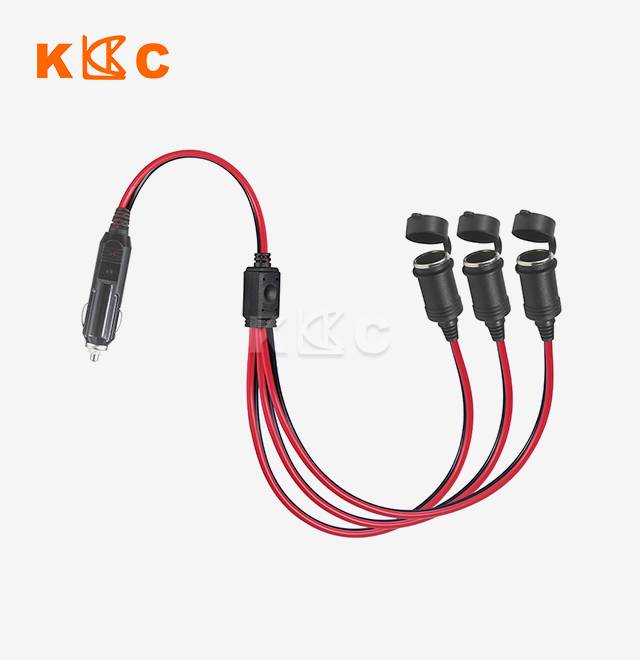
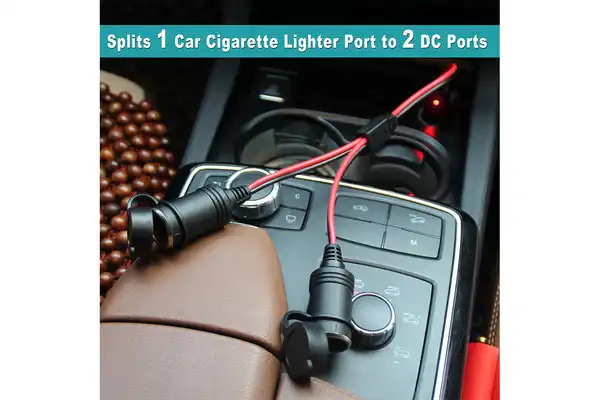
In emergency situations, quick deployment must be reliable. During emergencies, fire departments and search-and-rescue teams depend on power transfer from one vehicle to another. Dual cigarette lighter male plug cables get rid of the need for adapter dongles, letting you connect a running vehicle's accessory outlet directly to a disabled vehicle's battery system through a power station interface that works with both.
Key Selection Criteria for Procurement Teams
Long-term value evaluation is based on durability metrics. Manufacturers of good products test the cigarette lighter male plug's ability to be inserted and removed over 5,000 times while the electricity stays connected. This testing mimics years of use in the field, finding places where goods will fail early, before they reach customers. Salt spray testing confirms resistance to corrosion for 48 hours, which is important for marine or coastal uses where salt exposure speeds up metal breakdown.
The voltage rating has to meet the needs of the system while leaving a safety margin. A power station with a 12V output can safely connect to cigarette lighter male plugs that work with voltages ranging from 12V to 24V. This gives you extra protection against voltage spikes that can happen when you start your car or when the solar charge controller changes. Voltage levels that are too low can cause shielding to break down and pose a fire risk.
Products that are rated for indoor or outdoor use have different levels of waterproofing. IP44 protection is enough for covered storage because it stops solid objects bigger than 1 mm and water splashes. Outdoor advertising displays and security camera systems need to have IP67 or IP68 grades to make sure they won't get wet in heavy rain or by accident. These grades call for sealed wire entries and gasketed housings, which cheaper cigarette lighter male plug models don't have.
Extra safety features, besides basic fuse protection, make operations safer. Built-in circuits that check the temperature cut the power off when the cigarette lighter male plug bodies get too hot, which stops thermal runaway. For example, LED status lights show that the link is working properly and that current is flowing. This cuts down on the time needed to fix problems during rollout.
Evaluating Supplier Offerings and Support
OEM customisation allows brands to stand out and optimise products for specific uses. When purchasing cigarette lighter male plugs to resell or build into bigger systems, purchasing managers should look at companies that offer a range of wire gauges (12AWG to 16AWG), custom cable lengths, and private-label logo stamping. Besides normal PVC insulation, you can also choose TPE for better flexibility in cold areas, rubber for resistance to oil in industrial settings, and LSZH compounds for indoor setups where smoke toxicity is a concern for life safety.
Support arrangements after the sale have an effect on the total cost of ownership. When suppliers provide detailed technical information like wiring diagrams and load calculation guides, it takes engineers less time to integrate the cigarette lighter male plug products. When problems happen in the field, quick responses from customer service teams speed up the settlement process, minimising costly equipment downtime.
Warranty coverage shows that the company that made the cigarette lighter male plug trusts that it will last. Standard one-year warranties against manufacturing flaws protect procurement budgets from having to pay for replacements too soon. When choosing parts for mission-critical uses, it's important to make sure that the sellers are willing to back up their quality claims by offering extended warranty choices or performance guarantees.
Installation, Wiring, and Safety Best Practices for Cigarette Lighter Male Plugs
Step-by-Step Wiring Guidelines
Making sure that the voltage between the power station's output and the load is compatible is the first step in a proper installation. Consulting the instructions for both devices stops links that don't work with each other, which could damage equipment or pose a safety risk. Use the formula Current (A) = Power (W) ÷ Voltage (V) to figure out how much current you expect to draw. For safety reasons, a 120W gadget that runs on 12V needs a cigarette lighter male plug and wire that can handle at least 12A.
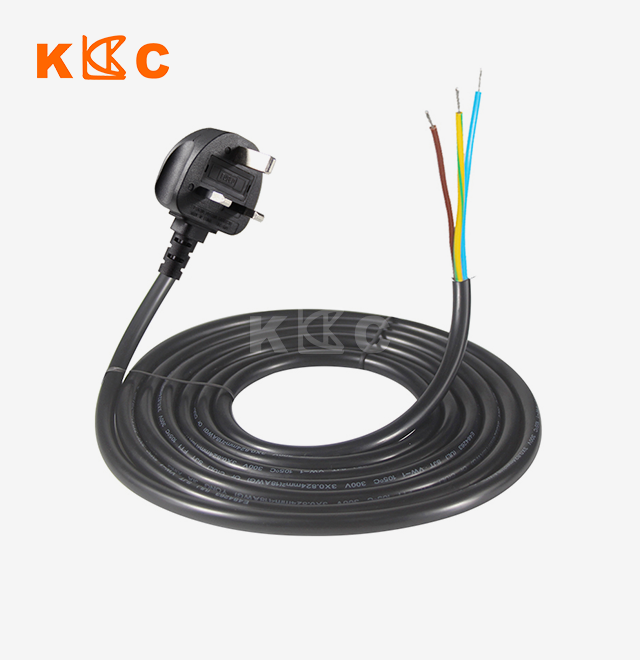
To prepare a cable, the covering has to be taken off so that the wire cores can be seen without damaging the copper strands. Damaged wires make resistance go up, which makes heat while the cigarette lighter male plug is working. Apply solder or crimp connectors to the exposed strands and twist them tightly, following the manufacturer's instructions. Putting heat-shrink tubing over the connections keeps water out and keeps the solder joints from being stressed.
Choosing the right fuse protects against overcurrent situations. Put in fuses that are rated a little higher than the predicted load but lower than the cable's maximum capacity. A 12AWG wire can safely handle a continuous current of 20A. Using it with a 15A fuse guards against overload while still letting high-draw tools work normally. To keep the length of unprotected cable to a minimum, always put fuses within 18 inches of the power source.
Critical Safety Measures
Checks for voltage compatibility go beyond standard grades. Some portable power stations have voltage drops when they are under a lot of stress. The voltage drops from 12.6V when there is no load to 11.8V when they are delivering the most current. Low voltage can cause sensitive electronics to not work properly, so voltage regulation circuits or load management strategies for the cigarette lighter male plug are needed. On the other hand, solar-powered power plants may output 14.4V during bulk charging, which is more than some 12V devices can handle.
Insulation and cable routing are very important for keeping short circuits from happening. Keep wires away from parts that are too sharp and could wear down the insulation over time. In places with a lot of shaking, use wire ties or tubing to keep the cigarette lighter male plug from chafing. Check connections often for corrosion, loose terminals, or discoloured insulation that could mean the wires are getting too hot.
During long-term high-current running, thermal control is very important. When cigarette lighter male plug bodies are fully loaded, and the temperature outside is above 30°C, they can get close to the 105°C limit for Bakelite housings. Make sure there is enough air flow around the connections, and don't coil up extra cable, as this traps heat and raises the resistance.
Troubleshooting Common Issues
Loose links are often the cause of power going out and on. Take the cigarette lighter male plug apart and make sure that the set screws that hold the wire terminals in place are tightened to the manufacturer's specifications. Check the tightness of the middle pin spring. If the springs are too weak, they can't keep the contact pressure up, which leads to arcing and connection dropout.
An overheating cigarette lighter male plug is a sign of a problem with the resistance. Check the voltage drop across the link when it is loaded. Readings above 0.5V could mean that the contacts are corroded or the wires are too small. If the cigarette lighter male plugs keep getting too hot, they need to be replaced because thermal cycling breaks down insulation and raises the risk of a fire.
A complete power failure needs to be analysed in a planned way. A multimeter should be used to check the power station's output for voltage. Check the cigarette lighter male plug fuse for continuity; blown fuses mean that there was an overcurrent event that needs to be fixed by lowering the load or upgrading the wire. Check the condition of the receptacle. Sockets that are broken or worn out don't allow the cigarette lighter male plug to seat properly and should be replaced.
Comparison of Popular Cigarette Lighter Male Plug Types and Brands in the Market
Categorizing Plugs by Key Features
Understanding how features make products different helps buying teams match parts to the needs of an application before they look at specific product groups. The most common cigarette lighter male plug designs seen in B2B buying can be broken down into the following groups:
• Standard Fused Plugs: Low-end models come with replaceable glass-tube fuses rated between 10A and 15A. These cigarette lighter male plugs work well in low- to moderate-current situations where cost is more important than advanced features. ABS plastic housings are cheaper to make, but they can only handle temperatures up to about 80°C, so they aren't good for hot climates or long-term high-current use.
• Heavy-Duty Industrial Plugs: These are professional-grade cigarette lighter male plugs with heat-resistant Bakelite or fire-resistant plastic housings that can work continuously at 105°C. Thicker copper or brass alloy terminals lower resistance below 50mΩ, which means that less heat is generated when 15A to 20A is used. Dual fuse protection at both ends of the wire provides extra safety, keeping the power station and any devices attached to it safe from faults.
• Waterproof Outdoor Plugs: For marine and outdoor use, you need cigarette lighter male plugs that are labelled IP67 or IP68 and have sealed wire entries and housings that are covered by gaskets. Materials that don't rust, like gold-plated contacts and stainless steel springs, make things last longer in places with a lot of moisture or salt. These cigarette lighter male plugs cost a lot, but they work very well in tough situations and are very reliable.
• Integrated USB Models: These are hybrid designs that combine the traditional cigarette lighter male plug connectivity with USB-A or USB-C ports, so you can charge multiple devices at the same time. Power fluctuations can't hurt sensitive electronics because they have built-in voltage regulation circuits that stop them. These units can do more than one thing, which makes managing cables easier in mobile command centers and RVs.
These groups meet different needs in the market, and picking the right one has a direct effect on business success and safety gaps. By matching the cigarette lighter male plug capabilities to the load requirements and environmental stresses, you can avoid early failures and expensive replacements.
Evaluating Manufacturers and OEM Support
Kuncan Electronics is a good example of the manufacturing standards that B2B buyers should look for in providers. The company has been making heavy-duty cigarette lighter male plug wires for 17 years. They have extra-thick pure copper cores that can handle high power with little resistance. Heat-resistant Bakelite cigarette lighter male plugs and a built-in fuse safety solve the problems that come up with managing heat in emergency jump-start and off-grid power situations.
The company's dedication to quality control sets standards for the whole industry. Following SAE J563 and ISO 4165 standards, all electrical and thermal tests on each cigarette lighter male plug cable are done, making sure that the contact points stay within 40°C above room temperature after one hour of full load. This strict testing protocol finds problems with products before they get to customers. This cuts down on warranty claims and the cost of field service.
Global safety badges make it easier to buy cigarette lighter male plugs across borders. When entering new markets, products that have been certified by CE, VDE, ETL, SAA, BS/UKCA, FCC, and EMC don't need to go through any extra tests. This governmental pre-clearance shortens the time it takes to start a product and lowers the cost for distributors and OEM clients to get into the market.
OEM customisation options meet a wide range of application needs. Different current loads can be handled by wire gauges ranging from 12AWG to 16AWG, and special cigarette lighter male plug cable lengths can be made to fit the needs of each location. In addition to standard PVC, you can choose from TPE, rubber, and LSZH compounds, each of which is best for a different type of environment. Private-label logo embossing and custom colour schemes help brands stand out in markets with a lot of competition.
Premium Model Benefits for B2B Applications
The price difference between the budget and expensive cigarette lighter male plugs is justified by their superior safety features. At both ends of the cable, dual fuse protection works to stop faults before they spread to other systems that are connected. This extra safety feature is very important in places where automation is used, and equipment downtime costs a lot of money.
Longer insertion-extraction life rates mean that upkeep isn't needed as often. Premium cigarette lighter male plugs that have been tested and proven to last 5,000 cycles or more keep the electricity flowing and the mechanical integrity of the plugs much longer than cheaper cigarette lighter male plugs that are only rated for 1,000 cycles. Even though the unit price is higher, this durability means cheaper total costs, especially in high-use situations like rental equipment companies.
Long-term buying stability is affected by the ties with suppliers. Respondent inventory management is possible with cigarette lighter male plug manufacturers who offer dedicated account management, quick sampling (3–7 business days), and short production lead times (15–25 days). Flexible minimum order quantities allow for both large-scale deployments and small-batch replenishment, which makes the best use of working capital.
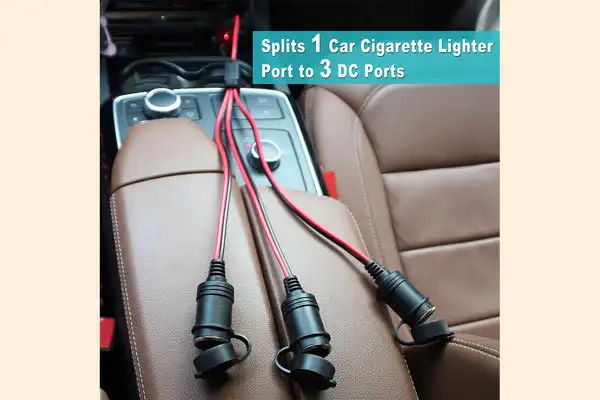
Procurement Tips and Logistics for Bulk Orders of Cigarette Lighter Male Plugs
Sourcing Strategies for B2B Buyers
Direct engagement with the OEM is cheaper than using multiple levels of distribution. Buyers who need more than 500 cigarette lighter male plugs every three months should get in touch directly with manufacturers to avoid having to pay markups to distributors. Manufacturers like Kuncan Electronics offer clear price systems and discounts for large orders, which helps resellers keep their profit margins and lowers costs for end users.
Online sales sites make it easy to make one-time purchases or purchases of a small number of cigarette lighter male plugs. Platforms check the credentials of suppliers and make transactions safe, which lowers the risk of fraud when looking at new vendors. But compared to direct manufacturer prices, these platforms usually charge 15–30% more for fees, which makes them less cost-effective for regular large orders.
Cost Optimization Tactics
To get good deals, you need to know how cigarette lighter male plug manufacturers set their prices. The prices of raw materials, especially copper, change with the commodity markets. Using quarterly or yearly contracts to lock in prices keeps budgets stable and protects against material cost inflation. Manufacturers are more likely to offer tiered prices when they have to meet volume promises. As order quantities rise, per-unit cigarette lighter male plug costs fall.
Minimum order numbers (MOQs) keep store costs in check while lowering unit prices. For buyers whose cigarette lighter male plug needs are likely to be predictable, a manufacturer that offers a 12% discount on orders over 1,000 units may be able to justify higher MOQs. Instead, buyers who aren't sure how much they will need should look for suppliers with flexible MOQs, even if it means paying a little more per unit. This will help them avoid having too much obsolete inventory.
Disputes over shipping terms have a big effect on landing costs. With Free On Board (FOB) terms, the cigarette lighter male plug customer is responsible for and bears the risk of transportation after the factory leaves. With Delivered Duty Paid (DDP) terms, the seller is responsible for and bears the risk of transportation. DDP makes it easier to buy goods, but it usually means that the prices go up by 8–12%. When buyers negotiate FOB terms and handle their own logistics, they often get better overall deals than buyers who don't have established freight partnerships.
Customization and Replacement Part Considerations
Application-specific customisation makes cigarette lighter male plug products stand out and makes customers happier. By choosing the type of conductor material (oxygen-free copper for best conductivity), the colour of the insulation to help with orientation identification, or overmolded strain relief for tough environments, you can make custom solutions that sell for more money in later markets.
The total cost of ownership is affected by the availability of replacement parts. Cigarette lighter male plugs with changeable fuses are better for the environment and make fixes easier in the field than sealed units that need to be replaced completely when the fuse blows. Long product lifecycles are supported by suppliers keeping spare parts for cigarette lighter male plug models that are no longer being made. This is especially important in industrial settings where equipment stays in use for decades.
Global Supply Chain and Compliance Management
Harmonised tariff numbers and country-of-origin rules need to be followed for import and export to be legal. Cigarette lighter male plugs are usually classified under HS code 8536.69, but duty rates can be different in different places. Talking to customs brokers early on in the buying process can help you avoid surprises like higher landed costs and delays in cigarette lighter male plug imports.
Picking a goods provider that combines cost and transportation time is important. Ocean freight has the lowest per-unit costs for shipping large cigarette lighter male plug orders that don't need to be delivered right away. It usually takes 25 to 40 days to get from Asian production hubs to North American destinations. Air freight cuts travel time to 5–7 days, but it costs 400–600% more and should only be used for urgent packages or items of high value. Eurasian trade lines can now use railway freight as a middle choice. It can get cigarette lighter male plug goods from one place to another in 15 to 20 days and costs half as much as air freight.

Conclusion
It's important to find the right cigarette lighter male plugs for portable power station uses by weighing technical specs, safety features, and the cost of procurement. Figuring out the voltage needs, current limits, and environmental stresses helps choose the right parts, and checking suppliers carefully makes sure the cigarette lighter male plug products work well and follow the rules. Quality manufacturers that offer thorough testing, global certifications, and responsive OEM customisation support offer better long-term value, even if the initial costs may be higher. When purchasing, teams focus on durability metrics, build direct relationships with cigarette lighter male plug manufacturers, and negotiate good logistics terms; they can get the best operational reliability and total cost of ownership for a wide range of industrial, emergency response, and commercial uses.
FAQ
What voltage ranges do cigarette lighter male plugs support?
Most cigarette lighter male plugs work with both 12V and 24V DC systems, so they can be used in all types of vehicles, from regular cars (12V) to heavy-duty commercial trucks or industrial equipment (24V). This ability to work with two different voltages means that the same connector can be used in a number of different situations, without the need for separate stock for each voltage system. To keep your equipment from breaking, always make sure that both the cigarette lighter male plug and the gadget that is attached can handle the power station's output voltage.
How do I verify plug waterproofing and durability?
Check the product's IP (Ingress Protection) rating. An IP67 or IP68 rating means that it can withstand water and is suitable for outdoor use, while an IP44 rating only protects against splashes. Ask the manufacturer for test reports that show cigarette lighter male plug salt spray testing (usually for at least 48 hours to make sure it doesn't rust) and insertion-extraction life testing (good cigarette lighter male plugs can handle 5,000+ cycles). When you look at it closely, you should see sealed cable entries, housings that are protected by gaskets, and corrosion-resistant contact materials like gold-plated or nickel-plated brass terminals.
Can automotive plugs work with portable power stations?
Yes, portable power stations often have receptacles that look like cigarette lighters, so that they can use the fact that cigarette lighter male plug accessories are easy to find. For mechanical and electrical compatibility, the electrical interface stays the same, with a positive pin in the middle and a negative shell around the outside. But make sure that the current levels meet the amount you want to use them for. For example, car accessories made for use in vehicles may use more power than the power station's rated output, so the cigarette lighter male plug cables need to be properly fused to avoid overloading.
Partner with a Trusted Cigarette Lighter Male Plug Manufacturer
Kuncan Electronics is ready to help you with your cigarette lighter male plug buying needs. For 17 years, they have been making high-quality car power options. Our extra-thick pure copper cores, heat-resistant Bakelite housings, and dual fuse protection make our heavy-duty cigarette lighter male plug cables reliable for your needs. We offer full OEM customisation, which includes choosing from 12 to 16AWG wires, making custom lengths, and private labelling to meet your exact needs. Each cigarette lighter male plug cable goes through rigorous electrical and thermal tests and is certified by ISO. It also meets all global standards for compliance (CE, VDE, ETL, SAA, BS/UKCA). Email our tech team at rhea@szkuncan.net to talk about your application needs, get samples, or look into how to get the best deals on large orders for your next project.
References
1. Society of Automotive Engineers. (2016). SAE J563: 12 Volt Cigarette Lighter Receptacle. SAE International Standards.
2. International Organization for Standardization. (2018). ISO 4165: Road Vehicles — 13-pole Connecting Cable Between Towing Vehicles and Trailers. ISO Technical Committee.
3. National Fire Protection Association. (2020). NFPA 70: National Electrical Code — Article 551 Recreational Vehicles. NFPA Standards Council.
4. Underwriters Laboratories. (2019). UL 2089: Standard for Safety for Vehicle Battery Adapters. UL Product Safety Certification.
5. International Electrotechnical Commission. (2021). IEC 60529: Degrees of Protection Provided by Enclosures (IP Code). IEC Standards Publication.
6. American Boat and Yacht Council. (2022). ABYC E-11: AC and DC Electrical Systems on Boats. ABYC Marine Electrical Standards.

USER EVALUATE
Here is the customer's evaluation of us