
Fixing a Loose Connection: When to Replace Your Clover Leaf Cable
If the link in your IEC C5 power cord isn't tight, it could mean the difference between smooth operation and unplanned downtime. Most of the time, a worn clover-leaf cable is to blame when your laptop adaptor flickers or your projector loses power from time to time, not the device itself. Knowing when to fix this important part instead of replacing it saves time and keeps expensive tools safe. If you do the right research, you'll know when your UK power cord has hit the end of its useful life and needs to be replaced to keep working properly.
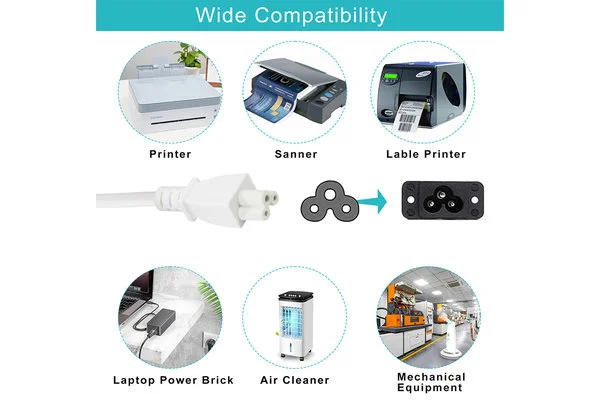
Understanding the Clover Leaf Cable and Its Connection Issues
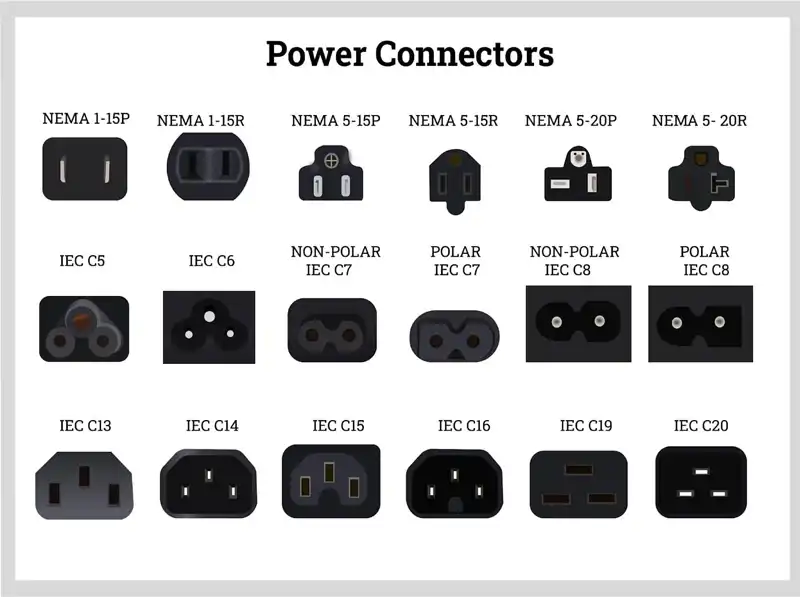
Millions of products around the world use the unique three-pronged IEC C5 connection, which is also known as the clover-leaf design. Standardized plugs like these connect laptop power adapters, portable displays, and professional audio gear to the wall outlet. A grounded three-pin structure is built into the design to provide stable power while reducing electromagnetic pollution.
Why Connection Problems Develop Over Time?
Most power cord connection problems are caused by physical wear and tear. The metal contacts inside both the plug and socket slowly break down over time when they are put in and taken out many times. During operation, changes in temperature cause contact points to expand and shrink, which makes them less secure. Things in the environment, like dust buildup, water exposure, and physical stress from bending cables, speed up the breakdown process.
According to guidelines set by the industry, power cords usually keep working well after 10,000 managed insertion rounds. The way it is used in real life often adds extra stresses that shorten its usefulness. How cables are managed has a big effect on how long they last. For example, sharp bends near connections create stress places where internal conductors break.
Recognizing the Warning Signs
Early discovery keeps tools from getting damaged and keeps work from being interrupted. Intermittent power transfer means that links aren't working as well, which can show up as flickering lights or sudden shutdowns. Damage can be seen by touching it: darkening around the plug pins means that the connector is overheating because of bad contact, and cracks that can be seen in the body of the connector make it less safe. A loose fit when inserted, where the plug can move around in the socket, is proof that the link is failing. If the temperature rises above average during operation, it means that resistance is building up from worn contacts.
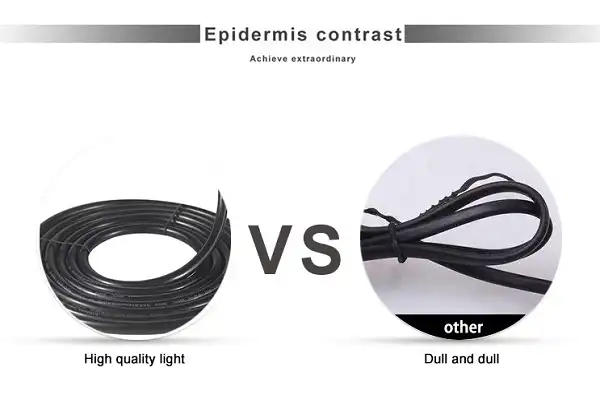
The flame-resistant PVC jacket keeps the internal wires safe from damage from tools and the elements. If this top layer has cracks, fraying, or wires that can be seen, the structure of the cable is no longer strong. These clear signs need to be looked at right away because continuing to use them could cause electricity problems.
Diagnosing and Troubleshooting Clover Leaf Cable Connection Problems
Systematic analysis figures out if the problem is with the cord, the device socket, or something outside the device. This organized method keeps backups from being needed when they aren't needed and keeps everyone safe.
Professional Testing Methods
Diagnostics for cables are based on continuity tests. Technicians use a digital voltmeter set to continuity mode to make sure that the electrical paths through all three wires are not blocked. The test probes link to the right pins on each end of the wire. If the reading for resistance is infinite, it means that a conductor is broken and needs to be replaced. This process only takes a few minutes, but it is a surefire way to find internal wire problems.
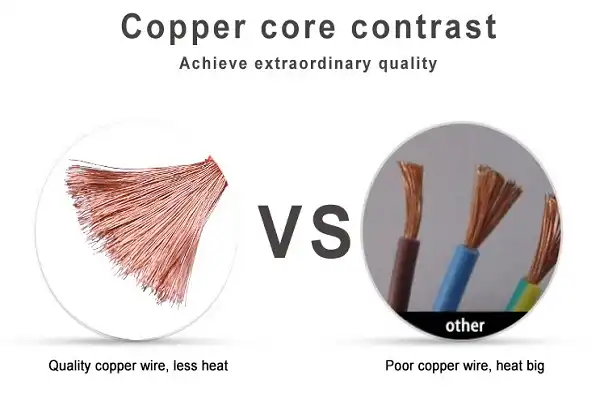
Resistance readings for the clover leaf cable give you more information about the state of the cable. At normal lengths, good power lines have resistance of less than 0.1 ohms per conductor. High numbers mean that there are partial breaks in the conductors or links that are corroded. When we make cables, we only use 100% pure copper wires so that the cables keep working at their best for as long as possible.
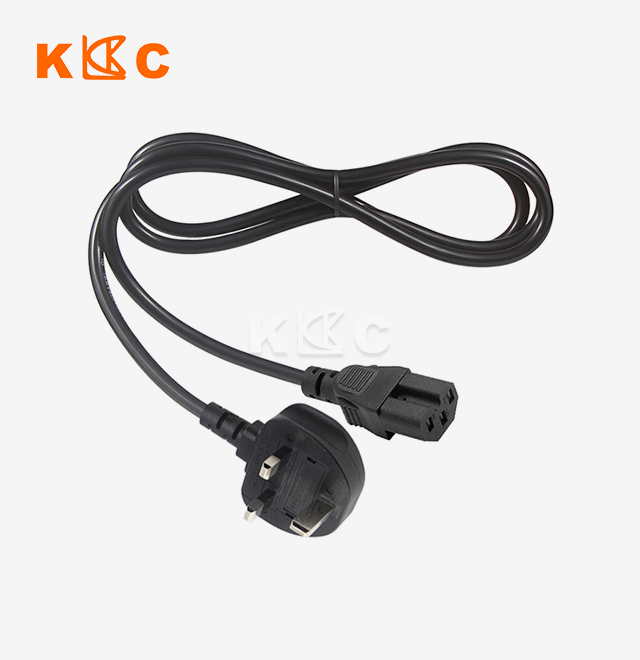
When you look at the connectors under a microscope, you can see damage that you can't see with the naked eye. Intermittent links can be caused by tiny scratches on the plug pins, a buildup of tarnish, or twisted contact springs in the socket. The ASTA/BSI-approved plug design has stronger contact points that don't wear down easily, so it will last longer and work reliably.
When Repair Isn't Viable
Most of the time, connection problems need to be replaced instead of fixed. In contrast to data lines, where replacing connectors is a cost-effective option, power cords are built with safety in mind by using molded parts. During production, the plug and wire jacket are molded together to make a single unit. The internal conductor terminations are sealed inside the molded housing. This design keeps wetness out and protects terminations from mechanical stress, but it makes field repair impossible.
Power supply that is stable is especially important in professional settings. Schools that use technology in the classroom can't stand power outages that happen for no reason. Businesses that use mobile computer options need adapters that work well all the time. The cost of downtime and possible damage to machinery is much higher than the cost of replacing the cables.
Comparing Clover Leaf Cables with Other Cable Types in Terms of Durability and Signal Quality
Knowing how different types of cables work helps you make smart decisions about what to buy. There are certain uses for the IEC C5 plug type where its benefits are most useful.
Performance Advantages of the Cloverleaf Design
When it comes to grounding, the three-pronged design is better than two-conductor options. This grounded link gets rid of the risk of shock and keeps sensitive equipment from being affected by electromagnetic interference. This clean power transfer is very helpful for desktop audio devices because ground loops and RF interference hurt sound quality. The small connector shape takes up less room in desks and boxes with a lot of equipment.
The way cables are built has a direct effect on how long they last under working stress. The H05VV-F wire label means that the standards for flexible PVC-insulated cords have been standardized. This guideline makes sure that all makers produce products that work the same way and meet European safety standards. Our 0.75mm² wire size can handle loads of up to 2.5A while still being flexible enough to be routed through tight areas.
Durability Considerations for Professional Deployment
Temperature cycling tests show that different types of cables work in different ways. Standard PVC insulation stays strong from -5°C to +60°C, which is the temperature range that most offices use. Specialized industrial uses that need to work in temperatures between -40°C and +85°C need cables that are built differently than normal power cords.
Mechanical stress resistance changes a lot depending on how the wire is made. While braided wires are very flexible, they add complexity that makes them more expensive to make. Flat wires have profiles that take up less room, but they put most of the mechanical stress along the sides. Our uk power cords have a round wire geometry that spreads bending loads widely around the group of conductors. This makes the cords more resistant to fatigue even after being bent over and over again.
Comparative testing shows that power lines that are properly made with approved parts last longer than generic options in every way. Buying quality wires and plugs that are approved by ASTA/BSI will directly lead to longer service life and a lower total cost of ownership.

Procurement Considerations for Replacing Clover Leaf Cables
Strategic buying of the clover leaf cable strikes a mix between short-term cost concerns and long-term value concerns. When purchasing managers look at power cord providers, they should look at more than just the price per unit.
Evaluating Manufacturer Credentials
Certification of validity is the basis of quality security. Legitimate ASTA/BSI compliance needs thorough testing by approved labs, along with regular checks to make sure that production standards are being met. These licenses make sure that goods follow the rules for electrical safety in the UK. This protects both end users and businesses from being sued.
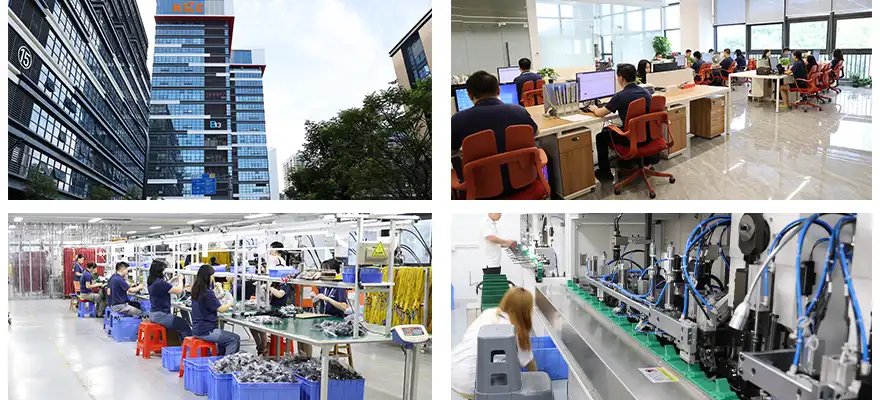
Expertise in manufacturing shows up in the ability to make products that are consistent and fit specific needs. With seventeen years of knowledge in a specific area of production, methods can be improved to keep costs low while reducing errors. Over 300 skilled workers at our Dongguan plant are committed to making cables and power accessories. Their knowledge and experience allow us to meet even the most difficult technical needs.
Global safety approvals make it easier to deploy resources across international businesses. Products that have been approved by CE, VDE, ETL, SAA, and FCC can be sent to regional markets without having to go through any more testing. This complete set of certifications makes it easier for international companies to buy standard tools in different parts of the world.
Customization and Supply Chain Flexibility
Because of the specifics of an application, configuration choices that aren't in the standard library are often needed. Custom wire lengths make setups better by getting rid of extra cables that are a pain to deal with and could cause people to trip. If you choose a fuse grade between 3A and 5A, it will fit the needs of your device and protect it from overcurrent without tripping for no reason.
Branding integration through molded logos and custom packing helps OEM partners and resellers make their products stand out. With this private label feature, generic power cords can be turned into labeled items that help a company's image. When you combine technical customization with visual branding, you have an edge in markets that are already very crowded.
How fast the supply chain is has a direct effect on how well inventory management works. Our ability to do fast sampling lets us make samples in 3–7 business days, which speeds up the qualification process. Bulk order lead times can be anywhere from 15 to 25 days, based on the amount needed to support just-in-time inventory tactics. Since there are no minimum order quantities, small batches can be restocked, which makes the best use of working capital.
Warranty coverage reduces risk in ways that go beyond the original quality check. Our one-year warranty against manufacturing flaws covers replacement or fix on time, so you don't have to pay for any downtime. This promise shows that the company is confident in its products and wants its customers to succeed.
Best Practices to Prevent Future Loose Connections in Clover Leaf Cables
Regular care for the clover leaf cable keeps cables in good shape and extends their useful life. Companies that use systematic wire management see big changes in their efficiency.
Installation and Handling Guidelines
The right way to place a connection stops it from wearing out too quickly. When disconnecting, users should strongly hold on to the plug body instead of pulling on the wire. This keeps stress from building up at the point where the wire and plug meet, which is where internal conductor problems usually start. Extreme bend angles should be avoided within 50 mm of connections to protect the wire and jacket.
When installing, pay close attention to how the cables are routed. Keeping wires away from pinch points, sharp edges, and paths with a lot of foot traffic lowers the chance of mechanical damage. Zip ties can make pressure points that damage insulation, but Velcro straps are better at managing cables because they can be adjusted. Keeping service lines close to links lets equipment move around without putting stress on the cables.
How cables are stored affects their state between deployments. Plastic memory that causes lasting bends can be avoided by using loose coiling with a large diameter. By not tightly wrapping around small items, you can keep the structure of the jacket and keep the conductor in place. Keeping things in climate-controlled storage, away from high temperatures and UV light, protects their qualities.
Inspection and Maintenance Protocols
Visual checks done on a regular basis find new problems before they become problems. Cable state can be checked once a month when the equipment is being cleaned, which doesn't require any extra work. People should look for harm to the jacket, a loose connection, discoloration, or odd flexibility that could mean an internal wire break.
Using thermal imaging during operation can show problems with link resistance that can't be seen with the naked eye. Hot spots at plug connections mean that the contact isn't working right and needs to be fixed. This non-contact troubleshooting method is easy to add to preventative maintenance checks for setups of important equipment.
Lifecycle management is possible with documentation tools that keep track of when cables are deployed. Failures in mission-critical applications can be avoided by setting replacement times based on how often they are used. Installments that are used a lot, like screens in meeting rooms, need to be replaced more often than stationary office equipment. Our setups can be changed to fit your needs, and they support systematic rotation plans that keep things reliable.
Putting money into training pays off because bad handling causes less damage. Cables last longer when the people who operate the equipment know the right way to connect them and what the danger signs mean. A short orientation that goes over basic care practices greatly lowers the number of early fails that are caused by user mistake.
Conclusion
For power delivery systems using the clover leaf cable to have reliable connections, the cables must be of good quality, installed correctly, and replaced at the right time. Knowing when to replace your IEC C5 power cord instead of keeping it in good shape protects your tools and keeps operations running smoothly. When pure copper conductors, flame-resistant PVC jackets, and certified safety components are used in high-quality production, the products work reliably in even the most difficult situations. Strategic buying from well-known companies that have all the necessary approvals and can make changes as needed lowers the total cost of ownership while still making sure that all global operations are compliant. Using regular inspection methods and the right way to handle cables will extend their useful lives and keep important operations from being interrupted without warning.
FAQ
How frequently should we inspect power cords to prevent connection failures?
Visual inspections done once a month as part of regular machine repair find most problems before they break. Every two weeks is a good amount of time to check places that get a lot of use, like meeting rooms and shared workspaces. Thermal imaging every three months shows problems with link resistance that can't be seen. Full testing once a year, including continuity measures, makes sure that all wire stocks stay in good shape.
What performance impact do loose connections create in powered equipment?
Voltage changes caused by intermittent links put stress on device power sources, which could shorten the life of parts. When contact resistance goes up, heat is produced that speeds up the connection's breakdown. Unexpected shutdowns, data loss, and less efficient charging are all things that can happen with sensitive gadgets. The combined effect lowers the reliability of the tools and raises the cost of support.
Why does sourcing from certified manufacturers matter for power cords?
Through independent lab tests and ongoing surveillance checks, certified makers show that they follow international safety standards. This checks that the quality is always the same, that the right materials are used, and that there are enough safety gaps. Legitimate certificates keep companies from being sued and ensure the performance of their products. Established makers offer expert support, guarantee coverage, and a reliable supply chain that can't be found from generic providers.
Partner with Kuncan Electronics for Reliable Clover Leaf Cable Supply
Kuncan Electronics is ready to be your reliable clover-leaf cable provider for all of your power cord needs in the UK. Our ASTA/BSI-compliant IEC C5 wires are made with precise engineering and strict quality control, and they are backed by 17 years of experience making cables. To meet your exact needs, we offer a range of customization choices, such as choosing the cable length, fuse rating, and private label marking. Email our expert team at rhea@szkuncan.net to talk about your power connection needs and find out how our enterprise-grade solutions can help you streamline your supply chain while also providing high levels of stability.
References
Institute of Electrical and Electronics Engineers (IEEE), "Standard for Power Cables and Connectors: Reliability and Safety Guidelines," IEEE Standards Association, 2021.
British Standards Institution (BSI), "BS 1363: Specification for 13 A Fused Plugs and Switched and Unswitched Socket-Outlets," BSI Publications, 2020.
International Electrotechnical Commission (IEC), "IEC 60320: Appliance Couplers for Household and Similar General Purposes," IEC Standards Database, 2019.
National Fire Protection Association (NFPA), "Electrical Safety in the Workplace: Cable Maintenance and Inspection Protocols," NFPA Research Foundation, 2022.
Underwriters Laboratories (UL), "Power Cord Durability Testing: Methods and Performance Criteria," UL Standards Technical Bulletin, 2020.
European Committee for Electrotechnical Standardization (CENELEC), "Harmonized Cable Specifications for Commercial and Industrial Applications," CENELEC Technical Report, 2021.

USER EVALUATE
Here is the customer's evaluation of us