
How to Select the Right C13 to 5-15P Power Cord?
To choose the right C13 to 5-15P power cord, you need to make sure it works with the voltage and current needs of your equipment, check the wire gauge (usually 18AWG to 14AWG), make sure it has UL or ETL certifications for North American compliance, and make sure the cord length fits your installation space. Putting these technical requirements and long-lasting building materials at the top of the list makes sure that servers, computers, and industrial systems get safe, reliable power while reducing the risk of downtime.
Understanding the Basics of C13 to 5-15P Power Cords
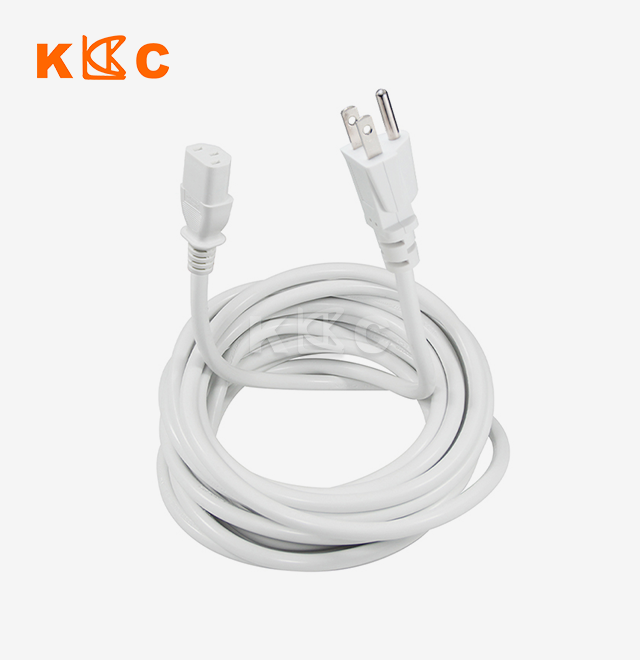
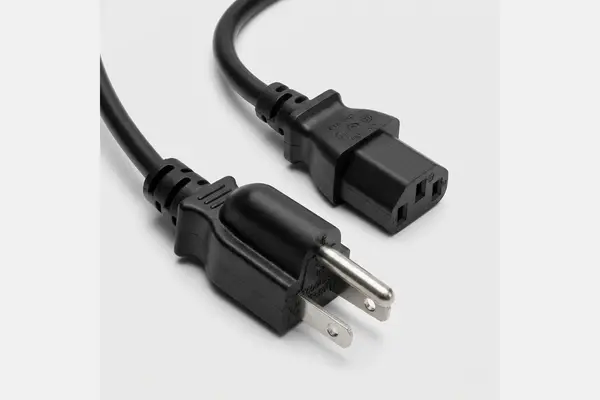
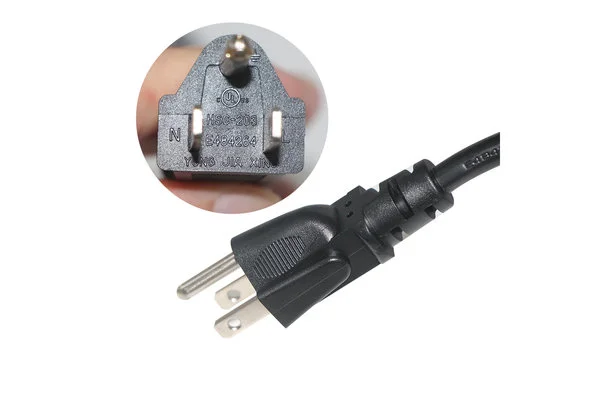
Many pieces of electrical equipment can't be used with North American normal wall outlets without the C13 to 5-15P power cord. A three-prong grounded NEMA 5-15P male plug and an IEC 60320 C13 connector are used together in this cable setup to make a safe path for electricity to flow from the facility's power grid to servers, UPSs, networking gear, and lab equipment.
Technical Composition and Electrical Flow
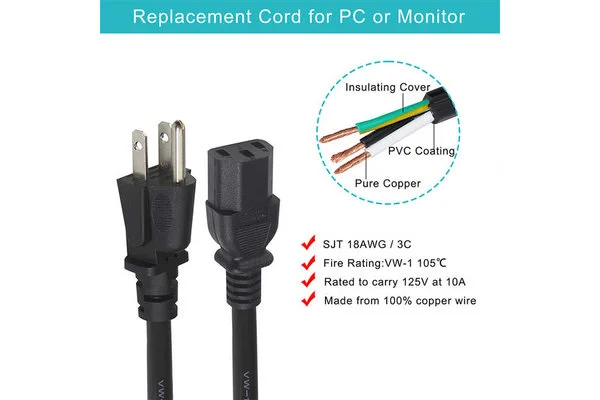
To understand how these wires work, you must first understand how they are put together on the inside. High-purity copper wires that don't contain oxygen carry electricity with little resistance, which means they produce less heat when they're working. The grounded design has three separate paths: the hot wire brings in the active current, the neutral wire completes the circuit, and the ground wire protects against fault currents by sending them away from sensitive parts. Flame-resistant PVC or thermoplastic jackets cover these wires, protecting them mechanically and meeting fire safety standards in business and industry.
Critical Specifications for Procurement
Ratings for voltage and current are what make work safe. Standard setups work with 125V AC and can handle currents between 10A and 15A, based on the wire gauge chosen. The 18AWG type is best for general-purpose computers, while the 14AWG type is better for servers because it can handle more power and less voltage drop over longer distances. The width of the cable ranges from 6.3mm to 9.5mm, with thicker versions lasting longer in harsh settings.
Length choices have a big effect on how flexible you can be with fitting. We offer lengths that can be changed from 1 meter to 5 meters, which helps buying teams handle cables better and clear up the workplace. Shorter cables reduce power waste and make the area look better, while longer ones can connect to devices that are farther away from power sources.
Safety Certifications and Regulatory Compliance
Following well-known safety rules keeps both tools and people safe. UL and cUL approvals mean that the product has been tested thoroughly against North American safety standards. These standards cover dielectric strength, continuity verification, and strain relief longevity. CSA and ETL marks are more proof that a product is of good quality. These licenses make it easier for regulators to give their approval and show that they care about worker safety. This lowers the risk of liability for companies that use these wires throughout their buildings.
RoHS and REACH compliance protects the environment by limiting the use of dangerous materials in wire production. This compliance makes foreign operations easier and fits with efforts by companies to be more environmentally friendly. The paperwork that backs up these certifications helps procurement pros keep clear records of the supply chain and meet audit standards.
Key Factors to Consider When Selecting a C13 to 5-15P Power Cord
To get through the decision process, you have to balance a lot of technical and practical factors. Long-term dependability and cost savings come from making smart choices in every area, especially when selecting a C13 to 5-15P power cord.
Device and System Compatibility
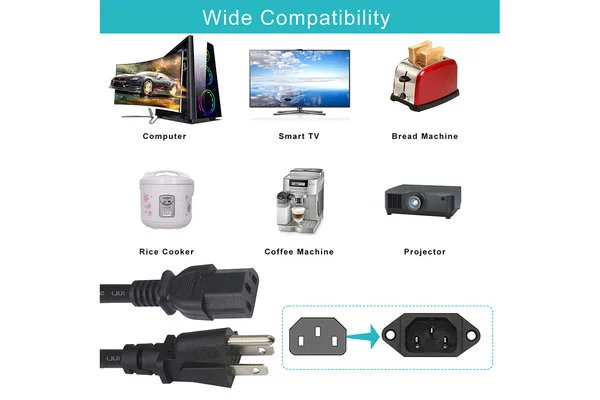
Equipment suitability is more than just how well it fits. For computers in data centers to keep running at high loads for a long time without getting too hot, they often need 14AWG wires. Heavy-duty versions keep the voltage stable even when the computer is handling a lot of data. These are useful for gaming PCs with high-performance graphics cards. UPS systems that protect important equipment need cables with strong strain relief so that they can handle being connected and disconnected many times during repair.
Medical technology has its own set of needs for C13 to 5-15P power cord. Versions made for hospitals have better grounding features and must meet strict leaking current requirements below 100µA. Cleaning agents and autoclaving processes don't damage these special wires, so they can be used over and over again in sterilization processes.
Wire Gauge Selection and Power Capacity
The diameter of the wire directly affects its ability to carry power and keep the voltage stable. The standard 18AWG setup works well for most office computers and screens that use up to 10 amps. Heavy-duty 16AWG cables work well in places with equipment that needs a lot of power, while mission-critical 14AWG cables are needed in data centers because they reduce resistance over longer cable runs.
By understanding ampacity scores, you can avoid dangerous warming situations. When wires are used close to their stated capacity, the insulation breaks down faster, which raises the risk of a fire. Choosing the right-sized wires with enough safety gaps increases the equipment's service life and makes sure it works the same way throughout its lifetime.
Cord Length and Installation Flexibility
The best wire length strikes a mix between how well it works electrically and how easily it can be installed. Too much length causes voltage drop and makes it hard to handle the cables, while not enough reach forces equipment to be placed in awkward ways or calls for extra extension solutions that make power delivery more difficult.
Our length choices can be changed to fit a variety of fitting situations. Shorter 1-meter wires are better for managing airflow and preventing cable congestion in small computer racks. Spread out lab benches with lots of different pieces of equipment use 5-meter versions that let you move them around without having to use power strips in the middle, which adds more places where things could go wrong.
Construction Materials and Environmental Durability
The materials used for cable jackets decide how long they will work in different environments. Standard PVC jackets work well in climate-controlled offices where the temperature stays the same. For industrial automation uses that are subject to temperature changes between -40°C and +85°C, special SJTOW jackets are needed that stay flexible and insulating throughout this harsh range.
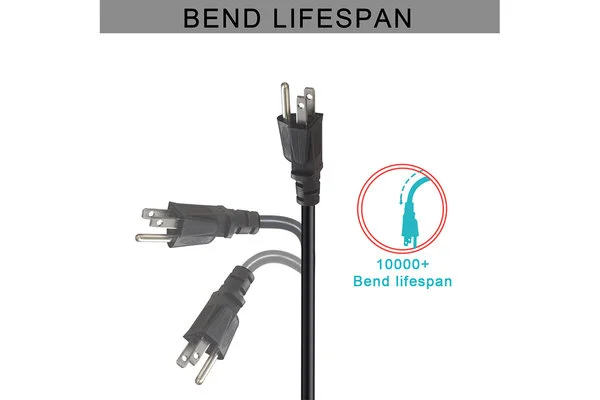
Strain reduction support at the connection places keeps the wire from breaking too soon. Our molded strain relief designs spread mechanical stress over a larger area, which keeps conductors from coming apart when moving equipment or pulling on the wire by mistake. This technical feature is especially useful for medical carts and portable diagnostic tools that have to be moved around a lot.
Shielded versions help with worries about electromagnetic radiation in sound recording and medical imaging settings. The built-in filtering layer stops radio frequency interference from messing up the signals in data lines next to each other. This keeps the power flowing smoothly without adding any electrical noise.
Comparing Popular C13 to 5-15P Power Cord Options
There are a lot of different kinds of C13 to 5-15P power cords on the North American market, and each one is better for different uses. When procurement teams know about these differences, they can match goods with business needs.
Tripp Lite and other well-known names have built their reputations on offering a wide range of products certified for both general and specific uses. A lot of the time, their services include thorough technical documents for IT asset management systems. StarTech focuses on being flexible by offering color-coded choices that make it easier to find cables in setups with a lot of different types of equipment. Belkin focuses on consumer-grade stability and retail-friendly packing, while APC focuses on UPS compatibility and stronger retention features that keep the cables from coming undone during battery switchover events.
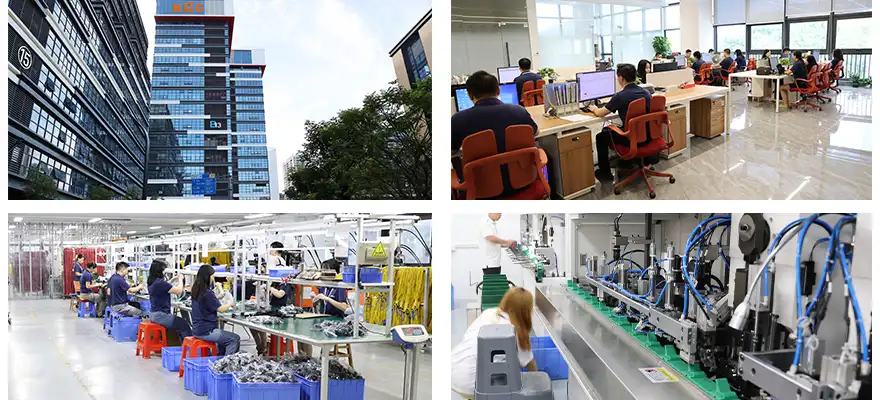
Kuncan Electronics stands out for C13 to 5-15P power cord because it can make things in a variety of ways and respond quickly to customer needs. Because we've been in production for 17 years, we can offer enterprise-level solutions with specs that can be changed to fit special procurement needs. Unlike companies that sell fixed product lists, we let you change the wire gauge, match the color of the jacket to fit your company's brand, and print on demand for asset tracking integration.
Balancing Price and Quality in Procurement Strategy
Costs aren't just about unit prices; they also include the total cost of ownership. Cheap choices might save you money right away, but they may cost you more in the long run if they fail early, don't work with other systems, or don't have the right licenses, which can cause problems with the law. Premium goods cost more at first, but they last longer, need less maintenance, and are easier to record for compliance.
Strategies for buying in bulk can unlock a lot of value for large-scale operations. Volume prices lower the cost per unit while keeping quality standards high. Consolidated orders make it easier to receive items and keep track of supplies. Our MOQ policies are flexible enough to support both big data center rollouts and smaller pilot projects. This way, you don't have to sacrifice quality because of limited order volume.
Specialized Variants for Targeted Applications
Fans of gaming PCs need cords that can give stable power even when graphics-intensive tasks are being done. Heavy-duty designs with 16AWG wires stop voltage sag, which can cause the system to become unstable or slow down. UPS-compatible versions have higher holding force requirements that make sure links stay safe during power outages without needing to be installed with tools.
Ruggedized parts with oil-resistant jackets and better impact protection work well in industrial automation settings. Cutting fluids, solvents, and mechanical wear are typical in manufacturing facilities. These special wires can handle it all, so they last longer in harsh situations where regular office-grade goods break down quickly.
Best Procurement Practices for C13 to 5-15P Power Cords in B2B
Strategic sourcing practices change buying C13 to 5-15P power cords from a one-time thing to managing the supply chain in a way that adds value. Using systematic review systems lowers risk and makes the best use of resources.
Supplier Verification and Credibility Assessment
Verifying the identities of suppliers keeps companies safe from fake goods and bad service. The first step in verification is to check the legitimacy of the certification by talking directly with the organization that issued it, such as UL or CSA. Comparing what a provider says to databases that are open to the public proves that they have the right to make certified goods.
Delivery history shows how reliable a business is. Performance that is always on time shows that the production capacity is strong and that operations are well coordinated. How quickly customer service answers questions before a sale is a good indicator of how well they will help customers after the sale with technical questions or guarantee problems. When putting wires in specialized applications that need application engineering help, having access to technical support is very important.
Kuncan Electronics is an Alibaba Verified Supplier, which means that their business methods have been checked and found to be honest by a third party. Our licenses from ETL, VDE, SAA, CE, and BS cover markets around the world, making it easier for foreign companies to operate in more than one area.
Inventory Management and Lead Time Optimization
Carrying costs and stockout risks need to be balanced in order for stocking tactics to work. Just-in-time buying cuts down on stock costs, but it leaves operations open to supply problems. Safety stock gaps protect against sudden increases in demand or delays from suppliers. They also keep operations running while equipment is being added to or replaced in an emergency.
Our production skills allow us to meet a wide range of delivery dates. Sample orders are sent out within 3–7 business days, which lets you make quick prototypes and make sure they work before you commit to bulk sales. Depending on the complexity of the order, bulk production takes 15 to 25 days to finish. For urgent tasks, there are choices for faster production. Small-batch restocking without minimum order limits gives you the freedom to keep your inventory levels just right without spending too much on capital.
Leveraging Strategic Partnerships for Competitive Advantage
Long-term ties with suppliers of C13 to 5-15P power cord bring perks that go beyond a single transaction. When a customer is a preferred customer, they can get priority production ordering during times of high demand. This makes sure that they can always get important parts when shortages affect the whole market. Collaborative product development projects change the specs of cables to meet the changing needs of organizations. This makes custom solutions that aren't offered in standard catalogs.
Our OEM and ODM services let you use your brand's personality in power connectivity options. With custom header card packaging, barcode labeling integration, and name printing, plain cables can be turned into branded assets that help with company identity programs. Customization like this is especially helpful for value-added resellers and system developers who want to set their products apart in crowded markets.
Practical Tips and Case Studies for Selecting the Right Cord
Real-life application experience shows common mistakes and effective methods that improve the results of buying the right C13 to 5-15P power cord.
Avoiding Common Selection Errors
The most common mistake in buying is still not assessing suitability properly. Assuming that connectors that look similar can be used with any other connection can cause dangerous mistakes. The C13 connection is fundamentally different from the "cloverleaf" C5 connector and the unpolarized C7 connector, even though they look a lot alike. Checking the exact connection specs against what the equipment needs can help you avoid expensive returns and installation delays.
Liability is increased when safety standards are not checked. Cables that aren't approved don't have proof of their dielectric strength, wire size, or flame resistance, which could damage equipment or lead to injuries at work. The small amount of money you save by buying non-certified goods is nothing compared to the costs of fixing problems, fines from regulators, and damage to your image.
Cable service life is shortened by not taking external factors into account enough. When standard-temperature wires are installed in freezer storage areas or outdoor enclosures, the insulation cracks and fails before it should. When you match the cable's specifications to its real operating conditions, it will work reliably for the whole service time.
Real-World B2B Implementation Scenarios
A medium-sized IT services company that was updating their data center equipment first asked for standard 18AWG cables to save money. During load tests, when the server was under a lot of processing load, voltage drops along 4-meter wire runs made the server unstable. Voltage stability problems were fixed by switching to 14AWG server-grade versions. This shows that choosing the right wire size can keep operations running smoothly.
A company that sells medical tools needed wires that could be used in hospitals that follow strict sterilization rules. Standard commercial-grade goods broke down quickly after being in an autoclave, so they had to be replaced more often, which raised the cost of upkeep. By switching to medical-grade versions that are more resistant to chemicals, the number of replacements dropped by 75%, which improved the total cost of ownership even though the units cost more.
An industrial automation expert had a lot of trouble with cables breaking too soon in factories where oil mist and mechanical shaking were common. The average time between failures went from 18 months to over 5 years after upgrading to ruggedized assemblies with chemical-resistant jackets and strengthened strain relief. This cut down on unexpected downtime and maintenance work by a large amount.
These case studies show that matching cable specs to the needs of a particular application leads to measurable cost savings and better operations. The trend shows how important it is to work with experienced sellers who know the needs of different industries and can suggest good solutions.
Conclusion
To choose the correct C13 to 5-15P power cord, you need to carefully consider the technical details, the working conditions, and the needs of the application. The right choice of wire gauge, checking the licensing, and making sure the materials work well together all make sure safe and effective performance in a wide range of situations. Power connection can be turned from a commodity purchase into a strategic advantage by working with experienced makers that offer customization options, fast delivery, and full expert support. By using the above-mentioned buying habits and selection criteria, your company can improve the stability of its power infrastructure while keeping costs low and operating risks to a minimum. Investing in wires that are properly sized and rated pays off in the form of longer service life, less upkeep, and equipment that keeps running.
FAQ
Can I safely use a C13 to 5-15P power cord with my UPS system?
As long as the wire gauge is the right size for the power draw, these cords will safely connect to 125V AC UPS systems. Standard 18AWG wires work with UPS units that are less than 1000VA, but bigger systems need 14AWG server-grade cables. Check the output specs of your UPS and the input needs of your equipment before making your choice.
What distinguishes C13 to 5-15P from C14 power cords?
The C14 connection takes a male plug, and the C13 connector takes a female plug. A C13 to 5-15P power cord lets you connect power outlets to devices that have C14 plugs. Because the pins are set up differently and there is mechanical keying, these connections can't be switched out.
How do I determine the correct cord length and wire gauge?
Find out how far away your power source is from your tools, and then add 15% to allow for possible routes. 18AWG is enough for loads less than 10A. To keep the power from dropping and the servers from overheating, equipment that draws 10 to 13A needs 16AWG and high-density servers need 14AWG.
Partner with Kuncan Electronics for Your C13 to 5-15P Power Cord Needs
Kuncan Electronics has been making high-quality products for 17 years and offers approved power connectivity options. As a confirmed provider of the C13 to 5-15P power cord, we offer UL/ETL-certified kits with wire gauges, lengths, and jacket specs that can be changed to meet your particular needs. Our rapid sampling method takes 3–7 days to finish, and mass production ships in 15–25 days with no minimum order size requirements. Email our technical team at rhea@szkuncan.net to talk about your unique application needs and get full specs that will make sure they work with your equipment.
References
National Electrical Manufacturers Association. (2022). NEMA Wiring Devices: Dimensional Standards and Performance Requirements. NEMA Publications.
International Electrotechnical Commission. (2021). IEC 60320-1: Appliance Couplers for Household and Similar General Purposes. IEC Standards.
Underwriters Laboratories. (2023). UL 817: Standard for Safety Cord Sets and Power-Supply Cords. UL Certification Documents.
Johnson, M. & Williams, R. (2022). Data Center Power Distribution: Best Practices for Infrastructure Reliability. TechPress Publishing.
American National Standards Institute. (2021). ANSI C73 Series: Dimensions and Ratings for Attachment Plugs and Receptacles. ANSI Standards.
Peterson, L. (2023). Industrial Cable Selection Guide: Matching Specifications to Environmental Demands. Engineering Solutions Journal, 45(3), 112-128.

USER EVALUATE
Here is the customer's evaluation of us