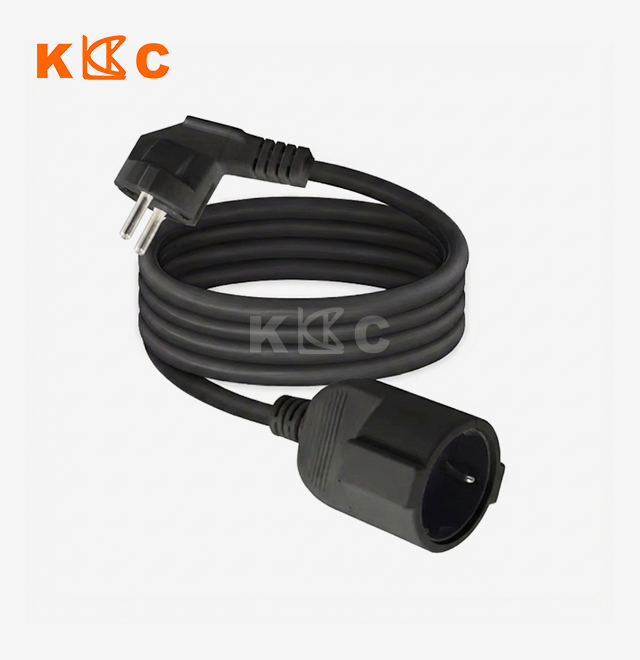

IEC Cord Solutions for Mission-Critical Equipment
Choosing the right IEC cable is more than just a purchase choice when your business depends on uninterrupted power supply. It's a strategic investment in reliability. IEC power cords are standard electrical connections made to IEC 60320 standards. They are used in many places, from data centers to hospital buildings. These wires make sure that equipment that can't afford to be down stays powered up and safely. They are universally compatible, have been tested for safety, and have been proven to last in harsh settings where failure is not an option.
Understanding IEC Cords and Their Role in Mission-Critical Equipment
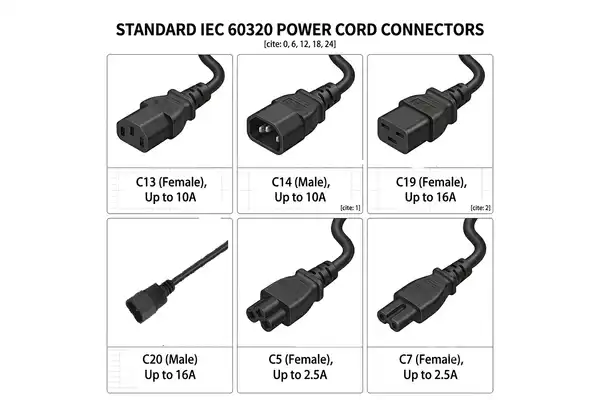
To build mission-critical power infrastructure, you must first understand why IEC cable connections are so important. Unlike other power cords on the market, these cords follow international standards that spell out specific kinds of connectors, voltage levels, and safety rules. Standardization makes it possible for equipment makers and purchasing teams to list exact needs across global markets without having to worry about matching issues.
Fundamental IEC Standards and Connector Types
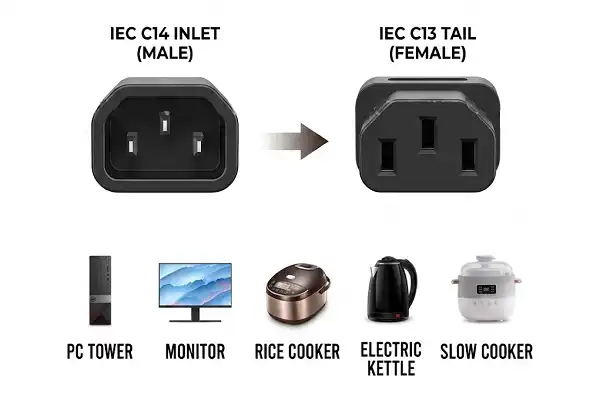
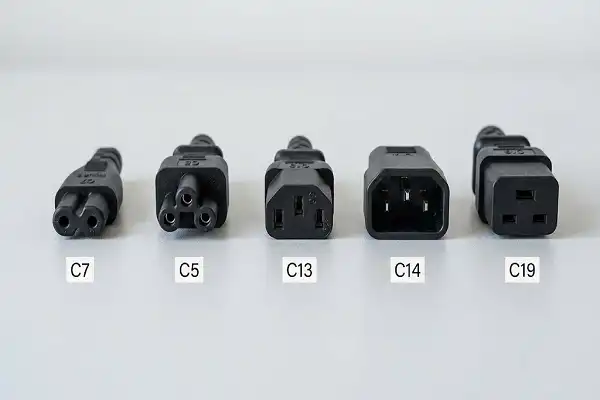
IEC 60320 sets up a family of connection types that are identified by the letter "C" followed by a number. The most popular are C13/C14 pairs for standard computer tools and C15/C16 pairs for uses that need to withstand higher temperatures. Each type of connection meets different temperature and power needs. Most office and network equipment gets its power from C13 plugs, which can handle 10A at 250V. On the other hand, C15 plugs have a notched design that lets them work up to 120°C. This makes them necessary for machines that make a lot of heat while they're running.
When looking for power options, it's important to understand these differences. Imaging equipment in a hospital needs different specs than computer racks in a data center. The IEC system makes it possible for exact matching between the specs of an equipment input and the type of cord connection. This keeps expensive mistakes from happening and avoids safety risks. Color coding makes things even safer: blue insulation is usually for hospital-grade uses with better protection against leaking currents, while black or gray insulation is usually for normal business use.
Identifying Cable Construction and AWG Standards
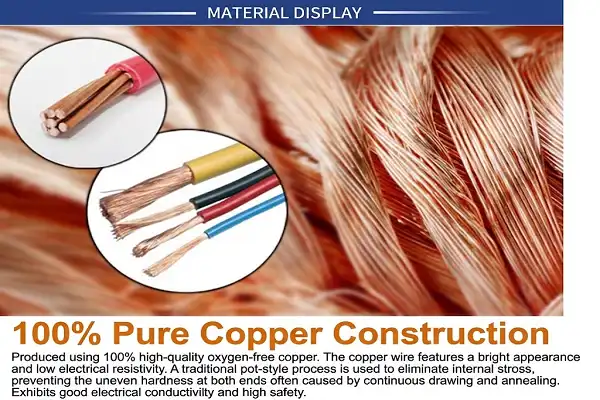
Performance in mission-critical situations is directly affected by the way things are built. Kuncan Electronics makes IEC cables with copper wires that are 99.99% oxygen-free to keep resistance and heat generation to a minimum while the cables are in constant use. Current-carrying ability is based on the wire gauge choice, which is measured by the American Wire Gauge (AWG) method. Our 14AWG cables can safely handle 15A loads, and our 10AWG cables are perfect for extra-heavy-duty tasks that need to keep the current high.
Concerns about electromagnetic interference are dealt with by protected versus unshielded building. Shielded wires keep signals from getting weaker, which is good for medical tools and precision instruments. For control signals to stay valid, industrial automation systems that are close to heavy machinery need to be shielded. Our engineering team offers free design reviews to make sure that cable specs are compatible with operating environments. This way, you can be sure that the cable will work at its best from the time it is installed until it is retired.
Application-Specific Cable Selection
Different businesses have very different needs when it comes to flexibility. Data centers need cables that can easily go through the small spots between computer racks. These cables need to have Class K or Class M stranded conductors that can bend without wearing out. In industrial settings, wires need to be able to handle being exposed to chemicals and mechanical stress. Our TPE-insulated choices are flexible like rubber and don't get damaged by oils and acids that are common in factories.
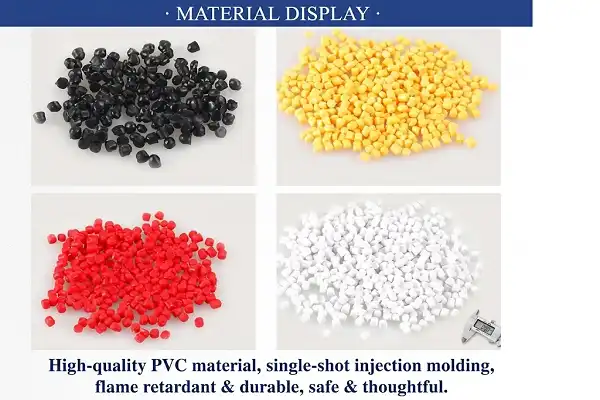
Another important parameter is the temperature range. Standard PVC insulation works effectively from -40°C to 60°C, making it good for buildings that need to keep a constant temperature. When working in harsh conditions, like solar setups in deserts or cold buildings, you need high-quality insulation that can withstand temperatures up to 105°C or special low-temperature compounds. We make sure that the building of the cables fits the practical requirements. This keeps them from breaking down early, which could put mission-critical systems at risk.
Comparing IEC Cords with Alternative Power Solutions
Before deciding on tools, procurement teams often look at a number of different power connectivity choices. There are other options, but knowing their limits makes it clear why IEC cable standardization is the best choice for mission-critical apps.
Voltage and Current Handling Capabilities
Standard NEMA 5-15 extension plugs, which are widely sold in North America, can handle up to 15A at 125V. These lines work great for temporary links and movable gear, but they don't have the universal compatibility that IEC systems do. A multinational company that sets up the same server setups on different countries has trouble with voltage compatibility with NEMA connectors that are made for each area. IEC C13/C14 pairs work with voltage ranges from 100V to 250V, which means that one piece of equipment can be used all over the world.
USB power delivery has changed over time to handle higher wattages. In consumer uses, USB-C PD protocols can hit 100W. This is enough for computers and cell phones, but not for equipment that constantly uses kilowatts. IEC lines are strong enough to handle a lot of power without getting too hot or getting complicated when regulating voltage. This is needed by medical imaging systems, industrial control panels, and HVAC equipment. Our wires keep their electrical integrity even when they are under long-term loads that would damage other connection ways.
Safety Standards and Compliance
When it comes to leakage current, dielectric strength, and mechanical stability, IEC wires are put through a lot of tests. IEC lines made for hospitals must have a leaking current of less than 100µA and Class II double insulation, which is very important when equipment touches patients directly. These standards are higher than those for regular extension cords. They protect against risk and make sure that regulations are followed, which is why buying teams must put these standards at the top of their list in healthcare, industrial automation, and public safety applications.
Our products are certified by CE, VDE, ETL, UL, and CSA, which means they are safe for use in all major global markets. This portfolio of certifications gets rid of the guesswork and legal issues that come with power solutions that aren't approved. When equipment makers choose our approved IEC cables, they give the responsibility of compliance to a provider that has been checked out, has a history of quality systems that can be proven, and has been making cables for 17 years.
Environmental Durability Considerations
Applications that happen outside or in tough environments show how different power options are. Our SJTW and STW jacket versions are much more resistant to water, UV light, and wear than regular indoor cords. For outdoor digital signs and security cameras to work, the links need to be weather-sealed so they stay solid even when the weather changes and it rains. IP67/IP68-rated IEC cable connectors keep out dust and short-term immersion in water, which are standards that most other power options don't meet.
Chemical poisoning is a risk in industrial settings. Cable jackets that don't break down easily are needed in factories that use cleaning agents, oils, and process chemicals. We have special insulation materials, like LSZH (Low Smoke Zero Halogen) formulas, for situations where fire safety rules require very little toxic fumes when the material burns. When compared to generic choices, these customization options greatly increase the working lifespan.
Procurement Guide: How to Source IEC Cords for Business Needs
Achieving a good mix between quality control and cost-effectiveness in procurement is difficult and needs clear specification standards and smart partnerships with suppliers to source the right IEC cable solutions.
Selecting Qualified Suppliers
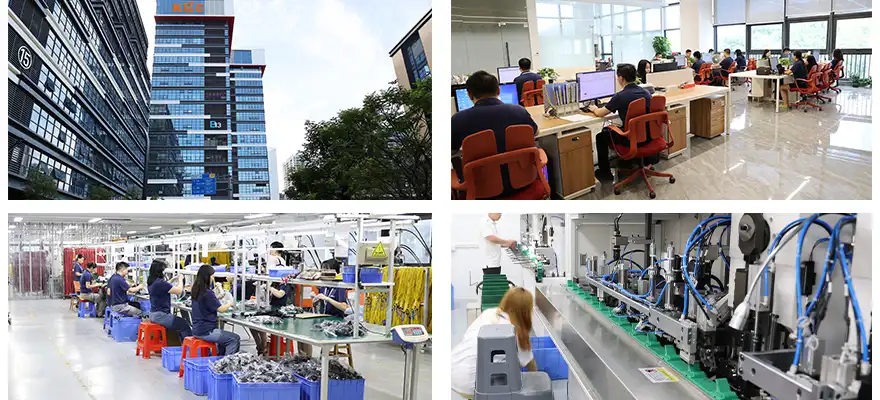
Verifying suppliers is the first step in a reliable buying process. We are an Alibaba Verified Supplier, which shows that we are committed to being honest and doing business in an honest way. This check gives procurement teams faith in our operating validity and quality systems. In addition to platform licenses, it is very important to look at a supplier's production skills. Our 300-employee factory in Dongguan/Shenzhen has separate production lines for IEC cable assemblies. This makes sure that the quality is always the same and that we can handle big orders.
During the review of the seller, ask for material certifications and proof of compliance. All of our goods are tested with materials that are compliant with RoHS and REACH. This is shown on the certificates of conformity that come with every package. Suppliers who can't provide third-party testing paperwork put mission-critical applications at an unsafe risk because cable failures can cause expensive downtime and even safety issues.
Bulk Ordering and Customization Advantages
Buying in bulk can save you a lot of money without lowering the quality. Because our supply lines are streamlined and our production processes are efficient, we can offer wholesalers and OEM partners cheap bulk prices. We keep standard amounts of raw materials on hand, so production can start as soon as an order is confirmed. It takes 20 to 30 days to ship in bulk, and 3 to 7 days to make a sample for testing the prototype.
Customization goes beyond choosing the length. Custom jacket colors for visual identification systems, logo printing for branded equipment, and private-label packing to help with store sales are some of the OEM/ODM services we offer. A company that makes security equipment might ask for bright orange jackets to be used for installs outside and black wires to be used for mounting indoors without drawing attention to themselves. These changes fit right into the way we make things, so we can keep quality standards high while giving our business a unique look.
Logistics and Warranty Considerations
Flexible shipping options are needed for global delivery. Our location in Dongguan/Shenzhen gives us access to freight choices by air, sea, and train. Our 24-hour response system gives priority to urgent orders, which is very important when equipment launching plans have tight deadlines. We find the best routes for freight to send packages quickly and cheaply, and we make sure that everyone in the logistics chain can see and talk to each other.
Warranties show how confident the company is in its products. Every IEC cable assembly comes with a full one-year guarantee that covers any problems that might have happened during production. This guarantee covers more than just replacement; our technical support team also figures out problems with installation and gives application advice to make sure rollout goes smoothly. When buying teams look at providers, they should look at more than just price. They should also look at how well they can help customers after the sale. We see our interactions with customers as long-term friendships, not just one-time deals.
Ensuring IEC Cable Performance and Safety in Critical Applications
The process doesn't end with specification and purchase. The reliability that mission-critical processes need from every IEC cable is best achieved through proper installation, upkeep, and lifecycle management.
Compliance Standards and Certification Requirements
The safety and efficiency of IEC cables are governed by international norms. UL 62 and CSA C22.2 No. 21 spell out the rules for the North American market, which include the size of the conductors, the width of the insulation, and the strain relief standards. The European markets use the VDE 0281 and EN 50525 norms, which set the same requirements. Our production methods make sure that all of these standards are met at the same time, which lets us use the same product designs in multiple regions.
For medical uses, there are extra rules that must be followed. IEC 60601-1 sets limits on leakage current and coordinates protection for equipment that is attached to a patient. Our hospital-grade wires have better insulation and earth continuity conductors that are big enough to safely handle fault currents. When purchasing cables for medical settings, procurement teams must make sure that suppliers meet these specific standards. Regular business approvals are not enough for uses that need to ensure patient safety.
Installation Best Practices
When installations are done correctly, they don't fail early and pose safety risks. Route cables away from heat sources and sharp ends that can wear down insulation over time. Use the right strain relief at the connection places to keep the wire from getting worn out from being bent over and over. In places with a lot of vibration, like industrial machines, you should tie down wires every 12 to 18 inches to keep them from getting damaged by movement.
Do not go beyond the minimum bend radius requirements for an IEC cable. Tight turns put stress on the wires and weaken the insulator. In our technical documents, we list the minimum bend radii for each type of cable construction. For flexible designs, these are usually 8–10 times the cable width. When installation limitations make routing difficult, talk to our engineering team for application-specific advice instead of pushing wires into positions that could affect their long-term dependability.
Maintenance and Lifecycle Management
Preventive checking greatly increases the life of cables. Visual checks should be done every three months to look for harm to the insulation, loose connectors, and buildup of contamination. Thermal imaging finds problems before they break. For example, hot spots show that connections aren't working well or that conductors are wearing down and need instant attention. Keep track of trends in wear and tear and plan proactive repairs by writing down what you find during inspections.
Monitoring the environment is useful in difficult setups. Extreme temperatures and chemical contact make getting older faster. For example, a factory that uses harsh cleaning chemicals might plan to change cables every three years, while climate-controlled offices can get by with cables lasting longer than ten years. We give practical environment-based lifecycle suggestions that help maintenance teams make the best use of their budgets and replacement plans.
Why Choose Our IEC Cord Solutions for Mission-Critical Applications?
In commodity markets, you need to be able to show value above and beyond basic specs in order to stand out. Our dedication to quality, customization, and client partnership gives mission-critical applications real benefits that can be measured when selecting an IEC cable.
Superior Material Quality and Construction
Every performance measure is affected by the choice of material. We only use bare single copper wires and never Copper Clad Aluminum (CCA) ones, which are more likely to fail and have higher resistance. Our precision-molded connectors are checked for their dimensions to make sure they always fit properly into equipment inlets. These quality measures are more expensive to put in place, but they pay off in terms of efficiency when technology failure has big effects on operations.
The testing procedures go beyond what is needed for approval. In addition to the required electricity safety tests, we also do temperature cycling, mechanical stress tests, and rapid aging analyses. These extra checks find possible flaws in the goods before they reach customers. This cuts down on failures in the field and guarantee claims. When buying teams work with providers who put quality over cutting costs, they take some of the risk off of their own operations.
Customization Capabilities for OEM and Industrial Clients
During product creation, our tech team works together. Early cable specification advice helps a medical device company that is making new tools to watch patients. Before prototyping starts, we look at the electricity needs, environmental conditions, and licensing needs and suggest the best combinations. Making this investment up front will save you a lot of money on redesigns and approval delays.
Private tooling features help protect unique designs. When being different from the competition means making custom link configurations or jacketing, we make special tools that are protected by secret agreements. With volume agreements, custom production can be done at a low cost, allowing goods that aren't in standard catalogs to be made. These partnerships are more than just business deals between suppliers; they're smart ties that help products stand out and do well in the market.
Verified Performance and Customer Satisfaction
Our customers include data centers that need to be online 99.99% of the time, hospitals where broken equipment could hurt patients, and factories that work around the clock to make things. Years of success in the field have proven that our quality claims are true for these demanding uses. Client testimonials always talk about how important it is for a partnership to be reliable, offer quick technology help, and solve problems before they happen.
We keep clear contact going while the order is being filled. Our customer portal instantly sends information on the progress of production, shipping, and delivery of documents. Our 24-hour reaction system makes sure that problems are fixed quickly, whether they are comments on specifications, changes to delivery dates, or technical questions. This level of operational excellence sets sellers who care about their customers' success apart from those who treat orders as separate deals.
Conclusion
Power options that are always reliable under the toughest conditions are needed for mission-critical activities. IEC cable solutions offer standardized, widely compatible connections that are backed by strict safety standards and a history of working well in the field. When you do strategic procurement, you have to look at more than just the price a seller offers. Long-term success depends on things like manufacturing quality, customization options, certification portfolios, and help after the sale. Our 17-year history of manufacturing blends tried-and-true knowledge with new ideas based on what our customers want. This lets us provide IEC power solutions that keep your processes safe when dependability is most important. Standardized power solutions offer big operating and safety benefits to businesses all over the world. To get the most out of them, careful planning, proper installation, and regular upkeep are needed.
FAQ
What is the difference between IEC and C13 connectors?
When buying teams are new to standardized power options, the language can be hard to understand. The International Electrotechnical Commission (IEC) and the IEC 60320 standard for device couplers are what this word stands for. In this standard, C13 stands for a certain type of connection: the three-pin female connector that is widespread on computers, monitors, and network devices. There is no "IEC" or "C13" option; instead, you ask for an IEC cable assembly with C13 plugs. The male version, C14, is usually found on power distribution units or equipment inlets. Make sure the right connectors are ordered by saying things like "C13 to C14 cable" when you place your order.
What is the difference between IEC C15 and C13 connectors?
The notched shape of C15 plugs lets them work at higher temperatures—120°C, compared to 70°C for C13. Because it can handle a wide range of temperatures, C15 is necessary for electric kettles, business coffee equipment, and other machines that make a lot of heat while they're running. The physical notch keeps standard-temperature C13 wires from being accidentally connected to high-temperature C16 inlets, making the system mechanically secure. Electrically, both kinds of connectors can handle 10A at 250V, but the insulation materials and structure are very different. If the working temperature of the equipment is higher than the recommended range, specify C15/C16 combinations. If not, C13/C14 setups are more cost-effective for most uses.
What is the specific electrical rating for a standard IEC C5 connector?
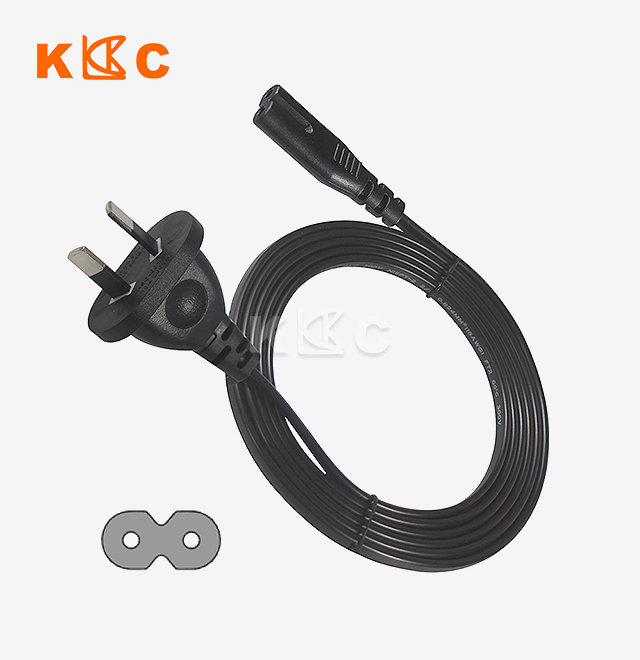
The C5 connection has three round pins and is rated for 2.5A at 250V. It is often called a "Mickey Mouse" or "cloverleaf" connector. This type of connection is often found on portable displays, laptop power sources, and other small devices that need smaller connector footprints because of limited room. Along with the line and neutral conductors, C5 connects to C6 inlets on Class I grounded devices to make a safe earth link. Because it can't handle as much current as a C13 (10A) or C19 (16A) connection, the C5 isn't good for high-power uses. However, it's perfect for portable gadgets that value small size over high power delivery.
Partner with Kuncan Electronics for Reliable IEC Cable Solutions
Kuncan Electronics can help you with your mission-critical power connectivity problems with their proven production quality and customer-focused service. Our approved IEC cable products are made of 99.99% oxygen-free copper and have been certified all over the world, so they will work reliably in even the toughest situations. Our engineering team is available to help you with all aspects of purchasing and deploying our products, whether you need unique wire assemblies, large quantities for big projects, or expert advice for complicated installations. You can talk to experienced IEC cable makers about your needs by emailing rhea@szkuncan.net. They know that the quality of our work rests on your operating efficiency.
References
International Electrotechnical Commission. (2021). IEC 60320: Appliance couplers for household and similar general purposes – Part 1: General requirements. Geneva: IEC Publications.
Underwriters Laboratories. (2020). UL 62: Flexible Cords and Cables. Northbrook: UL Standards & Engagement.
National Electrical Manufacturers Association. (2019). NEMA WD 6: Wiring Devices – Dimensional Specifications. Rosslyn: NEMA Publications.
Canadian Standards Association. (2018). CSA C22.2 No. 21: Flexible Cords and Cables. Toronto: CSA Group.
Association of Electrical Equipment and Medical Imaging Manufacturers. (2022). Medical Device Power Cord Safety and Selection Guidelines. Arlington: NEMA Medical Imaging & Technology Alliance.
Institute of Electrical and Electronics Engineers. (2020). IEEE 1100: Recommended Practice for Powering and Grounding Electronic Equipment. Piscataway: IEEE Standards Association.

USER EVALUATE
Here is the customer's evaluation of us
_1784355495257.webp)
_1781502912074.webp)