


IEC Kettle Lead: The Essential Power Cable for PC and Monitors
An IEC kettle lead is the most important way to connect your electronics to the wall, like desktop computers, monitors, and servers. These standard power lines, which are actually called IEC 60320 specifications, reliably send electricity thanks to their well-designed connectors and sturdy wire construction. Choosing the right power cable has a direct effect on equipment downtime, safety compliance, and operating efficiency for B2B procurement workers who manage IT infrastructure or OEM clients who integrate power solutions. Knowing the technical details, regional differences, and quality signs of these cables can help you build a strong supply chain and lower the risk of downtime in both office and commercial settings.
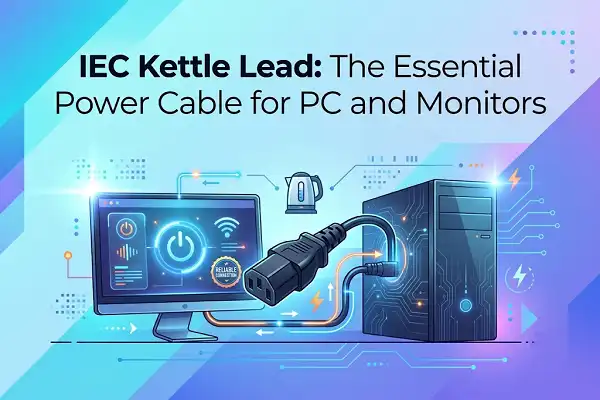
Understanding IEC Kettle Leads: Specifications and Functionality
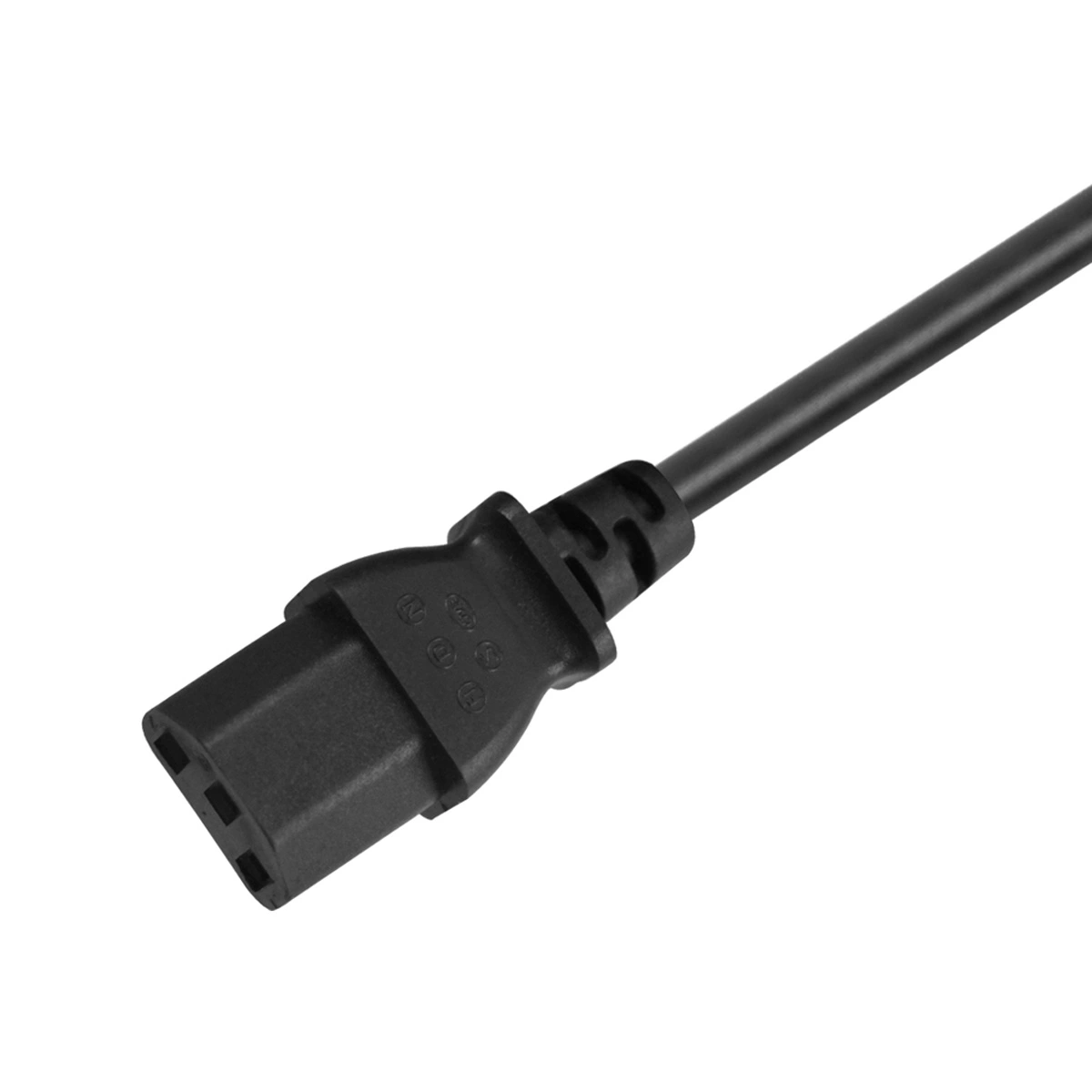
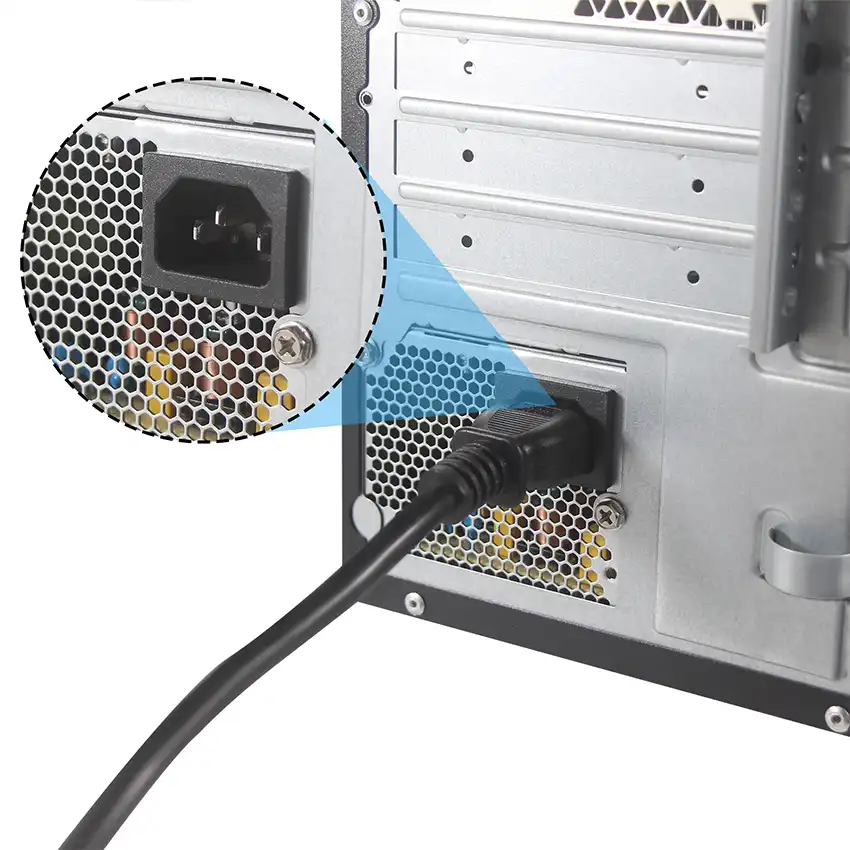
The structure of these power lines is based on worldwide norms that make sure they work the same way in all kinds of situations. The plug that plugs into the wall, the wire body with insulated conductors, and the IEC connector that plugs into your device are the three main parts of a connector system.
Voltage and Current Ratings Explained
Depending on area standards, standard power cords for PCs and monitors work at 250V and can handle currents of 10A to 13A. The European Schuko CEE 7/7 to IEC C15 setup that Kuncan Electronics makes can handle 16A at 250V, which is more than enough power for server equipment and high-performance computers. This better grade keeps the cable from overheating during heavy loads and makes it last longer in harsh conditions.
Material Composition and Safety Features
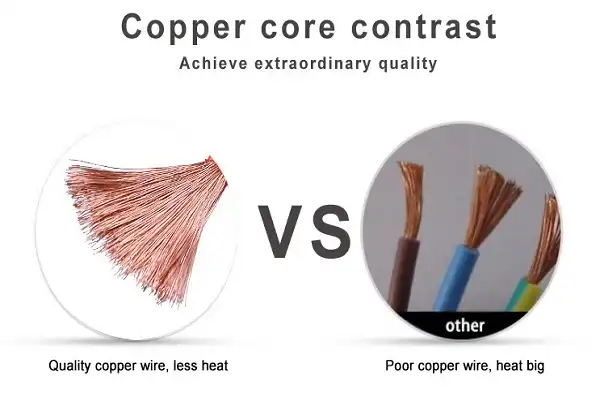
Copper wires that are 100% oxygen-free are used in high-quality cables instead of cheaper copper-clad metal ones. This choice of material provides better insulation, lowers heat buildup, and guarantees steady power supply throughout the cable's useful life. Flame-retardant PVC (designation H05VV-F) or rubber mixtures (H05RN-F) are often used in the insulator to make it more resistant to heat. Wire sizes range from 0.75mm² to 1.5mm². Larger gauges allow for longer wire runs without worrying about voltage drop.
Certification Standards for Procurement Confidence
Having VDE, CE, UL, and RoHS certifications is more than just paperwork—these marks show that wires have passed strict safety tests for insulation resistance, dielectric strength, and flammability resistance. Verified approvals lower the risk of liability and make sure that goods can be easily cleared through customs in foreign markets when buying for large-scale deployments or OEM integration.
Types and Variations of IEC Kettle Leads: Choosing the Right One
Different plug types and connection designs are used because of different electrical standards and equipment needs. By choosing the right version, you can avoid problems with compatibility and keep safety margins in your setups.
Regional Plug Variants and Compatibility
The NEMA 5-15P plug, which has three blades, is most popular in North America for the IEC kettle lead. In Europe, the Schuko CEE 7/7 plug, which has a deep socket, is used. For use in the UK, plugs must meet BS 1363 standards and have built-in breakers. To avoid expensive returns or installation delays, it is important to be very detailed when buying things because of these area differences. Our factory makes versions that are special to each area, with approved plugs that meet local electrical codes.
Fused vs. Non-Fused Cable Considerations
Fused wires have an extra layer of safety against overcurrent situations: a replaceable fuse is built into the plug body. In the UK, fused plugs are required for most uses, but in Europe and North America, circuit breakers at the distribution box are usually enough to protect the wiring. Knowing these differences can help you choose the right product for safety and compliance needs.
Cable Length and Construction Quality
Lengths ranging from 0.5 meters to 5 meters can be used for a variety of installation situations, such as connecting servers that are close together and need short runs or connecting computers across conference rooms. To keep the power stable, longer lines need bigger wire gauges. Details like strain relief at connector joints, a jacket that is flexible without sacrificing toughness, and uniform conductor termination that stops connections from happening and staying connected at random are all signs of good construction.
IEC Kettle Lead vs Standard Power Cords: A Competitive Analysis
There are big changes in performance between standardized power assemblies and generic options that affect B2B buyers' total cost of ownership.
Electrical Performance and Energy Efficiency
Standardized cables made to IEC standards have tighter limits on the size of the conductors and the insulation qualities than general cables. This accuracy has measured benefits, such as lower resistive losses that use less energy, steady voltage supply that keeps delicate devices safe, and reliable thermal behavior that keeps things from breaking down too soon. When data center workers switch from generic wires to approved IEC assemblies, their equipment lasts longer.
Mechanical Durability and Lifecycle Value
How tightly the plug sits in the equipment inlet is directly related to how reliable the connection is over thousands of mating cycles. High-quality systems have links that are precisely molded and have contact pins that are the right size so that the spring tension stays the same over time. Generic wires often use softer metals and less precise standards, which leads to connections that don't stay connected all the time. This can lead to frustrating support calls and unplanned downtime.
Safety Compliance and Risk Mitigation
IEC kettle lead power lines that are certified go through a lot of tests, such as high-voltage dielectric tests, insulation resistance measures, and temperature rise tests while they are fully loaded. These steps of testing find flaws in the design before the product is sold. Generic options often don't go through thorough testing, which can put people at risk of fire and put buying teams at risk of liability. Insurance companies are looking more closely at parts of the power grid when they assess risks. This means that certification status is more than just a technical requirement; it's also a real business factor.
How to Choose the Best IEC Kettle Lead for Your B2B Needs?
To choose the best power options, you need to make sure that the product specs match your operational setting and your buying goals. For procurement managers, engineers, and wholesalers to use when making sourcing choices, here is an organized framework:
Technical Requirements Assessment
First, write down the voltage and current you need based on the equipment's specs. Most of the time, server-grade gear and high-performance computers need more current than regular office equipment. In closed racks or industrial settings, temperature ratings are very important. The C15 connector's 120°C rating saves investments in high-density computer settings where regular C13 connections fail.
Certification and Compliance Verification
Cable certificates should be matched to the people you want to sell to and the needs of the product. In medical settings, goods must be IEC kettle lead certified and have written leakage current standards. Cables used in industrial control systems need to be able to handle high temperatures, pressure, and chemicals. Our production process is fully traceable and follows ISO standards. We provide certificates of compliance and test results that meet the needs of project inspections and customs paperwork.
Supplier Evaluation Criteria
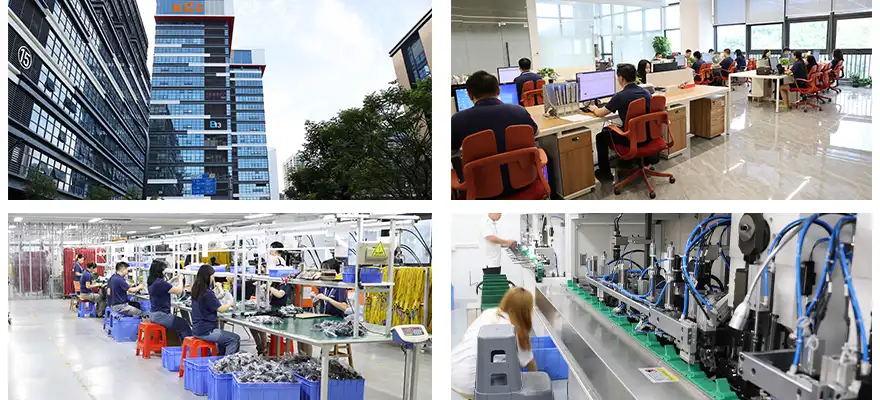
Reliable makers show consistent quality by having clear production methods and written testing routines. Kuncan Electronics is based in Dongguan's industry center and has been making cables for 17 years. They make VDE-certified circuits under strict quality control. Our position as an Alibaba Verified Supplier shows that we are committed to honest business practices. We also offer a wide range of customization options, such as custom lengths, wire gauges, and logos, to meet the needs of OEMs and distributors.
Customization and Scalability Options
Think about whether the things in the catalog meet your needs or if customizing them would be more useful. For OEM uses, logo etching on connections makes brand recognition stronger. Custom labels make it easier to keep track of things in big setups. Your delivery plan will work best if you offer a range of flexible packing choices, such as retail-ready blister packs and bulk coils. Our factory can handle both trial orders (shipped in 3–7 days) and large production runs (finished in 15–25 days), and there are no minimum order quantities.
Procuring IEC Kettle Leads: Best Practices for B2B Buyers
To build strong supply chains that keep operations going even when suppliers aren't available, good procurement of the IEC kettle lead combines product quality, source dependability, and total cost.
Sourcing Channels and Supplier Verification
Trading businesses that trade commodity goods are less stable in the supply chain than well-known makers with verifiable factories. Direct ties with manufacturers give you access to technical help, quality documentation, and output flexibility that you can't get from other companies. Before making large purchases, look at the supplier's certifications, building inspection records, and customer references. Our ETL, VDE, SAA, and CE approvals show that we meet the standards of many major global markets.
Pricing Structure and Volume Considerations
Costs of raw materials (mostly copper) and labor, as well as investments in licensing and quality control, affect the price of cables. At first glance, the unit price is what gets people's attention. But the overall cost of ownership includes things like insurance coverage, replacement rates, and costs for downtime. Buying in bulk can save you money, but smart buyers weigh the costs of keeping goods against the benefits of bulk prices. We set our prices to reward customers who commit to buying in bulk, and we also allow small-batch restocking, which helps you make the best use of your working capital.
Warranty Terms and After-Sales Support
Full guarantee protection against flaws in the manufacturing process and early fails that cause problems with operations. If there are any problems, our normal insurance covers them for a year and covers quick replacement or repair service. Supporting documentation, such as safety certificates and test results, makes it easier to get project approvals and clear customs. Technical support teams help customers choose the right goods for their individual needs. This keeps expensive mistakes in product selection from happening before orders are shipped.
Logistics and Delivery Planning
Production lead times depend on how complicated and how many items are ordered, so it's important to plan ahead for purchases that are driven by projects. Orders for sample evaluations are sent out fast (usually within a week), which lets technical checks be made before committing to production. Shipping prices and times depend on where the goods are made. Our Dongguan facility has easy access to air, ocean, and road logistics networks that serve markets around the world. Just-in-Time delivery programs help you keep your store costs low while still making sure you have products on hand when installation plans call for them.
Conclusion
When choosing the right IEC kettle lead power cables for PC and monitor uses, it's not just about making sure the connectors work with each other. It's also about making sure the connections are safe, reliable, and efficient in the supply chain. Standardized IEC parts have clear benefits that regular ones can't match, thanks to better materials, thorough testing, and official approvals. When B2B procurement pros work with well-known makers like Kuncan Electronics, they can get certified goods, the freedom to customize them, and quick service that meets both short-term needs and long-term strategic goals. By looking at technical requirements, making sure of certifications, figuring out what suppliers can do, and following best practices for procurement, you can build a power infrastructure that keeps equipment running as much as possible while reducing risk in a variety of operational settings.
FAQ
Can IEC kettle leads substitute other power cord types?
It is necessary to match both the plug design (compatibility with wall outlets) and the connection type (compatibility with equipment inputs) for substitution to work. The IEC C13 connection can only connect to C14 inlets. The C15 connector, which has a unique notch, can connect to C16 inlets that are made to work at higher temperatures. The voltage and current values must meet or go beyond what the equipment needs. Never push connectors that don't work together or use cables that can't handle the power they need to carry. Doing so can start a fire or damage your equipment.
How do certifications influence procurement decisions?
Certifications show that goods meet certain performance and safety standards by being tested by a third-party lab. VDE approval shows that the product meets European safety standards, UL listing shows that it meets North American standards, and CE marking shows that it meets EU laws. These marks lower the risk of buying something by providing proof that the product is safe. They also make it easier to clear customs for international exports and meet the insurance needs of business installations.
What distinguishes fused from non-fused cable variants functionally?
Fused cables have a changeable fuse element inside the plug body. Depending on the cable specs, the fuse element's rating is usually between 3A and 13A. This fuse protects against limited overcurrent by cutting power before damage to the wire happens. Upstream circuit safety at the distribution panel is what keeps non-fused wires safe. In the UK, electrical rules require most plugs to be fused. In other places, however, non-fused designs with breaker-based safety are more common.
Partner with Kuncan Electronics for Reliable IEC Kettle Lead Solutions
Kuncan Electronics has been making cables for 17 years and can help you with your power connection problems. As a confirmed IEC kettle lead maker, we make VDE-certified Schuko CEE 7/7 to IEC C15 assemblies that can handle currents of up to 16A at 250V. These are designed for servers, networking equipment, and industrial uses that need performance that can withstand heat. Our production center meets ISO standards and can make options from 0.5m to 5m in lengths and wire gauges that exactly match your needs. Before it is shipped, every cable goes through 100% continuity testing, insulation resistance verification, and high-voltage dielectric testing. It also comes with full compliance paperwork and a one-year guarantee. You can get retail-ready packages or bulk coils for OEM integration. Our flexible manufacturing and Just-in-Time shipping make sure that your projects stay on track. Contact our team at rhea@szkuncan.net to talk about your needs, get technical specs, or get volume quotes that will help you stay competitive and make sure that all of your sites have stable power.
References
International Electrotechnical Commission. (2018). IEC 60320-1: Appliance couplers for household and similar general purposes – Part 1: General requirements. Geneva: IEC Publications.
National Electrical Manufacturers Association. (2020). NEMA WD 6: Wiring Devices – Dimensional Specifications. Rosslyn, VA: NEMA Standards Publication.
Underwriters Laboratories. (2019). UL 817: Standard for Safety for Cord Sets and Power-Supply Cords. Northbrook, IL: UL Standards & Engagement.
Verband der Elektrotechnik. (2021). VDE 0282-1: Rubber insulated cables – Rated voltages up to and including 450/750 V. Frankfurt: VDE Publishing House.
British Standards Institution. (2016). BS 1363-1: 13 A plugs, socket-outlets, cable couplers and adaptors. Specification for rewirable and non-rewirable 13 A fused plugs. London: BSI Standards Limited.
Institute of Electrical and Electronics Engineers. (2017). IEEE 1202: Standard for Flame Testing of Cables for Use in Cable Tray in Industrial and Commercial Occupancies. New York: IEEE Press.

USER EVALUATE
Here is the customer's evaluation of us
YOU MAY LIKE
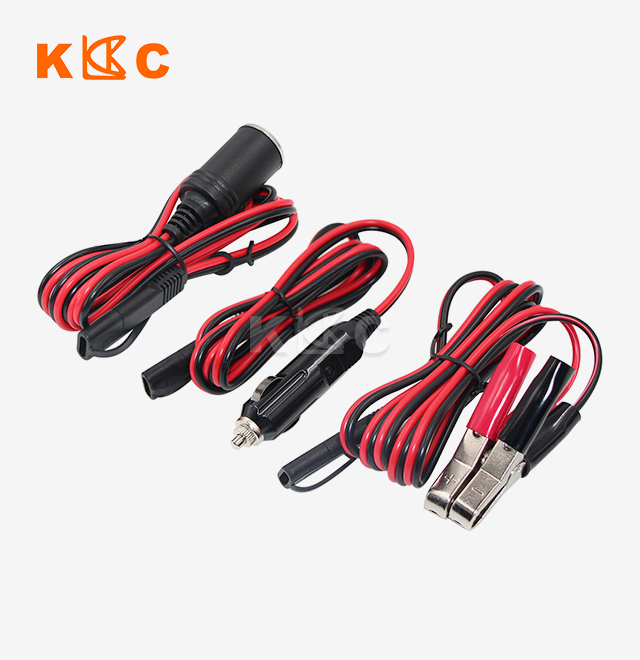 VIEW MORECigarette Lighter to Alligator Clips
_1785227369395.webp) VIEW MORENEMA5-15P to 2-Way US Socket Power Splitter Cord
VIEW MORENEMA5-15P to 2-Way US Socket Power Splitter Cord_1784354535259.webp) VIEW MORE1 in 2 NEMA1-15P to NEMA5-15R extension cord
VIEW MORE1 in 2 NEMA1-15P to NEMA5-15R extension cord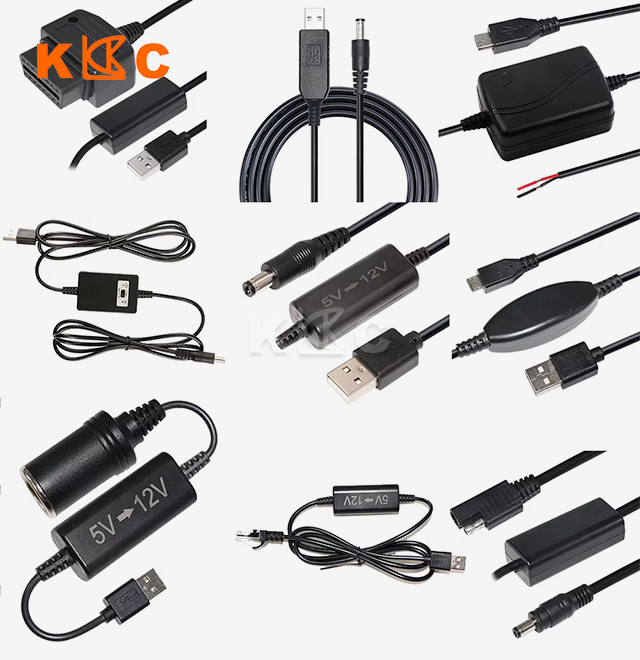 VIEW MOREDC step up boost converter
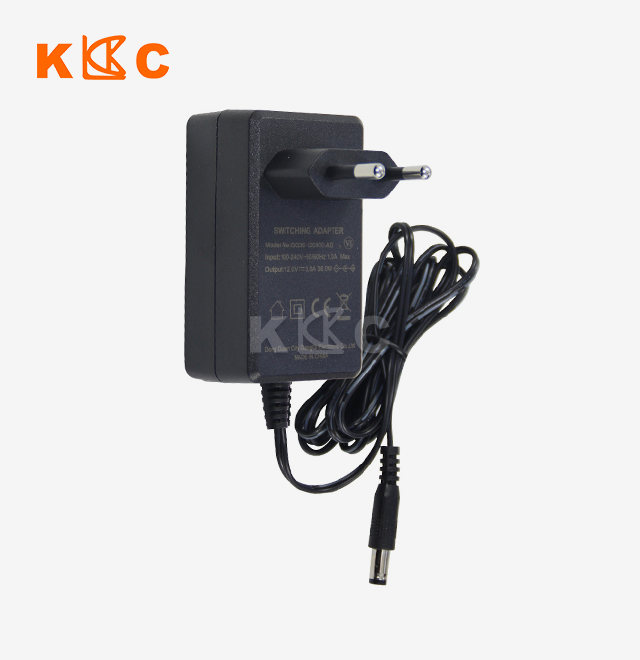 VIEW MOREwall mount power adapter
 VIEW MORE5v/3a charger usb c
 VIEW MOREflying lead connections
 VIEW MORE5v/12v power supply