
Wall Extension Plug Safety: 5 Common Mistakes to Avoid
Many procurement professionals don't realize how complicated what seem to be simple electrical devices are when they are looking for power distribution options for businesses or factories. Despite the fact that wall extension plugs are the most important connection between your electrical system and your tools, safety mistakes are made all too frequently. Knowing about these problems helps keep employees safe, stops expensive breaks, and makes sure that regulations are followed. Five basic mistakes that can hurt both safety and the ability to keep operations going can make the difference between an effective power extension system and a dangerous installation.
Mistake 1 – Using Incorrect Extension Plug Types for Specific Applications
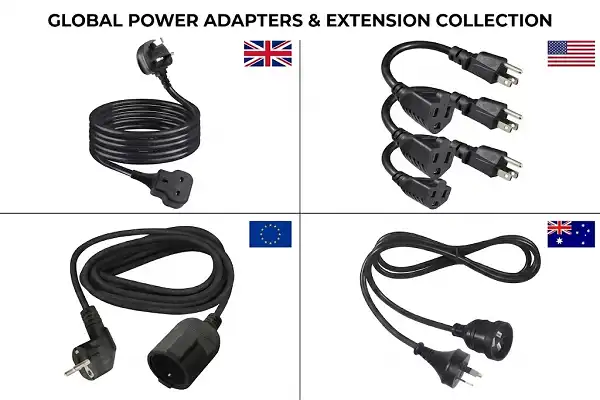
In business and industrial settings, one of the most common safety risks that can be avoided is choosing the wrong wall extension plug setup. Different uses need different electrical properties, and when they don't match, equipment can break down or fires can start.
Understanding Extension Plug Categories and Their Applications
There are different types of wall extension plugs on the market, each made for a different power need. Most standard home units can handle 13A at 250V, which is enough for office tools and light business use. Heavy-duty contacts, reinforced insulation, and special ratings for harsh conditions are all part of industrial-grade models. Wall extension plugs with an IP67 or IP68 grade keep out dust and water, which is important for outdoor setups or places where chemicals are used. We've seen procurement teams choose standard domestic extension options for industrial machinery just to save money, only to have the equipment break down within months because the current capacity wasn't high enough.
Material Selection Impacts Performance and Safety
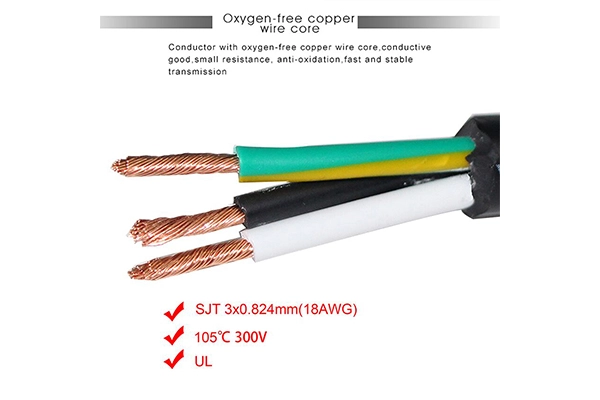
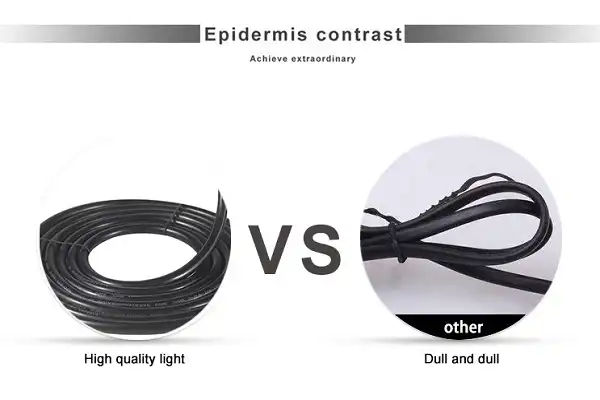
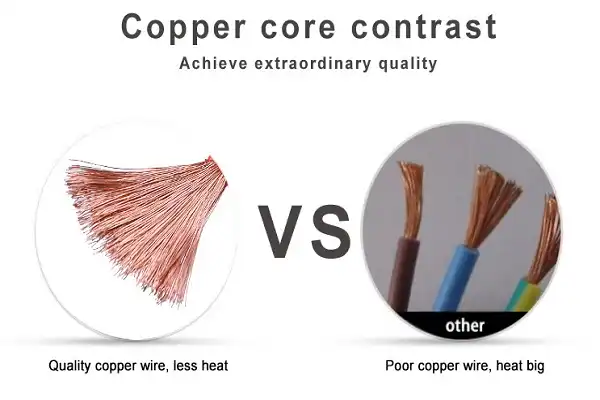
Choosing the right materials affects safety and performance. When used outside, wall extension plug housings made from poor thermoplastics can break when put under mechanical stress or when exposed to UV rays. Good materials made from plastic or nylon can withstand being hit, chemical damage, and temperature changes from -40°C to +85°C. It doesn't matter what kind of conductor it is—copper wiring with the right size (1.0mm² or 1.5mm²) ensures that there is little voltage drop and heat buildup when the load is on all the time. Even though aluminum wires are cheaper and lighter, they have higher resistance and more places where rusting can happen, which makes them less reliable in the long run.
Matching Load Requirements to Extension Plug Specifications
Each electrical gadget needs a certain amount of power to work. When multiple devices are connected to a single wall extension plug, the total load can be underestimated, which can cause the plug to overheat. About 3,000 watts of total load can safely fit into a normal 13A fused wall extension plug. Going over this limit puts stress on the plug contacts and internal wires, which speeds up the breakdown of the insulation. Medical equipment, EV charging infrastructure, and industrial automation systems all need specific extension options with the right circuit safety. Wall extension plugs with switched plugs and individual settings let you choose how much power to send to each device. This lowers the total load at once and increases safety.
It is just as important to understand the operating setting. When used in places that get a lot of moisture, wall extension plugs with sealed connectors and water-resistant wire covers work better. Because temperatures change, you need wires that can handle thermal cycles without breaking the insulation. These things help you make smart choices about what to buy that are based on real application needs instead of general requirements.
Mistake 2 – Improper Installation Practices
When installation instructions are ignored or not followed correctly, even the best wall extension plugs will not work. Installation mistakes can damage electrical contacts, put stress on the parts, and cause shock dangers that put people in danger.
Common Installation Errors That Compromise Safety
A common mistake is not using enough automatic security. Wall extension plugs that aren't properly installed or supported have wire strain at the connection points, which loosens the internal terminals over time. If you don't follow the right bend radius rules, you can damage wire cores and make high-resistance places that produce too much heat. Not closing the areas where wires go through barriers against the environment lets water in, which can cause corrosion and short circuits. We often see setups where the cable ports weren't tightened enough, which lowers the IP rating and lets dust and water get to sensitive equipment.
Professional Installation Standards and Best Practices
The first step in a proper fitting is to carefully check the mounting area and power source. Wall extension plugs should be installed at the right heights, away from water sources, and with hardware that comes with the plugs. When moving cables, they need to be kept away from things that can catch people on their feet and from heat sources and sharp edges. For connection connectors to work properly, the torque must be just right. If it's not tight enough, an arcing potential will happen, and if it's too tight, the conductor strands will be damaged. For switched wall extension plugs to work, the neutral and ground wires must be checked to make sure that the switches only cut live conductors, which stops phantom voltage situations.
It's very important to train field workers on how to put things according to the manufacturer's instructions. Different types of wall extension plugs have different features. Some have push-in ends, others need screw-down connections, and industrial plugs may have compression glands. Pre-installation study of the documentation stops mistakes that cost a lot of money. Certified electrical contractors who do professional installations make sure that codes are followed and that warranties are still valid. This is especially important for B2B clients who are handling large-scale operations across multiple sites.
Mistake 3 – Neglecting Compatibility with Electrical Systems and Environment
Wall extension plugs are a part of complicated electrical systems. Not taking into account how well the plug, supply system, and working surroundings work together can lead to reliability problems and safety risks that show up slowly over time.
Electrical System Compatibility Requirements
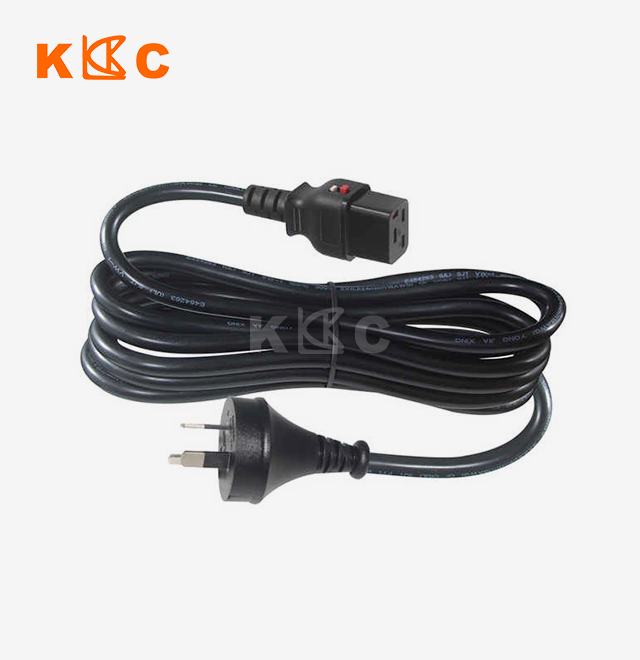
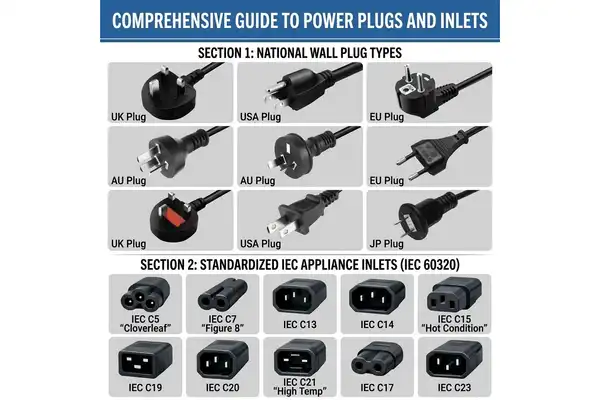
It seems like voltage and frequency should match, but when goods are bought internationally, they are sometimes rated for different standards. Wall extension plugs made for the UK work at 230V/50Hz and have BS 1363 plug and socket types. It is immediately dangerous to try to adapt these to different voltage systems without first transforming them properly. When a 13A wall extension plug is attached to a 32A circuit breaker, the plug's protective function is lost when the circuit is overloaded. This is because the current levels must match the upstream circuit protection. In three-phase industrial setups, phase design is important because bad neutral connections can lead to voltage imbalances and damage to equipment.
Environmental Factors That Degrade Extension Plug Performance
In operational settings, wall extension plugs are put under stresses that go beyond electricity loads. High humidity speeds up the rusting of conductors and the breakdown of shielding. Extreme temperatures change the features of materials. For example, plastics break when it's cold, and insulation softens in hot weather, which lowers its electrical strength. Chemicals used in factories can damage wire jacketing and wall extension plug housings unless the materials are made to fight those chemicals. Sunlight's UV rays slowly break down plastics that aren't protected, which leaves outdoor setups open to damage if the right wire compounds and stabilizers aren't used.
Mitigation Strategies for Harsh Operating Conditions
These facts about the surroundings must be taken into account in the procurement specs. When wall extension plugs are used outside, they need wire covers that are resistant to UV light and weatherproof cases with the right IP ratings. Tinned copper wires are good for marine and seaside uses because they don't rust when exposed to salt. In industrial settings where temperatures change often, you need wires that are rated for the whole operating range. Coatings that protect metal parts stop rust from forming. Visual checks done on a regular basis can find early signs of wear and tear like surface cracks, darkening, or oxidation on connectors, which lets you replace them before they break. These preventative steps make the product last longer and keep safety margins the same over its entire existence.
Mistake 4 – Overlooking Maintenance and Regular Safety Inspections
In many places, wall extension plugs are used as "install and forget" parts. This way of thinking leads to dangerous situations because damage, wear, and environmental degradation happen slowly and aren't noticed until something terrible fails.
Risks Associated with Neglected Maintenance
As the loads on devices change, electrical links naturally go through thermal cycling. This stretching and shrinking slowly loosens the connections, which raises the contact resistance. In a harmful feedback loop, higher resistance makes heat, which speeds up oxidation and lowers the quality of the link even more. When cable insulation is exposed to mechanical wear or chemical vapors, tiny cracks form that can't be seen with the naked eye. When moisture gets into these damaged areas, it creates leaking tracks that cause ground fault conditions. We have proof of instances where wall extension plugs that weren't taken care of developed hotspots inside that were higher than 80°C, which is dangerously close to the temperatures at which materials around them can catch fire.
Establishing Effective Inspection and Maintenance Protocols
Systematic inspection plans that are based on how often something is used and the elements of the surroundings find problems before they get worse. Visual checks are done once a month to look for physical damage, broken connections, and warming symptoms like discoloration or distorted plastics. Electrical testing every three months checks the consistency and resistance of the insulation, finding damage that can't be seen from the outside. Annual thermal imaging scans show hot connections under load, pinpointing repair priorities. Cleaning gets rid of the dust and other particles that build up and make electrical paths across barrier surfaces. When insulation resistance drops below the manufacturer's standards, physical damage shows up, or temperature anomalies don't go away despite upkeep, replacement should be the next step.
Putting these inspection methods into larger systems for managing building safety makes sure that everyone is responsible and follows the rules. Maintaining records is a good way to find trouble areas or items that aren't reliable because they show trends. A proactive maintenance attitude stops unexpected downtime, lowers the cost of emergency repairs, and shows that care has been taken to protect against liability. When procurement teams work with makers to offer detailed upkeep instructions and expert support, the equipment lasts longer and works better, which is better for safety.
Mistake 5 – Ignoring Industry Standards and Certifications
Following well-known electricity safety standards is a must, not an extra that can be chosen. Wall extension plugs that don't have the right licenses pose legal problems, insurance problems, and operating risks that are much greater than any initial cost savings.
Critical Certifications and Standards for Extension Plugs
Several foreign groups set safety standards for electrical goods. When something has a CE mark on it, it means that it meets the safety, health, and environmental standards of the European Union. The Association for Electrical, Electronic, and Information Technologies (VDE) in Germany certifies that the product has been through strict safety tests for electricity. Intertek tests show that products with the ETL listing status meet North American safety standards. The BS/UKCA mark makes sure that the product meets British Standards, especially BS 1363 for UK plug and socket systems. RoHS compliance limits dangerous chemicals, which is good for health and the environment. IEC 60884 sets international rules for plugs, sockets, outlets, and couplers that are used in homes and other related places.
Consequences of Non-Compliance
Using wall extension plugs that aren't approved causes multiple places of exposure. Occupational safety officials do checks that lead to citations, fines, and maybe even the closing of the facility until the problems are fixed. Many insurance plans don't cover damage from electrical equipment that doesn't follow the rules. This leaves businesses exposed financially. In product liability cases that follow electrical accidents, equipment approvals are closely looked at, and failure to comply is used to prove carelessness. Aside from the legal consequences, goods that aren't certified don't go through the thorough testing that proves they are safe when something goes wrong. Unknown failure modes can hurt people or damage equipment that is attached that is worth a lot more than the wall extension plug itself.
Procurement Best Practices for Verifying Compliance
As part of your due research, you should ask for full approval paperwork before placing an order. Real makers are happy to give you test results, certificate numbers, and proof that the mark is real. Checking the validity of certificate numbers against records of granting bodies is easy—surprisingly many fake certificates are sold in low-cost markets. Audits of vendors check the quality systems used in manufacturing and the ways that certifications are kept up to date. Independent lab testing of a product verifies that it works as claimed and that the approval is correct. Setting up lists of accepted vendors of makers with track records of following the rules makes purchasing easier while still meeting standards. These steps of proof keep companies safe from low-quality goods and show that they use professional buying methods.

Conclusion
Wall extension plug safety is more than just hooking up gadgets to power sources. The five mistakes listed—choosing the wrong type, installing it incorrectly, not checking for compatibility, skipping upkeep, and not knowing the standards—make the difference between safe and effective infrastructure. Safety is important to procurement workers, so they make sure that products are chosen wisely, installed correctly, maintained regularly, and that certifications are checked. This protects employees, equipment, and the organization's image. By following these steps, wall extension plugs are turned from possible problems into dependable parts that help operations run smoothly in industrial, commercial, and specialized settings.
FAQ
What wire gauge should I specify for extension plugs in industrial applications?
In industrial settings, 1.5mm² wires are usually needed for 13A steady loads to protect against voltage drop and heat buildup. For better power control, cable runs longer than 10 meters should have larger gauges. In places with high temperatures, 2.5mm² wires with better insulation values may be needed. Always look at the electrical rules and manufacturer's instructions that meet the needs of your application, the temperature where it will be installed, and the way it will be installed.
Can I use standard extension plugs in outdoor security camera installations?
Wall extension plugs used outside need to have at least an IP67 grade to protect against dust and short-term soaking in water. Standard indoor-rated units don't have sealed links or materials that won't break down in bad weather, so they can't be used outside. UV-stabilized cable chemicals protect against damage from the sun, and corrosion-resistant contacts keep connections strong in places that get a lot of moisture. poe adapters are especially helpful for security systems because they combine power and data transfer into a single cable, which cuts down on the number of connection points and makes things more reliable.
How often should commercial facilities inspect extension plugs?
How often you inspect relies on how often you use it and where it is. Commercial places with a lot of foot traffic should have visual checks every month and electrical tests every three months. More frequent checks are good for industrial sites with rough conditions. Thermal imaging under load once a year shows link problems that were not obvious. Before each use, portable wall extension plugs that are used with big machinery need to be checked. Keep track of all checks to build a maintenance past and find problems that keep happening and need to be fixed.
Partner with Kuncan Electronics for Certified Extension Plug Solutions
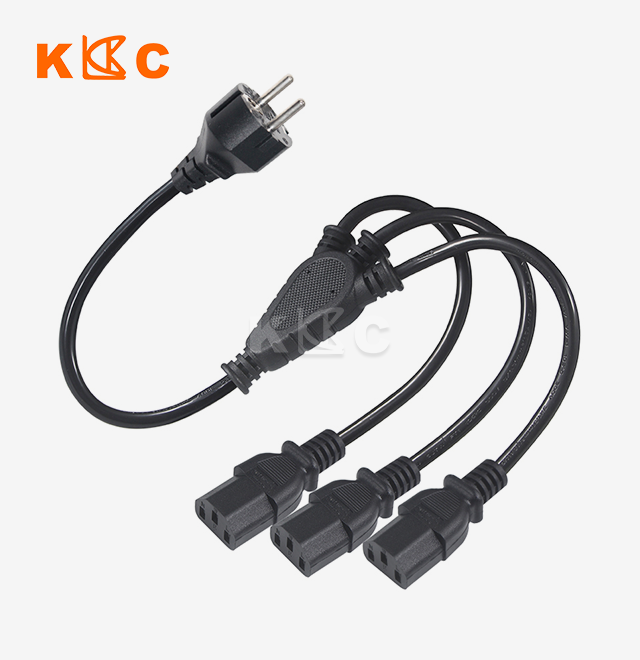
Our enterprise-grade UK wall extension plugs give your business the safety, dependability, and compliance it needs. We've been making specialized power accessories for 17 years, so we know how important it is for all kinds of businesses to have the right extension solutions. Each unit has 13A fused plugs and high-conductivity copper wire that can be set up in any way you want, from 3m to 10m+. Our goods have many certificates, such as CE, VDE, ETL, and BS/UKCA, which makes sure they are safe and compliant around the world. Our engineering team offers free technical advice whether you need socket configurations that are switched or unswitched, neon signs that you can choose to use, or special OEM solutions. Get in touch with rhea@szkuncan.net to talk about your needs with our application experts and get samples within 7 days.
References
National Electrical Manufacturers Association (NEMA). Electrical Safety Guidelines for Commercial and Industrial Installations. 2022 Edition.
Institution of Engineering and Technology (IET). BS 7671:2018+A2:2022 Requirements for Electrical Installations - IET Wiring Regulations.
Underwriters Laboratories Inc. UL 817: Standard for Safety Cord Sets and Power-Supply Cords. 2021.
International Electrotechnical Commission. IEC 60884-1:2022 Plugs and Socket-Outlets for Household and Similar Purposes.
Occupational Safety and Health Administration (OSHA). Electrical Safety in the Workplace: OSHA Standards 1910 Subpart S. U.S. Department of Labor, 2023.
European Committee for Electrotechnical Standardization. EN 50525-2-11:2011 Electric Cables - Low Voltage Energy Cables of Rated Voltages up to and Including 450/750 V.

USER EVALUATE
Here is the customer's evaluation of us
_1784354535259.webp)
_1779784337428.webp)