


Why Choose NEMA14-30P Power Cord Bare Wire for Flexible Power Connections?
When your industrial operation demands reliable, customizable power delivery, the NEMA14-30P power cord bare wire configuration stands out as the pragmatic choice for procurement managers and facility engineers. Unlike pre-molded alternatives, bare wire terminations provide installation flexibility that addresses unique hardwiring requirements across manufacturing floors, commercial kitchens, and equipment retrofits. The four-conductor design delivers 30-amp capacity at 125/250V split-phase power, supporting everything from industrial dryers to custom EV charging installations. This adaptability, combined with superior conductor quality and compliance with North American electrical codes, positions these power cords as essential components in operations where standard plug-and-play solutions fall short.
Understanding NEMA14-30P Power Cord Bare Wire
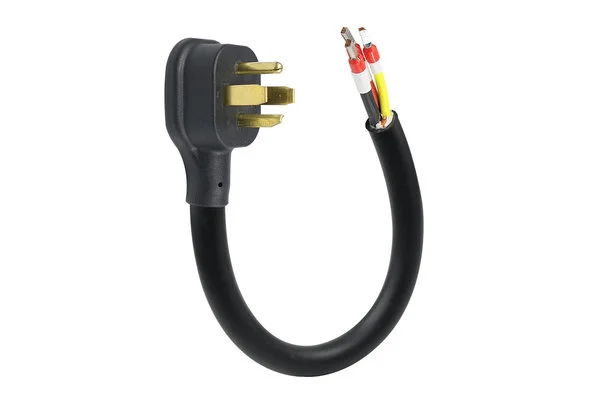
To set up a power distribution system that works well, you need to know what makes industrial-grade parts different from market ones. The NEMA14-30P standard specifies a certain four-prong plug arrangement that is used all over North America. With its dedicated ground conductor, this type of connector has become the modern replacement for older three-prong designs. It makes electrical safety much better.
Core Components and Wiring Standards
These parts are made up of a four-conductor group with two hot legs that carry 120V each (making 240V split-phase power), one neutral conductor, and one ground wire. The 10 AWG copper conductors we use make sure that there is enough current-carrying capacity while still allowing for flexibility during installation. There is a strict color code for each wire: black and red are for hot legs, white is for neutral, and green or bare copper is for ground. This makes field connections easier because there is no need to guess.
We use a precise stripping method for the NEMA14-30P power cord bare wire that removes just the right amount of insulation without damaging the copper strands underneath. Our tinning process applies a controlled solder coating to the exposed wire ends, helping reduce oxidation and ensuring a reliable mechanical connection when technicians clamp the NEMA14-30P power cord bare wire into terminal blocks or circuit breakers. This attention to termination quality helps prevent high-resistance connections that can occur when field terminations are completed too quickly. By maintaining consistent preparation of the NEMA14-30P power cord bare wire, manufacturers can improve connection reliability and support safer, more consistent electrical installations. Properly prepared NEMA14-30P power cord bare wire also makes terminal installation easier for technicians and helps maintain stable electrical contact over time.
Typical Industrial and Commercial Environments
In manufacturing sites, bare wire power lines are often permanently installed with equipment. Heavy-duty pumps, business laundry systems, and industrial ovens need the steady 30-amp delivery that these cords provide. Electrical workers can use the bare wire style to run lines thru conduit systems, terminate them directly in junction boxes, and make installation paths that work around existing infrastructure.
It has been our experience that procurement teams choose these setups for equipment retrofit projects where the original power lines are broken or where the power requirements of the building are different from the equipment's default settings. Being able to install custom lengths in the field gets rid of the problems that come with managing too long of a cord and the safety risks that come with extensions that are too short.
Comparing NEMA14-30P Bare Wire to Other Power Cord Options
Knowing the differences between connection methods has a direct effect on how quickly and reliably the installation goes and how long it lasts. It is easier to make decisions about what to buy when it is clear when bare wire configurations work better than standard molded cord sets.
Bare Wire Versus Pre-Assembled Plug Options
Power cords that are already put together and have molded receptacle ends are useful for portable equipment. But they add real bulk at connecting points and make routing less flexible. When technicians are working on equipment, these molded ends often make it impossible to remove cables thru existing pipe paths. This means that technicians have to completely separate the equipment.
With bare wire terminations, these limits are gone. Maintenance teams can run wires thru hard-to-reach panels, thru cable trays, and to the exact spot where building rules say they should end. The time saved during installation may not seem like much for a single unit, but it adds up quickly when facilities are responsible for dozens of high-power equipment installs.
NEMA14-30P Compared to NEMA14-50P
Amperage power is the main difference between these kinds of connectors. NEMA14-50P configurations can handle 50-amp loads, which means they need 6 AWG conductors that are heavier. This higher capacity works well for some uses, like RV power pedestals and some charging stations for electric vehicles. But the great majority of business and light industrial equipment works just fine with 30 amps.
Choosing 50-amp parts when 30-amp ones will do raises the cost of materials and the time needed to install them. The heavier-gauge wire is less flexible, which makes it harder to route thru tight spaces. Instead of over-specifying connection capacity, procurement teams save money by making sure that the amperage needs of the equipment are exactly matched to its loads.
Flexible Stranded Wire Performance Characteristics
The stranded copper construction we use in these assemblies makes them last longer than solid conductor alternatives. Each 10 AWG wire is made up of several fine copper strands that are grouped together. Instead of putting all of the force on one solid core, this geometry spreads mechanical stress out over many separate strands.
Technicians often bend wires around equipment mounting points and thru enclosure openings while installing. Stranded conductors can handle these repeated bending cycles without getting hard from use, which happens with solid wire and causes it to break. The wear resistance that stranded design offers is also good for equipment vibration, which happens a lot in motor-driven machines and HVAC systems.
Multiple strands form a larger surface area, which makes it easier for heat to escape when high current loads are applied for a long time. This benefit of thermal management keeps operating temperatures low, which increases the life of insulation and lowers the risk of fire in enclosed installations.
Why NEMA14-30P Power Cord Bare Wire Is Ideal for Flexible Power Connections
Power distribution options that can change with changing machine configurations and room limitations are needed for modern industrial facilities to work. Because they are so flexible in how they are made, bare wire power cord assemblies can handle these problems.
Custom Installation Scenario Advantages
Buying equipment does not always exactly match the electrical system of a building. When machine centers come from Europe, they may require power connections that are compatible with the local electrical system. Food processing lines may need to be relocated to improve workflow, while electrical service panels may also be moved during building renovations. Because of these situations, there is often a need for flexible power connections with suitable lengths and termination options. The NEMA14-30P power cord bare wire provides a practical option when equipment requires a cord with a bare-wire termination for connection to an appropriate terminal or electrical panel. Properly specified NEMA14-30P power cord bare wire can accommodate different installation layouts while allowing qualified electricians to complete the required termination. For projects with changing equipment locations, reliable NEMA14-30P power cord bare wire can provide greater flexibility in power connection planning. Selecting the right NEMA14-30P power cord bare wire also requires checking voltage, current, conductor size, grounding requirements, and applicable electrical codes.
Our bare wire configurations come in lengths that are exactly what you need, whether that's a short 6-foot run for equipment that is close together or a 25-foot span that connects two production cells. This accuracy gets rid of the needless cable coils that are a tripping hazard and the unsafe daisy-chaining of extension cords that is against the rules of electrical code.
The exposed termination ends work with permanent wiring methods in buildings without any problems. Electrical contractors like that these conductors can go straight into electrical subpanels, so they don't have to use the junction boxes that pre-molded cords would need. This straight-ending method cuts down on possible failure spots and makes troubleshooting easier for future maintenance tasks.
Safety Certification and Code Compliance
We make these assemblies with the help of testing organizations that are known all over the world. Electrical continuity testing, voltage withstand testing, and ground path resistance measurement are all done on every production run. The paperwork we send with every package includes certifications of test results that meet the needs of local electricity officials for inspections.
The materials used for the wire jacket meet UL standards for being resistant to flames and long-lasting in harsh environments. Industrial lubricants, cleaning solvents, and the high and low temperatures that are common in manufacturing environments don't break down these thermoplastic compounds. We offer jacket standards ratings for UV resistance and moisture ingress protection for setups that need to be routed outside or in direct sunlight.
The four-wire grounded design makes sure that it meets the requirements of the current National Electrical Code. The dedicated ground conductor creates a fault current path with low impedance, which lets circuit protection devices work quickly when there is a ground fault. This setup keeps people and things safe from electricity dangers that older three-wire systems can't handle properly.
Bulk Ordering and Supply Chain Benefits
When industrial procurement teams are in charge of rolling out new equipment or managing multiple facilities, they can save a lot of money by buying standard parts in bulk. Our production schedule is set up to meet both immediate needs and planned programs for stocking up on inventory.
Priority production placement is given to bulk orders, which cuts down on lead times during your most important project windows. When we get a lot of orders, we can save money by buying in bulk. This lets us offer competitive unit prices while still maintaining the same high quality standards for smaller orders. Our minimum order amounts are flexible enough to support both large capital projects and regular upkeep and store restocking.
We organize shipping consolidation to keep freight costs low and make getting easier. Multiple wire lengths and specs can be shipped together, which makes things easier for your transportation team. We can split shipments going to different sites from a single buy order for businesses that have more than one address.
How to Select and Purchase NEMA14-30P Power Cord Bare Wire
The first step to successful procurement is to match technical specs with the real needs of the application. Which setup gives you the best speed for your use case depends on a number of important factors.
Matching Technical Specifications to Application Needs
First, check the nameplates on your equipment to see if they list the voltage and amperage requirements. Most split-phase tools in North America can work with NEMA14-30P setups that have a rating of 125/250V. Make sure that the continuous operating current stays below 30 amps, leaving enough safety room as required by electrical codes.
The conductor gauge has a direct effect on both the voltage drop and the amount of current that can flow thru a wire. At normal fitting lengths, the 10 AWG copper we sell can easily handle 30-amp loads. For installations longer than 50 feet, voltage drop calculations may be needed to make sure there is enough power, especially for motor loads that are sensitive to lower starting voltage.
What kind of insulation jacket you choose depends on the weather. Standard thermoplastic covers are good for most industrial uses inside. UV-resistant jacket materials are needed for equipment that will be used outside or in direct sunlight. Chemicals used in cleaning or industrial fluids mean that special jacket compounds are needed that are not easily broken down by certain liquids.
Trusted Supplier Selection Criteria
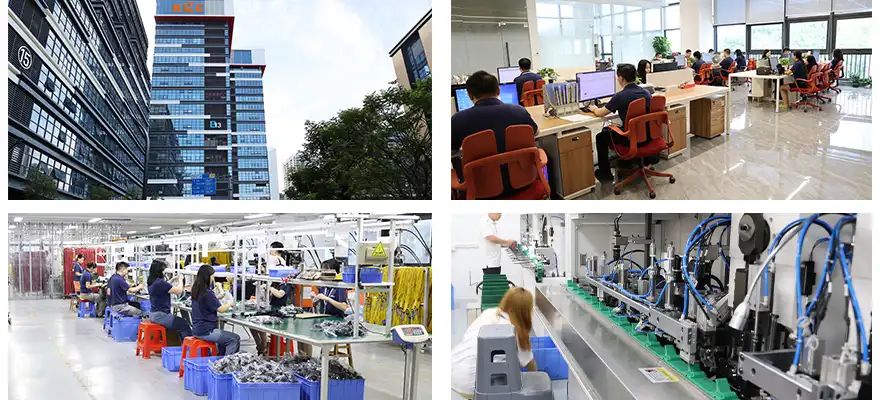
The quality of the parts that arrive at your receiving dock relies on the quality control and production standards used by the supplier. We've spent seventeen years building up the skills and production controls that make sure our products always work well.
ISO-based quality control methods are used throughout our manufacturing process and are verified by external certification organizations. This structured approach helps maintain consistent quality and reduces the variations that can occur during early production stages. Before approval, suppliers of raw materials must complete qualification audits, while incoming copper conductors undergo purity verification tests. The NEMA14-30P power cord bare wire is also subject to controlled production and inspection procedures to help ensure consistent conductor quality and reliable termination performance. Each NEMA14-30P power cord bare wire is produced according to defined process requirements, with inspections helping identify material or manufacturing issues before shipment. These quality controls provide greater confidence in the consistency and reliability of the NEMA14-30P power cord bare wire for electrical installation applications. For buyers requiring stable quality and traceability, selecting a supplier with established quality systems for NEMA14-30P power cord bare wire can help reduce procurement and installation risks.
In our final checking area, automatic testing equipment checks that every built unit meets important electrical standards. We keep statistical process control records that show we can meet the limits of the specifications with little change. This method of manufacturing that is based on data gives your processes the dependability they need.
Wholesale Benefits and Logistics Considerations
When procurement teams work with us for ongoing supply needs, they can get better prices than they could thru dealer routes. Our direct-from-manufacturer plan gets rid of markups by middlemen and gives you technical help from engineers who know how production works.
We keep strategic inventory positions on standard configurations, which lets us quickly fill orders in case of unexpected equipment failures or the need to speed up a project. Custom specifications are used to schedule production based on the dates you need to deliver the goods, and you can get updates on the progress at any time during the manufacturing cycle.
The international shipping planning services we offer make it easier for clients outside of North America to deal with customs paperwork and freight transfer. Our operations team works directly with your freight forwarders to make sure that your packages are properly protected and that containers are loaded as efficiently as possible. For shipments within the United States, we use our long-term ties with carriers to get the best freight rates and most reliable arrival times.
Installation and Maintenance Best Practices for NEMA14-30P Bare Wire Power Cords
The life and safety of these power distribution parts are extended by using the right installation methods and following regular maintenance schedules. We help your electrical teams with expert advice throughout the life of the equipment.
Step-by-Step Wiring and Installation Procedures
The installation process starts with checking the power source and following the lockout-tagout steps. Before starting the termination work, make sure there is no voltage by using test equipment with the right rating. Check the equipment's manual to make sure that the motor loads meet the right phase rotation standards.
Care should be taken not to damage the individual wire insulation as you strip the top cable jacket back about six inches from the end of the cable. We supply wire ends that are already tinned, so they don't need to be prepared in any other way. The solder coating makes sure that the wires make a secure mechanical contact under terminal screws or in compression-style wire connectors.
The ground wire should be run to the point where the machine is grounded. By connecting the hot legs to the right line terminals, you can keep the phase consistent across multiple equipment installations. Connect the neutral wire to the correct contact, making sure the connection is mechanically tight. Make sure that all of the lead screws are tightened to the right pressure level. Connections with too much resistance cause dangerous heat.
Once the actual links are complete, use a low-resistance ohmmeter to make sure the ground continuity is correct. Check that the phase relationships are correct by measuring the voltage between all pairs of conductors before adding a load. For future maintenance, write down information about the installation, such as where the cables were routed and terminated and the test results.
Routine Inspection and Maintenance Requirements
Power cords in industrial settings are subject to mechanical stress, temperature cycling, and environmental exposure that break down parts over time. Regular inspections catch problems as they start to appear before they become major issues or safety risks.
Cable jackets are looked at visually every three months to see if they have any cuts, scrapes, or heat damage. Pay extra attention to places where wires touch the edges of the equipment or go thru the openings in the casing. Overloading or bad electrical connections could be the cause of too much heat coloring, which needs to be looked into right away.
As part of yearly maintenance, terminal connections need to be retightened to account for effects of thermal expansion and vibration loosening. Measure the voltage when the load is on to find voltage drop increases that could mean the wire is wearing out. With infrared thermal imaging surveys, it's easy to find hot spots that need to be fixed.
Troubleshooting Common Connection Challenges
Problems with the power wire connection are often the cause of equipment that won't work at all or circuit breakers that trip for no reason. When terminal screws aren't tight, they make high-resistance contacts that heat up and finally break the terminal. Systematic voltage readings under load make it easy to find the links that aren't working right.
Corrosion at ending points happens in places with a lot of humidity or where metals that are not the same touch each other. The tinned copper terminations we offer don't rust, but the materials used in terminating blocks may rust over time. When these problems are found early on thru regular checking, they can be fixed by replacing just the terminals instead of the whole wire.
Ground fault circuit interrupter (GFCI) nuisance trips can happen when water gets into cable jackets that were damaged during installation. A careful look at the jacket near the ends often shows where the water enters. These failures caused by water can be avoided by installing strain relief correctly and using the right cable glands.
Conclusion
The NEMA14-30P power cord bare wire configuration gives modern industrial operations the installation flexibility, electrical performance, and safety compliance they need. The four-conductor grounded system delivers 30 amps of power reliably and meets strict electrical code standards. High-quality copper conductors, precise termination preparation, and tough insulation materials make sure that the system will keep working in harsh industrial settings. Buying in bulk, buying in custom lengths, and getting direct manufacturer help are all big pluses for procurement teams. Correct installation methods and regular maintenance protect people and equipment while extending the life of the system. For practical reasons, these kits are the best choice when standard line sets can't meet your needs.
FAQ
What makes bare wire terminations superior to molded plug ends?
Bare wire setups let you choose how to run wires thru conduit systems and panels with limited access, where plastic plugs would be in the way. Connecting directly to electrical lines gets rid of the need for junction boxes in between, which lowers the number of possible failure places. Custom-length buying keeps cables from coiling up too much and keeps extension cords from being too small, which can be dangerous. Facilities that manage a lot of connections to high-power equipment need less installation labor.
How do I verify proper wire gauge for my specific application?
Check the equipment's nameplates to see how much constant electricity it draws and make sure it stays below 30 amps with enough room for error. Figure out the voltage drop for cable runs longer than 50 feet, especially for motor loads that are sensitive to starting voltage drops. The 10 AWG conductors we sell are strong enough to handle standard 30-amp applications at the usual installation distances found in most buildings.
Can these power cords withstand outdoor installation environments?
We have special jacket materials that are rated for UV resistance and protection against water getting in that are good for outdoor routing needs. Standard thermoplastic insulation works well for commercial uses inside, but weather-resistant compound standards are better for uses outside. When cable glands are installed correctly at the openings of enclosures, moisture can't get in and cause insulation to fail early or even cause a ground fault.
Partner with Kuncan Electronics for Reliable Power Solutions
Kuncan Electronics has been making specialized products for seventeen years, and we use that experience in every NEMA14-30P power cord bare wire assembly we make. As a trusted NEMA14-30P power cord bare wire maker and an Alibaba Verified Supplier, we keep up the production controls and quality testing systems that make sure every shipment performs the same way. Our internationally recognized certifications, such as ETL, CE, VDE, and RoHS compliance, make sure that your power distribution parts meet the highest safety and environmental standards so that they can be easily integrated into your business.
We know that industrial procurement requires more than just parts. You need a trusted supply partner who will help your business succeed in the long run. Our OEM/ODM capabilities are flexible enough to accommodate custom lengths, special jacket materials, and bulk ordering programs that make it easier for you to keep track of your inventory. You can get samples quickly (in three to seven working days) and buy them in bulk at a reasonable cost. This will keep your projects on track. Talk to our technical team at rhea@szkuncan.net about your specific power connection needs and find out how our direct maker price and engineering support can help your business.
References
1. National Electrical Manufacturers Association. (2019). NEMA Wiring Configurations: Standards Publication WD 6-2016. Rosslyn, VA: NEMA Standards Publication.
2. National Fire Protection Association. (2020). NEC 2020: National Electrical Code Handbook. Quincy, MA: National Fire Protection Association.
3. Underwriters Laboratories. (2018). UL 817: Standard for Safety Cord Sets and Power-Supply Cords. Northbrook, IL: UL Standards & Engagement.
4. Institute of Electrical and Electronics Engineers. (2017). IEEE 141: Recommended Practice for Electric Power Distribution for Industrial Plants. Piscataway, NJ: IEEE Standards Association.
5. Canadian Standards Association. (2018). CSA C22.2 No. 21: Flexible Cords and Cables. Toronto, ON: CSA Group Standards.
6. International Electrotechnical Commission. (2016). IEC 60227: Polyvinyl Chloride Insulated Cables of Rated Voltages up to and Including 450/750 V. Geneva, Switzerland: IEC Publications.

USER EVALUATE
Here is the customer's evaluation of us