
Benefits of Using a 1 to 3 SAE Splitter Cable for Solar Systems
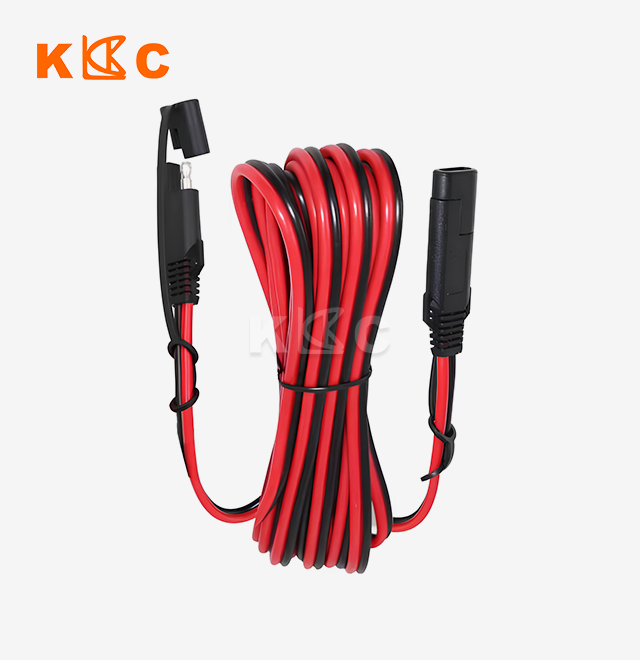
A 1 to 3 SAE splitter cable changes a single-source solar power distribution system into a way to connect multiple devices, which makes renewable energy installations more efficient. With these special power cables, solar system operators can connect three separate devices to one battery bank or solar panel output at the same time, cutting down on the need for extra wiring and keeping the voltage stable. These splitter cables are essential for RV solar setups, remote monitoring stations, and commercial renewable energy projects that need easier power management. They are made with high-purity copper conductors and weatherproof connectors to make sure they work reliably in harsh off-grid environments.
Introduction
The need for solar power solutions that can be scaled up around the world has sped up the use of advanced connectivity components that improve energy distribution without lowering safety or performance. The 1 to 3 SAE splitter cable solves a very important infrastructure problem: how to get green energy from centralised sources to many places where it's needed while keeping the integrity of the system? Understanding the technical specs and operational benefits of these splitter cables is important for purchasing managers, OEM partners, and engineering teams in the renewable energy sector who are in charge of B2B procurement. This is because it has a direct effect on project timelines, budget allocation, and the long-term reliability of the system.
More and more, modern solar setups need flexible power distribution designs that can work with ecosystems of devices that can grow. Choosing the right splitter cable configuration can make installation easier and maintenance easier, whether you're making portable solar kits for outdoor enthusiasts, adding extra power to fleet vehicles, or managing large-scale photovoltaic arrays. This guide looks at how Kuncan Electronics' enterprise-grade SAE splitting solutions provide measured value through careful engineering, strict quality control, and the ability to be customised to fit a wide range of renewable energy uses.
Understanding 1 to 3 SAE Splitter Cables in Solar Systems
What Are SAE Splitter Cables and How Do They Function?
As power distribution hubs, SAE splitter cables turn a single two-pin SAE connector into three separate output ports, each of which can send stable voltage to devices that are attached. The standard SAE connector design, which is used in powersports, solar, and cars, makes sure that all battery systems, charge controllers, and other equipment can work with each other. Paralleling the positive and negative conductors from the input lead to three different output branches is how these cables work. They keep the voltage level the same across all ends while letting each one draw its own amount of current based on the load.
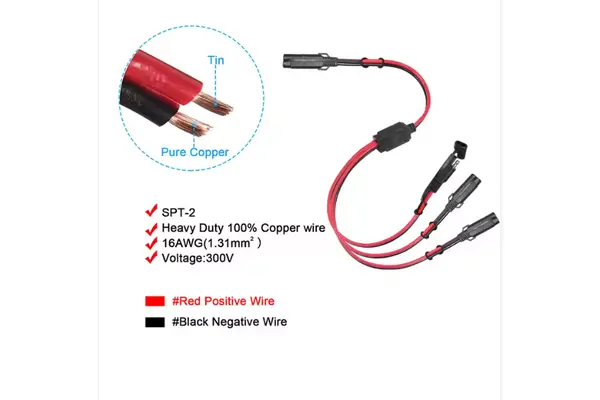
The basic structure depends on junction points where high-gauge input wire splits into output lines that have been calibrated. Our engineering team makes these branch points with strengthened strain relief and moulded housings that keep the wires from wearing out when they are bent or shaken over and over again. The main input wire is 16AWG to 14AWG and can handle up to 20A. The 18AWG split outputs can safely handle the loads of each individual device. This wire size stops too much voltage drop, which happens a lot with badly designed splitters, and makes charging less efficient, and shortens the life of the equipment.
Technical Specifications That Define Performance
The materials used to make cables have a direct effect on how reliably they work in solar environments. Kuncan Electronics uses oxygen-free copper wires with tinned stranding because they are better at resisting rust and carrying electricity. The SPT-2 and UL2468 wire insulation can stand up to long-term UV exposure, temperature changes from -40°C to 105°C, and the normal wear and tear that comes with outdoor installations. Each connector has nickel-plated brass terminals that keep their best contact resistance even after being connected and disconnected hundreds of times. This fixes a major problem with cheaper alternatives.
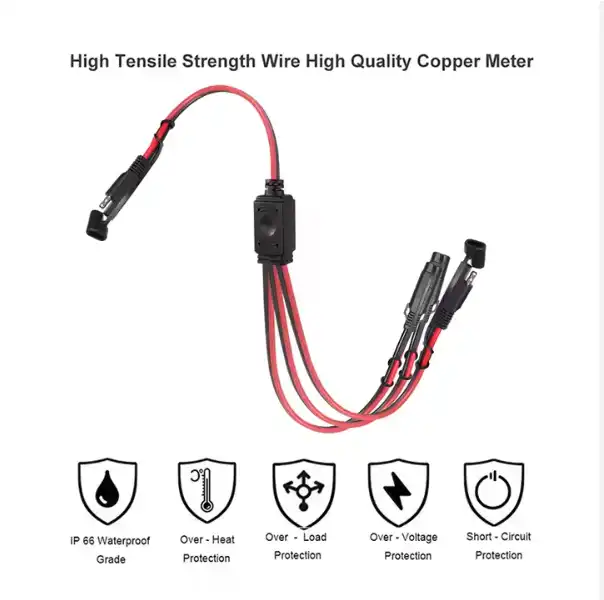
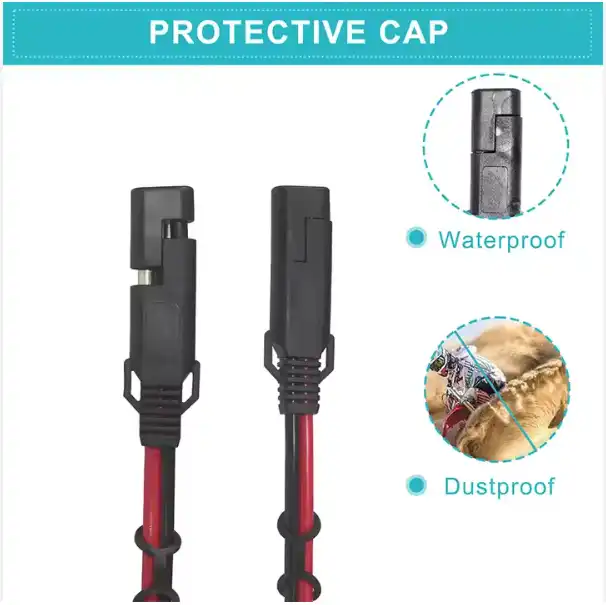
Another important requirement for solar applications is waterproofing. Our connectors with an IP65 rating have built-in dust caps and silicone closing rings that keep water out of the internal connections when it rains or when they are being washed. The waterproof PVC jacket can't be exposed to oil, fuel, or chemicals, which is important for installations near generators or in factories. These safety features are checked by exposing them to salt spray, changing the humidity, and making sure they meet international standards for ingress protection.
Compatibility Considerations for Solar System Integration
For proper splitter cable selection, voltage ratings, current capacities, and connector types must match what is already in place in the solar system. 12V and 24V battery banks are popular in RV solar systems, marine uses, and off-grid homes. Standard SAE plugs work perfectly with these battery banks. Because they are wired in parallel, the voltage stays the same on all three outputs. This makes these splitters perfect for adding battery maintainers, inverters, and tracking gear to a single solar charge controller output.
Safety and economy are both affected by how well wire gauges work together. When connecting devices that draw a total current that is close to the splitter's stated capacity, it is very important to control the heat properly. As part of our tests, we run the system continuously under a lot of load to make sure that the junction temps stay safe during the busiest solar charging cycles. The strengthened moulding at the split points successfully gets rid of heat and protects against damage from impacts during installation or maintenance.
Core Benefits of Using a 1 to 3 SAE Splitter Cable in Solar Systems
Simplified Installation and Reduced Wiring Complexity
When power distribution architectures are consolidated, solar system installations become much more efficient. A good SAE splitter puts all the connections at the power source, so you don't have to run separate cables from the battery bank to each device. This method lowers the cost of materials, cuts down on possible weak spots, and makes it easier to fix problems when they happen. Installation teams finish wiring jobs faster, especially in places with limited space, like RV battery compartments or motorcycle luggage areas, where routing multiple cables makes them hard to get to.
The benefits to the organization go beyond the initial setup. When troubleshooting charging issues or replacing broken parts, maintenance technicians like how clear the centralised connections are. A 1 to 3 SAE splitter cable helps organize multiple power connections through a single point, while labelled output ports and colour-coded wires make it easier to see which devices connect to each branch. This speeds up diagnosis and stops devices from disconnecting by mistake. When service protocols call for a single splitter inspection instead of tracing individual wire runs throughout the vehicle chassis, fleet managers who are in charge of multiple vehicles with solar-powered accessories report significant labour savings.
Enhanced System Reliability Through Professional-Grade Components
In green energy uses, system uptime is directly related to the quality of the parts. When the system is down, charging capability is lost, and operations are interrupted. Before they are shipped, Kuncan's 1 to 3 SAE splitter cables are tested for 100% electrical continuity, insulation resistance, and mechanical pull-strength. This thorough quality assurance gets rid of the infant mortality problems that often happen with products that haven't been tested. This keeps your installation safe from failures in the field that slow down projects and make customers unhappy.
The engineering approach puts preventing failures ahead of cutting costs. The main way that splitter cables break mechanically is when the conductors separate from each other after being bent over and over again. To fix this, all of the junction points have reinforced strain relief. Weather-resistant fabrics keep their insulation integrity even after years of UV light, changing temperatures, and shaking stress. When nickel-plated connectors are exposed to water, they don't rust, so the contact resistance stays the same for the whole life of the product. These features that make it last longer mean that the total cost of ownership is lower than with cheaper options that need to be replaced more often.
Operational Flexibility for Energy System Growth
Renewable energy systems change over time as technology improves and people's needs change. Because 1 to 3 SAE splitter cables offer modular communication, system growth can be made possible without having to redo all the wiring. Connecting to a free splitter output port makes adding a new monitoring device, backup battery bank, or other devices very easy. This scalability is especially helpful for OEM clients who are making products with optional upgrade paths or accessory packages.
The standard connector style lets you choose parts from different makers, so you don't have to stick with one seller, and you have more choices for where to buy things. Purchasing managers like being able to get compatible parts from a variety of suppliers while still keeping the system's ability to talk to other systems. Universal use of SAE connectors in the marine, powersports, and solar industries ensures long-term availability of parts, reducing the risks of obsolescence that come with proprietary connection systems.
Comparing 1 to 3 SAE Splitter Cables with Alternative Solutions
SAE Connectors Versus Generic Power Splitters
While generic power distribution blocks and terminal strips can split power, they don't have the safety features and environmental security that come with 1 to 3 SAE splitter cables. To keep traditional terminal blocks waterproof, they need separate enclosures, more work to mount securely, and careful wire management to keep short circuits from happening. 1 to 3 SAE splitter cables come as whole units with connections that have been sealed at the factory. This prevents connecting mistakes in the field and greatly speeds up the installation process.
Because SAE connectors can be disconnected quickly, they offer operational benefits that hard-wired terminal blocks can't match. With SAE connections, seasonal equipment removal, repair tasks, and system reconfiguration only take seconds, while with fixed splices, wires have to be cut and re-terminated. This serviceability factor is very helpful for businesses that rent out equipment, mobile solar setups, and uses that need to switch out devices often.
Budget Versus Premium SAE Splitter Specifications
Market research shows that SAE splitter prices vary a lot in terms of performance, which has an effect on both long-term dependability and the total cost of ownership. Copper-clad aluminium wires are often used in entry-level goods, but they increase resistance and produce extra heat when they are loaded. Insulation materials might not meet temperature standards for cars, which could cause jackets to crack too soon when used outside. Connection connections don't always have the right plating, which speeds up rust and raises contact resistance, both of which lower the charging efficiency.
Kuncan's high-end splitter cables have pure copper conductors that are the right gauge size for the rated current capacity. This makes sure that there is very little voltage drop across the whole operating range. The SPT-2 insulation stays flexible and strong even when the temperature ranges from -40°C to 105°C, which is normal for outdoor solar uses. Nickel-plated brass terminals withstand thousands of connection cycles without degradation. These material upgrades deliver measurable reliability improvements validated through accelerated life testing that simulates years of field operation.
Performance Metrics That Matter for B2B Procurement
When comparing different splitter cable options, there are a few measurable differences between professional-grade and consumer-grade options. Voltage drop under rated load has a direct effect on how well the battery charges. High-end cables have less than 0.2V of drop across three feet at full current, while cheaper options may have 0.5V or more of loss. Measurements of contact resistance show the quality of the terminals. Connectors that are properly plated will keep their sub-milliohm values even after being exposed to the environment.
Mechanical testing proves that a structure is strong under real-life stress. For effective field performance, pull-strength tests that measure how much force is needed to separate wires from terminals should be higher than 20 pounds. Flex cycle testing determines how many times the cable can be bent without the conductors wearing out. Temperature cycling from very cold to very hot confirms that insulation materials keep their protective properties no matter what the working conditions are.
With these objective performance factors, you can make data-driven choices about what to buy that match the specs of the parts to the needs of the application and your level of comfort with risk. Suppliers who are open about how they test and are willing to send samples for validation testing before agreeing to large orders are good for engineering teams.
How to Choose and Procure the Best 1 to 3 SAE Splitter Cable for Your Solar System
Critical Selection Criteria for Application Matching
An accurate load analysis and environmental assessment are the first steps in making a good splitter cable specification. Figure out how much current all the devices that will connect to the splitter at the same time will use together, making sure that the total doesn't go over the cable's continuous rating by a safe amount. When choosing a wire size, it's important to think about both peak current and ongoing operation, where managing heat becomes very important.
Both voltage drop and mechanical installation limits are affected by the length of the cable. Longer runs need bigger conductor sizes to keep voltage losses at a good level, while shorter units are better for setups that need to fit in a small area. Kuncan lets you change the setups from split lengths of one foot to three feet, so you can get the best results for your unique mounting needs. Custom connector spacing can work with different panel layouts or equipment placement needs that standard configurations can't fully meet.
The levels of protection that are needed depend on the environmental exposure. For marine and outdoor solar installations, you need connectors that are waterproof and rated IP65 or higher so they can handle spray, rain, and humidity. Standard PVC jacketing may not be enough in industrial settings where extra abrasion resistance or chemical compatibility is needed. Extreme temperatures in desert or cold areas require insulation materials that can handle a wider range of temperatures. Matching security levels to real-world working conditions keeps costs from going up too high while still making sure the product lasts long enough for the job.
Strategic Sourcing and Supplier Evaluation
Effective business-to-business buying includes more than just part specs. It also looks at the supplier's skills, how they do business, and the possibility of forming a relationship. Trading businesses that don't have direct control over production are less stable in the supply chain than established producers with documented quality systems. Verified supplier status on major B2B platforms means that business practices, manufacturing capabilities, and export compliance have been checked by a third party.
Customisation is what sets manufacturing partners apart from simple product sellers. Suppliers who give branded heat-shrink sleeves, custom package design, and private label choices are helpful for OEM clients who are making integrated solar goods. Having engineering help during the development of a product shortens the time it takes to get to market and improves the designs so they can be made. Kuncan's technical team offers free design reviews that find problems before investing in tools. This lowers the cost of development and shortens the time between iterations.
Before placing large orders, it is important to do a sample evaluation as a form of validation. Reliable suppliers send pre-production samples within days, which lets you check the quality of the build, the fit of the parts, and how well the electricity works. Physical inspection shows industrial accuracy that specs alone can't—handling makes you aware of how connections feel, the quality of the materials, and how consistent the assembly is. Testing samples under real-world load conditions verifies performance promises and finds any problems with how they work with other parts of the system.
Understanding Pricing Structures and Value Metrics
The prices that businesses charge for 1 to 3 SAE splitter cables are based on more than just the cost of making each one. The biggest factor that affects cost is the quality of the materials. For example, pure copper conductors and premium insulation are much more expensive than cheaper alternatives. Certification tests and compliance paperwork add fixed costs that are spread out over a bigger amount of production. This means that certified goods are cheaper when bought in bulk. Customisation features require investments in tools and setting fees that make large orders more appealing than frequent small-batch purchases.
Volume pricing tiers reward commitments of a larger amount of goods while also accommodating different buying habits. Kuncan has flexible minimum order amounts that make production efficient while also taking into account the customer's limited store needs. Orders for samples are sent out within three to seven business days. Production runs take fifteen to twenty-five days, depending on how complicated the customisation is and how big the order is. This responsiveness helps just-in-time inventory strategies that keep costs low while making sure parts are available on time for assembly schedules.
When you look at the total cost, you should think about things like guarantee coverage, technical help available, and how quickly the provider responds to quality problems. Longer warranty terms show that the company is sure the product will last and is ready to back up claims of performance. When application questions come up during installation or system commissioning, having easy access to expert help lowers the cost of fixing problems. Quickly taking care of any quality issues saves project schedules and customer relationships, providing value that goes far beyond the initial unit price.
Real-World Applications and Case Studies of 1 to 3 SAE Splitter Cables in Solar Systems
Portable Solar Systems for Recreational and Emergency Use
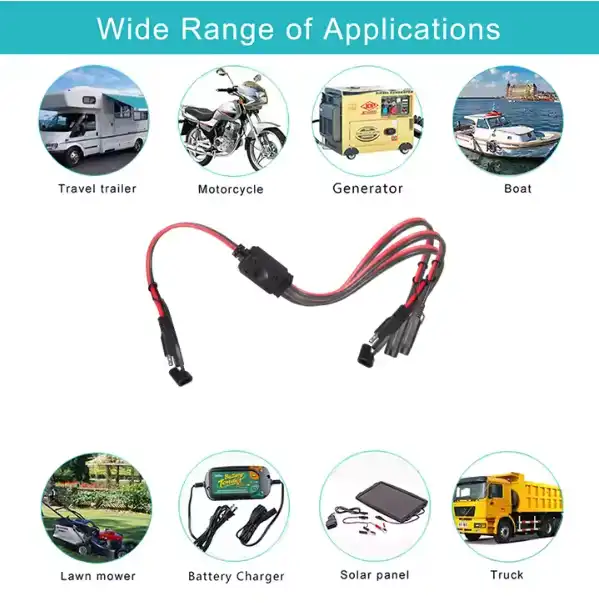
Portable solar kits are used by RV owners and outdoor enthusiasts to keep their batteries charged during long stays away from the grid. These uses come with their own problems, like having to set up and take down equipment often, dealing with changing weather, and not having enough room to store equipment. Good 1 to 3 SAE splitter cables make it easier to connect solar panels, battery banks, and many other things, like freezers, lighting systems, and communication gear.
A local RV dealership said that installing solar systems was 40% faster after they switched to using pre-assembled SAE splitter configurations. Custom wire cutting and junction joining were done away with by technicians. This cuts down on both work time and the chance of wiring mistakes. Customers were happier when setups were smoother, and wiring runs were organised, which made it easier to make changes in the future. The dealership now only uses Kuncan splitter cables for all solar package upgrades because they are reliable and the quality is always the same.
Commercial Fleet Applications for Vehicle-Based Solar
More and more delivery truck owners are using extra solar systems to power things like refrigerators, telematics gear, and comfort items without draining the batteries in their vehicles. These systems need strong splitter cables that can handle constant shaking, changes in temperature, and the occasional mechanical impact during loading. The three-output configuration lets battery maintainers, inverter systems, and diagnostic equipment all connect at the same time.
A national courier service put solar-powered battery repair devices in 200 cars, and 1 to 3 SAE splitter cables were used at each site. When compared to older direct-wiring methods, the centralised connection method cut construction time by 30%. After two years of use, the fleet maintenance team reported no splitter failures, even though the vehicles had driven over 50,000 miles a year in a variety of climates. The reliability performance supported the decision to buy higher-quality parts, even though they cost more at first.
Remote Monitoring Stations and Off-Grid Installations
Solar power is needed for environmental monitoring stations, remote communication towers, and off-grid security systems to keep running in places where utility power isn't available. Because service visits to remote sites are expensive and cause downtime, these important applications need every part of the system to be as reliable as possible. From a single solar charge controller output, 1 to 3 SAE splitter cables can connect backup battery systems, monitoring gear, and sensor arrays.
A group that works to protect wildlife runs 35 remote camera stations in forest areas that are protected. Each station is powered by solar panels and deep-cycle batteries. After having trouble connecting with standard car connectors in damp places, the group decided to use waterproof 1 to 3 SAE splitter cables as a standard. The IP65 rating stopped water from getting in during the monsoon season, which stopped corrosion-related failures that used to need expensive service trips. The uptime of the cameras went up by 15%, giving researchers more complete data on how animals behave.
Conclusion
When 1 to 3 SAE splitter cables are carefully chosen and used, they make solar systems more efficient, faster to install, and more reliable in the long run. Using professionally designed splitter assemblies to combine power distribution makes wiring easier and maintenance easier in a wide range of renewable energy applications. Professional-grade parts are different from cheaper ones because of the quality of the materials used, the accuracy with which they are made, and the strict testing methods that are used. Field dependability measures and total cost analysis can show the differences in performance. Professionals in business-to-business purchasing can get a competitive edge by working with certified manufacturers who can offer customisation options, quick technical support, and consistent quality that has been proven by international certifications and thorough testing protocols.
FAQ
Are SAE Splitter Cables Compatible With All Solar Panel Types?
1 to 3 SAE splitter cables can be used with any solar panel system that has standard SAE connectors and can handle the voltage and current ratings of the cable. A lot of portable solar kits, RV solar systems, and small off-grid installations use 12V or 24V architectures that work perfectly with SAE cable standards. Connector matching, not panel technology, determines compatibility. From a connection point of view, monocrystalline, polycrystalline, and thin-film panels all work the same. Make sure that your charge controller's outputs are SAE connectors and that the total current draw from all the devices stays below the splitter's rated capacity.
What Safety Precautions Should I Follow During Installation?
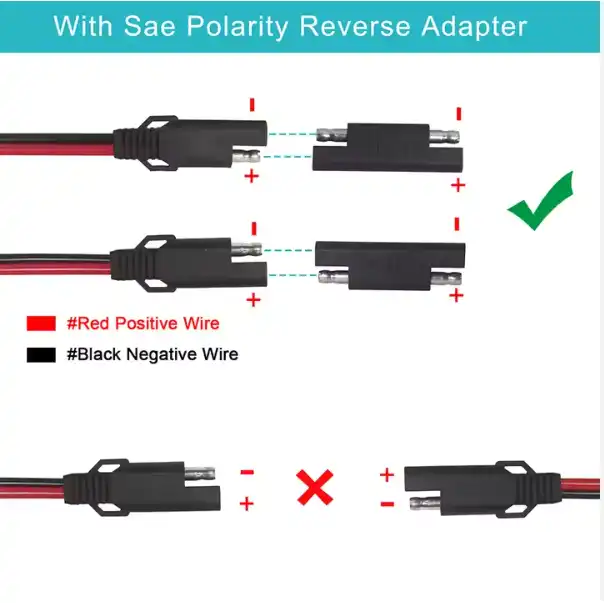
To avoid arcing or short circuits, always unplug the battery or solar panels before joining the splitter wires. Before connecting anything, check all of the plugs for damage, rust, or other foreign objects. Make sure the polarities are matched correctly. Connecting devices in the wrong way can damage them and even start a fire. Keep cables away from moving parts, sharp edges, and heat sources that could damage the insulation over time. Use the right fixings to keep wires in place to stop wear caused by vibrations. After setting up, make sure that the voltage at all output ports matches the voltage at the source. This will ensure that all the connections are correct before powering up any load devices.
Can I Request Custom Cable Lengths for Specific Installations?
Kuncan Electronics offers a wide range of customisation options, such as changing the lengths of the splits, the distances between the connectors, and the branding on the heat-shrink sleeves. Custom setups allow for different equipment plans, special mounting needs, and the creation of private-label products. The engineering team looks over custom specifications to make sure that designs are the most efficient way to make things and work reliably. Minimum order quantities for customised goods depend on how complicated the changes are, and there are many options with reasonable minimums. Email our technical team at rhea@szkuncan.net to talk about your unique needs and get free design advice.
Partner With Kuncan Electronics for Superior Solar Connectivity Solutions
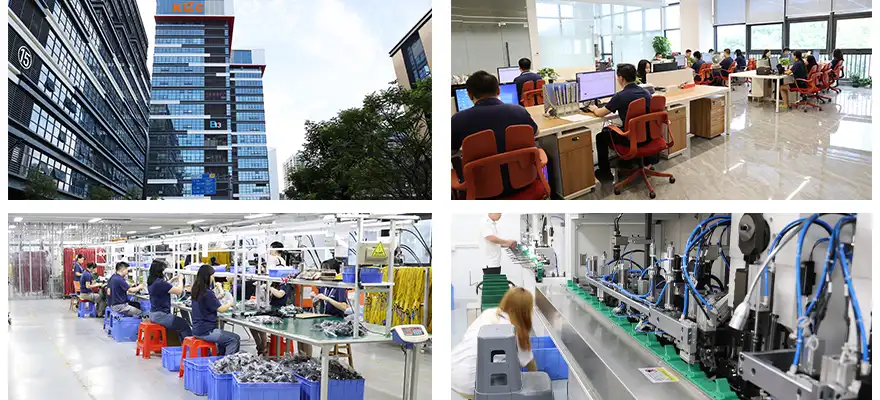
Kuncan Electronics has been making electronics for 17 years and is ready to help you with your solar system projects by providing enterprise-grade 1 to 3 SAE splitter cable options. Our certified production facility uses ISO-compliant methods and tests all of its products to make sure that every cable meets strict performance standards. Our engineering team offers free design advice and quick sample delivery, whether you need standard configurations that can be used right away or customised kits with different specs. We offer competitive wholesale prices, flexible minimum quantities, and the ability to customise, such as with branded heat-shrink sleeves and private-label packaging, because we are a verified manufacturer and not a trading middleman. You can email our technical team at rhea@szkuncan.net to talk about your specific needs, ask for samples, or look into OEM partnership opportunities that fit your business goals and quality standards.
References
1. Solar Energy Industries Association, "Best Practices for Solar System Installation and Maintenance," Technical Standards Manual, 2023.
2. National Renewable Energy Laboratory, "Electrical Connector Performance in Outdoor Photovoltaic Systems," Research Report NREL-5789, 2022.
3. Institute of Electrical and Electronics Engineers, "IEEE Standard for Solar Power System interconnections," IEEE 1547-2023 Edition.
4. International Electrotechnical Commission, "IEC 62852: Connectors for DC Application in Photovoltaic Systems—Safety Requirements and Tests," 2022 Revision.
5. Society of Automotive Engineers, "SAE J1239: Standard for Electric Vehicle Conductive Charge Coupler," Technical Standard Specification, 2023.
6. Underwriters Laboratories, "UL 2238: Outline of Investigation for Cable Assemblies Intended for Use in Photovoltaic Systems," Certification Guidelines, 2023.

USER EVALUATE
Here is the customer's evaluation of us