
Bulk Purchasing Guide for Kettle Cords
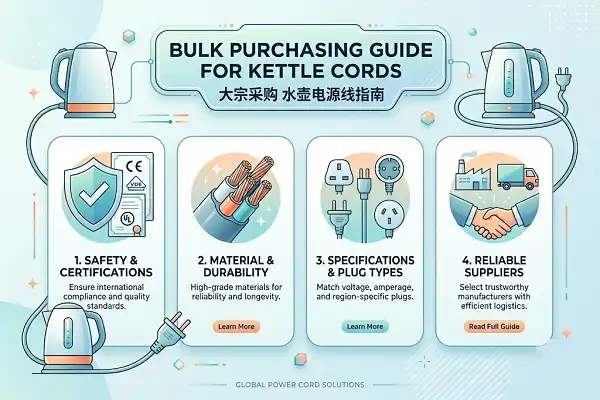
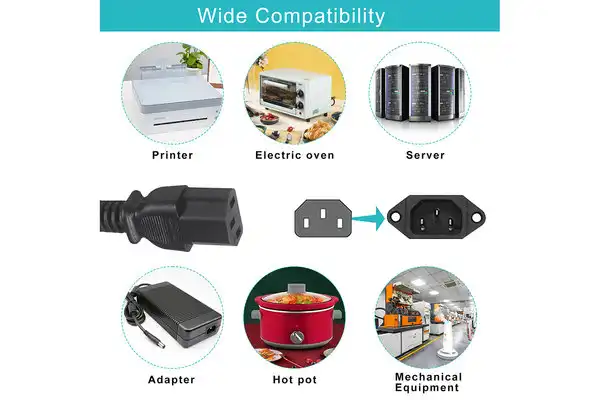
Every detail is important when you're looking for power options for tens of thousands or hundreds of thousands of kettle cord gadgets. The kettle cord, which is also called a C13, C15, or IEC power cord, safely connects energy to a wide range of devices, from servers used in businesses to large kitchens. When you know the differences between thermal ratings, conductor sizes, and connection types, buying goes from being a regular job to a strategic benefit. This guide goes over important things that bulk buyers need to think about. It will help you figure out how to deal with standards, evaluating suppliers, and servicing procedures so that you can get reliable, cost-effective solutions that keep your business running smoothly.
Understanding Kettle Cords for Bulk Procurement
Core Components and Design Variations
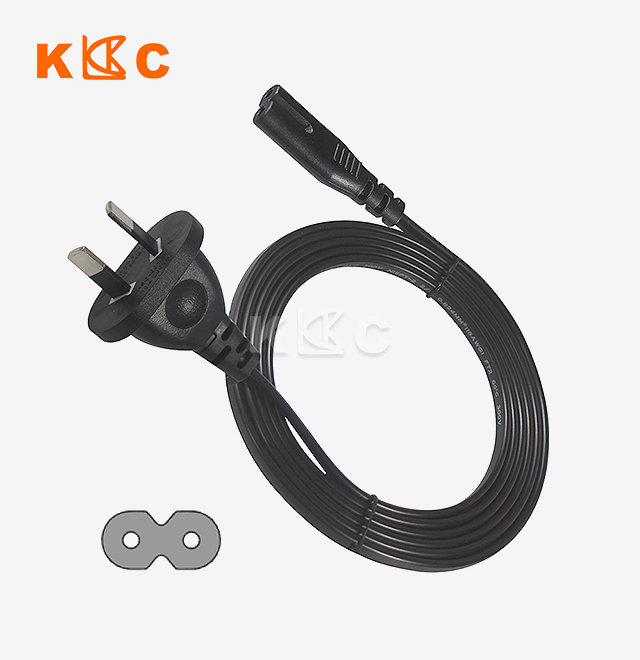
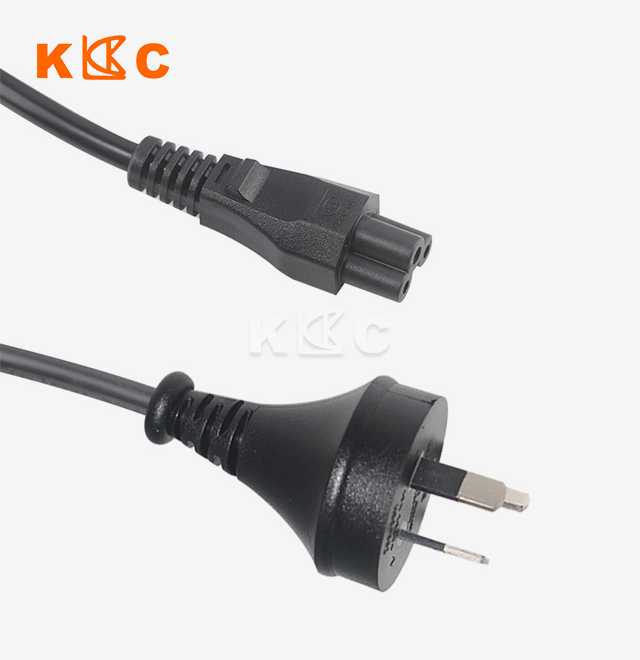
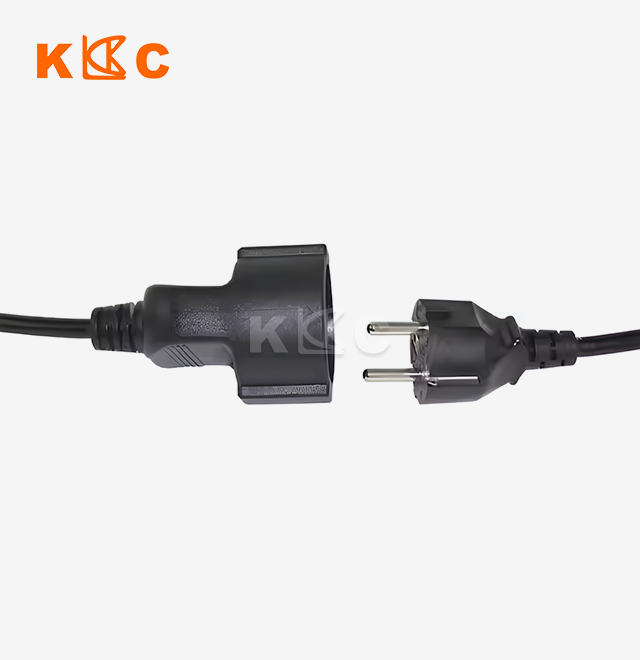
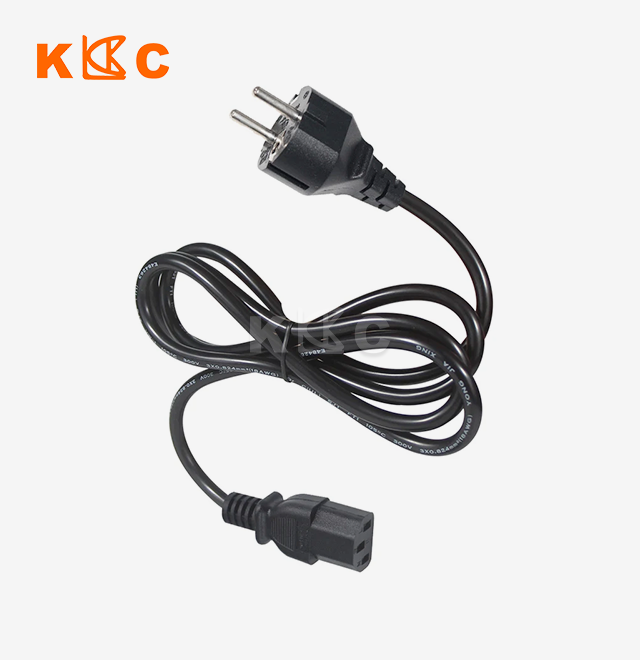
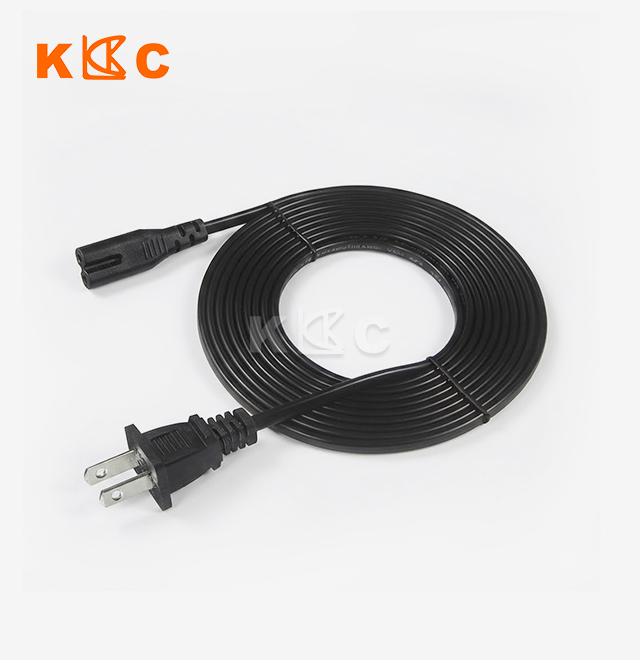
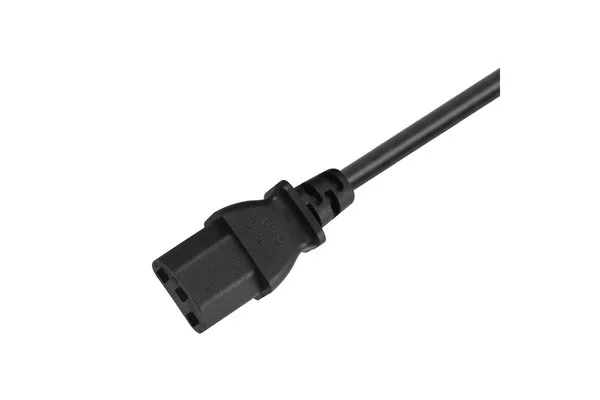
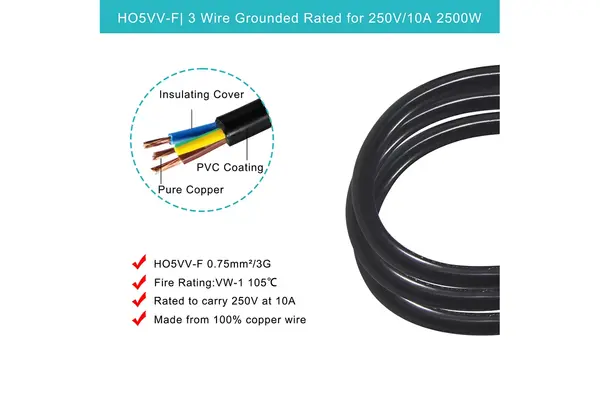
The simple power line is the key to making sure that your equipment works properly. There are three main parts to these cables: an outlet plug (like NEMA 5-15P for North American outlets), a connection end (IEC 60320 C13 or C15), and wire inside that moves electricity. Current-carrying ability is based on the conductor diameter, which is measured in AWG. A 14AWG cable can handle 15A loads without dropping the power, while an 18AWG cable is better for smaller jobs. Standard PVC and heat-resistant compounds rated for 105°C to 120°C are both types of insulation. They keep wires safe from external stress and stop electrical faults.
Heat Resistance: Standard vs. High-Temperature Configurations
Standard C13 plugs work with most office tools, but they aren't right for high-temperature settings. The C15 connector is designed to handle temperatures up to 120°C and has a unique notch that keeps links from not being compatible. This design is very important in places like data centers where rack-mounted PDUs produce a lot of heat or factories where equipment is constantly working under high temperatures. The notched keying method is a safety barrier—lower-rated cables can't physically join to high-temperature inlets. This keeps people and property safe by removing human mistake. Stranded bare copper conductors are more flexible and resistant to fatigue than solid wire alternatives. This is especially helpful when lines have to go through small spaces or are moved around a lot during repair rounds.
Safety Standards and Compliance Requirements
Certifications that match target markets must be checked by procurement teams. UL and cUL lists show that the product meets North American safety standards, while VDE and BS certifications show that the product meets European and UK standards. RoHS and REACH compliance protects the environment by limiting dangerous chemicals like mercury and lead. Quality connections go through more than just certifications. They are tested for flammability with glow-wires, their polarity, and their ability to withstand high voltages. Continuity testing makes sure that the conductor lines stay open, and insulation resistance tests show that the safety walls are stronger than the industry standard. These steps in the approval process stop failures in the field that could cause expensive equipment downtime or even safety issues during busy times.
Bulk Purchasing Considerations for Kettle Cords
Segmenting Requirements by Application Scenario
Power infrastructure has to meet different needs in different operating settings. Color-coded cables (red, blue, yellow, and green) are needed for data center deployments so that circuits are easier to find in server racks with a lot of them. This cuts down on the time it takes to fix problems during important events. Industrial automation systems need wires that can stand up to tough industrial conditions like vibration, chemical contact, and temperature changes from -40°C to +85°C without losing their integrity. In commercial kitchens, cables need to be approved for high-temperature machines and be able to handle thousands of heating cycles without the conductors wearing out or the sheath breaking down. Medical facilities need Class II wires that are double-insulated, have a leaking current of less than 100µA, and can handle being sterilized. By separating your order by application, you can be sure that each cable will have the right performance characteristics. This will save you money on over-specification costs and keep practical dangers from being caused by under-rated cables.
Supplier Evaluation Metrics
When choosing factory partners for kettle cord, you have to look at more than just unit price. Quality certifications give you a basic level of trust, but the terms of a guarantee show how committed a provider is to making sure that a product lasts. We offer a full 1-year guarantee that covers problems with the way the product was made, along with quick replacement methods that keep downtime to a minimum. When orders get bigger, production capacity is important. Facilities with advanced molding equipment and precise assembly methods can keep quality high across large amounts. Through inbound material inspection (IQC), in-process tracking (IPQC), and outgoing validation (OQC), ISO-certified production processes make sure that quality control is done in a planned way. Lead times have a direct effect on planning inventory: samples are delivered within 3–7 days, which lets you test prototypes, and mass production processes last 15–25 days, which lets you plan regular refilling schedules. Transparent lines of communication and expert support are very helpful when specs need to be clarified or changed.
Cost Analysis: Beyond Unit Price
When buying is done right, instant costs are balanced against total ownership costs. Prices per unit go down with volume savings, but landed costs go up a lot because of freight costs and customs fees. Suppliers in production hubs like Dongguan and Shenzhen offer reasonable shipping rates through well-established logistics networks that let you choose between sending by air, sea, or rail. When a product is shipped, the quality of the packaging affects its integrity. Strong protection materials keep connectors and wiring from getting scratched or damaged, which can lead to early failures. For OEM and distributor clients, customization options are useful: custom jacket printing strengthens brand identity; private label packing cuts down on extra handling; and custom connector setups handle different equipment interfaces. Minimum order numbers (MOQ) that are flexible can be used for a variety of stocking strategies. For example, small batches can be restocked for just-in-time models, and large purchases can take advantage of maximum discounts.
Comparing Kettle Cord Products and Brands: A B2B Perspective
Evaluating Market Options
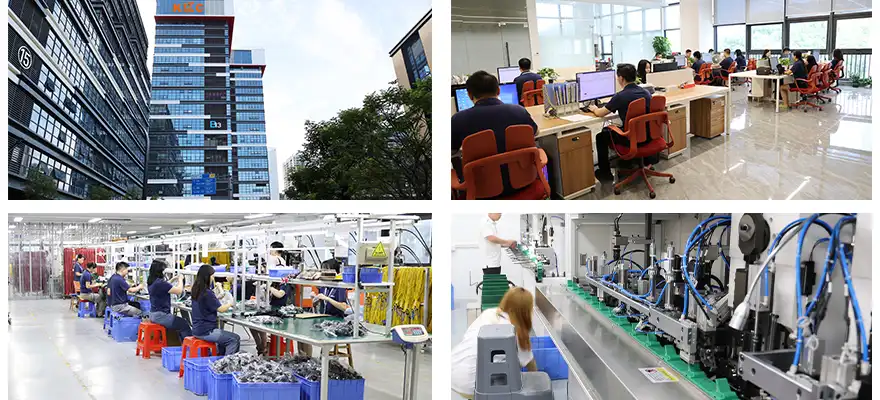
Procurement managers can choose between well-known names and specialized makers, and each has its own benefits. Big names like Duracord, Eaton, and Belkin have large distribution networks and offer a wide range of customer service options after the sale, which is helpful when you need to source products in more than one area. Manufacturers with specific skills, like Kuncan Electronics, are experts in power connections and can offer deep technical knowledge and customization that general names can't match. With over 300 trained workers and 17 years of experience making things, we've honed production methods that balance quality with low prices. Our Alibaba Verified Supplier standing lets us serve customers all over the world.
Performance Differentiation: Flexibility and Durability
How the cables are built has a big effect on how well they work and how long they last. Stranded conductors in flexible SJT and SJTW cables make them easy to bend around objects. This makes them perfect for setups with complicated routing paths or equipment that needs to be moved around often. When installed in a steady position with little mechanical stress, rigid SVT wires last longer than other types. Electrical effectiveness is affected by the purity of the conductor. 99.99% pure copper has the lowest resistance, which means it generates less heat and lowers voltage drop over long wire runs. Options made of tinned copper don't rust in damp places, so they last longer in seaside buildings or outdoor settings. The thickness of the cable affects how long it lasts. For example, 8.5mm ± 0.2mm wires (14AWG) are more durable than thinner ones and are still flexible enough to be easily installed.
Case Study: Enterprise Data Center Deployment
A regional data center operator had problems with hot-aisle containment systems where the temperature could hit 115°F and connectors kept breaking. Standard C13 wires melted where they connected to other cables, which could have caused fires and unplanned downtime. Thermal breakdowns stopped happening completely when C15 high-temperature wires were used instead. The notched design kept lower-rated wires from being switched out by mistake during maintenance, and the color-coding made it easier to find broken circuits. When buying in bulk from a single qualified source, costs per unit dropped by 22% compared to buying in small batches, and standard specs made it easier to keep track of inventory. The one-year warranty gave people even more trust, but the performance in the field was even better than expected—there were no problems with any of the 2,400 lines that were used nonstop for 18 months.
Troubleshooting and Maintenance Guidelines for Bulk Buyers
Common Issues and Diagnostic Approaches
Large stockpiles of kettle cord cables tend to fail in expected ways that can be lessened by finding them early. Sparking at the plug ports means that the connections are loose or the contacts have become damaged. Taking the plug apart will show you whether cleaning the contacts fixes the problem or a new one needs to be bought. Heating wires show when conductors are too big or too small, and thermal imaging finds hot spots before they damage the insulator. Frayed outer jackets let dirt and other things into the wires, which can cause shocks and speed up the failure process. Visual checks that are done as part of regular machine repair catch these problems early, so they don't become catastrophic during busy times.
Repair Protocols and Replacement Criteria
When there is only minor damage, it may be cheaper to fix it than to buy a whole new one. Using electrical contact cleaner to clean corroded joints returns conductivity, which makes cables last longer. But cables with holes in the insulation, broken conductor strands, or melted connections need to be replaced right away. Trying to fix cables that are structurally damaged creates legal risks that are much higher than the cost of replacement. Setting clear criteria for replacement in buying policies makes sure that repair teams always make the same choices. Cable age is also taken into account when planning to replace it, because thermal cycles and mechanical flexing slowly break down insulation qualities even if there is no obvious damage. By rotating stock, you can get rid of earlier wires before they start to fail more often.
Preventive Maintenance Integration
Unplanned downtime is cut down by a large amount with proactive repair plans. Installation damage can be avoided by teaching warehouse and field workers the right way to handle cables: don't make sharp bends near connections, keep cables in place to avoid tension stress, and keep jackets away from rough surfaces while routing. Setting up regular inspection plans creates early warning systems: visual checks every three months find new problems before they get worse, and yearly electrical testing with continuity meters and insulation testers makes sure that safety rules are still being followed. Recording inspection results creates performance histories that help with future purchasing choices by revealing the best makers and configurations that provide longer service life in your unique operating setting.
Where and How to Buy Kettle Cords in Bulk?
Comparing Procurement Channels
Bulk buyers can find goods through a number of different avenues, each of which has its own pros and cons. Online stores like Amazon Business make it easy to get small to medium amounts of goods quickly and easily, but the prices are usually higher than in stores. Specialized business-to-business (B2B) providers offer bigger discounts and expert support, which is helpful when orders need help with specifications or are being customized. Direct relationships with manufacturers offer the most cost-effectiveness and freedom, especially for purchases that are made over and over again and support the investment in a relationship. We keep our prices stable and have the ability to make secret tools. This means that you can plan your budget more easily for long-term purchases.
Negotiation Strategies for Optimal Terms
Total value improvement is part of effective bargaining, not just lowering prices. When you commit to buying a lot of something, you get better prices. Even combining small orders can save you a lot of money per unit. Being able to change delivery times lets providers make the most of their production runs, which saves money for everyone. Payment terms affect cash flow. Longer net terms are good for working capital, and early payment discounts speed up the flow of funds. Technical teamwork options add strategic value. Involving supplier engineering teams during the product specification stages ensures the best cable selection, avoiding costly over-specification or setups that don't work well in the field.
Logistics Best Practices
To keep the purity of the product while it's being shipped, you need to follow the rules for packing and handling. Cables that are carried on rolls don't get kinked or damaged at the connectors, but boxed coils are cheaper for shorter lengths. Moisture shields keep insulation materials safe during ocean freight. This is especially important for packages going through tropical areas or going through changes in temperature that cause condensation. Tracking systems make shipments visible, so delays that could affect work plans can be dealt with ahead of time. Insurance lowers the financial risk of lost or broken packages, but choosing dependable companies with tried-and-true handling methods lowers the number of claims. Our location in Dongguan/Shenzhen gives us easy access to major airports and ports, which means we can offer competitive freight rates and reliable service to places around the world.
Conclusion
To successfully buy a lot of kettle cord, you need to find a balance between technical requirements, the supplier's skills, and the total cost. High-temperature C15 setups keep important equipment safe in harsh settings, and the right conductor gauges make sure that the current is delivered safely. Certification ensures access to markets, and relationships with suppliers based on high-quality manufacturing ensure consistent quality across big orders. Preventative maintenance programs make assets last longer, and strategic sourcing gets you savings for buying in bulk and the ability to make changes that fit your needs. Procurement professionals make sure that the power infrastructure they buy is reliable so that their businesses can keep running and stay ahead of the competition by carefully analyzing these factors.
FAQ
What factors determine if a power cord suits heavy industrial environments?
In industrial settings, wires need to be able to handle high temperatures, vibrations, and chemicals. Check for specs that say the operating range is between -40°C and +85°C, strong SJT or SJTOW jacket materials, and certifications like UL or VDE that show longevity testing. Heavy-duty 14AWG conductors keep the voltage from dropping when loads stay the same, and strain relief features keep connection points safe from mechanical stress.
How do I verify supplier quality before committing to large orders?
Ask for samples so you can test them out for yourself and see how well the connectors fit. Check the certification papers to make sure the product has UL, cUL, RoHS, and other safety standards. Find out how the quality is controlled. Reliable makers use IQC/IPQC/OQC procedures with full testing. Referrals from past customers give you real-life information about how well something works, and factory checks show you how well something is made and how well its quality control systems work for the most important purchases.
How long do commercial-grade power cords?
Lifespan depends on how hard it is used and the factors of the surroundings. In offices with little bending, chairs usually last between 5 and 7 years. In factories, on the other hand, where chairs are moved around a lot or are exposed to high temperatures, they may need to be replaced every 3 to 4 years. Inspections on a regular basis find damage early on. To keep safety standards, wires with insulation cracks, exposed conductors, or discolored connectors must be replaced, no matter how old they are.
Partner with Kuncan Electronics for Reliable Bulk Power Solutions
Kuncan Electronics is your go-to company for kettle cords. They offer high-quality NEMA 5-15P to IEC C15 power lines that are designed to handle tough situations. Through thorough IQC/IPQC/OQC testing methods, our 17 years of experience making cables make sure that every one meets strict UL/cUL standards. We have heavy-duty 14AWG setups, lengths that can be changed, and color-coded choices that make installation and maintenance easier. MOQ policies that are flexible can handle both small orders and large-scale operations. Samples can be delivered in 3–7 days, and mass production can be done in 15–25 days. This supports agile buying strategies. Get in touch with our team at rhea@szkuncan.net to talk about your unique needs and find out how our OEM/ODM services, low prices, and 1-year guarantee can help your business.
References
National Electrical Manufacturers Association (2021). NEMA Standards Publication WC 57: Appliance Wiring Material. Rosslyn, Virginia: NEMA.
International Electrotechnical Commission (2019). IEC 60320-1: Appliance Couplers for Household and Similar General Purposes - Part 1: General Requirements. Geneva: IEC Central Office.
Underwriters Laboratories (2020). UL 817: Standard for Cord Sets and Power-Supply Cords. Northbrook, Illinois: UL LLC.
Chen, J., & Martinez, R. (2022). Thermal Management in Data Center Power Distribution Systems. Journal of Electrical Engineering, 45(3), 112-128.
Anderson, K. L. (2021). Procurement Strategies for Industrial Electrical Components: Quality vs. Cost Trade-offs. Supply Chain Management Review, 18(2), 34-49.
Williams, T. P., & Zhang, H. (2023). Cable Degradation Mechanisms in High-Temperature Industrial Environments. IEEE Transactions on Industry Applications, 59(1), 672-685.

USER EVALUATE
Here is the customer's evaluation of us