
Data Center Power Upgrades Using IEC Cables
As the world's digital infrastructure grows, modern data centers have to deal with power needs that have never been seen before. IEC cable options have become the most reliable way to distribute power because they offer uniform connections that cut down on downtime and boost efficiency. These power cords are known all over the world and make sure that computer racks, network equipment, and other important IT systems all work the same way. With the right setup, data center managers can easily add more power to support growth while still following strict safety rules and keeping operations running, which is important for 24/7 business settings.
Understanding IEC Cables and Their Role in Data Centers
What Makes IEC Standards Essential for Power Distribution?
The IEC 60320 standard sets the rules for power cords, including their voltage rates, current capacities, and temperature ranges. International markets are guaranteed to be compatible by these standards. This means that data center managers can buy technology from a number of different sellers without worrying about compatibility issues. IEC specifications, on the other hand, offer uniform design factors that make buying easier and inventory management simpler.
Kuncan Electronics's production process follows these strict rules, making power connection assemblies with copper wires that are 99.99% oxygen-free. This level of purity lowers resistance and heat production, which has a direct effect on how efficiently energy is used in server rooms with a lot of computers. The precision-molded plugs keep making electrical contact even after being inserted thousands of times. This stops power problems that could make the system less stable.
Common Connector Types and Their Applications
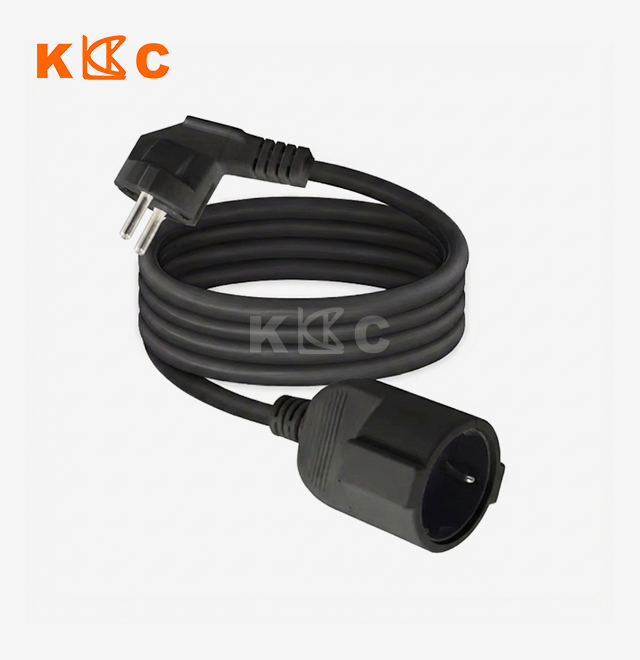
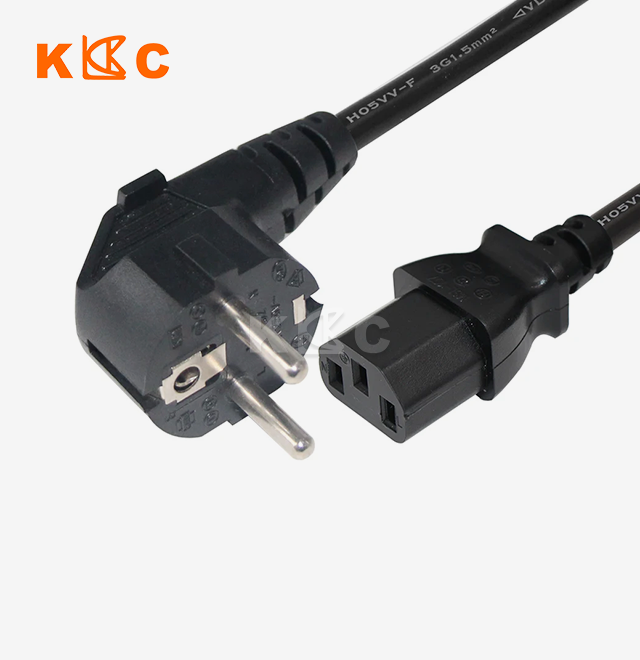
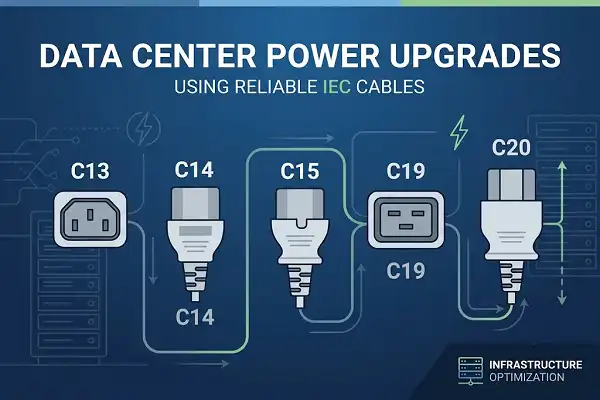
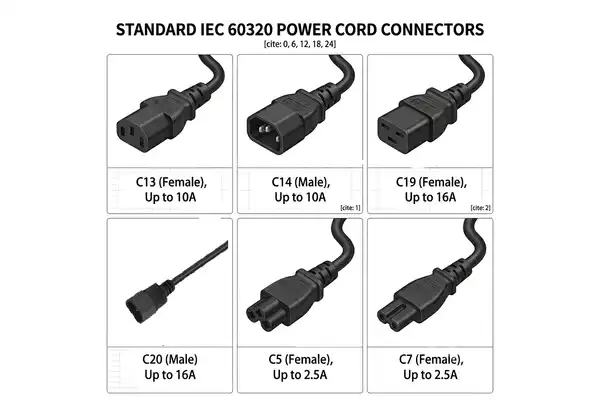
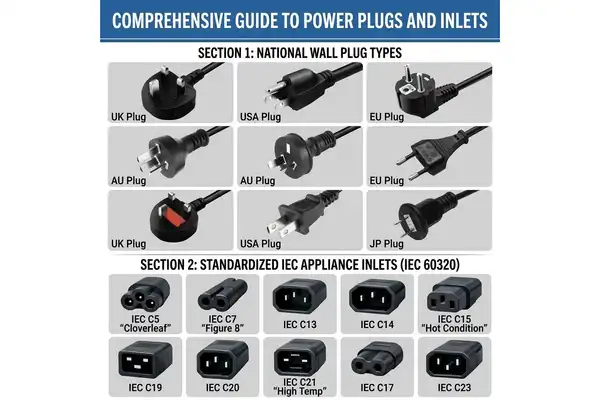
Most data center systems use C13 and C14 connectors. C13 is the device-side input and C14 is the power distribution unit output. Most server and networking gear can use these connections because they can handle normal 10A loads at 250V. The locking mechanism keeps the cables from disconnecting by mistake during repair work, which is an important safety feature in production settings.
For systems with more power, C19 and C20 plugs are used. These can handle loads of 16A to 20A. Blade servers, storage stacks, and high-performance computers that need more power are powered by these heavy-duty versions. The keying design stops connections that aren't compatible, so techs can't plug equipment with a lower rating into circuits with a higher rating by mistake.
Connector types can also be told apart by their temperature ratings. The C13 model is safe up to 70°C, but the C15 model has a notched design for 120°C settings that lets it work with devices that make a lot of heat while they're running. Choosing the right temperature values keeps safety margins in place under steady load conditions and stops cables from breaking down too quickly.
IEC Versus Regional Standards in Global Deployments
IEC standardization is very helpful for data centers that do business in more than one country. In North American sites, NEMA plugs are still popular, but IEC compatibility makes it easy to move equipment from one area to another. This makes it easier to move or repurpose hardware across global data center networks without spending as much on new hardware.
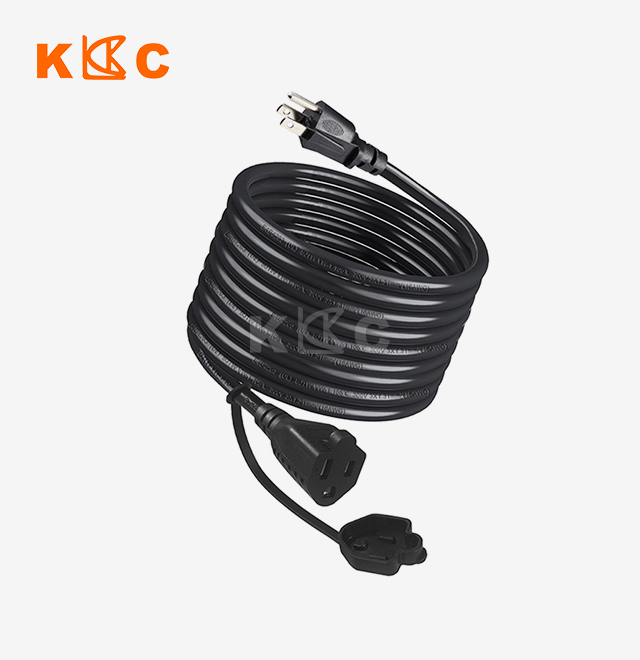
We make goods that are both IEC and NEMA-compliant because we know that hybrid settings often need ways to make the switch. Our NEMA 5-15P to NEMA 5-15R extension cords make solid connections for setups in North America, and our IEC product line supports deployments all over the world. This ability to do two things at once lets purchasing teams stick with providers who understand both sets of rules.
Our collection of global certifications, which includes CE, VDE, ETL, and UL, shows that we are dedicated to meeting the safety standards of each area. These certifications get rid of governmental hurdles, which speeds up the deployment process when adding more space to a data center in more than one country.
Challenges in Data Center Power Upgrades and How IEC Cables Solve Them
Infrastructure Limitations in Legacy Facilities
Data centers that are getting old have trouble with IEC cable power transfer systems that were made for older equipment. Many older cables don't have enough space for today's high-density server setups, which causes bottlenecks that make it harder to grow. Insulation materials that are too old break down over time, which increases leaking current and creates possible safety risks that need to be fixed right away.
These problems are solved by better building methods in our industrial-grade power lines. We offer the SJTW and STW jacket choices, which are better at resisting environmental factors. They keep the electrical stability even when the temperature changes from -40°C to 60°C. This reliability is very important in places where climate control systems are used a lot or where machine rooms have big changes in temperature.
Electromagnetic Interference and Signal Integrity
Modern computers with high-frequency switching power sources send out electromagnetic interference that can slow down networks. Shielded power cords reduce the amount of EMI that gets sent, which protects private data signals that are moving through nearby cabling infrastructure. As data rates rise and signal limits get tighter in modern networking methods, this becomes more and more important.
The careful planning that goes into our connection molding process makes sure that the ground stays connected, which is a key part of reducing EMI. Stray currents can get into signal lines when grounding isn't good, which causes data errors that slow down transfer and cause extra costs for retransmission. Making sure there are good ground connections all along the power chain saves both the tools and the data.
Downtime Prevention Through Reliable Connectivity
When data centers go down without warning, it costs a lot of money. For business operations, it's thought to be more than a thousand dollars per minute. Power connection problems are one of the main reasons for unplanned downtime. These problems are usually caused by cables that aren't properly sized or were installed in a way that makes electrical contact weak.
Before we ship any power line assembly, we test it 100% to make sure it works and to check for continuity, insulation resistance, and voltage handle capability. This quality control method keeps bad goods from getting to customers, which lowers the chance of failures in the field that require emergency maintenance. The one-year guarantee that covers problems with the way the product was made gives buying teams more peace of mind as they look at the total cost of ownership.
Real-World Implementation Success
Our approved power cord assemblies were recently used by an area colocation provider to improve their power distribution system. Standardized IEC connections were used instead of old, failing cables. This cut the number of connector changes from twelve to just three standard designs. This made it easier to keep track of extra parts and let repair respond more quickly.
In the 18 months after the upgrade, there were no power-related problems at the plant. This is in contrast to the old system, which had problems every three months. Maintenance staff said that the more flexible cables cut the time it took to install by about 30%, which made it easier to set up cabinets for new users. The investment in high-quality infrastructure parts was justified by the rise in both operating efficiency and dependability.
Choosing the Right IEC Cable for Your Data Center Upgrade
Evaluating Power Requirements and Load Characteristics
To make accurate power plans, you must first do a full load review of all the equipment racks. During startup processes, the peak current draw usually exceeds the nameplate values. This means that wires need to have enough ampacity margins to handle inrush situations. When cables aren't properly sized, the voltage drops, which leaves equipment without the power it needs. This can make the equipment unstable or cause safe shutdowns to happen during times of high demand.
Our wire gauges range from 16AWG to 10AWG, and they can be used for a wide range of tasks, from normal office tools to extra-heavy industrial loads. The stranded copper design gives it Class K and M flexibility grades, which means it can bend around tight corners in crowded cable paths without affecting the integrity of the conductor. This versatility is very helpful when running power cables through crowded computer racks where limited room limits installation choices.
Pin Configuration and Grounding Considerations
Most data center uses three-pin IEC cable setups, which provide enough line, neutral, and ground links for single-phase equipment. When a building uses three-phase power distribution, it needs five-pin versions because it needs extra wires to carry the secondary phases that are needed for even load distribution across all electrical services.
When you ground your equipment properly, you get rid of any possible differences between the frames, which stops circulating currents that speed up corrosion and cause failure modes that you can't predict. When the equipment is inserted, the grounding pin makes contact before the line wires. This makes sure that the equipment hits ground potential before it is turned on. This order is very important for safety during hot-swap processes in systems with backup power.
Environmental Protection Requirements
Standard indoor-rated wires work fine in equipment rooms with controlled temperatures and humidity, but they need more safety in certain places. Outdoor setups that support remote communication gear need coats that are immune to UV rays and won't break down after a long time in the sun. Chemical processing plants need cables that can stand up to the industrial cleaners and cleaning agents that are used to keep the area clean.
We have waterproof versions with IP67 and IP68 grades for uses where being wet could be bad for business. These sealed systems keep their electrical integrity even when they come into direct touch with water. This keeps connections safe in outdoor enclosures or places where humidity and condensation are common. The weatherproof design makes it last longer in harsh settings, which means it doesn't needs to be replaced as often and costs less over its lifetime.
Supplier Selection and Procurement Logistics
When looking at factory partners, making sure they follow approval rules should be the first thing you do. Verified sellers keep their quality systems uniform and get checked by a third party on a regular basis to make sure they follow international standards. Our standing as an Alibaba Verified Supplier shows that we are committed to honesty and doing business in an honest way. This gives procurement teams faith in the reliability of our supply chain.
Lead time issues have a big effect on project schedules. We keep standard raw materials in stock so that production can begin within days of an order being placed. Depending on the size of the order, bulk shipments are usually finished in 20 to 30 days. Sample production, on the other hand, takes 3 to 7 days for design approval rounds. This responsiveness makes it possible to use tight release plans that keep project delays to a minimum.
Full-service makers are different from commodity sellers because they can customize products. As part of our OEM and ODM services, we can print logos, make jackets in any color, and make sure they are the right length for each installation. Private label packaging meets the brand needs of value-added middlemen who serve end customers, giving them chances to stand out in competitive markets.
Installation Best Practices and Safety Guidelines for IEC Cables
Color Coding and Wiring Standards
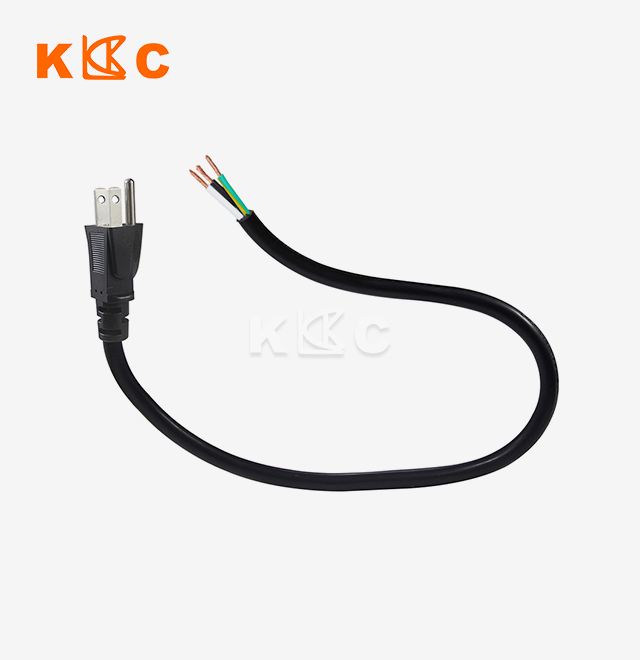
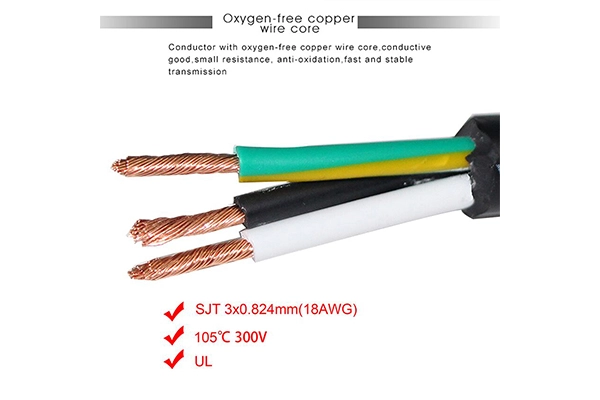
Electrical wires are given specific colors by international wiring standards. Ground links that are green or green with yellow stripes are safe. Insulation on line conductors is usually brown or black, while insulation on neutral wires is blue or white. Following these standards consistently keeps things clear during installation and makes fixing easier when looking into electricity problems.
All of our wire products follow strict color-coding rules, so workers can quickly tell what each conductor does without having to do any extra testing. This standardization cuts down on installation mistakes that could put people in danger or damage equipment by connecting phases incorrectly. The visual difference is especially helpful in retrofit jobs where new wiring has to fit in with old systems.
Proper Termination Techniques
Power transfer that works well is based on safe mechanical links for IEC cable. When terminations are loose, they cause reactive heating, which speeds up the breakdown of insulation and, in the worst cases, could lead to fires. The right torque specs make sure that there is enough contact pressure without over-tightening, which can damage the conductor strands or connection bodies.
We help installation teams that don't know much about individual connector needs by giving them expert advice. Our engineering staff offers free reviews of designs that take into account issues that are unique to each application and make sure that the best performance is achieved while still leaving enough room for error. This help cuts down on problems in the field that would otherwise need expensive fixes after the original deployment.
Inspection and Maintenance Protocols
Visual checks done on a regular basis can find problems before they get bad enough to cause crashes. Cable paths shouldn't have any sharp ends that could damage the jacket materials, and bend radiuses should be the right size according to the manufacturer's instructions to keep the conductor from getting stressed. Any connectors that show signs of burning (like darkening, melting, or deformation) need to be replaced right away, even if they seem to work fine.
Documentation practices help with upkeep tasks by giving failure analysis past context. By keeping track of installation dates, load levels, and inspection results, you can build a baseline of information that shows how cables are used and how the environment affects their life. This information helps with planning replacements, so equipment can be updated before problems affect operations.
Compliance Verification and Testing
IEC safety standards require specific testing methods to prove that the work was done correctly. Testing for ground continuity makes sure that the safety conductors are working properly along the power path. Insulation resistance tests find damage that might not have any obvious signs yet, but warns of conditions that are getting close to the point where they can no longer be used and need to be fixed.
Annual testing schedules strike a balance between accuracy and disruptions to operations. Critical infrastructure lines should be checked more often, while backup systems with extra safety may be able to run for longer periods of time. Risk-based methods make the best use of maintenance resources by focusing on the areas where mistakes have the most significant effects on business operations.
Future Trends and Innovations in Data Center Power Cabling
Advanced Materials and Performance Enhancement
New insulation materials have better thermal performance, which lets higher current levels fit into cables with the same diameters. These materials keep their electrical qualities over a wider range of temperatures, which is useful for supporting equipment that makes a lot of heat when it's working. In high-density areas where fire safety is still very important, improved flame resistance gives you extra safety protection.
Low-smoke, zero-halogen formulas are becoming more popular in occupied buildings where smoke intake is a bigger threat than fire during emergencies. These eco-friendly materials stop the production of harmful gases during burning. This protects people and sensitive electronics from corrosive leftovers that cause a lot of damage beyond the immediate fire zones.
Smart Cable Technologies
With built-in sensing, inactive IEC cable can be turned into active tracking tools. Embedded temperature sensors pick up on unusually high temperatures that could mean connections aren't tight or there is too much power before they get too bad. Current tracking features show how busy the circuits are in real time, which allows for dynamic capacity management that makes the best use of the infrastructure.
Communication methods send data from sensors to building management systems. This makes it possible to see the whole power distribution network. This combination helps forecast maintenance plans that plan maintenance based on how the equipment is actually working, not just on random times. The data-driven method makes the best use of resources while reducing the number of upkeep tasks that aren't needed and cause problems with operations.
Modular and Scalable Architectures
Plug-and-play power distribution systems, which don't need special wiring, are becoming more popular because they can be set up quickly. Standardized links make it easy for techs to quickly set up cabinets, which cuts the time it takes to set up new equipment from hours to minutes. This adaptability helps flexible business models, in which changes in capacity are made right away in response to changing customer needs.
We are aware of these changing needs and are always adding new products to our line to meet the needs of future infrastructure. We offer lengths from 1ft to 100ft, different wire sizes, and different jacket materials that can be customized. These options can be used to create new ways to distribute power. Our engineering team works with clients who are thinking ahead to create next-generation designs. This keeps our production skills up to date with the direction of the industry.
Sustainability and Lifecycle Considerations
As companies try to reach their carbon balance goals, environmental concerns become more important in their purchasing decisions. Energy-efficient power transfer cuts down on waste heat that needs to be cooled, which lowers the total energy use of the building. Durable building increases service life, which lowers the number of replacements needed and the damage to the environment caused by making and throwing away short-lived parts.
Following the RoHS and REACH rules shows that we want to reduce the amount of dangerous materials in electronics. These rules limit the use of lead, mercury, and other harmful substances that make it harder to get rid of old products and harm the environment while they are being made. Responsible material selection helps customers with their efforts to be more environmentally friendly while still meeting the performance needs of mission-critical applications.
Conclusion
Upgrading data centers' power infrastructure in a planned way with standard IEC cable connection options gives them the dependability, scale, and safety they need to stay competitive. Choosing the right cables that meet electricity needs, environmental conditions, and fitting limitations is important for getting the best performance over long service lifecycles. Quality production, thorough testing, and quick technical support are what set mission-critical deployment-capable sellers apart from commodity vendors whose only value is basic product delivery. As data center needs change, working with seasoned makers gives you access to new technologies and engineering know-how that keep your infrastructure up to date with the latest developments in the industry.
FAQ
What is the difference between IEC and C13?
IEC stands for the International Electrotechnical Commission, which sets the rules for electrical connections. C13 is a type of connector that is defined in the IEC 60320 standard. There is no choice between IEC and C13. Instead, you choose an IEC-compliant power line with a C13 connection on the device end. Most computers, servers, and monitors have a C13 input, which pairs with a C14 plug on a power distribution unit. This standard coupling makes sure that equipment from different makers can work with each other. This makes buying equipment easier and reduces the amount of material that needs to be kept in data centers.
What is the difference between IEC C15 and C13?
The C15 socket has a notched shape and can handle temperatures up to 120°C, so it can be used with hot devices like high-performance computers and enterprise-grade networking gear. The C13 connector works with normal temperature ranges up to 70°C and is used in a wide range of computer tools. The actual notch on C15 stops it from accidentally fitting into C13 outlets. This keeps temperature-sensitive devices from being connected to high-heat circuits. The amperage rates of both plugs are about the same, but the thermal performance difference is important for equipment that needs to work in environments with high temperatures.
What is the specific electrical rating for a standard IEC C5 connector?
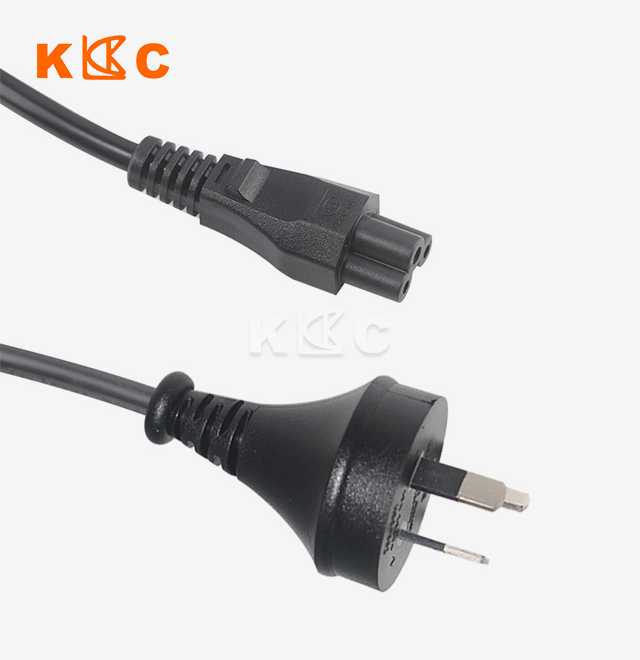
The C5 connection can handle 2.5 amps and joins to Class I grounded equipment's C6 outlets. This cloverleaf-shaped connector is often found on laptop power packs and other small electronics that need small power hookups. Even though they can't handle as much current as C13 or C19 connections, C5 plugs are still good for portable devices and PC accessories. The three-pin layout has defensive grounding that keeps safety standards high even when the current capacity is low, making it good for low-power uses.
Partner with Kuncan Electronics for Your Data Center Power Solutions
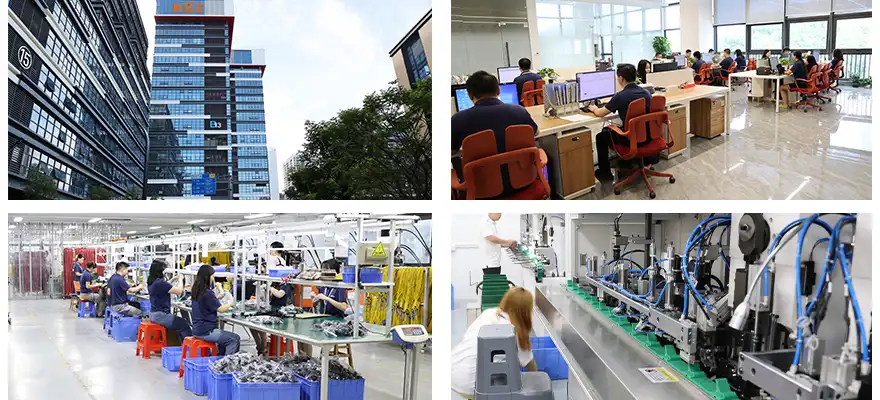
Kuncan Electronics is ready to help you update your infrastructure with professional IEC cable options backed by 17 years of experience making them. Our team of more than 300 trained workers makes high-performance power connection systems that meet strict international standards. This makes sure that your facility works as reliably as possible. We can make solutions that are exactly what you need, whether you want standard configurations or unique designs with certain lengths, jacket materials, or connecting types. Email our technical team at rhea@szkuncan.net to talk about the details of your project with skilled engineers who know how to deal with problems in a data center. As a qualified IEC cable maker with a wide range of global certifications, we offer the quality, responsiveness, and technical support that can turn power delivery from a possible weakness for your business into a competitive advantage.
References
International Electrotechnical Commission. "IEC 60320 Series: Appliance Couplers for Household and Similar General Purposes." Geneva: IEC Publications, 2021.
Turner, W.P., and Seader, J.H. "Data Center Infrastructure Design Standards and Best Practices for Power Distribution." Santa Fe: Uptime Institute, 2020.
American Society of Heating, Refrigerating and Air-Conditioning Engineers. "ASHRAE Technical Committee 9.9: Mission Critical Facilities, Data Centers, Technology Spaces, and Electronic Equipment." Atlanta: ASHRAE Publications, 2019.
Rasmussen, Neil. "Electrical Efficiency Measurement for Data Centers." Schneider Electric White Paper Series, No. 154, 2018.
Green Grid Consortium. "Power Distribution Architecture Standards for High-Density Computing Environments." Beaverton: The Green Grid Association, 2022.
Underwriters Laboratories. "UL 60320 Standard for Safety: Appliance Couplers for Household and Similar General Purposes." Northbrook: UL Standards Publications, 2020.

USER EVALUATE
Here is the customer's evaluation of us