
C19 Power Cables: Choosing the Right Gauge for High-Power Servers
It's not a small matter to choose the right power cable for high-performance computers; it has a direct effect on working safety, system uptime, and energy economy. C19 power cables, which are made to meet IEC 60320 standards, are the main way that power gets to equipment in data centers, which are very active places where stability is very important. Because they are made for high-current uses, these cords can handle loads of up to 20 amps and make sure that blade servers, UPS systems, and enterprise-level networking gear always have power. Picking the right wire gauge is very important because cables that are too small can cause power drops, too much heat, and even equipment breakdowns, while cables that are too big can make costs go up for no reason. This guide tells you about the technical details, comparison criteria, gauge choice methods, and buying information you need to make smart choices about your infrastructure.
Understanding C19 Power Cables: Specifications and Applications
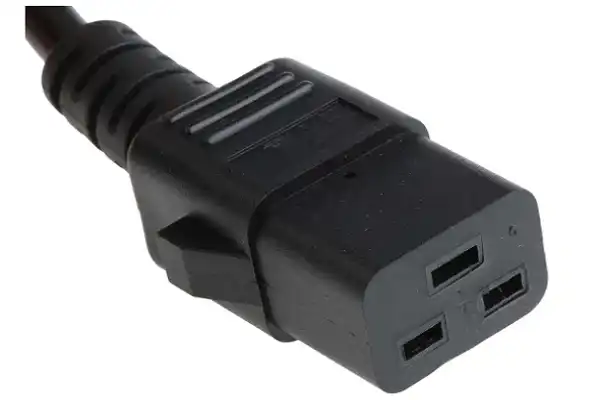
IEC 60320 is a widely known standard that describes connectors used in IT and telecommunications equipment. It sets the standards for C19 power cables. The C19 connector has a rectangular shape with horizontal pins that allow for safe connections that won't come apart by mistake. This is especially important in server rooms that are prone to vibration.
Technical Ratings and Electrical Specifications
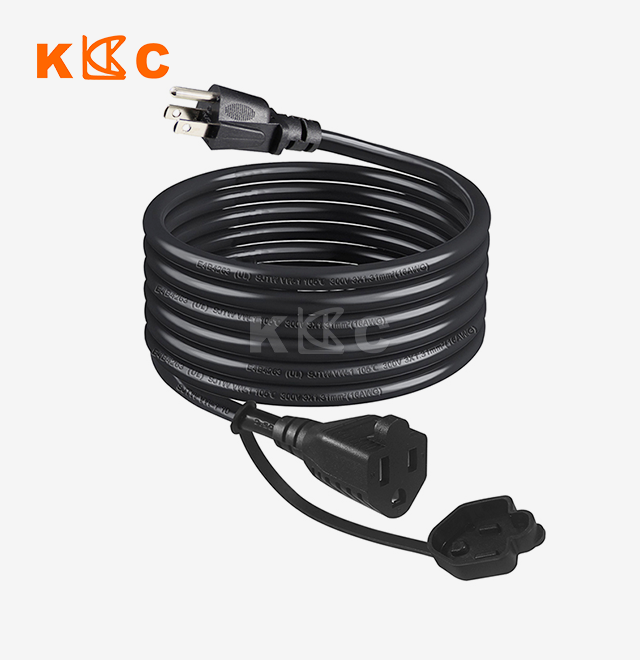
The C19 power cables can handle voltages of up to 250V AC and currents of 16A to 20A, though this depends on the standards in the area and the type of wire used. Our heavy-duty CEE 7/7 to IEC C19 power cables at Kuncan Electronics are made to handle 16A constant loads while keeping the temperature as stable as possible. The cables are made with H05VV-F construction and wire gauges of 3G1.5mm² or 3G2.5mm². This gives them the ability to carry enough power while still being flexible enough to be installed in tight places.
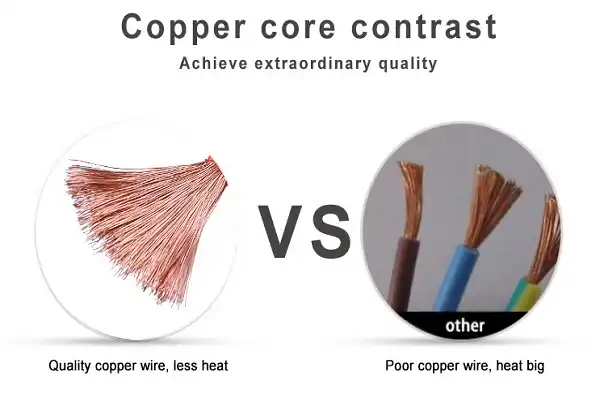
Wire size has a direct effect on how well it works and how safe it is. When electrical resistance is low, I/R losses that cause heat during function are also low. Our cables have high-purity copper wires and special covering on the contact pins to keep them from oxidizing and arcing. This way, the contact resistance stays low for the whole life of the cable. Strong molded strain reliefs at connecting places keep cables from fraying and extend their useful life. This is especially important in data centers where changing cables costs a lot of money and time.
Common Data Center Applications
When multiple blade servers share power distribution units (PDUs), C19 power cables are a must in high-density server racks. In these places, power needs to be delivered reliably, without any single points of failure. The wires are also very important in uninterruptible power supply (UPS) systems because they have to handle quick changes in load during power outages without affecting the integrity of the electricity.
Core routers, chassis switches, and other enterprise networking tools depend on C19 connections to keep running. The square shape and horizontal placement of the pins make sure that connections are safe even in places with a lot of shaking, and they keep the best thermal performance under long-term loads.
Cable Type Comparisons
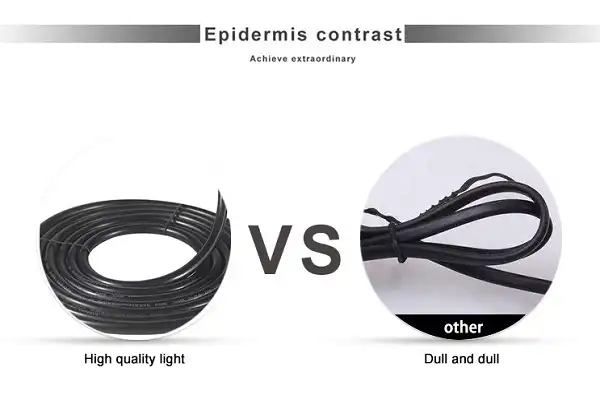
Procurement teams have to think about how flexible or hard the C19 power cables they choose are. Flexible wires, like the ones we use for our H05VV-F construction, make fitting much easier and keep their shape even after years of use. The strong PVC jacket can handle changes in temperature that happen in data center hot halls and is resistant to chemicals used for cleaning and outdoor pollutants that are common in industrial settings.
Concerns about electromagnetic interference (EMI) determine whether a choice is protected or not. Most data center uses don't need shielded wires because the equipment already has EMI safety built in. When there is a lot of RF radiation or when the government requires more EMI protection, shielded versions become important.
How to Choose the Right Gauge for Your High-Power Server Needs?
To choose the right C19 power cables wire size, you need to carefully consider a lot of technical and natural factors that have an immediate effect on safety and performance.
Power Demand Assessment and Current Rating
First, figure out how much power all the connected devices are using. The full load current (FLA) numbers on a server's nameplate tell you the minimum wire capacity. Apply derating factors for the environment temperature and the number of cables in a bundle. For example, IEC 60364 says that cables working at 40°C need 0.82 derating factors, and bundles of six cables need 0.85 grouping factors.
The diameter of the wire directly affects how much power it can carry. Our 3G1.5mm² cables can easily handle 16A constant loads, and our 3G2.5mm² cables can handle higher currents in tough situations. When cables are too small, the voltage drops too much, more than the accepted 3% level. To figure this out, use the formula VD=(ρ×L×I)/(A×1000), where ρ is the conductor's resistivity, L is the length of the wire, I is the current, and A is the conductor's cross-sectional area.
Cable Thickness and Voltage Drop Considerations
When resistance builds up along longer wire runs, voltage drop becomes very important. At 230V, a 3-meter wire with 16A through 1.5mm² leads has a voltage drop of about 2.1%, which is fine for most uses. When you extend to 5 meters, the voltage drops below 3%, which means you need bigger gauge wire or shorter connection lengths.
How quickly heat is lost depends on the size of the wire and the quality of the insulator. I²R losses make heat that is proportional to the square of the current and the resistance. High-purity copper is used in our wires to keep interior resistance and heat generation to a minimum. Its strong PVC jacket can stand up to years of continuous use in the hot halls of a data center without breaking down, so the insulation stays in good shape for decades.
Compliance with Industry Standards
Full VDE approval on both the plug and the cord makes sure that they meet international safety standards, and CE marking makes sure that they can be sold in Europe. Our manufacturing methods are still ISO certified, which means that the quality stays the same even during big production runs. This is important for enterprise deployments where consistency is important.
RoHS and REACH compliance shows care for the earth without affecting efficiency. These certifications show that goods meet both technical and legal standards. This lowers the risk of buying them and makes sure that they follow the law in all foreign markets.
Tailored Recommendations for Different Configurations
Standard 1.5mm² wires that come in pre-configured lengths are a good way for small server rooms with limited equipment to balance cost and performance. For medium-sized deployments, customization options are needed. Our engineering team offers a wide range of options, such as specific wire sizes, jacket colors, and special materials like LSZH for sensitive areas where low smoke and zero halogen qualities are important during fires.
Large data centers need a lot of C19 power cables that are made to the same standards. We handle big OEM orders with strict quality control and offer custom lengths and jacket colors to make setting up infrastructure easier. Private mold tooling keeps your unique designs safe and makes sure that production runs smoothly across multiple orders, which helps you plan your budget for large-scale deploys.
Procurement Insights: Where and How to Source Quality C19 Power Cables?
Finding high-quality C19 power cables means finding a balance between performance needs and cost-effectiveness, while also making sure the seller is reliable and that the connections meet all the requirements.
Bulk Purchasing Benefits and Customization Options
Ordering in bulk lowers the cost per unit and makes sure that all of your equipment is built to the same standards. At Kuncan Electronics, we support bulk supply with no minimum order quantity limits. This lets us restock in small batches, which makes the best use of our goods without spending too much capital. Our streamlined manufacturing process gets models to you in 3–7 days and finishes mass production in 15–25 days, depending on the amount. We also offer rush order support and 24-hour response times to make sure that project deadlines are met.
Customization goes beyond length and includes jacket colors for easy identification of wire management, private label branding with name stamping, and special materials for specific environmental needs. You can get unique packaging choices that meet your needs for delivery and installation, and you can also change the length to make sure that the cables are properly managed and that there is no extra slack that makes installations harder.
Quality Benchmarks and Supplier Evaluation
Before being sent out, every wire goes through a lot of tests. High-current injection testing checks how well the electricity works when it's fully loaded, and polarity checks make sure the wiring is set up correctly. As part of our quality assurance process, we test the soundness of every jacket and take statistical samples of electrical factors to make sure that the quality of every production batch is the same.
Third-party approvals show that compliance has been checked by a third party. Our VDE, CE, ETL, BS, SAA, and RoHS certifications show that we follow global safety and environmental standards. This makes it easy for us to sell our products in different parts of the world. When purchasing professionals look at different suppliers, they should check the suppliers' certifications with official databases and ask for test results that back up the standards they say they meet.
Pricing Strategy and Negotiation Tips
Competitive prices come from making supply lines more efficient and factories more productive, not from lowering the quality of the goods they make. When comparing quotes from suppliers, don't just look at the initial buy price. Instead, look at the total cost of ownership, which includes things like warranty coverage, replacement policies, and the availability of expert support.
Commitments to buy C19 power cables in bulk and long-term partnerships give you more negotiating power. Clear information about expected numbers and future needs helps suppliers plan production more efficiently, which leads to better pricing structures. Ask for specific quotes that include the costs of building the wire, getting it certified, and shipping it to understand how prices work and find ways to save money.
Verifying Datasheets and Certification Documents
The information on the datasheets should list the type of conductor material and gauge, the type of insulation and its thickness, the voltage and current rates, the temperature range, and any compliance approvals. To make sure these specs are correct, compare them to foreign standards like IEC 60320 for connector sizes and IEC 60227 or IEC 60245 for wire design.
Certification papers need to be checked by the organizations that issue them. VDE certificates have unique registration numbers that can be tracked through VDE systems. CE statements of conformity, on the other hand, list the relevant guidelines and harmonized standards. Before placing big orders, make sure you get copies of the certification documents and that the goods are real. This will protect you from fake products that aren't safe or effective.
Best Practices for Using and Maintaining C19 Power Cables
When cables are installed and maintained correctly, they last longer and remain safe and reliable in computer settings.
Correct Handling and Installation Techniques
When installing flexible wires, don't go over the minimum bend radius, which is usually six times the cable width. This will keep the insulation from getting stressed and the conductors from getting damaged. Keep wires away from moving parts and sharp edges that can damage them over time. Secure the wires with the right strain relief, which spreads mechanical stress away from the connection places where damage is most likely to happen from repeated bending.
When connecting wires, make sure they go all the way into the equipment until the locking devices meet. Partially inserting something makes the contact resistance higher, which creates heat that breaks down connections and poses a fire risk. After installing the cables, slowly tug on them to make sure the connections are secure. Connectors that are properly seated will resist a fair amount of pulling force without disconnecting.
Strain Relief Application and Bend Radius Guidelines
Molded strain reliefs built into our C19 power cables wire designs keep them from bending at connection places. This keeps them in good shape for longer by spreading mechanical stress over a larger area. When installing, don't make tight bends near junctions, which is where most of the stress is. Use cable management gear that keeps the curves soft and supports the wires without pinching them or making pressure points.
In a data center, the temperature changes from cool supply air to hot exit air, which causes expansion and contraction cycles that put stress on wires over time. The right route lets small movements happen without putting stress on the connections. This lets for thermal growth without affecting the electrical integrity.
Troubleshooting and Replacement Protocols
Visual checks done on a regular basis can find wear and tear before they happen. Check for cracks in the jacket, changes in color that mean it's too hot, and damage to the jacket's structure from being worn down or crushed. Arcing, which looks like burned contacts or melted plastic, can happen when links aren't making good contact or are overloaded.
Using a 1000V megger to test the insulation resistance gives a numerical picture of the state of the wire. According to IEC 60364-6-61, readings below 1M mean that the insulation is breaking down and needs to be replaced right away. Using thermal imaging during operation can find hot spots that mean there is too much resistance because of broken wires or bad connections.
Grounding and EMI Reduction Benefits
EMI is reduced and safety is enhanced by proper grounding. Three-wire lines with separate ground leads make sure that fault currents safely return to the source, which lets safety devices work when there is a ground fault. Using low-resistance ohmmeters, check for ground continuity during installation and on a regular basis during the system's life.
By soaking up high-frequency interference, ferrite cores lower electromagnetic noise. Even though they aren't necessary for most data center tasks, they are helpful in places with sensitive equipment or where extra EMI reduction is needed by law. Install ferrite cores close to the ends of the cables and place them according to the manufacturer's instructions to get the best noise reduction across the frequency bands you want to target.

Conclusion
When choosing the right C19 power cables, you have to balance technical specs with useful things like wire gauge, current capacity, environmental factors, and legal requirements. Understanding the differences between connectors, checking source approvals, and looking at voltage drop estimates are all things that need to be done to make sure that purchase choices support the long-term stability of infrastructure. The life of a cable service is increased by following the right installation and upkeep procedures. Procurement pros can find power distribution solutions that protect investments and support operational continuity in demanding server settings by working with experienced makers that offer full testing, customization, and certified compliance.
FAQ
What is the maximum safe current capacity of C19 power cables?
C19 power cables can handle 16A to 20A, but this depends on the standards in the area and the type of wire used. With the right wire sizes of 3G1.5mm² or 3G2.5mm², our VDE-approved cables can safely handle 16A continuous loads. This makes sure that the cables stay safe electrically and thermally during long-term use.
Can C19 cables be used interchangeably with C13 cables?
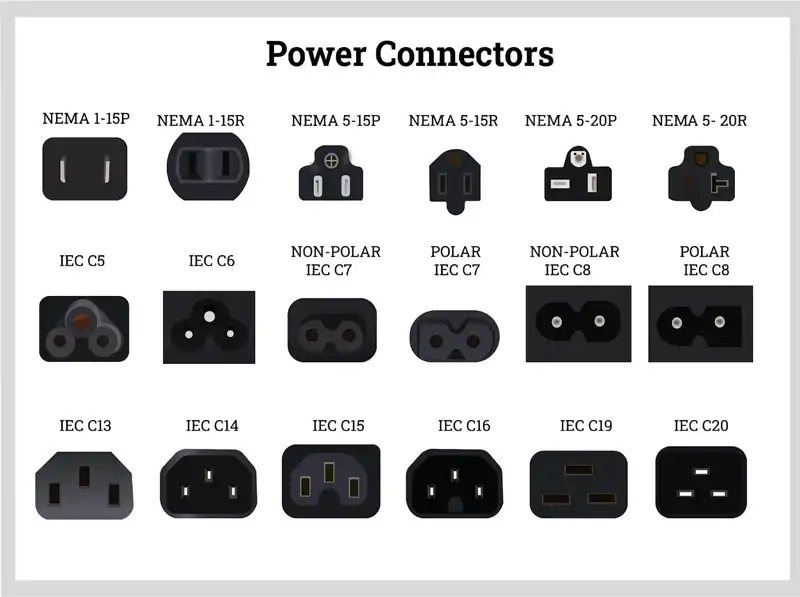
Because they are different sizes and can't handle the same amount of power, C19 and C13 connections can't be used together. Because they can only handle 10-15A loads, C13 connectors aren't good for high-power computers that need C19 power cables' 16-20A ability. Before choosing connections, you should always check the equipment's specs.
How do I verify C19 cable compatibility across different server brands?
Inlet connection type and current needs can be found on the equipment's nameplates. IEC 60320 sets standards for C19 inlets, which makes sure that different brands will fit physically. Check that the voltage and current ratings match the cable's specs. Also, check to see if the maker has any specific requirements for grounding or shielding.
How often should C19 power cables undergo inspection and testing?
Do eye checks of the jacket once a year to look for damage, staining, and loose connections. Every two years, use a 1000V megger to test the insulation resistance. The acceptance standards should be higher than 1MΩ, as stated in IEC 60364-6-61. If values drop below certain levels or visible damage shows, the cables should be replaced right away.
Partner with Kuncan Electronics for Reliable C19 Power Cable Solutions
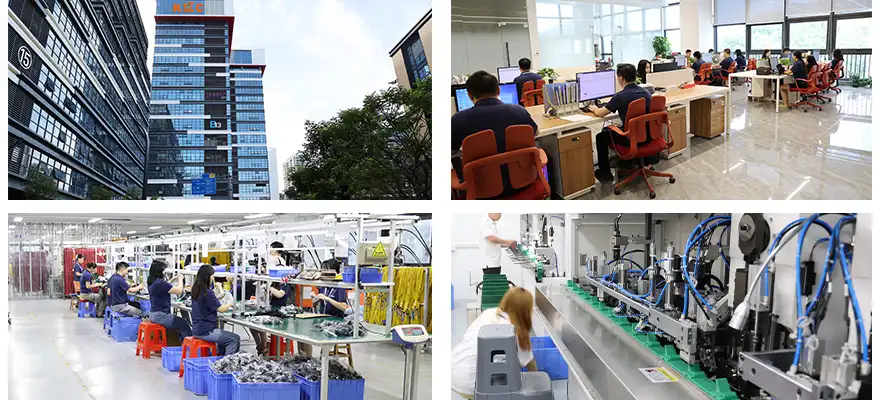
Kuncan Electronics has been making professional-grade C19 power cables for 17 years, and they can handle the tough conditions of high-power server rooms. As a seller of C19 power cables with full certifications such as VDE, CE, ETL, and RoHS, we offer options that make sure compliance in all foreign markets. Our heavy-duty CEE 7/7 to IEC C19 power cables are tested for 100% high-current injection and polarity verification. This makes sure that blade servers, UPS systems, and business networking equipment work at their best. We offer flexible OEM/ODM customization, including specific wire sizes, jacket colors, and LSZH materials. Samples are sent out in 3–7 days, and large orders are finished in 15–25 days. You can email our team at rhea@szkuncan.net to get expert advice on choosing the best cable specifications for your infrastructure, or you can ask for a custom price for big orders that are quality-controlled and come with a one-year guarantee.
References
International Electrotechnical Commission (2015). IEC 60320-1: Appliance couplers for household and similar general purposes – Part 1: General requirements. Geneva: IEC Publications.
Underwriters Laboratories (2018). UL 62368-1: Audio/video, information and communication technology equipment – Part 1: Safety requirements. Northbrook: UL Standards.
Institute of Electrical and Electronics Engineers (2017). IEEE 1100: Recommended Practice for Powering and Grounding Electronic Equipment. New York: IEEE Press.
National Electrical Manufacturers Association (2019). NEMA WC 70: Power Cables Rated 2000 Volts or Less for the Distribution of Electrical Energy. Rosslyn: NEMA Publications.
International Organization for Standardization (2016). ISO 9001:2015 Quality management systems – Requirements. Geneva: ISO Central Secretariat.
European Committee for Electrotechnical Standardization (2014). EN 60364-6: Low-voltage electrical installations – Part 6: Verification. Brussels: CENELEC Publications.

USER EVALUATE
Here is the customer's evaluation of us
_1781502912074.webp)