
5 Volt Power Adapter: Should You Choose 1A, 2A, or 3A?
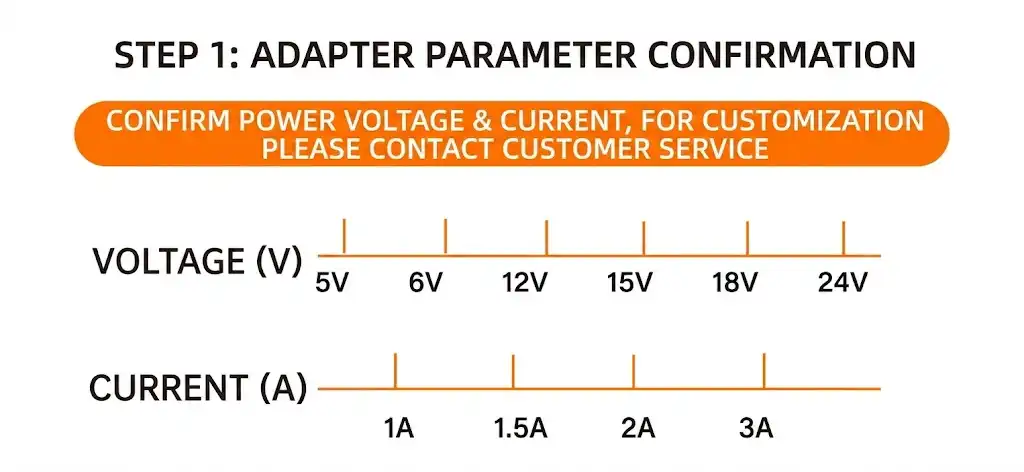
To choose the right 5 volt power adapter, you need to make sure that the current output matches the power needs of your device. A 1A charger gives off 5 watts, which is enough power for low-power devices like basic USB hubs and small monitors. A 2A version gives off 10 watts and can power LED lighting systems, wifi routers, and streaming devices. The 3A version gives off 15 watts of power, which can power heavy equipment like industrial sensors, high-performance IoT controls, and CCTV security cameras. Selecting a connector that is too small can cause problems with the device and pose safety risks, while selecting one that is too large will cost more without improving performance.
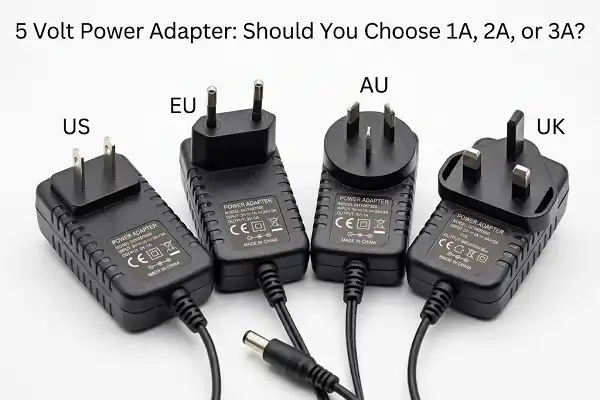
Understanding 5 Volt Power Adapters and Their Specifications
5 volt power adapters are very important because they let you connect AC energy from the wall to the DC power that modern gadgets need. When you put something into the wall, an adapter changes the high-voltage alternating current that could be dangerous into controlled direct current that the gadget can use.
How Voltage Regulation Works?
Voltage regulation keeps the output steady even if the raw power or load needs change. High-quality 5V DC power sources have feedback circuits that keep an eye on the output voltage and change parts inside to account for changes. With this level of accuracy, voltage spikes that could hurt sensitive parts in microcontrollers, communication modules, or memory circuits are avoided. Industrial-grade adapters from well-known brands usually keep control within ±5% across the whole load range. This is because professional equipment needs very tight tolerances.
Decoding Current Ratings and Power Output
The amperage number on an adapter tells you how much continuous power it can give. A 5V 1A charger can provide up to 1000 mA of power constantly, which is equal to 5 watts (voltage times current). The right way to choose an adapter starts with this estimate. The power your device uses, which is generally mentioned on its label or in the instructions, must be less than the adapter's stated capacity, leaving enough room for peak demands.
Common mistakes in purchasing can be avoided by knowing how voltage, current, and power work together. For safety reasons, a gadget that needs 5V at 1.5A needs at least a 2A adapter to work. If you use a 1A charger, it will overheat, making it too hot and shortening its life.
International Safety Standards and Certifications
Global markets require that safety rules specific to each area be followed. The CE mark means that the product meets the safety standards set by the European Union for electromagnetic compatibility and low power. Underwriters Laboratories (UL) certification makes sure that goods meet North American safety standards by checking them thoroughly for things like insulation, temperature rise, and fault conditions. ETL listing is the same kind of third-party proof that is accepted in both the US and Canada.
RoHS compliance limits the use of dangerous materials like lead, mercury, and arsenic in electronics. This protects both people who use the goods and the environment. Minimum energy exchange rates are required by DOE Level VI efficiency guidelines. This cuts down on wasted power and heat production. When looking for adapters for business-to-business uses, checking these certificates keeps your company safe from legal trouble and makes sure the products work well in all foreign markets.
Comparing 1A, 2A, and 3A 5 Volt Power Adapters: Which One Fits Your Application?
Which gadgets a 5 volt power adapter can safely power depends on how much current it can handle. By matching this standard to your application, you can avoid performance problems and make the tools last longer.
1A Adapters for Low-Power Electronics
Simple electronics and gadgets that connect to the internet work well with 1A power sources. This group includes USB 2.0 hubs that can't charge quickly, small Bluetooth speakers, basic Arduino development boards, and simple LED decorative lighting. Most of the time, these adapters are small, which means they take up less room when installing them in equipment boxes or consumer electronics.
Because they can only output 5 watts, 1A adapters are cheaper to make and buy, which makes them a good choice for uses that need to save money. Because they can handle less power, they produce less heat, so they don't need to be cooled as much in places with good air flow.
2A Adapters for Moderate Demand Devices
2A-rated plugs are good for mid-range gadgets that need steady power. 2A power sources are usually needed for wireless routers with multiple antennas, Raspberry Pi single-board computers that run complicated programs, streaming media players, and moderately dense LED strip installations. The 10-watt capacity is big enough to accommodate devices with changing loads, like computers that change how much power they use based on how much work they need to do.
2A adapters are often used in security systems to power network video cameras, wireless access points, and control screens. The higher current capacity than 1A models makes sure stable operation during peak usage times, without voltage drops that could cause system restarts or lost data.
3A Adapters for High-Current Industrial Equipment
Professional and industrial uses need adapters that can supply 3A of power reliably. Industrial control systems with multiple relay outputs, powered USB hubs that can charge devices quickly, high-resolution CCTV cameras with IR lighting, and dense LED signs all need 15 watts of power. The large current capacity handles surges in current during startup without setting off safety circuits.
3A adapters can run sensor arrays, programmable logic controls, and edge computing devices all at the same time, which is useful in manufacturing settings. When 3A adapters are the right size, they have a large thermal cushion that makes them last longer in tough situations where temperatures change quickly or there isn't much air flow.
Testing and Verification Methods
Procurement teams should set up processes for checking to make sure that the adapter specs match what the seller says they are. A good digital voltmeter checks the output voltage when there is no load and when there is a lot of load. This shows how well the control is working. No matter what the load is, the voltage should stay within 5% of its standard value. To measure current, you have to connect the meter in series with the load and make sure the adapter can handle the rated amperage without getting too hot or the voltage dropping.
Using thermal imaging during long-term full-load tests can find problems that might affect dependability. Case temps that are too high, above 60°C in normal conditions, could mean that the interior design isn't good or that the parts are fake. Reliable manufacturers give thorough test reports and accept third-party confirmation of the claims they make about their goods' performance.
How to Choose the Best 5 Volt Power Adapter for Your Business Needs?
Strategically choosing a 5 volt power adapter means weighing the needs of the present with the ability to grow in the future, all while putting safety and quality first. To make smart choices, you need to know both the technical details and the supplier's skills.
Matching Adapter Capacity to Device Requirements
Start by making a list of all the gadgets in your program that need 5V power and their power requirements. Add up each person's current needs and add 20 to 30 percent more as a safety margin to account for peak loads happening at the same time and parts wearing out over time. This estimate figures out the adapter's minimum size. At least a 1.5A adapter is needed for devices that draw 1.2A combined, but a 2A adapter is more reliable in the long run.
Peak load calculations are especially important for machines that have motors, heaters, or bright lights. When these parts are first turned on, they draw a lot more power than when they are in steady-state operation. When these transients happen, undercapacity adapters go into current-limiting mode. This causes voltage drops that restart microprocessors or mess up data transfers.
The Hidden Costs of Low-Quality Adapters
A lot of fake and low-quality adapters are sold through buying channels, tempting buyers with prices that are much lower than those of real goods. Most of the time, these units use cheap parts, bad insulation, and very little safety gear. When you look at the total cost of ownership, the short-term saves are no longer there.
When adapters fail, they cause unexpected downtime that needs to be fixed and replaced right away. When there is a fault, connected devices may not be protected at all or be damaged by changes in the power. Liabilities that are much higher than the difference in the initial purchase price include warranty claims, unhappy customers, and possible safety events. High-quality adapters made by approved companies have full safety circuits that stop chain failures. These circuits protect against over-voltage, over-current, short-circuit, and over-temperature.
Evaluating Supplier Quality and Support
Well-known companies put a lot of money into quality control, testing equipment, and making sure they follow the rules. Before we ship any adapters, we at Kuncan Electronics put them through 4-hour full-load age tests. This way, we can find any problems early on, before they get to users. This strict quality control method, along with ultrasonic welding of casings and flame-resistant materials, makes sure that all production lots work the same way.
Suppliers who are open about their certifications, test results, and production methods show that they care about quality. When manufacturers offer detailed technical documentation, quick expert help, and long warranty terms, it shows that they believe in their goods. A 2-year warranty that covers production flaws protects against early failures and encourages good design and choice of parts.
Practical Usage Guide and Safety Tips for 5 Volt Power Adapters
The most reliable 5 volt power adapters are those that are installed and maintained correctly. This also protects linked devices from failures that could have been avoided.
Installation Best Practices
The environment has a big effect on how long a 5 volt power adapter lasts. Wall-mount adapters need enough space around the air holes so that natural convection can get rid of the heat inside. When you mount adapters horizontally, hot air can rise away from the box without going back and forth. Do not put adapters in places that don't let air flow, like behind furniture that blocks airflow, or in direct sunlight where the temperature is higher than what is recommended.
When dust builds up on air holes, it insulates internal parts, which raises working temperatures and speeds up the breakdown of parts. IP-rated shields or protective housings keep air flowing while keeping out contaminants are useful in industrial settings where particles are in the air. Cable strain relief stops mechanical stress at the DC socket, which stops links that don't stay connected all the time, which would cause voltage changes.
Routine Inspection and Maintenance
Regular checks find problems early on, before they get so bad that they fail. Visual inspection should reveal physical harm to shelters, deformations that point to warming, or changes in the color of plastic materials. Checks of the cable's integrity make sure that there are no cuts, scrapes, or uncovered wires along its length. An inspection of the connector shows signs of arcing, rust, or loose holding that make it hard for electricity to flow.
During operation, using an infrared thermometer or thermal camera to check for unusual temperature rises that could mean there are problems inside the machine. If an adapter is running much hotter than the average temperature with light loads, it needs to be replaced right away. Using a voltmeter to test the electricity makes sure that the output voltage stays within the allowed range and that there are no AC ripple voltages that could damage sensitive electronics.
Troubleshooting Common Issues
Systematic fixing finds the root cause of problems where gadgets won't turn on or act strangely. Check the output voltage of the adapter when there is no load attached. Readings that are significantly below 5V mean the adapter has failed. Connect a device that you know works to the charger you're not sure about. If it works, it means the problem is with the original equipment and not the power source.
Intermittent operation could mean that the connectors aren't making good contact, the wires are broken, or the system is going through thermal shutdown. Check the DC barrel connection to make sure it fits properly and is free of any dirt. If the wires are physically damaged, you should replace them instead of trying to fix them, which could put electrical safety at risk. Adapters that turn on and off in a regular pattern have entered thermal protection mode, which means that they are either overloaded or an internal component has failed and needs to be replaced.

Conclusion
Before choosing between 1A, 2A, and 3A 5 volt power adapters, you should carefully consider how much power your devices use, how much power they will need at their busiest, and where they will be used. Adapters of good quality from approved makers have stable voltage control, a lot of safety features, and meet all international safety standards. Correct installation methods, regular upkeep, and organized debugging keep equipment running as long as possible and keep connected devices from breaking down when they don't need to. Long-term, strategic relationships with providers who are open and offer technical support, customization options, and detailed quality assurance methods are more valuable than going with the cheapest option. When B2B buyers understand these principles, they can make choices that balance saving money on costs with keeping operations running smoothly.
FAQ
What connector type should I specify for my 5 volt power adapter order?
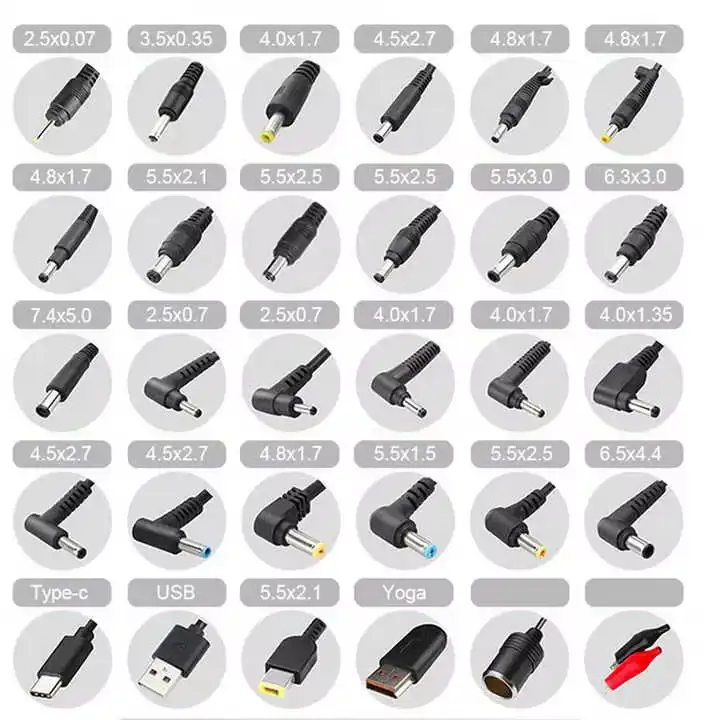
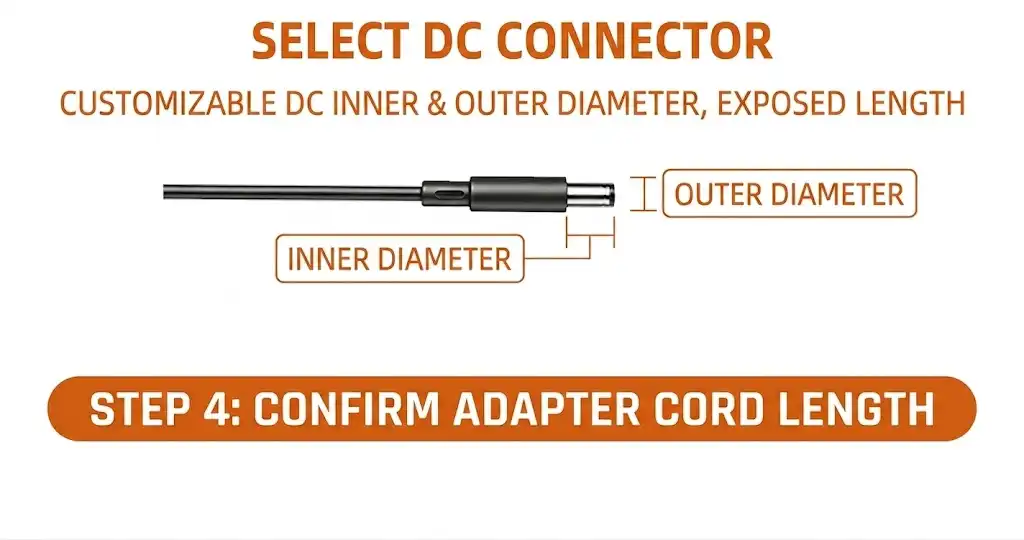
The 5.5mm × 2.1mm barrel jack is still the most popular DC connector for a 5 volt power adapter. It works with a wide range of consumer goods and commercial tools. 5.5mm × 2.5mm is another option for higher current uses. 3.5mm × 1.35mm is another option for small devices, and USB Type-C is for modern electronics that need links that can be used in either direction. Before making large orders, make sure to check both the outer diameter and the inner pin diameter. Connectors that aren't compatible can't fit together properly, even if they look the same. Giving a sample of the connector you already have or full dimensional models will make sure that the specifications are right.
Can adapters be customized with our company branding?
A wide range of OEM services meet the marking needs of private label goods. On adapter housings, your company name, model numbers, and rating information can be put up with laser etching or printed labels. Custom package choices, such as branded boxes, user guides, and safety warnings in multiple languages, make products look more professional, which is good for the customer. Our engineering team offers free design review and technical help for custom projects. They will make sure that your branded adapters meet all performance and legal standards.
How do wall-mount and desktop adapter configurations differ?
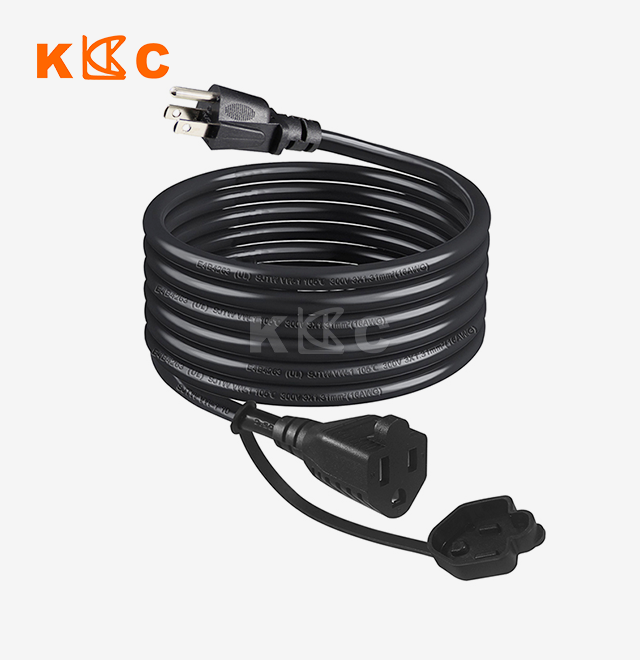
Plugging wall-mount adapters directly into AC outlets makes installation small and saves space in homes and small businesses. Desktop types connect to the wall via a separate AC line. This keeps the heat from the outlet and gives you options for where to put the adapter. When outlets are far away from the equipment or when multiple adapters would physically interfere with each other if placed next to each other in wall outlets, desktop setups are best. When choosing between configurations, you should think about the installation space you have, how you want to handle the cables, and the temperature setting.
Partner with Kuncan Electronics for Reliable 5 Volt Power Adapter Solutions
Picking the right 5 volt power adapter provider is the first step to getting good power. Kuncan Electronics has been making AC/DC wall-mount adapters for 17 years, so we know how to make them well. Our worldwide input designs (100-240V AC) with output currents from 1A to 3A pass strict 4-hour full-load aging tests, making sure that routers, CCTV systems, LED setups, and IoT devices will always work properly. Our adapters meet the strict needs of B2B applications with full OVP/OCP/SCP protection, DOE Level VI efficiency, and foreign approvals such as ETL, CE, and FCC. We can customize it in many ways, such as by adding USB-C ports, letting you change the length of the cables, and private marking to match your brand's needs. Get in touch with our team at rhea@szkuncan.net to talk about your project needs and enjoy the peace of mind that comes from working with a reputable company.
References
Institute of Electrical and Electronics Engineers (IEEE). "Power Supply Design Guidelines for Electronic Equipment." IEEE Standards Association, 2022.
Underwriters Laboratories. "UL 60950-1: Standard for Safety of Information Technology Equipment Including Electrical Business Equipment." Third Edition, 2020.
U.S. Department of Energy. "Energy Conservation Program: Energy Conservation Standards for External Power Supplies." Federal Register, 2021.
International Electrotechnical Commission. "IEC 60950-1: Information Technology Equipment – Safety – General Requirements." Second Edition with Amendments, 2023.
European Committee for Electrotechnical Standardization. "EN 55032: Electromagnetic Compatibility of Multimedia Equipment – Emission Requirements." CENELEC, 2022.
Restriction of Hazardous Substances Directive. "RoHS 3 (2015/863/EU): Compliance Guidelines for Electronic Manufacturing." European Union Official Journal, 2023.

USER EVALUATE
Here is the customer's evaluation of us
_1779502524805.webp)