
C7 Power Cables: The Ultimate Guide to Reliable, Compact Power Solutions for Modern Devices
When looking for ways to connect power to current gadgets, the c7 power cord is an important part that is often forgotten until it breaks. This small power solution, which is often called the "figure-8" cord because of its unique two-circle connection shape, powers a huge range of devices, including music and video game systems, consumer electronics, and specialised industrial uses. Engineers at Kuncan Electronics have been working on these wires for 17 years. During that time, we've learned what makes a link great. This guide tells buying workers everything they need to know to choose, get, and set up C7 power lines that really work when things get tough.
Understanding C7 Power Cords – Specifications and Uses
What Makes the C7 Connector Unique?
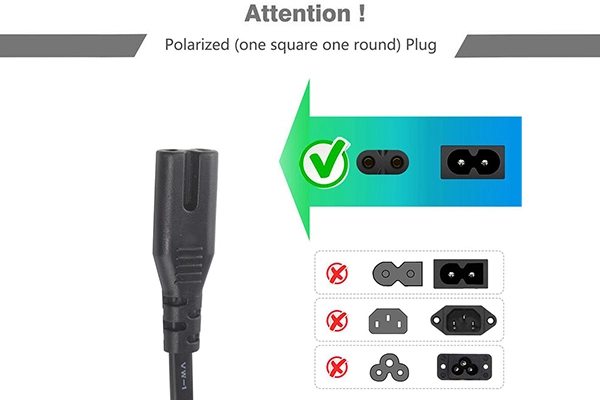
The IEC 60320 C7 plug is a power link for low-power circuits that is not grounded and is not polarised. This lightweight figure-8 form can be used with devices that don't need to be grounded to the earth, unlike its three-pronged cousins. The small size of the connector makes it perfect for places with limited room, like behind entertainment centers or office desks, where traditional power lines would be a nightmare to manage.
Core Technical Specifications
Knowing the electricity factors can help you avoid mistakes that cost a lot of money during buying. Standard C7 lines usually have 0.75mm² to 18 AWG conductors, and their current values range from 2.5A to 10A, based on the wire size and standards in the area. Most of the time, voltage values go up to 250V AC, but for NEMA 1-15P input plugs, North American models usually say 125V. Cable lengths range from short (1 metre) to long (2 metre) types. Custom lengths are possible with makers like Kuncan Electronics, who can make cables in a variety of lengths.
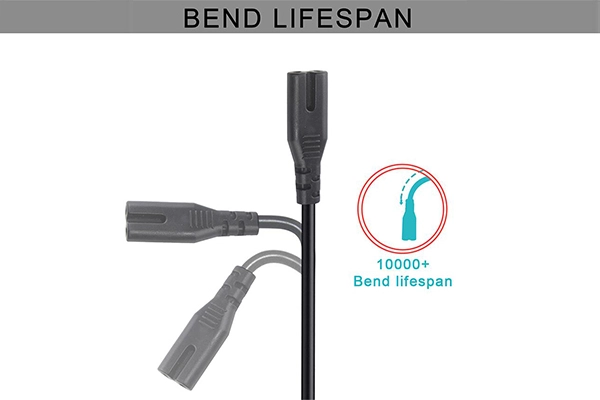
There are clear benefits to using H03VVH2-F flat cables instead of round ones. This design gives it better flexibility while still being durable after more than 3,000 flex cycles, which is important for devices that move or rejoin a lot. High-purity copper wires make sure that there is little resistance and voltage drop, which has a direct effect on how well the gadget works and how long it lasts.
Common Device Applications
C7 power cords are used with a wide range of tools in many fields. Fans of video games will recognise these cords from the power sources for PlayStations and Xboxes. Stable links keep games from stopping in the middle of a session. They are used by audio workers in powerful speakers, mixers, and studio monitors where reducing electrical noise is very important. C7 connectors are often used in camera chargers, handheld radios, LED lighting controls, and laptop power bricks because they are small and have stable contact pressure.
Point-of-sale systems, label printers, and laptop computers are all powered by C7 connections in business settings. Portable testing tools and patient tracking devices used in medical settings are approved models. The connector's ability to provide steady power while taking up little room makes it very flexible.
Identifying Genuine Versus Counterfeit Products
Unfortunately, the market is full of cords that aren't up to par but are sold as high-quality goods. When you look closely, you can tell a lot about a cable. For example, real cables have clear certification marks moulded right into the plug case. The VDE, CE, UL, or PSE stamps should be clear and lasting, not printed stickers. Connector standards are very important. High-quality wires should fit snugly without too much play. This stops the dangerous "connector wiggle" that leads to arcing and corrosion.
Another sign is the strength of the wire jacket on a C7 power cord. Real cables are made of flame-resistant materials that meet VW-1 or FT1 standards. Fake cables, on the other hand, are often made of cheaper materials that break or melt at lower temperatures. Comparing cables based on weight is also helpful. Cables with real copper conductors feel noticeably heavier than those with copper-clad aluminium conductors.
Safety Guidelines for Handling and Storage
Taking care of cables the right way greatly increases their useful life. We suggest keeping extra wires in climate-controlled areas out of direct sunlight, which wears down PVC covers over time. When you move something sharply near a connection point, the internal wire strands are under the most stress. To separate, hold on to the plug body instead of pulling on the wire. This will keep the strain relief from coming apart.
Regular eye checks find problems early on when they start to show up. In areas with a lot of use, check every three months for jacket discolouration, uncovered wires, or loose connecting housings. If you see these signs on a wire, you should replace it right away. The small cost of replacement is nothing compared to the damage that equipment can get from power outages or electrical fires.
Comparing C7 Power Cords: Making the Right Choice for Your Needs
Structural Differences: C7 vs C5 vs C8 Connectors
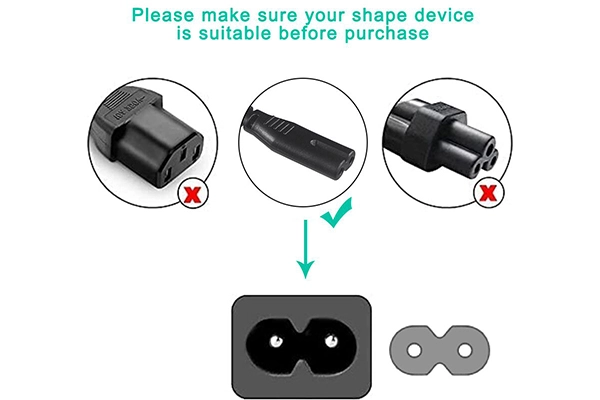
Purchasing teams often mix up similar types of IEC connectors, which can cause problems with compatibility. The C7 has a figure-8 shape that is symmetrical and has two rounded lobes that can accept links that are not grounded or polarised. This connection, which is sometimes called a "cloverleaf" or a "Mickey Mouse," has three rounded parts and gives off power that is not grounded. C8 connections look like C7 connectors, but one side has a squared edge that creates polarisation for devices that need a certain line/neutral direction.
Because of these physical differences, you can't just plug a C7 plug into a polarised C8 outlet; doing so will damage both parts. Manufacturers of devices choose the types of connectors based on the needs of the internal circuit. Before buying in bulk, it is important to make sure that the connectors match the equipment specs.
Material Quality and Durability Factors
The way cables are built has a direct effect on how long they last and how reliably they work. Oxygen-free copper (OFC) wires are used by high-end producers because they reduce electrical resistance and heat generation. Copper-clad aluminium options, on the other hand, cost less at first but have higher resistance, which causes voltage drops that stress device power sources.
The longevity of jacket fabric varies a lot. Normal PVC is strong enough to protect things inside of climate-controlled spaces. TPE, or thermoplastic elastomer, makes things more flexible in cold weather while still being resistant to wear and tear. Rubber mixtures work well in temperatures ranging from -40°C to +85°C, which makes them good for use in industrial machinery. LSZH (low smoke zero halogen) materials meet strict fire safety standards for occupied buildings and give off very few harmful fumes when they burn.
The quality of the connector moulding is what separates solid goods from ones that have problems. With precise tools, the stress on the contact spring stays the same, which means that the electrical link stays strong even after thousands of insertion rounds. Where lines enter plug housings is the most common place for mechanical failure. Reinforced strain relief keeps wire strands from coming apart at this point.
The Role of Ferrite Cores in EMI Reduction
Putting a ferrite core near the ends of cables is good for sensitive equipment. Electromagnetic interference (EMI) and radio frequency interference (RFI) can stop devices from working or make noise in sound equipment. These circular magnetic components block them. Even though they cost a little more, ferrite cores make a noticeable difference in performance in places where many electronic devices are making electrical noise.
Brand Reputation and Long-Term Value Considerations
Well-known brands like Belkin, Anker, and StarTech built their names on providing reliable C7 power cord quality products and quick guarantee support. Most of the time, these brands follow strict testing guidelines and keep their approval paperwork clear. OEM sellers from Dell, HP, Sony, and Philips promise that their products will work with original equipment, but they usually charge more for this.
Specialised makers like Kuncan Electronics are in a good spot because they can offer OEM-quality engineering with more customisation options and low mass prices. Because we've been making things for 17 years, we can make goods that meet real-world needs and provide the quick service that global buying teams need.
When looking at providers, make sure you carefully read the guarantee terms. Coverage for 12 months shields against problems with the way the product was made, and quick replacement policies keep operations running smoothly. When you add up substitute costs, shipping delays, and the chance that equipment will be damaged by a broken wire, the cheapest choice is often the most expensive one.
Optimizing C7 Power Cord Usage in Your Operations
Ensuring Compatibility Across Device Ecosystems
Verifying device compatibility stops mistakes that cost a lot of money during purchase. Even though C7 connectors have standard sizes, the lengths of cables that must be used, the voltage levels, and the thicknesses of the conductors can be different. Most laptops and small tools work fine with 0.75mm² wires. High-draw devices, on the other hand, do better with 18 AWG options because they lower voltage drop and heat production.
Regional electricity rules make things even more complicated. North American equipment usually needs NEMA 1-15P plugs that can handle 125V, while European equipment uses CEE 7/16 Europlugs that can work with 250V systems. Asian markets may ask for connections that are PSE-certified and have JIS C 8303 plugs. By matching both the input and output specs to the target markets, installation delays and legal problems can be avoided.
Maintenance Practices for Extended Lifespan
Regular repair greatly increases the life of cable services and lowers the cost of replacing. Visual checks once a month find problems as they start to form before they break. If you see cracks or discolouration in the connecting housings, that means they've been damaged by heat. Check the wires for jacket cuts, too much bends near the connections, or crushed parts where furniture or equipment put pressure on them.
Cleaning methods are more important than most buying teams think. When dust builds up inside connection contacts, it raises the electrical resistance and creates heat that speeds up degradation. Cleaning with compressed air or a contact cleaner on a regular basis keeps the transmission at its best. Stay away from liquid cleaners that leave behind residue that attracts more dirt.
How cables are routed has a big effect on how reliable they are. Use the right control methods to keep wires safe so that they don't get strained when equipment moves. Instead of tensioned setups that put stress on terminations, let links have enough service loops. When you can, keep power cords and data wires away from each other. This will cut down on electromagnetic interference that can mess up critical connections.
Safety Enhancements for Industrial Settings
The conditions in industrial settings are tougher, so the wire specs need to be better. Extreme temperatures, chemical exposure, shaking, and physical abuse mean that the building and materials need to be updated. Industrial automation equipment cables should be made of H07RN-F or a similar type of rubber material that can keep its flexibility and insulation qualities from -40°C to +85°C.
One way to lower the risk for a C7 power cord is to set up check plans for cables that coincide with repair times for equipment. Stranded conductors, not solid ones, are better for high-vibration uses because they don't break down as easily due to metal wear. In places where chemicals are present, jackets that are specially made to fight oils, solvents, and cleaning agents must be worn.
Compliance with regulations varies by location and business. Medical centers must use medical-grade wires that are IEC-certified and have precise leakage current control below 100µA. In places where food is processed, wires may need to meet FDA material rules. Knowing the standards that apply during buying keeps you from having to pay a lot of money for repairs after checks show that installations aren't up to code.
Trusted Brands and Supplier Profiles
Established Market Leaders
A number of makers have been praised for their steady quality and new ideas. Belkin has a strong store presence because it sells safe consumer-grade goods with easy-to-understand guarantee systems. Anker applies its knowledge of charging smartphones to a wider range of power connections, making its products a good deal for common uses. StarTech offers a wide range of products and full technical specs to IT experts.
There are a lot of benefits to buying from well-known names. Products are still easy to find through a variety of outlets, information and specs are complete and correct, and guarantee claims are handled according to standard processes. On the other hand, it comes with higher prices and less customisation options for unique needs.
OEM Brand Advantages
Original equipment makers (OEMs) like Dell, HP, Sony, and Philips make connections that are especially made for their products. This promise of compatibility takes away any worries about fitting or electrical parameter mismatches. OEM providers also follow strict quality standards that protect the names of brands.
The main problems are the cost and the lack of freedom. It is common for OEM connections to cost a lot more than good third-party options. Availability can be a problem for older pieces of technology because makers stopped making certain types of cables. Customisation is still pretty much impossible through OEM buying methods.
Specialized Manufacturing Partners
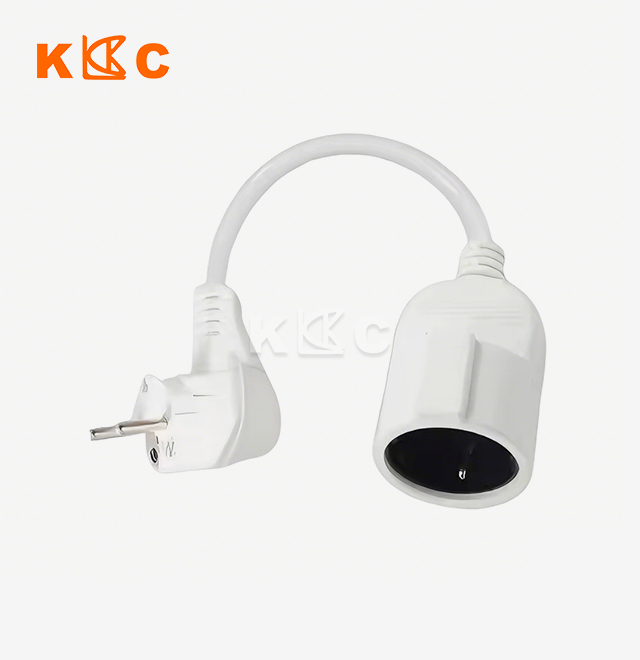
Kuncan Electronics and other companies like it are strategically placed between mass-market names and original equipment manufacturers (OEMs) for the C7 power cord. Our VDE-approved Europlug to IEC C7 power lines have H03VVH2-F flat wires with 0.75mm² conductors that give 2.5A at 250V, which is the same or better than OEM options. The main difference is the ability to customise and the speed with which service is provided.
We offer many ways to change things, such as custom lengths from 1m to 2m, colour-coded jackets to help systems stand out, private mould logo stamping for brand recognition, and different wire materials like PVC, TPE, rubber, and LSZH compounds. These skills allow standard parts to be turned into custom solutions that meet specific practical needs.
Flexibility in production directly meets the needs of buying. Sample production is finished in 3–7 days so that fit can be checked. Mass production takes between 15 and 25 days, based on how many items are being made and how complicated the customisation is. For trial runs, we support low minimum order amounts. This lowers the risk when testing out new providers or apps.
Framework for Brand Selection
Finding the best providers means combining a lot of different factors. Quality standards come first. Check to see if the present certifications are still valid and ask for test results for specific amounts of products. Instead of just the unit cost, prices need to include shipping, any possible customs taxes, and the mechanics of guarantee replacements.
The warranty terms and the ability to get help after the sale should be given the same amount of weight as the purchase price. When you combine fast technical help and quick repair processes with a slightly higher unit cost, you often get a better overall value. Communication response during the quote phase is a good indicator of service quality after the purchase. Suppliers who answer questions fully and quickly tend to keep that level of care over time.
Compare the ability to customise with what you need now and in the future. Standard goods are fine for easy repair situations, but plans for growth or strategies to make a product stand out may need the ability to be changed. By building partnerships with manufacturers that offer freedom, buying teams can be ready to move quickly as needs change.
Conclusion
To choose the right c7 power cord, you need to know the technical specs, check the quality of the materials, and build relationships with reliable providers who put both high-quality products and quick service first. The figure-8 connection is widely used in music equipment, computer systems, consumer electronics, and other specialised applications. This means that choices about buying have an effect on a wide range of working settings. Quality cables with high-purity copper wires, long-lasting jacket materials, and precision-molded connections work reliably and keep expensive equipment from breaking down or operations from being interrupted. By buying in bulk and carefully checking out suppliers, you can make the supply chain more efficient without lowering safety or compliance standards that are necessary for professional deployments.
FAQ
How can I be sure that the C7 power cord will work with my devices?
The first step in making sure a gadget is compatible is to look at its power input. It should have a figure-8-shaped plug with straight sides that is not polarised. Check the device's power needs, which should be written on its sticker or in its paperwork. Make sure that the voltage and current requirements are within the cable's values. The plug on the wire must fit the plug standard in your area, such as NEMA 1-15P for North America or CEE 7/16 Europlug for Europe.
Can one C7 connection safely power more than one device when splitters are used?
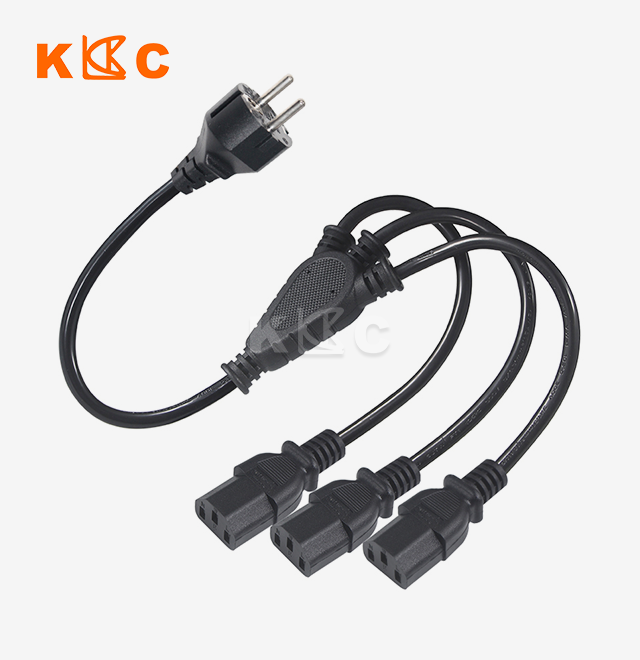
We strongly advise against using splitters with C7 wires because they pose safety risks. Each device takes its own amount of current, and the total loads may be too high for the cable's current limit, which will cause it to overheat. When more than one gadget is connected, voltage drops get bigger, which could damage sensitive electronics. Having separate wires for each gadget makes sure that the right amount of power flows and stops dangerous overloading situations.
What signs can help you spot fake C7 power cords when you're buying them in bulk?
Real wires have lasting approval marks moulded into the plug housings instead of stickers. Check the fit of the connectors. Good wires should fit in snugly without a lot of extra space. By comparing weight, you can tell what kind of carrier it is; real copper wires feel heavy than copper-clad aluminium ones. Ask for licensing and test results and make sure they are up-to-date and fit the type of the product.
Partner With Kuncan Electronics for Your C7 Power Cord Requirements
Every VDE-certified figure-8 wire Kuncan Electronics makes is the result of 17 years of experience making them. Our H03VVH2-F flat cables have high-purity copper wires, precision-molded joints that have been tested through more than 3,000 bend cycles, and full approvals that include VDE, CE, and RoHS compliance. We know that buying teams need more than just goods. They also need partners who are quick to respond, provide consistent quality, allow for open customisation, and offer reliable shipping support. Our factories in Dongguan can make samples in 3–7 days and full orders in 15–25 days. We have low minimum order numbers that lower the risks of trial deployment. Email our team at rhea@szkuncan.net to talk to our tech staff about your unique needs. We are a certified c7 power cord provider, and we offer free samples for fitting checks to make sure the answer fits your needs properly before you sign. Let's work together to create a supply chain that provides operating success through better power connection.
References
International Electrotechnical Commission. (2018). IEC 60320-1: Appliance Couplers for Household and Similar General Purposes – Part 1: General Requirements. Geneva: IEC Publications.
Underwriters Laboratories. (2019). UL 817: Standard for Safety Cord Sets and Power-Supply Cords. Northbrook: UL Standards & Engagement.
VDE Testing and Certification Institute. (2020). VDE 0282-10: Rubber Insulated Cables – Rated Voltages up to and including 450/750 V. Offenbach: VDE Verlag.
National Electrical Manufacturers Association. (2017). NEMA WC 70: Power Cables Rated 2000 Volts or Less for the Distribution of Electrical Energy. Rosslyn: NEMA Publications.
European Committee for Electrotechnical Standardization. (2016). EN 50525-2-11: Electric Cables – Low Voltage Energy Cables of Rated Voltages up to and including 450/750 V. Brussels: CENELEC.
Institute of Electrical and Electronics Engineers. (2021). IEEE 1202: Standard for Flame Testing of Cables for Use in Cable Tray in Industrial and Commercial Occupancies. New York: IEEE Press.

USER EVALUATE
Here is the customer's evaluation of us
_1784354535259.webp)