
Custom Length IEC Power Cords for Server Racks
The power distribution lines you choose are very important for the dependability and efficiency of running a modern data center or server room. Custom-length IEC cords made for server rack uses get rid of the problem of too many cables and make sure that foreign safety standards are met. An IEC cord that is set up to exact measurements gets rid of extra slack that blocks airflow, eases upkeep tasks, and lowers the stress on equipment connections. Instead of off-the-shelf solutions that force you to make compromises on rack layout, custom-length assemblies offer customized connectivity that matches the exact spacing between power distribution units and server inlets. This helps with optimal thermal management and lowers the risk of downtime in mission-critical environments.
Understanding IEC Power Cords and Their Specifications
Learn about IEC cords and how they work. When connecting power to servers, you need more than just basic extension cords. Standardized power systems that meet IEC 60320 requirements have become the core of IT infrastructure around the world. It is always reliable for these units to connect rack-mounted computers, network switches, storage arrays, and other equipment to centralized power distribution systems.
Core Components of IEC Power Assemblies
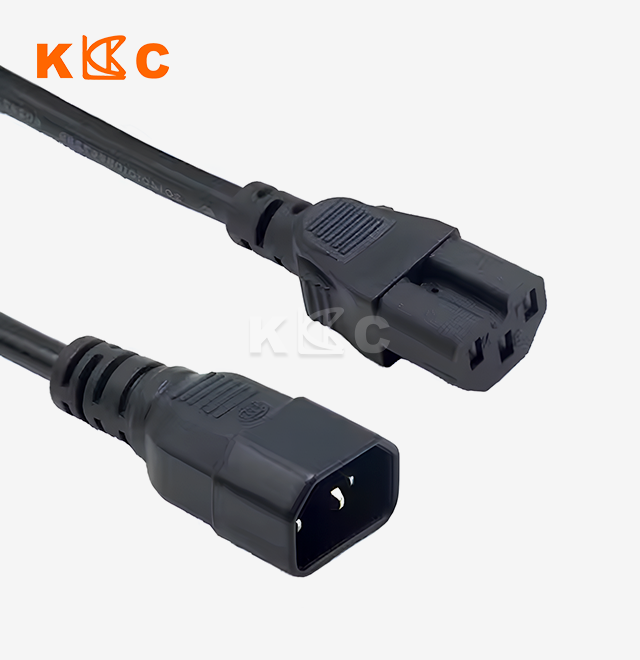
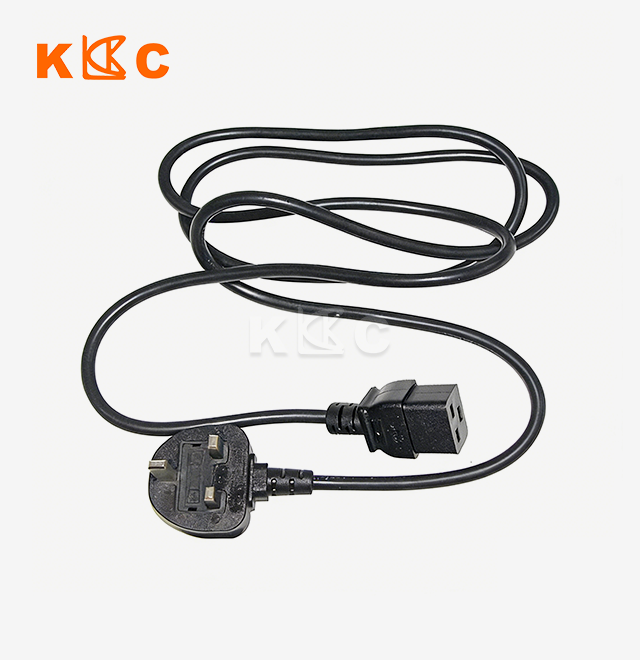
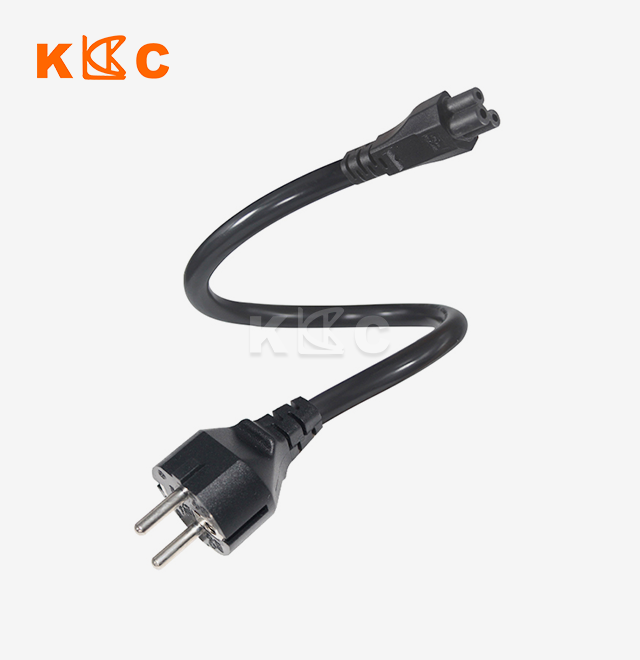
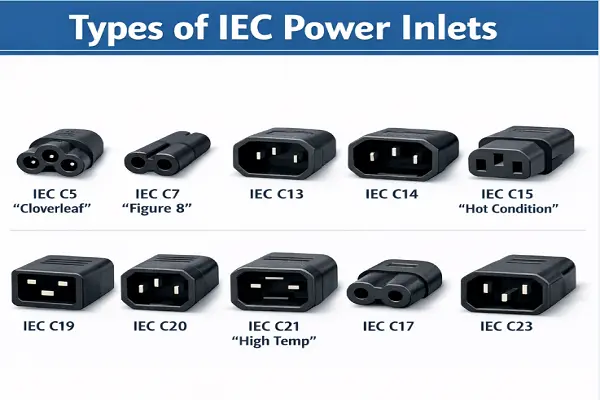
Modern data centers depend on certain types of connectors that are matched to the power needs of the equipment. The C13 socket works with C14 ports on most standard servers and switches. It can handle 10 amps globally and up to 15 amps according to UL standards. Most high-density blade servers and corporate storage systems need C19 ports, which can handle 16 amps in installations outside of North America and 20 amps in installations inside of North America. The different shapes of these connections keep the power levels from accidentally not matching up.
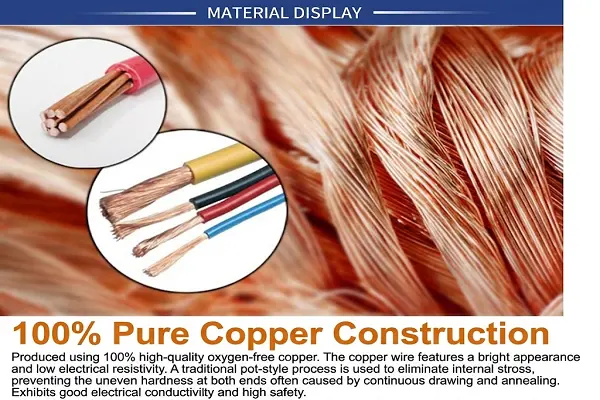
Kuncan Electronics makes professional power systems with copper wires that are 99.99% oxygen-free, which reduces resistance and heat buildup. Our products can handle currents from 10A to 20A and can handle temperatures up to 105°C. This means they will work reliably even in rack settings with a lot of heat. Dimensional accuracy tests are done on each assembly to make sure it meets IEC 60320-1 standards for insertion and removal force, which keeps the contact safe without damaging the equipment ports.
Material Quality and Safety Certifications
The choice of wire size has a direct effect on efficiency and safety. Depending on the load and wire length, our systems use 18AWG, 16AWG and 14AWG conductors. Premium PVC or TPE insulation gives you options and meets VW-1 flame resistant standards. We don't want Copper Clad Aluminum at all because it oxidizes easily and can catch fire. This is a usual quality trade-off in low-cost options.
Compliance with certification takes away legal hurdles to global deployment. Our goods are certified by CE, VDE, ETL, and UL, which means they meet the specific needs of markets in Europe, North America, and Asia-Pacific. This multi-regional approval makes it easier for international companies that manage portfolios of spread data centers to buy things.
Pin Configuration and Voltage Considerations
To keep electrical dangers from happening, the way pins are arranged must follow strict rules. Three-pin grounded designs make sure that the earth continuity is correct, which is very important for keeping equipment from getting damaged by electrical problems. Depending on where you live, voltage levels can be anywhere from 125V to 250V. For example, in North America, setups use 125V circuits and in other countries, they use 230V to 250V.
In high-density systems, temperature classes are very important. Standard kits can handle pin temperatures as low as 70°C in cold conditions, while special C15/C16 versions can handle pin temperatures as high as 120°C in warm conditions. When buying teams know these thermal specs, they can choose the right parts for equipment with different heat dissipation profiles.
Why Custom Length IEC Power Cords Are Essential for Server Rack Efficiency?
In professional data centers, generic IEC cord connections always make things harder to run. Standard lengths that are already made mean that managers have to coil extra cable, bundle slack with cable ties, or send runs that are too long through cable management arms. These tradeoffs add more places where things can go wrong and hurt the thermal efficiency that current high-density computing needs.
Airflow Obstruction and Thermal Performance
Too much cable traffic literally blocks server rack ventilation paths. When grouped wires block the space between equipment and perforation panels, hot exhaust air goes back and forth instead of leaving through the right channels. This transfer of heat makes cooling systems work harder and creates hot spots that speed up the wear and tear on parts.
This problem can't happen with custom-length parts because they give you the exact reach you need from power distribution units to equipment inlets. A properly defined wire stays taut and doesn't have too much slack, so airflow pathways stay clear. Data centers that use precise cable management have seen 15-20% higher cooling efficiency compared to setups that use standard-length cables. This directly leads to lower energy costs and longer equipment life.
Mechanical Stress and Connection Reliability
Connectors get tense when extra wire is wound up, especially when equipment is slid on rack rails for repair. Over time, this mechanical stress makes the contact pressure between the connector pins and the equipment inlets less tight. This makes the joint point more electrically resistant. In a cascade failure mode, high resistance causes heat, which weakens the link even more.
Customized wire lengths keep the tension level constant without pulling on the connections. This mechanical steadiness is especially useful in places where equipment is changed or rearranged all the time. Maintenance teams can slide servers partly out of racks to get to them without turning off the power. This lowers the chance that the system will go down by accident during regular maintenance times.
Documented Performance Improvements
Implementations in the real world show measurable results. A financial services business that was in charge of a 500-rack colocation center switched their blade server hardware from standard 6-foot cables to custom-length assemblies that were an average of 2.5 feet long. The rollout cut the amount of cable per rack by 60%, made cold aisle control work 18% better, and fixed power distribution unit load imbalances by getting rid of voltage drops caused by long cable runs that weren't needed. Over the next six months, the building saw a 12% drop in the amount of energy it used for cooling, and during that time, no power-related machine failures happened, compared to three in the previous period.
The problems that factories have when they use industrial control systems and computer infrastructure are similar. A pharmaceutical factory put in place special 10-foot units for control systems that needed to reach equipment on production lines from farther away. The exact length requirement got rid of cable pools on the floor, lowered the risk of tripping, and made it easier to meet cleaning validation standards for sterile factory areas.
How to Choose the Best Custom Length IEC Cord for Your Server Rack — A Decision Support Approach?
To choose the right power supplies, you need to carefully consider both technical needs and natural factors. The choices you make about what to buy affect not only how well the installation goes at first, but also how reliable the system is in the long run and how well it is maintained.
Assessing Power Demand and Connector Compatibility
Start by writing down the power requirements for the IEC cord tools. Labels on server power supplies show the highest current or wattage that can be drawn. This tells you what the smallest wire size and connection type should be. Standard 1U servers need C13 connections with 14AWG or 16AWG wire, but high-wattage storage systems and multi-socket blade frames need C19 connections with 12AWG or larger gauge wire.
Calculate the power drop for unique runs that last longer. In a data center, equipment is usually 3 to 6 feet away from power distribution units. In industrial automation, however, systems may need to be 10 to 25 feet apart. Resistance goes up with length, which lowers power and can make it hard for tools to work. Upgrading from 16AWG to 14AWG wires for runs longer than 10 feet keeps the voltage stable and keeps equipment from breaking down.
Rack Layout and Physical Environment
Take the exact lengths from the PDU outlets to the equipment inlets, taking into account the paths that cables take. Include a rise up from PDUs on the floor, a run along cable management paths, and a turn into equipment at the end. Routing can be done without causing extra slack by adding 6 to 12 inches to the straight-line measurement.
The environment affects the choice of materials. PVC-insulated systems work well in standard data centers that keep the temperature and humidity under control. TPE or rubber jacketing is useful in manufacturing settings where chemicals are used, temperatures vary, or installations are outside. Kuncan Electronics can make any changes you want, and they even use LSZH (Low Smoke Zero Halogen) materials for setups that need to meet high fire safety standards in occupied areas.
Comparing Customization Against Standard Solutions
Standard kits work fine in small setups that give you a lot of layout choices. Their lower unit cost and quick availability make them a good choice for projects with limited funds and basic needs. However, they are less efficient in business settings where managing temperature, ease of maintenance, and appearance are important.
Custom kits are the best value for money in high-density installations, mission-critical facilities, and places that need to be rearranged often. The price difference per unit stays low—usually 15–25% more than generic options—and hundreds of feet of extra cable are cut out of each rack row. Less material, better movement, and easier upkeep make the investment worth it because the equipment lasts longer and costs less to cool.
Supplier Evaluation Criteria
In addition to technical requirements, the success of a project depends on the skills of the seller. Checking certifications makes sure that regulations are followed. All Kuncan assemblies have UL, cUL, ETL, and CSA labels that are right for North American installs, as well as CE and VDE approval for foreign use. Our plant follows ISO 9001 quality control systems and only uses materials that are compliant with RoHS and REACH for tests.
Customization options are very important. We offer lengths from 1 foot to 100 feet in exact steps, allow custom colors for power path labeling, offer private label packing, and can meet special needs like those that need locking plugs for environments that shake a lot. Our engineering team offers free design advice to help you get the best specs for your application.
Lead time and minimum order amounts have an effect on how projects are planned. Kuncan keeps standard raw materials in stock so that production can begin quickly. Sample units are sent out within 3–7 days for validation testing. Depending on the amount, mass production is finished in 20–30 days. We support small-batch replenishment with no minimum order requirements. This lets you handle your goods just-in-time, which lowers your need for working capital.
Maintenance, Testing, and Troubleshooting of IEC Power Cords in Server Environments
Unexpected breakdowns that lead to expensive downtime can be avoided with proactive upkeep of the IEC cord. Power systems are constantly under mechanical stress from putting and taking away tools, changing loads that cause temperature cycling, and environmental factors like dust buildup. Inspections and tests done on a regular basis find parts that are breaking down before they fail during production.
Routine Inspection Procedures
Visual examination shows early warning signs that something is about to go wrong. Check the bodies of the connectors for cracks, warping, or color changes that could mean heat damage. Check for torn or separated strain relief boots where cables join connections. Conductors are exposed to mechanical stress that causes breaks inside the cables. Check the length of the wire jackets for cuts, scrapes, or flattening caused by machine pressure that could affect the insulation. The state of the pins directly affects how reliable the link is. Check the pins on the connectors for rust, cracking, or carbon tracks from arcing. Even small amounts of surface rust raise the contact resistance, which causes localized burning. Pins should keep their shiny metal look and spring tension. If pins are loose or bent, they need to be replaced right away to keep the link from breaking.
Electrical Testing Standards
Continuity testing checks the quality of the wire. With a digital multimeter, check the resistance between the plug pins and the connection contacts. For good assembly, results should stay below 0.1 ohms. When resistance is high, it means that a wire has partially broken because it has been bent over and over or because of internal rust, and it needs to be replaced. Safety is ensured by tests for insulation resistance. Megohm meters measure leaking current by putting high voltage between wires and between conductors and ground. For 250V systems, values greater than 10 megohms are acceptable. Lower numbers mean that the insulation is breaking down, which is dangerous because it can cause shocks and needs to be fixed right away. Maintaining consistency is especially important. Make sure that the plug ground pins and socket ground contacts have a strong electrical link with resistance less than 0.1 ohms. If the grounding lines for equipment are broken, the chassis can float at dangerous voltages during fault conditions, which can put people in danger and damage sensitive electronics.
Replacement Versus Repair Decisions
A lot of connection problems are caused by worn-out connectors instead of damaged cables. Even though there are replacement connections, expert installs rarely find field repair to be worth the money. When you add in the costs of tests and paperwork, the labor needed for proper connector crimping and strain relief attachment is higher than the cost of a new unit. Replacement makes sure that the product works as it should and keeps the guarantee valid. Cable damage from falls or chemicals may be able to be fixed in part for long systems. For systems longer than 25 feet, where the leftover length is still useful, cutting out damaged parts and installing new connections works. Due to poor labor-to-material cost ratios, assemblies shorter than 10 feet should usually be replaced completely.
Extending Cable Service Life
Taking care of a part properly during installation and upkeep makes it last a lot longer. Pulling on wires by their connectors puts stress on the bonds between the conductors inside the pins. When routing wires, try to avoid making sharp turns. To keep conductors from getting tired, keep the bend radius at least eight times the cable width. Protect wires with the right management gear that stops them from moving without making pressure points. In difficult situations, protecting the environment is important. In dusty places, cleaning the connecting housings every so often with dry compressed air keeps particles from building up. In industrial settings where chemicals are present, systems with sealed connection bodies work better. Turning equipment on and off creates stress that causes it to expand and contract. Choosing parts that can handle a temperature of 105°C gives them a thermal cushion that extends their service life in places where temperature is a problem, requiring the testing and fixing of issues with IEC cords in server rooms.
Conclusion
Power distribution in computer racks can be made easier to use with custom length IEC cord adapters, which used to be a problem. Accurate wire management gets rid of thermal barriers, lowers mechanical stress on connections, and makes upkeep easier in mission-critical settings. Procurement teams can get the most out of their investments in power infrastructure by following this methodical approach to design, source evaluation, and preventative maintenance. When data centers use customized communication solutions, they consistently see better cooling performance, equipment dependability, and total cost of ownership compared to facilities that settle for standard stock options.
FAQ
What distinguishes IEC power assemblies from standard extension cords?
Power assemblies that meet IEC 60320 standards have connectors that can be taken off and have particular pin configurations and current rates made for electrical equipment. Standard extension lines for homes have molded plugs, but they don't have standard links for the utility side. The detachable design lets global equipment makers ship products with the right regional power cords instead of hardwiring power supplies. Standardization of the connectors makes sure they have the right current ratings and stops power needs from not matching supply capacity, which is what makes IEC cord kits different from regular extension cords.
Do custom-length cables maintain compatibility with all server rack models?
Custom length requirements only change the cable's reach between power sources and devices; they don't change how well it works with connectors. Assemblies with standard C13, C14, C19, or C20 connections work with all equipment that has the right inlets, no matter how long the wire is. Connector type and current rating, not cable length, are still the most important factors for compatibility. This means that customization is possible without losing interoperability in settings with multiple vendors.
How do I ensure compliance when ordering custom assemblies?
When buying something, be clear about what certifications are needed and ask sellers for proof. For setups in North America, make sure the UL or ETL labels are correct for the voltage and current you want to use. For operations in Europe, the equipment must have a CE mark and follow the Low Voltage Directive. Get copies of the test results and compatibility papers. Reputable makers, like Kuncan, keep full certification files that cover a lot of different regulatory areas. This makes it easier to check for compliance in international deployments.
Partner With Kuncan Electronics for Superior Server Power Solutions
To get the most out of the power infrastructure in your data center or industrial building with an IEC cord, you need precision-engineered solutions backed by manufacturing know-how and quick support. Kuncan Electronics is a reliable company that makes IEC cords and customized power kits that are made to fit your exact needs. Our oxygen-free copper wires, wide range of certifications including UL, CE, VDE, and ETL standards, and ability to be customized in a number of ways solve the ongoing problems of cable management and thermal efficiency that generic options can't.
We send samples quickly—within 3–7 business days—so that you can make sure they meet your needs. After that, volume production takes 20–30 days and there are no minimum order amounts. No matter if you're in charge of a single server room or the equipment in several buildings, our tech team can help you come up with the best way to distribute power. Get in touch with our procurement experts at liz@szkuncan.net to talk about your needs and get thorough technical offers that fit your budget and operational requirements. Read on to learn how working with a skilled IEC cord supplier can turn power connectivity from a problem to a useful asset.
References
International Electrotechnical Commission, "IEC 60320-1: Appliance couplers for household and similar general purposes - Part 1: General requirements," 2015.
Rasmussen, N., "Avoiding Costs from Oversizing Data Center and Network Room Infrastructure," Schneider Electric White Paper 37, 2011.
Turner, W.P., Seader, J.H., and Brill, K.G., "Tier Classifications Define Site Infrastructure Performance," Uptime Institute, 2006.
American Society of Heating, Refrigerating and Air-Conditioning Engineers, "ASHRAE TC 9.9 Thermal Guidelines for Data Processing Environments," 4th Edition, 2015.
Underwriters Laboratories, "UL 817: Standard for Safety Cord Sets and Power-Supply Cords," 2013.
European Committee for Electrotechnical Standardization, "EN 60320 Series: Appliance couplers for household and similar general purposes," 2008.

USER EVALUATE
Here is the customer's evaluation of us