
IEC vs. NEMA Power Cords: Comparing Standards
When you are buying power connecting choices from another business, you need to know the difference between IEC and NEMA standards. This is very important for the safety of the gadget, the continuation of operations, and world compliance. An IEC cord is a common way to connect power that is made to meet the requirements of IEC 60320. It lets all gadgets and things that work with 250V connect and work together. At the moment, the most popular plugs in that market are NEMA (National Electrical Manufacturers Association) plugs, which come in voltage and amperage types that are only available in North America. It is important for engineers, procurement professionals, and purchasing managers to think about technical specifications, dimensional characteristics, compliance frameworks, and strategic sourcing when they choose power cords for data centers, medical devices, commercial installations, and industrial automation systems. We want to give people who make decisions useful knowledge that lowers operating risk and improves the dependability of tools by taking a true look at both standards.
Understanding IEC and NEMA Power Cord Standards
Power line standards are in place to make sure that electricity safety, gadget compatibility, and legal regulations are met in all areas around the world. The International Electrotechnical Commission created IEC 60320 as a global standard for device couplers. On the other hand, NEMA created guidelines mainly for use in North America.
Defining IEC Power Cord Standards
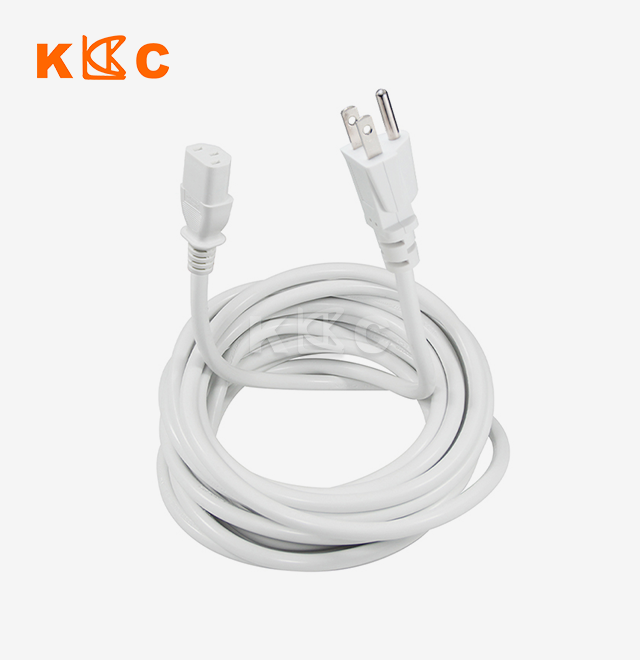
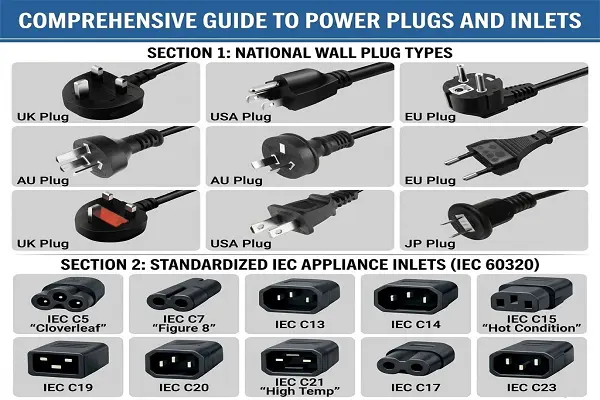
IEC standards meet the need around the world for power plugs that can be taken off of equipment and put back on the wall. The different types of connections in the IEC 60320 family are each marked by a "C" number. For instance, C13/C14 plugs can handle 10A loads around the world (15A under UL), while C19/C20 types can handle 16A loads around the world (20A in North America). Standardised shapes on these connectors keep them from fitting wrongly with voltage or temperature values that don't match. Because they can be taken off, makers can send the same type of gadget all over the world with power lines that work with that area. There are different types of temperature ratings, ranging from normal 70°C uses to high-temperature types like C15/C16 working at 120°C, which are needed for business cooking equipment and server rooms where the temperature is high.
Understanding NEMA Connector Classifications
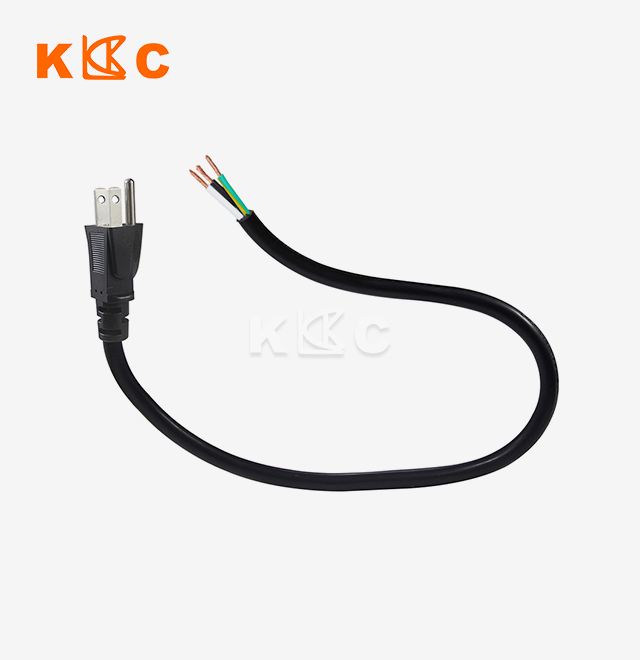
In North America, electrical systems are set up according to NEMA designs. These systems use plugs and outlets that meet certain voltage and current standards. The standard NEMA 5-15 plug has three pins: two blades and a ground. It can handle 15A at 125V and is good for most uses. In factories, NEMA 6-20 connectors for 20A at 250V are used. In data centers, NEMA L5-20 locking connectors are becoming more popular to keep cables from disconnecting by mistake. NEMA is more concerned with the 60Hz grid that is popular in the US, Canada, and some parts of Latin America. There are both straight-blade and twist-lock versions of the standard. The combinations are named by the voltage class and ampere rate they have. This regional uniqueness makes sure that the system works best in North American electricity systems, but it makes it harder to use in other countries without changing the voltage.
Certification Landscapes and Safety Marks
Both standards call for strict safety tests, but the groups that certify products vary from region to area. Most IEC-compliant lines have the CE mark for sales in Europe, the VDE mark for sales in Germany, and the BSI mark for sales in the UK. With these marks, you can be sure that the object follows the rules for electricity safety and low voltage equipment. In the US, NEMA cords need to be listed by UL (Underwriters Laboratories) or ETL (Intertek). In Canada, they need to be approved by CSA before they can be sold. We make professional power units that are certified by all the major organisations. These include ETL for North American markets, VDE for European deployment, and SAA for Australia and New Zealand. This way, our clients can easily get into any market they want, no matter where they are. The approval method checks the correct dimensions, wire size, insulator quality, strain relief effectiveness, and the ability to keep electrical dangers from happening in normal or problem situations.
Dimensional Analysis of IEC vs. NEMA Power Cords
The plug forms aren't the only physical and electrical differences between these standards for the IEC cord. These differences affect how well they work together, how well they perform, and what kinds of applications can be used in different operating settings.
Connector Geometry and Mechanical Interface
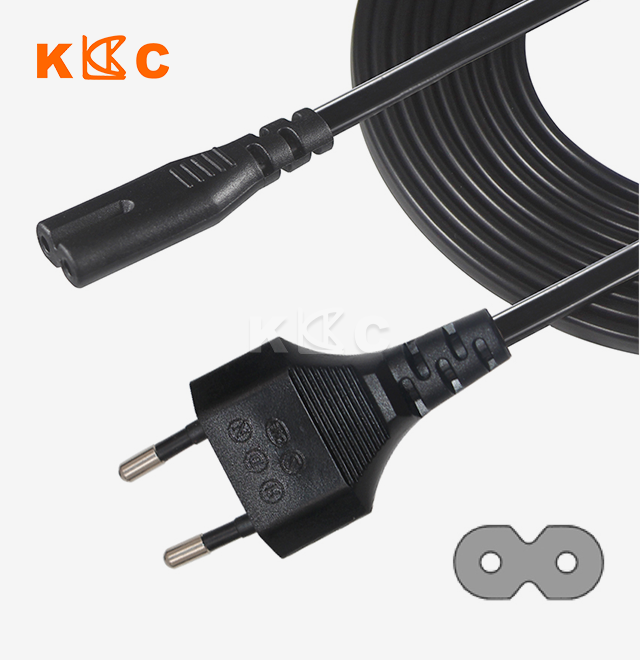
IEC connections have a rectangle shape, and the blades are placed in a way that stops them from being inserted backwards. The most common IEC type is the C13, which has three rectangular pins organised in a certain way and is about 28 mm wide and 16 mm tall. The matching C14 port can be found on power sources and PDUs all over the world. With a width of about 36mm, the C19/C20 pair makes the device bigger so it can handle more power. The normal sizes keep the joining force between 10N and 50N, which is the right amount for a safe link and easy entry. NEMA 5-15 plugs look very different. They have parallel flat blades that are 12.7 mm wide and a ground pin that is smooth. Standard wall plugs across North America have very strict rules about how far apart the blades must be and how thick they must be. Because of this technical difference, IEC and NEMA wires can't directly connect to each other without adapters. This makes it naturally impossible for systems that aren't suitable to link.
Wire Gauge and Current-Carrying Capacity
Across the length of the wire, the safe current flow and voltage drop depend on the size of the core. IEC guidelines say that the minimum cross-section of a wire should be 0.75 mm² for 2.5A loads, 1.0 mm² for 10A loads, and 1.5 mm² for 16A circuits. American Wire Gauge (AWG) sizes are used for NEMA applications. 18AWG is good for light-duty 10A circuits, 16AWG is good for 13A loads, and 14AWG is good for 15A uses. In our production standards, we use copper wires that are 99.99% oxygen-free instead of copper-clad aluminium. This makes sure that there is very little resistance and that the current flows as efficiently as possible. The type of wire material is very important in high-density systems where voltage drops build up across many links. Temperature rise during constant load depends on both the size of the wire and the thermal rating of the insulator. Premium cords have 105°C rated PVC or TPE jacketing instead of standard 60°C jacketing, which gives them thermal cushion during long-term high-load operation.
Environmental Ratings and Jacket Materials
The operating setting determines the choice of clothing material that goes beyond simple electricity protection. For indoor use, SJT or H05VV-F coats are usually required because they offer enough flexibility and wear protection for use in an office or data center. In outdoor and industrial settings, SJTW or H05RN-F rubber materials are needed because they can withstand UV light, water, and temperature changes from -40°C to +60°C. We design cords with special jacket formulations for tough settings. For example, our SJTW types can survive long-term outdoor exposure while still keeping their dielectric strength, and our industrial-grade parts can handle the chemicals that are common in factories. The diameter of the wire depends on the size of the circuit and the thickness of the jacket. For light-duty cords, the diameter is 8.5 mm, and for heavy-duty sections, it is 11.2 mm. Larger diameter wires last longer, but you need to be aware that they can't bend as far when they're installed in a crowded rack and there isn't much room for cable management.
Comparing IEC and NEMA Power Cords: Decision Support for Procurement
Instead of choosing based only on what you want to buy at first, strategic buying means weighing power cord choices against operating needs, cost structures, and long-term dependability standards.
Application-Specific Performance Requirements
Data center infrastructure is where IEC cord assemblies are put to the most rigorous use. Here, C13 to C14 and C19 to C20 assemblies connect blade servers to power distribution units that are placed on racks. These places need to be run 24 hours a day, seven days a week, and there is no room for heat failure or mechanical disconnections. Colour-coded jackets—red for A-feed and blue for B-feed—make it easy to see which power lines are duplicated, which is important for keeping the system up and running while repair is being done. Medical equipment needs to meet hospital-grade standards, including better strain relief and higher holding force to keep it from disconnecting by accident while the patient is being cared for. To keep patients safe, our medical-grade parts have Class II insulation that meets IEC 60601 standards and leaking current control below 100µA. When NEMA designs are used in industrial control systems, they have to deal with mechanical stress, changing temperatures, and particle contamination. Locking NEMA joints keep them from disconnecting due to shaking, and ruggedised jackets keep them together even in rough situations.
Cost Efficiency and Total Ownership Analysis
The direct prices of materials are only one part of the total cost of ownership. IEC cord makes it easier for international companies to keep track of their stock because they only need one design for a device to work with regional power cords. This way, they don't have to make different models for each market. This flexibility cuts down on the number of extra parts that need to be kept on hand and makes servicing easier for sites around the world. Custom length specs get rid of problems with managing extra cables and cut down on waste, which is especially helpful in big operations with hundreds or thousands of links. Buying in bulk from well-known manufacturing partners lets you save money on numbers without lowering quality standards. We keep a stock of raw materials so that production can begin quickly. Samples are delivered in three to seven business days, and big orders are finished in twenty to thirty days, based on the amount needed. The cost of not having to deal with downtime because of high-quality circuit materials and strong construction often outweighs any original savings from cheaper options that use poor copper or conductors that are too small.
Regulatory Compliance and Risk Mitigation
Non-compliant power cords put you at risk of liability, could damage your equipment, and regulatory fines that are much higher than any savings you might get from buying them. Accidents involving electrical parts that haven't been approved by the manufacturer may not be covered by insurance, leaving the person operating the equipment with full responsibility. UL listing for North American markets and CE marking for European distribution are basic standards, but proof goes further than just making sure the labels are there. Because of how common fake certificates are in global supply lines, it is important to check with suppliers. As an Alibaba Verified Supplier with seventeen years of experience in the field, we provide full certification paperwork, such as test results from approved labs that show we meet all standards. Our quality control method includes checking inbound materials, testing while they are being made, and checking the final assembly to make sure that every cord meets the requirements before it is shipped. This all-around method lowers the risk of buying while also making sure that all target markets follow the rules.
Common Questions and Guidance on IEC and NEMA Power Cords
Professionals in procurement are often asked practical questions about choosing the right power plug, making sure it works with other devices, and safe ways to set it up, which have a direct effect on business success and safety compliance.
Identifying Connector Types Quickly
Mismatches during purchase and installation can be avoided with visual recognition. C13 connectors have a unique rectangle three-pin layout that is about 28 mm wide, while C19 connections look much bigger at 36 mm wide. The C15 connector has a raised shape that keeps it from fitting into normal C14 inlets. This makes sure that only the right high-temperature equipment is connected to the cords. In NEMA 5-15 plugs, the flat blades are lined up parallel to each other, and the ground pin is smooth. In NEMA 6-20 plugs, the blades are lined up perpendicularly for 250V circuits. When making specifications, procurement teams should take pictures of the inlets on current equipment and use IEC 60320 or NEMA setup charts as guides. We offer free design review and technical advice to help procurement workers match the right connection type to the right piece of equipment. This keeps specification mistakes from happening, which can slow down projects and raise costs.
Adapter Usage and Safety Implications
There are important safety concerns with physical switches that allow IEC-to-NEMA or voltage exchange links. If you connect equipment to a mains source that doesn't work with it, a simple adapter that changes the plug layout but doesn't change the voltage can damage the equipment or even start a fire. Mismatches in temperature ratings are also very dangerous. For example, using an adapter to join a normal C13 cord to equipment that needs a C15 high-temperature rating skips important thermal protection. Adapters add more connection points, which raises the contact resistance and possible failure causes. Regulatory bodies usually don't allow adapters to be used in business setups that have to follow electrical code. Proper purchasing procedures call for native wires that match both the equipment's input and the power infrastructure that is available. This gets rid of the need for adapters. When standard kits can't fit odd equipment or installation needs, our engineering team helps with custom setups. They offer approved solutions instead of quick fixes that can be made in the field.
Cable Length and Voltage Drop Considerations
Too long of a wire for an IEC cord causes voltage drop, which lowers the power that can reach the ends of the equipment. This could lead to failure or poor performance. For 10A uses, standard 18AWG wires should stay below two to three meters to keep the voltage drop below two percent. For runs longer than three meters, the wire needs to be upgraded to 14AWG, and for installs close to ten meters, it needs to be upgraded to 12AWG. To figure out the voltage drop, you need to look at the whole length of the circuit, including the building wires, not just the piece of cord that can be detached. For high-power devices like EV charging systems or industrial machines, the conductors need to be carefully sized to make sure they give the right voltage when they're fully loaded. We offer unique cord lengths from one foot to one hundred feet with the right wire size for each use, so you don't have to guess and can be sure of reliable performance. Specifications for purchases should always include the highest cord length that is needed so that the right wire can be chosen during production.
Purchase and Sourcing Strategies for IEC and NEMA Power Cords
Effective sourcing strategies do more than just find qualified providers. They also include building long-term partnerships, making the supply chain more resilient, and working on ongoing improvement projects that lower the total cost of ownership.
Evaluating Supplier Qualifications and Capabilities
When choosing a supplier, the factors should not only look at prices, but also at how well they can make things, their quality processes, and their technical knowledge. Companies that have been around for a while have specific tools, automatic production equipment, and trained workers who can make sure that the quality of their work stays good even during high-volume production runs. Quality management systems that are ISO 9001 approved make sure that processes are recorded, that statistical process control is used, and that there is a mindset of ongoing growth. Technical skill is important, especially for unique applications. Engineers who can review designs, make prototypes, and test them in ways that are specific to the application add a lot of value beyond just providing standard cords. We've been in this business for seventeen years, so we have a lot of experience with household electronics, industrial robotics, medical devices, and smart building uses. Because we cover so many areas, we can suggest the best answers based on real-life experience rather than theoretical requirements. Three hundred skilled workers using high-tech production tools make standard and unique setups that work with just-in-time stocking plans.
Custom Solutions and Value-Added Services
Standard catalogue items can be used in a lot of different situations, but unique combinations often work better or cost less for certain needs. Custom wire lengths get rid of extra material, which cuts down on installation work and makes things look better in places where they will be seen. Customising colours lets you find the power path without using extra labels, which is very important for multiple systems where workers need to quickly tell the difference between circuits while doing maintenance. Specific jacket materials, such as LSZH (Low Smoke Zero Halogen), meet fire safety standards for public buildings and transportation settings where harmful fumes pose a threat to life. Logo printing and custom packing help OEMs and sellers build their brand identities and get their products into new markets. We offer full customisation, which includes matching colours, designing unique packages, making changes to the interface, and adding surge protection. Our method sees customisation as a joint engineering process, not just a change in manufacturing. We make sure that the best solutions are found by reviewing designs and consulting with experts, so that they meet both functional needs and production costs.
Building Strategic Supplier Relationships
Through smart relationships, transactional buying misses chances to cut costs, improve quality, and make the supply chain more stable. Working together with others lets you see what people want, which helps you buy materials and plan your production, which cuts down on wait times and makes delivery more reliable. Technical relationships give companies early access to new materials, connecting designs, and ways to make things, which gives them an edge over their competitors. When you make a volume promise, you get better price and better sharing of capacity, which protects supply during market breakdowns or times of high demand. Because we put the customer first, we see ourselves as an extension of our clients' buying and technical teams, not as third-party suppliers. We keep a variety of raw material supply lines in place to make sure that they are always available, even when the market changes. Our fluid production schedules can handle both large bulk orders and small batch replenishments. All of our goods come with a one-year guarantee against production flaws, and we offer quick replacement or repair services to keep our clients' processes running smoothly even when something goes wrong.
Conclusion
Before choosing between IEC and NEMA power cord standards for an IEC cord, you need to carefully think about technical needs, application settings, legal frameworks, and how the cord will be used in the long run. IEC plugs have standard connections that let devices work with each other across countries. In North America, NEMA designs improve the performance of electrical infrastructure. By picking the correct plugs, wires, and environmental standards, you can keep your electronics from not working with each other, catching fire, or breaking down too soon. Buying strategies that focus on qualifying suppliers, creating custom solutions, and building strategic relationships lead to better results than buying strategies that only look at initial cost. As electricity systems get more complicated and stricter in places like data centers, factories, hospitals, and smart buildings, it's important to work with makers with a lot of experience to make sure everything runs smoothly and meets the rules.
FAQ
What makes IEC C13 power lines different from NEMA 5-15 power cords?
IEC C13 is an international standard for an appliance coupler with a rectangular three-pin connection that is about 28 mm wide and rated for 10A worldwide (15A under UL standards). It links power sources for equipment to power delivery units in data centers and foreign markets. In North America, the common wall plug shape is NEMA 5-15, which has flat blades that are parallel to each other and a smooth ground pin. It can handle 15A at 125V. What makes them different is more than just how they look. IEC lines allow tools to be connected and used anywhere in the world, while NEMA setups work directly with local power grids. These standards can't talk to each other without adapters, and making changes like that raises safety worries about voltage compatibility and heat rates.
Is it safe for adapters to switch between IEC and NEMA standards?
Physical adapters that change the shape of connectors without checking to see if they are electrically compatible pose major safety risks. Changing the plug type without changing the voltage can put 120V equipment near a 230V source or the other way around, which could damage the equipment right away or even start a fire. When you connect normal cords to high-temperature equipment, for example, the temperature ratings don't match up. This gets around important thermal safety systems. Adapters add more surfaces for connections, which raises the contact resistance and possible failure spots. Electrical rules usually don't allow adapters to be used in business settings that can be inspected. Native power lines should match both the way the equipment is plugged in and the power infrastructure that is accessible. For odd needs, we suggest custom line solutions instead of field adjustments that could put safety and regulatory compliance at risk.
Partner with Kuncan Electronics for Your Power Cord Requirements
To understand the complicated IEC and NEMA power cord requirements for the IEC cord, you need knowledge, the ability to manufacture, and a dedication to quality. Kuncan Electronics has all of these things after seventeen years of specialised experience. As a reliable IEC cord maker, we offer enterprise-grade power connection options with precision-molded fittings, 99.99% oxygen-free copper lines, and full standards for global use, such as ETL, VDE, CE, and UL. Our engineering team will gladly give you a free design advice to help you choose the best cords for your needs in data centers, medical devices, smart building systems, and industrial automation. We can quickly respond to your needs, with samples ready in three to seven days and full production in twenty to thirty days, whether you need standard setups or unique solutions with different lengths, jacket materials, or built-in features. Get in touch with us at rhea@szkuncan.net to talk about your power cord needs and find out how our production know-how, creative customisation, and strategic relationship approach can help you get the best deals while also making sure your equipment works well and follows the rules.
References
International Electrotechnical Commission. IEC 60320-1: Appliance Couplers for Household and Similar General Purposes - Part 1: General Requirements. Geneva: IEC, 2021.
National Electrical Manufacturers Association. NEMA WD 6: Wiring Devices - Dimensional Specifications. Rosslyn: NEMA, 2020.
Underwriters Laboratories. UL 817: Standard for Safety Cord Sets and Power-Supply Cords. Northbrook: UL, 2019.
VDE Testing and Certification Institute. VDE 0620: Plugs and Socket-Outlets for Household and Similar Purposes. Offenbach: VDE, 2018.
Canadian Standards Association. CSA C22.2 No. 21: Flexible Cords and Cables. Toronto: CSA Group, 2020.
Institute of Electrical and Electronics Engineers. IEEE 1100: Recommended Practice for Powering and Grounding Electronic Equipment. New York: IEEE, 2019.

USER EVALUATE
Here is the customer's evaluation of us