
Durable Light Bulb Holder with Cord for Commercial Lighting Projects
When commercial facilities need dependable electrical connections for their lighting infrastructure, a durable light bulb holder with cord becomes the cornerstone of operational reliability. These specialized components bridge power sources to illumination systems with engineered precision, supporting diverse applications from warehouse high-bay installations to retail display lighting. At Kuncan Electronics, our 17 years of manufacturing experience have proven that quality holders prevent costly downtime while meeting stringent safety standards required in demanding commercial environments. The difference between standard consumer-grade sockets and industrial-specification holders lies in material resilience, temperature tolerance, and certification compliance—factors that directly impact maintenance schedules and total cost of ownership for facility managers.

Understanding Light Bulb Holders with Cord: Features and Benefits
A lot of the time, lighting professionals don't realize how complicated socket assemblies can be. At the same time, these parts have to deal with electrical conductivity, heat absorption, physical stress from mounting force, and environmental problems like chemical or moisture exposure. The change from fixed-socket systems to corded holders made maintenance much easier, especially in places where lamps need to be replaced often or where positions need to be changed.
Core Component Architecture
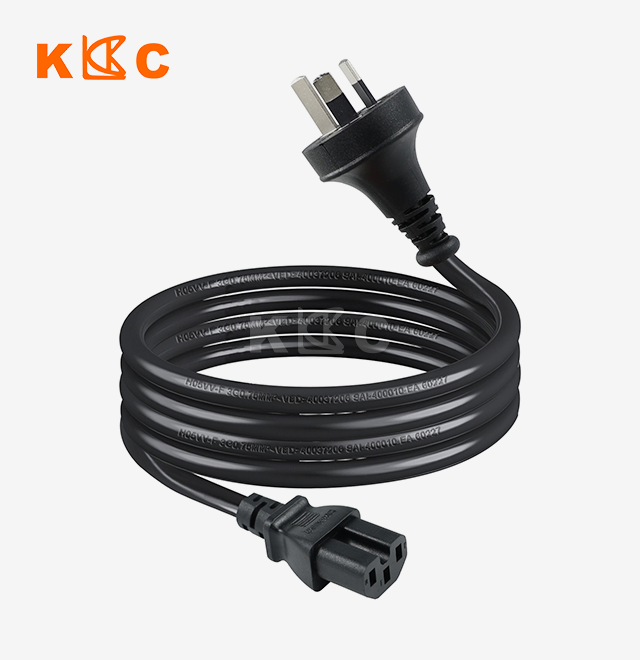
These days, holders have three important parts that work together. The socket base, which can be E14, E27, or B22, has precision-threaded contacts made of phosphor bronze alloys that keep their spring tension even when the temperature changes. Our European power lines that are VDE-certified have heat-resistant E14 plugs that can withstand temperatures up to 105°C. These sockets are designed to stop the contact relaxation that leads to loose connections in high-temperature settings. The conductor pathway is made of 0.75mm² dual-conductor construction with H03VVH2-F or H05VVH2-F wire types. This gives installers freedom while also protecting the structure from unexpected pulls that could reveal live conductors.
The inline switch assembly is another engineering factor that is often forgotten when buying things. Our 303 inline switches can handle 2.5A at 250V and have silver-alloy contacts that stop the arcing damage that happens with cheaper parts. This seemingly small requirement stops switches from breaking down too soon, which leads to repair calls and problems with supplies.
Material Science Advantages
When socket bodies are made from thermoplastic materials that meet UL94 V-0 flammability standards, they don't catch fire and keep their shape even when the temperature changes. Ceramic options are used in specific situations where the working temperature is higher than 250°C, but they are fragile and need to be installed with care. The stainless steel butterfly clips we use in our designs make mounting safe and strong, even in places where there is a lot of shaking, where regular clips slowly come loose, causing safety issues and lamp fails to happen more quickly.
Operational Flexibility Benefits
When electrical boxes are in awkward places during renovations, corded holders work better than fixed sockets. Because the lengths can be changed from 1.5m to 1.8m, extension connections are not needed, which would add more places where things could go wrong. It saves facility managers a lot of time during installation—a corded holder only takes minutes to set up, while hardwired fixture changes take hours. This adaptability is especially useful for short-term installations like those used for events, building sites, or holiday displays where fixed fixtures wouldn't work.
How to Choose the Best Light Bulb Holder with Cord for Your Commercial Needs?
When procurement workers look at socket options, they have to consider dozens of specifications. However, there are three things that really matter for long-term performance. The heat function and lifespan of a material depend on what it is made of. Certification compliance makes sure that all target markets are accepted by regulators. Customization features let you align with the needs of a specific project without having to use expensive workarounds.
Critical Selection Criteria
The voltage capacity must be higher than the estimated loads by a large enough amount to be safe, and for light bulb holder with cord, our 250V rating works for foreign and European projects, but 125V configurations may be needed for North American jobs, and the gauge of the wire directly affects how much current it can carry, and conductors that are 0.75 mm² can safely handle most decorative and task lighting loads, but heavier gauges are needed for high-wattage uses to keep the voltage from dropping and the insulation from wearing down. Our 250V rating works for foreign and European projects, but 125V configurations may be needed for North American jobs. The gauge of the wire directly affects how much current it can carry. Conductors that are 0.75 mm² can safely handle most decorative and task lighting loads, but heavier gauges are needed for high-wattage uses to keep the voltage from dropping and the insulation from wearing down.
Indoor-rated holders are different from those that can be used outside or in factories because they are not compatible with certain environments. IP67/IP68-rated parts can handle water getting in when they are used outside in covered areas, but when they are completely open to the weather, they need extra weatherproofing. Chemical resistance is very important in factories where cleaning solvents or process chemicals come into contact with electrical parts.
Market Segmentation Analysis
There are two types of sockets on the market: consumer-grade goods made for home use and commercial-specification parts made to run continuously. Consumer devices usually use thinner wires, plastics that don't melt at high temperatures, and simpler contact designs that work fine for occasional use but tend to break down quickly in commercial duty cycles. Commercial holders are built to last and have been proven to do so through accelerated lifecycle testing, which simulates years of use to find potential failure modes before the products reach customers.
Holders that work with LEDs meet the specific needs of modern lighting technology. LEDs don't make as much heat as incandescent bulbs, but their drivers do make electromagnetic pollution that needs to be properly grounded and shielded. The polarized C7P connector choice makes sure that the neutral wire is aligned, which stops ground loops that can cause flickering or driver failure before they should in sensitive setups.
Supplier Evaluation Framework
Third-party certificates show that a maker is serious about quality, going beyond just saying they comply. Every year, our CE, VDE, and RoHS certifications are checked to make sure that certified samples and production units are the same. This is different from suppliers who give certification documents for prototypes but ship production batches that aren't certified.
Warranty coverage shows that the company that made the product trusts it to work well. Kuncan Electronics guarantees a one-year warranty against problems caused by manufacturing errors and backs this up with structured processes for quick replacement or repair. This guarantee is especially helpful for big setups where early failures cost a lot in work costs on top of the cost of replacing parts.
Installation and Maintenance Guide for Light Bulb Holders with Cord
The right way to put something has a direct effect on its safety and durability. We've seen that about 60% of early socket failures are caused by mistakes in the installation process rather than problems with the parts. By learning the right way to do things, you can avoid these problems and set up care habits that will extend the life of your equipment.
Step-by-Step Installation Protocol
Start by using a non-contact voltage tester to make sure the circuit is turned off. Never count on the state of the switch alone. Check the holder for damage from shipping, especially stress cracks near the socket threads or conductor ends. To get the exact length shown by the terminal markings, strip the insulation off the wire until it's 8 to 10 mm long. Too much visible wire can cause shocks, and not enough insertion can make the bond less secure.
Protect the wires by using terminal screws that are tightened to the manufacturer's instructions, and for light bulb holder with cord, be careful not to over-torque the screws, as this can damage the threads or the case, and our automatic production quality makes sure that the terminals are crease-free, but field connections need to be done carefully, and when routing cords, make sure they don't have any sharp edges that could damage the insulation over time, and also make sure they are secured with the right clips that spread stress across the cable jacket instead of concentrating it at the connection points. Be careful not to over-torque the screws, as this can damage the threads or the case. Our automatic production quality makes sure that the terminals are crease-free, but field connections need to be done carefully. When routing cords, make sure they don't have any sharp edges that could damage the insulation over time. Also, make sure they are secured with the right clips that spread stress across the cable jacket instead of concentrating it at the connection points.
Troubleshooting Common Issues
Usually, intermittent operation means that the connections are loose or the contacts are wearing down. Check the lamp's condition and tighten all the terminal screws before replacing the holder. When problems keep happening, they should be replaced instead of being fixed, which could put people in danger. If the insulation on a cord gets damaged, it needs to be replaced right away. Electrical tape fixes pose fire risks that are not accepted in business settings.
Too much heat at the socket bodies could mean that the circuits are overloaded, the lamps are not suitable, or the wattage values are being exceeded. Our 105°C temperature standard gives a lot of safety cushion for certain loads, so heating that isn't normal means there are problems that need to be looked into. Thermal cameras make it easier to figure out what's wrong with big systems by showing hot spots before they break.
Maintenance Best Practices
Visual checks every three months find problems before they get bad enough to cause crashes. If the building or equipment has been changed, check the cord route for any new chafing spots. Check that the switch still works clearly and doesn't have too much play, which could mean the contacts are worn. Every year, use compressed air to clean the threads on a socket to get rid of the dust that builds up and keeps heat in and speeds up corrosion.
Write down everything that needs to be done for maintenance. This will create a baseline of data that shows trends across all building installations. This record of the past helps make decisions about how often to replace things based on data and shows where installations aren't working right and need to be fixed.
Procurement Insights: How to Source Durable Light Bulb Holders with Cord?
Strategic sourcing weighs the instant costs of purchase against the long-term costs of ownership, such as repairs, replacements that are needed too soon, and the effects of downtime. When purchasing managers only look at the unit price, they often find that savings that seem to be there disappear when they take into account all of the costs.
Purchasing Channel Evaluation
As a wholesale wholesaler, you can easily get your hands on well-known product lines that are always available and priced the same way. This method works for projects with standard needs and enough time to follow standard fulfillment steps. Direct relationships with manufacturers are better for applications that need technical advice while the specifications are being made, when buying in bulk, or when the specifications are being customized.
Kuncan Electronics focuses on OEM/ODM services, offering customizable cable lengths and retail-ready header card packing that cuts down on the cost of extra processing. Our sample production takes 3–7 days, which lets you make quick prototypes. Our large production timelines of 15–25 days keep projects on track without having to pay too much for supplies. We are based in Dongguan and offer a range of logistics choices that ensure low freight costs and reliable delivery plans that are tailored to each customer's needs.
Cost Structure Analysis
Material makeup is the main factor that affects costs. Copper conductors, temperature-resistant plastics, and corrosion-resistant fasteners all have much higher raw material costs than common options. Certification testing adds a lot to the cost of development, but ethical companies spread those costs out over many products. Customization adds costs for casting for private molds, but these set costs are spread out over a large number of orders and become almost invisible when large orders are placed.
Knowing about these things helps procurement teams think critically about quotes, and for light bulb holder with cord, usually, suspiciously low prices mean that the products aren't up to par, there aren't any certifications, or the manufacturing process was sped up, which creates legal risks, and our clear price reflects real investments in quality, and we stay competitive by making manufacturing more efficient and improving the supply chain. Usually, suspiciously low prices mean that the products aren't up to par, there aren't any certifications, or the manufacturing process was sped up, which creates legal risks. Our clear price reflects real investments in quality, and we stay competitive by making manufacturing more efficient and improving the supply chain.
Emerging Market Trends
Sustainability factors are becoming more and more important in purchasing decisions. Eco-friendly materials, like halogen-free insulation compounds and thermoplastics that can be recycled, cost a little more but help the environment. We can meet these needs by offering a range of materials, such as PVC, TPE, rubber, and LSZH, in specs that are unique to each project.
Vintage-style holders have specific uses in shop and dining settings where looks are important in addition to functionality. Modern safety standards are met by these designs, which also look like they belong in the right time period and support larger design themes. We can customize your order with decorative finishes and special cord coverings that combine old-fashioned looks with modern performance.
Case Studies and Application Scenarios
Performance data from the real world gives us more information than theory specs alone. We've helped a number of different projects show how choosing the right holders can affect practical results.
Manufacturing Facility Upgrade
A pharmaceutical company replaced 847 fixtures in three production buildings with better ones. The old holders were made for consumers and broke down 12% of the time. The corded design made it easier to replace parts, which cut the average repair time from 47 minutes per fixture to 11 minutes. During the 18-month evaluation period, the cost of repair work dropped by 68%, and unplanned downtime due to lighting problems stopped happening altogether. The improved holders are made of ceramic, which can handle the high temperatures and chemical exposure that come with making medicines. CE approval made sure that European operations followed the rules.
Retail Chain Standardization
A specialty store chain put our E27 holders with inline switches in all 214 of its stores so that it would be easier to handle supplies and require less training. The foolproof design stopped installation mistakes that used to raise safety concerns and require more service calls. Store managers said that customers were happier because replacing lamps was easier and staff without special training could do it with confidence. The store then added more types of fixtures to the standardization program, showing that they were confident after seeing how well it worked in the past.
Smart Building Integration
Our holders were built into an office building that had a building management system that ran 3,200 lights over 890,000 square feet. The system looks at patterns of current draw to figure out when lamps will fail and replace them before they do. This is done during off-hours. By using predictive maintenance, repairs that happened during the day were no longer needed, and the inventory of lamps was improved. The project shows how old-fashioned parts can work with new technologies to make infrastructure assets more flexible as business plans change.

Conclusion
Parts of commercial lighting systems need to be designed to be reliable, safe, and work efficiently. Durable light bulb holders with cords meet strict performance standards and offer the flexible connectivity that modern buildings need. Our VDE-approved solutions have a build that can withstand temperatures up to 105°C, inline switches that can handle 2.5A at 250V, and flexible designs that can be made in lengths from 1.5m to 1.8m. Besides the initial cost of acquisition, strategic procurement looks at things like material quality, certification compliance, and the supplier's abilities. The best way to extend the life of something is to put it in correctly and keep it in good shape. Case studies from the retail, business real estate, and manufacturing sectors show that quality holders cut down on maintenance costs and downtime while serving both traditional operations and new smart building technologies.
FAQ
Are these holders compatible with LED bulbs?
Our holders can hold both old-fashioned light bulbs and newer LED bulbs that meet the required power and wattage levels. To make sure an LED works with a driver, you need to make sure that the socket voltage ratings match the driver output characteristics. The E14 and E27 sockets work with standard LED bulb bases, and making sure the circuit is properly grounded stops electromagnetic interference that can cause flicker in some installations. To make sure that bulbs and holders work well together, procurement teams should compare the bulb's specifications to the holder's scores.
What certifications should I require for commercial applications?
When something has CE certification, it means it meets European standards for health, safety, and the environment. When something has VDE certification, it only meets electricity safety standards. RoHS compliance limits the use of dangerous materials, which supports environmental duty and many places' legal requirements. For markets in North America, UL approval ensures fire safety and good electrical efficiency. Kuncan Electronics has full CE, VDE, and RoHS approvals that are checked every year to make sure they are still valid. This makes sure that all of their production batches are compliant.
What lifespan can I expect from quality holders?
Professional-grade holders can handle more than 50,000 insertion cycles if they are installed correctly and kept up to rated standards. Extreme temperatures, water exposure, and chemical interactions are all environmental factors that have a big effect on life. Our automated production quality and 100% electrical testing make sure that the products are always reliable, and the one-year guarantee protects against problems caused by manufacturing. Service life is increased by using the right installation methods and performing regular upkeep. Many industrial installations can run continuously for 7 to 10 years before they need to be replaced.
Partner with a Trusted Light Bulb Holder with Cord Manufacturer
Kuncan Electronics has been making high-quality electronics for 17 years and can help with business lighting projects that need reliable socket solutions. As a VDE-certified light bulb holder with cord supplier, we offer high-quality parts that are backed by full CE, VDE, and RoHS certifications. Our customization options, such as cord lengths that can be changed, specialized materials, and private marking, allow us to meet the specific needs of each project without sacrificing quality. Fast sampling (3–7 days), competitive production cycles (15–25 days), and flexible logistics that can handle both large installations and small-batch replenishment orders are all good for procurement managers. Facility managers, electrical contractors, and resellers can email our technical team at rhea@szkuncan.net to get personalized specs, sample requests, and quotes on large orders. Change your lighting system with tried-and-true options made for tough business settings; work with Kuncan Electronics, where accuracy and dependability are built into every connection.
References
1. National Electrical Manufacturers Association (NEMA). Standards Publication for Lampholders and Lamp Socket Assemblies. Washington, DC: NEMA, 2019.
2. International Electrotechnical Commission. IEC 60238: Edison Screw Lampholders - Technical Specifications and Safety Requirements. Geneva: IEC, 2018.
3. Underwriters Laboratories. UL 496 Standard for Safety: Lampholders for Electric Lamps. Northbrook, IL: UL, 2020.
4. European Committee for Electrotechnical Standardization. EN 60598: Luminaires - Part 2-1: Particular Requirements for Fixed General Purpose Luminaires. Brussels: CENELEC, 2021.
5. American National Standards Institute. ANSI C136.41: Roadway and Area Lighting Equipment - Dimensional and Electrical Compatibility. New York: ANSI, 2017.
6. Illuminating Engineering Society. IES LM-79-19: Approved Method for the Electrical and Photometric Measurements of Solid-State Lighting Products. New York: IES, 2019.

USER EVALUATE
Here is the customer's evaluation of us