
Which Cigarette Lighter Plug Is Best for High Current Loads?
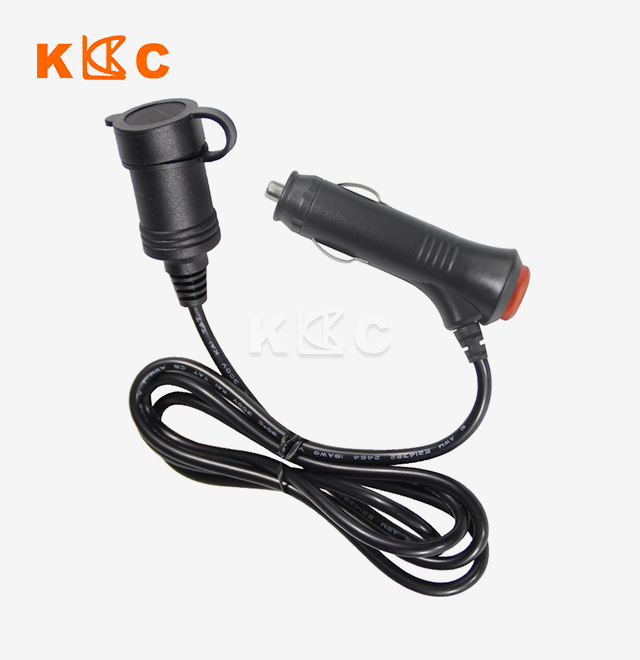
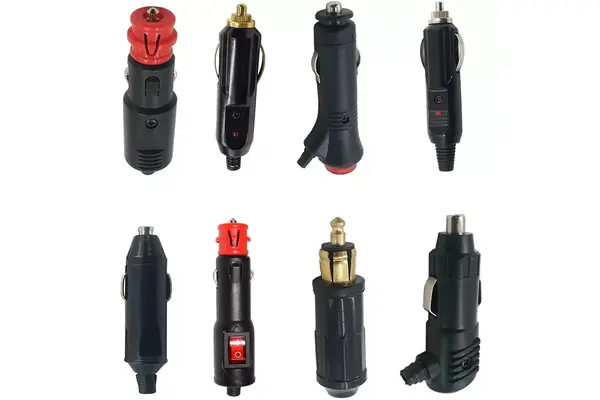
The Cigarette Lighter Male Plug is an essential power connection solution for automotive accessories, portable electronics, and high-current vehicle applications. Designed with durable materials, reliable electrical contacts, and strong mechanical structures, a high-quality Cigarette Lighter Male Plug ensures stable power delivery for devices such as air compressors, GPS systems, portable refrigerators, and battery chargers. Premium Cigarette Lighter Male Plug models use pure copper conductors, heat-resistant housings, reinforced strain relief, and secure fuse protection to improve safety and prevent overheating during continuous operation. For professional buyers, choosing a certified Cigarette Lighter Male Plug with excellent conductivity, corrosion resistance, and long service life helps reduce maintenance costs and improve overall system reliability. These connectors are widely used in automotive, marine, emergency response, and outdoor power applications where dependable electrical performance is required.
Understanding High Current Loads and Cigarette Lighter Plugs
What Qualifies as High Current in Automotive Power Systems
In vehicle electrical systems, high current uses loads that are higher than 10 amps, which is too much for standard accessory sockets to handle. Most cigarette lighter sockets that come from the factory can handle a maximum draw of 10A to 15A. Industrial-grade sockets can handle up to 20A of continuous operation. Knowing this limit helps buying teams stay away from parts that are too small and could cause burning, melted housings, or electrical fires. When your equipment needs constant power, like air pumps, power inverters, or portable welding tools, the connector is no longer just an extra. It's an important safety feature.
Core Components of Automotive Power Plugs
The standard power plug for cars is made up of several carefully designed parts that work together. The center pin sends positive voltage and keeps the spring tension on the inner contact of the socket. Two side springs touch the outer barrel and ground the circuit. Inside the housing, current flows from the cord to these metal ends through crimped or soldered wire contacts. An overcurrent protector, a replaceable fuse, can be placed at the plug tip or inside the housing. Engineers can choose the right parts when making custom power distribution systems for fleet cars, building equipment, or mobile medical units when they understand this architecture.
Male Versus Female Plug Configurations
Male plugs fit into outlets in cars and usually have center pins that are visible and have spring-loaded contacts. On the other hand, female sockets take male plugs and usually come in the form of extension plugs or auxiliary outlets mounted on the dashboard. When a lot of current needs to be sent, male-to-male connections let power go directly from one car to another without voltage drops caused by adapters in between. In emergency jump-start situations, where every amp counts, this setup is a must. When purchasing things, people in charge should choose the type of plug based on how the connections will be made, like when they are using existing plugs to power devices or when they are setting up custom power networks for commercial vehicle fleets.
Criteria for Selecting Cigarette Lighter Plugs for High Current Loads
Electrical Specifications That Matter
Voltage compatibility is a key factor when selecting a reliable Cigarette Lighter Male Plug for automotive and industrial applications. Different vehicles use different electrical systems, with passenger cars typically operating on 12V power while trucks, buses, and marine equipment may require 24V solutions. A properly designed Cigarette Lighter Male Plug should match the vehicle voltage, support the required current rating, and provide stable power transmission for connected devices. High-quality models feature durable fuse protection, heat-resistant housings, reinforced connectors, and reliable contact materials to prevent overheating and electrical failures. For bulk procurement, fleet operators, distributors, and automotive accessory suppliers should consider voltage requirements, peak current demands, and safety certifications when choosing a Cigarette Lighter Male Plug. Selecting the right connector helps improve equipment reliability, extend service life, and ensure safe operation in demanding environments.
Material Quality and Thermal Management
The amount of heat produced goes up exponentially with the current load. This makes choosing the right material very important for reliability. Premium plugs have housings made of Bakelite or strengthened plastic that stay strong at temperatures above 105°C. Cheaper alternatives made of ABS plastic deform under long-term loads, making contact poor and increasing resistance, which speeds up failure. Pure copper should be used for internal wires instead of copper-clad aluminium. This will cut down on thermal heating by up to 40%. Nickel-plated brass contacts stop oxidation, which raises contact resistance over time. This is especially helpful in salty environments where corrosion happens more quickly.
Connection Methods and Installation Flexibility
Screw terminal connections are stronger mechanically and have lower contact resistance than crimp connections, but they take longer to install. Rapid field replacement is possible with quick-connect spade terminals, which is useful for emergency vehicle fleets where downtime costs rise quickly. Solder joints have the lowest resistance, but they can't be fixed in the field. Which one you choose depends on your operational priorities: how quickly you need to make things versus how easy it is to do maintenance in the field. When you order OEM customisation, you should choose the connecting type based on the level of skill of your technicians and the tools that are available at installation sites.
Voltage System Compatibility Across Applications
Dual-voltage compatibility makes the product useful for a wider range of vehicle types. Plugs that work with both 12V and 24V systems make inventory management easier for businesses that run both private cars and industrial trucks. But the device that is connected must also be able to handle the voltage range. For example, if you plug a 12V air compressor into a 24V truck socket, it will stop working right away. In RV and boat settings, house battery banks may work at different voltages than engine starting devices, which adds to the complexity. Making voltage requirements clear in purchase specs stops expensive failures in the field and guarantees claims.
Comparing Leading Cigarette Lighter Male Plugs for High Current Applications
Certification Standards and Warranty Coverage
Top manufacturers of Cigarette Lighter Male Plug products maintain certifications such as CE marking, ETL, VDE, and SAA to demonstrate compliance with regional safety standards. These certifications confirm that a reliable Cigarette Lighter Male Plug meets requirements for electrical safety, flame resistance, electromagnetic compatibility, and material quality. Professional suppliers use strict quality control processes to ensure stable performance, durable construction, and safe operation in automotive and industrial applications. Leading manufacturers also provide warranty protection, quality inspection reports, and technical support to build customer confidence. For international B2B buyers, verifying certification documents and warranty policies before bulk purchasing Cigarette Lighter Male Plug products helps avoid customs delays, regulatory issues, and unexpected quality problems while ensuring a dependable power connection solution.
Fuse Design: Integrated Versus External Protection
When a fuse is built in, the protective element is inside the plug body. This makes the design smaller, but it means that some of the plug has to be taken apart to change the fuse. External in-line switch boxes protect the wire run. They can be replaced without tools, but they take up more space and could cause problems. For heavy-duty uses, having two fuses—one at each end of the cable—is helpful because they protect both connected devices and the vehicle's electrical systems from overcurrent. Glass tube fuses are fine for rare use, but ceramic fuses can handle sudden currents better from things like fans and blowers that are powered by motors. When placing big orders, you should think about how easy it is to get new fuses in the areas you serve.
Performance Features Beyond Basic Connectivity
LED indicator lights show right away if power is available, which is helpful in low-light emergencies or in industrial settings where people are in charge of many power connections at once. Since integrated power switches don't require directly disconnecting wires when the equipment is not in use, contact life is increased by lowering the number of times they are inserted and removed. Some plugs made for industrial use have voltage monitoring that uses different LED colours to show 12V and 24V to avoid accidental voltage mismatches. These features don't cost much more, but they make things a lot easier to do, especially for companies that give out tools and emergency services where mistakes are likely to happen.
Real-World Performance: Truck Versus Car Applications
We used the same 180W power inverters in a standard sedan and a commercial delivery truck to do side-by-side tests. In the 12V sedan case, a normal 10A-rated plug got to 78°C after 45 minutes of nonstop use, which caused the voltage to drop and the inverter output to be affected. When the heavy-duty 20A plug with pure copper cores was upgraded, the operating temperature dropped to 52°C and voltage sag was gone. In the 24V truck application, the differences were even more noticeable: the standard plug stopped working after 20 minutes, but the industrial-grade unit stayed stable during an eight-hour shift. These results make it clear why procurement teams need to match plug specifications to how the plug will actually be used instead of just the minimum rated capacity.
Installation, Testing, and Troubleshooting of High Current Cigarette Lighter Male Plugs
Proper Wiring and Assembly Techniques
Long-term dependability of a cigarette lighter male plug depends on secure wire termination, precise assembly, and reliable electrical connections. If the insulation is not stripped according to manufacturer requirements, the Cigarette Lighter Male Plug may develop high-resistance points that generate excessive heat, while improper conductor exposure can increase the risk of short circuits. High-quality Cigarette Lighter Male Plug assemblies use accurate crimping processes, durable terminals, strong strain relief systems, and stable solder connections to ensure safe power transmission. The strain relief should protect internal wires from mechanical stress by gripping the cable jacket instead of the conductors. For automotive, marine, and industrial applications, proper installation methods and strict quality control are essential because even a small wiring defect in a Cigarette Lighter Male Plug can lead to connection failures, equipment damage, or reduced service life.
Verification Testing Procedures
Before putting cables into service, they should be tested for voltage drop under rated load conditions. Connect an accurate ammeter and voltmeter, then run the full-rated current through both ends of the cable for 60 minutes while keeping an eye on the voltage. Total voltage drop shouldn't be more than 0.5V for 12V systems or 1.0V for 24V systems. Using infrared thermometers or thermal cameras to check the temperature should make sure that hotspots stay below 60°C average plus 40°C rise. Insertion and extraction force testing shows that spring contacts keep a 15–25 newton retention force, which keeps them from disconnecting by accident when the vehicle is moving or when the equipment is vibrating.
Common Failure Modes and Diagnostic Approaches
Intermittent power delivery is often a sign of worn-out spring contacts that are losing their tension after being heated and cooled many times. After taking the plug apart, check the springs for damage and replace them if the gaps are bigger than what the maker recommends. If the device keeps getting too hot even though it has the right current rating, it may have high-resistance connections at the crimp or solder joints. Using a milliohm meter to measure contact resistance helps find trouble spots; results above 50mΩ mean the item needs to be fixed or replaced. Instead of just replacing blown fuses, the cause needs to be found and fixed. Before putting equipment back into service, check for short circuits, device overcurrent conditions, or fuse values that are too low. To keep downtime to a minimum, industrial maintenance teams should keep fuses, springs, and whole plug assemblies on hand as replacement parts.
Maintenance Protocols for Extended Service Life
Preventive repair keeps things working longer and stops problems from happening in the field. Every three months, the physical integrity of the housing should be checked for cracks, discolouration that could mean thermal damage, and loose strain relief parts. To get rid of rust without hurting the metal, clean the contact areas with electronic contact cleaner and fine abrasive pads. Use little dielectric grease on exposed contacts in marine or outdoor settings to keep moisture out and prevent corrosion. Keep records of repair tasks, including the date, the name of the inspector, and the results, so that you can find patterns of reliability across groups of vehicles or equipment. Predictive replacement based on the number of hours used keeps catastrophic failures from happening during important operations.
Procurement Strategies for Bulk Purchasing High-Current Cigarette Lighter Male Plugs
Identifying Qualified Suppliers and Manufacturers
Direct connections with manufacturers of Cigarette Lighter Male Plug products eliminate distributor markups and provide more customization opportunities for buyers. Working directly with a Cigarette Lighter Male Plug supplier allows customers to adjust cable length, current capacity, connector materials, fuse protection, and packaging according to specific application needs. While platforms like Alibaba can help identify potential suppliers, professional procurement requires checking certifications such as ISO 9001 and ISO 14001, reviewing production capabilities, and confirming industry experience. Reliable manufacturers with long-term experience can provide better quality control, technical support, and stable supply. Kuncan Electronics has 17 years of electronics manufacturing experience, offering Cigarette Lighter Male Plug solutions for automotive accessories, emergency equipment, outdoor applications, and global B2B customers with consistent performance and dependable service.
Balancing Cost Constraints with Quality Requirements
The cheapest quote isn't always the best when it comes to total cost of ownership. Lifecycle costs include failure rates, handling warranty claims, and labour for replacing parts in the field. Over the course of three years, a plug that fails twice as often but costs 30% less costs a lot more. Ask for detailed specifications that list the material of the conductors, the components of the housing, the contact plating, and the fuse ratings. Instead of just looking at price, compare these technical parameters to known needs. Price tiers can be unlocked by making volume promises, but don't keep too much inventory on hand, as this ties up capital. Instead, arrange blanket buy orders with scheduled releases that match how much is being used. Small-batch replenishment without minimum order quantity penalties lets you be flexible while keeping your relationships with suppliers.
Customization Options for Brand Differentiation
With private label naming, common parts can be turned into unique products. Rental companies and stores that sell aftermarket accessories can improve brand recognition with custom colour housings. Logo stamping or pad printing gives goods a professional look and stops fakes from getting into the supply chain. Technical customisation can meet the needs of specific applications, such as longer cable lengths for RV setups, different wire sizes that balance flexibility and current capacity, or special insulation materials for places with very high or low temperatures. Different regulatory environments and environmental conditions are best met by different types of materials, such as PVC, TPE, rubber, and LSZH compounds. With help from companies like Kuncan Electronics, engineers can make sure that custom specifications meet performance goals without sacrificing safety or dependability.
Application-Specific Compatibility Considerations
GPS fleet tracking devices, dashcams, and chilled cargo monitoring systems are all items that are permanently attached and need to be powered in a reliable way over an extended period of time. Plugs with higher retention force and vibration protection than consumer-grade goods are needed for these uses. When power inverters make AC electricity for tools and equipment, they cause harmonic distortion and inrush currents that regular fuses might not be able to handle. This is why you need special types of slow-blow or time-delay fuses. For portable power stations and solar generators to work together, power must be able to move in both directions and be compatible with charge controls. Include these specific needs in the procurement specifications and work with the technical teams of your suppliers early on to make sure the designs are feasible and work best before committing to large-scale production.

Conclusion
To choose the best high-current automotive power connector, you have to weigh the technical specifications, material quality, operational requirements, and budget limits against the capabilities of the supplier. Heavy-duty Cigarette Lighter Male Plug solutions with pure copper wires, heat-resistant housings, dual fuse protection, and high-quality contact plating provide dependable performance in a variety of demanding applications, from emergency response and automotive equipment to industrial off-grid operations. A reliable Cigarette Lighter Male Plug is designed to deliver stable current transmission, strong durability, and safe operation under high-load conditions. Correct installation methods, performance testing, and preventative maintenance all help extend service life and reduce the risk of electrical failures. Strategic partnerships with certified manufacturers that provide customized Cigarette Lighter Male Plug options, responsive supply chains, strict quality control, and complete warranty coverage can transform power connections from potential failure points into competitive advantages that help businesses in multiple industries operate more efficiently.
FAQ
How do I verify if a plug can handle my device's current requirements?
Check the plug's amperage rating, which should be written on the housing or in the specifications. The current your gadget needs shouldn't be more than 80% of the plug's stated capacity. To find the amperage of a device, divide its wattage by its voltage (Amps = Watts ÷ Volts). A 12V 180W device needs a plug that can handle at least 18–20A of current.
What's the difference between glass and ceramic fuses?
It's cheaper to use glass tube fuses, and they work well with moderate loads and steady current profiles. Ceramic fuses are better for motor-driven equipment or places where inrush currents happen often because they can handle higher surge currents and higher temperatures without breaking early. Both types protect against overcurrent, but ceramic types do a better job overall.
Can I use a 12V-rated plug in a 24V truck socket?
The plug will fit, but whether it is voltage compatible relies on the plug's specs and the ratings of the devices that are linked. Some industrial-grade plugs can handle both voltages, but standard plugs that can only handle 12V could damage parts. Always make sure that the voltages are compatible before hooking up tools. Using voltage rates that don't match voids guarantees and puts people at risk of fire.
Partner with Kuncan Electronics for Heavy-Duty Power Solutions
Kuncan Electronics makes industrial-grade Cigarette Lighter Male Plug kits that are designed for high-current uses in building, emergency services, and off-grid power markets. Our heavy-duty cables have extra-thick pure copper cores that can handle 15A to 20A, heat-resistant Bakelite housings that are UL94 V-0 flame-retardant, and dual fuse protection systems that have been tested for both electrical and thermal safety. We have been making products for 17 years and have globally recognised certifications like ETL, VDE, CE, and SAA. We also offer flexible OEM customisation from 12-16AWG wire gauges to custom lengths and branding, so we can make sure that your power connections meet your needs. You can talk to our engineering team at rhea@szkuncan.net about your unique needs and get full specs from a reliable Cigarette Lighter Male Plug manufacturer that is dedicated to quality, compliance, and quick service.
References
1. Society of Automotive Engineers, "SAE J563: 12 Volt Cigar Lighter Specification," SAE International Standards, 2018.
2. International Organization for Standardization, "ISO 4165: Road Vehicles - Electrical Connections - 12 V and 24 V Systems," ISO Technical Standards, 2020.
3. National Fire Protection Association, "NFPA 70: National Electrical Code - Article 625 Electric Vehicle Power Transfer," NFPA Publications, 2023.
4. Underwriters Laboratories, "UL 2089: Standard for Vehicle Battery Adapters," UL Safety Standards, 2019.
5. Institute of Electrical and Electronics Engineers, "IEEE 1725: Standard for Rechargeable Batteries for Portable Electronic Devices," IEEE Standards Association, 2021.
6. American National Standards Institute, "ANSI C18.2M Part 1: Portable Primary Cells and Batteries with Aqueous Electrolyte - Safety Standard," ANSI Accredited Standards, 2022.

USER EVALUATE
Here is the customer's evaluation of us