
How a Cigarette Lighter to Alligator Clips Cable Works in Cars?
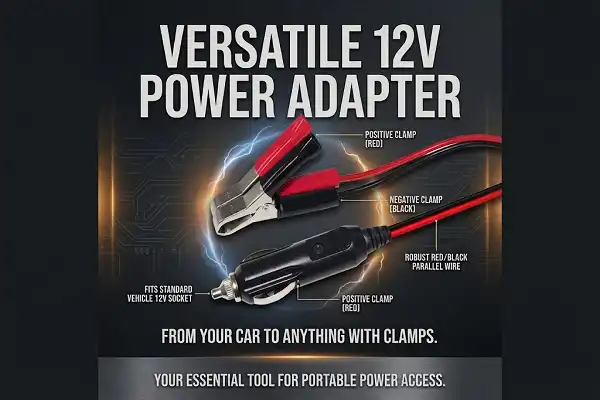
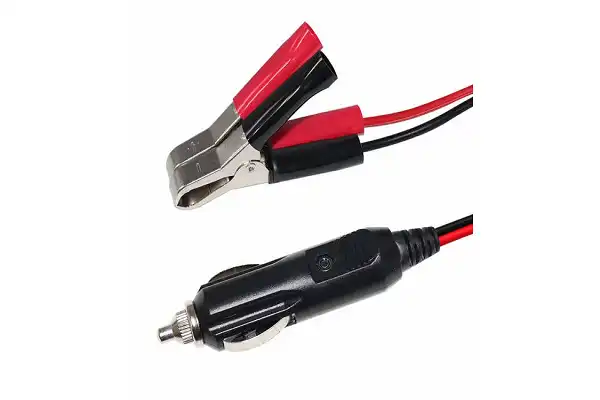
With a cigarette lighter to alligator clips wire, the 12V accessory plug in your car can be used as a variety of power outlets. One end of the wire has a normal cigarette lighter plug that will connect to your car's electrical system and get power. Insulated alligator clips on the other end let you connect securely to battery connections or other power sources. This setup gets around the limits of the panel sockets and sends steady current to devices that need it, like tire inflators, power inverters, and diagnostic equipment. The design of the red and black wires makes sure that the polarities are matched correctly, and the built-in breakers protect against overcurrent situations.
Understanding the Basics of Cigarette Lighter to Alligator Clips Cables
Core Components and Construction
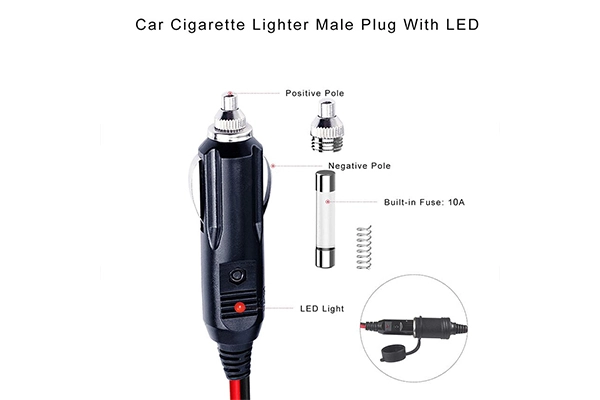
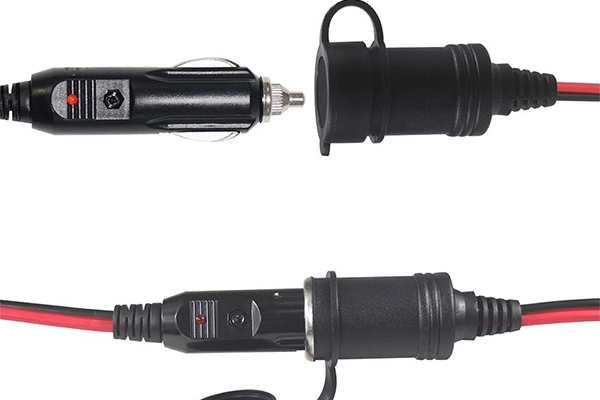
There are three important parts that work together to make up these power switch cords. The cigarette lighter plug fits into normal 12V car sockets and has an outer ground cylinder and a spring-loaded middle contact. Copper wires that are strong (16AWG or 14AWG) make up the circuit path. These wires are chosen because they have low resistance and can quickly remove heat. Copper-plated alligator clips at the lead end give a good electrical connection and a strong mechanical grip. Good makers put inline fuse holders along the length of the cable to protect both the devices that are attached and the vehicle's electrical systems from short circuits.
Professional wires from well-known brands have copper leads that don't contain oxygen. This keeps the voltage drop as low as possible over long distances. The insulation jacket, which is usually made of PVC or TPE, can handle temperatures ranging from -40°C to +80°C and still stay flexible in bad weather. The red and black color-coded zip cord design stops polarity reversal, which is an important safety feature for connecting sensitive electrical equipment.
Primary Applications in Automotive and Industrial Settings
Direct link to the battery fixes problems with power transfer that dashboard sockets can't. For emergency roadside help, fleet maintenance companies use these cables to power heavy-duty air compressors that need surge currents that are higher than what a normal socket can handle. Workshops can use portable power outlets without having to make lasting changes to the wiring, which lets diagnostic tools work in more than one car bay.
Off-grid fans and mobile workers can use this adapter to connect DC-to-AC transformers, which turns car batteries into temporary power stations. At remote work sites or camping, the setting lets you charge your laptop, use your camera gear, and run small appliances. Marine uses include charging navigation systems on boats that don't have their own extra outlets, and farming equipment users connect GPS units and sprayers to tractor batteries.
Safety Considerations and Compliance Requirements
The main safety feature in these wires is that the fuses are properly installed. Most setups have 10A, 15A, or 20A fuses near the cigarette lighter plug. These fuses are matched to the wire size and the load that is expected. This safety feature keeps the wire from getting too hot and creating a fire risk when devices are used beyond their recommended limit. Buyers should make sure that providers offer UL-approved fuse boxes with parts that are easy to swap out.
The choice of materials has a direct effect on the stability and safety gaps over time. RoHS and REACH-compliant materials get rid of harmful chemicals while still meeting performance standards. Cables that have been certified by CE, VDE, or ETL have been through a lot of tests to make sure they are safe for electricity, durable, and good at handling heat. These validations by a third party give buying teams faith in the reliability of the products they buy, especially when they are looking for things for business trucks or companies that sell industrial equipment.
How to Connect a Cigarette Lighter to Alligator Clips Correctly?
Step-by-Step Connection Methodology
Preparing the car is the first step in a proper fitting for a cigarette lighter to alligator clips adapter. To keep voltage spikes from happening during the link, turn off the engine and all electrical devices. Find the negative and positive battery connections. The negative terminal is usually marked with a minus sign or a red cover, and the positive terminal is usually marked with a black cover or a plus sign. Check the battery posts and alligator clips for rust or other things that could get in the way of electrical contact.
Make sure the spring-loaded device fully engages when you fully insert the cigarette lighter plug into the car's extra socket. Connect the red alligator clip to the positive end of the battery. Make sure the mouth is fully open and in the right place to make the most contact. Use the same care to connect the black clip to the negative end. Hold both clips tightly together. Loose connections create resistance, which leads to heat buildup and power loss that affects how well the device works.
Before turning on any linked equipment, make sure the polarity is right by comparing the colors of the wires to the markings on the terminals. Some cars have sockets for opposite polarity, but this is still not common in new cars. Start trying with low-power devices to make sure everything works right before adding high-current loads.
Troubleshooting Common Connection Issues
Most of the time, blown fuses are caused by devices drawing too much power for the wire to handle or by short circuits that only last a short time. Always change fuses with the same amperage ratings. Fuses that are too big take away security, while fuses that are too small cause annoying failures. To keep downtime to a minimum, keep extra fuses handy while working in the field.
When there is bad touch, the gadget may only work sometimes or not at all. Use a wire brush to clean the battery connections and get rid of the rust that blocks electricity flow. Check the mouths of the alligator clip for damage or low spring tension that makes it hard to hold on. Some heavy-duty clips have teeth that are serrated and can cut through surface rust. This makes the link more reliable in harsh settings.
Problems with voltage drop happen when the load is too heavy for the cable's length or diameter. Check the voltage at the device connection point and the battery ports. If the voltages are too different, the wires may not be big enough. This problem can be fixed by switching to wires with a thicker gauge or cutting their length. This is especially important for inverters and fans that need to keep a high current flow.
Battery Charging Capabilities and Limitations
These cords aren't meant to be used for charging, but rather as backup tools for maintaining batteries. Keeping stored car batteries in good shape can be done with low-amperage trickle charging from a proper battery charger connected through this adapter. The setup lets you charge without having to open the hood or in scenarios where installing a fixed charger wouldn't work.
Full-scale jump starting uses more power than most cigarette lighter circuits can handle. Most dashboard plugs can only handle 10 to 15 amps of power, which is not enough for cranking starter motors that need 100 amps or more. Heavy-duty models with 14AWG or thicker wire and 50A-rated clips can work with portable jump starts, but they need to be directly connected to the battery and not through the cigarette lighter plug at all.
Selecting the Right Cigarette Lighter to Alligator Clips Cable for Your Business
Critical Technical Specifications for Procurement
The amperage number for a cigarette lighter to alligator clips tells you the safest maximum current flow and the kinds of devices that can work with it. Standard tools like tire inflators and vacuum cleaners can be powered by a 10A wire. For heavier equipment, like power inverters up to 180 watts, a 15A cable is needed. Match the cable's rating to the job it's going to do, plus 20% for safety. For example, a device that constantly draws 12A needs a 15A-rated cable to work reliably over time.
The length of the cable affects both how well it works and how convenient it is. Shorter connections reduce power drop and resistance heating, but they make it harder to move the devices. Standard lengths of 3 feet work well for most car uses, letting you reach from plugs on the dashboard to battery connections. Longer models (6 or 10 feet) are better for workshops where power sources are farther away from work areas, but they need thicker wire sizes to keep the voltage going.
When choosing a wire gauge, you need to think about cost, freedom, and current ability. 18AWG wire is good for light-duty tasks with less than 5 amps of current, but it can't handle big loads for long periods of time. Professional-grade 16AWG wiring can handle 10 to 13 amps constantly, while 14AWG wiring can handle 15 to 20 amp loads. Oxygen-free copper wires work better than regular copper because they produce less resistance and heat, which is especially useful in industrial applications with a lot of cycles.
Certification and Compliance Standards
The ETL listing makes sure that the goods meet North American safety standards, which is necessary to sell them in the US and Canada. Independent lab tests proved that the certification covers electrical building, insulation qualities, and flame protection. Distributors that work with these areas should choose cables that are ETL-listed to avoid problems with customs and potential responsibility.
For products to be sold in Europe, they need to have a CE mark that shows they follow the Low Voltage and EMC Directives. VDE approval adds validation from the German safety authority, which is especially useful in industrial buying where reliability standards are higher than those for consumer goods. RoHS compliance gets rid of lead, mercury, and other banned chemicals. It is required for sales in the EU and is becoming more and more popular around the world as environmental rules get stricter.
Manufacturers who are ISO 9001 certified show that their quality management system is mature, which means that their production methods are uniform and can be tracked. This approval gives procurement teams confidence that the quality of large orders will be the same as the quality of samples. This cuts down on returns and customer complaints caused by variations. Kuncan Electronics has been making cables for 17 years, and all of their products meet high ISO standards and have CE, VDE, and ETL certifications. This gives your supply chain the compliance security it needs.
Evaluating Manufacturers and Building Supply Partnerships
Established providers who have been in business for ten years or more offer more security than newcomers to the market. Manufacturers that have been around for a long time have honed their production methods, built strong relationships with their suppliers, and shown that they can handle changes in the market financially. Check your production capacity. Plants that make more than 50,000 units a month make sure that there are always units available, even when demand goes up and smaller businesses are put under a lot of stress.
Full-service partners can customize OEM parts for cigarette lighter to alligator clips, which sets them apart from basic dealers. Look for companies that let you change the length of the cables, have the colors of the cables fit your brand, put your name on the connectors or jackets, and offer unique connector configurations. Costly design changes can be avoided with engineering help during the planning phase, and development services can be used to test ideas before investing in tools.
Beyond unit price, commercial terms have a big effect on the total cost of ownership. Volume discounts take into account economies of scale. Tiered pricing systems reward bigger pledges while still allowing for test sales. For at least a year, the warranty should cover problems with the way the product was made, and there should be clear repair processes to keep downtime to a minimum. After-sales expert support and helpful customer service teams quickly fix problems in the field, which protects your image when you're selling to end customers.
Use Cases and Future Outlook for Cigarette Lighter to Alligator Clips Cables in Automotive and Industrial Markets
Real-World Application Scenarios
Emergency roadside help situations show how useful they are right away. When a customer's tire loses pressure far from a service station, this wire powers portable compressors directly from the battery, taking 10 to 15 amps instead of going through the limited sockets on the dashboard. The straight link keeps the vehicle's fuses from blowing and provides stable voltage for quick inflation. This cuts down on time spent on the side of the road and improves safety.
As vehicles get more complicated, mobile diagnosis is a growing area of use. Oscilloscopes, multimeters, and scan tools that need clean 12V power sources away from car electrical noise are connected by professional techs. The adapter creates a separate power line that keeps readings correct by blocking alternator ripple and accessory load changes. In the same way, workshop settings benefit because multiple lines allow for multiple diagnostic units to work at the same time without making lasting changes to the facility.
For movable power, these cords are useful for outdoor activities and work that isn't connected to the grid. Campers use car batteries to power LED lights, charge devices with DC-USB adapters, or run portable freezers. In places where there isn't enough infrastructure, construction site leaders power measuring tools, communication devices, and temporary lights. The small size and easy operation of the cords make them usable by people who aren't tech-savvy while still providing professional reliability.
Emerging Technology Integration
Smart fuse technology for cigarette lighter to alligator clips is a big step forward in safety. Digital fuse devices constantly check the flow of current and let you know if there is too much current before a component fails. When devices are linked via Bluetooth, smartphones can be alerted when they go beyond safe working limits. This is useful for keeping an eye on equipment that isn't being used in security or industrial settings when no one is around.
Developing new materials helps them work better in harsh settings. Silicone rubber insulation stays flexible at -60°C, which means it can be used in more places, like the Arctic and high up. Fluoropolymer jackets can handle being exposed to chemicals in workplaces where wires are often touched by oil-based products, cleaners, or cleaning agents. These custom-made structures cost more, but they don't fail in the ways that regular wires do in harsh situations.
The move toward electric vehicles in the car business opens up new markets for battery interface products. Even though electric cars don't have cigarette lighter ports, secondary 12V systems still need to be serviced and diagnosed. As the fleet changes, techs will be able to use adapter connections that are linked to new connector standards to keep up with EV battery management systems, charging infrastructure, and accessory power distribution networks.
Business Benefits and Operational Impact
Less downtime directly leads to higher profits in fleet and industrial activities. When you have reliable power access tools, you don't have to leave important equipment waiting for external power sources or expert techs. If you buy a $30 wire, it can keep a $50,000 car or machine working, so you get your money back in the first emergency use.
Lower upkeep costs add up over time because electrical damage to vehicles is avoided. When adapter wires are properly joined, they protect sensitive electronic control units from voltage spikes and mistakes that cause them to lose power, which can be very expensive to fix. When techs use certified power accessories instead of sloppy connections that don't work, fleet managers see a drop in insurance claims and guarantee disagreements.
Better safety processes keep people and things safe. Direct links to the battery get rid of the dangers of tripping over extension cords and lower the risk of fire from dashboard plugs that are overloaded. Connection mistakes that hurt people or damage equipment can be avoided with clear polarity writing. These operational changes meet safety rules at work and show company responsibility, which are both important things to have when competing for service contracts with clients who care about safety.

Conclusion
Cigarette lighter to alligator clips cables are necessary for connecting portable equipment to car power systems in marine, industrial, outdoor, and automobile settings. When procurement workers know the right selection factors, like wire gauge, fuse protection, and certification compliance, they can find options that meet their business needs. Using oxygen-free copper conductors and temperature-resistant insulation in high-quality construction guarantees reliable performance in harsh settings, and maker certifications show that safety standards are met. These adapters will continue to be useful because mobile diagnostics, disaster preparedness, and working off-grid are all becoming more important. They are a great addition to professional tool collections and business supply lines that need reliable ways to connect.
FAQ
Can I safely leave the cable connected to my battery for extended periods?
How well an extended link works relies on how it is set up and how much load it is carrying. Cables that power trickle chargers or battery maintainers can stay attached safely for weeks while the car is being stored because these devices have charge termination hardware that stops the batteries from getting too charged. If the wires are properly fused, leaving them attached when there are no active loads on them doesn't pose much of a risk. However, they should still be checked for rust or insulation degradation on a regular basis. When connecting devices that draw power all the time, like security systems, the connections need to be carefully matched in terms of current and heat. This is because heat from loads that keep getting close to the cable's grade speeds up the aging process of the insulation. Automotive experts say that wires should be disconnected when they are not being used to avoid accidental short circuits and protect the integrity of the socket.
What distinguishes heavy-duty versions from standard passenger car cables?
Heavy-duty cables have bigger wire gauges—usually 14AWG instead of 16AWG or 18AWG for normal cables—which allow for higher continuous currents without too much voltage drop or heat production. The expert models have a clip capacity of 50A, up from 30A for consumer models. This makes the mechanical grip stronger and the touch resistance lower. Marine-grade construction includes tinned copper wires that don't rust and fuse boxes that are sealed. This is important for commercial fishing boats and industrial equipment that has to work in harsh conditions. These stricter requirements are good for fleet cars, farm equipment, and workshops, where wires are used a lot and are put under more mechanical stress than they would be in a normal passenger vehicle.
Are alligator clips compatible with different battery terminal designs?
Modern alligator clips can fit most battery connector shapes because of how their jaws are shaped and how wide their mouth is. Standard 30A-50A clips with 0.5 to 1 inch jaw openings work with top-post terminals that are popular in automobile uses. Some GM cars have side-post leads that need adapter bolts to make clamping surfaces, but it's hard to connect them directly. Marine batteries with threaded stud terminals can accept ring terminal adapters that are crimped to the ends of cables. This is a safer way to connect than clips in places with a lot of shaking. The requirements for terminal compatibility should be made clearer in the procurement specifications, since some specialized equipment uses unique connections that need custom adapter solutions from companies that offer OEM customization services.
Partner with Kuncan Electronics for Your Power Connectivity Needs
If you've been looking for a trusted company to sell cigarette lighter to alligator clips, your search ends here. Over 300 skilled workers at Kuncan Electronics in Dongguan use their 17 years of experience with car cables to make heavy-duty adapters that meet ETL, VDE, and CE requirements. We let OEMs change the lengths of cables, the rates of inner fuses, and the clip capacities. Before shipping, we test every unit for electrical and pull issues. Our pure copper wires can handle 15A of continuous current with very little voltage drop, and our temperature-resistant insulation works steadily from -40°C to +80°C in harsh industrial settings.
Discounts for buying in bulk and flexible MOQ rules help fleet managers, wholesalers, and equipment makers keep inventory costs low without lowering quality. Samples are sent out within 3–7 business days, and projects stay on track with our 15–25 day production processes. Email rhea@szkuncan.net for technical details, bulk prices, and help with customizing your order. Our responsive engineering team is ready to create custom solutions that meet your exact needs. These solutions come with full warranties and shipping support that make foreign purchasing for power connectivity solutions for cars and factories easier.
References
Anderson, J.M. (2019). Automotive Electrical Systems: Design, Testing and Safety Standards. SAE International Publishers.
Chen, L. & Roberts, K.P. (2021). "Material Selection for Harsh Environment Cable Applications," Journal of Industrial Electronics, 45(3), 234-251.
Davies, T.R. (2020). Mobile Power Solutions: Emergency Equipment and Field Applications. Technical Publishing Group.
Freeman, S.J. (2018). "Current Capacity and Thermal Management in Automotive Accessory Wiring," Vehicle Electronics Engineering Quarterly, 12(2), 67-82.
Martinez, A.G. & Wong, H.T. (2022). Fleet Maintenance Best Practices: Tools, Equipment and Safety Protocols. Commercial Vehicle Press.
Thompson, R.L. (2021). "Connector Reliability in Vibration and Temperature Cycling Environments," IEEE Transactions on Components and Packaging Technologies, 38(4), 412-428.

USER EVALUATE
Here is the customer's evaluation of us
_1785227369395.webp)