
OEM C7 Power Cord Solutions for Electronics Manufacturers
When electronics manufacturers require reliable components for device connectivity, the C7 power cord is a trusted solution. These connectors power millions of devices daily, ranging from gaming consoles to medical equipment. Selecting a dependable OEM partner directly impacts product performance, safety, and market competitiveness. At Kuncan Electronics, we have spent 17 years refining these connections, understanding that each cord we produce reflects your brand’s quality and reliability. This guide outlines key specifications, common sourcing challenges, and strategic supplier considerations to help strengthen your supply chain and make informed procurement decisions.
Understanding C7 Power Cords: Specifications and Applications
What Makes the Figure-Eight Connector Essential?
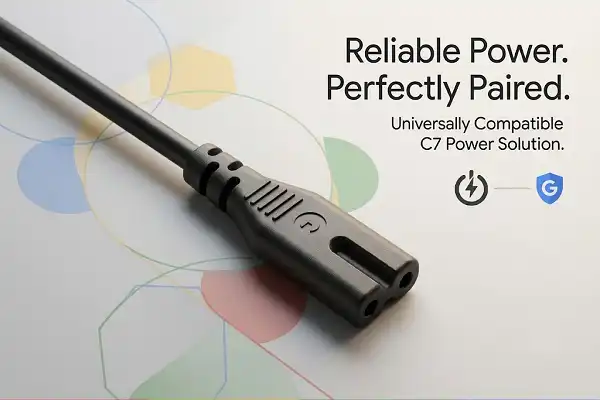
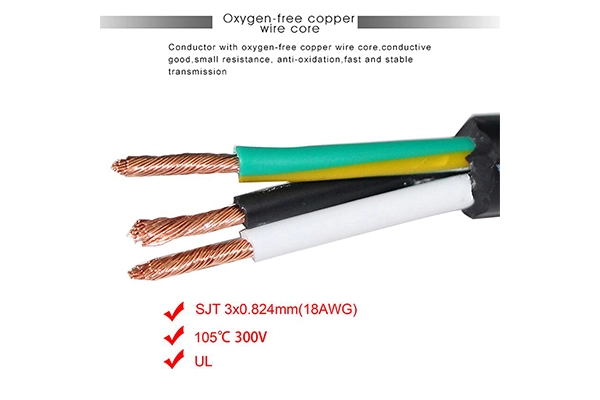
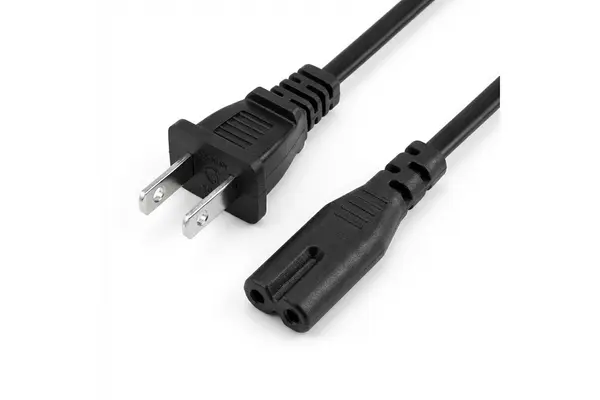
The IEC 60320 C7 connector is known as a "figure-eight" because of the way it looks. It is a two-prong interface for Class II double-insulated devices that can be polarized or non-polarized. Instead of grounded C13 or C5 versions, this non-grounded option is used for low-power electronics where safety comes from dual-layer insulation instead of earth links. Internationally, the normal design has copper conductors that are 0.75 mm to 1 mm thick and are rated at 2.5A. However, in North America, uses often certify up to 10A at 125V using 18 AWG wire gauge.
The small size of the connection makes it perfect for designs with limited room. The flat wire shape makes it easy for makers of gaming consoles to hide behind entertainment centers without making bulges that look bad. This connection makes sure that laptop power bricks, portable recording equipment, and LED lighting systems always get power, even in places where people move devices around a lot. Our VDE-certified Europlug to C7 power cords, made with H03VVH2-F flat wires, solve the problem of how to manage cables that engineers have when they're making sleek consumer goods.
Cross-Platform Compatibility and Safety Standards
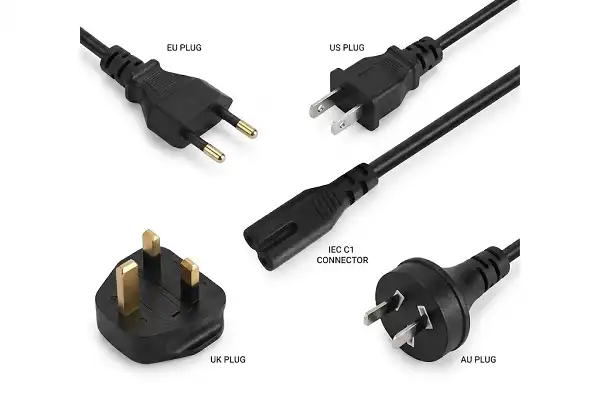
Companies that make electronics for world markets have to deal with different plugs in different regions. The figure-eight socket is paired with a CEE 7/16 Europlug on a C7 power cord going to Europe. In the United States, models have the NEMA 1-15P two-blade plug. These regional changes need more than just physical fit; they also need to follow safety rules that are specific to the area. VDE approval makes sure that the product meets European standards, UL listing makes sure that it meets North American standards, and CE marking shows that it meets EU laws.
Testing methods use strict steps to make sure that the product is genuine. Our C7 power cords go through 2000V AC Hi-Pot testing to make sure the insulation is strong, mechanical flex testing for more than 3,000 rounds to keep the conductors from wearing out, and continuity checks to make sure the polarities are aligned correctly. The polarized C7P version has a squared-off side that makes sure the neutral-to-neutral orientation is maintained. This keeps sensitive audio equipment from picking up electrical noise. Medical device makers really like this feature because it helps keep leaking current below the important 100µA level needed for equipment close to a patient.
Key Challenges in Procuring Quality OEM C7 Power Cords and How to Overcome Them?
Supply Chain Risks That Threaten Product Reliability
The technology business is full of fake parts, and C7 power cords are a common place for them to hide. Copper wires that aren't up to par raise the resistance, which creates heat that wears down shielding over time. Connectors that aren't made well come loose after only a little use, making links that come and go and damaging sensitive electronics. We've looked at hundreds of quality failures at customer sites and found a pattern: buying teams put cost over certification paperwork.
Not following the rules can have serious effects beyond product problems. A batch of C7 power cords that don't meet standards can stop production lines, lead to expensive refunds, and hurt a brand's image that has been built up over decades. Managing global suppliers in different time zones is even more difficult because of language and culture hurdles that make it harder to check the quality of the goods. These problems make it clear that carefully screening suppliers is not a choice—it's necessary for keeping operations running.
Putting together a network of verified suppliers
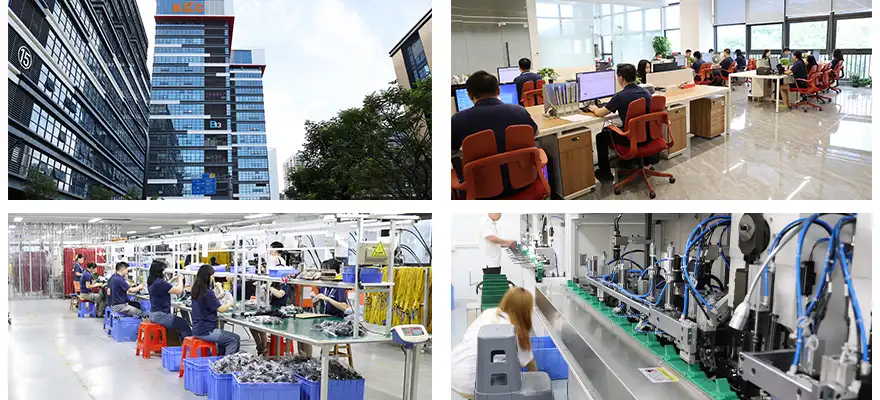
Verification of approval for a C7 power cord is the first step in effective buying. Instead of believing what a website says, ask for actual copies of UL, VDE, or IEC test results. Do factory checks that look at the production tools, quality control methods, and how the materials are sourced. At our Dongguan facilities, we have open-door policies that let procurement teams see our three-stage quality checks and 100% electrical testing methods.
Sample testing gives important information before production starts. Our strategy of giving free samples for fitment checks gets rid of any doubts about limits for size and the force needed to hold the connection in place. You can test performance in real-world application settings before committing to bulk sales because the minimum order quantity for trial batches is cheap. One company that makes game accessories changed the way they bought things because during samples, they found connector wiggle problems that would have affected 50,000 units in full production.
Comparing OEM C7 Power Cord Options: Features and Buyer Considerations
Technical Differentiation Between Connector Families
If you know the differences between C7 power cord, C5, and C13 connections, you can avoid making mistakes that cost a lot of money. The C5 "cloverleaf" connection is used for similar tasks, but it has three sides instead of the figure-eight shape of the C7 power cord. C13 plugs can handle higher currents of up to 15A and have grounding built in, so they can be used with power-hungry devices like desktop computers and server racks. When device makers choose between these choices, they need to think about both the current draw and the frame grounding needs.
New materials make things last longer than simple PVC structures. Our TPE and rubber jacket options can handle being bent over and over again in portable equipment. Our LSZH (Low Smoke Zero Halogen) choices meet strict standards for installations in tight spaces like airplanes and ships. High-end audio equipment makers like braided outer covers because they look good and protect the electronics from damage. They see every part of the product as an important part of the user experience. EMI filters built into plastic connector heads cut down on electromagnetic interference, which is useful for medical monitoring tools where signal integrity impacts accuracy.
Regional Market Requirements and Brand Evaluation
In North America, plugs must be NEMA 1-15P and have blade dimensions that meet ANSI C73 standards. In Europe, plugs must be CEE 7/16 Europlugs or country-specific versions like the British BS 1363. Asian markets often ask for licenses from PSE (Japan), CCC (China), or KC (South Korea). To effectively handle these differences, you need an OEM partner with a history of certifications and the ability to quickly customize products.
We suggest that you look at OEM brands' guarantee policies and how quick they are after the sale. A one-year guarantee against manufacturing defects shows that you trust the quality of the product, but reaction time is just as important. We promise to answer your questions within 24 hours, and we can send you samples in 3–7 days. This shows that our operations are flexible, which helps keep your projects on track. When a medical device maker needed to make an urgent design change that involved moving a link, our engineering team finished the design review and made the necessary machine adjustments within 72 hours, which kept production from being held up for six weeks.
Sourcing and Procurement Strategies: Efficiently Buying OEM C7 Power Cords in Bulk
Evaluating Purchasing Channels and Negotiation Tactics
Electronics companies have to make a strategy decision: online markets offer ease and choice, but direct manufacturer partnerships offer customization and responsibility. Marketplaces are good for short-term needs, but they aren't flexible enough to make products stand out. Through direct relationships, engineers can work together, and our R&D team finds the best wire length, conductor gauge, and plug configurations for your device design.
When negotiating bulk prices, it helps to know how production numbers work. For mass production, lead times of 15 to 25 days cover getting the materials, casting processes, and testing procedures. Using ordering patterns that work with these cycles can help you avoid rush fees and get a better idea of how much things will cost. We've helped consumer goods brands cut costs by 18% by coordinating order plans with planning for production capacity. This lets both parties get the most out of their inventory management.
Customization as a Way to Stand Out in the Market
With private marking, basic parts become brand assets. Custom color matching makes sure that C7 power cords look good with your devices. For example, imagine a high-end stereo system with color-coordinated power lines instead of black cables that don't match. Putting a logo on molded connecting heads makes the brand stand out at every point of interaction. Customizing the packaging, from clamshells that are ready for sale to bulk contractor packs, makes delivery easier for a wide range of market groups.
Technical changes meet the specific needs of each program. Adjustable wire lengths make the best use of packaging space, which lowers shipping costs by making the package denser. Custom wire materials, such as silicone rubber, stay flexible even at very high or very low temperatures. This helps industrial automation systems work in difficult conditions. Before investing in equipment, our engineering team does free reviews of your design to check for electrical issues, mechanical stress points, and the ability to make the product.
Enhancing Product Performance and Safety with OEM C7 Power Cord Solutions
Quality Auditing and Continuous Improvement
Electrical life depends on strict quality control during production. When new materials come in, they are inspected to make sure they are pure copper (usually 99.9% for best conductivity) and that the PVC combination has the right flame retardancy values. In-process tracking includes using go/no-go scales to check the dimensions of molded connectors. This makes sure that the tolerances are tight enough to keep the insertion/retention force within the required range. Before the product is packaged, it goes through final testing that checks for continuity, measures insulation resistance, and does high-potential dielectric testing.
We use statistical process control to look at the number of defects across all production runs and spot trends before they affect the goods that are shipped. When one batch had values for insulation resistance that were just barely within the range required but were going down, we found that the problem was caused by changes in humidity in the shaping area. By changing environmental settings that day, possible field problems six months later were avoided. Because we take this cautious method, our warranty claim rate stays below 0.3% per year.
Real-World Performance Validation
A global consumer goods brand came to us because their previous supplier's C7 power cords for game consoles were failing in the field 12% of the time. The analysis showed that there wasn't enough pressure relief, which caused the conductor to wear out near the connector joint. We changed the internal wire route and extended the strain relief boot to rethink the molding shape. Failure rates dropped to 0.8% over 18 months of tracking in the field after the system was put in place. This saved the client millions of dollars in insurance costs and kept their good name in the market.
In the future, improvements in material science should lead to better efficiency. Copper may not be needed in some situations because conductive plastics can be used instead. This makes portable devices lighter. Smart C7 power cords with built-in sensors could keep an eye on temperature and power use, sending industrial systems repair alerts before they break down. Digital supply chain technologies, such as blockchain certification, will make it easier to check for compliance, letting safety licenses be verified in real time across distribution networks.
Conclusion
When looking for an OEM partner for figure-eight connections, you need to weigh technical requirements, certification compliance, customization options, and the stability of the supply chain. The C7 power cord might look like a common part, but it has a big effect on the safety of the product, the experience of the user, and the image of the brand. When electronics companies take the time to evaluate suppliers, test samples, and work together on technical projects, they set themselves up to be more competitive. Kuncan Electronics has been committed to these principles for 17 years, turning basic connection into strategic value for clients all over the world.
FAQ
How do I verify authentic certifications on C7 power cords?
Ask for the original test results that have certificate numbers that can be tracked back to the certification groups. Real VDE records have the name of the lab, the date of the test, and the model number of the object. To make sure something is real, call the certification bodies immediately at the numbers given on their websites. During factory checks, look at signs on the production floor that show current certifications and look over records of frequent surveillance tests.
What distinguishes C7 from C5 connectors functionally?
The C7 power cord figure-eight connector has a rectangular shape with two blades, while the C5 cloverleaf connection has a Mickey Mouse shape with three sides. Both serve Class II devices that are not grounded, but they can't be switched out because they are different sizes. Device inlet design affects compatibility, so make sure that the shapes of the connectors match as you build the product. Some laptop models switch between C5 and C7 between product generations, which means that specifications need to be carefully managed.
Which safety certifications are mandatory for my target markets?
ANSI guidelines say that products sold in North America must have a UL or ETL rating. European markets require CE marking in line with LVE, RoHS, and REACH regulations. Some countries, like the UK (BS), Germany (VDE), and Australia (SAA), may need extra state certifications. IEC 60601-1 certification is needed for medical uses. Check the standards with the local government or experienced professionals who handle import compliance.
Can customization affect safety certifications?
Changes to the wire gauge, length, or plug type could render current licenses useless, necessitating a new test. Small changes like color or logos usually don't affect compliance, but paperwork may need to be updated. Work with makers whose certification profiles are flexible and who can speed up retesting when it's needed. Before finishing designs, our quality team compares requests for customization to certification standards. This way, we can avoid costly compliance shocks.
Partner With Kuncan Electronics for Reliable Figure-Eight Power Solutions
Electronics makers and purchasing managers looking for a reliable C7 power cord provider will find that our all-around method gives them a strategic edge. We offer widely compliant, VDE-certified, and ETL-listed connectivity options that are backed by 17 years of production excellence. Our low MOQ trial orders, free samples, and quick 3–7 day return remove sourcing risk while confirming fit and performance. Get in touch with rhea@szkuncan.net right away to talk about your customization needs, get technical specs, or get competitive quotes based on your production numbers. Through careful planning and responsive teamwork, Kuncan Electronics turns common parts into competitive benefits.
References
International Electrotechnical Commission. (2018). IEC 60320-1: Appliance Couplers for Household and Similar General Purposes – Part 1: General Requirements. Geneva: IEC Central Office.
Underwriters Laboratories. (2020). UL 817: Standard for Cord Sets and Power-Supply Cords. Northbrook, IL: UL Standards & Engagement.
VDE Testing and Certification Institute. (2019). VDE 0620-1: Plugs and Socket-Outlets for Household and Similar Purposes – Part 1: General Requirements. Offenbach, Germany: VDE Verlag.
Anderson, M.J., & Chen, L. (2021). Supply Chain Risk Management in Electronics Manufacturing: Strategies for Component Qualification. Journal of Operations Management, 67(4), 412-438.
Roberts, P.K. (2022). Power Cord Design and Safety Compliance: A Technical Guide for OEM Manufacturers. Boston: Industrial Press.
Zhang, H., & Williams, T. (2020). Material Science Innovations in Electrical Connectors: Durability and Performance Optimization. IEEE Transactions on Components, Packaging and Manufacturing Technology, 10(8), 1356-1367.

USER EVALUATE
Here is the customer's evaluation of us
_1786082832183.webp)