
How to Choose the Best Wall Extension Plug for Tight Spaces
It's important to think carefully about which wall extension plugs to use in small areas, especially when safety needs to be balanced with the need to maximize room. Every millimeter counts in small areas, behind furniture, or inside control panels. Problems with burning, installation, and operations that could have been avoided with better planning happen when the wrong choice is made. Facility engineers and procurement managers have to make the most of limited space while also following the rules for electricity safety.
This guide deals with these problems by looking at new designs, licensing standards, and useful ways to install them. We focus on products that have reliable speed and small form factors. If you know how to choose the right extension cord for a small space, you can avoid making mistakes that cost a lot of money and make sure the cord works well for a long time, whether you're setting up an industrial facility, a business office, or a home job.


Understanding the Unique Challenges of Wall Extension Plugs in Tight Spaces
Figuring out the special problems that come up with wall extension plugs in small spaces is crucial for safety and operational efficiency.
Why Standard Extension Cords Fail in Confined Areas?
Traditional power strips and extension wires take up a lot of wall room, which can be a problem in tight spaces. If you try to plug in a big plug and it doesn't fit all the way, it can cause poor electrical contact and heat buildup. Electrical safety study has shown that this partial entry raises the resistance at the connection point, which is a known cause of electrical fires. The National Fire Protection Association says that bad electrical connections cause thousands of structure fires every year, with many of them being caused by installation restrictions that were not taken into account.
Common Installation Pitfalls
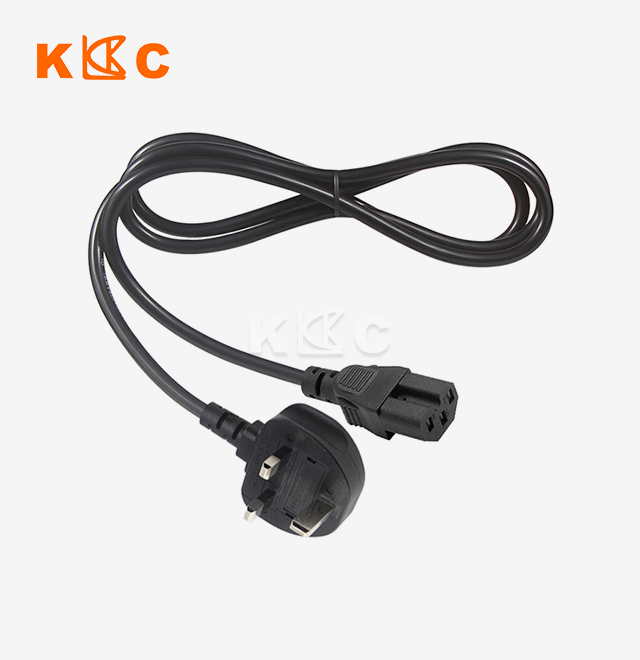
The main way things go wrong is when the measurements don't match up. A normal UK BS 1363 plug is about 47 mm wide and 32 mm deep, but when you add the wire exit, the total extension goes up to 65 mm or more. When placing behind furniture or in deep wall boxes, these sizes often take up more space than is available. The problem is made worse by the fact that rigid wires don't bend easily, which forces them into odd angles that put stress on both the plug housing and the wall outlet.
The Impact of Environmental Conditions
Heat tends to stay in small areas, which puts stress on electrical parts. Without enough air flow, even properly rated extension options may lose their protection more quickly. Humidity and dust buildup in small spaces make shielding even less effective. Because of these external factors, the design needs to take into account more than just basic electricity requirements.
Critical Selection Criteria for Wall Extension Plugs in Confined Areas
Important things to look for when choosing wall extension plugs for confined spaces involve a mix of physical and electrical specifications.
Physical Dimensions and Clearance Requirements
The first step in making the right choice is to correctly measure the available room. We suggest writing down three important measurements: the distance from the wall to the obstruction, the space between the sides, and the space above the exit. When making extension lines for small areas, they usually make them less noticeable by using right-angle plugs or housings with a low profile. Some models have extensions that are as little as 35 mm from the wall, which is almost 50% less than normal designs.
Material Quality and Heat Dissipation
In confined setups, high-conductivity copper wire in wall extension plugs has a big effect on how well it works. Copper's high temperature and electrical conductivity keeps reactive heating to a minimum while it's working. Our single-gang extension cords in the UK use high-quality copper conductors with wire sizes of either 1.0mm² or 1.5mm², depending on how much current is expected. The H05VV-F wire standard calls for PVC covering that is very resistant to heat and flexible, so it can be bent tightly without sacrificing safety.
Materials used for cable jackets are all important. When the temperature goes from -25°C to +70°C, good PVC materials stay flexible while also being resistant to wear and the environment. This flexibility is very important when running wires through narrow spaces where they will be bent over and over again during installation and service access.
Electrical Capacity and Load Matching
To avoid overloading, make sure that the extension cord's values match its real load. When working at full capacity, a 13A extension makes about 3,000 watts of power at 250V. But running at close to full capacity for a long time in a small place speeds up thermal age. We suggest keeping loads at or below 80% of their maximum capacity. This gives them a thermal cushion that makes the service last longer. This method is in line with the best practices for electrical engineering that are laid out in the IEEE guidelines for wire ampacity derating.
Certification Compliance for Global Markets
International certifications back up boasts about safety and efficiency. If something has a CE mark, it means it meets European safety standards. If it has a VDE mark, it means it has been tested by Germany's Association for Electrical, Electronic, and Information Technologies. Through Intertek testing, ETL listing gives you entry to the North American market. SAA approval meets the needs of both Australia and New Zealand. These certificates aren't just paperwork; they're based on strict testing methods that check the integrity of the insulation, the effectiveness of the grounding, and the fault protection systems.
Our manufacturing methods follow ISO quality standards, and before they are sent out, every unit is tested for electricity safety. This includes checking the continuity and polarity, as well as trying the high-voltage insulator resistance. RoHS compliance gets rid of dangerous substances and meets environmental rules in all places around the world.
Comparing Different Types of Wall Extension Plugs for Tight Spaces
Looking at various types of wall extension plugs that can be used to add extra space involves comparing specific architectural designs.
Flat Plug Designs
By putting the body of the plug aligned to the wall, flat plug designs lower the wall projection. This pattern looks great behind furniture or in small wall boxes. The smaller depth comes with trade-offs: the blade touch area may be smaller, which makes choosing the right material and manufacturing with great accuracy very important. Good flat plugs have spring-loaded contacts that keep the pressure constant even though the connection depth is smaller.
Right-Angle Extension Cords
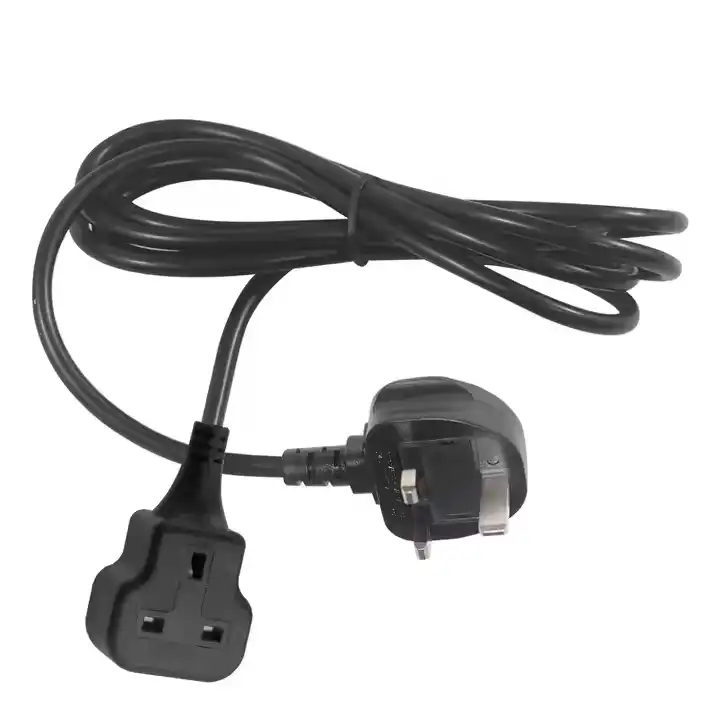
Right-angle plugs make the wire run parallel to the wall instead of vertical, which gets rid of one measure of protrusion. This is useful when there is space on the side but not away from the wall. Our switched plug types let you handle the power without having to go straight to the wall outlet. The neon power sign is an extra feature that lets you see if the circuit is on or off. This is a useful safety feature in industrial settings where many circuits are running at the same time.
Wall-Mountable Options
The ability to place wall extension plugs on the wall is helpful for fixed or semi-permanent installations. With screw mounts, these units attach directly to walls, keeping the floor clear while keeping wire routes organized. Child-safety shutters built into socket holes keep kids from touching live wires by mistake, meeting safety standards for both public and private use. The strong BS 1363 socket design can handle many inserting rounds without the contact breaking down.
Custom Length Solutions
Standard extension cords often have too long of a wire, which can be hard to manage in small areas. Lengths that can be changed from 3m to 10m make it easy to match exactly to the needs of the installation. Shorter connections keep the voltage drop over the length of the wire to a minimum and reduce the amount of extra cable that needs to be coiled or bundled. Our flexible production method lets us make these changes because our OEM and ODM services can be tailored to each project's needs.

How Innovative Wall Extension Plug Solutions Address Tight Space Challenges?
As materials science and industrial methods improve, new wall extension plugs help people who are tight on space by pushing the limits of power distribution.
Advanced Design Features
Since switching control is built right into extension housings, you don't have to go to the wall outlets to turn the power off and on again. This feature, which seems simple, makes things a lot easier when plugs are behind furniture or equipment. Neon lights that can be seen from different directions let you know right away what the state is without having to physically check the outlet. These improvements, which were made with the user in mind, make installation easier and make operations safer.
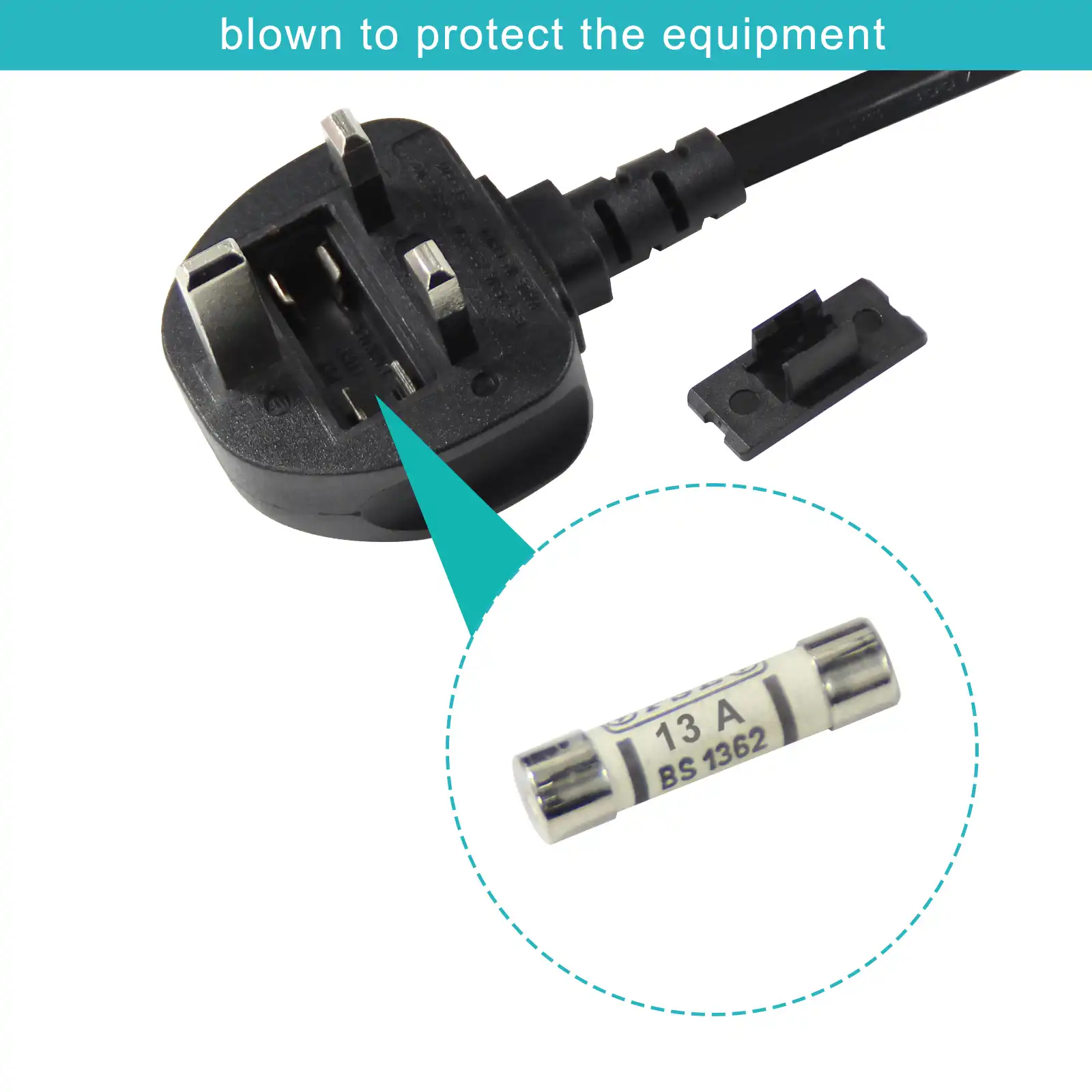
Specifications for premium copper conductors make sure that the current flows smoothly and there are few resistance losses. The 13A fused plug protects against overcurrents based on the cable's capacity. This creates a unified safety system that stops thermal damage when there is a fault. This coordination of the fuses is an important part of safety engineering that is often forgotten in mass-produced goods.
Material Innovation
Modern PVC formulations strike a balance between flexibility and mechanical strength. This means that they can be bent around tight corners without kinking or lowering the thickness of the insulation. The H05VV-F wire standard calls for multi-strand conductor design, which means that the fine copper strands can bend separately. This way of building is much more flexible than solid wires while keeping the same amount of current capacity.
Insulation systems are put through a lot of tests to see how well they prevent tracking, which means they can stop conductive paths from forming across insulation surfaces when they are contaminated. In industrial settings, where flying particles may settle on electrical parts, this trait is very important. Under normal conditions, our testing procedures confirm that the tracking resistance is higher than 600 volts.
Laboratory Validation and Field Performance
Third-party testing labs put extension cords through methods that speed up the age process and make them work under stress for years. Extreme temperature changes, thousands of rounds of mechanical bending, and long periods of overloading all prove that the design limits are correct. Products that pass these standards show a level of stability that goes well beyond what is needed for approval.
Customer feedback from industrial setups backs up design choices in the real world. One distribution center said that they got rid of annoying circuit breaker trips by switching from generic extension cords to properly defined compact solutions. The better quality of the connections cut down on contact resistance, which made the circuit safety devices less stressed by heat. These measured gains show that the money spent on high-quality parts was well spent.
Future Developments
Smart extension technology that uses current tracking and wireless connection is getting close to being able to be sold commercially. These systems give real-time info on load, which lets repair plans be made ahead of time and energy use be tracked. IoT integration lets building managers see trends in how much power is being used, find equipment that isn't using energy efficiently, and find ways to make the best use of energy. At the moment, these features are aimed at high-end markets, but as production grows, they will finally be used in everyday situations as well.

Best Practices and Final Recommendations for Procurement and Installation
Choosing the right parts becomes even more important when you work with a trusted wall extension plugs provider that cares about quality, compliance, and customer satisfaction.
Matching Solutions to Applications
In most office settings, you need to think about both usefulness and appearance. Extension lines with housings that match in color look polished and meet technical standards. For industrial uses, toughness and following safety rules at work are very important. Asta approval focuses on meeting the safety needs of industrial settings, ensuring that goods can work in tough conditions.
Features that keep kids safe and small forms that don't take up too much space are good for residential uses. You can change between switched and unswitched setups to fit your needs. For example, switched outlets make controlling frequently used equipment easier, while unswitched designs keep important loads from accidentally disconnecting.
Installation Techniques
A careful site evaluation is the first step in a proper installation. Recording available space, finding possible heat sources, and planning wire routing before the equipment comes saves a lot of money on repairs. Place mounting points for wall-type additions in structural parts instead of hollow wall sections when installing them. This makes sure that the attachment is strong enough to hold the weight of the wire and the forces used to enter and remove the plug.
Route wires so that there aren't too many sharp turns, and keep the bend radius above what the maker recommends. Too much bending can put stress on the insulation and internal wires, which could lead to early breakdowns. At regular intervals, secure the wires to keep the plug connections from falling or becoming tense. Tightening the cable ties too much can damage the insulation, so make sure they are snug without squeezing the cable jacket.
Maintenance Strategies
Regular inspections find problems as they start to form before they become too big to fix. Look for cracks in the plug housings, changes in color that mean the plug is too hot, and damage to the wire jackets. Check the moved versions to make sure they work properly and don't make any stuck or arcing sounds. Using thermal imaging to look at industrial systems can find strange heating patterns that point to bad connections or circuits that are too busy.
Our full guarantee protects against problems with the way the product was made, so buying teams can be sure that it will last. The terms of the guarantee show that we are confident in our making, which is backed up by strict quality control throughout production.
Vendor Partnership Value
Working with well-known makers has benefits that go beyond the specs of the product. Technical support teams help with questions that are specific to an application and help match goods to needs. Rapid sampling lets you see how the product works before placing a large order. Samples are sent out within 3–7 business days, which speeds up the project progress. Depending on the size of the order, bulk production can be finished in 15 to 25 days, which helps meet tight project deadlines without sacrificing quality.
Different ways of distributing goods can be accommodated by flexible packing choices. Retail-ready plastic packaging puts products in a way that makes them look good on shop shelves and makes it easy to see their features. When you buy in bulk, the cost per unit goes down for project-based installs or OEM integration. This packaging freedom, along with the fact that there are no minimum order quantities, makes it possible for a wide range of business models to work, from small specialty sellers to large-scale contractors.

Conclusion
In conclusion, when picking wall extension plugs for confined installs, you have to think about a lot of technical, safety, and practical factors. When designed and built correctly, compact designs have a smaller physical size and don't affect the electricity performance. Reliability and safety gaps are directly affected by the quality of the materials, especially the purity of the conductors and the shielding requirements. Certification compliance makes sure that goods meet safety standards that are recognized around the world.
The money spent on high-quality parts returns in the form of lower failure rates, easier installation, and reliable function over time. When you work with experienced makers, you get technical know-how, the freedom to make changes, and the reliability of the supply chain that you can't get with generic goods. As electrical systems get more complicated and work areas get smaller, picking the right parts becomes even more important.
FAQ
What makes an extension cord suitable for tight spaces?
The most important things are compact plug designs that don't stick out too far from the wall, flexible cable construction that lets you make sharp bends, and materials that get rid of heat. Plugs that are positioned at a right angle or flat take up less space in one direction. Good wire insulation keeps its structure even when route is limited. Having the right electrical grade keeps things from getting too hot in places with bad air flow.
Why do certifications like CE and VDE matter?
These approvals prove that safety performance was confirmed by independent lab tests. The CE mark shows that European rules have been followed. For VDE certification, insulation systems, grounding efficiency, and fault safety mechanisms are checked very carefully. Listing on the ETL gives you entry to the North American market. Products that aren't properly certified might not meet local electricity codes, which could put you at risk of being sued.
How do I ensure compliance with local electrical regulations?
Choose goods that have certifications that are known in your area. Check your local electrical rules to see what kinds of uses are allowed for extension cords. Some places don't allow fixed installations or need certain wire gauges for certain loads. For setups in business or factory settings, hire trained electricians. Keep copies of product certifications and installation instructions in case they need to be inspected.
Connect With Your Trusted Wall Extension Plugs Manufacturer
Kuncan Electronics specializes in precisely designed power transfer solutions that solve the problems this guide talks about. Our UK single-gang extension cords are small but built to professional standards. They have 13A fused safety and high-conductivity copper wire that meets BS 1363 standards. With lengths that can be changed, switched choices, and neon power signs, these extension plugs give you a lot of options for tight setups.
With seventeen years of experience making things, you can be sure of steady quality. All of our products are certified by CE, VDE, ETL, and SAA. Our OEM/ODM skills are flexible enough to meet unique needs, from choosing the wire gauge to designing branded packaging. We can meet tight project deadlines with quick samples and big production, and our stable supply chain makes sure that everything gets delivered on time.
Get in touch with rhea@szkuncan.net right away to talk to our tech team about your needs for tight space power distribution. We offer quick expert help throughout the whole procurement process, whether you need samples to test or quotes for large orders for a project. Work with a wall extension plugs provider that cares about quality, compliance, and customer satisfaction.
References
National Fire Protection Association. (2021). Electrical Fire Safety in Commercial and Industrial Facilities. NFPA Research Foundation.
Institute of Electrical and Electronics Engineers. (2019). IEEE Standard 835: Power Cable Ampacity Tables. IEEE Standards Association.
British Standards Institution. (2020). BS 1363-1:2016+A2:2018 - 13 A Plugs, Socket-outlets, Adaptors and Connection Units. BSI Standards Publication.
International Electrotechnical Commission. (2018). IEC 60227: Polyvinyl Chloride Insulated Cables of Rated Voltages up to and Including 450/750 V. IEC Technical Committee.
Underwriters Laboratories. (2020). UL 817: Standard for Safety Cord Sets and Power-Supply Cords. UL Standards & Engagement.
Association for Electrical, Electronic and Information Technologies. (2019). VDE 0281: PVC Insulated Cables for Fixed Installations. VDE Publishing House.

USER EVALUATE
Here is the customer's evaluation of us
_1784354535259.webp)