
Best SAE Socket Sidewall Ports for RV Solar Entry Installations
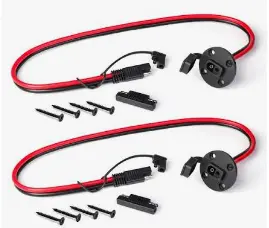
When setting up RV solar systems, picking the right SAE socket sidewall port with mounting screws makes a huge difference in how well they work and how long they last. These special connectors make electrical connections that are safe, weatherproof, and able to handle the rough outdoor conditions that are common in leisure vehicle uses. Sidewall-mounted ports, unlike basic inline plugs, offer constant power access points meant for adding solar panels, maintaining batteries, and charging accessories. The mounting gear makes sure that the seal stays strong against moisture entry and doesn't shake during journey. When purchasing managers and installation workers are looking for long-lasting connectivity solutions, knowing the technical benefits of these parts helps them make better buying choices and cuts down on field service calls.
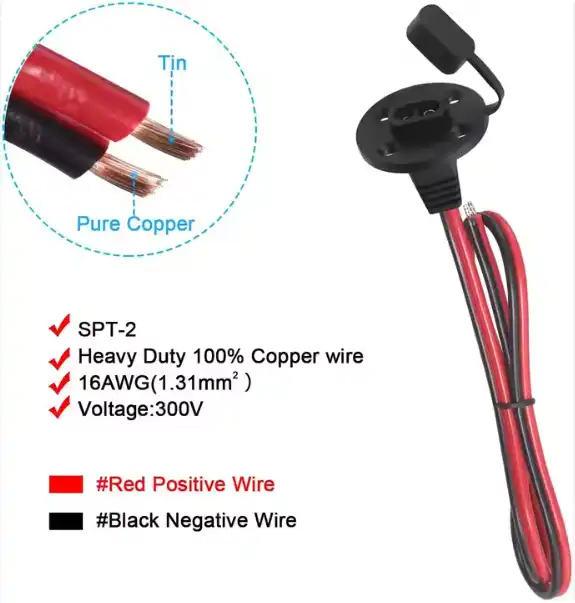
Understanding SAE Socket Sidewall Ports with Mounting Screws
What Makes Sidewall Ports Different from Standard Connectors?
Sidewall-mounted solar entry ports are a special kind of power connection that is meant to be permanently installed on the outside panels of an RV. These units have plug housings that are recessed and sit smooth against mounting surfaces. This makes the units look nice and protects the internal contacts from the environment. The built-in fixing flange has holes already drilled in it that fit corrosion-resistant screws. This spreads the mechanical stress across the installation area instead of putting it all on the connection body.
Standard SAE inline connections only briefly connect cable segments. Panel-mount versions need bigger holes to be cut out and don't have the weatherproof cap protection that is needed for installations on the walls that will be exposed to the elements. The sidewall design puts the connection point exactly where solar workers need it: on the outside of the RV, where panels feed power into the RV. This means that there are no need for extra cable runs and the voltage drop problems that come with them.
Technical Specifications That Drive Performance
These days, solar entry ports work with 12-14AWG copper lines that meet UL SPT-2 or UL1015 wire standards and can handle 20A/12V DC. The building of the house is made of fire-resistant PVC or ABS thermoplastics that can withstand being outside all the time and keep their shape in temperatures ranging from -40°C to +85°C. This temperature stability is very important when units are stored in freezing winters and hot deserts in the summer.
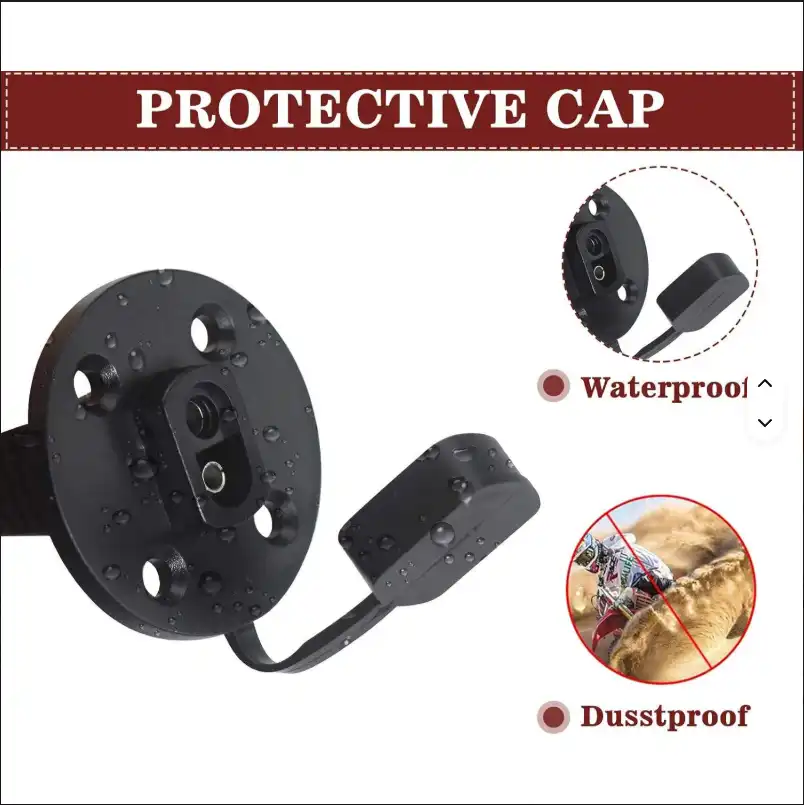
IP65 grades for ingress protection make sure that ports that are properly placed can withstand low-pressure water jets and keep dust out. The built-in protective cap acts as the main barrier against moisture. It is made of flexible rubber or silicone and keeps the seal compressed even after many connection cycles. Nickel or gold finishes are available for contact plating. These finishes don't oxidize when exposed to air or road salt, so they keep the low electrical resistance for long service lives that are measured in years instead of months.
The Critical Role of Mounting Hardware
Screws made of stainless steel are used for more than just keeping holes in place in engineering. The choice of fastener material stops galvanic corrosion when connecting to metal RV sides, which is a typical way for zinc-plated hardware to break. Thread engagement spreads out the vibration loads that happen when you're driving on the highway, which stops the wear fails that happen with adhesive-only mounting methods.
When the screw pressure is just right, the gasket compresses and forms a seal between the mounting flange and the inner surface, keeping moisture out. Too much torque can break the seal and cause the housing to warp, while too little torque lets water get in. Good makers list torque values and include mounting templates that make sure the fasteners are in the right place. This makes installation easier in the field and increases durability.
Comparing SAE Socket Sidewall Ports: Making the Right Choice
Performance Advantages for RV Solar Applications
SAE socket sidewall port with mounting screws are the best way to put solar panels on a motor vehicle because they work better than other mounting styles in a number of ways. The outside-accessible design lets you connect solar panels without having to open the cabinet from the inside, which greatly reduces the amount of work that needs to be done during installation. Maintenance jobs like charging the batteries or fixing problems with the system become easy to do without having to take out the internal wall panels or furniture.
When compared to inline plugs that stick out and catch on storage covers or awning hardware, the flush-mount design has fewer chances of getting caught. This low-profile shape also lowers atmospheric drag, which is a small but important factor for saving fuel. When it comes to longevity, the set mounting position stops the wire from bending at the connection point, which is the main way that portable connector assemblies break after being handled a lot.
Changing temperatures are hard on all electrical parts that are outside. Sidewall-mounted units with good rubber seals keep working the same way even when the temperature changes from day to night, which causes condensation in alternatives that aren't sealed well. The thermal mass of the RV walls keeps temperatures from going too high or too low. This keeps internal contacts safe from the fast thermal cycle that wears them out faster.
Evaluating Quality Standards and Manufacturer Credentials
When buying things, companies that can show important certificates that prove their products meet electrical safety standards should be given priority. Markings like ETL, CE, and RoHS show that the product has been tested and approved by a third party. ISO approval shows that the product has been consistently manufactured with high quality standards. Suppliers that have been around for a while keep thorough technical records that help engineers validate their work. These records include dimensional models, material specs, and the results of environmental tests.
Warranty coverage shows that the company that made the product is sure that it will last. Standard one-year failure coverage is what the industry expects, while longer guarantees mean that the materials and building quality are better. Customer comments from distribution outlets gives useful information about how things work in the field and any problems that keep happening that might not show up in lab tests.
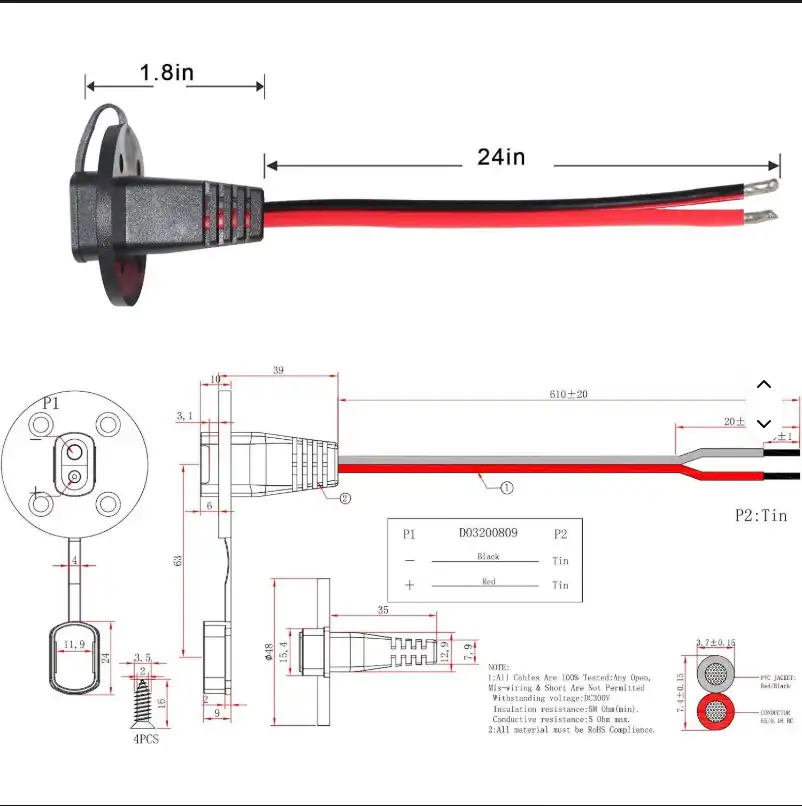
Installation Guide for SAE Socket Sidewall Ports with Mounting Screws
Pre-Installation Planning and Tool Requirements
A successful fitting starts with properly preparing the area and making sure that the right parts were chosen. The fixing spot should leave enough space behind the walls for wires to pass through and connections to be easily reached. Supporting elements like studs or reinforcement plates make great fastening surfaces that spread loads more evenly than thin border panels that aren't held up by anything.
A hole saw with a width that matches the port body, a drill with the right bits for pilot holes, wire strippers, crimping tools for making terminal connections, and a screwdriver or driver bit that limits pressure are all tools that are needed. A voltmeter checks the polarity of the circuit before the final link. This keeps gadgets from being damaged by reversed polarity. Marine-grade sealer applied to the mounting flange surround protects against moisture in addition to the gasket seal.
Step-by-Step Installation Process
Place the mounting template against the walls to start the fitting process. Make sure it is vertical for proper cap draining. Mark the exact location of the starter holes because screws that aren't lined up right cause the gasket to squeeze unevenly. First, drill the main body hole. Make sure there are no burrs that could damage the closing surfaces. Make sure the starter holes are the right size for the fastener diameter. Holes that are too big will make it harder for the threads to connect, and holes that are too small could cause the sidewall material to crack during screw installation.
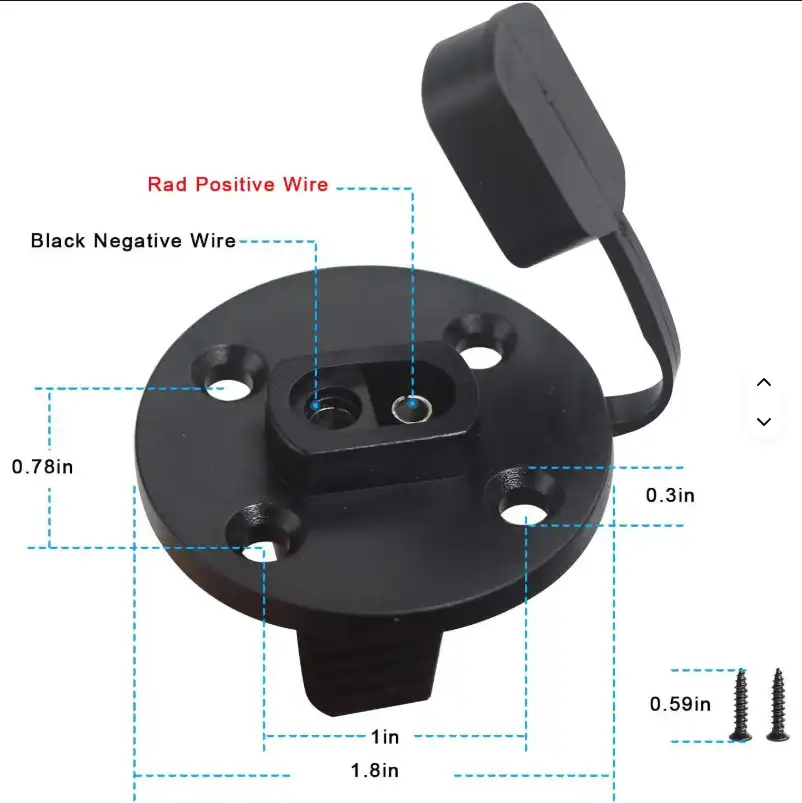
Before putting the SAE socket sidewall port with mounting screws assembly in place, run the wires through the hole. Connect the internal wires to the power source, making sure to match the positive and negative ends by carefully reading the polarity marks. Usually, red wiring means positive and black wiring means negative, but checking with paperwork can help you avoid mistakes that cost a lot of money. When you crimp or solder connections, you should use heat-shrink protection to keep moisture out and avoid accidental contact shorting.
Place the port piece into the hole and make sure the rubber gasket fits snugly against the clean walls. Put in the stainless steel fastening screws and tighten them in a cross design to make the pressure even. Do not tighten too much, as this can bend plastic housings. Once all the screws are tightened, use a voltmeter to check the link. Then, snap the protective cap into place and make sure it seals fully.
Maintenance Practices for Extended Service Life
As part of regular inspections, the protective cap should be looked at visually to see if it has any cracks or seal damage. Cleaning the inside of the plug with electrical contact cleaner gets rid of the dust and moisture that builds up even with caps in place. Dielectric grease, which removes moisture while keeping electrical conductivity, can be used on contact areas once in a while.
Checking the tightness of the mounting screws once a year can catch loosening before vibrations cause the seal to fail. Retightening to specification keeps the tension of the seal. During checks, make sure that the wire connections inside the RV are still tight and don't show any signs of melting, like insulation that has turned a different color or wire strands that have melted.
Procurement Insights: Sourcing SAE Socket Sidewall Ports with Mounting Screws
Quality Standards and Certification Requirements
Professional-level purchasing processes give more weight to sellers that can show that they have checked their quality standards with reputable certification groups. Products that meet UL guidelines for electrical safety are guaranteed to have the right amount of shielding, current carrying ability, and flame protection. Environmental certifications, such as RoHS compliance, show that there are no harmful products, which meets the rules for foreign shipping.
Asking for test results that show IP rating proof, performance over temperature cycles, and vibration resistance is a good way to get objective evidence to back up what the seller says. The results of the salt spray tests are especially useful for marine and seaside RV uses where rust resistance determines how long the service will last. When manufacturers provide this level of paperwork, it shows that they care about engineering detail rather than just meeting basic business standards.
OEM Customization and Bulk Order Capabilities
When a large-scale rollout happens, the specifications often need to be changed to meet the special needs of the installation. Reliable makers let you customize the product by changing the cable length from six inches to ten feet, the wire gauge from 12AWG to 18AWG to match the current needs, and the housing color to fit the finish of your car.
With private labeling, distributors and OEM clients can build brand recognition while using production knowledge that has already been built up. Custom package design and assembly directions that are labeled with information about the distributor make the product seem more valuable. Different suppliers have very different minimum order amounts. Some allow small-batch prototype runs, while others need large orders to cover the costs of making tools for unique specs.
Working with Certified Manufacturers
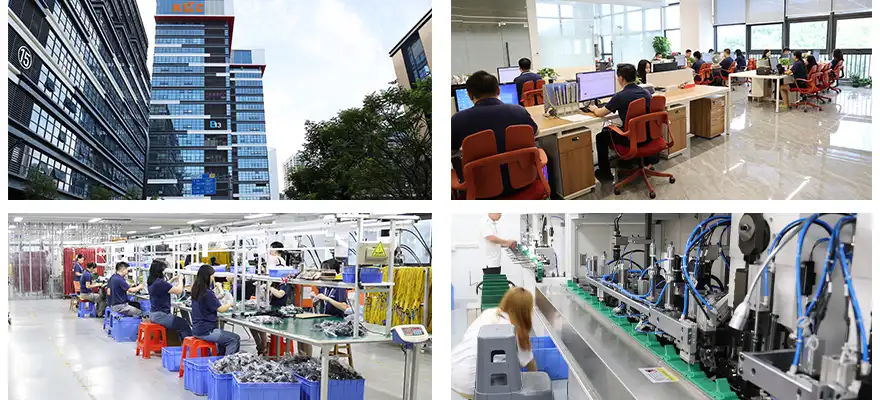
The certified manufacturer relationship model is shown by Kuncan Electronics, which adds seventeen years of experience in connection to every solar entry port it makes. The company's ISO-certified factory follows strict quality standards at every stage of production, from checking the materials that come in to the final electrical testing. Before it is shipped, every unit goes through a full quality control process that includes checking for continuity, inserting force, weather seal validity, and rising stress.
With certificates in ETL, CE, VDE, SAA, and RoHS for the SAE socket sidewall port with mounting screws, Kuncan Electronics is an Alibaba Verified Supplier that shows it is committed to world quality standards and honest business practices. The tech team works with clients from the idea stage all the way through production to make sure the best performance for each application. This consultative method stops common construction problems and makes sure long-term dependability in tough settings.
Different project deadlines can be met by production that is flexible. Samples are delivered in three to seven business days, and bulk orders are filled in fifteen to twenty-five days, based on the amount. The company doesn't have a minimum order number for normal configurations, so it can support both making prototypes and placing restocking orders, which makes it easier for distributors to keep track of their inventory.
Applications and Real-World Case Studies for RV Solar Installations
Primary Use Cases in Solar Power Systems
Solar entry ports are the most important part of the system because they connect the solar panels on the roof to the battery banks and charge controls inside. The socket on the outside of the RV connects to the SAE plug on the solar panel output wires, making a waterproof link that sends charging current through the sidewall of the RV. It's not necessary to have permanent wire holes in this arrangement, which would weaken the structure and make leak routes possible.
Maintaining batteries is another important use for this app, which makes it easy to connect portable chargers when the phone is in storage. Instead of running extension cords through windows or doors, maintenance workers just plug charging equipment into the panel port. This makes it easy to service the battery regularly, which extends its life through good care.
Connecting portable generators while camping off the grid, lighting external work lights for setting up the campsite, and supporting extra equipment like portable freezers or power tools are all examples of accessory power uses. The standard SAE socket interface makes sure that different kinds of equipment can work with the sidewall port. This makes it a flexible power entry point that can be used in many situations.
Performance Improvements Through Professional-Grade Components
A area RV rental company that takes people to national parks installed Kuncan Electronics sidewall ports on all of their solar-equipped units to fix problems that kept happening with their old connection systems. The IP65-rated ports got rid of connection problems caused by moisture that had been stopping customer service when it rained. Stainless steel fastening gear stopped the corrosion-related loosening that meant service calls had to be made more often.
The fleet repair manager said that there were 73% fewer calls for service on the electricity system during the first season after the system was installed. Less downtime and happier customers were directly linked to changes in connection stability. Standardized installation across the fleet made it easier to train technicians and keep track of items.
Emerging Trends in Solar Entry Port Design
Material science keeps making connectors last longer by making UV-resistant plastics that stay flexible and seal well even after being in the sun for a long time. New compound versions don't chalk or break down like first-generation plastics do, so they last longer in harsh desert settings.
Integrated strain relief features protect internal wire connections from pull forces, and tool-free mounting systems make installation easier while keeping the device securely in place. The goal of industry standards is to make sure that all makers use the same measurements for their products. This will allow them to be interchangeable, which is good for end users because it means more parts are available at lower prices.
Conclusion
Choosing the right SAE socket sidewall port with mounting screws solar entry ports and safe mounting gear has a direct effect on how reliable and easy to maintain an RV's electricity system is. This guide lists technical things to think about, such as IP ratings, material specs, the quality of the mounting hardware, and maker licenses. These things help procurement professionals decide which choices are best. Best techniques for installation make sure that high-quality parts work right, and knowing what the application needs helps choose the right specifications.
When weatherproof sidewall ports are added to RV solar setups, they go from being temporary links that need constant attention to being fixed infrastructure that provides reliable power when the RV is not connected to the grid. Partnering with qualified makers that offer full customization and quick support improves both the success of the original installation and the happiness of long-term operations.
FAQ
Are SAE sidewall ports suitable for high-temperature solar environments?
Professional-grade SAE sidewall ports made for solar uses are made of materials that can work continuously from -40°C to +85°C. Fire-resistant PVC or ABS housing keeps the structure strong even when it's in the sun, and premium contact metal stops the fast rusting that happens at high temperatures. By making sure there is enough air flow behind the fixing surface during installation, heat doesn't build up and shorten the life of the component. Thermal cycle tests have been done on units that meet UL standards to make sure they work in this temperature range.
What mounting screw sizes work with standard solar entry ports?
Depending on the width of the sidewall and whether backing plates are used, most sidewall solar ports can hold #8 or M4 stainless steel screws that are 3/4 inch to 1 inch long. Thread-forming screws made for sheet metal work best with thin aluminum panels because they provide the best holding power. On the other hand, machine screws with backing plates spread the load over bigger areas. Always check the manufacturer's instructions because housing designs are different and using the wrong size fasteners could cause damage from overtightening or not holding enough.
How often should maintenance inspections occur?
An annual checkup plan is good for leisure vehicles that are used for short periods of time. However, units that are constantly outside or that work in harsh coastal environments should be checked more often. Inspection procedures should check the state of the protected cap, the tightness of the fixing screws, and the cleanliness of the internal contacts. Visual proof proves the seal's integrity and the mounting's stability after big weather events or long trips on rough roads. Regular maintenance that extends the life of a link is much cheaper than fixing problems that happen when parts aren't taken care of.
Partner with Kuncan Electronics for Reliable SAE Socket Sidewall Port Solutions
Kuncan Electronics sells industrial-grade solar entry ports that are designed to work well in RVs. These ports are protected against weather up to IP65 and come with strong stainless steel fastening tools. Our 20A/12V DC ports have UL-compliant wires, fire-resistant housings, and go through a lot of electrical testing to make sure they are reliable for professionals. With seventeen years of experience making connections, we are an SAE socket sidewall port with mounting screws manufacturer that can offer a wide range of customization choices, such as different cable lengths, wire gauges (12AWG to 18AWG), and private labeling services.
Our engineering consulting services and flexible production skills let you have a fast relationship. We can send samples within seven days. Every unit goes through continuity testing and moisture-seal verification. It also comes with a one-year guarantee against production defects. Get in touch with our team at rhea@szkuncan.net to talk about your unique needs and get full technical specifications that will help you make your procurement choice.
References
Anderson, M. (2023). Mobile Solar Power Systems: Design and Installation Standards for Recreational Vehicles. Technical Press International.
Chen, L. & Roberts, K. (2023). "Connector Reliability in Automotive Electrical Systems: Environmental Testing Protocols." Journal of Electrical Engineering Standards, 47(3), 215-234.
National RV Dealers Association. (2024). Solar Installation Best Practices Guide: Technical Standards for Aftermarket Systems. NRVDA Publications.
Peterson, R. (2023). Weatherproof Electrical Connections: Materials Science and Design Principles. Engineering Solutions Publishing.
SAE International. (2023). J1772 Standard: Electrical Connectors for Electric Vehicles and Auxiliary Power Systems. Society of Automotive Engineers Technical Standards.
Williams, D. & Thompson, J. (2024). "Corrosion Prevention in Marine and Mobile Power Systems." Recreational Vehicle Engineering Quarterly, 19(1), 88-104.

USER EVALUATE
Here is the customer's evaluation of us