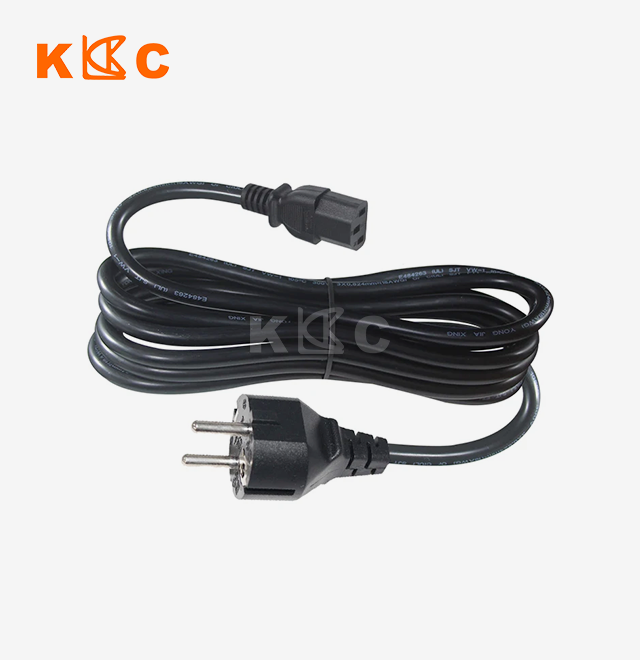

How to Source OEM PDU Schuko C13 Cables for Enterprise Servers
To find solid OEM power distribution cables for business computers, you need to plan ahead and carefully evaluate potential suppliers. To make sure that the data center runs smoothly, buying professionals must choose PDU Schuko C13 wires that are a good mix of technical compliance, seller trustworthiness, and cost-effectiveness. This guide explains the requirements, problems, evaluation criteria, and buying strategies so that you can make sure your purchases protect your infrastructure investment and keep operations running smoothly.
Understanding PDU Schuko C13 Cables and Their Specifications
What Makes Schuko C13 Power Cables Unique?
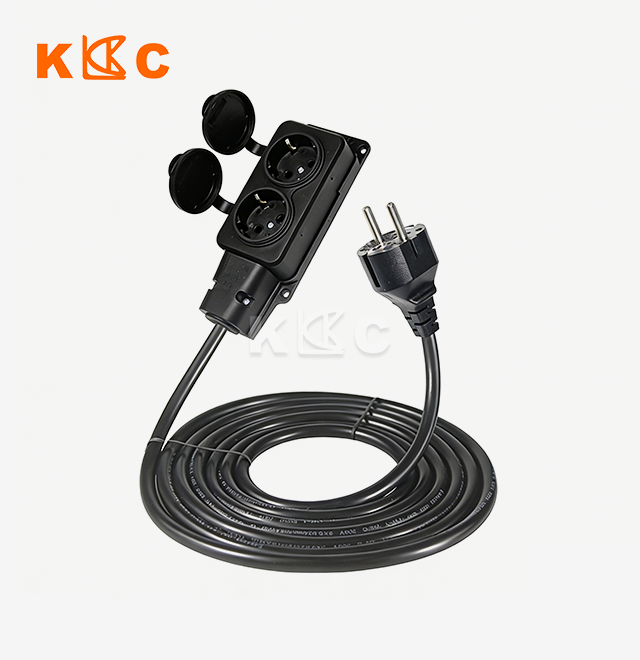
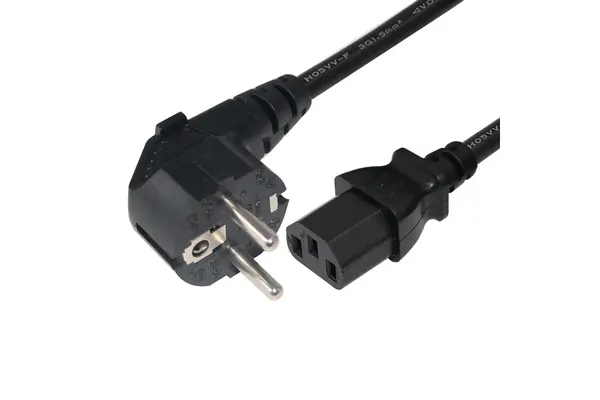
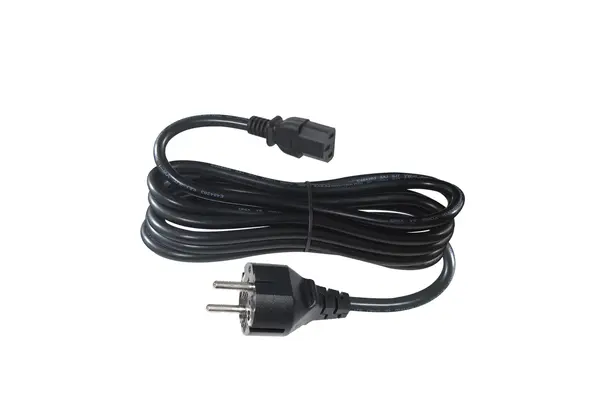
Cables with both CEE 7/7 Schuko plugs and IEC 60320 C13 sockets are very important to European data centers and international companies. This set-up fits between the normal wall outlets in Europe and the standards for IT tools around the world. The Schuko plug, whose full name is CEE 7/7, has recessed contacts and side grounding clips that make it safe to connect to the power grid in Europe. On the other end, the IEC C13 connector goes straight into power sources for servers, network switches, and storage devices all over the world.
Essential Technical Parameters
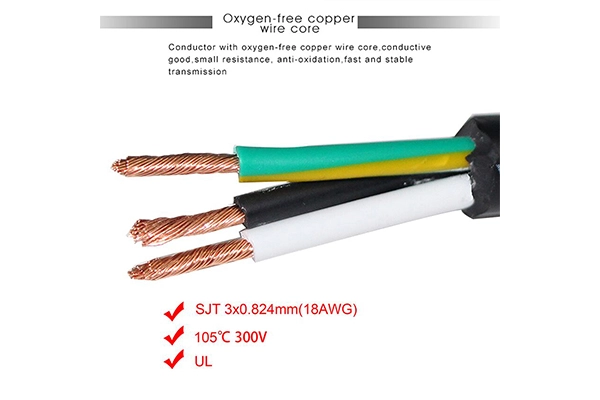
Power lines from Europe that are VDE-certified and made for server rooms usually have 10A at 250V outlets and can take up to 16A at 230V. Depending on the need, wire gauges can be anywhere from 0.75mm² to 1.5mm². The most popular designs are H05VV-F 3G0.75mm² and 3G1.0mm². For normal uses, the temperature range goes up to 70°C, and the conductor materials have copper plates with high conductivity to keep resistance and heat generation to a minimum while they are running all the time.
You can change the length of the cables from 0.5 meters for tight server racks to 10 meters for setups with spread out equipment. The three-conductor grounded design makes sure that the electricity is safe, and the shielding materials include PVC, TPE, rubber, and LSZH (Low Smoke Zero Halogen) to meet the different safety and environmental needs of data centers.
Comparing C13 with Similar IEC Connectors
Learning about the different types of connectors helps buying teams choose the right connections for each piece of equipment. The PDU Schuko C13 connection is a standard female receptacle that can work in temperatures up to 70°C, and the C14 connector is a male inlet that is often found on equipment frames. C15 connectors have a raised shape that allows them to work in temperatures up to 120°C. They are often used with devices that run hot, like blade servers and high-performance computers. For computers that need 16A of constant power draw, C19 connectors offer higher amperage ability. Choosing the right type of connection avoids problems with compatibility and makes sure that power is delivered safely and according to the manufacturer's instructions.
Key Challenges in Sourcing PDU Schuko C13 Cables for Enterprise Servers
Risks Associated with Non-OEM Cables
Power distribution lines that aren't up to code pose major operating risks to business settings. Cables that aren't approved often use poor conductor materials that make the cables less flexible and raise the electrical resistance, which causes too much heat to build up during regular use. This increase of heat speeds up the breakdown of insulation, which makes it more likely that cables will break during important business processes. Because fake connectors don't have enough contact retention force, links break often, which can lead to server restarts or data loss that you didn't expect.
Compatibility and Regional Compliance Complexity
Server makers get their parts from all over the world, which makes it hard for buying teams to manage operations in multiple regions. In Europe, power delivery must be Schuko-compatible, while in North America, it must be NEMA-compatible. Standardization efforts are slowed down in settings with a mix of server brands, since they may have different cable needs even though they use the same IEC C13 connections.
Different countries have different safety standards, so it's important to pay close attention to the approval needs. In Europe, installations must meet VDE and CE standards, while in North America, installations must meet ETL or UL standards. Facilities in Australia and New Zealand need to be certified by the SAA. To stay in line with regulations and make sure warranties are honored, procurement professionals in charge of foreign operations must make sure that suppliers provide the right certifications for each deployment area.
Balancing Cost Against Long-Term Value
Companies often choose the cheapest providers for PDU Schuko C13 because they need to stick to a budget, but this usually leads to higher total cost of ownership. Cheap options often don't have strong quality control, which means they break down more often and cost more to repair or buy in an emergency. Cables that aren't up to par break down faster under constant load, so they need to be replaced more often, which uses up upkeep resources and raises the cost of keeping inventory.
When you buy approved OEM PDU Schuko C13 wires from reputable makers, you get real value because they last longer and break down less often. Quality wires keep their electrical properties stable over their entire working life, which keeps linked devices safe from power quality problems. Full warranty coverage and quick expert help keep operations running smoothly when problems happen, keeping businesses running in mission-critical settings.
Criteria to Evaluate When Choosing OEM PDU Schuko C13 Cables
Supplier Reputation and Manufacturing Credentials
Finding makers whose quality and dependability are always the same is the first step to successful buying. Kuncan Electronics is a great example of the kind of PDU Schuko C13 supplier that procurement professionals should look for: they've been making power connectivity solutions for 17 years, they're an Alibaba Verified Supplier, which means that the company is legitimate, and they have documented certifications for ETL, VDE, CE, SAA, and RoHS compliance. Suppliers who have a history of doing business in corporate markets know how strict the needs of data centers are and keep up quality systems that support consistent production standards.
The ability to manufacture has a direct effect on the results of buying. Facilities with more than 300 trained workers who know how to make cables can keep the quality of their work consistent over long production runs. ISO-certified manufacturing methods make sure that quality control is carried out in a planned way at all steps of the production process, from the initial inspection to the final testing. These practical signs help procurement teams tell the difference between professional makers and trading companies that don't have direct control over production.
Technical Performance Specifications
The durability of a wire determines how long it will last in tough working situations. In computer racks that are prone to shaking, phosphor bronze contacts with a retention force of over 50N keep links from being accidentally disconnected. Testing for pin retention shows that connectors can handle being inserted and removed many times without breaking. High-quality insulation materials that can handle ongoing 70°C operation keep things from breaking down too soon because of thermal stress when they are under a lot of load for a long time.
Features like voltage stability and surge safety keep connected devices safe from power problems. Surge safety parts in business cables include MOVs (Metal Oxide Varistors) and GDTs (Gas Discharge Tubes) that stop voltage changes before they reach electronics that are easily damaged. Built-in thermal overload safety keeps cables from getting damaged when they are under too much of a load. UL94 V-0 flame-rated polymer construction keeps fires from spreading in the rare event that the electricity goes out.
Certification Requirements and Warranty Support
Full certification covering gets rid of safety worries for global deployments. VDE certification shows that the product meets European safety standards for electrical equipment, CE marking shows that it follows EU rules, EMC certification shows that the product is compatible with electromagnetic fields, and RoHS compliance limits the use of dangerous materials. To make sure a product is real, procurement teams should ask for proof of approval and check the validity of certificates with the organizations that issued them.
Warranty rules show how confident the company is in the quality of the goods. One-year warranties that cover problems with the way the product was made are the basic level of safety, but choices for longer warranties show that you have even more faith in the quality. It's just as important to have good after-sales support. Manufacturers with specific technical help and reaction times that are open 24 hours a day help procurement teams solve problems quickly in the field. When cables fail, it's best to have replacement rules that spell out clear steps to follow and acceptable wait times.
Logistics and Customization Flexibility
How fast the supply chain is has a direct effect on how well projects are managed and how quickly product is stocked. When manufacturers offer sample delivery within 3–7 business days, customers can fully evaluate the product before deciding to buy in bulk. Lead times for mass production of 15 to 25 days allow for fair project planning without too much inventory building. Flexible minimum order amounts can be used for both large-scale launches and small-batch restocking needs, which makes the best use of working capital.
The ability to customize a PDU Schuko C13 makes it better suited to specific business needs. Custom cable length choices get rid of the problems that come with managing extra cables in small rack areas. Angled connector designs (left, right, up, and down) make wiring easier in equipment installations with a lot of stuff. Private label packing and printing of logos help OEMs work together and keep their brands consistent. Material choices like PVC, TPE, rubber, and LSZH let specifications be matched to meet environmental and fire safety standards at the facility.
Step-by-Step Guide to Sourcing OEM PDU Schuko C13 Cables
Defining Your Technical and Operational Requirements
For procurement to go well, detailed standards must be defined based on real deployment needs. Write down the details of your server equipment, such as the types of power source inputs, voltage needs, and current needs. Check out the actual installation limits, like rack depth, cable route paths, and bend radius limits, that affect the best cable length choice. When choosing the right insulation materials, you should think about things like the temperature range, the way the building ventilates, and the fire safety rules.
When planning quantities, you have to weigh the need for instant usage against plans for future growth. Figure out how many cables are needed for the current system and make extras in case something breaks or the space needs to be expanded. Think about how often you should replace things based on how busy they are. Data centers that are used a lot may need more frequent replacements than setups that aren't used very often.
Identifying and Evaluating Potential Suppliers
Use online supplier directories, study into the business, and suggestions from other people in the same field to make a short list of PDU Schuko C13 possibilities. Check basic credentials like company registration, ownership of a production plant, and certifications held. Ask for detailed business profiles that show their production skills, quality systems, and scientific knowledge that is important to making power cables.
Do your research carefully before getting into deep conversations. Read customer reviews and case studies that show projects that were completed successfully that are similar to what you need. Check the company's online presence and the quality of its technical material to see how skilled and knowledgeable it is. Ask for building certifications and audit records that prove the quality system was put in place. If you can, talk to current customers to get first-hand information about how the product works and how quick the seller is.
Requesting Samples and Conducting Testing
Evaluation of samples gives important information that specs alone can't give. Ask for example samples that meet your needs in terms of wire gauge, connection length, and connector design. When you get it, do an eye review to check the quality of the connection molding, the flexibility of the wire, and the general construction work. Do physical tests on the cable, such as measuring the connection retention force, bending and straightening the cable, and checking for continuity on all wires.
Electrical testing for PDU Schuko C13 confirms how well something works in simulated operating circumstances. Check that the conductors are the right size by measuring the voltage drop across different amounts of load. Make sure that the wiring is correct and that the insulation resistance meets safety standards. Monitoring temperature during long-term load testing shows how well thermal management works. Record all test results so that you can compare them across different sources and use them as a guide when making your final choice.
Negotiating Terms and Finalizing Agreements
When negotiating prices, you shouldn't just look at single costs, but at the total value as well. Ask for specific price breaks that show how much the materials cost, how much it costs to make, and how much it costs for approval. Look into volume discount structures that encourage bigger promises while still letting you launch in stages. Talk to the seller about good payment terms while taking into account their cash flow needs and your company's purchasing practices.
In addition to price, contract terms should cover important practical issues. Set clear standards for quality acceptance and testing methods for new packages. Define the scope of the guarantee, how long it lasts, and how to file a claim. Set up a shipping plan with penalties for missing it that will affect the project's completion date. Include ways to handle changes to specifications and requests for customization that might come up during long-term supply relationships.
Managing Logistics and Import Procedures
When you buy things from other countries, you need to carefully plan your logistics to make sure you get them on time and keep costs low. Look at your shipping choices, such as air freight for urgent needs, sea freight for big shipments, and rail transportation for certain area routes. To get through customs procedures and paperwork quickly, you might want to hire freight forwarders who specialize in importing gadgets.
Make sure that sellers give you the right shipping paperwork, like business invoices, packing lists, and certificates of origin. Make sure that the labeling on the product meets the safety marking and legal compliance information needs of the country where it will be shipped. Communicate with receiving facilities to make sure that inbound goods can be inspected and stored properly. Set up clear contact rules for tracking shipments and dealing with problems during the shipping process.
Conclusion
When looking for OEM PDU Schuko C13 power distribution lines for business computers, it's important to pay close attention to technical specs, the supplier's reputation, and the value over time. A good procurement process combines instant cost pressures with quality, reliability, and compliance standards that protect investments in infrastructure and keep operations running. Purchasing professionals can get high-quality cables that work well for a long time by following a set of steps for evaluation, such as laying out clear requirements, checking out sources carefully, trying the cables thoroughly, and getting good terms. The case studies show that spending time choosing suppliers and building relationships with them pays off in the form of lower failure rates, easier planning, and quick help when problems appear.
FAQ
What voltage rating do I need for enterprise server applications?
In Europe, servers usually need PDU Schuko C13 lines that can handle 10A at 250V per outlet, and power distribution units that can handle 16A at 230V. Check the specs of your server's power source to make sure it has enough capacity and safety margins. To keep cables from breaking down too soon due to heat stress, they should have at least 20% more capability than their maximum predicted load.
How can I verify OEM product authenticity?
Ask the makers for the original VDE, CE, and RoHS certificates and other licensing paperwork. Check the validity of certificate numbers by entering them into the web records of the issuing agencies. Check the labels on the products you're interested in, such as the ones that say "manufacturer identification" and "certification logos." Reputable makers, like Kuncan Electronics, make sure that all of their products come with full paperwork and can be tracked back to the source. This lets buying teams check the authenticity of all the products in the supply chain.
What are the safety risks of using non-certified cables?
Cables that aren't approved might use low-quality materials that get too hot when they're used normally, which can cause fires and damage to equipment. People working on repair equipment can get electric shocks if the grounding isn't good enough. Cables that don't meet standards can cancel machine warranties and may be against safety rules at work, which could put companies at risk of being sued. The small savings that come from cheap options rarely outweigh the big risks to workers' safety, property security, and the continuity of the business.

Partner with Kuncan Electronics for Reliable PDU Schuko C13 Cable Solutions
With 17 years of experience as a reliable PDU Schuko C13 cable provider, Kuncan Electronics offers VDE-certified European power solutions designed for tough business settings. Our wide range of customization services, such as optimizing wire length, setting up connector angles, private labeling, and flexible packing, make it possible to precisely match specifications for a wide range of data center needs. Every wire is 100% safety tested, including making sure the pins stay in place and checking the polarity. This makes sure that the quality of every production batch for your vital infrastructure is the same.
We know that people who work in buying need partners who can respond quickly and who understand project deadlines and practical limits. Our efficient production process sends samples within 3–7 days so that they can be carefully evaluated. No matter how big or small the order is, mass production is finished in 15–25 days. Flexible minimum order amounts allow for both large-scale operations and ongoing restocking needs to be met without having to buy too much inventory. Get in touch with our technical team at rhea@szkuncan.net to talk about your unique needs and ask for samples that show the quality difference that comes from working with an experienced company that cares about your long-term success.
References
Bray, J. (2019). Data Center Power Distribution: Design and Best Practices. Technical Publishing International.
European Committee for Electrotechnical Standardization. (2021). IEC 60320 Appliance Couplers for Household and Similar General Purposes. CENELEC Standards Documentation.
Mueller, K. & Schmidt, H. (2020). Enterprise Infrastructure Procurement: Strategic Approaches for IT Professionals. Business Technology Press.
Patterson, D. (2022). Electrical Safety in Commercial Facilities: Compliance and Risk Management. Industrial Safety Publications.
Roberts, M. (2021). "Quality Assurance in International Cable Sourcing." Journal of Supply Chain Management, 45(3), 127-145.
Zhao, L. & Chen, W. (2023). Power Infrastructure for Modern Data Centers: Engineering and Operations. Technology Press International.

USER EVALUATE
Here is the customer's evaluation of us
_1784355495257.webp)
_1781163912838.webp)