
IEC C13 Cable: The Standard Power Lead for Servers & PC Rigs
For data centers, server rooms, and PC builds, the IEC C13 cable is the standard when it comes to safe power options. The IEC 60320 international standard sets the rules for this power cord arrangement, which is used every day to connect millions of computers around the world. Knowing the specs, picking the right version, and working with approved makers have a direct effect on how well your infrastructure works, how safe it is, and how much it costs to run overall.
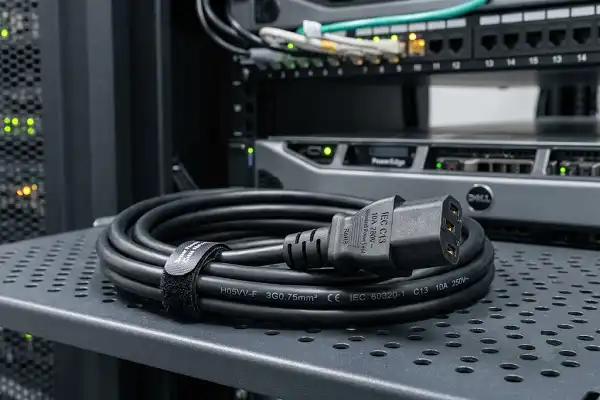
Understanding IEC C13 Cable Specifications and Standards
Understanding what this standard power cord is and why it has become so important to modern computer infrastructure is the first step in making smart purchases.
Core Technical Specifications
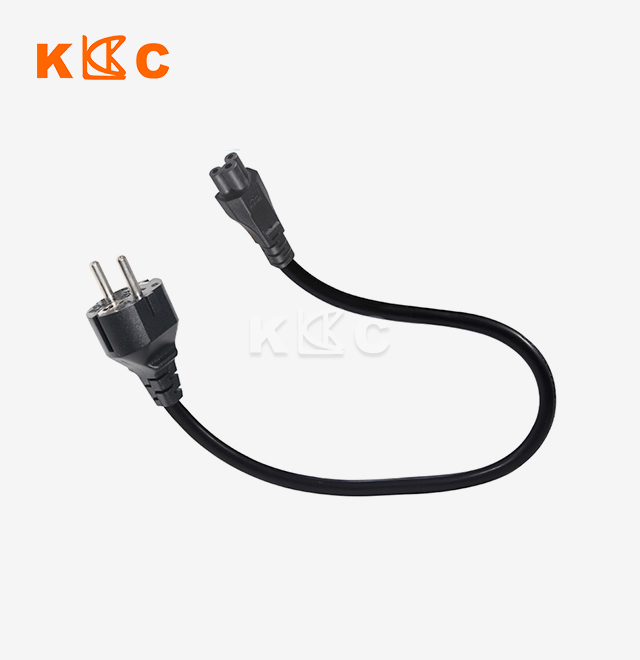
The C13 plug is the female end of the IEC 60320 power line system. It can handle 250V and 10A in normal situations. Our BS1363 to IEC C13 configuration has 13A fused UK plugs, which give high-performance tools an extra safety cushion. The socket has three pins: a live pin, a neutral pin, and a ground pin. These three pins make sure that sensitive gadgets get safe power. During normal operation, pin temperature rates stay stable up to 70°C, meeting the thermal needs of server settings with continuous-duty uses.
Wire Gauge and Construction Standards
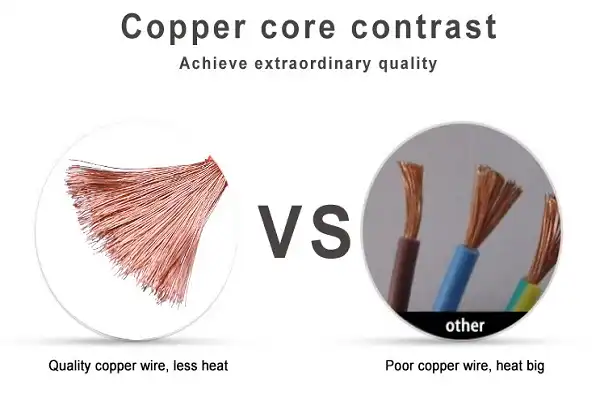
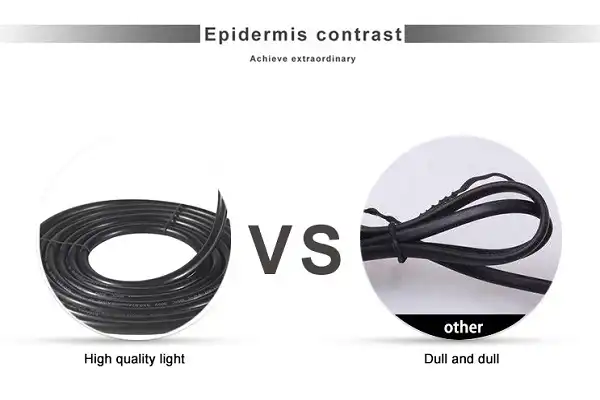
Performance and durability are directly affected by how the cables are made. We use H05VV-F wire standards for our production, which come in 0.75mm², 1.0mm², and 1.5mm² sizes. The 100% pure copper wires make the electricity flow more efficiently and reduce resistance losses as much as possible while the power is being sent. Each conductor strand is carefully made to fit within tight width ranges. This makes sure that the ability to carry current stays the same across production runs. The PVC jacket doesn't catch fire and meets international fire safety standards. It protects against wear and weather factors in rack-mounted systems.
Global Compliance and Certification Framework
Certifications for safety show that power cords meet the rules in your area. Our goods have UKCA and CE markings to show that they are legal in the European market, as well as RoHS and REACH standards that show they are environmentally friendly. These validations from a third party are the result of strict testing procedures that look at dielectric strength, ground continuity, temperature rise, and mechanical durability. When buying power cords, making sure that the certification paperwork is up to date saves your company from liability risks and makes sure that the equipment guarantee is still valid.
Understanding these basic specs helps buying teams match the features of cables with the needs of specific deployments, which lowers the chance of compatibility issues during installation.
Comparing IEC C13 to Other Power Cable Types
To choose the right connection type, you need to know how the C13 layout is different from other standards and when other designs are better.
C13 Versus C14: Understanding Socket and Plug Relationships
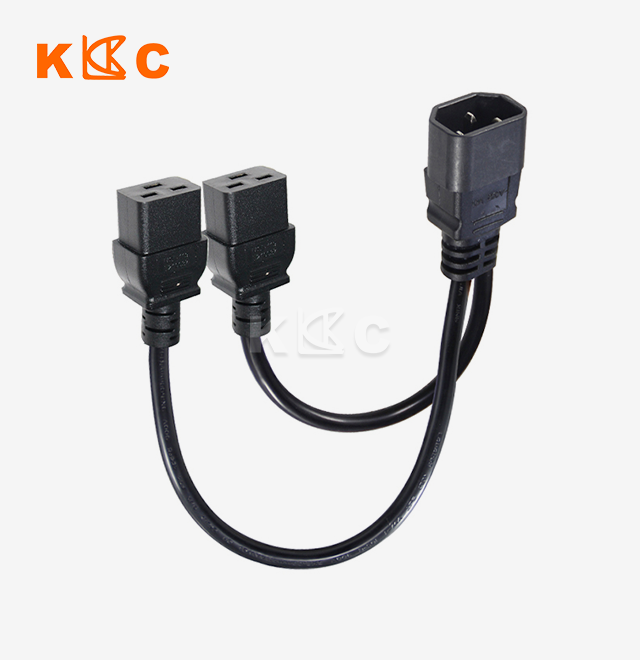
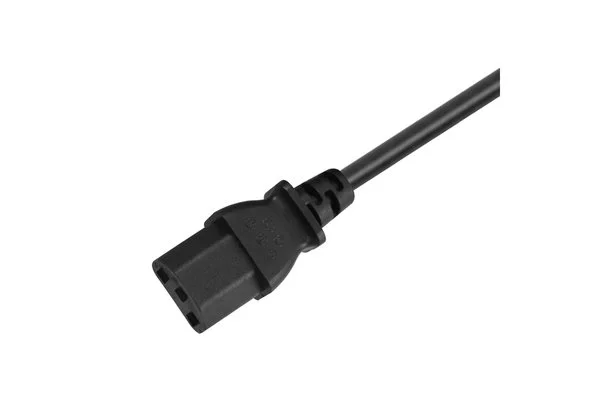
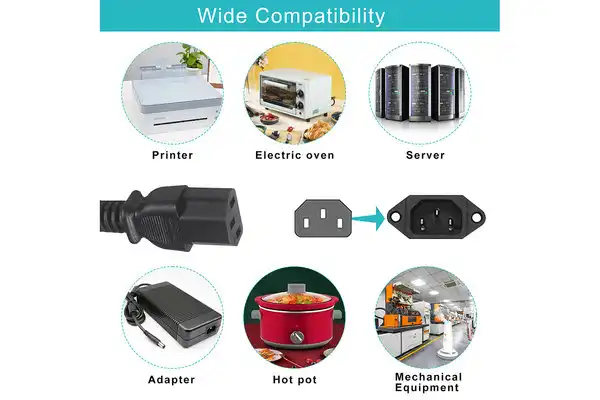
The C13 is the female socket that goes into devices, and the C14 is the male inlet that you'll usually find on equipment frames. This pairing of opposites makes a strong mechanical and electrical link. As the common power input point, the C14 inlet can be found on server power sources, network switches, monitors, and desktop computers. Because this system is modular, IT teams can keep extra C13 cords that work with a wide range of equipment types. This makes inventory management easier and cuts down on the need to buy cables quickly.
Temperature Ratings: C13 Versus C15 Applications
C15 connectors on the IEC C13 cable have a unique notched design and can withstand temperatures up to 120°C, while normal C13 setups can only handle temperatures up to 70°C. The C15 version is used in specific situations with hot equipment, like electric kettles, some server power supplies with high thermal profiles, or industrial control systems that are used in hot places. The notched shape physically stops standard C14 inlets from joining incorrectly, offering fail-safe defense against wrong application. The C13 design offers good thermal margins at a reasonable price when choosing power cords for common computer equipment, monitors, and networking gear.
Shielding Options and Signal Integrity Considerations
Standard C13 wires are made without shielding and can be used in most business situations. Shielded versions with braided metal protection around the wires may work better in places with a lot of electromagnetic interference. This extra safety stops RF noise from getting in, which could damage sensitive measuring tools or data collection systems. The shielding is connected to ground through the cable's earth wire. This makes a Faraday cage effect around the cables that carry electricity. Our engineering team looks at your installation area and tells you what shielding levels will give you the best security for the best price.
These differences help procurement workers choose the best connectors based on practical factors instead of general requirements.
How to Choose the Best IEC C13 Cable for Your Server & PC Rigs?
To make sure that infrastructure is reliable and that the budget is used efficiently, strategic buying combines technical needs, compliance needs, and supply chain issues.
Evaluating Conductor Quality and Construction Methods
The quality of a cable starts with the core material and the accuracy with which it was made. Pure copper conductors are better at conducting electricity than copper-clad aluminum conductors, which are sometimes found in cheaper goods. We use continuous extrusion methods in our production processes to get rid of weak spots and make sure that the cross-sectional area stays the same along the whole length of the wire. The strain relief design at both ends of the connection keeps the wire from getting worn out from being bent over and over again during installation and repair. The strengthened strain relief casting we use makes the products last a lot longer than basic designs, which cuts down on the number of replacements needed and the costs of downtime.
Certification Verification and Supplier Credentials
When procurement teams work with makers who have up-to-date licenses, they can avoid getting fake goods and imports that don't meet standards. Kuncan Electronics keeps up with ETL certification for markets in the US and Canada, VDE approval for deployments in Europe, and SAA compliance for needs in Australia and New Zealand. With these qualifications, the plant has been checked out, quality is constantly monitored, and there are strict rules for testing each batch that commodity providers can't match. During the quotation stage, asking for copies of certifications and proof papers establishes the legitimacy of the seller and makes sure that the product can be tracked all the way through your supply chain.
Customization Options for OEM and Enterprise Applications
Standardized goods can be used for a wide range of tasks, but customization can help with unique deployment issues. According to your instructions, our engineering team can mark the wire jackets. This makes it easier to keep track of assets and makes sure that the brand is consistent across setups. Custom lengths ranging from 0.5m to 10m get rid of problems with managing extra cables in high-density rack settings, where making the best use of space directly affects the flow of air and the usefulness of cooling. Different construction rules and environmental needs can be met by choosing from PVC, TPE, rubber, and LSZH materials. Custom fuse rates of 5A, 10A, or 13A match the way your equipment draws power, giving you the best safety without annoying trips.
Bulk Procurement Strategies and Supply Chain Management
Buying IEC C13 cable in bulk takes advantage of savings of scale and builds trusting relationships with suppliers. Our factory-direct plan gets rid of markups for distributors, so we can offer affordable prices that help projects stay within their budgets without lowering quality standards. We allow flexible order numbers without strict minimum order requirements. This lets procurement teams keep inventory levels low while still making sure items are available for quick release needs. Delivery of samples within 3–7 business days lets you try and confirm before committing to large-scale production. Mass production can be finished in 15 to 25 days, depending on how complicated the order is. This meets project deadlines and keeps quality control high throughout the manufacturing process.
These procurement criteria transform cable selection from a commodity purchase into a strategic infrastructure decision.
Best Practices for IEC C13 Cable Usage and Testing
The best performance from cables is achieved by installing them correctly and checking them regularly. This also stops unexpected breakdowns during important operations.
Correct Installation and Wiring Procedures
The way cables are installed affects both efficiency and safety. Make sure that the equipment is turned off before linking the power lines to keep the connection contacts from getting damaged by an arc. Fully insert the C13 connector into the C14 inlet until you feel the mechanical latch engage. Partially inserting the connector causes high-resistance connections that produce heat and speed up contact damage. When routing wires, make sure they don't go through sharp bends that put stress on the conductors and damage the insulation. Our high-flexibility PVC jackets can be installed using wire management systems, but keeping the mechanical qualities that make them last a long time by keeping the bend radii large.
Testing Methods for Quality Assurance
Before it ships, every wire we make goes through 100% continuity and polarity tests. Using simple multimeters to check conductor continuity across all three pins, procurement teams can set up procedures for arriving inspections. Measuring the resistance between ground and chassis should show almost zero ohms, which means the earth wire is working properly. Insulation resistance tests with megohm meters shows that the insulation does a good job of keeping the wires away from each other and the cable jacket. These easy steps, which take less than two minutes per cable, give customers trust that the goods they buy meet their needs and lower the chance that they will fail in the field.
Routine Maintenance and Troubleshooting
During routine repair checks, visual analysis can find problems before they become catastrophic. Look for cracks or warping in the housings of connectors that could mean mechanical stress or heat damage. Check the jackets of the cables for cuts, scrapes, or flat spots that could make the conductors less safe. Make sure that the strain relief boots stay firmly connected to the connection bodies, with no gaps or separation. When equipment has power problems that come and go, test the wires regularly using spares that you know to be good to find out if the power cord is the cause of the problem. When problems happen in the field, our expert support team is available 24 hours a day to help with fixing.
These practical measures transform routine maintenance into proactive reliability management.
Procurement Guide: Where and How to Buy IEC C13 Cables Efficiently?
Setting up supply relationships that meet ongoing business needs while maximizing cost structures and quality assurance is what efficient buying does.
Verifying Supplier Credentials and Product Authenticity
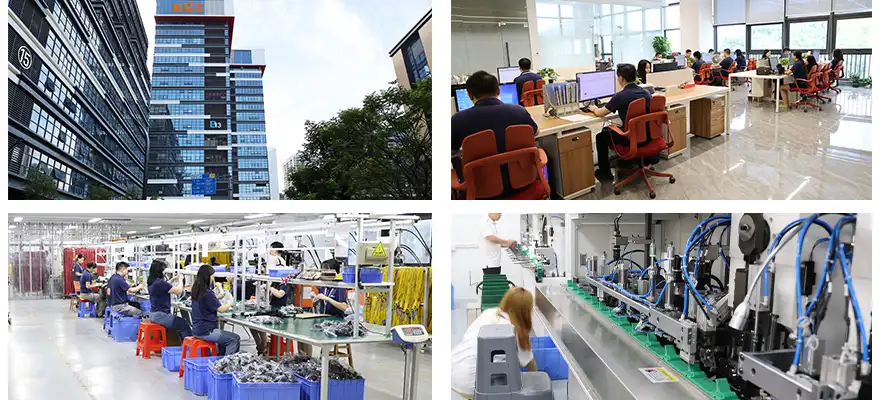
There are both trustworthy makers and shady suppliers of low-quality IEC C13 cable gadgets in the global supply chain. Kuncan Electronics is an Alibaba Verified Supplier that has been making electronics for 17 years and offers openness through well-documented quality systems and certification portfolios. Asking for factory audit reports, paperwork on the quality management system, and copies of current certifications proves that the provider is real. Our factory in Dongguan is open for client visits and third-party checks, which shows that we trust our processes and are committed to being open and honest in a way that commodity traders can't.
Advantages of Direct Manufacturing Partnerships
Working directly with makers cuts out markups for middlemen and makes it easier to communicate and make changes. From prototyping to mass production, our engineering team works with your technical staff to make sure that the finished goods meet all of your exact requirements. You can keep your brand's personality without having to run separate fulfillment processes when you use private label packaging and custom cable marking. Direct relationships also make it easier to solve quality problems. If you have a problem, you can talk to the team that made your goods instead of going through several levels of an organization. This direct access speeds up the process of fixing problems and makes long-term supply security stronger.
Logistics Optimization and Flexible Shipping Options
Logistics management that is strategic weighs the speed of arrival against the cost of transportation. Our location in Dongguan gives us access to a variety of shipping options, such as air freight for immediate needs, ocean containers for big orders, and rail transport choices that serve certain trade corridors. We work with well-known freight forwarders who know what kinds of paperwork are needed for each target market. This cuts down on clearance delays that make lead times longer. You can choose from a range of flexible shipping terms that work with your budget and business needs, such as FOB origin price or shipped duty paid arrangements. When technology breaks down in an emergency and you need to buy something quickly, rush order skills can help.
Building Long-Term Supply Relationships
Strategic buying is more than just making one-time purchases; it also involves building relationships that help with ongoing business needs. Our prices don't change during contract times, so your budget won't be affected by sudden changes in costs during the project. Safe and private tools agreements make sure that your applications are the only ones who can use the custom specs. Our dedication to standing behind the quality of our products throughout the service lifecycle is shown by the 1-year guarantee that covers manufacturing defects. As your infrastructure changes, our engineering team is always here to help with technology issues and work with you on new products in a way that commodity sellers can't.
These procurement strategies transform vendor relationships into strategic partnerships that enhance operational capabilities.
Conclusion
The IEC C13 cable is not just a common part; it is essential to the security of servers, the availability of data centers, and the smooth running of computers around the world. By comparing connector types, understanding specs, using strategic purchasing methods, and following best installation practices, you can get the most out of your infrastructure purchases. Kuncan Electronics has been making electronics for 17 years and has all the necessary licenses, customization options, and quick customer service to provide power solutions that meet the most stringent operating needs. Our factory-direct model gives us a competitive edge by making sure the quality of our products, making the supply chain more efficient, and working together with engineers to turn regular purchases into strategic infrastructure development.
FAQ
What is the maximum power rating for IEC C13 cables?
Standard C13 plugs can handle 10A at 250V, which means they can theoretically handle 2500W. In real life, 80% derating rules should be followed, and constant loads should be kept to about 2000W. Our BS1363 to IEC C13 setup with 13A fused UK plugs gives you extra safety for high-performance computers and other gadgets that need a lot of power.
Can C13 cables interchange with C14 sockets?
The C13 connection fits perfectly with the C14 ports on equipment frames. This standard pairing makes sure that all makers and types of tools can work together. The C13 is the female connector for the end of the wire, and the C14 is the male equipment input. This design works together to make strong mechanical and electrical connections that keep them from coming loose by chance while the machine is running.
How do I verify compliance with international safety standards?
Look for printed approval marks like CE, UKCA, UL, or regional versions on wire jackets and connector housings. Ask sellers for proof of certification that includes test results and approval numbers. Our goods come with full certification portfolios that cover a lot of different markets. This makes it easier to check for compliance during the buying process. Marks from third-party testing laboratories show that a product meets written safety standards without any help from the company itself.
Partner with Kuncan Electronics for Certified Power Solutions
Kuncan Electronics offers power cord options for businesses that are backed by 17 years of production quality and a wide range of global certifications. As an IEC C13 cable manufacturer, we offer factory-direct prices, flexible customization from 0.5m to 10m lengths, and 100% testing methods that guarantee your infrastructure will work reliably. Our UKCA, CE, RoHS, and ETL certifications make sure that our products are legal in the market, and our 3–7 day sample delivery and 15–25 day production processes allow for quick rollout times. You can talk to our technical team at rhea@szkuncan.net about your unique needs, get custom quotes, or set up plant checks. We take regular power lines and turn them into strategic building parts that help you run your business better and stay ahead of the competition.
References
International Electrotechnical Commission. (2021). IEC 60320-1: Appliance Couplers for Household and Similar General Purposes - Part 1: General Requirements. Geneva: IEC.
British Standards Institution. (2019). BS 1363: 13A Plugs, Socket-Outlets, Adaptors and Connection Units - Specification. London: BSI.
Underwriters Laboratories. (2020). UL 817: Standard for Safety Cord Sets and Power-Supply Cords. Northbrook, IL: UL LLC.
European Committee for Electrotechnical Standardization. (2018). EN 60320 Series: Harmonized European Standards for Appliance Couplers. Brussels: CENELEC.
National Electrical Manufacturers Association. (2022). NEMA WC 57: Standard for Flexible Cord and Fixture Wire. Rosslyn, VA: NEMA.
Institute of Electrical and Electronics Engineers. (2020). IEEE 1100: Recommended Practice for Powering and Grounding Electronic Equipment. New York: IEEE.

USER EVALUATE
Here is the customer's evaluation of us