


Kuncan Electronics IEC Kettle Leads: Why High-Quality Copper Matters
The IEC kettle lead is a small but important part that you depend on when you connect important tools to power. This unassuming wire is in charge of giving computers, industrial machinery, and medical equipment stable electrical current. Since Kuncan Electronics has been making things for 17 years, we know that the material inside these cords is very important. High-quality copper isn't just a requirement; it's what makes things safe, efficient, and long-lasting. To pick the right power cord provider, you need to know why the quality of the materials has a direct effect on your business's ability to run smoothly and meet international safety standards.
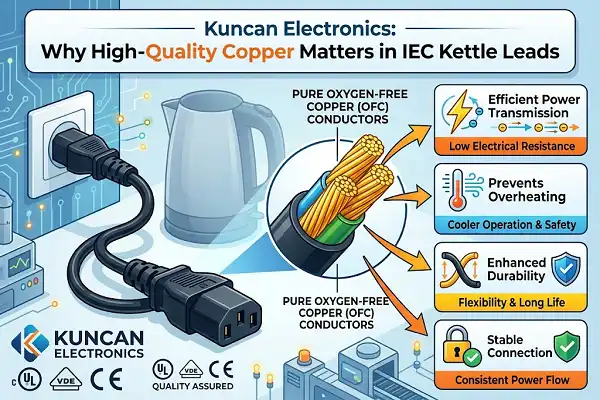
Understanding IEC Kettle Leads and the Role of Copper
What Defines an IEC Kettle Lead?
Based on the IEC 60320 standard, an IEC kettle lead is a standard power connection that connects machines to mains electricity. These cords have connections that can be taken off and put on other devices. The connectors are usually C13, C15, or C19. They were first used in electric kettles, which is where the name "kettle lead" came from. These days, they power everything from computers in data centers to cleaning equipment in hospitals.
Copper's Unmatched Electrical Properties
Conductors made of copper are the building blocks of efficient power transfer. Copper is 60% better at conducting electricity than options like aluminum, with a conductivity of 58.0 MS/m at 20°C. Because it is more conductive, there is less electrical resistance, which means that less heat is produced during operation. When 16A of power is sent through our VDE-certified Schuko CEE 7/7 to IEC C15 wires, the 100% oxygen-free copper lines keep the voltage stable and prevent dangerous temperature spikes.
Copper's thermal conductivity, which is about 400 W/m·K, makes it easy for heat to move along the length of the wire. In high-density systems where many cables are bundled together, this trait is very important. Bad conductors make hot spots that wear down insulation over time, which finally causes fails that stop operations.
Industry Standards and Technical Compliance
We strictly follow the IEC 60320 standards when we make things. These standards say what the limits for sizes, resistance to contact, and temperature levels should be. The C15 connection we use has a notched shape and can work continuously at 120°C, while most C13 connectors can only handle 70°C. When you power high-performance networking switches or professional kitchen equipment, this difference in temperature saves your investment.
Up to 16A of current can flow through wires with sizes between 0.75mm² and 1.5mm² at 250V. The H05RN-F rubber jacket material can resist more than 10,000 bends, which is important for tools that need to be moved around a lot. These technical factors aren't made up on the spot; they're the lowest levels of safety that have been established through decades of study in electrical engineering.
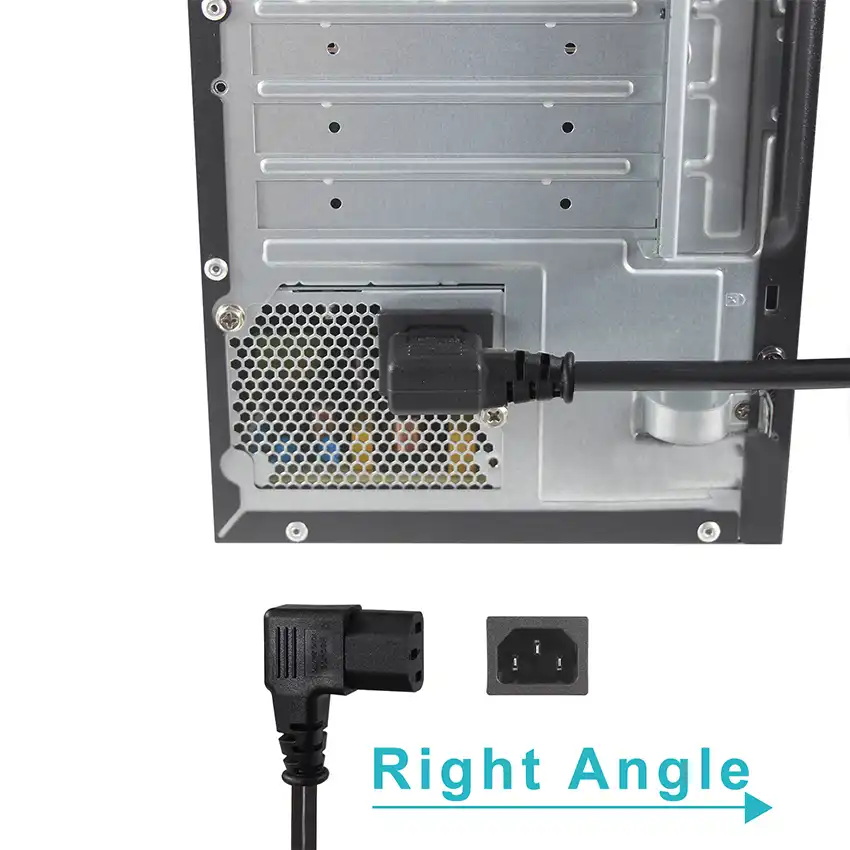
Comparing IEC Kettle Lead Materials and Types – Why Choose High-Quality Copper?
Material Comparison: Pure Copper vs. Alternatives
There are a lot of different conductor materials on the market, but when used in real life, the differences in performance become clear. Copper-clad aluminum (CCA) wires are cheaper at first, but they have risks that you might not know about. CCA wires have 40% more resistance than pure copper versions, which makes extra heat that breaks down insulation faster. We've seen buying teams have to pay for new cables before they're due, which cancels out the savings made in the first 18 months.
Our copper wires that don't contain oxygen for the IEC kettle lead get rid of impurities that make transmission worse. During the production process, oxygen content is reduced to less than 0.001%. This stops oxidation, which raises resistance over time. This level of accuracy in the metalwork makes sure that the IEC kettle lead works well for a long time, usually more than five years in harsh industrial settings.
Cable Type Variations for Different Applications
Flexible wires made with H05VV-F construction work well indoors where there isn't much mechanical stress. Office tools and household gadgets are well protected by the PVC insulation. Heavy-duty uses need H05RN-F rubber-jacketed wires that can handle wear and tear, oil, and temperature changes from -40°C to +85°C.
The main difference is in the way the C15 connector is cut. This design stops connecting by mistake to C14 inlets rated for lower temperatures, protecting the equipment mechanically from damage. This function is important for data centers that handle thousands of computer connections to keep their operations running smoothly.
Kuncan Electronics' Competitive Quality Position
The first part of our supply chain is approved copper providers who meet ASTM B3 standards for electrical-grade conductors. Before production starts, the conductivity, tensile strength, and clarity of new materials are tested. Every batch that is made goes through tests for continuity, insulation resistance at 500V DC, and high-voltage dielectric strength at 2500V AC.
We are in line with European safety rules because we have VDE approval from German testing officials. The CE mark shows that our cables are compliant with the Low Voltage Directive 2014/35/EU and the EMC Directive 2014/30/EU. RoHS and REACH compliance make sure that our cables are safe for the environment by not containing any harmful chemicals. This makes it easier to get them through customs on markets around the world.
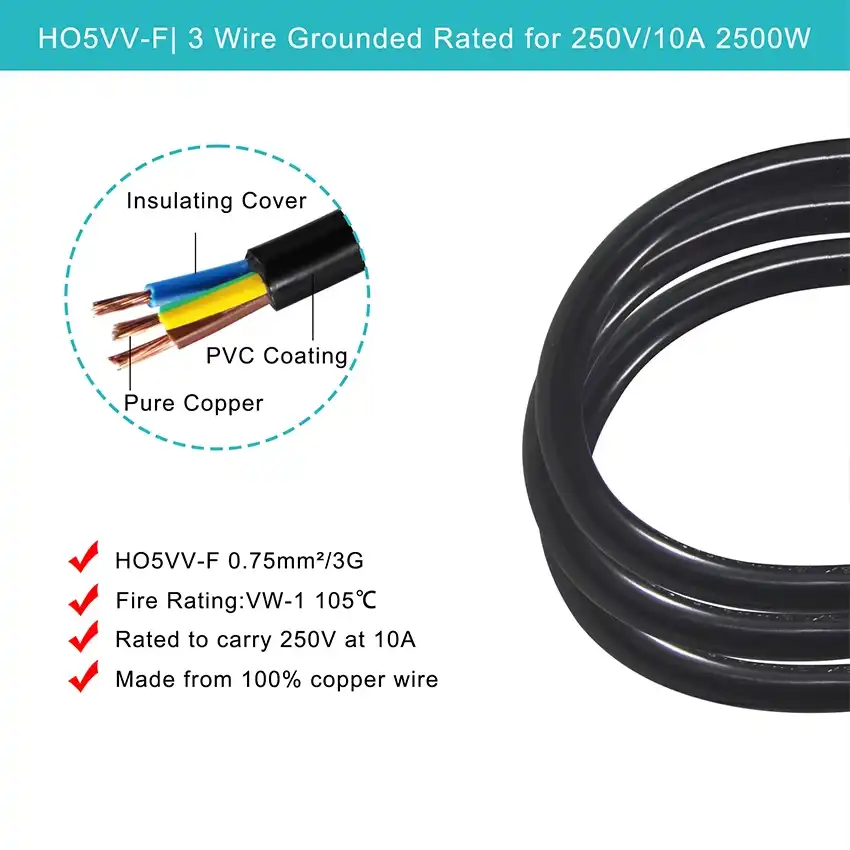
Practical Guidance for Selecting and Procuring IEC Kettle Leads
Evaluating Critical Technical Parameters
Matching cable specs to equipment needs is the first step in making a purchase choice. Check the label of your device to see what the voltage and current rates are. For example, a 16A-rated IEC kettle lead is a good safety measure for equipment that continuously draws 13A. Insulation voltage ratings must be 100% higher than the mains voltage. Our 250V wires can safely handle 230V European and 120V North American circuits.
Over distance, power drop depends on how long the cable is. When heavy loads are applied, runs longer than three meters with 1.0mm² wires may cause the voltage to drop noticeably. We can increase the wire gauge to 1.5 mm² for longer installs, which keeps the voltage stable at 2% of the standard supply.
Certification Compliance and OEM Customization
Multiple safety approvals are needed for global delivery. Our ETL listing covers markets in the US and Canada, and our BS certification opens up lines of sale in the UK. SAA acceptance meets the needs of both Australia and New Zealand. This portfolio of certifications gets rid of legal hurdles that make it take longer to get into a market.
Customization for the IEC kettle lead goes beyond just basic details. We can emboss logos on connecting shells to help OEM partners build brand recall. Custom wire colors, like standard black or a color that matches the company's logo, help find groups of equipment in large setups. Labels can have voltage values, part names, and safety warnings in more than one language.
Supply Chain Considerations and Economic Value
Sample orders are sent out within three to seven business days, so you can test them for quality before committing to large sales. Depending on the amount, bulk orders are finished in 15 to 25 days. For normal configurations, there are no minimum order quantities. This adaptability helps just-in-time stocking plans that lower the cost of holding on to goods.
Over the span of a product, the business case for high-end copper connections becomes clear. When failure rates are low, repair calls and downtime for machines are cut down. A phone company we work with said that after moving from regular cables to our copper-grade goods, service interruptions caused by cables dropped by 93%. Even though the original unit prices were higher, the longer average time between fails saved money.
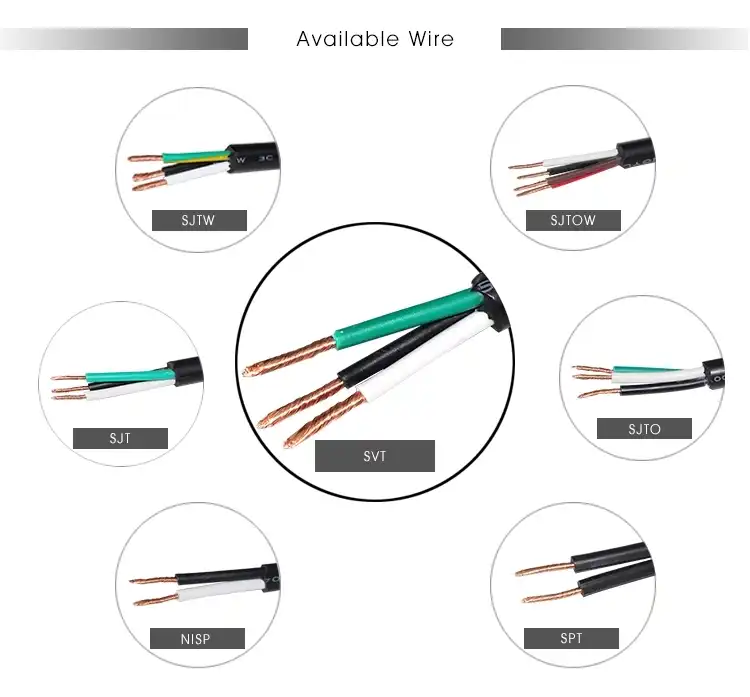
Ensuring Safe and Long-Lasting Use of IEC Kettle Leads with High-Quality Copper
International Safety Standards and Certification Importance
IEC 60320 sets the basic safety standards, but local governments add their own testing rules. VDE testing includes bending tests that go through 10,000 rounds, which are like years of connecting and disconnecting. Measurements of temperature rise show that the heating of the wire stays within safe limits at the highest current rating. 2500V is applied between the wires and the ground during dielectric strength tests. This confirms that the insulation is still intact when there is a fault.
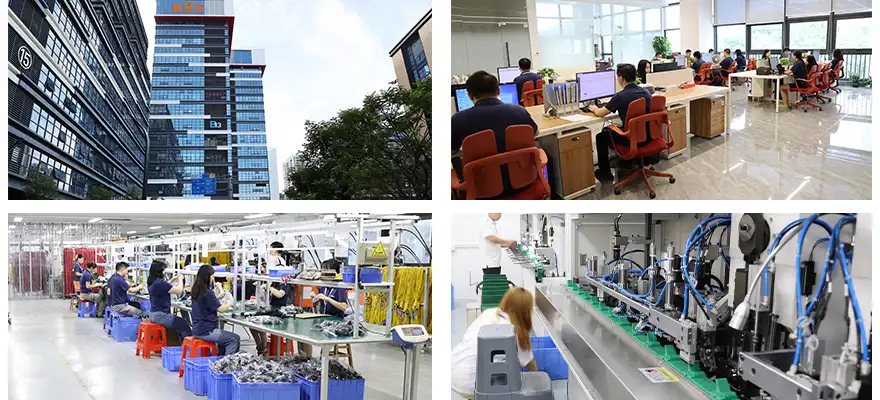
Our quality control system is based on ISO 9001 standards, and all the way from the raw materials to the final inspection, everything can be tracked. There are certificates of compliance and test records in every package that show it meets certain standards. This paperwork meets the needs of procurement checks and regulatory reviews without the need for extra testing fees.
Maintenance and Lifecycle Management
Visual checks done on a regular basis find signs of wear before they become problems. For signs of heat damage, look for cracks or changes in color in the connection shells. Check the wire jackets close to the connections for signs of wear or excessive bending. Over time, damage builds up at these stress points, revealing the conductors.
Right away, replace any IEC kettle leads that have burn marks, cracks in the insulation, or loose connection pins. Trying to fix broken power lines comes with legal risks that are much higher than the cost of replacement. Our industrial-grade design makes it last longer, but the best way to get the most out of it is to handle it correctly. Avoid sharp bends with a radius less than 10 times the width of the wire, and keep the cables in place to keep the connector joints from being stressed by strain.
Real-World Performance Case Studies
A European company that runs a data center with 2,400 rack-mounted computers switched to our C15 cords because their C13 cables kept breaking. In their high-density design, the operating temperatures often went above 90°C, which is higher than what is allowed for cables. After 18 months of using our heat-resistant wires, they had no more cable-related breakdowns than they had in the previous 18 months, when there were 47. Because of the increase in dependability, the infrastructure team was able to focus on longer-term projects instead of emergency fixes.
A client in the car manufacturing industry needed cables that could handle being washed down in robotic assembly rooms. Our H05RN-F rubber-jacketed wires with IP67-rated sealed plugs kept their electrical integrity even after being exposed to cutting oil mist and high-pressure water jets every day. The three-year work life in this harsh environment proved that high-quality materials and building methods make things last longer.
Conclusion
The quality of the materials decides whether power lines are seen as valuable infrastructure or problems that need to be fixed over and over again. High-quality copper wires have real benefits, such as better electrical conductivity that cuts down on wasted energy, better heat dissipation that keeps things from breaking down too soon, and mechanical sturdiness that lasts for years of use. The difference in price between premium and regular cords quickly goes away when you consider how much more reliable they are and how long they last. Our Kuncan Electronics IEC kettle leads are made with 100% oxygen-free copper, go through strict testing, and are certified around the world to make sure they meet the high standards of industrial automation, data centers, and mission-critical applications. The choices you make today about what to buy will affect how well your business runs for years to come. Pick products and partners that will help you succeed in the long run.
FAQ
What distinguishes copper from aluminum in power cable applications?
Copper is 60% better at conducting electricity than aluminum, so it uses less energy and makes less heat while it's working. Copper's high mechanical strength means that crimping and terminal connection methods don't damage the wire. Copper's resistance to rust keeps connections working well for decades, but aluminum oxidation raises contact resistance, which causes hotspots. Because of these physical qualities, copper conductors are always used in professional uses, even though they cost more.
Can you provide custom cable lengths for specialized installations?
Of course. We can make lengths ranging from 0.5 meters for connecting small pieces of equipment to 5 meters for distributing power far away. You can get non-standard lengths between these areas at no extra cost for the tools. We keep our production schedules flexible so that we can deliver custom setups within standard lead times. This helps us meet the installation needs of a wide range of businesses.
How do I verify cable compliance with regional safety standards?
Each IEC kettle lead package comes with a proof of compliance that lists the standards that must be met. For European markets, these are VDE, CE, RoHS, and REACH; for North America, they are ETL; and for Oceania, they are SAA. These certificates are based on test reports from approved labs that check for safety. Our customer service team can be reached at rhea@szkuncan.net and can help you with extra paperwork for regulatory reports or customer checks. The approval marks molded into the connection shells make it easy to see that they are compliant.
Partner with a Trusted IEC Kettle Lead Manufacturer
Kuncan Electronics offers IEC kettle lead power solutions that protect your tools and image. They have 17 years of experience making precise products and are flexible to meet the needs of their customers. Our VDE-certified Schuko to IEC C15 connections have 100% oxygen-free copper conductors, can withstand temperatures up to 120°C, and come with a wide range of global approvals. Our just-in-time shipping and streamlined supply chain keep your projects on track, whether you need 100 IEC kettle leads for a test project or 10,000 units for full production.
In addition to standard goods, we can completely customize the length of the cable, the gauge of the conductors, the material of the jacket, the types of connectors, the branding, and the packing to meet your specific marketing needs. Our helpful expert team gives you program advice and helps you choose the best setup for tough environments. Get in touch with rhea@szkuncan.net right away for full details, proof of licensing, and personalized prices. Feel the difference in dependability that comes from using high-quality copper construction.
References
International Electrotechnical Commission. (2021). IEC 60320-1: Appliance couplers for household and similar general purposes – Part 1: General requirements. Geneva: IEC Publications.
Copper Development Association. (2022). Electrical conductivity of copper alloys and alternative conductor materials. Technical Report CDA Publication 192.
VDE Testing and Certification Institute. (2023). Safety requirements for flexible cables and cords in European markets. Offenbach: VDE Verlag.
National Electrical Manufacturers Association. (2022). NEMA WC 70: Power cables rated 2000 volts or less for the distribution of electrical energy. Rosslyn: NEMA Standards Publication.
Liu, H., & Zhang, K. (2023). Thermal performance analysis of high-current power connectors in data center applications. Journal of Electrical Engineering & Technology, 18(4), 2847-2859.
European Commission. (2023). Guide to the application of the Low Voltage Directive 2014/35/EU. Brussels: EC Internal Market Directorate.

USER EVALUATE
Here is the customer's evaluation of us
YOU MAY LIKE
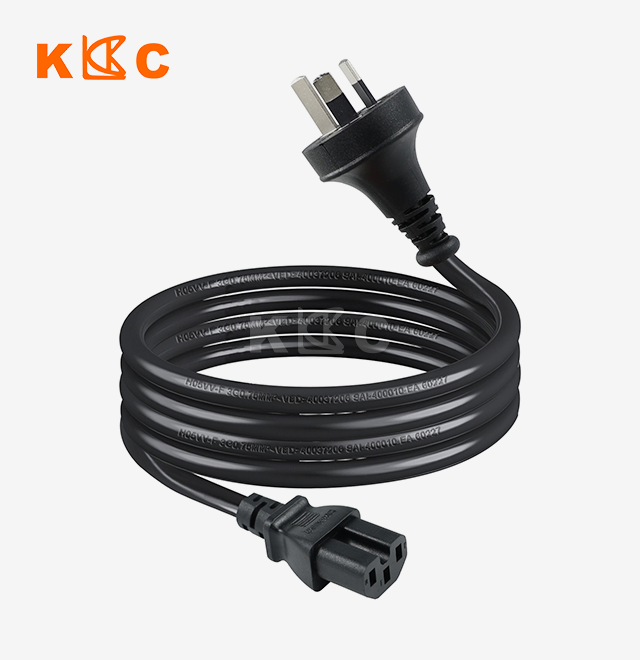 VIEW MOREAS/NZS 3112 to IEC C15 High-Temp Cord
_1785401762684.webp) VIEW MOREIEC 320 C8 Male to C7 and NEMA 1-15R Female Y-Splitter Power Cable
VIEW MOREIEC 320 C8 Male to C7 and NEMA 1-15R Female Y-Splitter Power Cable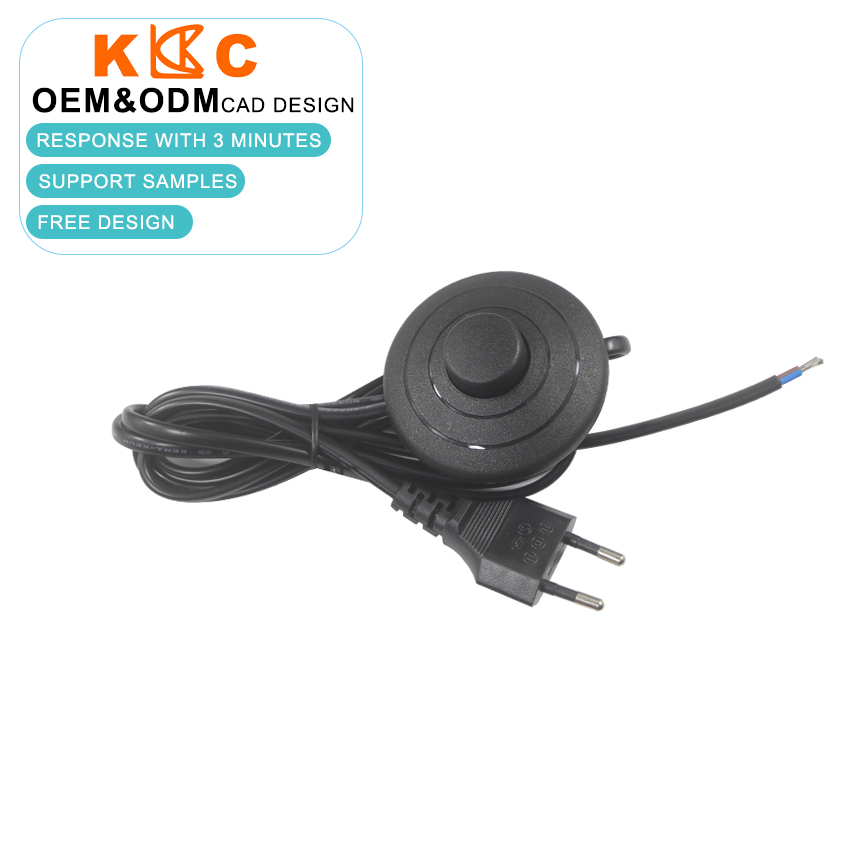 VIEW MOREfoot salt lamp
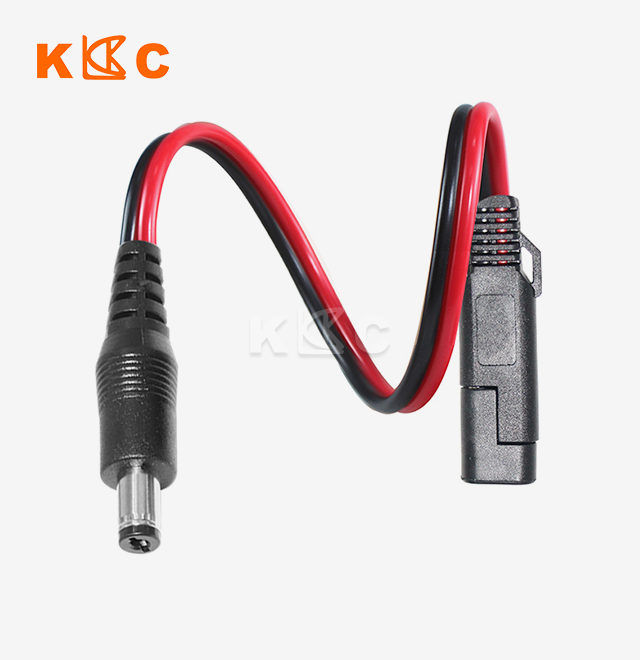 VIEW MORESAE to DC Adapter
 VIEW MORE3-Way Cigarette Lighter Socket Splitter
 VIEW MOREcee 7 7
 VIEW MOREus to pigtail power cord
 VIEW MOREnema 5 15p to c13 power cord