
OEM Kettle Power Leads for Appliances and Consumer Electronics
When you need to connect high-demand products to a reliable power source, OEM kettle power leads are an important part that connects your equipment to safe, stable electrical transfer. These special power cords are made to work consistently in business kitchens, industrial facilities, IT infrastructure, and the production of consumer goods. They are made to last and have grounded security and strong construction that meets international safety standards. Kuncan Electronics has spent 17 years improving our kettle power lead kits to meet the strict needs of global B2B customers who won't settle for less than the best quality or reliability.
Understanding OEM Kettle Power Leads: Specifications, Types, and Safety Tips
Before you can choose the right power communication option, you need to know why these parts are so important to your business. OEM power cords made for high-wattage products are very different from normal extension wires. Knowing the differences between them saves your investment and makes sure you follow the rules.
What Defines a Kettle Power Lead and How It Functions?
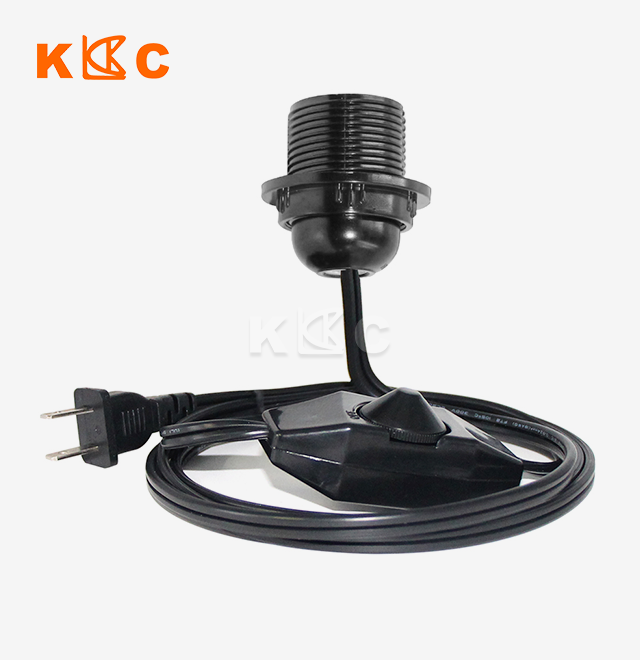
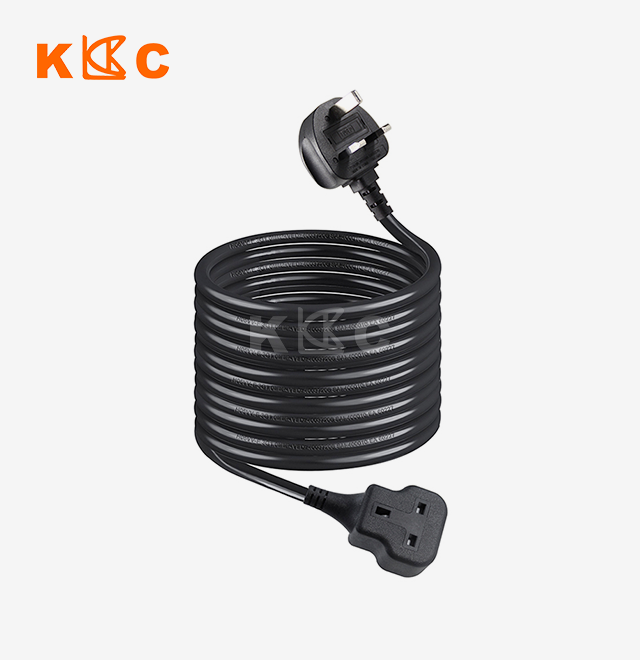
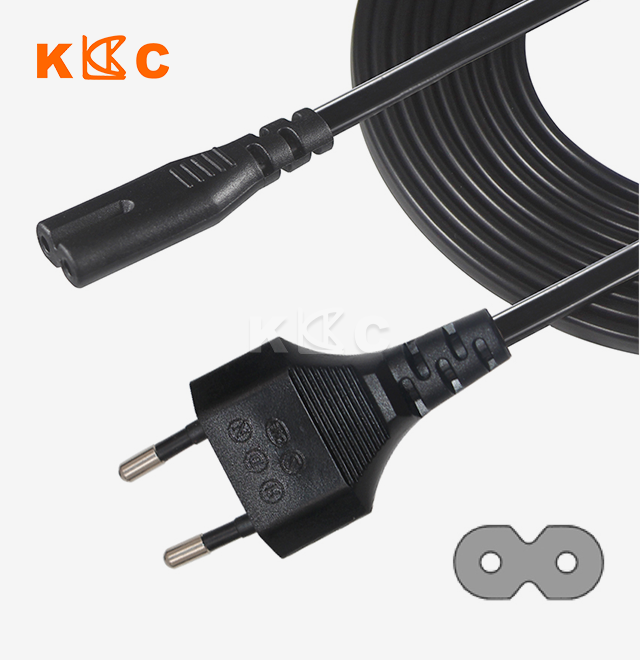
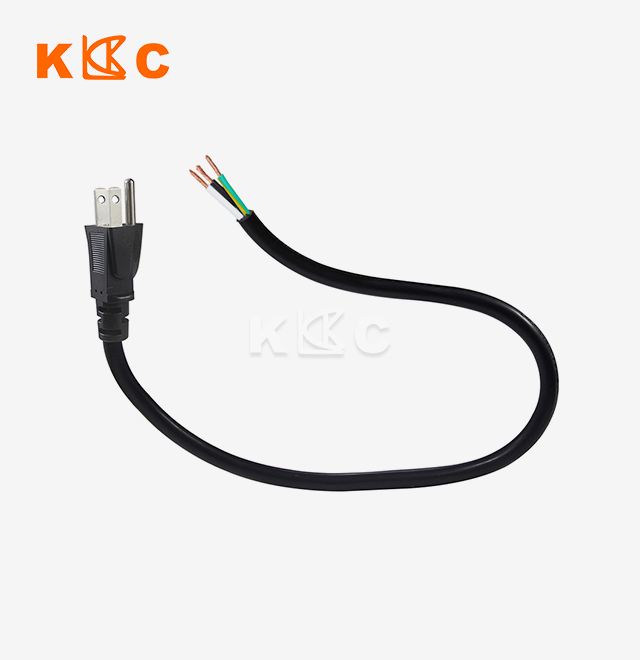
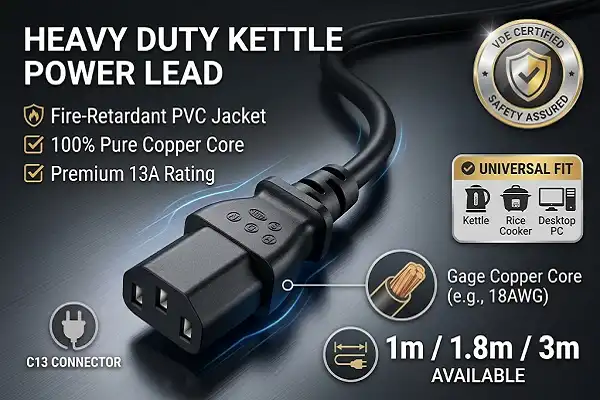
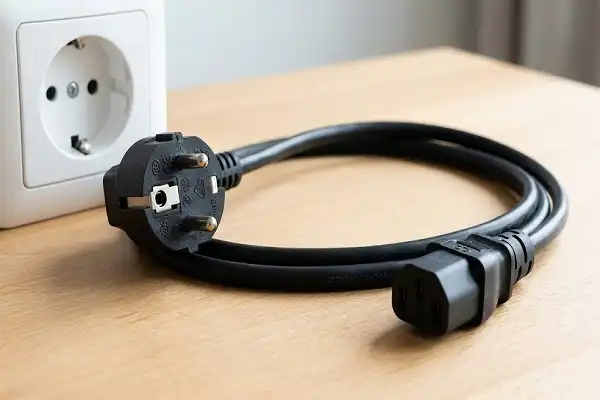
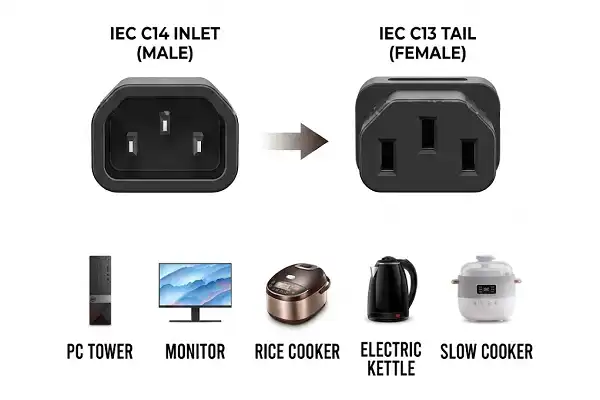
A kettle power lead is a grounded electrical wire assembly that connects appliances to mains power. The equipment end usually has an IEC 60320 C13 connector and the wall end has a plug that is specific to the area. These lines safely send electricity from your power source to heavy-duty appliances like business water boilers, industrial coffee machines, computer racks, and manufacturing machinery. The grounded three-conductor design (live, neutral, and earth) protects against electrical problems and the regulated IEC C13 interface makes sure that all kinds of equipment can work with it.
Our VDE-certified systems use oxygen-free copper cores with high conductivity that can handle 10A at 250V. They are wrapped in strong H05VV-F insulation that can handle constant use at temperatures up to 70°C. This design makes sure that the flow of current stays fixed even during times of high demand. This stops voltage drops that could hurt the performance of equipment.
Key Technical Specifications for Procurement Decisions
Knowing the technical details helps people who work in buying match power leads to the needs of each application. Wire gauge has a direct effect on how much current it can carry and how much voltage it drops. Our customized choices range from 0.75mm² for light-duty uses to 1.5mm² for harsh industrial settings. The length of the cable affects both the voltage drop and the freedom of the workspace. We have options ranging from 0.5 meters for small installations to 10 meters for large facility layouts.
The highest safe load capacity is set by current grades. Our standard 10A 250V rating is enough for most business machines, and the 70°C temperature rating makes sure that it will work well even when it's being used all the time. The CEE 7/7 Schuko plug configuration fits securely into European outlets, and the IEC C13 connector's locking retention device keeps it from disconnecting by chance while it's working.
Safety and quality are proven by compliance certifications. Our kits have VDE certification for European markets, CE marking to show that they follow the rules, and RoHS certification to show that they care about the environment. These approvals aren't just for looks; they're the result of strict testing procedures that include checking the dielectric voltage withstand, the temperature rise under full load, and the flexing sturdiness over 5,000 cycles.
Types of Power Leads: Switched, Fused, and Insulation Materials
Different working settings need different design elements. Switched power leads have an inline power switch that lets you turn the power on or off without unplugging the wire. This is especially helpful for machines that are hard to get to. With non-switched models, it's easy to connect equipment that has power control built in. Fused leads are safer because they have built-in overcurrent security that turns off the power immediately if the current goes over safe limits. This function is very useful in places where circuit safety might not always work right.
The choice of insulation material affects how long it lasts, how flexible it is, and how well it resists the elements. PVC is a cheap material that can be used for security in controlled indoor settings. Rubber insulation is very flexible and doesn't change much when the temperature changes. It's perfect for places where things move around a lot or for cold storage facilities. Silicone insulation can handle a lot of heat and keep its flexibility even at very high and very low temperatures. LSZH (Low Smoke Zero Halogen) materials protect people and sensitive gadgets during burning by reducing the release of toxic gases in fire-sensitive areas.
Practical Safety Tips for Installation and Troubleshooting
The right way to handle a kettle power lead makes it last longer and avoids dangerous situations. Before you connect any power lead, make sure that the voltage and current ratings match the specs for your appliance. Ratings that don't match can cause the device to overheat or break the electricity. Check wires often for damage that you can see, like frayed insulation, exposed conductors, or connections that aren't straight. Any wire that has been hacked should be taken out of service right away.
When installing, don't bend the cable too sharply near the connections where the strain relief meets the cable jacket. This is a high-stress area where the wire could break. When running wires, never put them in places where doors, equipment, or sharp edges could pinch or crush them. If you're having trouble with a link, use a multimeter to make sure the plug has the right voltage. Make sure that the IEC C13 plug fits all the way into the equipment's input. Connections that are only partially inserted cause high-resistance situations that heat up. If a fused lead stops working, change the fuse with a new one of the same grade. Increasing the capacity of a fuse removes its safety benefit and creates a fire risk.
Comparing Kettle Power Leads: Choosing the Right Solution for Your Needs
To make smart purchasing choices, you need to look at more than just price. The right kettle power lead weighs the original cost against the total costs of ownership, which include dependability, compliance risk, and the length of time the device can be used.
Functionality Differences: Power Leads vs. Extension Leads
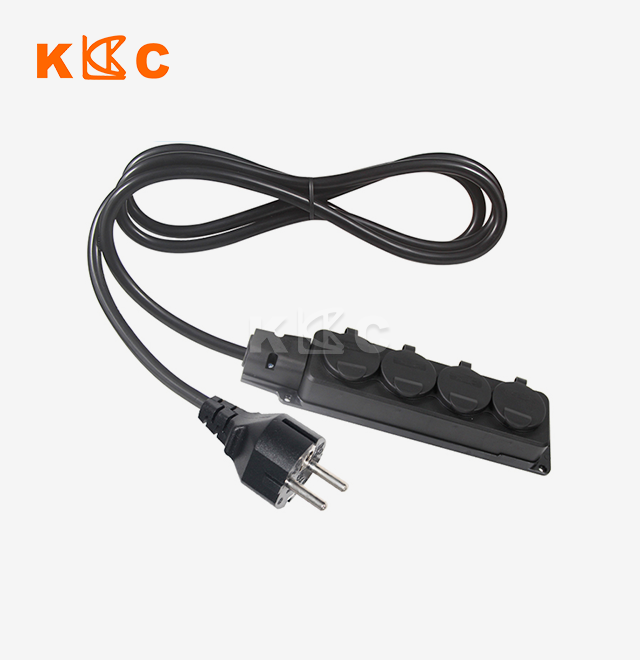
Power wires and extension leads may look like they can be used together, but they are actually very different. Extension leads take power from one outlet and send it to multiple devices. They usually have several plugs built into a housing that protects against surges. Power wires connect a single device to a power source and allow it to be used directly. This special design gets rid of the link resistance and heat that come with having more than one plug.
There are a number of risks that come with using extension cords for long-term high-wattage setups. The extra link points raise the resistance, which creates heat that speeds up the breakdown of the insulator. When several devices share the same extension, the load patterns aren't always expected and may go over the circuit's capacity. Dedicated power lines get rid of these factors, making performance more stable and failure rates lower. This is very important for mission-critical equipment where downtime costs more than component saves.
Essential Selection Criteria: Durability and Compliance Certifications
Checking for durability is more than just looking at something. Our systems are tested for pin retention force to make sure that connections stay connected even when they are heated and vibrated. Strain relief parts have to be able to bend over and over again without breaking the wire. We make sure they can do this by testing them automatically over more than 5,000 rounds. Chemical compatibility, UV stability, and wear resistance are some of the things that cable jacket materials are tested for based on where they will be used.
Certifications of compliance give objective proof of safety and efficiency. VDE certification shows that a product meets European safety standards for things like insulation, wiring, and temperature performance. When something has a CE marking on it, it means that it meets EU rules about electromagnetic compatibility and limits on dangerous chemicals. For U.S. markets, ETL certification gives proof that the product meets NFPA and OSHA standards. These licenses aren't just extra paperwork; they keep you from being sued if your equipment breaks down, and you need them to get into regulated industries' markets.
Evaluating Cost-Effectiveness: Switched vs. Non-Switched Options
Because they have more parts and are harder to put together, switched power lines cost more. This purchase makes sense when the ease of use for the user is more important than the cost. For example, equipment that needs to be turned off and on often can benefit from easy-to-reach switch controls. Because they use fewer parts, non-switched versions are more reliable and have lower unit costs. Fewer parts mean fewer ways that something could go wrong, which is especially helpful in industrial settings where vibration and dirt can mess up computer buttons.
Total ownership costs must be taken into account when making budgets. A cheaper wire that needs to be replaced every 18 months ends up costing more than a high-quality setup that lasts five years. Instead of figuring out the initial buy price, figure out the cost per working hour. Think about the costs of downtime, hiring new workers, and the damage that could happen to linked equipment if the wires aren't good enough. Our Oxygen-free copper conductors and strengthened strain relief make our products last longer, which lowers the total cost of ownership even though they cost more to buy at first.
Material and Brand Comparison for Reliability
The quality of the materials for a kettle power lead directly affects how long they last. Copper conductors that don't contain oxygen have less resistance and produce less heat than copper-clad aluminum options. Copper that is very pure can carry electricity for thousands of heat cycles without losing its ability to do so. Injection-molded connection bodies made from new thermoplastic are more stable and resistant to impact than recycling compounds. Cable jackets made with UV protectors and antioxidants don't break down in the environment, so they keep their flexibility and insulation integrity over the life of the product.
A manufacturer's image shows how much experience they have and how committed they are to quality. Newer companies can't match the investments that established ones make in things like process controls, testing tools, and constant improvement. Kuncan Electronics has been committed to quality for 17 years, as shown by our standing as an Alibaba Verified Supplier and our long-term client relationships that cross countries. We keep track of each lot, which lets us respond quickly to problems in the field, and our tech team offers application support to make sure you get the best product for your needs.
Procurement Guide: How to Buy OEM Kettle Power Leads for Business Use?
Strategic procurement weighs the needs of the present with the security of the supply chain in the long run. Knowing how prices are set, what customization options are available, and how to evaluate a seller helps you make better buying choices that protect your business.
Pricing Structures and Bulk Buying Advantages
The cost of materials, the difficulty of making the cord, the cost of licensing, and the number of orders all affect the price. The prices of materials change based on the price of copper and insulation chemicals made from gasoline. Customization levels affect how hard it is to make something; standard configurations are easier to make than setups with custom joints or special insulation. Certification costs are spread out over a bigger order, which lowers the price per piece because the fixed costs are spread out over more units.
Through economies of scale, buying in bulk can save you a lot of money. Our streamlined supply chain directly passes on volume savings to our clients. For bigger orders, dedicated production runs are necessary to cut down on switching time and scrap rates. We support flexible buying without strict MOQ requirements, so we can handle both large-scale operations and small-batch restocking. Volume agreements allow for better pricing levels while still letting you change your goods as needed. When planning bulk orders, work with our production scheduling team to make sure that wait times are optimized around your rollout timeline. This way, you can be sure that the kettle power leads will come exactly when you need them without having to pay for storage.
Customization Options: Length, Insulation, and Safety Features
Standardized kettle power lead goods don't always perfectly meet the needs of a specific application. Our full customization services take general parts and turn them into custom solutions that solve your specific problems. Customizing the length of the cable gets rid of any extra cords that could cause people to trip while still giving you enough reach to place your equipment in different places. We make assemblies from 0.5 meters for small setups to 10 meters for large building plans, and any length in between can be made to fit specific needs.
Wire gauge choice strikes a mix between cost, freedom, and current capacity. Heavier wires can handle higher currents with less voltage drop, but they make cables less flexible and cost more to make. Our engineering team tells you the best size based on the amount you need to carry, the length of the cable, and how it will be installed. Customization of insulation materials takes natural factors into account. For example, you can choose PVC for normal indoor uses, rubber for places with high temperatures, or LSZH for places that are vulnerable to fire. Customizing connectors lets you choose from angled layouts (left, right, up, and down) that make it easier to handle cables in crowded setups and add your own logo for OEM uses to establish your brand's identity.
Lead Times, Production Schedules, and Supplier Vetting
Production schedules affect how much material to plan for and how to schedule projects. Our efficient production process gets samples to you in 3-7 business days so you can test and confirm the design. Depending on the number of orders and the level of tailoring, bulk production usually takes 15-25 days. Complex requirements that need specialized materials or non-standard certifications may make deadlines longer. Talk to our project management team early on in the planning process to set realistic deadlines.
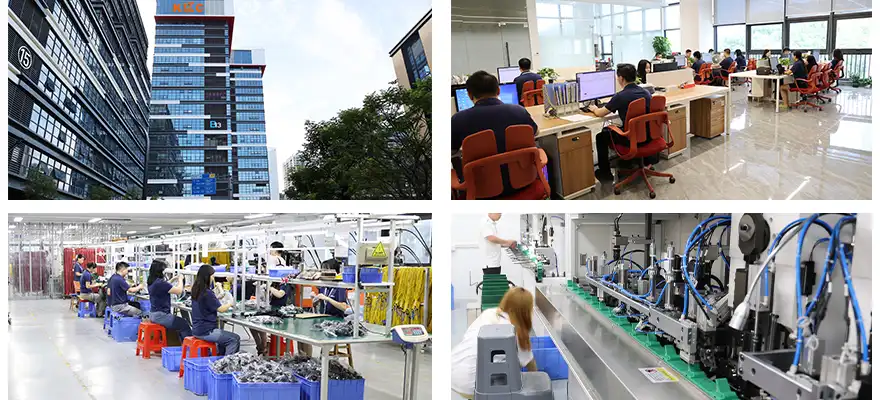
Supplier screening keeps you safe from poor quality and supply problems. Make sure that makers keep their certifications up to date from well-known testing facilities. Certifications should show specific product models instead of general facility capabilities. Check the suppliers' production ability and the level of sophistication of their tools to make sure they can keep up with your growth. When you can, visit factories and pay attention to how they control quality, test equipment, and how materials are stored. Check references from past clients in related fields, paying special attention to how reliable the delivery is, how many problems happen, and how quickly the company responds to problems. Our Dongguan plant is open to client audits, and our 300-person staff gives you stable capacity that protects your supply chain from single-source risks.
Delivery Expectations and After-Sales Service
Logistics planning makes sure that goods get to the right place and time. We offer a range of shipping choices, such as air freight for urgent needs, ocean transport for large shipments at low costs, and rail services for targets in Europe that balance speed and cost. Our logistics team handles customs paperwork, controls relationships with freight forwarders, and lets you see where your goods are at all times during travel.
After-sales help protects your investment after the product has been delivered. Our full 1-year warranty covers all manufacturing flaws, such as broken conductors, failed insulation, and damaged connectors caused by problems with the material or the work. Warranty claims are quickly looked at, and picture evidence is often enough. We ship replacement units while we set up return procedures, so you don't have to wait too long. Our large inventory lets us quickly fill replacement orders, even for unique configurations, and our manufacturing capacity can be scaled up or down to meet pressing needs.
Conclusion
Choosing the right kettle power lead will protect your equipment purchases, make sure you're following the rules, and keep your equipment running smoothly. This guide gives procurement professionals the technical specs, customization options, and source skills they need to make smart choices that balance short-term needs with long-term total ownership costs. Kuncan Electronics has 17 years of knowledge in power connectivity, which gives businesses around the world the quality, freedom, and support they need. Our VDE-certified parts go through a lot of tests to make sure they work well in tough places like data centers and business kitchens. Working with trusted, high-quality makers is key when your operations depend on reliable, safe power transfer. It's the difference between running smoothly and having to pay a lot for repairs.
FAQ
What certifications should I verify when sourcing kettle power leads?
Required licenses change depending on the market. For use in Europe, VDE certification shows that the product meets EN safety guidelines for insulation, grounding, and thermal efficiency. If something has a CE mark on it, it means it meets the rules of the Low Voltage Directive and RoHS. In the U.S., products must have an ETL or UL listing that proves they meet NFPA 70 standards. RoHS certification proves that dangerous chemicals like lead, mercury, and cadmium are limited. REACH compliance shows that chemicals are properly registered and limited according to EU rules. Instead of depending only on what the certificate says, ask to see real test reports. Reliable manufacturers provide thorough paperwork that includes test parameters and results.
Can I customize cable length and connector configurations for my specific application?
Of course. We offer full customization to meet a wide range of operating needs. Cable lengths range from 0.5 meters to 10 meters, and any length in between can be used for unique setups. Connectors can be set up in both straight and curved (left, right, up, and down) ways, which makes it easier to manage cables in crowded areas. You can choose a wire size between 0.75mm² and 1.5mm² based on your current needs and the amount of voltage drop you can handle. Depending on the climate, insulation materials can be made of PVC, rubber, silicone, and LSZH. When used for OEM purposes, custom logo printing and private labels create a brand personality. Our engineering team offers design advice to make sure you get the best specs for your individual needs.
How do I determine the appropriate wire gauge for my application?
Choosing the right wire size takes into account factors like cost, length of the connection, voltage drop, and current capacity. Find the highest constant current, making sure to include safety margins for loads that change quickly. For longer wire runs, heavier sizes are needed to keep voltage drop below 3% of nominal voltage. Too much voltage drop makes appliances work less well and wastes heat. The temperature of the environment changes the conductor's ampacity; when the temperature is high, the current capacity needs to be lowered. If you tell our technical team about the load requirements, cable length, and working conditions, they will make suggestions that are specific to your application. Email rhea@szkuncan.net for personalized help making sure your choice meets both performance and safety requirements.
Partner with a Trusted Kettle Power Lead Manufacturer
If you need high-quality kettle power lead solutions, Kuncan Electronics is ready to become your key partner. Our manufacturing quality, backed by VDE certification and 17 years of specialized knowledge, gives your processes the dependability they need. We can customize OEM products for companies that make them and provide large supplies for wholesalers that want to gain a competitive edge through better quality and service. Our engineering team offers free design review, specification advice, and application help to make sure that the product works well in your setting. Because we can send samples in 3–7 days and make the whole thing in 15–25 days, we can work around your project plans without any problems. You can talk to our team at rhea@szkuncan.net about your needs, ask for technical details, or place an order for a sample. As your dedicated kettle power lead provider, we turn problems with connectivity into competitive benefits through careful engineering and quick partnership.
References
International Electrotechnical Commission (2021). IEC 60320-1: Appliance couplers for household and similar general purposes - Part 1: General requirements. Geneva: IEC Publications.
European Committee for Electrotechnical Standardization (2020). EN 50525-2-11: Electric cables - Low voltage energy cables of rated voltages up to and including 450/750 V. Brussels: CENELEC.
Underwriters Laboratories (2022). UL 817: Standard for Safety Cord Sets and Power-Supply Cords. Northbrook: UL Standards.
National Fire Protection Association (2023). NFPA 70: National Electrical Code. Quincy: NFPA Publications.
Verband der Elektrotechnik (2021). VDE 0282-1: PVC insulated cables of rated voltages up to and including 450/750 V. Frankfurt: VDE Verlag.
British Standards Institution (2019). BS 1363-1: 13 A plugs, socket-outlets, cable couplers and adaptors - Specification for rewirable and non-rewirable 13 A fused plugs. London: BSI Standards.

USER EVALUATE
Here is the customer's evaluation of us