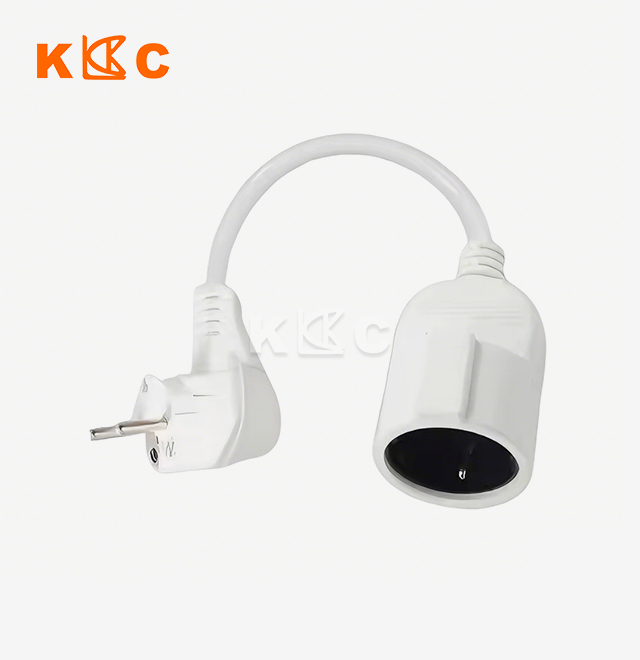

Selecting the Right PDU Schuko C13 Cable for Your Server Rack
Choosing the right power distribution option has a direct effect on how safe and reliable your computer rack is to use. The PDU Schuko C13 cable has both European CEE 7/7 Schuko plugs and IEC C13 connections. This makes it possible for continental power infrastructure and foreign IT equipment standards to work together without any problems. This VDE-approved device can safely send power to several C13 outlets, each of which is rated at 10A. It can handle up to 16A of input power. With their strong construction and high-conductivity copper cores, these wires make sure that current flows smoothly in demanding data centers that are open 24 hours a day, seven days a week. Picking the right cable setup can save you money on costly downtime, keep your servers safe from electrical dangers, and make the best use of power across your whole network.
Understanding PDU Schuko C13 Cables: Technical Overview and Specifications
What Makes PDU Schuko C13 Cables Unique?
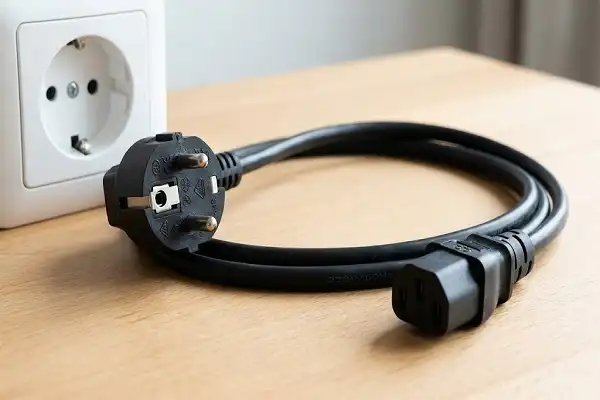
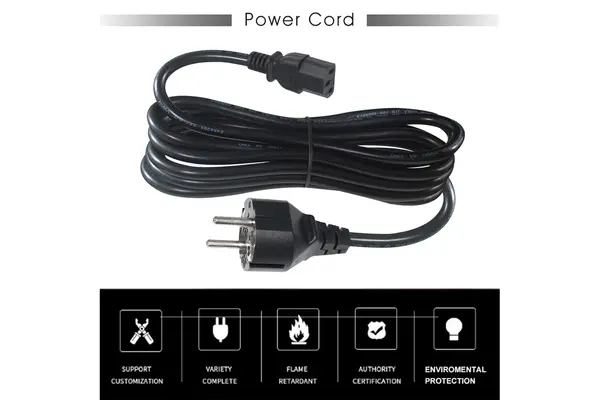
In European data centers, power distribution lines with Schuko plugs and C13 connections solve a very important problem. Standard outlets in buildings use CEE 7/7 Schuko connections, but computers and network gear need IEC 60320 C13 power sources. This setup gets rid of adapters that don't work right and makes sure that your equipment follows the right grounding and electricity safety rules.
The technical design combines two well-known worldwide standards into a single, solid unit. Schuko plugs have three blades that work with server power sources all over the world, while C13 connectors have two round pins with grounding clips that meet European safety standards. This dual-standard method makes sure that your equipment gets clean, stable power without lowering the safety limits.
Core Technical Specifications
Knowing the electrical factors helps procurement teams choose wires that are right for each job. Our VDE-approved wires work at 250V and have 10A outlet ratings per link, so they can handle equipment loads of up to 2,500 watts each. At 230V, the input power goes up to 16A, and a total of 3,680 watts can be sent to different outlets.
For wire building, H05VV-F shapes are used. You can choose from 3G0.75mm², 3G1.0mm², or 3G1.5mm² gauges, based on the load you need to carry. The three-conductor system has live, neutral, and ground lines, which protects against all electrical hazards. Temperature ratings go up to 70°C, so they can be used continuously in warm computer rooms without losing function.
Cable lengths range from 0.5 meters for small rack installations to 10 meters for setups with spread power. This level of tailoring allows for a wide range of data center plans and equipment sets. The phosphor bronze contacts have a holding force of over 50N, which keeps them from accidentally disconnecting during important activities.
Safety Features and Certification Standards
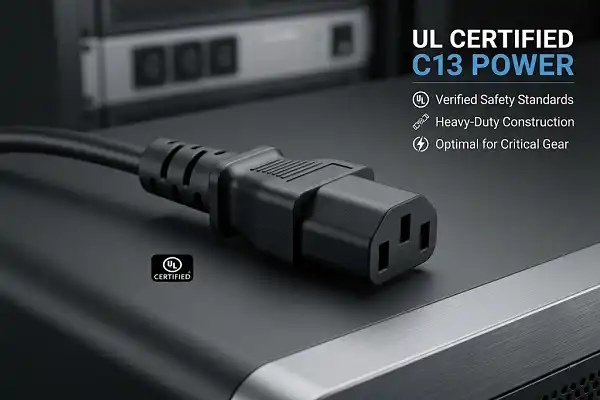
Before leaving our production site, every wire goes through a full set of safety tests, which include checking the polarity and making sure the pins stay in place. The building meets the standards for VDE certification as well as CE, EMC, and RoHS compliance for full approval on the European market. With these certificates, you can be sure that your equipment meets the strict safety standards set by the continental government.
Grounding protection works through the built-in clips on the Schuko plug and the designated ground pin on the C13 connection, making two separate safety paths. Insulation standards keep current from leaking and keep people from getting shocked by electricity. The UL94 V-0 flame-rated polymer construction makes it safer in case of fire, which is very important in high-density server rooms where equipment makes a lot of heat.
Comparing PDU Schuko C13 with Other Common Power Cables
Regional Connector Standards and Compatibility
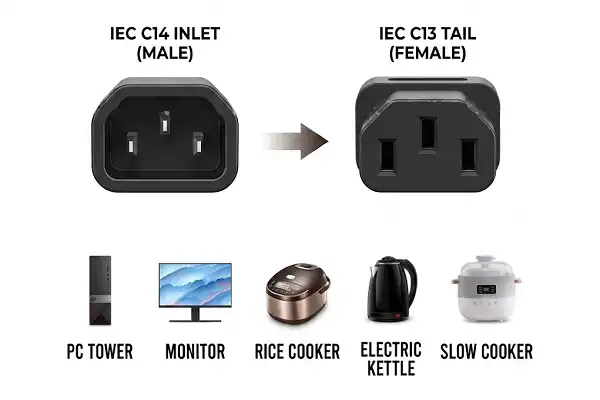
When putting in place equipment made for different regional standards, global data centers often run into problems. Knowing these differences helps buying teams avoid problems with compatibility and safety. In continental Europe, like Germany, France, Spain, and other nearby countries, the Schuko system is the most common. On the other hand, C14 connections are often found on equipment power supply units as male inlets paired with C13 female cord ends.
When you look at PDU Schuko C13 plugs next to US NEMA 5-15 plugs, you can see that they are designed very differently. NEMA plugs have flat, parallel blades that are designed for 125V systems. They can't work with 230V systems in Europe without voltage changers. UK BS1363 plugs have three rectangular pins with built-in fuses, which is a different way of solving safety than Schuko's grounding clip method. Because of these regional differences, it's important to choose cables carefully when setting up foreign tools.
C19 connectors can handle up to 16A of current, while C13 connectors can only handle 10A. This makes them ideal for power-hungry blade servers and high-performance computer equipment. The actual connecting sizes are very different, which keeps them from accidentally not working together. When planning your infrastructure, you need to take these differences into account when figuring out how to distribute power.
Performance and Durability Considerations
Quality of building has a direct effect on how well and how long a cable works. Copper cores with high conductivity are used in our manufacturing process to reduce resistance losses and heat production during power transfer. This efficiency cuts down on wasted energy and makes cables last longer in situations where they are constantly being used.
The material used to insulate the wire has an effect on both safety and longevity. We have a range of materials, such as PVC for general uses that don't cost much, TPE for more flexibility, rubber for tough environments, and LSZH (low smoke zero halogen) for setups that put fire safety first. Depending on your operating setting and regulatory needs, each material has its own benefits.
There are both straight and angled (left, right, up, and down) connector orientation choices that make it easier to route cables in busy rack areas. Cable handling that is done right makes links less stressed and improves airflow around equipment that makes heat. Because of these customization options, you can build your infrastructure in a way that fits your space.

How to Select the Right PDU Schuko C13 Cable for Your Server Rack – A Decision-Support Approach?
Assessing Your Power Requirements
Figuring out the total amount of power needed is the first step in choosing the right cables. Start by writing down how much power each server uses. This information is usually on the equipment's label or in the manufacturer's instructions. Add up these numbers for all the devices that are attached to a single power distribution unit. Make sure the total stays within the cable's stated capacity, leaving enough room for error.
The environment affects how well and how long a wire works. In server rooms where temperatures can vary a lot, you need wires with the right thermal values. It is possible for our lines to work continuously at temperatures as high as 70°C, which is normal for data centers. When choosing materials, you should also think about how humid the area is and how much chemical contact there might be.
Evaluating Safety Certifications and Compliance
Checking licensing standards keeps your business safe from harm and makes sure it follows the rules. VDE certification makes sure that wires meet European safety standards for electrical safety, including standards for insulation, grounding, and current carrying ability. This license is necessary when setting up equipment in different EU member states.
More approvals, like the CE mark, show that the product meets European health, safety, and environmental protection laws. EMC approval proves that the equipment is electromagnetically compatible, which keeps it from interfering with network equipment that is sensitive. RoHS compliance makes sure that banned dangerous substances stay below certain levels, which helps with efforts to protect the environment.
Supplier Credibility and Manufacturing Quality
Working with well-known makers guarantees consistent quality and dependable supply lines. Kuncan Electronics has been making electrical cables for 17 years and is an Alibaba Verified Supplier, which shows that they are committed to being honest and doing business in an honest way. Our factory has more than 300 skilled workers who follow ISO standards for making.
The ability to manufacture PDU Schuko C13 has a big effect on project timelines and the freedom of buying. Samples are sent from our center within 3–7 business days, which allows for quick testing and development. Depending on the number of orders, mass production takes 15 to 25 days to finish. Rush orders can be accommodated when projects need them to be delivered quickly. We can do small-batch replenishment without a minimum order number, which makes it easier for you to keep track of your supplies.
Budget Optimization and Bulk Purchasing
Costs are cut while quality standards are kept up with strategic buying. When you order in bulk, you get economies of scale that lower the cost per unit. This is especially helpful when you want to standardize equipment across multiple sites. Our flexible manufacturing methods and streamlined supply chain allow us to offer affordable prices without lowering the quality of our work or approval standards.
Customization services make regular products more valuable. We make custom wire lengths that exactly fit the dimensions of your rack. This cuts down on waste and makes cable handling look better. Putting logos on connectors and offering custom packaging help with branding efforts and make keeping track of supplies easier for big deployments.
Installation Best Practices and Safety Tips for PDU Schuko C13 Cables
Step-by-Step Installation Guide
A good fitting starts with careful planning and preparation. Turn off all the electronics that are linked to the installation area and use the right checking tools to make sure there is no electrical connection at all. Check the mounting spot to make sure it has enough air flow and is easy to get to so that maintenance workers can safely reach the links during future maintenance.
Before installing a wire, carefully check each one to see if the insulation, connections, or conductors are damaged. Check that the cable's specs match your written power needs and the equipment it's meant to work with. As you run wires through rack channels or cable management systems, make sure you keep the right bend radius to keep the insulation from getting damaged and the conductors from getting stressed.
Before applying entry force, make sure the Schuko plug pins are lined up correctly with the wall outlet socket. The grounding clips should fit easily into the grounding contacts on the plug. Align the three blades of the connector with the matching inlet slots on the server equipment and press strongly until the connection fits all the way. The retention clips should click into place, letting you know that the connection is safe.
Critical Safety Protocols
Verification of grounding keeps people and things safe from electrical dangers. Using the right tools, check each connection's ground continuity and make sure the ground line stays less than one ohm from the plug to the equipment base. This low-resistance path makes sure that fault currents quickly set off safety devices when there are electrical problems.
Surge prevention parts keep sensitive electronics safe from voltage spikes that can happen when lightning hits, the power goes out, or equipment breaks down. Even though the materials used to make our wires are of high quality, adding surge protection devices at the power distribution unit makes them even safer. Before they reach linked equipment, metal oxide varistors and gas discharge tubes stop sudden voltages.
Failures are stopped before they mess up processes by setting up regular inspection plans. Visual checks should be done every three months to look for damage to the insulation, worn connectors, and signs of warming like discoloration or warping. Thermal imaging cameras find hotspots that mean connections are loose or there is too much current flow. This lets repair workers do their jobs before they break down.
Troubleshooting Common Issues
Connection dependability problems for PDU Schuko C13 usually show up as power outages or tools that won't work at all. To start fixing the problem, make sure that the wire is still fully seated at both ends and that the retention clips are properly engaged. Check the connection pins for damage like bending, rust, or dirt that could make it harder for electricity to flow. When needed, use the right electrical cleaning products and soft brushes to clean the contacts.
Issues that don't go away even though the links look like they should be fine could mean that the internal conductors have been damaged by too much bending or physical stress. Instead of trying to fix wires that look fishy, you should replace them right away because insulation that isn't working right can cause shocks and fires. Our 1-year guarantee covers problems with the way the products were made, and if quality problems happen, we'll send you a new one.
If the problem is too big for basic fixing, you should get in touch with our technical support team at rhea@szkuncan.net or get in touch with qualified electrical techs. Our 24-hour reaction time guarantees that experts will be able to help with even the most difficult diagnostic problems, protecting the stability and integrity of your infrastructure.
Maximizing Value: Case Studies and Future Trends in PDU Schuko C13 Usage
Real-World Implementation Success
After standardizing on high-quality power connections, European data centers say they can see changes. A cloud services provider in Frankfurt cut down on power-related problems by 43% after switching from wires of different quality to VDE-certified units with strong construction and the right specs. Putting money into good infrastructure paid off by lowering the cost of repairs and making the service more reliable.
Similarly good things happen in factories that use industrial automation tools. A Spanish company that makes auto parts put PDU Schuko C13 wires all over their control system infrastructure. This got rid of voltage changes that were stopping the production line before. The standardized method made it easier to find problems and keep spare parts on hand, and it also raised the total efficiency of the equipment.
Emerging Technology Integration
Smart power distribution boxes are the next step forward in managing computer rack infrastructure. Sensors built into these smart devices keep an eye on the current draw, voltage levels, and temperature levels across all outlets. IoT tools that are connected to the internet allow for remote tracking, which lets operations teams know about problems before they become major.
Predictive analytics use past data on power use to find strange trends that could mean that equipment is breaking down or isn't set up correctly. With this method, maintenance moves from fixing problems as they happen to doing things on a regular basis, which cuts down on unexpected downtime. By connecting power use to temperature loads, integration with building control systems improves the efficiency of cooling.
Power transfer technology keeps getting better because of efforts to save energy. Modern materials lower resistive losses while keeping safety margins the same. This lowers running costs for big deploys. Data centers can get environmental certifications and lower their carbon footprints by watching the environment and finding the best ways to use power efficiently.

Conclusion
Choosing the right power distribution lines has a big effect on the safety, dependability, and operating efficiency of your server infrastructure. PDU Schuko C13 cables that are made with VDE approval, the right specs, and high-quality construction are the basis for reliable data center operations. Your investment will be worth it in the long run if you understand the technical needs, compare area standards, and work with well-known makers. Regular repair and following the right steps for installation protect people and machinery while increasing uptime. As technology advances toward smart tracking and predictive management, good power infrastructure is still needed to support new features and keep a competitive edge in business settings that are becoming more digital.
FAQ
Are PDU Schuko C13 cables compatible with all European server racks?
These cords work perfectly with computers and network gear that has IEC C13 power outlets and European buildings that use standard CEE 7/7 Schuko outlets. The C13 connector is made to international standards, so it can be used with IT tools from any maker in the world. Make sure that the 10A per outlet and 250V rates for your equipment match the manufacturer's specs to make sure that it can be used safely within the design limits.
What distinguishes Schuko plugs from C13 connectors functionally?
As the male input connection, Schuko plugs connect to wall outlets or power distribution units to bring power from the building's infrastructure. Cables that plug into equipment power sources with C14 male inlets use C13 ports as female outlets. This relationship works together to make full power lines that go from facility sources to end devices through distribution wires.
How can I verify cables meet data center safety standards?
Check the product paperwork to see if it has both VDE approval, which shows that it meets European safety standards for electrical equipment, and CE marking, which shows that it meets European health and safety standards. Ask for test records that show measures of the current-carrying ability, ground continuity, and insulation resistance. Reputable makers provide full licensing paperwork and keep track of where their products come from throughout the whole production process. This makes sure that quality is always maintained and that regulations are followed.
Partner with Kuncan Electronics for Superior PDU Schuko C13 Solutions
Power distribution infrastructure for your data center should be based on 17 years of excellent production and constant quality standards. Kuncan Electronics is an expert in VDE-certified PDU Schuko C13 wires that are designed to work in harsh server rack settings. As an Alibaba Verified Supplier, we run our company honestly and offer a wide range of customization options, such as printing logos, making custom labels, and offering a range of flexible packing options, from big coils to retail-ready sets.
Every wire goes through 100% safety testing to make sure it will work reliably for your important tasks. Our expert team provides samples in 3–7 days and finishes mass production in 15–25 days. We can help you meet your project deadlines with quick customer service 24 hours a day, 7 days a week. We can handle small-batch sales without a minimum quantity requirement, which makes it easier for you to keep track of your goods. Contact our experts at rhea@szkuncan.net to talk about your unique needs and find out how our PDU Schuko C13 supplier skills give you a competitive edge through quality, dependability, and quick support.
References
International Electrotechnical Commission. (2018). IEC 60320-1: Appliance couplers for household and similar general purposes - Part 1: General requirements. Geneva: IEC Central Office.
Verband der Elektrotechnik Elektronik Informationstechnik. (2019). VDE 0620-1: Plugs and socket-outlets for household and similar purposes - Part 1: General requirements. Frankfurt: VDE Verlag.
European Committee for Electrotechnical Standardization. (2020). EN 50525-2-11: Electric cables - Low voltage energy cables of rated voltages up to and including 450/750 V. Brussels: CENELEC.
Telecommunications Industry Association. (2017). TIA-942-B: Telecommunications Infrastructure Standard for Data Centers. Arlington: TIA Publications.
American Society of Heating, Refrigerating and Air-Conditioning Engineers. (2021). ASHRAE TC 9.9: Data Center Power Equipment Thermal Guidelines and Best Practices. Atlanta: ASHRAE Technical Committee.
Institute of Electrical and Electronics Engineers. (2019). IEEE 1100: Recommended Practice for Powering and Grounding Electronic Equipment. New York: IEEE Standards Association.

USER EVALUATE
Here is the customer's evaluation of us
_1781502912074.webp)
_1779502524805.webp)