


Reliable SAE to DC Adapter Solutions for OEM Battery Applications
When OEM battery systems demand secure, efficient power connectivity, the SAE to DC Adapter emerges as a proven solution. This specialized interconnect bridges the gap between SAE J928 automotive-grade connectors and standard DC barrel jacks, enabling seamless power transfer across heated apparel, solar installations, industrial automation, and portable battery platforms. Engineered with high-purity copper conductors and rigorously tested for polarity accuracy, these adapters eliminate interface incompatibilities while delivering stable current flow under demanding environmental conditions. Understanding their construction, selection criteria, and installation protocols ensures procurement teams secure components that align with long-term operational reliability and evolving OEM requirements.
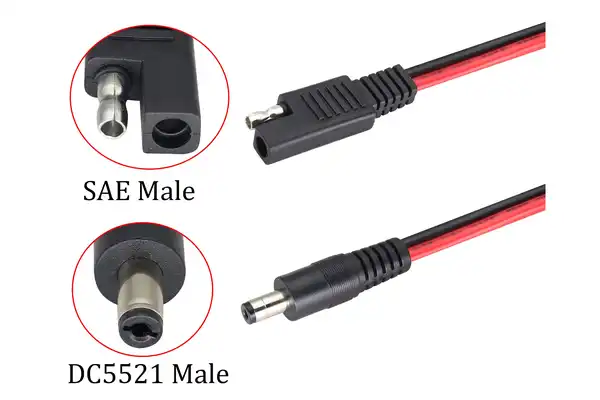
Understanding SAE to DC Adapters: Fundamentals and Functional Insights
What Defines an SAE to DC Adapter?
An SAE to DC Adapter changes the two-pin SAE quick-disconnect interface, which was first made standard for automotive battery tenders, into a cylindrical DC barrel plug with a diameter of 5.5 mm on the outside and 2.1 mm or 2.5 mm on the inside. With its genderless design and spring-loaded contacts, the SAE side makes it easy to connect to battery banks, solar charge controllers, and motorcycle electrical systems quickly and without tools. The DC end can end in either a male plug or a female jack, so it can be used with a wide range of devices, from portable power stations to LED lighting modules.
The most important functional element is still polarity consistency. Because SAE connectors don't apply polarity by default, makers must make it clear which SAE pin goes with the center conductor of the DC barrel. In standard setups, the SAE red wire is connected to the DC center-positive contact. However, there are versions with the opposite orientation for specific equipment. The voltage ranges from 12V to 24V, and the current rates depend on the wire gauge. For example, 18AWG can handle a steady load of 5 to 7A, while 14AWG can handle up to 15A without too much voltage drop.
Primary Use Cases in OEM Battery Applications
A lot of portable solar energy systems depend on these adapters to connect folding panels with SAE connectors to DC5521-input lithium-ion power stations. Low-resistance copper wires keep the highest power point tracking efficiency, which has a direct effect on how long it takes to charge when there aren't many daylight hours. Adapters make it possible for modular links between house battery banks and aftermarket devices like air compressors or DC freezers. This way, permanent hardwiring is avoided, which makes it harder to update equipment.
A vibration-resistant design is needed for motorcycles and other powersports. Adapters hooked up to the bike's SAE battery tender lead keep the current going to heated gloves, jacket layers, and helmet communication systems. The strain relief that is molded into both sides of the connection can handle steady road vibration and rain or road spray. These adapters are used in industrial settings to power backup battery arrays for security cameras and cellular routers. Because they are plug-and-play, they can be quickly set up in the field during system expansions or emergency repairs.
Key Criteria for Selecting the Best SAE to DC Adapter for OEM Battery Applications
Matching Adapter Specifications to Application Demands
The right way to choose an adapter is based on its voltage and current ratings, and for SAE to DC Adapter, the adapter is a passive connection that only passes through the voltage that is given, so devices that are attached must be able to handle the input, and if you connect a 24V solar array to a 12V device, the device will stop working right away, and how much current a cable can carry depends on its gauge and length; longer runs need bigger lines to make up for the voltage drop caused by resistance. The adapter is a passive connection that only passes through the voltage that is given, so devices that are attached must be able to handle the input. If you connect a 24V solar array to a 12V device, the device will stop working right away. How much current a cable can carry depends on its gauge and length; longer runs need bigger lines to make up for the voltage drop caused by resistance. Over a 10-foot run, an 18AWG wire loses about 0.4V per amp. This can lower the voltage below what the equipment can handle when it's under a lot of stress.
Environmental protection standards separate simple indoor adapters from solutions that can be used in the field. The cable jacket usually has UV and moisture resistance ratings from -40°C to +105°C, but connection points that are left open need extra sealing. Adapters with captive rubber caps over the SAE end and compression seals around the DC barrel are good for marine or outdoor setups because they have IP65 ratings, which mean they can handle direct splash and dust entry. When chemicals are present in industrial settings, TPE or silicone jackets are needed instead of regular PVC, which breaks down when it comes into contact with hydraulic fluids or petroleum products.
Comparing Adapter Variants for Safety and Performance
Different types of risk are dealt with by fused and non-fused systems. Inline fuse holders built into the adapter cable protect against overcurrent right at the power source. If a short circuit happens, they keep equipment further down the line from getting damaged and prevent fires. The fuse rating should be equal to the highest current draw of the connected device + 20% for safety. For example, a 5A device should be paired with a 6A fuse. When there is already safety upstream, like in battery control systems with built-in circuit breakers, non-fused adapters work well.
For marine battery systems or outdoor lighting arrays that are exposed to changing weather, waterproof models have heat-shrink tubing over soldered joints and O-ring seals inside the connector housings. Standard types that don't seal against the environment are less expensive and work fine in sealed electrical boxes or car trunks. Polarity-reversing adapters work with special devices made for center-negative DC inputs, but they need to be clearly labeled so they don't get mixed up with normal positive-center devices by accident.
Sourcing from Trusted Manufacturers
Established suppliers keep quality uniform by following well-written testing methods. Checking the polarity (making sure the DC center pin connects properly to the right SAE wire) and measuring the contact resistance of each unit is important to keep the total path resistance below 30 milliohms. This keeps heat from building up during long periods of high-current use. Strain relief testing proves that injection-molded connector housings can withstand a pull force of at least 20 to 30 N without coming apart, which is the same as years of handling in the field.
Certifications like CE, UL, and RoHS compliance show that the product meets standards for environmental and electrical safety. Before committing to bulk orders, procurement teams should ask for samples to try internally to find the best balance between cost and dependability. Comparing the quality of the contact plating (nickel-plated brass fights oxidation better than bare copper) and the flexibility of the cable at low temperatures shows that production methods are used that shorten the cable's life.
Installation Best Practices and Troubleshooting for OEM Battery Systems
Step-by-Step Wiring and Connection Protocol
First, make sure that the energy between the power source and the target gadget is compatible. Put the positive probe on the red terminal of the voltmeter and the negative probe on the black terminal. This will show you the open-circuit voltage of the SAE connection. This reading should be within ±10% of what the device says it should be. Check both sides of the adapter for physical damage. If you see cracks in the connector housings or exposed wire strands, you need to repair them before you can continue with the installation.
Connect the SAE end to the power source and make sure the spring-loaded contacts are fully engaged so you can hear a click. High-resistance joints are made by partial injection, and they get too hot when they're loaded. Before connecting the DC end to the device, use the voltmeter to check the polarity again. Measure between the outer shell of the barrel and the center pin to make sure the voltage polarity fits the device's input needs. Most of the time, reverse polarity destroys electronics right away.
Use zip ties or adhesive mounts to keep the cables in place along their path. Try to avoid sharp bends that put stress on the conductors near the connectors. In mobile apps, leave a small service loop close to the connection points so that movement is absorbed without putting stress on the terminals. Check connections for rust on a regular basis, especially the uncovered terminals on the SAE end, and use dielectric grease to keep them from oxidizing in damp places.
Diagnosing Common Connectivity Issues
Loose SAE connections are often the cause of power loss that comes and goes, and for SAE to DC Adapter, over time, the spring-loaded links wear down, which makes the grip force weaker, and to get rid of oxidation, clean the contacts with isopropyl alcohol and fine-grit sandpaper, and if the wear is too great, replace the adapter, and when there are loads on a wire, voltage drops mean that the gauge is too small, and if the device works fine when connected directly but not when using an adapter, you should get a heavier gauge cable. Over time, the spring-loaded links wear down, which makes the grip force weaker. To get rid of oxidation, clean the contacts with isopropyl alcohol and fine-grit sandpaper. If the wear is too great, replace the adapter. When there are loads on a wire, voltage drops mean that the gauge is too small. If the device works fine when connected directly but not when using an adapter, you should get a heavier gauge cable.
Usually, devices that won't turn on even though the adapter output voltage is correct have polarity mismatches. Some battery systems change the SAE polarity based on whether they are power users or chargers. To change the direction of the link, use a polarity-reversing SAE coupler. Overheating cables mean there is too much current flowing through them. Check that the device's real draw fits what it says it should be, since internal problems can cause too much current that is higher than the adapter's rating.
Market Overview and Procurement Guide for SAE to DC Adapters
Understanding Cost-to-Performance Relationships
Rather than just the shape of the connection, the performance of an adapter depends on the quality of the materials used and how well they are made. Low-current uses under 3A can use entry-level units with tin-plated contacts and 20AWG wire, while professional-grade units with nickel-plated brass connections and 16AWG conductors can handle 10A loads continuously without voltage sag. The difference in price is due to life; expensive adapters keep working well after thousands of connection cycles and years of being in the environment.
Buying in bulk lowers the cost per unit while keeping enough on hand to keep production going. Orders of 100 units or more usually get a volume discount, and for big installers, savings go up to 1,000 units or more. Customization choices, like choosing specific wire lengths, connector types (DC5521 vs. DC5525), or private marking, come with small tooling fees but help OEM clients who are reselling bundled battery systems stand out.
Evaluating Purchasing Channels and Supply Chain Risks
Some B2B electronics sellers offer expert help and product documentation that you can't get in other markets. Working directly with makers like Kuncan Electronics lets you change specifications and fix quality problems more quickly. Their 17-year history in the business and ISO-certified production methods give customers peace of mind that testing protocols are in line with established standards. Samples are sent out within 3–7 business days, so you can try them out before committing to buying in bulk.
Platforms that haven't been checked out for fake or low-quality parts are common, and product pictures often don't show how the real building is done. Integration delays that cost a lot of money can be avoided by checking samples for errors and getting copies of CE or ETL test results. By working with verified providers, you can be sure of regular wait times—currently 15 to 25 days for large orders—and quick access to replacement stock without having to go through a long requalification process.
Ensuring Long-Term Reliability and Future-Proofing Your Battery Systems
Material Selection and Environmental Durability
Molded from thermoplastic elastomer (TPE), connector housings stay flexible even when temperatures drop or rise. This keeps them from breaking during winter use like hard PVC housings do. Nickel-plated brass terminals are better at resisting corrosion in salty environments than bare copper, which rusts quickly. This resistance is proven by salt fog testing that follows ASTM B117 standards over 48-hour exposure rounds.
Wire protection that is rated to 105°C keeps things safe, even if the wires are close to heat sources or are installed outside where they will be exposed to the sun. UV-resistant jackets stop the breakdown of polymers that leads to cracks after being in the sun for a long time. These choices in materials make the service life three to five years longer than budget options in challenging situations. This lowers the total cost of ownership even though the original investment is higher.
Strategic Maintenance and Upgrade Planning
Inspections every three months find new problems before they cause the system to go down. Check for discoloration around the terminals, which could mean the component is overheating, and use a low-resistance ohmmeter to measure the contact resistance. Readings higher than 50 milliohms mean the component needs to be cleaned or replaced. Putting dielectric grease on SAE connections as part of regular maintenance stops the rust that raises resistance over time.
New types of connectors have smart features like temperature sensors built in or NFC chips that keep track of how many times a connection was made. Current SAE to DC Adapters are inactive parts, but selecting modular designs with connections that can be replaced gets systems ready for future updates without having to change whole wire assemblies. Keeping thorough records of adapter specs, such as wire gauge, length, and polarity setup, makes repairs easier and makes sure that battery systems can work with more devices.

Conclusion
Technical requirements must be balanced with application environments and long-term operational goals when choosing and deploying reliable SAE to DC Adapters. To successfully integrate an OEM battery system, you need to know how wire gauge affects current capacity, know that polarity verification is a must, and put environmental sealing for field installations at the top of your list. Established manufacturers use strict quality control, along with set installation procedures and preventative maintenance schedules, to make sure that these important interconnects keep working well for the full length of their rated lifespan. The simple SAE to DC Adapter is still an important part of modular, flexible power distribution designs, even though battery-powered systems are becoming more common in the car, solar, and industrial sectors.
FAQ
How do I confirm my adapter's polarity is correct?
While the SAE end is connected to the power source, use a digital multimeter to check the voltage between the negative probe on the outside of the DC barrel and the positive probe on the center pin. The voltage on a standard adapter should be positive, usually +12V or +24V. Negative numbers mean that the orientation is backwards. Always check before connecting devices, because electronics that are sensitive can be destroyed instantly by reverse polarity.
Can one adapter work for both 12V and 24V systems?
The conversion cord doesn't care what voltage the source gives it; it works with any voltage. But you need to make sure that the device you're connecting can handle the power. When hooked to 24V, a gadget that only needs 12V will fail right away. Before turning on the device, check its specs.
What wire gauge do I need for high-power applications?
Applications that constantly draw more than 7A need at least 16AWG wire to keep the voltage from dropping and the wire from getting too hot. Most heated clothing systems need between 3 and 5A and can safely use 18AWG. Industrial machinery that needs more than 10A needs 14AWG or a larger gauge. Figure out how much power you need to run, and then choose the right wire size.
Partner with Kuncan Electronics for Premium SAE to DC Adapter Solutions
When OEM batteries are integrated, Kuncan Electronics' precision-engineered connections take away the need for guessing. Our SAE to DC Adapter manufacturer offers full customization, including choosing the wire gauge, adjusting the cable length, setting the polarity, and private labeling. All of our products are 100% electrically tested and polarity verified to ensure they work. With certificates from ETL, CE, VDE, and RoHS, our goods meet safety standards around the world so they can be sold easily. Our fast supply chain lets us get samples to you in 3–7 days and full production to you in 15–25 days. We also offer a full 1-year guarantee on all of our products. You can email our engineering team at rhea@szkuncan.net to talk about voltage needs, environmental ratings, and a bulk price that fits your production timeline. You can look at our whole line of power connectors at nema5-15.com.
References
1. Society of Automotive Engineers. (2021). SAE J928 Standard: Low Tension Primary Cable Terminals. SAE International Technical Paper Series.
2. Institute of Electrical and Electronics Engineers. (2020). DC Power Connector Interface Standards and Safety Protocols. IEEE Standards Association Publication.
3. National Electric Code. (2023). Article 625: Electric Vehicle Charging System Requirements. National Fire Protection Association.
4. Underwriters Laboratories. (2022). UL 2251: Plugs, Receptacles, and Cable Connectors of the Pin and Sleeve Type. UL Safety Certification Standards.
5. International Electrotechnical Commission. (2019). IEC 60529: Degrees of Protection Provided by Enclosures (IP Code). IEC Technical Standards Documentation.
6. American Wire Gauge Standards Committee. (2021). AWG Current Carrying Capacity and Voltage Drop Calculations for DC Systems. ASTM International Technical Report.

USER EVALUATE
Here is the customer's evaluation of us
YOU MAY LIKE
_1781502912074.webp) VIEW MORECCTV camera power adapter 12V 1A
VIEW MORECCTV camera power adapter 12V 1A_1781163912838.webp) VIEW MORENEMA 5-20P to T-Blade Receptacle Adapter Cord
VIEW MORENEMA 5-20P to T-Blade Receptacle Adapter Cord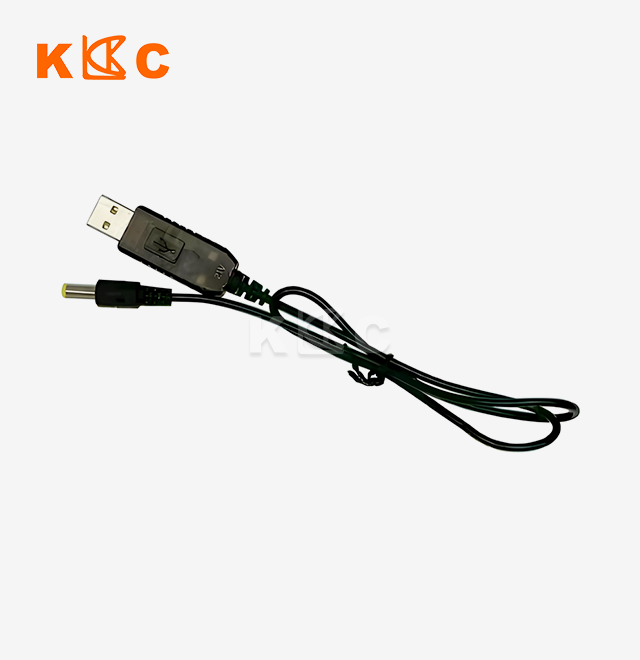 VIEW MOREUSB to DC Voltage Converter Cable
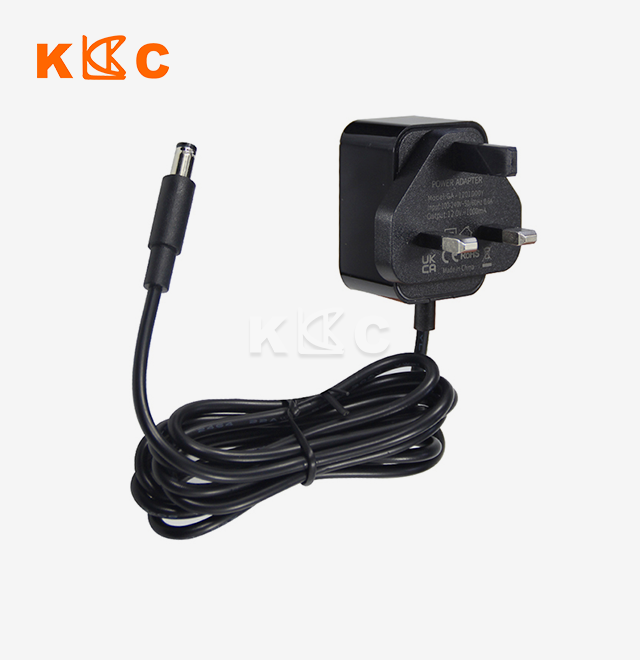 VIEW MOREuninterrupted power supply for wifi router
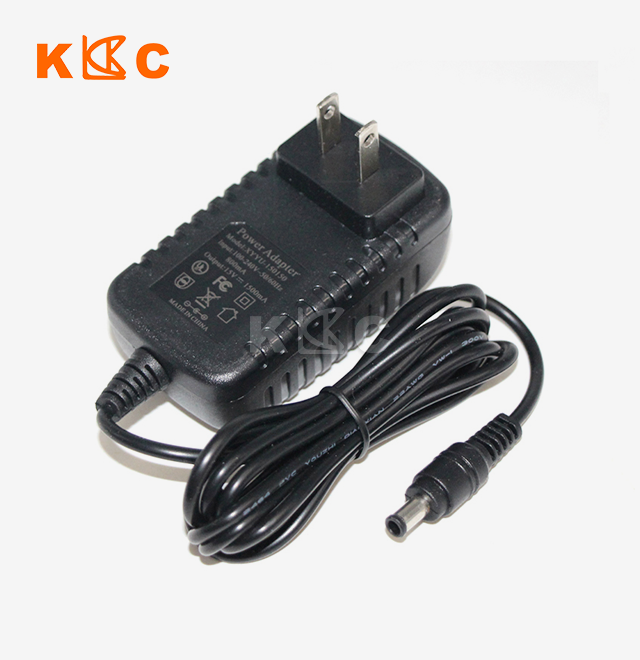 VIEW MORE12v dc led power supply
 VIEW MOREfigure 8 power cable 3m
 VIEW MOREc19 power cables
 VIEW MORE90w laptop charger