
Replacement Kettle Power Leads for Home and Commercial Use
A broken or incompatible power line is often to blame when your device stops working. A kettle power lead, which is the wire that connects your device to the wall outlet, is an important part of making sure that the electricity is safe and reliable. Choosing the right new cord is important whether you're in charge of a busy hotel kitchen or just replacing an old one at home. This will ensure that the machine keeps running smoothly, meets safety standards, and lasts for a long time. When buying workers and end users know about the specs, types, and uses of these important parts, they can make choices that balance performance with budget concerns.
Understanding Kettle Power Leads – Types, Functions, and Specifications
What Is a Kettle Power Lead and How Does It Work?
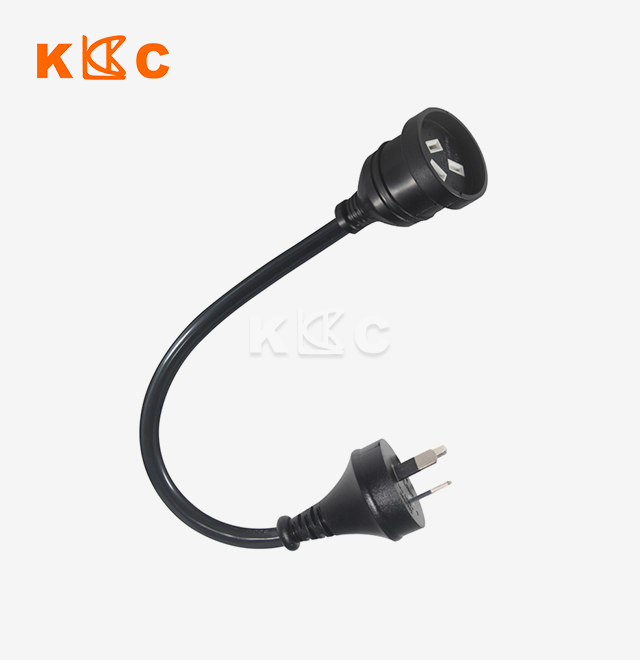
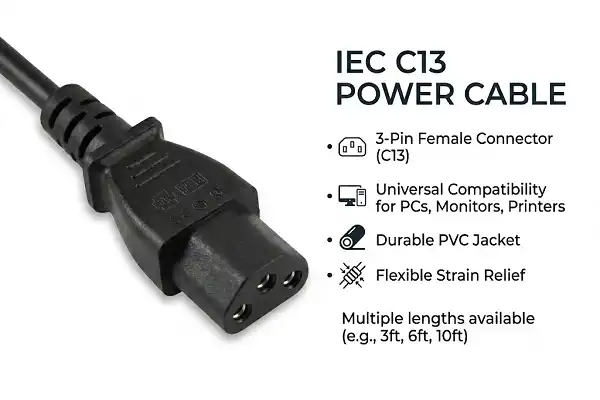
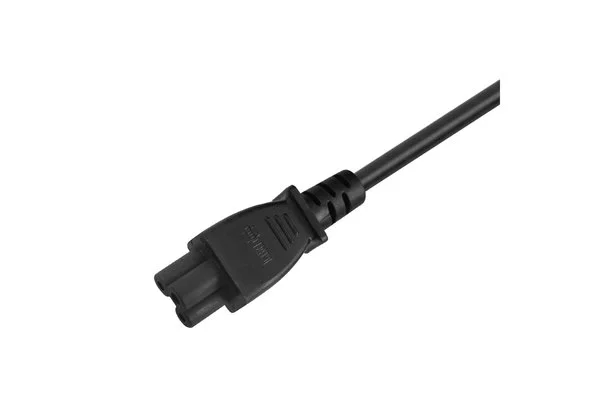
A kettle power lead is a special kind of electrical wire that is used to connect electrical products to the power source. It can be used with electric kettles, computers, servers, and industrial equipment. On one end of these lines is usually a plug that fits local standards, and on the other end is usually a connection that meets IEC C13 or C15 standards. The wire sends electricity through copper conductors that are covered in insulation that keeps out heat, wetness, and physical damage. The grounding wire keeps people safe by sending fault currents away from the appliance's body. High-quality power leads have strong strain relief at the connection places and oxygen-free copper for better conductivity. This keeps the wire from breaking when it is bent over and over again.
Common Types of Power Leads for Different Applications
In different settings, power leads need to have certain features. Standard power lines are good for home use where voltage needs are low and longevity needs are middling. Fused versions have an overcurrent safety fuse built in, which turns off the power immediately when there is an electrical problem. Leads with switches let users change the power without pulling the cord, which is helpful in business settings. The types that are waterproof and resistant to high temperatures work in tough industrial settings and can handle temperatures from -40°C to +85°C. Hospital-grade lines have better protection and can control leakage currents below 100µA, which meets strict safety standards for medical use.
Key Technical Specifications and Compliance Standards
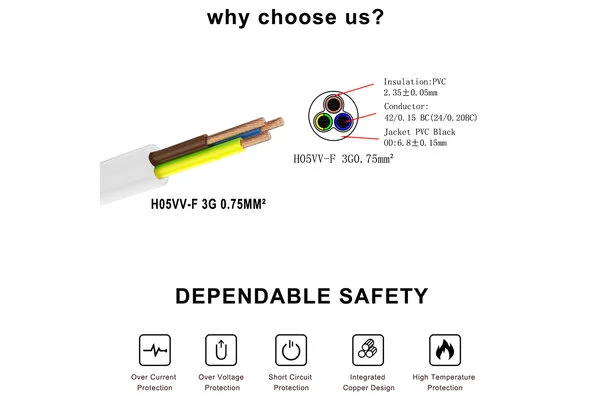
Knowing the basic details keeps you from having problems with usability and safety. In Europe, voltage ratings show the highest possible working voltage, which is usually 250V. Current ratings, on the other hand, show the largest load that can be handled. Current-carrying ability is based on wire gauge, which is measured in millimeters (mm²). 0.75 mm² is enough for low-power devices, while 1.5 mm² can handle heavy loads. Proper grounding is ensured by the number of conductors, which is usually three for grounded links. Compliance certifications prove safety: VDE certification proves compliance with European standards, CE marking shows compliance with EU laws, and RoHS certification promises that dangerous substances are limited. These approvals aren't just for show; they're based on strict testing procedures that check the dielectric strength, temperature rise limits, and mechanical sturdiness.
How to Choose the Right Replacement Kettle Power Lead – A Decision Support Framework?
Identifying Your Specific Application Requirements
By matching the kettle power lead to the surroundings, you can avoid problems and safety risks. Standard leads rated for 250V and 10A are usually enough for home use, and wire lengths between 1 and 3 meters are long enough without being too loose. In commercial kitchens, wires need to be more durable because they are bent a lot, exposed to heat and water, and may come into touch with chemicals from cleaning products. In industrial settings, insulation that can withstand high temperatures and building that is strong enough to handle shaking and mechanical stress are needed. Data centers need reliable power delivery with no voltage drops, which calls for copper cores with high conductivity and secure connection retention that can handle thousands of insertion cycles.
Critical Selection Factors: Power Rating, Length, and Durability
The power grade of a kettle power lead tells you if it can safely handle the amount of electricity your device uses. Going over the maximum current leads to overheating, insulating loss, and a fire risk. Figure out how much power you need and choose cords that can handle that much current. For example, a 2000W kettle on a 230V source needs about 8.7A of current, so a 10A-rated cable is fine. The length of the cable affects the voltage drop. If the cable is too long, it adds resistance that lowers the supplied voltage, which could affect how well the device works. Pick the shortest length that will work while still allowing for easy passing without any strain. Durability features include strain relief boots that keep conductors from breaking at connection points, flexible insulation materials (PVC for normal use, rubber for more flexibility, and LSZH for areas that are prone to fire), and strengthened covering that doesn't wear down easily.
Evaluating Supplier Capabilities and Support Services
Reliable providers stand out by having certifications, letting you make changes, and providing quick help. Check to see if possible suppliers have ISO quality management certifications and can provide test reports from a third party that back up the standards they say they meet. Customization is important when you need particular lengths, connector positions, or branding. Suppliers that offer name printing, custom packing, and flexible wire gauges help resellers set their products apart. Planning your inventory is affected by how reliable lead times are. Suppliers who say it will take 3–7 days for samples and 15–25 days for large orders and communicate clearly lower uncertainty in the supply chain. Warranty terms show how confident the manufacturer is in their products. For example, a warranty that covers all manufacturing flaws for one year and has clear replacement processes shows that the manufacturer is committed to quality.
Top Replacement Kettle Power Leads – Market Overview and Brand Recommendations
Understanding the Global Power Cord Manufacturing Landscape
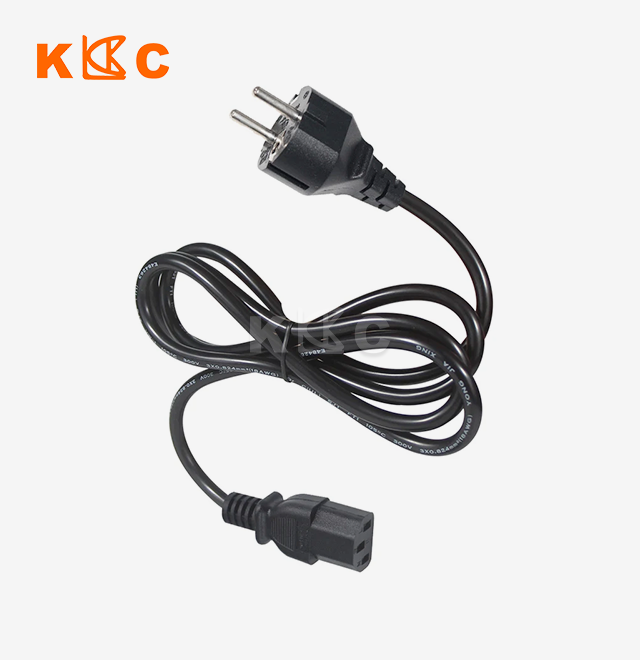
There are well-known companies in Europe, North America, and Asia that are in the power connection business. Each of them has its own benefits. European companies are very good at precise engineering and strict quality control, so the cords they make always meet VDE and CE standards. Asian makers, especially those in the production clusters in China's Guangdong province, offer low prices and quality management systems that are getting better all the time. Our Dongguan facility at Kuncan Electronics has 17 years of specialized experience in making enterprise-grade systems with VDE-certified CEE 7/7 Schuko plugs, high-conductivity copper cores rated for 10A 250V, and IEC C13 connections designed to last as long as possible.
Key Differentiators: Warranty, Customization, and After-Sales Excellence
Our custom kettle power leads meet a wide range of business needs. Cables made for industrial water tanks and commercial coffee machines that need steady high-wattage delivery are useful for commercial food businesses. When it comes to UPS systems and network equipment that needs to be connected reliably, our server-grade lines are essential. Industrial companies use our lines for testing tools and machines that need to send data consistently. Comprehensive service environments are what set market-leading providers apart. Total cost of ownership goes down because of less downtime during fails when warranty coverage goes beyond standard terms and includes things like fast replacement and expert troubleshooting. After-sales support should include quick technical help, design review services, and application advice.
Cost-Efficiency Through Strategic Bulk Purchasing
Large-scale purchases can save you a lot of money and keep your supply going. When you buy things in bulk, you can save money on things like shipping, setting up your factory, and buying materials. By forming relationships with makers who offer flexible minimum order quantities, you can get the most out of your inventory. You can start with low volumes and increase them as demand rises without any penalties. Our streamlined supply chain can send samples in 3–7 business days and finish mass production in 15–25 days, depending on the number of orders. This means that we can support both fast prototyping and steady production plans. Direct relationships with manufacturers cut out markups for middlemen and give you access to technical knowledge and customization options that you can't get through resellers.
Safety and Compliance – Ensuring Risk-Free Kettle Power Lead Usage
Essential Safety Features and Protection Mechanisms
These days, kettle power leads have many safety features that keep people and their tools safe. Overcurrent safety is provided by fuses, which melt when the current goes over safe limits and stop the circuit before damage happens. Minimum material thickness and dielectric strength are set by insulation standards. Class II double insulation makes two separate shields against electrical contact, so in some cases there is no need for grounding. Strain relief keeps conductors from breaking where wires join plugs or connections, which happens a lot when they are bent over and over again. We test all of our wires in a lot of different ways, such as making sure they are electrically connected all the way through, trying their insulation against voltage to make sure it is solid, checking their temperature rise under full load, and bending them over 5,000 times to see how long they last.
Common Hazards and Installation Best Practices
Bad installs and wrong use of products pose major safety risks. Using regular extension cords instead of appliance leads comes with a number of risks: not enough current capacity can cause warming; lack of proper strain relief can expose conductors; and shielding materials that aren't made well break down more quickly. If you don't want to damage the insulation, don't run wires near heat sources or sharp edges. Do not change plugs or sockets because it could affect their safety standards. Check cables for signs of wear on a regular basis. Cables with broken insulation, exposed wires, or deformed plugs need to be replaced right away. When fitting, make sure that the links seat all the way down and that you can hear clicks to confirm that they are properly engaged. Don't bend the wires too much near where they terminate, and never use nails or other fasteners that go through the sheath to hold them in place.
Navigating Regulatory Frameworks Across Markets
Compliance rules are different in each area, so it's important to pay close attention when buying things. In order to sell something in Europe, it needs to have either VDE or CE approval, which shows that it meets EN 50525 and other standards for building, testing, and labeling. Listing with ETL or UL is required in North American markets, which proves agreement with NEMA and NEC standards. AS/NZS standards say that SAA approval is needed for markets in Australia and New Zealand. RoHS compliance limits dangerous materials like lead, mercury, and cadmium, which is now required in most developed markets. Chemical safety in EU supply chains is taken care of by REACH registration. Compliance failures that cost a lot of money can be avoided by understanding these standards. Our goods have ETL, VDE, CE, SAA, and RoHS certifications, which makes them easy to sell in North America, Europe, and the Asia-Pacific region.
Future Trends and Innovations in Kettle Power Leads
Advanced Materials Enhancing Performance and Durability
As materials science progresses, kettle power leads keep getting better. Temperature-resistant materials make it possible to use them in places as cold as -40°C and as hot as +85°C, so they can be used in places like Arctic sites and industrial facilities in the desert. More and more strict fire safety rules call for flame-retardant formulations. LSZH (Low Smoke Zero Halogen) materials give off very few harmful fumes when they burn, which is important for public buildings and small spaces. Flexible polymer mixes stay bendable at low temperatures and don't break down when exposed to UV light, ozone, or chemicals. These material changes make the product last a lot longer, which lowers the cost of replacement and increases user safety through better insulation quality.
Smart Features and Connected Power Distribution
As a new trend, adding technology to power connections is becoming more popular. Power tracking features built into cords keep track of how much energy is used, so users can find products that aren't using energy efficiently and change them to make better use of energy. Status signs show visually if the link is working or if there is a problem, which cuts down on the time needed to fix the problem. Temperature monitors pick up on unusual heating that happens before fails happen, sending out alerts before any damage happens. IoT integration lets you watch and control things from afar using smartphone apps or building management systems. This is especially helpful for business installations that are spread out, where having centralized control makes operations run more smoothly. Adoption is still low right now, but falling sensor costs and rising demand for smart buildings will speed up implementation in business and industry.
Sustainability and Environmental Responsibility
Environmental concerns are becoming more and more important in buying choices. When manufacturers use eco-friendly materials, they have less of an effect on the environment. For example, recycled plastics and bio-based resins can be used instead of materials made from petroleum without affecting function. Manufacturing methods that use less energy leave smaller carbon impacts when they're finished. Take-back programs and recycling efforts help with getting rid of things that are no longer useful, keeping things out of dumps by recovering copper and reusing plastic. RoHS and REACH compliance and other green standards show that a company cares about the environment more than just the bare minimum required by law. As companies set more ambitious sustainability goals, those who can prove they are good for the environment will have an edge over others. This is especially true when buying teams keep an eye on supply chain environmental measures.
Conclusion
To choose the right replacement kettle power lead, you have to weigh technical specs, application needs, safety standards, and the reputation of the provider. Knowing about the different kinds of cables, how they are built, and the certification standards helps you make choices that are safe, effective, and cost-effective. Reliable supply chains and technical know-how give strategic benefits to trusted makers that offer full customization, quick production times, and strong warranty support. As material science improves and smart features appear, keeping up with changes in the industry is important to make sure that your purchasing strategy stays competitive and meets the changing needs of the global market in terms of regulations and the environment.
FAQ
Can I use the same power lead for home kettles and commercial equipment?
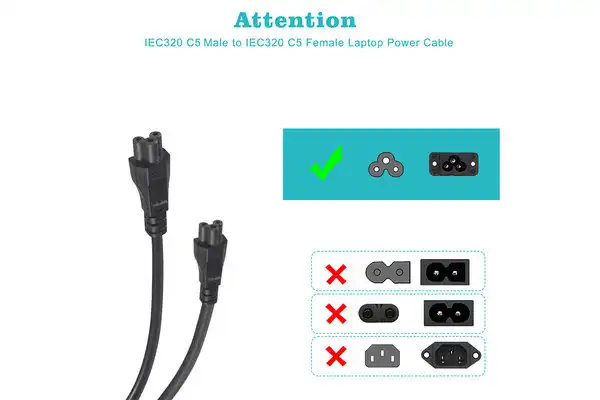
Electrical specs, not application signs, tell you if two things are compatible. Make sure that the voltage and current levels meet or go beyond what your equipment needs. Also, make sure that the plug and socket types work with your appliance and the power source. kettle power leads made for home use might not be as durable as those used in businesses, where tough conditions and a lot of use require stronger building and better materials.
How long do power leads typically last in commercial settings?
Service life depends on how much something is used, its surroundings, and how well it was built. Standard wires in business settings with mild use usually last between 3 and 5 years. Heavy-duty industrial wires made of better materials and stronger design can last longer than 7 to 10 years. Regular checks that look for early signs of wear and replacement plans help keep surprising fails to a minimum.
How do I verify compliance with European safety standards?
Check the labels of the products to see if they have VDE or CE symbols on them, and ask the suppliers for proof of approval, such as test results from approved labs. Specific standards, like EN 50525, should be mentioned in certificates, along with testing conditions. Suppliers with a good reputation make certification papers easy to find and keep track of production batches so that quality control can be checked.
Partner With Kuncan Electronics for Reliable Power Lead Solutions
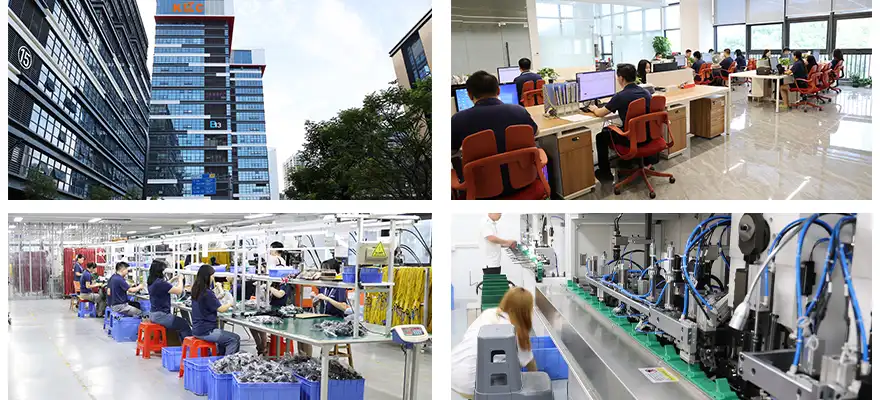
Kuncan Electronics has been solving problems with power connections for 17 years and makes VDE-certified parts that go above and beyond industry standards. Our enterprise-grade kettle power leads have strong Schuko plugs, oxygen-free copper cores that carry electricity well, and IEC C13 connections that are designed for tough industrial and business uses. We know that procurement workers need more than just goods. They also need partners they can trust to offer full flexibility, open communication, and quick support.
Our production skills allow us to meet a wide range of needs by printing custom logos on flexible wire, making angled connector orientations possible, and offering a range of packing options, from bulk coils to retail-ready forms. Your project deadlines will be met with samples delivered in 3–7 business days and production finished in 15–25 days. Each wire goes through strict safety tests that make sure it works properly electrically, lasts a long time mechanically, and is stable at high temperatures.
We offer easy entry to markets in North America, Europe, and the Asia-Pacific region as an Alibaba Verified Supplier with ETL, VDE, CE, SAA, and RoHS certifications. Our guarantee against manufacturing flaws for one year shows that we care about quality and customer happiness. Kuncan Electronics gives your business the consistency and dependability it needs, whether you're an OEM looking for unique solutions or a distributor needing reliable supply lines. You can talk to our team at rhea@szkuncan.net about your unique needs and find out why top manufacturers trust us to supply their kettle power leads for mission-critical uses.
References
International Electrotechnical Commission (IEC), "IEC 60320 Series: Appliance Couplers for Household and Similar General Purposes," 2018 Edition, Geneva, Switzerland.
VDE Testing and Certification Institute, "VDE 0282 Part 1: Rubber Insulated Cables - Rated Voltages up to and including 450/750 V," 2016 Revision, Offenbach, Germany.
European Committee for Electrotechnical Standardization, "EN 50525-2-11: Electric Cables - Low Voltage Energy Cables of Rated Voltages up to and including 450/750 V (U0/U)," 2011 Standards Document, Brussels, Belgium.
Underwriters Laboratories, "UL 817: Standard for Safety Cord Sets and Power-Supply Cords," 2019 Edition, Northbrook, Illinois, United States.
British Standards Institution, "BS 1363-1: 13 A Plugs, Socket-outlets, Adaptors and Connection Units - Specification for Rewirable and Non-rewirable 13 A Fused Plugs," 2016 Update, London, United Kingdom.
Standards Australia, "AS/NZS 3191:2008 - Approval and Test Specification - Flexible Cords and Flexible Cables," Joint Australian/New Zealand Standard, Sydney and Wellington, 2008.

USER EVALUATE
Here is the customer's evaluation of us
_1781163912838.webp)