
How to Choose the Best Kettle Power Lead for Your Appliance?
When picking the right kettle power lead, you need to pay close attention to how well it works, whether it is safe, and any safety standards it has. A good power line keeps the electricity flowing smoothly and keeps people and their tools safe from possible harm. Some important things to think about are making sure that the voltage and current values match the needs of your device, making sure that they meet regional standards like VDE or ETL, and choosing the right conductor gauges for the job. When procurement professionals know these basics, they can find reliable connectivity options that keep operations safe in both business and industrial settings and reduce downtime.
Understanding Kettle Power Leads: What You Need to Know
Essential Functions and Applications
Power lines are an important way to connect equipment to power sources. In business restaurants, industrial water boilers, and data centers, these cables can handle constant high-wattage loads while still being safe. The CEE 7/7 to IEC C13 configuration is one of the most flexible. It is often used to power everything from computer racks to business coffee machines. These parts have to work the same way even when the load changes, and they have to keep electricity problems from happening that could stop activities.
Key Specifications for Safe Operation
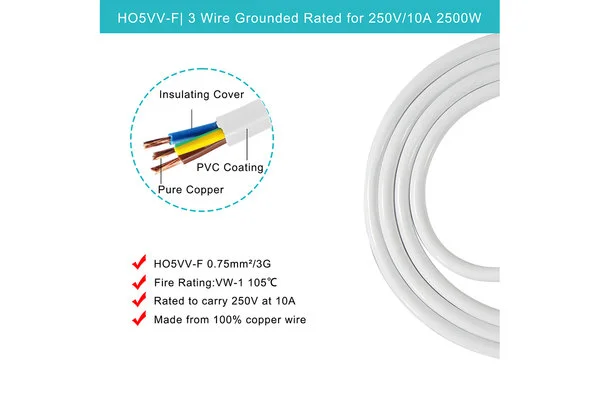
Power cords are chosen based on their current and voltage rates. Most industrial kettle power leads and small tools in Europe can use a standard 10A 250V rating. However, equipment that needs to handle a lot of power may need a 16A rating. Wire diameter has a direct effect on performance. 0.75mm² conductors are good for light-duty uses with less than 1000W of power, while 1.5mm² conductors can handle loads of up to 3000W for long periods of time without getting too hot. Temperature rates for PVC-insulated wires usually go up to 70°C, but in certain situations, LSZH materials may be needed because they don't let flames spread or toxic smoke be made during fires.
Quality Materials and Certifications
Premium oxygen-free copper wires make sure that resistance and voltage drop are kept to a minimum along the length of the cord. Strong strain relief at connection entry points can handle more than 5,000 flex cycles, which keeps wires from breaking in equipment that is moved around a lot. VDE approval makes sure that the product meets the standards of the European Low Voltage Directive, and CE marking makes sure that it is compatible with electromagnetic fields. RoHS compliance gets rid of dangerous materials like lead and mercury, which is in line with rules about the environment in all global markets. We put every wire through strict tests like dielectric voltage withstand and 100% electrical continuity testing to make sure the quality of the making.
Identifying Common Issues Early
When circuit breakers trip often, it's usually because the wires are too small to handle the load. If you look closely, you shouldn't be able to see any darkening on the plug pins or socket housings. Heat marks on the other hand are a sign of poor contact pressure or oxidation. When the top insulation is damaged, it lets water and mechanical damage get to the inner wires. When connectors are held in place too loosely, they can make intermittent contact, which causes arcing and faster wear. To catch degradation before it leads to equipment failure or safety issues, procurement teams should set regular inspection times, like every three months in high-use business areas.
Core Criteria to Consider When Choosing a Kettle Power Lead
Voltage and Power Compatibility
When you match the kettle power lead specifications to the needs of the device, you avoid both poor performance and safety risks. European appliances work on 230V circuits, while North American products usually use 120V. The power formula, Watts = Volts × Amps, tells us how much current we need. For example, a 2000W kettle on 230V needs at least a 10A-rated cord for safety. Specialized multiconductor wires with the right phase sequence are needed for industrial three-phase equipment. Always check the nameplate info on appliances before buying them to make sure they are compatible. If they aren't, it could cancel the warranty or cause a fire.
Regional Plug Standards
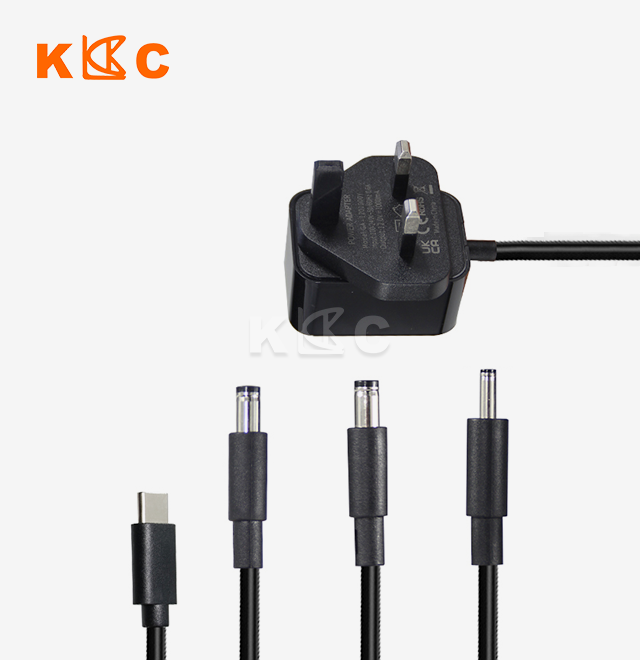
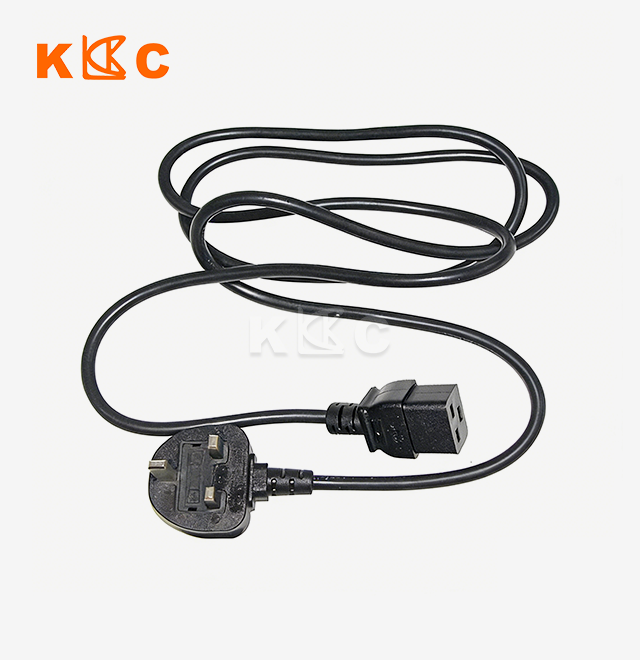
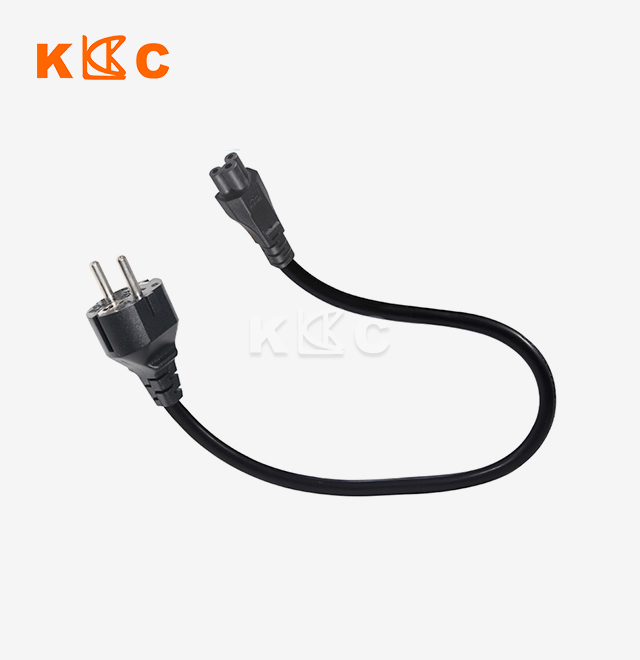
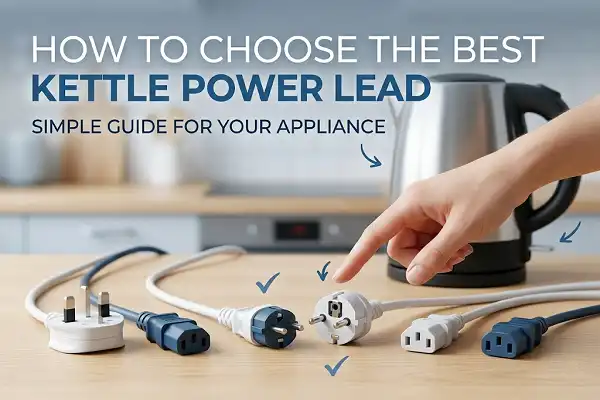
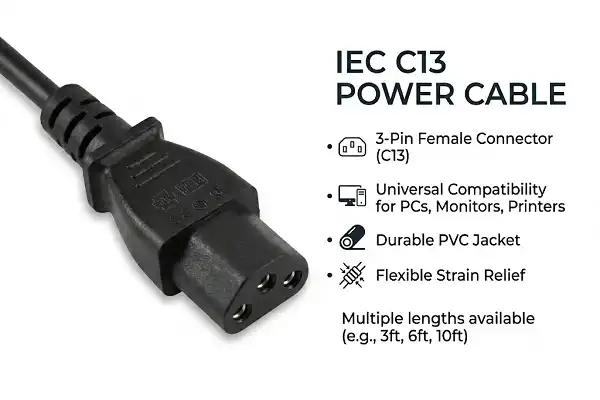
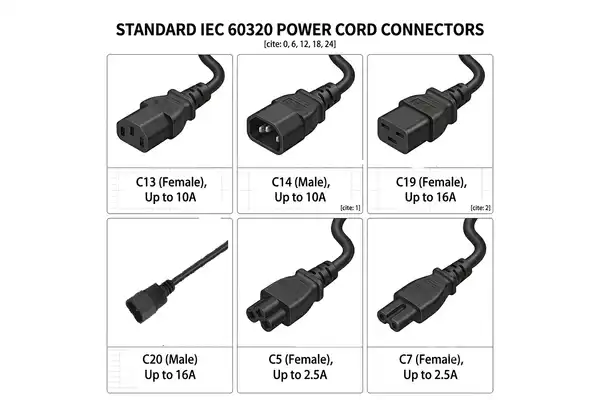
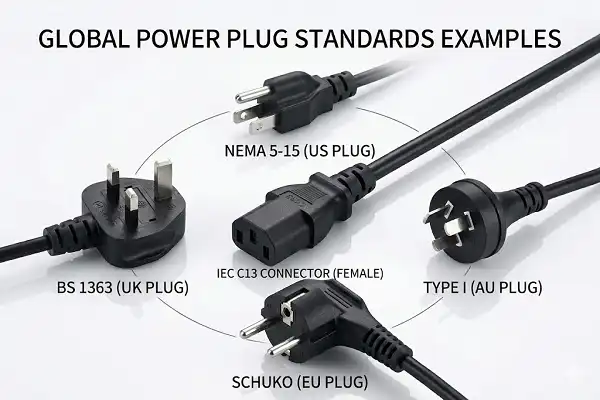
Geographical markets determine how kettle power lead connectors are set up. With its round pins and side grounding clips, the CEE 7/7 Schuko plug rules mainland Europe. It works with both French E-type and German F-type outlets. British BS 1363 plugs have rectangular pins and fuses built right in. For North America, Type A and B plugs come in flat parallel or grounded styles. The IEC C13 connector makes it possible for appliances to work with components from any area. This makes managing goods easier for businesses that do business in more than one country. When buying things for more than one area, procurement managers should mention the right plug types or look into cord sets that can be switched out to suit differences between regions.
Lead Length and Material Quality Considerations
The length of the cable affects both how well it works and how convenient it is. Shorter runs reduce voltage drop and trip risks in small areas, while longer connections let you place equipment in different places. Our lengths can be changed from 0.5m to 10m to meet a wide range of fitting needs. The choice of material affects how long something lasts. For example, standard PVC jackets work well in moderately heated rooms, TPE makes portable equipment more flexible, and rubber insulation can handle rough conditions in industrial settings. High-temperature protection is important near heat sources, and waterproof designs with special sealing keep water out in outdoor or washdown settings.
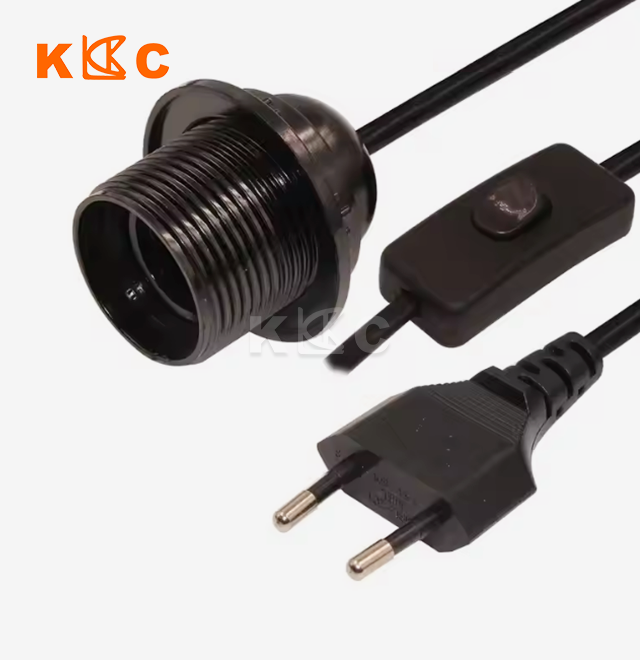
Installing things correctly is safer when you know how to read wire color codes. Blue is for neutral, brown is for live, and green-yellow is for ground in Europe. Correct orientation makes sure that appliances work right and safety devices work properly. Power cords with built-in switches make it easy to stop power locally without having to reach an outlet. Low-resistance links help energy-efficient designs use less power when they're not in use. Travel-friendly, small cords with strain relief are good for portable gear that gets packed up and moved around a lot. For the best safety and user experience in their specific applications, B2B buyers should make sure that these features work well with business processes.
Comparing Different Kettle Power Leads in the Market
Performance Differences from Extension Cords
Extension cords and power lines may look the same, but they are not the same in how they are made, which affects their safety and usefulness. Extension cords often have more than one plug and longer runs, which means there are more places where resistance and heat can build up. With dedicated kettle power leads, there are no more links in the middle. Instead, there are straight paths with less resistance and better reliability. Industrial clients who need mission-critical uptime should ask for power lines with set lengths instead of extension cords. The straight connection method cuts down on failure spots and makes sure that there is steady current flow without voltage sag, which could harm sensitive electrical parts in computers.
Evaluating Trusted Suppliers
Long-term product success and business stability depend on how reliable the supplier is. Manufacturers that have been around for a while and have ISO certifications have quality control methods that are always the same. Kuncan Electronics keeps its VDE, CE, ETL, SAA, and FCC standards up to date, showing that it meets the requirements of major global markets. Customer reviews and industry references can tell you a lot about how quick the after-sales support team is and how well the warranty is honored. Verified supplier standing on sites like Alibaba proves that the business is real and has a past of transactions. Procurement teams should give more weight to partners that offer technical support for custom applications, clear insight into the supply chain, and flexible minimum order amounts that work with inventory strategies.
Waterproof Versus Standard Designs
The right amount of security depends on the environment. Standard power lines with simple PVC jackets work well in climate-controlled office and computer rooms. Cables with an IP rating are waterproof because they have sealed connection systems and special jacket materials that keep water out. The IP67 grade means that something will be safe from temporary immersion. This means that public advertising displays and security cams that are open to rain can use it. IP68-rated parts can handle being submerged in water all the time, which is needed in some industrial washdown settings. Most of the time, the extra security costs 15 to 30 percent more than normal options, but it's necessary for reliability in tough situations. People who want to save money should look at how much environmental exposure they really have instead of over-specifying safety standards that don't help them in real life.
Manufacturers' loyalty to safety standards can be seen in their kettle power lead certification packages. VDE approval shows that you meet German engineering standards, which are recognized all over Europe. UL or ETL listing proves that safety standards in North America are met. When you look at costs, you should look at more than just the unit price. You should also look at the total costs of ownership. For example, premium cables with strong strain relief and better conductors lower the number of replacements needed and the cost of downtime, which is much higher than the initial saves from buying cheaper options.
Procurement and Bulk Purchase Tips for B2B Clients
Identifying Reliable Manufacturing Partners
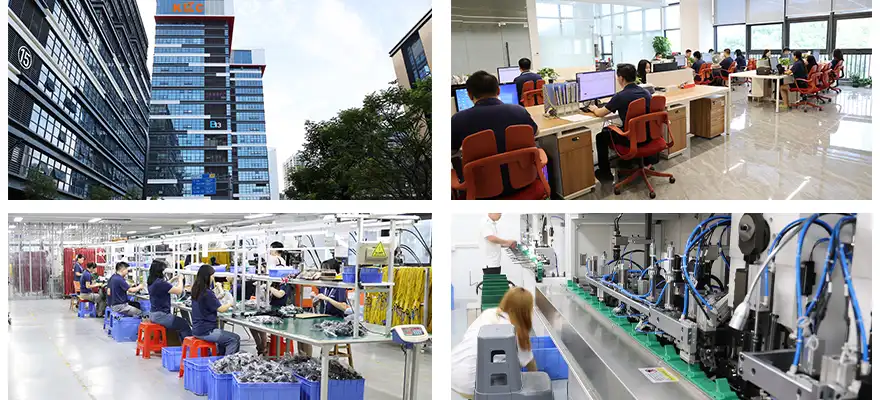
Decisions about where to get products affect their quality, how reliably they are delivered, and how stable the supply chain is in the long run. Direct producers, like Kuncan Electronics, have benefits over trade middlemen, such as technical know-how, the ability to customize products, and prices that are competitive. Our 17 years of experience in power connectivity solutions shows that we know a lot about the business and have perfected our production processes. We have over 300 skilled workers and are located in the industrial hub of Dongguan. Our production volume can be adjusted to meet customer needs, and we make sure that quality is consistent at all stages by following strict inspection routines at the beginning, during, and after production.
Verified seller programs on Alibaba and Amazon Business check the qualifications of businesses, look at their past transactions, and look at how satisfied customers are. These sites offer ways to settle disagreements and protect payments, which lowers the risk of buying. We keep our Alibaba Verified Supplier standing, which shows that we are committed to honesty and fair business practices that help build trusting long-term relationships.
Pricing Strategies and Order Flexibility
Volume-based pricing awards promises of a certain size while still making the service available to smaller businesses. Discounts are usually given for orders of 1,000, 5,000, or 10,000 units, and custom quotes are made for orders of bigger numbers. We support buying freedom by not imposing minimum order quantities on standard configurations. This lets you restock in small batches, which saves you money on working capital. For custom orders that need particular lengths, conductor gauges, or connector positions, the minimum order size is usually 500 pieces to cover the cost of the tools. Samples can be sent within 3–7 business days to make sure everything is okay before the mass production starts.
Lead times depend on how complicated the order is. Standard catalog items ship within 15–25 days, based on amount, but custom specs may add an extra 1-2 weeks for engineering review and prototype development. During production rounds, open communication lets buying managers keep track of inventory levels and make sure there is a steady supply without keeping too much safety stock. Seasonal changes in demand in the hotel and business food industries mean that you need to plan ahead. We can also meet clients with pressing needs by speeding up production schedules.
Warranty Terms and After-Sales Support
Full guarantee protection keeps your purchases safe and shows that the maker trusts the quality of the product. As part of our one-year guarantee against production flaws, we will replace or fix any failures that are proven to be caused by problems with the materials or the way they were put together. There are clear warranty terms that say damage caused by misuse, changes, or environmental factors that aren't covered by the guarantee isn't covered. After-sales expert support helps with questions about installation, fixing problems, and making the best use of applications for the whole lifetime of a product. Along with product specifications, procurement workers should look at how responsive the warranty is and how easy it is to get help as important decision factors. This is especially true for mission-critical uses where downtime has a big effect on the business.
Step-by-Step Guide: How to Safely Replace or Install Your Kettle Power Lead?
Preparation and Safety Checks
To start any electrical job on a kettle power lead, you need to do the right preparations. Take the device off of any power sources and give it enough time to cool down if you just used it. Get the tools you'll need, like wire strippers, soldering tools, multimeters for checking continuity, and the right screwdrivers. Check the appliance's instructions to make sure you have the right kettle power lead and to see if there are any fitting requirements set by the maker. Personal protective equipment, like gloves with insulation, adds to your safety. Lockout-tagout methods should be used in commercial settings to keep power from being accidentally turned on during repair work.
Interpreting Wiring Diagrams
Standardized color codes make it easier to put different kinds of tools. Blue wires are used for neutral, brown conductors are used for line connections, and green-yellow conductors are used for safe earth grounding. In North America, hot conductors are black or red, neutral conductors are white, and ground conductors are green or bare copper. Most products and connections have terminal markings that show L (line), N (neutral), and ground symbols. By matching line colors to connections of the same color, you can make sure that there is proper polarity and grounding, which is needed for safety devices like RCDs to work. Mismatched links can turn off safety features and put people at risk of getting shocked.
Secure Connection Best Practices
When you terminate something correctly, it will work reliably for a long time. Take off enough of the insulation to reveal enough of the circuit length without taking off too much that bare wire is left outside the terminal blocks. Fully insert the wires into the terminals and tighten the screws to the torque values recommended by the maker. For standard power connections, these are usually between 0.5 and 0.8 Nm. Make sure that there are no loose wire strands outside of the connections that could cause a short circuit. Cable strain relief clamps should grip the outer jacket instead of the inner conductors. This keeps mechanical stress from getting to the electrical connections when the equipment moves or shakes. When routing wires, keep them away from sharp points and heat sources that break down insulation quickly.
Testing and Troubleshooting
Do thorough checking before turning the power back on. A visual check shows that all connections look safe and that there are no exposed wires. Continuity checking with multimeters makes sure that there are full circuits between the plug pins and the device terminals. When checking insulation resistance, a high voltage is put between the wires and the ground to find any breakdown lines that could mean the insulation is damaged. As soon as the power is turned on, listen for strange sounds, smells, or sparks that could mean there are problems with the link. Thermal image cameras can find hot spots that mean links with high resistance need to be fixed right away. Writing down the times of installation and the results of tests creates a base set of information that can be used to plan future upkeep.
Conclusion
To choose the best kettle power lead setup, you have to weigh technical requirements against operational needs and price limits. Knowing about voltage rates, conductor sizes, regional standards, and certification requirements helps you make smart purchasing choices that will work right away and last for a long time. The differences between standard and specialty cables, such as waterproof designs, higher temperature ratings, and unique lengths, make it possible to match them perfectly to the needs of an application. Business-to-business buyers can save time and money by working with well-known makers that offer full customization, clear pricing, and quick customer service after the sale. Systematic installation methods and regular check schedules make sure that equipment lasts as long as possible while still meeting safety standards in business and industrial settings.
FAQ
What voltage rating should I specify for commercial kettle applications?
In Europe, commercial kettles usually work on 230V and need power cords that are rated for 250V and can handle at least 10A of energy. 16A-rated wires with 1.5mm² conductors are best for equipment that uses more than 2000W of power because they keep the voltage from dropping and the heat from building up during long periods of use. Always check the nameplate details of a device before buying it.
How often should power cords be inspected in commercial environments?
High-traffic business areas, like kitchens for hotels and restaurants, should do eye checks every three months to look for damaged insulation, discolored pins, and loose connections. In industrial settings where vibrations or chemicals are present, exams may need to be done every month. If you find any physical damage or strange behavior with the cords, like power going out and on again, you should replace them right away.
Which certifications are essential for exporting to North American markets?
Products going to the US and Canada need to have an ETL or UL listing that shows they meet the standards of the NFPA 70 National Electrical Code. FCC approval talks about the rules for electromagnetic pollution. RoHS compliance makes sure that environmental rules are followed. Kuncan Electronics has many licenses in North America, which makes it easier for you to get into the business.
Can power cords be customized for specific industrial applications?
Full customization meets a wide range of operating needs. We change the sizes of the conductors from 0.75mm² to 1.5mm², choose jacket materials like PVC, TPE, rubber, and LSZH for specific settings, set up angled connectors in different ways, and change the lengths of the kettle power leads from 0.5m to 10m. Our engineering team will do a free review of your design to make sure that the specs are perfect for your unique purpose.
Partner with Kuncan Electronics for Superior Power Connectivity Solutions
Our manufacturing skills give procurement managers and sellers looking for reliable power cord providers a lot of benefits. Kuncan Electronics has 17 years of specialized experience and holds internationally known certifications such as VDE, CE, ETL, and SAA. This makes sure that the specifications for your kettle power lead meet strict international standards. You can customize everything about our OEM/ODM services, from the materials used for the conductors and the orientations of the connectors to the logo printing and private-label packing. This way, we can turn your unique needs into goods that are ready to go on the market.
Your supply lines stay flexible with quick sample response times of 3–7 business days and competitive bulk production plans of 15–25 days. We get rid of limits on minimum orders for common configurations and support small-batch replenishment, which makes it easier to keep track of supplies. Our wide range of raw material sources and thorough quality control ensure consistent delivery. We also offer a one-year warranty and expert help for all of our products. You can talk to our engineering team at rhea@szkuncan.net about your needs with a manufacturer that is dedicated to providing accuracy, dependability, and value in every link. We take technical details and turn them into practical benefits that help your business succeed.
References
Institute of Electrical and Electronics Engineers (IEEE), "Standard for Flexible Cords and Cables," IEEE Guide 1202-2015, Published 2016.
International Electrotechnical Commission, "Household and Similar Electrical Appliances - Safety - Part 1: General Requirements," IEC 60335-1:2020, Fifth Edition.
National Fire Protection Association, "National Electrical Code (NEC) 2020 Edition," NFPA 70, Article 400: Flexible Cords and Cables, Published 2019.
European Committee for Electrotechnical Standardization, "Low Voltage Electrical Installations - Selection and Erection of Electrical Equipment," EN 60204-1:2018.
Underwriters Laboratories, "Flexible Cord and Fixture Wire Standard," UL 62 Fifteenth Edition, Revised 2018.
Canadian Standards Association, "Appliance and Equipment Flexible Cord Sets," CSA C22.2 No. 49-17, Published 2017.

USER EVALUATE
Here is the customer's evaluation of us
_1786083551823.webp)