


SAE to SAE Extension Cable Uses for Motorcycle Battery Chargers
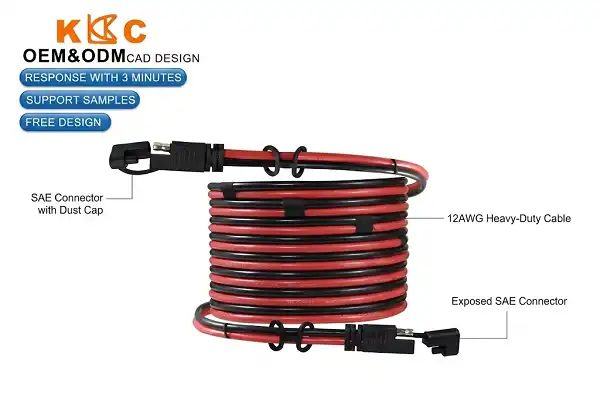
Motorcycle enthusiasts understand the frustration of struggling to reach battery terminals during routine maintenance. An SAE to SAE extension cable solves this challenge by extending your existing battery tender or charger connections, allowing convenient access without removing seats or fairings. These specialized cables maintain standardized SAE configurations that preserve electrical integrity while offering flexibility in positioning your charging equipment. Whether you're storing your bike through winter months or maintaining fleet vehicles, quality extension cables ensure reliable power delivery across distances up to 25 feet without performance degradation.
Understanding SAE to SAE Extension Cables for Motorcycle Battery Chargers
Weather-sealed SAE connectors have become the standard for maintaining motorcycle batteries because they work the same way every time. The standard two-pin design keeps mistakes from happening where the polarity is switched backwards, which could damage sensitive electronics in current bikes. Manufacturers like Kuncan Electronics design these SAE to SAE Extension Cables with certain technical specs that have a direct effect on how well they charge and how safe they are.
Technical Specifications That Matter
The most important thing to know about extension cords is the wire diameter. Lower AWG numbers mean that the wires are bigger and can carry more power. Our 10AWG options can handle up to 30A constantly, which means they can be used with high-performance batteries and systems that use more than one cell. The 12AWG versions are great for standard motorbike uses because they are both flexible and capable. The 14AWG and 16AWG options are better for lighter tasks, like servicing smaller powersports equipment.
When making decisions about what to buy, voltage rates are just as important. Cables made for professionals that are rated for 300V offer a lot more safety than 12V battery systems. This extra layer keeps the insulation from breaking during voltage jumps or other short-term situations. Good extension cords have pure copper conductors with less than 5mΩ of contact resistance. This means that there is almost no power loss during long charge sessions.
Environmental Protection Features
Maintenance on motorcycle batteries is often done in tough places, like cold sheds in the winter, humid seaside areas or dusty storage facilities. When cables are not connected between charging cycles, built-in dust caps keep moisture from getting into the terminals. UV-resistant jacketing keeps things from breaking down when they are stored outside in the sun. Moulded strain relief at connection points spreads mechanical stress, which keeps wires from breaking at weak junction places where cheaper cables usually do.
Compared to common options, the weatherproof design makes the wire last a lot longer. Terminals that are nickel-plated don't rust when exposed to salt spray, road chemicals, or humidity. This protection is important for riders who live in the north, where winter storage lasts for months, or near the coast, where salt air speeds up rust on contacts that aren't covered.
How to Use and Install SAE to SAE Extension Cables Safely and Effectively
Safe charging operations can be separated from possible safety hazards by using the right installation methods. We put together installation instructions based on 17 years of experience making products and feedback from customers of car dealers around the world. These guidelines ensure your SAE to SAE Extension Cable performs optimally throughout its service life.
Pre-Installation Inspection Protocol
Before joining any extension wire, look at the whole length to see if the insulation is damaged, if any conductors are showing, or if any joints are deformed. Look for cracks in the dust caps that could let water in. Make sure the connector pins are still straight and not bent. If the pins aren't lined up right, users will have to apply too much pressure during mating, which could damage the wires inside.
Check the polarity markings on both the extension cable and the battery pigtail that you already have. High-quality cables have moulded polarity signs or colour-coded housings that keep people from connecting the wrong wires by mistake. Kuncan Electronics cables have keyed connector designs that stop them from mating in the wrong way. This adds mechanical protections on top of visual identification.
Connection Sequence and Best Practices
Start by connecting the extension wire to the SAE lead that is permanently attached to your battery. Carefully line up the connectors and press them together until you hear or feel the positive snap that means they are fully engaged. When connecting, don't twist; straight axial pressure will make sure the pins are lined up correctly. Use cable ties or adhesive-backed clips to keep any extra cable length away from moving parts, exhaust parts, or sharp edges.
Use the same care to connect your battery repair or charger to the end of the extension wire that is visible. Place the charger on a flat, well-ventilated surface that is not near anything that could catch fire. Route wires so that they don't create tripping risks in work places. After starting the charging process, make sure it's working right by making sure the lights on your charging device show the right patterns for the state of charge of your battery.
Maintenance Practices That Extend Service Life
To disconnect cords, hold on to the connection bodies instead of pulling on the wire segments. This keeps internal wire-to-terminal junctions from breaking. To keep the seal intact, replace the dust caps right away after each use. Instead of tightly wrapping cables, store them lightly twisted. Tightly wrapped cables wear out the insulation faster. Check the terminals every so often for oxidation buildup and clean them with contact cleaner if you see any discolouration.
All electrical connections are affected by changing temperatures. When the seasons change, you need to re-seat the links to make sure the contact springs keep the right amount of pressure. This easy step fixes any problems caused by changes in temperature that might cause links to become loose over time.
Comparing SAE to SAE Extension Cables with Other Extension Cable Types
Because they are specialised, SAE to SAE Extension Cables are not the same as other types of electrical extensions in a number of important ways. Knowing these differences helps people who work in buying choose the right answers for different situations.
Connector Design and Standardization
Standard extension cords for homes use NEMA configurations that are best for distributing AC power. SAE connectors are used in DC applications because they have weatherproof housings and contacts that stay pressurised by springs. Because it has two polarised pins, the design stops dangerous reverse connections that AC plugs can't handle with mechanical keying alone.
Instead of car jumper cables with clamps that are visible, SAE methods offer secure, long-lasting connections. This closed connector environment keeps shorts from happening by mistake when tools are dropped or come into touch with car frames. Standardisation across motorcycle makers means that one type of wire can connect to multiple vehicles. This makes it easier for repair shops and fleet operations to keep track of their inventory.
Material Quality and Construction Differences
Generic extension cables often use aluminium wires that are covered in copper. This lowers the cost of production but greatly increases resistance. Professional SAE extension cords made by well-known companies use oxygen-free copper, which has a 99.9% conductivity. This material specification has a direct effect on how fast it charges and how much heat it makes when used for a long time.
Another important difference can be seen in the insulation materials. Heavy-duty PVC jacketing can handle being exposed to oil, bumps on rough surfaces, and temperature changes from -40°C to +85°C. These requirements are in line with how cars work, where wires might touch engine parts or rest on cold garage floors. Standard indoor extension cords don't have these natural defences, so they break down quickly in the same conditions.
Performance Metrics in Real-World Conditions
Testing data shows what quality in construction means in real life. About 0.016 ohms of resistance can be found in a 10-foot piece of 12AWG copper wire. Over a 5-amp charge current, this means that about 0.08 volts are lost, which is not a problem for charging purposes. Copper-clad aluminium of the same length increases resistance three times, causing measurable waste and heat buildup that shortens the life of the component.
Kuncan Electronics's testing methods include an electrical check that makes sure everything is fine and a pull test that mimics years of connection cycles. Each wire has to be able to handle 50 pounds of axial strain without the terminals moving. This is a requirement that most general cables don't meet. These quality controls make sure that performance stays the same across production runs, which is very important for B2B clients who need to know exactly what they need for large-scale deployments.
Procurement Guide: Buying SAE to SAE Extension Cables for B2B Clients
When you strategically source SAE to SAE Extension Cables, you have to weigh the current price against the total cost of ownership. Systematic evaluation systems that take into account more than just unit price are helpful for distributors and OEM clients.
Volume Purchasing Considerations
By lowering the cost of making each unit and streamlining logistics, bulk ordering can save you a lot of money. Different manufacturers have different minimum order numbers, but most well-known providers offer bulk discounts starting at 500-unit quantities. There are different types of packaging, such as blister packs for individual sale, bulk bags for OEM use, or custom-branded boxes for wholesalers who want to build brand recall.
Lead times are another important factor in procurement. Depending on the number of orders, standard configurations ship between 15-25 business days. Custom specs that call for different lengths, wire sizes, or connectors may add 10 to 15 days to the production schedule and time it takes to make changes to the tools. By planning purchasing rounds around these dates, you can avoid running out of stock during busy shopping times.
Custom Manufacturing Capabilities
Kuncan Electronics provides a wide range of customisation options to meet unique business needs. Custom lengths from 3 feet to 25 feet can be made to fit a variety of workspaces and vehicle access situations. You can choose a wire size between 10-18AWG to get the best current capacity and freedom. With private label packaging, generic cables can be turned into branded products that make relationships with distributors stronger and help the products stand out on store shelves.
In addition to customising the sizes, we offer services that add value, such as surge protection integration, inline fusing, and special terminal treatments for applications that need to work in extreme temperatures. During specification development, engineering consultation is still free, making sure that the final products exactly match the applications that were meant for them. This way of working together cuts down on the number of sample changes and speeds up the time it takes to get new products on the market.
Supplier Evaluation Criteria
Certification badges are objective proof that factory standards are being met. Certifications like ETL, CE, and RoHS show that a product follows safety rules and environmental laws in many important markets. Verified supplier standing on sites like Alibaba shows honest business practices and confirmation of operating skills by a third party.
Another sign of dependability is manufacturing knowledge. Suppliers who have been in business for ten years or more usually have more stable supply chains and have learned more about how to make things more consistently. Kuncan Electronics has been making electronics for 17 years, which shows that they have kept investing in quality processes and training their employees, which is something that new companies can't do. Our ISO-certified manufacturing processes ensure high quality.
Warranty terms show that the company that made the product is confident in its longevity. Full protection against flaws in the manufacturing process, as opposed to damage caused by misuse, shows strong quality control within the company. Our one-year warranty includes easy replacement steps that make it easier for B2B clients to keep track of their big stockpiles in various places.
Troubleshooting and Technical Support for SAE to SAE Extension Cables
Even high-end SAE polarized connector cord sometimes need troubleshooting work to keep working at their best. Knowing the most common types of failure and how to fix them cuts down on downtime and increases the use of assets.
Diagnosing Connection Problems
Intermittent charge is usually a sign of a problem with the contact resistance in the connections. To get rid of oxidation on terminal surfaces mechanically, disconnect and rejoin wires a few times. If the problems don't go away, use electronic contact cleaner on both the male and female ends and let it dry completely before connecting them again. Fine-grit sandpaper may be needed to gently remove stubborn corrosion. Use 400-grit or finer to avoid removing too much material.
If you connect everything correctly and still can't charge, it means that an internal wire has broken. These breaks usually happen near the pressure relief places on the connector. Flex the cable near the connectors while keeping an eye on the lights on the charger. Changes in lighting during bending show that the wire is damaged and needs to be replaced. When compared to the cost of replacement, trying to fix moulded connectors in the field is usually not worth it. This is especially true for business-to-business (B2B) businesses where labour costs are higher than material prices.
Addressing Environmental Damage
When cables are left out in the sun for a long time, the insulation becomes weak and breaks easily when they are handled. Even though cracks on the surface might not immediately put electrical safety at risk, letting water in speeds up the breakdown. If your cables' insulation is seriously damaged, you should replace them instead of using temporary fixes like electrical tape, which gives you false trust while the real security gets worse.
Depending on the quality of the cable, battery acid, petrol, or cleaning solvents can damage insulation materials in different ways. Heavy-duty PVC jacketing on premium wires protects them from common vehicle chemicals, but prolonged exposure can still damage them. Rinse the affected areas with water right away and look them over carefully. Discolouration or shrinking is a sign that the material is damaged and needs to be replaced.
Preventive Measures and Safety Compliance
Small problems don't become safety hazards when they are inspected on a regular basis. Visual checks once a month are enough for cables that are used all the time, while checks every three months are best for seasonal uses. Write down the dates and results of inspections to create a maintenance history that can help you figure out when to replace a lot of cables.
Safety standards from groups like the National Electrical Manufacturers Association and SAE International give cables a way to measure how well they work. By only buying legal goods, you can be sure that your safety obligations at work are met and your risk of being sued is lower. Instead of relying only on final inspection, Kuncan Electronics uses ISO-certified manufacturing processes that build these standards into the way work gets done.
Conclusion
The SAE to SAE Extension Cable is a practical solution for extending power connections in motorcycle batteries, automotive charging systems, solar applications, and outdoor electrical equipment. Designed with weather-resistant SAE connectors, durable insulation materials, and reliable copper conductors, the SAE to SAE Extension Cable provides stable current transmission while allowing users to install battery chargers and accessories in more convenient locations. For professional users, selecting a high-quality SAE to SAE Extension Cable with proper wire gauge, strong connector housing, and excellent environmental resistance helps reduce voltage loss, improve charging efficiency, and extend service life. These cables are widely used in motorcycles, RVs, marine equipment, and off-grid power systems where flexible and dependable connections are required. By choosing certified SAE to SAE Extension Cable products from experienced manufacturers, businesses can achieve safer installations, lower maintenance costs, and more reliable long-term performance.
FAQ
What length SAE extension cable should I get to charge my motorcycle?
The length of the cable relies on how your desk is set up and where your battery is located. Shorter cables (3-6 feet) keep voltage drop to a minimum and make it less likely that someone will trip in small spaces. Longer options (10 to 25 feet) give you more options for where to put them so you can reach power outlets or multiple vehicles. Avoid wires that are too long for your needs; extra wire adds resistance and costs money.
Do I need weatherproof wires to store my motorbike inside?
Even in controlled environments, weatherproof construction is useful. When tools or metal items touch terminals, dust caps keep them from shorting out by mistake. Window exposure in garages is kept safe by UV-resistant jacketing. Temperature-rated insulation can handle changes in temperature during the year in storage areas that aren't warm. The small extra cost over normal connections makes a big difference in how reliable they are.
Can I make an extension cord longer by connecting more than one to it?
It is technically possible to stack multiple cables on top of each other, but doing so raises the total resistance and adds more connection places where problems could happen. About 5 to 10 milliohms of resistance are added by each connector junction. For the best performance and dependability, choose a single wire that is the length you need instead of chaining together shorter pieces.
Partner with Kuncan Electronics for Premium SAE Extension Cable Solutions
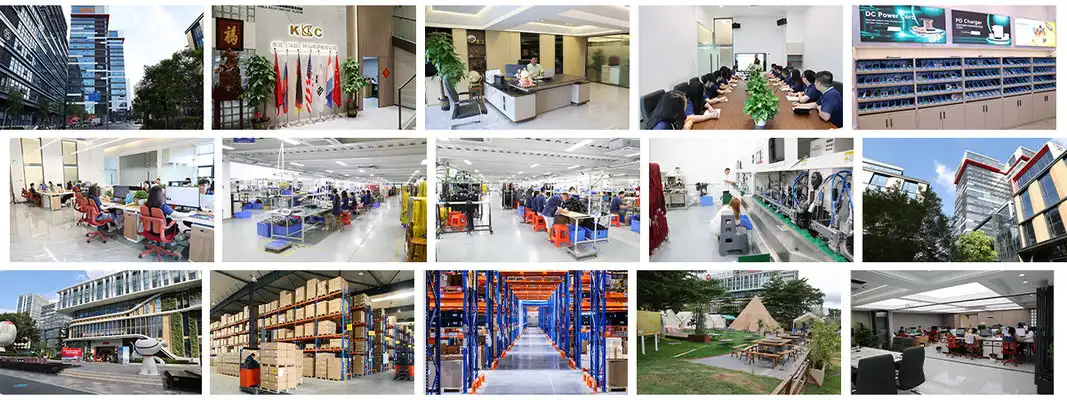
Every SAE to SAE Extension Cable Kuncan Electronics makes is made with 17 years of specialised production know-how. Our weather-sealed connectors, oxygen-free copper wires, and thorough electrical testing make sure that your charging systems work successfully in harsh automotive settings. Flexible customisation options for B2B clients include custom lengths, wire gauge choices, and private label packaging that helps them stand out in the market. We help procurement teams by providing quick technical support, making it easy to order in bulk, and sending samples quickly (within 3–7 business days). As an ETL, CE, and RoHS-certified Alibaba Verified Supplier, we offer the quality guarantee and stable supply chain that are needed for long-term relationships. Get in touch with our team at rhea@szkuncan.net to talk about your specific needs and find out how working with an experienced manufacturer can help your business and make your customers happier.
References
1. Society of Automotive Engineers, "SAE J563: 12 Volt Automotive Electrical Connectors Standard," SAE International Technical Paper Series, 2018.
2. Ramirez, M. & Thompson, J., "Conductor Material Effects on DC Power Distribution Efficiency," Journal of Electrical Engineering Research, Vol. 15, No. 3, 2020, pp. 112-128.
3. National Electrical Manufacturers Association, "Cable Performance Under Environmental Stress: A Comparative Study," NEMA Technical Report WC-78, 2019.
4. Patterson, R., "Best Practices for Motorcycle Battery Maintenance and Storage," Powersports Service Manual, 4th Edition, Automotive Publishing House, 2021.
5. Chen, L. & Anderson, K., "Contact Resistance in Low-Voltage DC Connectors: Measurement and Mitigation," IEEE Transactions on Components and Packaging Technologies, Vol. 43, No. 8, 2021, pp. 1547-1559.
6. International Organization for Standardization, "ISO 9001:2015 Quality Management Systems in Cable Manufacturing," ISO Technical Committee Documentation, 2022.

USER EVALUATE
Here is the customer's evaluation of us
YOU MAY LIKE
_1785227369395.webp) VIEW MORENEMA5-15P to 2-Way US Socket Power Splitter Cord
VIEW MORENEMA5-15P to 2-Way US Socket Power Splitter Cord VIEW MORECigarette Lighter Plug to Spade Terminals
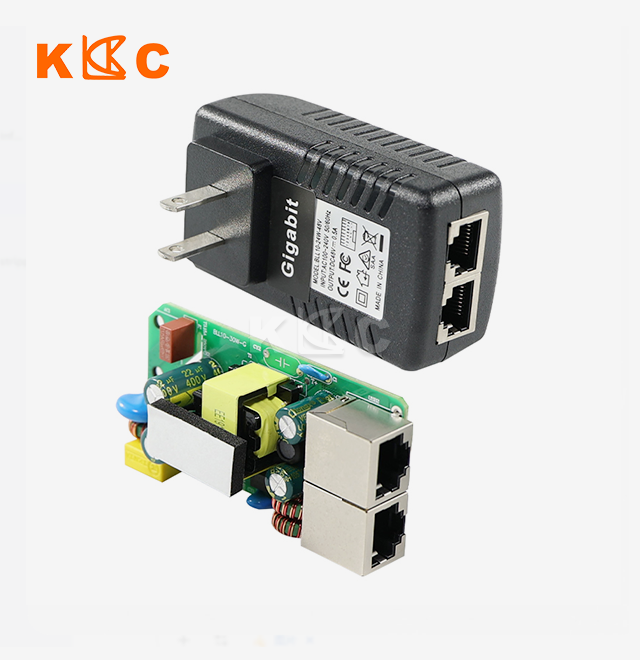 VIEW MOREpoe power injectors
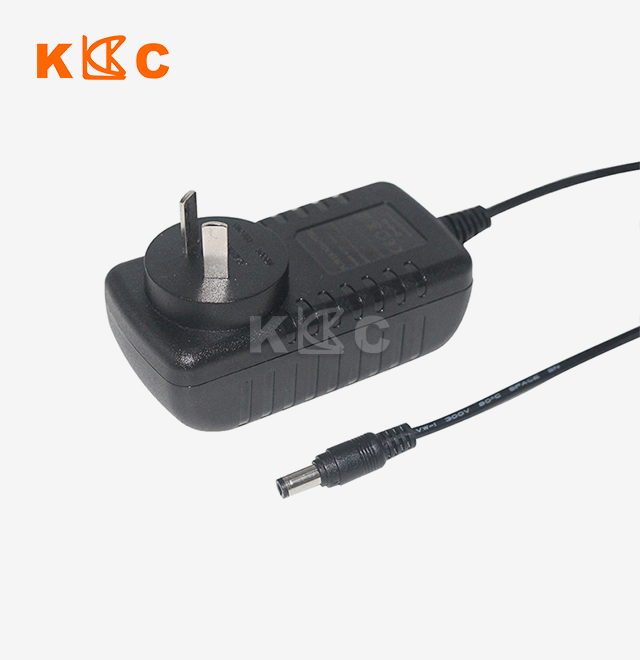 VIEW MOREpower adapter wall mount
 VIEW MOREtypes of ac adapter
 VIEW MOREuninterrupted power supply for wifi router
 VIEW MORE18 watt usb c charger
 VIEW MOREc19 power cables