
Safety Tips for Using SAE to Cigarette Lighter Female Sockets
It is very important to know how to use SAE to cigarette lighter female sockets correctly when working with DC power adapters in automobile, powersports, or industrial settings. These special links connect SAE J563 quick-disconnect connections to normal 12V accessory ports. This lets GPS units, air engines, and portable electronics get power without any problems. But bad fitting or parts that don't fit together right can cause warming, circuit failures, or damage to the equipment. This guide brings together the best practices from across the industry to help procurement teams and field techs choose, install, and manage these adapters safely while improving operational uptime in tough settings.
Understanding SAE to Cigarette Lighter Female Sockets and Their Safety Considerations
Core Components and Operational Design
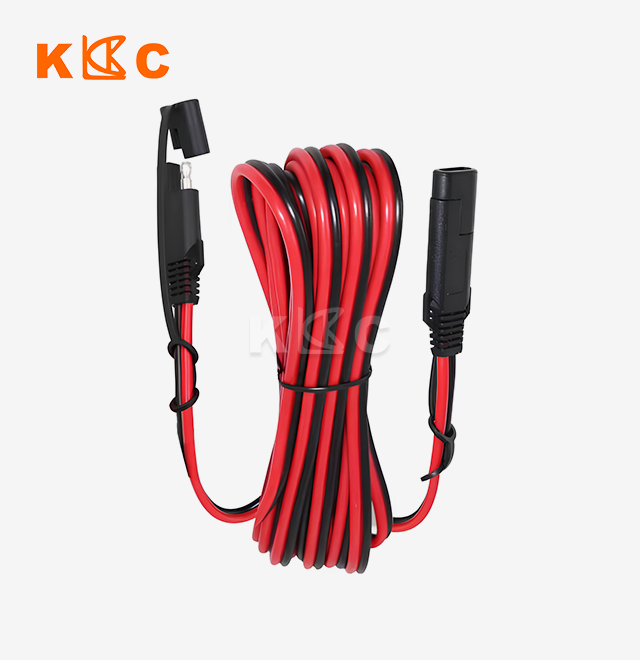
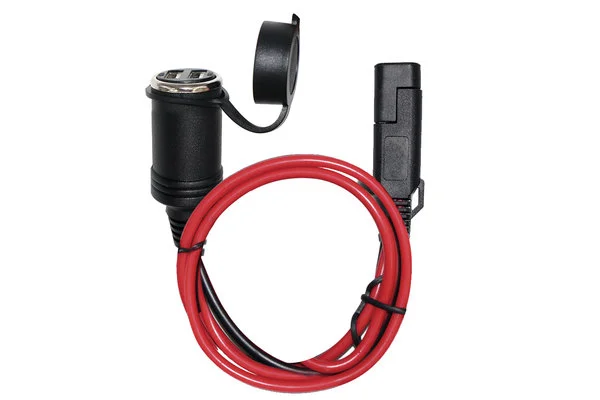
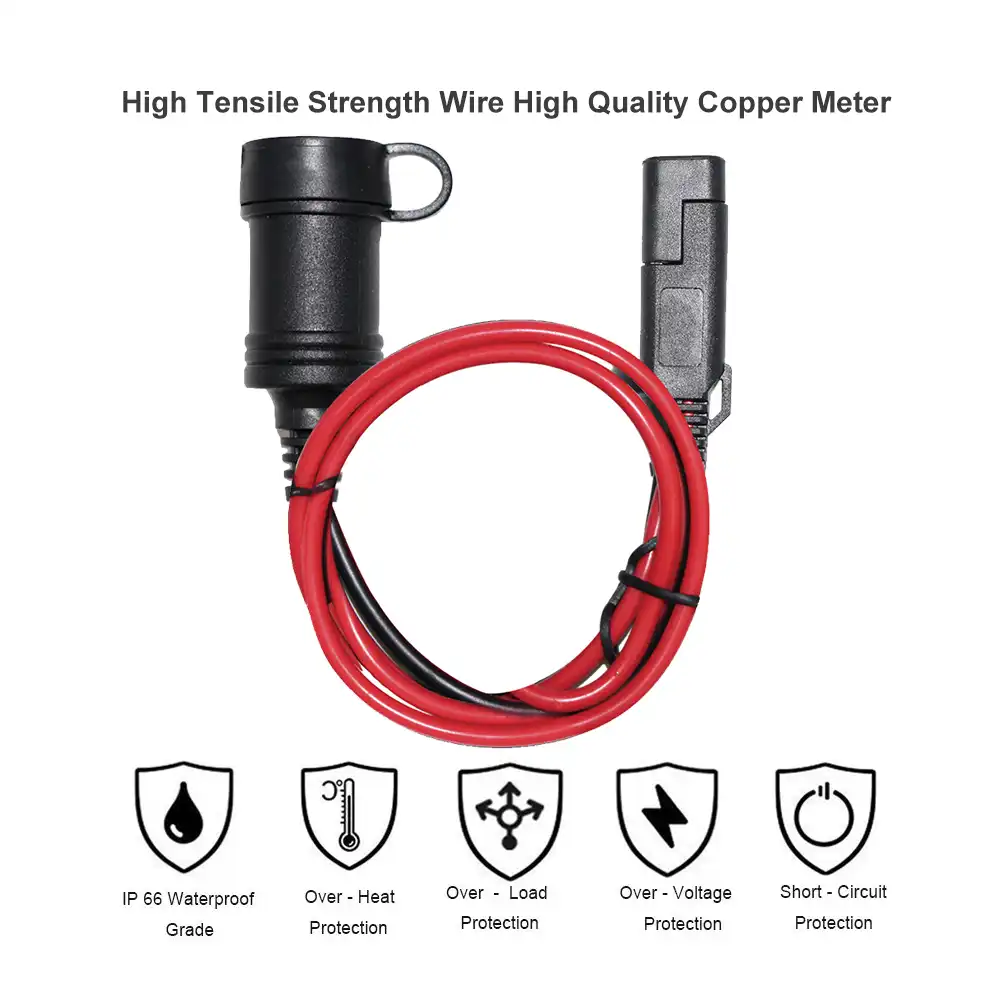
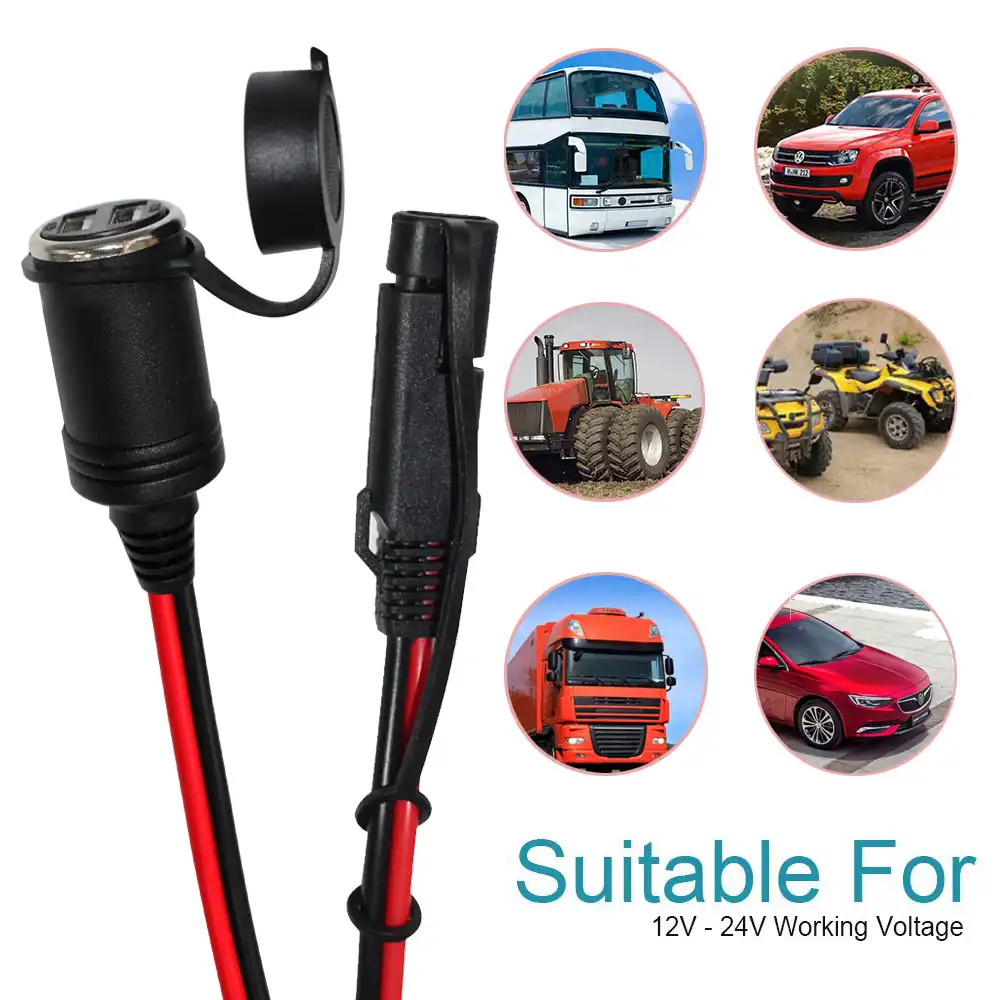
The adapter is a key part of the connection between two different types of connectors. On one end is the two-pin SAE J563 plug, which is often already installed on bikes and battery trucks. On the other end is a female 12V cigarette lighter plug. Depending on the wire gauge, internal copper lines from 16AWG to 12AWG can handle steady currents of up to 15 amps. Inline fuse boxes with ATC or ATO blade fuses are used in premium units to protect against overcurrent and stop thermal runaway in circuits further down the line.
Critical Safety Specifications
Safe operating limits are set by voltage and current values. Most car systems work at 12V theoretical, but the real voltage can be anywhere from 11.8V (discharged battery) to 14.4V (charging generator). Choose the right wire size for the job—16AWG can handle up to 13A of steady load, while 14AWG can handle up to 15A. When these limits are crossed, the barrier breaks down and the connection melts. The materials used for the housing are equally important. ABS or Bakelite, which is resistant to heat, can survive long-term exposure to temperatures above 85°C, while cheaper plastics will bend under constant high-current draw.
Application Environments and Risks
Marine sites have to deal with rust from salt water and air getting in. RV sets are constantly shaking and changing temperatures. Chemical vapors and particles can get into connections in industrial automation settings. For example, IP65 grades are needed for weather resistance, strain relief is needed to stop vibrations, and chemically safe insulation is needed for harsh environments. Choosing adapters that don't have the right environmental grades speeds up component decline and raises the risk of failure.
Essential Safety Tips When Using SAE to Cigarette Lighter Female Sockets
Voltage and Load Matching Protocols
Use a digital voltmeter to make sure that the voltages of the devices are compatible before you connect them through a SAE to cigarette lighter female socket. When motorcycle batteries are loaded, they may drop to 11.5V, which is not enough for gadgets that need a stable 12V input. To find the total amperage draw, add up all the devices that are linked. For example, a tire inflator that uses 10A and a phone charger that uses 2A are close to the 15A limit for 14AWG wire. If you go over the maximum capacity, the fuse will blow at best and the wire will boil at worst.
Inspection and Preventive Measures
Regular eye checks find problems as they start to happen before they become too big to fix. Every month, check the link points for:
- Oxidation or corrosion on metal connections, which means water got in
- Cracks or discoloration in the color of the building materials that point to heat stress
- Loose strain relief boots that are too loose let wire bend near solder joints.
- Burned or blackened fuse holders show what happened with the overcurrent in the past
Instead of trying to fix broken parts on the job site, replace them right away. Fake adapters are made with low-quality materials that don't have enough insulation and use copper-clad metal wires that get too hot when they're loaded. These risks can be avoided by buying from verified makers who have proof of their license.
Proper Mounting and Connection Techniques
Keep the adapter away from heat sources and moving parts. When working on a motorbike, keep the wires away from the exhaust manifolds and suspension linkages. Place zip ties at regular gaps between frame parts to keep them from wearing down. When you put the cigarette plug in, push hard until the closing spring engages. Contacts that are only partially connected cause high-resistance situations that get too hot. Never push connections that don't fit together properly. SAE plugs are hermaphroditic, which means they can be inserted in the wrong way, which could damage electronics that are expecting positive voltage on the center pin.
Before putting adapters to work on important tasks, we suggest trying them under typical load circumstances. As a way to simulate real-world stress, Kuncan Electronics' engineering team does 100% electrical and heat tests on every production batch. This strict process finds flawed parts before they get to your business. This cuts down on field fails and the costs that come with them.
Comparing SAE to Cigarette Lighter Female Socket Options for Enhanced Safety
Fuse-Equipped versus Non-Fused Models
The most important safety difference is inline fuse protection. Overcurrent situations are kept from spreading when fused connections are used. This keeps expensive equipment or car electrical systems from getting damaged. Versions that don't have fuses cost less, but they put whole circuits at risk of short circuits. When an internal short occurs in a broken device, exposed wire acts as a heat source, melting insulation, setting nearby materials on fire, or joining battery leads together. If you don't use fuses, you might save a little money, but that's nothing compared to the cost of replacing equipment and safety risks.
Waterproof versus Standard Designs
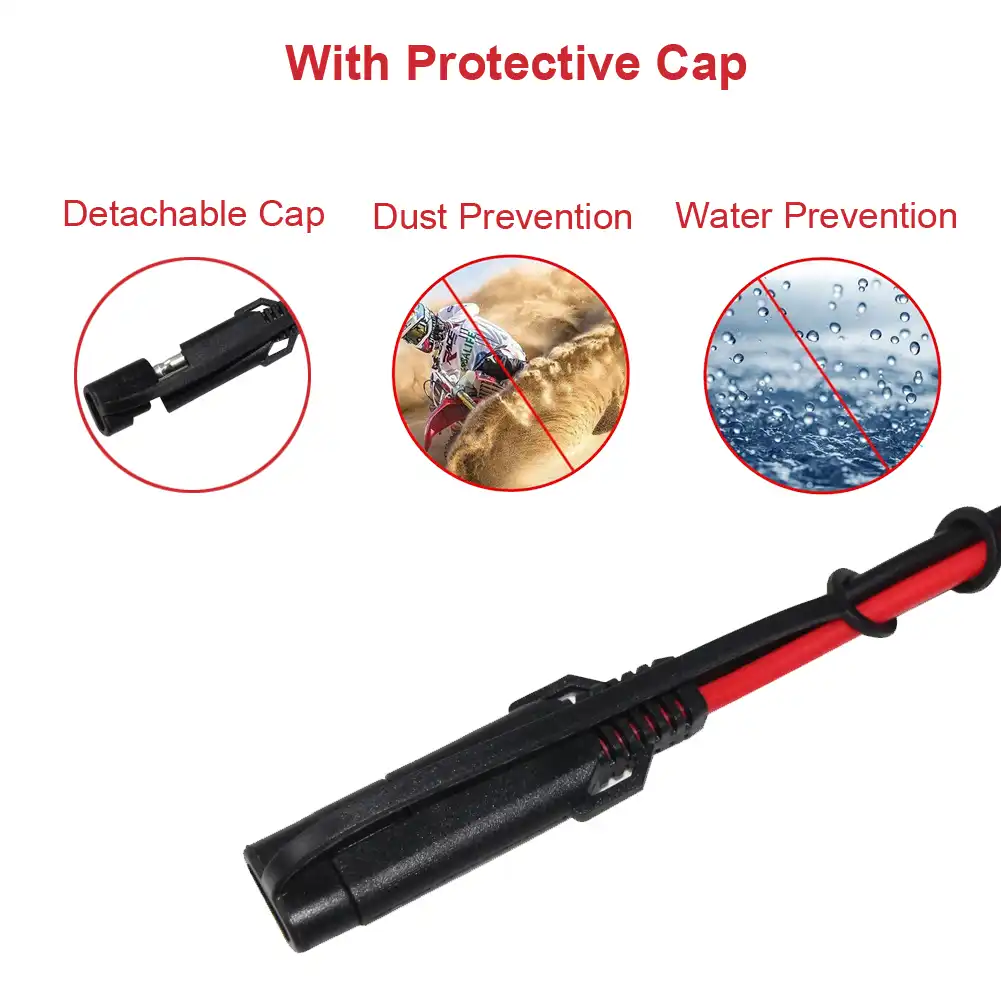
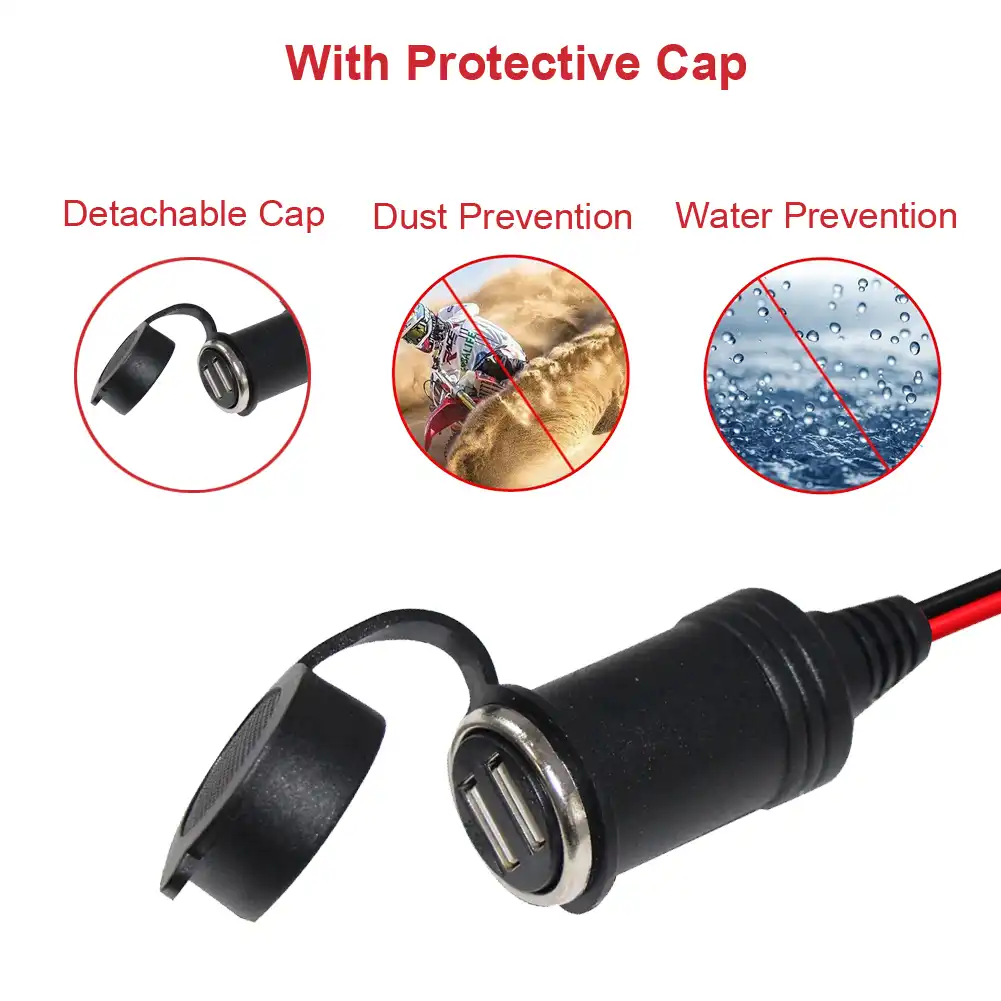
Sealing against the environment decides how long something will last when used outside. The basic plastic joints in standard adapters let water move through the wire strands. Some models are waterproof and have sealed housings with IP65 or IP66 ratings. These models use O-rings and covered connections to keep dust and water jets out. The weak spot is still the female socket—even waterproof wires need rubber caps that fit over them when they're not in use. Marine and solar systems must have these levels of safety, but normal building may be enough for garage-based uses.
Material Quality and Certification Standards
Copper wires in high-end connections don't contain oxygen, so they reduce voltage drop and heat production. High-temperature ABS or glass-filled Bakelite housings that can handle 15A loads continuously keep their structural integrity. Look for licenses that show you follow the rules for your area's electricity, like ETL or UL for North America, VDE for Europe, or SAA for Australia. These marks show that performance claims and safety gaps were checked by independent tests. RoHS and REACH compliance makes sure that materials don't contain any harmful chemicals, which is required by environmental laws and business sustainability goals.
Purchasing managers should give more weight to sellers who offer clear specs and proof of certification for the SAE to cigarette lighter female socket. We keep detailed records for all of our adapter types, so you can see proof of compliance all the way through your supply chain. Our quality control system follows ISO guidelines, which makes sure that all of our production batches are the same and reduces the variation that lower-level makers often have.
How to Properly Connect and Wire SAE to Cigarette Lighter Female Sockets
Identifying Common Wiring Errors
Most installation mistakes happen when the polarity is switched around. There aren't any general rules for polarity in SAE to cigarette lighter female sockets, so different makers wire the exposed male pin positively and negatively. Before connecting any sensitive equipment, you should always use a voltmeter to check the polarity. Use heat-shrink labels to clearly mark wires with labels that show the positive and negative elements. Another common mistake is using wire that is too small for long line runs. DC voltage drop goes up directly with distance and current. For example, a 10-foot extension with 18AWG wire has a 0.8V drop at 10A load, which could lower the battery voltage below what the device needs to work.
Step-by-Step Connection Guidelines
When putting together special cables, carefully remove the insulation from the wires to a depth of 3/8 inch to protect the copper and make sure there is enough space inside the crimp ends for contact. Instead of pliers, use ratcheting crimp tools. The right crimp tools will squeeze the connections evenly without hurting the conductor strands. For the most reliable connections in places with a lot of shaking, solder crimped connections and put heat-shrink tubes over the solder joints to insulate them and relieve stress. Use grommets where wires go through metal panels to keep finished systems away from sharp edges.
Tests make sure that the right parts are put together before the circuits are turned on. If the adapter is not plugged in, check the continuity between the pins that go together. The resistance should be less than 0.5 ohms for a good link. Apply 12V from a benchtop source and check the voltage at the cigarette plug when there is no load and when there is a full load. This will show that there is minimal voltage drop. Connect a 10A resistive load and keep an eye on the temperature at the connection points for 30 minutes. Housings that are more than 50°C above room temperature are a sign of bad conductor size or contact integrity.
Real-World Application Case Studies
When an RV company switched to approved adapters with built-in fuse safety, warranty claims dropped by 40%. In the past, problems happened when people connected inverters that were too powerful for the adapters, which melted the sockets and damaged the wire connections in their cars. Now, inline fuses separate overload situations, which protects both the adapter and the vehicle's electrical systems. Similarly, a company that sells solar equipment got rid of field failures by defining adapters with IP66 ratings and copper wires that don't contain oxygen. The new parts can handle the high temperatures in the desert and don't rust in coastal sites, so they can be used for longer than five years in harsh outdoor conditions.
These results show that the strictness of specifications has a direct effect on operating efficiency. Our application engineering team helps clients match adapter specs to deployment settings by looking at things like job cycles, planned service intervals, and temperature ranges in the area. This consultative method stops the wrong use of components and makes sure they work as expected for the whole time they are in use.
Maintenance and Troubleshooting for Prolonged Safety and Performance
Establishing Inspection Schedules
Inspections should be done every three months for setups that stay in one place and every month for mobile apps that are exposed to vibrations and the environment. During checks, turn off the power and look at the junction surfaces for oxidation. Light discoloration means that corrosion is starting to form, which needs to be cleaned with contact cleaner. Terminals need to be replaced because of heavy rusting. You can find broken strands in flex wires close to connections because they make the resistance higher and produce heat. Use a continuity tester instead of just looking at the fuse to make sure it is solid—fractures inside the element might not be obvious from the outside.
Diagnosing Common Failure Modes
Power loss that comes and goes is usually caused by connections that are too loose or leads that have rusted. Electrical contact cleaner should be used to clean the contact surfaces, and dielectric grease should be used to stop rust from happening again. If the power goes out completely, it's likely that fuses have blown or wires have been cut. To find out what's wrong, run the circuits from the source to the load and measure the voltage at each link point. If a fuse keeps blowing, it means that there is too much power and the load needs to be checked. Find the total amperage of all the devices that are linked and match it to the ratings for the SAE to cigarette lighter female socket. If the loads don't go over the limits, you might be looking at short circuits in the device's wires or broken parts inside.
Safe Repair Procedures and Component Sourcing
Before starting fixes, turn off the power at the battery to avoid shocks and short circuits while working on the parts. Insulated tools should be used, and work should be done in well-lit places with enough air flow. When you replace fuses, make sure that the current levels are exactly the same. Never use higher-rated fuses to stop annoying blowing. When the rating goes up, the protective functions stop working, which lets damaging overcurrent situations happen. Replacement parts should be bought from the original maker or an approved distributor. Gray-market channels are full of fake parts made from low-quality materials and without enough quality control, which makes them less safe.
Maintaining detailed service records supports predictive maintenance strategies. Log inspection dates, findings, and corrective actions to identify patterns indicating systematic problems. Adapters failing prematurely may reveal inadequate specifications for the application, prompting upgrades to higher-capacity versions. Recurring corrosion suggests inadequate environmental protection, justifying migration to IP-rated waterproof designs.
Our dedication to customer satisfaction goes beyond just delivering the product. We offer expert support throughout the entire operational lifetime, helping with troubleshooting and suggesting ways to make applications run better. This partnership-based method helps clients get the most out of their investments while still meeting safety and efficiency standards that keep people and equipment safe.
Conclusion
To get around the complicated world of DC power distribution, you need to pay close attention to the details of specifications, installation procedures, and upkeep rules. When chosen and set up correctly, adapters can reliably convert power between SAE to cigarette lighter female sockets and normal 12V accessory plugs for a wide range of uses. Prioritizing environmental sealing, fuse protection, and certified building materials stops thermal failures and electrical dangers that threaten safety and the continuation of operations. Routine checks find problems early on, before they become expensive fails, and organized troubleshooting gets rid of problems quickly. Procurement teams get parts that work effectively for long periods of time by working with makers that are dedicated to quality and compliance.
FAQ
Can I use any cigarette lighter device with my SAE adapter?
Make sure that the total amperage draw stays below the SAE to cigarette lighter female socket values, which are usually 10A for 16AWG wiring and 15A for 14AWG wire. High-draw devices, like transformers or heaters, may use more power than they can handle, which can blow a battery or make the device too hot. Check the device's specs and figure out the total load when you add more than one accessory at the same time.
How do I identify waterproof-rated adapters?
Check the product details to see what the IP grade is. IP65 offers dust-tight seals and protection against water jets, while IP66 provides better protection against strong water streams. Fitted rubber caps hide the female plug on high-quality units when they're not in use. If you're going to be using adapters outside or in the water, don't get ones that don't have clear environmental grades.
Why does my adapter get warm during use?
Under load, a moderate amount of heat is usual, but too much heat is a sign of trouble. Temperatures more than 50°C above room temperature could mean that the wiring is too small, the links are bad, or the circuits are overloaded. Check the voltage drop across the adapter. Readings above 0.5V show that there is too much resistance and need to be looked into. Check that all connections are clean and tight and that the devices that are linked don't use more than their stated capacity.
Partner with Kuncan Electronics for Professional-Grade Power Solutions
Kuncan Electronics is the company you can trust to supply SAE to cigarette lighter female sockets. They offer enterprise-grade connections and have been making high-quality products for 17 years. The heavy-duty adapters we sell have 100% electrical and temperature tests to prove that they work. They have heat-resistant ABS/Bakelite housings, oxygen-free copper wires, and waterproof protection caps. We can customize all of our OEM products, from cable lengths of 1 to 3 feet to wire sizes of 12 to 18AWG and private marking that fits the needs of your brand. Global certificates like ETL, VDE, CE, and SAA make sure that products are compliant in all international areas. Get in touch with our engineering team at rhea@szkuncan.net to talk about your unique application needs. You'll get samples within 3–7 business days, and our 1-year warranty and quick technical help throughout the lifecycle of your project will back you up.
References
Society of Automotive Engineers. "SAE J563 Standard for Low Voltage Battery Cable Terminals." SAE International Standards, 2018.
National Electrical Manufacturers Association. "DC Power Connector Safety Guidelines for Automotive Applications." NEMA Technical Publications, 2020.
Marine Electrical Standards Committee. "Environmental Protection Requirements for Watercraft Power Accessories." American Boat and Yacht Council, 2019.
Industrial Electronics Society. "Voltage Drop Calculations in DC Distribution Systems." IEEE Standards Association, 2021.
Recreational Vehicle Industry Association. "Auxiliary Power System Installation Best Practices." RVIA Technical Guidelines, 2022.
International Electrotechnical Commission. "IP Rating Classification System for Electrical Enclosures." IEC 60529 Standard, 2020.

USER EVALUATE
Here is the customer's evaluation of us
_1781165562395.webp)