
Troubleshooting Common 12V DC LED Power Supply Issues
Trouble with the power source is often the cause of LED lighting systems that don't work right or don't perform well. A 12V DC LED power supply changes the alternating current that comes from wall outlets into stable direct current that LED systems can use. These small wall-mount adapters are necessary for home electronics, security systems, and business lights, but they can have problems like flickering, overheating, or not working at all. Learning how to quickly figure out what's wrong saves money, cuts down on downtime, and makes tools last longer. This book shows you useful ways to fix problems that are made for purchasing managers, building engineers, and expert teams that are in charge of LED infrastructure in many different types of businesses.
Understanding 12V DC LED Power Supply Basics
What Makes a Quality Power Adapter
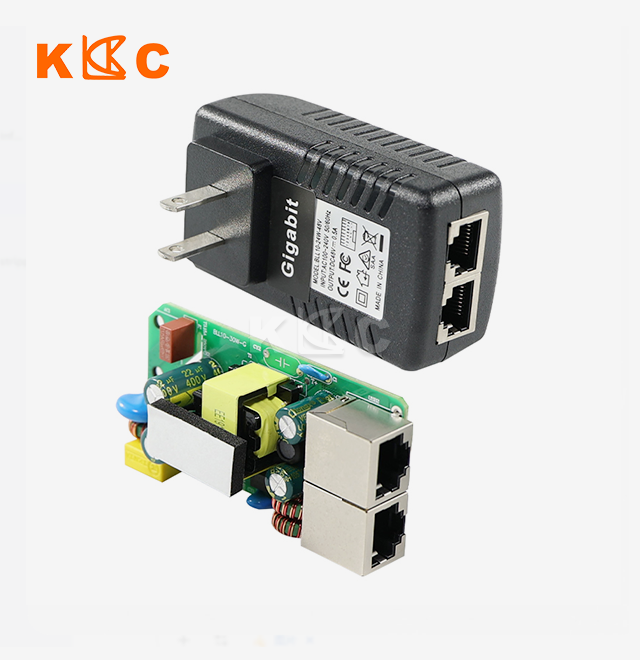
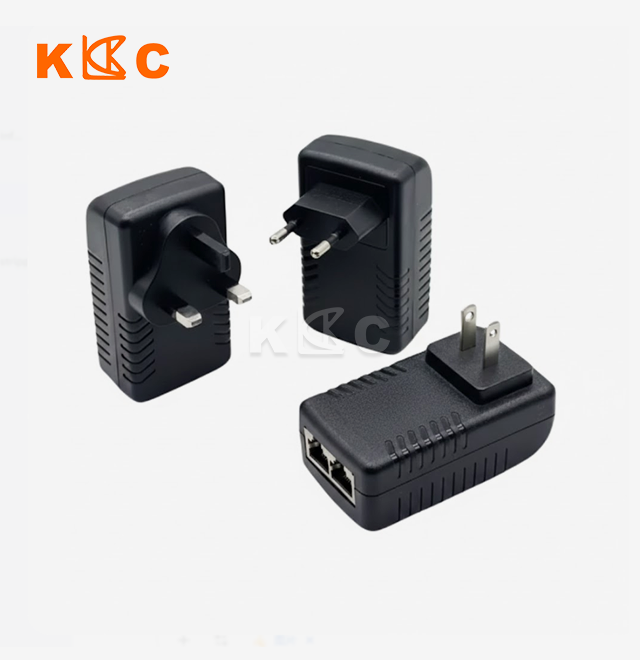
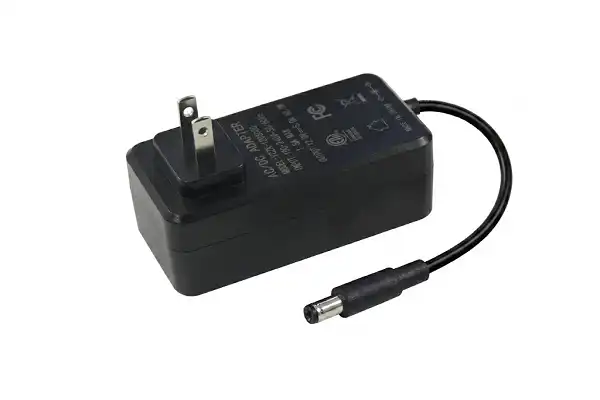
A good LED power adapter changes 100–240V AC input into precise 12V DC output, which keeps attached gadgets bright and long-lasting. Rectification, filtering, and control circuits keep the voltage stable even when the power from the utility company changes. Ultrasonic welding casings in high-quality units are resistant to water and physical damage, so they can be used in harsh settings. Kuncan Electronics's manufacturing process includes full-load age tests that last for 4 hours. These tests find weak parts before the products get to customers, so you can be sure that only strong units get into your supply chain.
Types of 12V Power Supplies and Their Applications
For different uses, the power source needs to have certain features. Regulated sources keep the voltage steady even when the load changes. This keeps sensitive LED circuits from breaking down too soon. Unregulated models have simpler designs and cost less, but their brightness may change when the load changes. Outdoor advertising screens and security cams that are exposed to dust and rain use waterproof versions with IP67 or IP68 ratings. Smart lighting systems work with dimmable adapters, which let users change the brightness through control screens or mobile apps. Choosing the right type relies on the conditions of your job, your budget, and how well you want it to work.
Key Components That Drive Performance
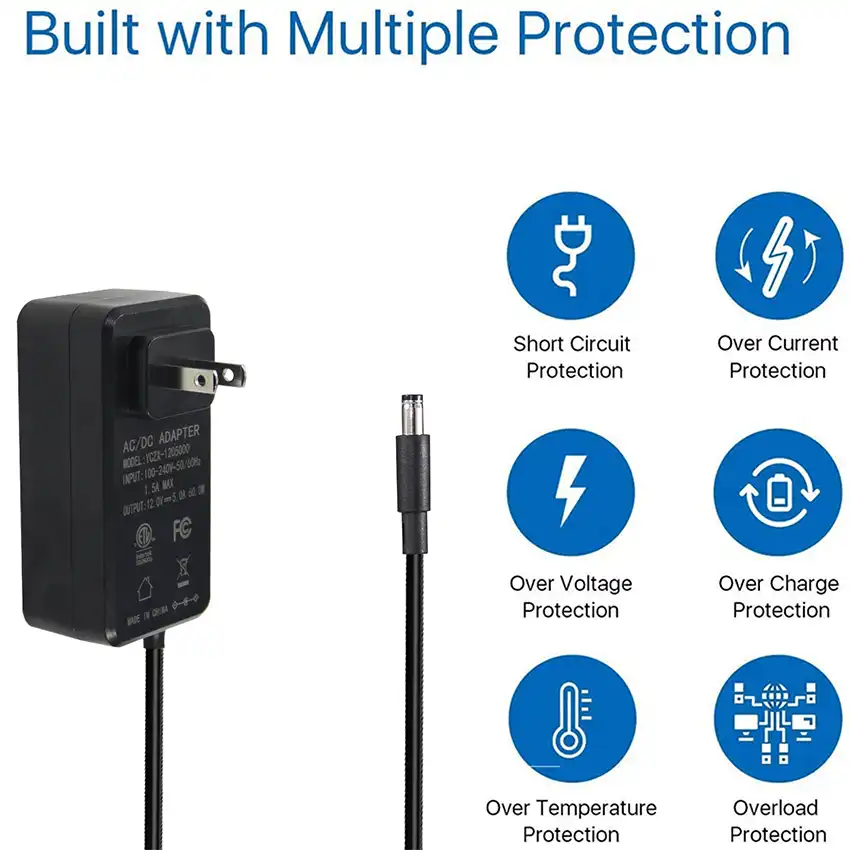
Understanding the core design makes it easier to figure out what's wrong quickly. AC power is stepped down by the transformer, and rectifier diodes change AC current to pulsing direct current. This pulsation is turned into a steady DC output by capacitors, and voltage controllers keep the 12V values exact even when the input changes. The over-voltage protection (OVP), over-current protection (OCP), short-circuit protection (SCP), and over-temperature protection (OTP) circuits keep the charger and the devices that are attached to it safe. DOE Level VI efficiency guidelines make sure that very little energy is wasted, which lowers prices and heat production. These parts work together to make sure there is power, but if one fails, the whole system is at risk.
Systematic Troubleshooting Approach for 12V DC LED Power Supply Issues
Identifying Common Failure Symptoms
Problems with LED lights tend to happen in trends that can be used to figure out what's wrong. If a 12V DC LED power supply won't start at all, it means that internal parts are broken or input wires are cut. Flickering means that the voltage isn't stable, which could be because of loose connections, bad capacitor filtering, or electromagnetic interference from equipment nearby. When airflow is stopped, ambient temperatures go above what is recommended, or internal parts break down over time, the device overheats. When output gradually deviates from 12V, this is called voltage drift. It means that regulators or capacitors are failing. By keeping a structured record of these symptoms, techs can quickly find the root causes instead of replacing parts that don't work.
Step-by-Step Diagnostic Procedures
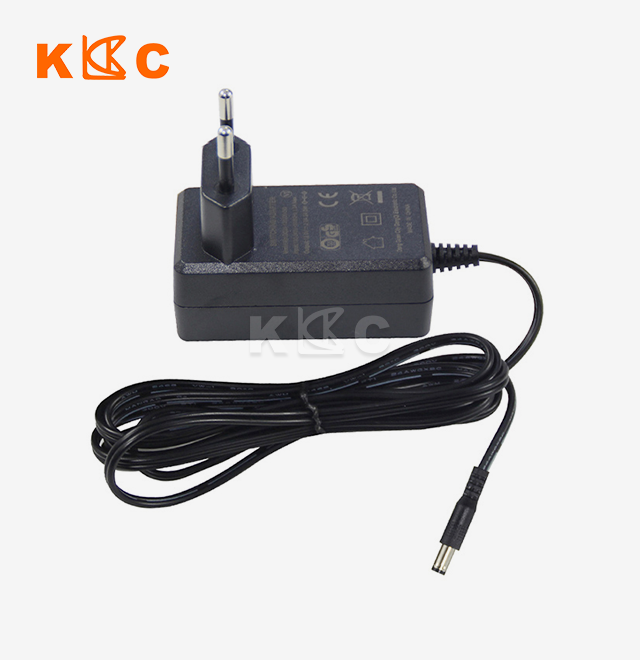
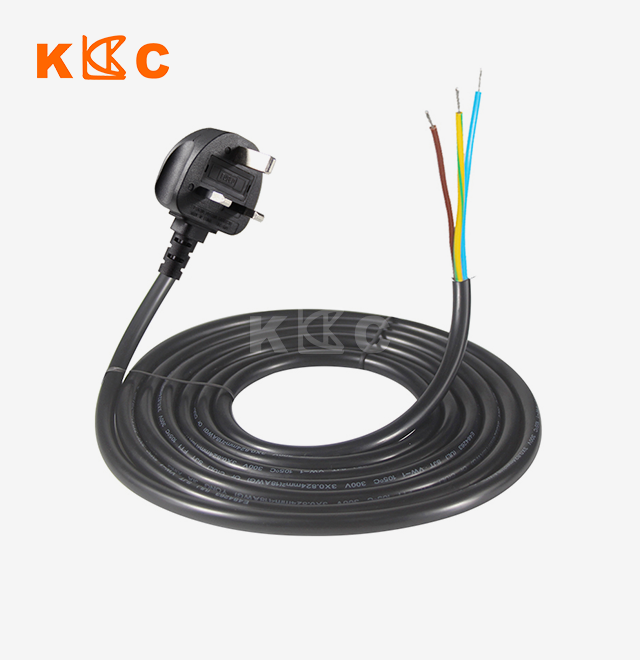
To start fixing the problem, use an AC voltage multimeter to check the power coming in from the wall plug. The results should match the standard in your area, which is usually 110–120V in North America. Check the power line for any cuts, crimps, or uncovered wires that could stop the flow of electricity. When you put it into your device, check the DC socket to make sure the pins aren't bent and the barrel is good. Use a voltmeter in DC mode to check the output voltage at the connection. Readings that are significantly above or below 12V mean the adapter is broken. Connect the adapter to your LED system and watch the voltage while the lights are on. A big drop in voltage means the adapter isn't able to handle enough power or there are problems with the internal resistance.
When trying to figure out why a problem is happening only sometimes, gently bend wires and plugs while the system is running to find any loose connections that come apart when the system moves. Listen for buzzing or clicking sounds that could mean that there is arcing inside the cage. Check the adapter case for too much heat—units should be warm, but not so hot that you can't touch them safely. Thermal cameras are useful for business projects today because they show hot spots that you can't see with the naked eye. This helps find broken parts before they break completely.
Case Study: Rapid Resolution in Retail Environments
A regional store chain had LED shelf lighting that flickered in several sites, which was annoying for customers and made upkeep harder. When our expert team looked at failed units, they found fake adapters that had capacitors that weren't up to par that were put in by a previous provider. Voltage ripple went beyond what was considered reasonable, which led to flickering when changing store loads were applied. We changed more than 200 units with our CE-certified wall-mount adapters, which have better filtering circuits and get rid of flicker right away. The client said that repair calls went down by 40% and lighting was more consistent across their network. This case shows how the dependability of suppliers and the quality of parts have a direct effect on how well operations run and how happy customers are.
Comparing Solutions: LED Driver vs 12V DC LED Power Supply in Troubleshooting
Understanding Functional Differences
Both machines power LED displays, but they do different things. Standard power supplies provide a steady 12V DC voltage, no matter what the load is. This makes them perfect for parallel LED strips, where current easily flows between the parts. LED drivers provide a steady current that is tuned to each LED design. This keeps the brightness exactly the same even as the LEDs age and their electrical properties change. A lot of drivers come with dimming interfaces and customizable current settings, which give designers of exterior lighting more control. Power sources are great for retrofit projects where simple new parts are needed for 12V infrastructure without having to rethink whole systems.
When Each Solution Makes Sense
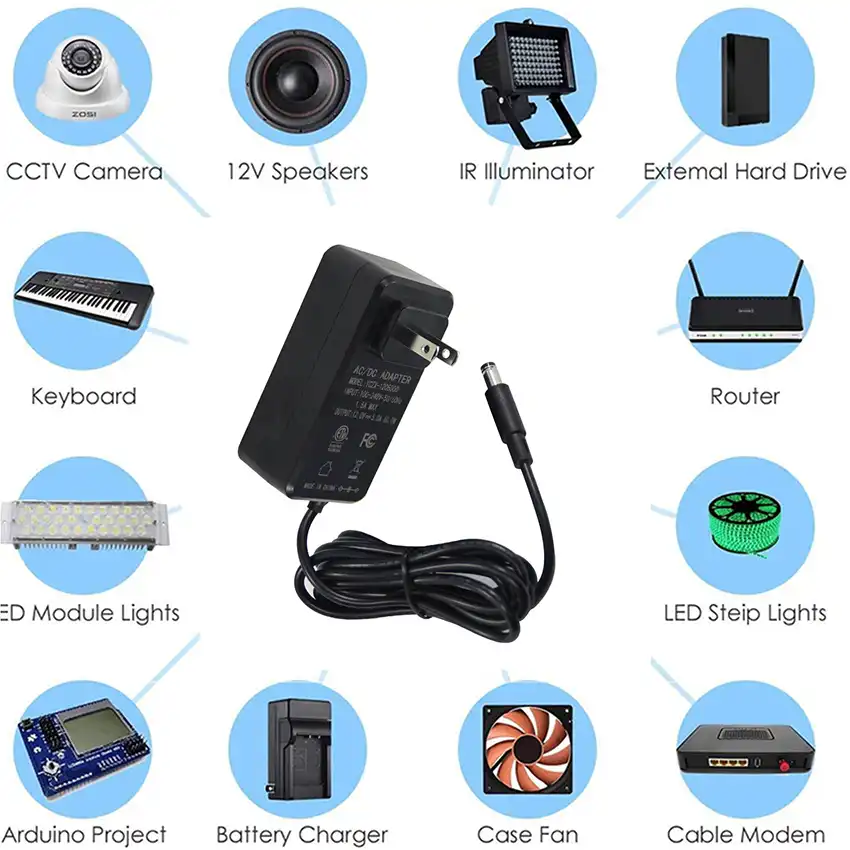
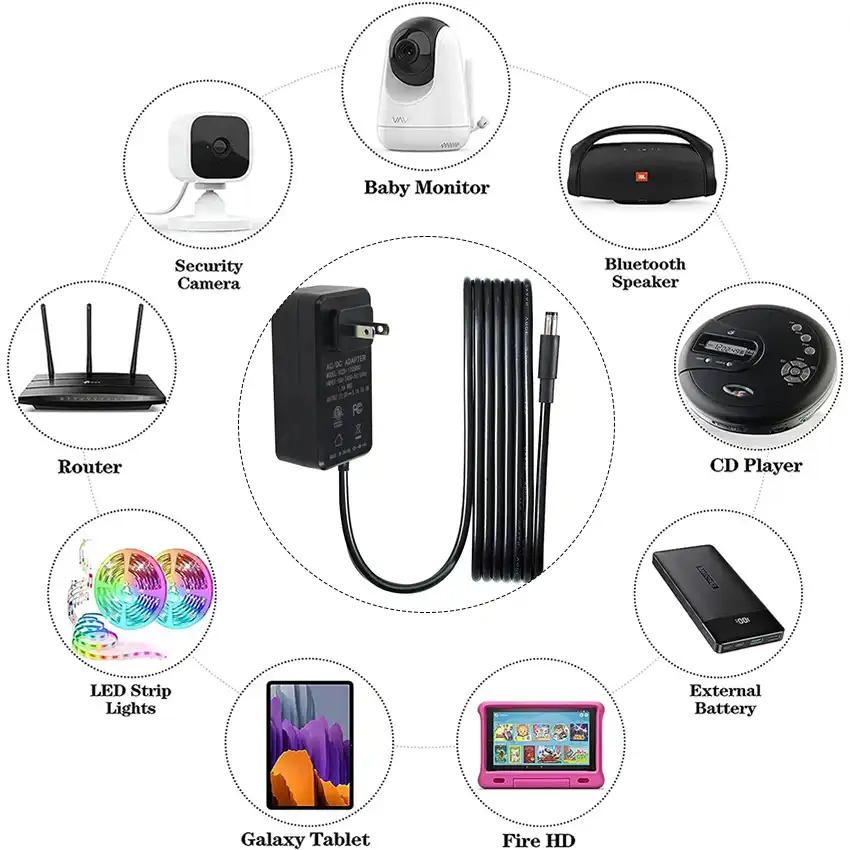
When voltage stability is most important, like in household goods, security cameras, and standard LED tape, choose constant-voltage adapters. These units work well with current 12V systems and are easy to fix—just check the connections, measure the voltage, and replace them if they're broken. Choose constant-current drivers for business setups that have custom LED arrays, high-power spotlights, or need to keep the colors exactly the same. Drivers want more advanced diagnostics, like checking the output current, thermal derating curves, and the accuracy of the dimming signal. Knowing this difference keeps you from using parts that don't go together properly, which can lead to early breakdowns or poor performance.
Troubleshooting Approach by Device Type
Power source diagnostics look at how well the safety circuit works, how accurate the voltage is, and how big the ripples are. Check that the regulation stays stable by measuring the DC output with different loads. In driver repair, current stability, thermal management, and communication methods for dimming control are all looked at. Scope testing shows switching noise that could mess up gadgets that are sensitive. Different types of devices have different ways of failing. For example, power sources often break by losing power or shutting down completely, while drivers often show current instability or dimming issues. Recognizing these trends speeds up analysis and cuts down on swapping out parts that aren't needed.
Advanced Troubleshooting: Voltage Regulation and Conversion Challenges
Why Voltage Stability Matters for LED Longevity
The voltage accuracy directly affects how long an LED lasts when using a 12V DC LED power supply. Too much voltage speeds up the flow of current through semiconductor joints. This creates heat that damages phosphor surfaces and cuts the device's useful life by thousands of hours. When there isn't enough voltage, LEDs turn off too soon and the colors change because different wavelength chips react differently to less power. Quality control circuits keep the voltage within a range of ±5% even when the input voltage changes, the temperature changes, or the parts get older. Our adapters do this with feedback loops and multistage filtering that keep changing the output and giving stable power for as long as they work.
Diagnosing AC to DC Conversion Faults
Problems with conversion start in the steps of correction and filtering. When rectifier diodes fail, AC ripple can mess up DC output, which shows up in LED systems as 60Hz flicker. When capacitors get old, they lose their ability to smooth out voltage peaks. This makes ripple amplitude bigger, which can be seen on an oscilloscope. Buzzing sounds and unstable output voltage are caused by loose transformer windings. To test, you have to separate each step: check the AC voltage at the secondary of the transformer, make sure there is DC present after conversion, and make sure the output is smooth after filtering. Replacing only the broken part instead of the whole unit saves money, but you need to know a lot about mechanics and be able to get good new parts.
Regulated vs Unregulated Supply Troubleshooting
Regulated supplies have feedback circuits that check the output voltage against reference standards and change the internal resistance to keep the supply stable. When control breaks, the output voltage changes as the load does. To be sure, measure the voltage under different current loads. Because unregulated units don't have this active control, their output drops automatically as the load rises because of the resistance of the transformer's windings. This isn't a bug; it's just how the system works. When troubleshooting uncontrolled supplies, you should look at the health of the capacitors, the function of the rectifier, and the stability of the transformer. Knowing about these changes in architecture helps avoid wrong diagnoses and bad repair efforts.
Best Practices on Selecting and Buying 12V DC LED Power Supplies to Minimize Issues
Critical Specifications for Reliable Performance
When making purchases, people should think about a number of technical factors that affect how reliable something will be in the long run. The power level must be 20–30% higher than your total LED load to avoid long-term overloading that breaks down parts. Certification signs, like CE for European markets and ETL for North American uses, show that safety standards are being met, which protects people and property. Ingress protection ratings (IP65, IP67, IP68) show how resistant something is to dust and water, which is very important for industry or outdoor setups. Failures caused by too much heat can be avoided with thermal management features such as shelters with vents and thermal stop circuits. Our adapters mix these features with DOE Level VI efficiency to give you solid performance while keeping your facility's energy costs as low as possible.
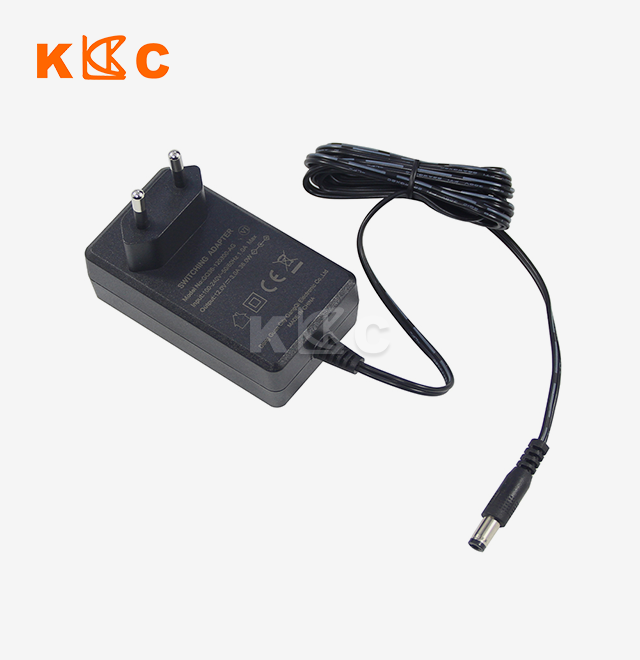
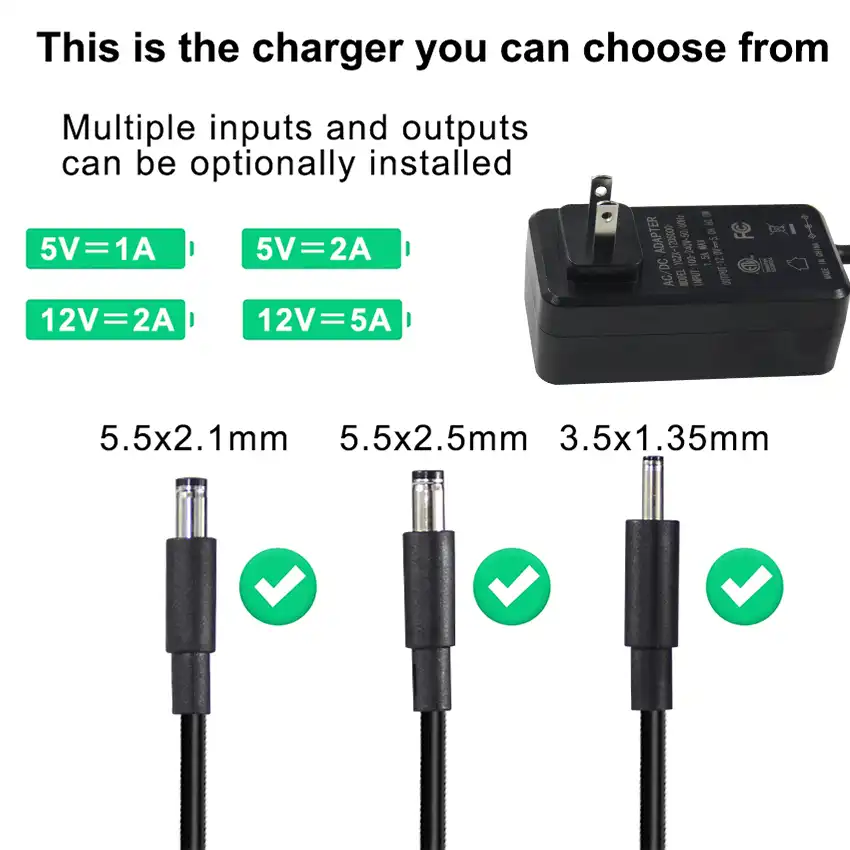
Picking the correct DC plug will keep you from having problems with compatibility and lost links. 5.5×2.1mm, 5.5×2.5mm, and 3.5×1.35mm are common barrel sizes, but USB Type-C is becoming more common in current uses. Custom cable lengths get rid of extra coiling that causes electromagnetic interference or not enough reach that needs extra cables. The voltage drop over distance depends on the wire size. For short runs less than 2 meters, 22AWG is enough, while 20AWG keeps the voltage stable over longer lines. These seemingly small details have a big effect on the quality of the work and its dependability in the long run.
Partnering with Reputable Manufacturers
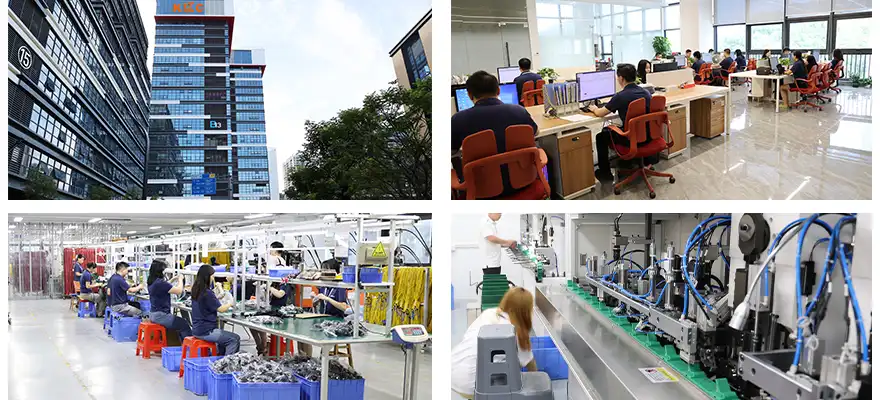
The supplier you choose affects the quality of the product, the professional help you get, the scope of your warranty, and the stability of the supply chain. Manufacturers of well-known names stick to the same standards, use high-quality parts, and back up their goods with solid warranties. We suggest that you judge sellers by things like their ISO quality management system certifications, how well they answer technical questions, and how detailed their compliance paperwork is. Kuncan Electronics has been making electronics for 17 years and has been verified by Alibaba. This shows that they are committed to quality and openness, which protects your buying investment. When you ask for samples of a product before you buy a lot of it, you can see its real build quality and performance, which specs alone can't show.
Procurement Strategies for Bulk Orders
Strategic buying methods that balance cost, customization, and delivery times are helpful for large-scale operations involving 12V DC LED power supply systems. By using volume prices, combining orders lowers the cost per unit and makes managing supplies easier. Talking about extended warranties on top of the normal coverage guards against batches that aren't working right, which might not show up right away. Preparing for lead times ahead of time helps keep projects on schedule. Typical production rounds last between 15 and 25 days, based on the number of items needed and the level of customization. Keeping a backup stock on hand protects against unplanned problems without tying up too much capital in inventory. Custom packaging choices can include your logo, installation directions, or color-coded stickers that make the job of installation technicians easier in the field.
Building ties with manufacturers that offer engineering help is worth a lot more than just the price of the parts. Our team looks over electrical diagrams, offers the best adapter specs for each job, and fixes problems in the field from afar. This way of working together turns sellers into professional partners instead of just transactional vendors. This makes the project better and lowers the total cost of ownership.
Conclusion
To properly fix power source problems, you need to know basic conversion principles, be able to spot common failure patterns, and use organized diagnostic methods. The difference between constant-voltage adapters and constant-current drivers affects how problems are fixed and what parts are bought for certain uses. To solve complex problems with voltage control, you need to pay close attention to the quality of the parts and the design of the circuit so that it stays stable when loads and weather conditions change. When choosing a provider strategically, focusing on certifications, customization options, and quick support can help reduce problems in the future and ensure long-term business success. We've given you the practical knowledge you need to quickly figure out what's wrong, easily choose the right solutions, and work with manufacturers who consistently offer quality. By following these best practices, you can cut down on downtime, make equipment last longer, and get the most out of your investment in LED infrastructure for home electronics, security systems, and business lights.
FAQ
How can I tell if my power adapter has failed completely?
Plug the adapter into a wall plug that works, and use a multimeter to check the output voltage at the DC connection. Zero electricity means the outlet is completely broken; try it with another device to make sure it works. If the plug works but the adapter doesn't show any power, something inside has broken. Look for damage that you can see, like cracks, burn marks, or swelling, that shows the unit needs to be replaced instead of fixed.
Can I substitute a 24V power supply if my 12V unit fails temporarily?
Never plug a 24V charger into a device that only works with 12V. The increased voltage will hurt LED circuits, control boards, and other electronics right away, and it's often so bad that they can't be fixed. Even short contact hurts in the long run. Always match the voltage specs exactly, but small differences in the current ratings are fine. For example, a 3A charger can safely power devices that need 2A, but not the other way around.
What symptoms indicate voltage regulation problems?
Keep an eye out for changes in light when other electrical devices turn on and off. This could mean that the adapter can't keep the output fixed when the input conditions change. Check the output voltage while turning on and off nearby machines. Readings that change more than ±10% of the quoted 12V show that the regulation isn't working right. Multiple lights linked to the same adapter have LEDs that fail early, which is another sign that voltage instability is putting stress on the semiconductor junctions.
Partner with Kuncan Electronics for Reliable Power Solutions
Kuncan Electronics makes high-quality wall-mount switches that are designed to be reliable and work consistently in businesses. We have 17 years of production experience as a seasoned 12V DC LED power supply manufacturer, and we use thorough testing methods to guarantee that every unit complies with international safety regulations. Our adapters are CE-certified and RoHS-compliant. They are built with ultrasonic welding, have multiple layers of safety circuits, and are DOE Level VI efficient, which means they use less energy and save you money across all of your activities. We can completely customize the DC plug types, cable lengths, and wire sizes to meet your specific deployment needs, and there are no minimum order amounts.
Our service model is based on quick response: samples are sent out within 3–7 business days so you can check the quality before placing big orders. Production runs are finished in 15 to 25 days, and quality checking is done at all stages of production. Our engineering team will look over your design and give you free technical advice to help you choose the best specs for tough uses. Every adapter comes with a one-year guarantee that covers problems with the way it was made. If problems happen, the adapters will be replaced or fixed right away. Email us at rhea@szkuncan.net to talk about your project needs, get product brochures, or get full troubleshooting tips that will help your maintenance teams.
References
Miller, J. (2021). LED System Design and Troubleshooting for Commercial Applications. Industrial Press.
Thompson, R., & Chen, L. (2020). "Power Supply Reliability in LED Lighting Infrastructure." Journal of Electrical Engineering, 45(3), 112-128.
National Electrical Manufacturers Association. (2022). NEMA Standards Publication for Low-Voltage Power Supplies.
Anderson, P. (2019). Practical Guide to AC/DC Conversion Circuits. Technical Publications Ltd.
IEEE Standards Association. (2021). "IEEE Recommended Practice for Powering and Grounding Electronic Equipment." IEEE Std 1100-2020.
Williams, D., & Foster, K. (2020). "Voltage Regulation Impact on LED Longevity: A Comparative Study." International Review of Electrical Components, 38(2), 89-104.

USER EVALUATE
Here is the customer's evaluation of us
_1784355649917.webp)