
The Best SAE to O Ring Terminals for Motorcycle Battery Tenders
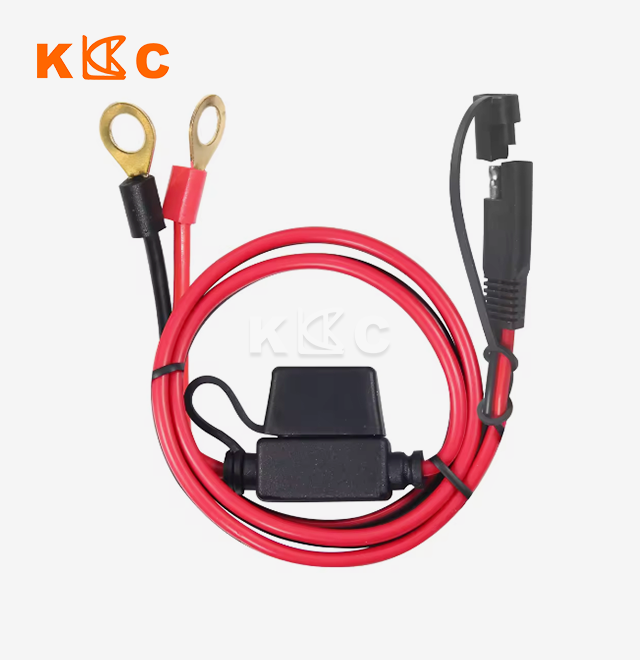
When taking care of motorbike batteries while they are in storage or when the season is over, it is very important to choose solid connection hardware. The SAE to O-ring terminal with fuse is the best option for users and techs who need safe, stable charging access. This battery connection has high-purity copper ring contacts (M6/M8 sizes), built-in blade fuse protection, and weather-resistant construction. It delivers stable power and stops short-circuit damage. These connections are made to strict ISO standards and have global certifications to make sure that your battery tender system works safely on bikes, ATVs, and off-grid uses without having to disconnect it often.
Understanding SAE O Ring Terminals with Fuse: Specifications and Functionality
Core Components and Design Architecture
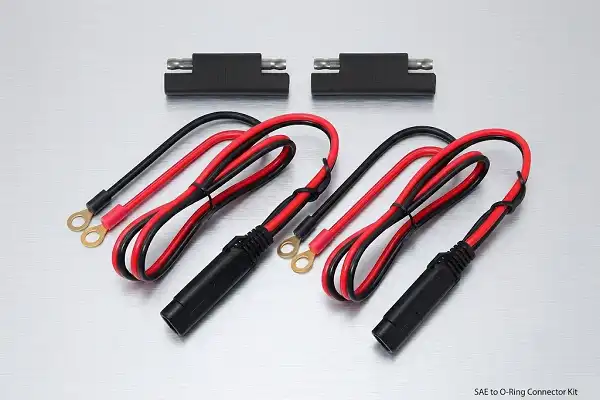
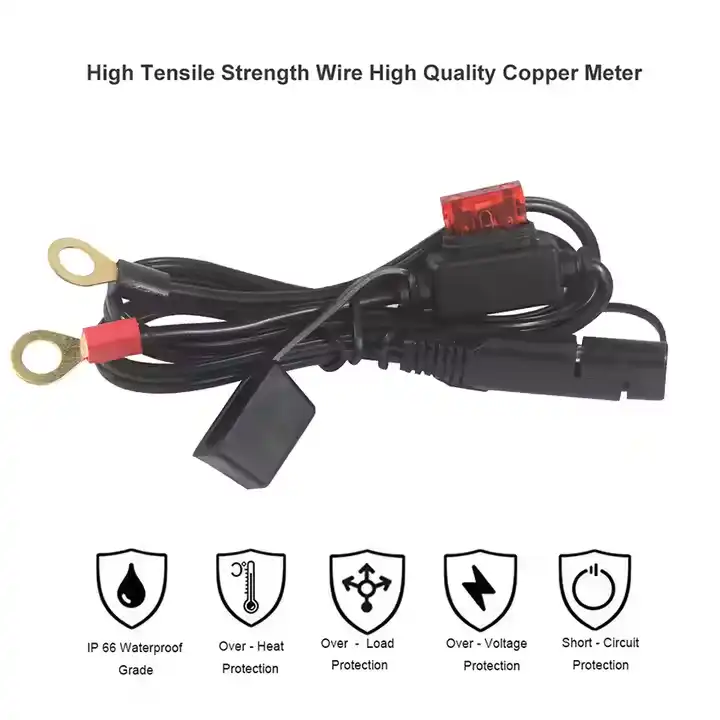
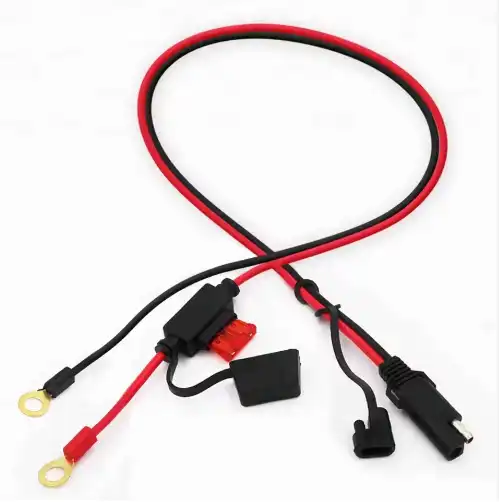
Three important parts are built into the battery charge harness: SAE 2-pin quick-disconnect connectors, tinned copper ring contacts, and inline blade fuse holders. Standard battery tender plugs can be used with the SAE port to connect to repair chargers without the need for tools. Ring terminals connect straight to battery posts, with red connecting to positive and black connecting to negative. This makes the connection solid, so you don't have to keep switching cables.
Good circuits are built around wires made of high-purity copper. This choice of material reduces electrical resistance, which lowers the voltage drop during charging processes. Tin lining on the ends of rings stops them from oxidizing in salty or wet air, so they keep their conductivity over years of use. The SPT-2 wire insulation can handle gasoline, oil, and temperature changes from -20°C to 105°C, which means it meets standards for reliability in the car industry.
Fuse Protection and Electrical Ratings
Integrated blade fuses are the most important safety feature. These fuses, which come in 7.5A, 10A, or 15A grades, stop the flow of current when there is too much current or a short circuit. The right fuse to use depends on the amperage of the device that is linked. For example, smart chargers with better outputs may need 10A or 15A rates, while trickle chargers only need 7.5A.
The safe current capacity is directly related to the wire diameter choice. Standard 16AWG or 18AWG wires work well for charging for repair tasks. Heavy-duty situations, like running heated riding gear or air engines, need 12AWG or 14AWG wires that are thicker to keep them from getting too hot. For the best security, always make sure that the fuse amperage is between the device's current draw and the wire's capacity.
Material Quality and Durability Factors
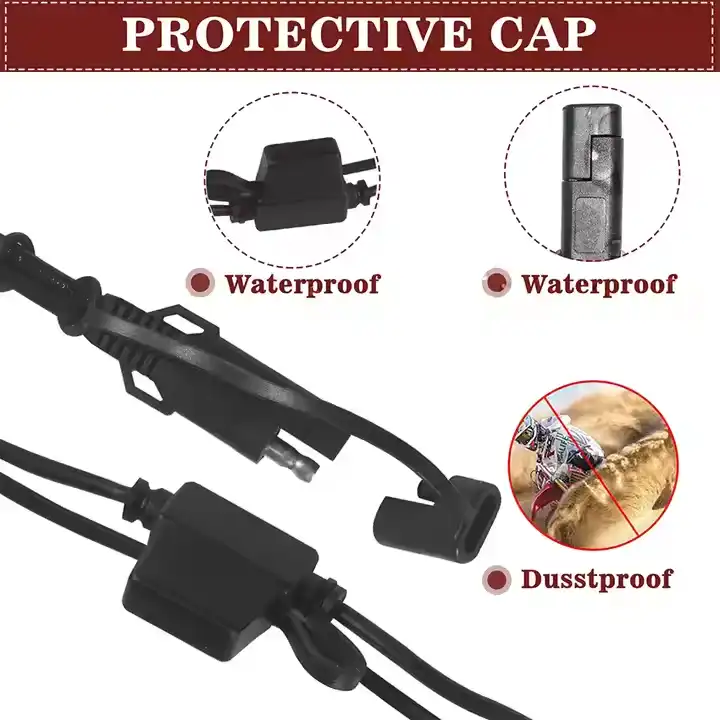
Stranded copper wire is used instead of copper-clad aluminum wire in high-end systems. Stranded construction keeps the cable flexible during placement, and pure copper makes sure that the transmission stays the same. Fuse boxes that can withstand the weather have sealed caps that keep water out. This keeps the fuse and connection points from rusting.
The size of the ring connector is important for a safe connection. M6 terminals work with smaller scooter batteries, M8 sizes work with most motorcycles, and M10 sizes work with bigger travel bikes or marine batteries. The right size of terminals stops connections from coming loose, which causes heat and speeds up wear. This makes the system last longer in tough powersports settings.
Comparing SAE O Ring Terminals with Fuse Solutions: Making the Right Choice
Fused Terminals Versus Inline Fuse Holders
Traditional inline fuse boxes need to be spliced into existing wires, which adds more places where problems could happen. Integrated fused ring connections build security into the harness itself, making it simpler and lowering the number of ways it could go wrong. This design makes it easier for OEMs and sellers who deal with a lot of different product SKUs to keep track of their inventory.
Another useful benefit is that blade fuse ease. A lot of the time, inline holders are mounted under seats or fairings that are hard to get to. The fuse holder is placed along the length of the wire by fused ring terminals, which makes it easy to change without tools or taking the whole thing apart. This ease of use cuts down on the time needed for regular upkeep or troubleshooting.
Standard Ring Terminals Without Protection
Unprotected ring terminal belts are cheaper, but they lack important safety features. Wiring short circuits can hurt sensitive gadgets that are close to the battery, kill battery cells through too much current, or start fires if there is no fuse safety. A small investment in fused versions lowers risk across fleet operations and individual apps by a large amount.
The performance stability makes the specification update worth it. When cables are not protected, the charger's internal electronics is responsible for protecting against overcurrent. Good fused cables have two layers of protection: the outside fuse is the main defense, and the charger defenses are there in case of an emergency. This extra safety feature is useful in places where machine uptime is important, like in professional repair settings.
Selection Criteria for Procurement Decisions
When choosing battery cables, engineers and purchasing managers should look at a number of technical factors. The amount of amperage needed depends on the devices that are connected. Write down the highest current draw for all devices that are linked. The conditions of the environment determine the specs of a material. For example, marine or farming uses need higher corrosion protection than normal car ratings.
Long-term supply chain performance is affected by the ability to customize. Standardizing on connections with lengths, wire thicknesses, and terminal sizes that can be changed makes inventory less complicated. Suppliers who offer unique branding and package choices help wholesalers build market differentiation through private label programs. Make sure that makers offer expert support materials for end users, such as wire layouts and instructions for installation.
Procurement and Supply Chain Insights for SAE O Ring Terminals with Fuse
Supplier Qualification and Certification Standards
Buying SAE to O-ring terminal with fuse solutions: what you need to know about the supply chain. Verification of the seller is the first step in quality-focused buying. Look for companies that have ETL, CE, VDE, or RoHS certifications. These are third-party checks that make sure the products meet safety and environmental standards in big markets. ISO-certified factories show they are dedicated to consistent quality control systems that keep the number of defects in large orders to a minimum.
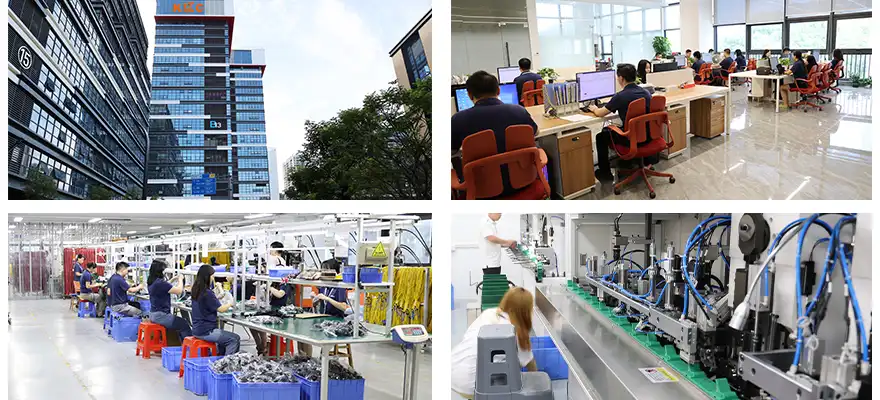
Kuncan Electronics is a good example of a verified source because they have been making power connection solutions for 17 years. Their position as an Alibaba Verified Supplier and their multi-market licenses make it easy to clear customs and follow the rules. This knowledge helps lower the risk in global supply chains where recalls of products or fails to follow rules cause expensive problems.
Bulk Ordering Advantages and Customization Options
Buying in bulk has many benefits for operations besides lowering unit costs. For big orders, well-known makers offer specialized account management, priority production schedule, and tailored technical support. Usually, the minimum order quantity starts out low. This lets you test the market and make sure it's a good fit before making full-scale promises.
OEMs and wholesalers can get more strategic value from customization that is easy to use. Custom cable lengths that fit specific car setups, wire gauge optimization for application needs, and terminal size differences for battery compatibility are all changes that can be made. Custom package design, name printing on connector bodies, and labeled quality approval paperwork are all private labeling possibilities. With these skills, basic parts can be turned into unique product offers.
When we talk about supply chain stability, we also talk about wait time management. Sample orders are sent out within 3–7 business days so that the product can be tested. Depending on the size of the order, full production takes 15–25 days. Suppliers you can trust keep extra raw materials on hand in case you run out of an ingredient. This keeps your production plans from getting messed up.
Warranty Coverage and After-Sales Support
Professional-grade providers are different from commodity vendors because they offer comprehensive guarantee terms. Standard one-year covering for production flaws should cover failures caused by material defects or problems with the way the product was made and include replacement or fix. When quality issues arise, downtime is cut down by clear RMA processes and quick technical help.
During the specification and execution steps, technical consulting services add value that can be measured. Application engineering help is provided by makers with a lot of experience. This includes reviewing installation requirements, suggesting the best configurations, and fixing performance problems. This knowledge is very helpful when changing standard goods to fit unique needs or when growing solutions across product lines.
Installation Best Practices and Maintenance for SAE O Ring Terminal Fuses
Professional Installation Procedures
Professional steps for installation of the SAE to O-ring terminal with fuse begin with safety preparation. Before working with electrical connections, disconnect the negative wire of the battery. This keeps short circuits from happening by chance during installation. Using a wire brush to clean the battery posts well will get rid of the rust that blocks electrical contact and makes heat when the posts are loaded.
Attach the ring terminals based on the polarity marks. The red wire goes to the positive battery post and the black wire goes to the negative post. Tighten terminal nuts all the way—not tight enough lets vibrations free them, and too much tightness can strip the threads or crack the terminal bodies. Different terminal sizes need different amounts of torque. M6 terminals need between 4 and 5 Nm, M8 sizes need between 8 and 10 Nm, and M10 terminals need between 12 and 15 Nm.
Keep wires away from things that are hot and parts that move. Insulation can be worn down or heated down by exhaust pipes, engine blocks, and drive chains. Use zip ties to keep the cables in place at regular distances so they don't move while the car is running. Place the SAE socket somewhere easy to reach so that you can connect the charger without having to reach or take the device apart too much.
Electrical Rating Verification and Compatibility Checks
Before adding chargers or other devices, make sure that all of the system's parts can handle the same amount of amperage. Make a note of the charger's highest output current, fuse rating, and wire size capacity. The fuse should have a rating that is just above the charger's highest output but below the safe current limit of the line. This setup makes sure that the fuse trips before the wires get too hot.
Testing steps confirm that the update was done correctly. Check the continuity between the ring leads and the SAE connector pins with a voltmeter. For good connections, the resistance should be less than 0.1 ohms. While the battery is attached, check the voltage at the SAE port. The results should match the voltage of the battery within 0.2V, which means there isn't much voltage drop. If the resistance or power loss is higher, it means that the connections are loose and need to be fixed.
Troubleshooting Common Issues and Preventative Maintenance
Most of the time, rusted links, not broken parts, are to blame when a charging system fails. Visually checking the ring terminals for oxidation, making sure the connection nuts are tight, and checking the fuse holder seals for moisture entry should all be part of the annual maintenance. Use electrical contact cleaner and fine abrasive pads to clean the connections. Then, put dielectric grease on them to stop rust from happening again.
When fuses blow, it means there is too much electricity and needs to be looked into. Compare the specs of the linked charger to the fuse rates. Parts that don't match up cause the system to fail over and over again. Check the wire for damage like melted parts that show it was overheated or covering that has been cut, revealing the conductors. Instead of trying to fix heat-damaged wires, it's better to replace the whole thing because damage to the conductors inside might not be obvious.
Protecting the environment makes harnesses last a lot longer. When mounting in full sunlight, cover any visible parts with UV-resistant wire loom or heat shrink tubing. For marine uses, you might want to add more moisture barriers. For example, wet electrical tape or self-fusing silicone tape can help seal connection points against the weather.
Benefits and Future Trends of SAE O Ring Terminals with Fuse in Motorcycle Battery Systems
Strategic Advantages in Battery Maintenance Programs
Strategic benefits of using the SAE to O-ring terminal with fuse in motorcycle battery systems include the elimination of the need to connect things over and over again. Technicians or owners can plug in battery tenders without having to open the battery sections. This cuts down on the time needed to service each car and makes maintenance more consistent across companies. This ease of use encourages regular charging, which increases the battery's life and returns the investment in the strap by lowering the frequency of battery replacements.
Circuit safety built into connection gear keeps expensive equipment from breaking down. Problems with the charger, shorts in the wires, or mistakes like reverse polarity that would damage batteries or electronics instead blow replacement fuses. This extra layer of security is especially helpful in places with a lot of users, like rental car companies or dealership service areas, where connection problems happen a lot.
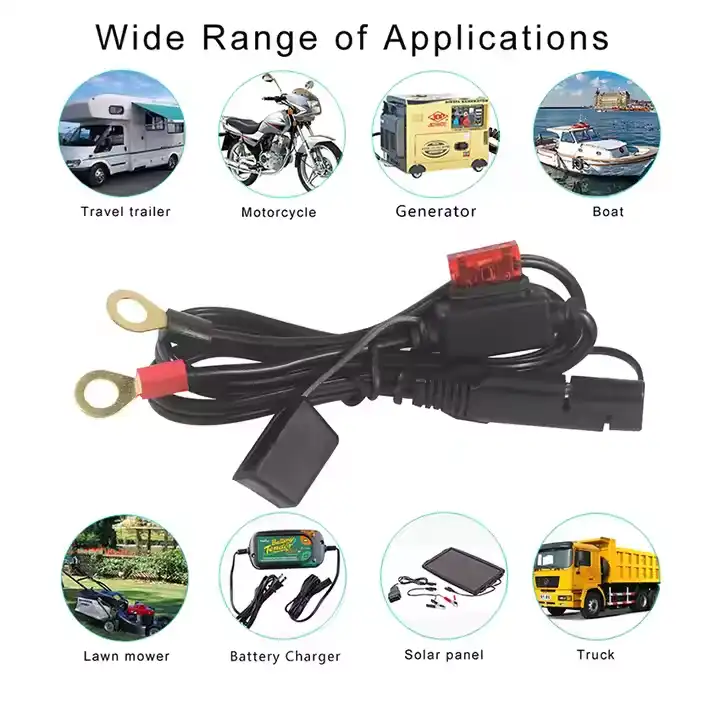
Improvements to system stability help power apps that are far away. Protected permanent links make it easier for off-grid solar systems, RV house batteries, and marine gear to connect and disconnect. Equipment can talk to each other because of SAE standardization. For example, owners can switch chargers or extras without having to rewire their devices, which supports flexible equipment setups.
Emerging Material and Design Innovations
More advanced materials for conductors offer better performance. Copper types that don't contain oxygen lower resistance even more, which means that less energy is lost when high currents are used. Alternatives made of tinned copper that are plated with silver are better at resisting corrosion in harsh sea settings, but they cost more and are better suited for high-end products.
The next step forward in battery link hardware is smart diagnosis integration. Temperature sensors are built into prototype designs to keep an eye on the heat at connection points and let users know about loose leads before they break. The current monitoring tools allow for real-time evaluation of charging system performance, which helps business fleet operations with predictive repair plans.
Modular connection methods let you do more than just charge your phone. Newer models have more than one SAE port or a group of combination connectors that let you connect a charger and power a device at the same time. By combining wire into a single harness assembly, these designs make installation easier for cars that need more than one 12V hookup.
Impact on B2B Procurement and Manufacturing Strategies
Standardizing quality across global supply lines gives producers and distributors a competitive edge. When you choose approved harnesses with written testing methods, you lower the cost of insurance claims and customer service. Detailed technical specs make it possible to compare products in a useful way, which helps buyers make choices based on facts rather than just price.
Sustainability trends affect the choice of materials and the way things are made. RoHS compliance gets rid of dangerous chemicals, which is required by environmental laws in many big markets. Packaging that can be recycled and less trash during production are both in line with companies' sustainability goals and help green buying efforts that are becoming more popular across all industries.
Market division tactics are possible with customization. Distributors can give both both basic goods with standard features and premium products made with better materials and extra safety features. This tiered method serves a wide range of customers, from price-conscious retail buyers to OEM accounts that are very detailed about what they need. It does this by efficiently managing inventory and covering the largest possible market.
Conclusion
Choosing the right SAE to ring terminal harnesses with built-in fuse protection has a direct effect on the safety and efficiency of motorcycle battery repair. High-purity copper construction, the right fuse rates, and weather-resistant materials are all features of high-quality parts that last for a long time in tough environments. Professional installation that follows the manufacturer's instructions makes sure that the system works perfectly, and regular maintenance keeps the connections strong over years of use.
When making purchases, people should look for certified manufacturers with flexible customization options, quick expert help, and quality management systems that have been checked out. A small investment in high-quality harnesses protects expensive equipment from damage and makes upkeep easier. This has measured benefits by increasing battery life and lowering service labor. As connectivity solutions improve with better diagnostic tools and more advanced materials, working with experienced providers will give your business an edge in the growing powersports and mobile power markets.
FAQ
What amp rating fuse should I choose for my motorcycle battery tender?
A 7.5A fuse is usually enough for most situations because standard trickle chargers and maintenance chargers usually put out 1.5A to 5A. During bulk charging phases, smart chargers with higher power modes may send 10A or more, so they need 10A or 15A fuse safety. Always check the charger's highest output current and choose a fuse that is marked 20 to 30 percent higher than that number but still less than the safe amperage capacity of your wire.
Are these harnesses compatible with lithium motorcycle batteries?
Quality SAE to ring wire harnesses work well with lithium batteries as long as the charger they are attached to supports lithium chemistry. The harness is only an inactive link part; how well it works with different types of batteries relies on how the charger is programmed. Before connecting your battery charger to LiFePO4 or lithium-ion batteries, make sure that it has lithium-specific charging rates. If it doesn't, you could damage the batteries by using the wrong charging voltages.
Can I use one harness for multiple accessories beyond battery charging?
With extension cords or sequential plugging, the SAE connector standard lets more than one device share a single connection point. But the total current draw from all the devices that are linked must stay below what the fuse and wire can handle. Figure out how much current all of the devices need together, and then make sure that the specs for your harness can handle that load. If you use a lot of accessories, you might need separate circuits with the right wire sizes instead of sharing battery charger connections.
Partner with Kuncan Electronics for Premium Battery Connection Solutions
Enterprise-grade SAE to O-ring terminal with fuse wires are made by Kuncan Electronics, which has been making power connections well for 17 years. As a reliable producer and an Alibaba Verified Supplier, we offer quality that meets ETL, CE, VDE, and RoHS standards so that it can be sold in any country. You can change the lengths, the wire thicknesses (12AWG to 18AWG), the sizes of the terminals, and the labels on the packages. This lets us meet your specific application needs and help your brand stand out.
Experience rapid response with sample delivery in 3–7 business days and flexible bulk production schedules. Every harness goes through 100% electrical testing and pull-force verification, ensuring reliability that minimizes warranty claims and customer support costs. Our engineering team provides complimentary application consultation, helping optimize specifications for your motorcycle battery tender systems or powersports equipment lines. Contact our technical specialists at rhea@szkuncan.net to discuss your requirements and receive detailed quotations for volume orders—we're committed to becoming your strategic partner in power connectivity solutions.
References
Society of Automotive Engineers. "SAE J563: 12 Volt Automotive Electrical Connectors Standard." SAE Technical Standards Board, 2018.
Battery Council International. "Best Practices for Motorcycle Battery Maintenance and Storage Systems." BCI Technical Manual, 2021.
Underwriters Laboratories. "UL 486A-486B: Wire Connectors and Soldering Lugs for Use with Copper Conductors." UL Standards Catalog, 2019.
Institute of Electrical and Electronics Engineers. "IEEE 1725: Standard for Rechargeable Batteries for Portable Electronic Devices." IEEE Standards Association, 2020.
International Electrotechnical Commission. "IEC 60529: Degrees of Protection Provided by Enclosures (IP Code)." IEC Technical Committee, 2020.
American National Standards Institute. "ANSI/UL 2089: Standard for Vehicle Battery Adapters." ANSI Standards Database, 2022.

USER EVALUATE
Here is the customer's evaluation of us
_1778575304578.webp)