
Weatherproof SAE Socket Sidewall Ports: The Perfect Fit for Marine Use
Power lines that work reliably become mission-critical when working on boats in rough seas. When it comes to professional-grade solutions, the SAE socket sidewall port with mounting screws is made for tough marine uses. These flush-mount power ports are weatherproof up to IP65, have tools made of corrosion-resistant stainless steel, and are built to last through saltwater exposure, constant vibration, and temperature changes. These specialized ports give marine workers the reliability they need for safe, uninterrupted work on the water, whether they're powering navigational equipment, trolling motors, or communication devices.
Understanding Weatherproof SAE Socket Sidewall Ports
There are problems with marine power lines that aren't present in land-based systems. When there is steady motion, temperature changes, saltwater corrosion, and moisture entry, normal connections fail very quickly. With careful planning and high-quality materials, weatherproof corner ports solve these problems.
Core Design Features
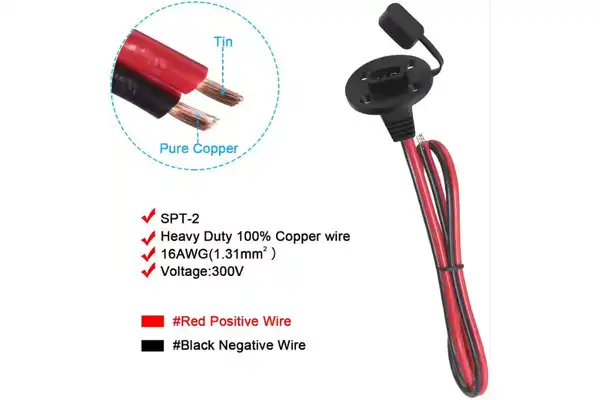
Professional-grade boat power ports are made with a few important design aspects in mind. The flush-mount design gets rid of parts that stick out and can catch lines, gear, or clothes while the vessel is working. When links aren't being used, an integrated protective cap keeps rain, spray, and salt particles in the air from touching the internal copper contacts.
The body is made of fire-resistant PVC or ABS materials that don't break down in UV light and keep their shape at temperatures ranging from -40°C to +85°C. This thermal stability is important for ships that work in a wide range of conditions, from warm tropical seas to cold northern areas.
Technical Specifications That Matter
Good naval power ports have copper wiring that is 12AWG to 14AWG and can handle 20A at 12V DC. With this much power, heavy equipment like bilge pumps, fish finders, and LED lighting systems can be used without worrying about voltage drops. UL-compliant SPT-2 or UL1015 wire types make sure that safety rules are followed and performance is uniform.
The main barrier against weather is the rubber seal that sits between the port body and the fixing surface. When the screws are properly tightened, this gasket is squeezed and stops water from getting in. It is still bendable enough to fit over small surface imperfections. Stainless steel fastening hardware doesn't rust or galvanic rusting in saltwater, so it stays attached securely for years to come.
Material Selection for Marine Durability
When choosing materials for marine-grade parts, you need to be very careful. Tin or nickel covering on contact connections keeps them from rusting and keeps their low electrical resistance even when they are wet. The plating makes a barrier that stops copper from oxidizing, which raises resistance and makes heat when current flows through it.
Building materials need to be strong enough to hold up against chemicals without being too weak. Parts that are used in marine settings are exposed to diesel fuel, saltwater, hydraulic fluids, and cleaning solvents. Good ports use materials that can handle these chemicals without breaking down, cracking, or losing their ability to keep out the weather.
Comparing Weatherproof SAE Socket Sidewall Ports: With vs Without Mounting Screws
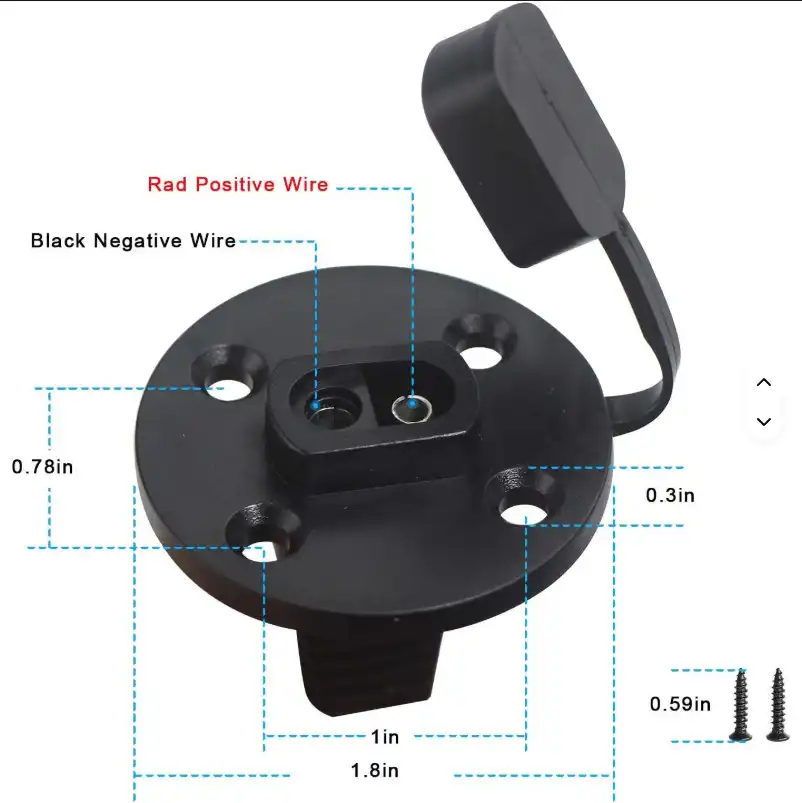
When looking at weatherproof SAE socket sidewall ports with mounting screws, mounting screws are used or not used. How something is installed has a big effect on how well and reliably it works in the long run. Procurement workers can make better choices for their marine uses when they know the differences between screw-mounted and other placement methods.
Installation Stability and Vibration Resistance
Marine boats are always vibrating because of their engines, the waves, and the way their equipment works. Mounting screws make a mechanical connection that spreads stress across several places, keeping things from coming loose over time. This method of spreading the load is much better than using glue or force to attach things, which can fail when there is a lot of shaking.
The screw-secured design keeps the seal compressed throughout the service life of the part. This constant seal stops water from getting in, which would otherwise cause internal corrosion and electricity problems. This extra stability is especially helpful for ships that are working in rough conditions, because the ports stay safely connected even when the ship is moving quickly.
Sealing Performance and Leak Prevention
In naval hydraulic and electrical systems, stopping leaks is very important. If water gets into electrical lines, it can cause rust, short circuits, and even safety risks. Screw-mounted ports that have the right amount of seal compression get IP65 or IP67 ratings, which means they can handle water jets and short-term submersion.
Ports that don't have their own mounting tools usually rely on the connection housing to keep the dust out. This method has holes in it where water can get in, especially as materials get old and less flexible. Even though gasket materials naturally shrink and stretch over time, the mechanical force from fixing screws keeps the seal intact.
OEM vs Aftermarket Considerations
OEM (original equipment maker) parts are usually put through a lot of tests before they can be used in naval environments. There are certificates on these goods that show they meet industry standards for material quality, electrical safety, and protecting the environment. OEM makers often offer detailed documents, warranties, and the ability to get new parts.
Aftermarket options might be cheaper at first, but you need to carefully look at quality standards, testing methods, and long-term reliability data before buying them. Marine uses need parts that work reliably in life-or-death situations. This means that quality assurance is more important than just lowering costs.
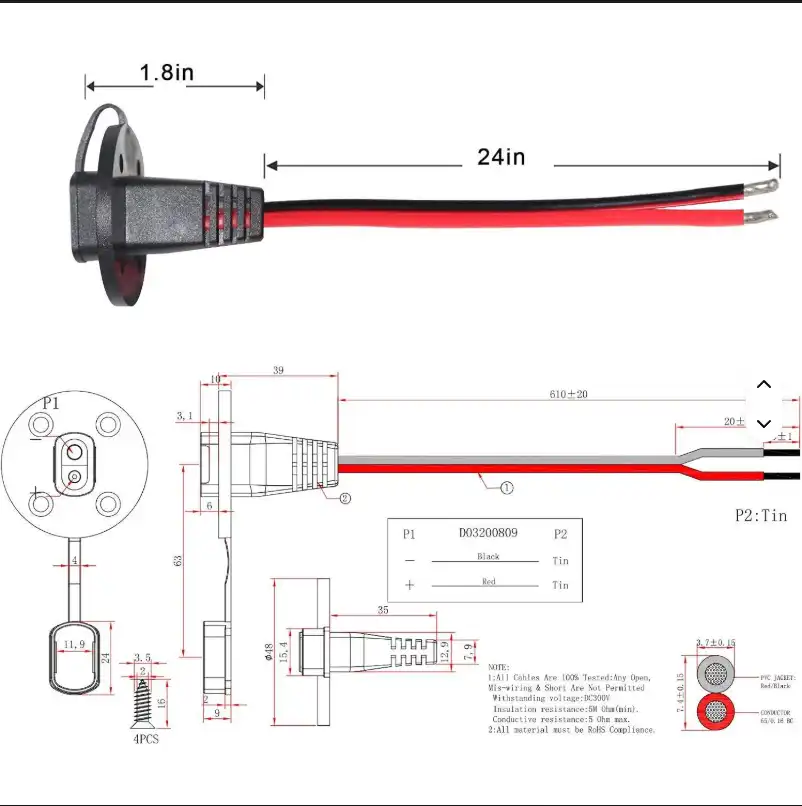
Installation Guide: How to Use SAE Socket Sidewall Ports with Mounting Screws in Marine Settings
Follow these steps to set up SAE socket sidewall ports with mounting screws in a marine setting. Whether boat power ports last for years or break down early depends on how well they were installed. Following a set of steps guarantees top performance and waterproof integrity.
Pre-Installation Preparation
Installation issues that hurt efficiency can be avoided by carefully planning ahead. First, make sure that the fixing spot leaves enough space for cables to run behind the screen. The surface for placement should be flat, smooth, and strong enough to hold the weight of the device without bending.
Take exact measurements of the port body and mark where the hole will go. Make sure that internal parts like fuel lines, wiring cables, or hydraulic hoses won't get in the way of the port body or attaching screws. Using a template makes sure that the holes are placed correctly and stops mistakes that are expensive and damage mounting surfaces.
Step-by-Step Installation Process
Cut the fixing hole with the right tools for the material of your panel. For example, fiberglass panels need to be cut with different tools than aluminum or composite panels. Remove any burrs from all the edges so that you don't scratch the seal when you place it. Thoroughly clean the fixing surface, getting rid of any oils, dirt, or salt that might make the gasket fit less effective.
Place the rubber seal on the port body and make sure it fits properly in the gap. Place the port into the hole from the outside, making sure that the seal touches the mounting surface all the way around. Hold the port in place while you mark where the mounting screws will go in the test holes.
Critical Installation Details
Use the right bit size for your fixing screws and panel material to drill test holes. Too small of holes can cause brittle materials to crack, and too big of holes weakens the connection and thread contact. Get rid of all the drilling waste before moving on.
Before installing, put anti-seize powder on the ends of the screws. This keeps stainless steel screws from galling and makes them easier to take off in the future if repair is needed. Tighten the screws in a cross pattern, slowly building up the tension until the gasket is compressed equally without warping the case. Too much tightening can crack housings or crush seals, while too little tightening leaves holes for water to get in.
Follow the polarity marks when connecting the internal wires to the power source. Standardized pin shapes are used in SAE plugs. Connected equipment can be damaged if the polarity is wrong. For all wire connections, use heat-shrink tube and put dielectric grease inside the junction to keep it from rusting.
Choosing the Right Weatherproof SAE Socket Sidewall Port for Heavy-Duty Marine Use
How to Choose the Best Heavy-Duty Marine Weatherproof SAE socket sidewall port with mounting screws. To choose the right parts for naval use, you have to look at a lot of technical and business factors. Understanding these factors helps business-to-business buyers improve both performance and the efficiency of their purchases.
Critical Selection Factors
The makeup of a material has a direct effect on how long it will last in marine settings. Check that the materials used for the housing have UV protection values that are good for long-term exposure to the sun. Hardware made of stainless steel should be made of 316-grade alloy, which is more resistant to rust than 304-grade alloys that are usually used in less demanding situations.
The wire gauge you choose will depend on how much power you need and how long the cord is. To keep power from dropping, which slows down equipment, longer cable runs need lower gauge numbers, which means bigger wire. Find the total amperage for all the devices that are sharing the circuit. For safety and future growth, add 25% to the total capability.
Many buyers don't understand how important it is to know the specs of mounting screws. Thread size, length, and head style all affect how easy it is to install and how well it stays in place over time. When it comes to metal walls, small threads work better than coarse threads. Designs with a pan head or a flanged head successfully spread the pressing force across the gasket surfaces.
Evaluating Supplier Capabilities
There are a few key signs that a marine component seller is reliable that show they can meet long-term buying needs. Certifications for manufacturers, like ISO 9001, make sure that quality control methods are used consistently throughout production. Products that have industry-specific approvals like ABYC or NMEA compliance meet the standards of the marine business.
Protocols for testing show how committed a seller is to quality. Checking for electrical connection, measuring insertion force, making sure the weather seal works in fake conditions, and adding stress testing are all part of comprehensive testing. When suppliers write down the results of these tests, they show openness, which boosts procurement trust.
When planning maintenance plans for vessels or production timelines, lead time consistency is very important. Suppliers with well-established inventory systems and diverse supply lines can keep their products in stock even when materials are scarce or demand goes up. This dependability keeps projects from being held up, which could lead to missed targets or longer periods of vessel downtime.
Procurement Strategy Considerations
When you buy in bulk, you usually get better unit economics, but you have to be careful to keep your goods from going out of date. As electricity systems get better and environmental rules change, so do the standards for marine parts. The benefits of buying in bulk should be weighed against the costs of storing and the chance that changes in specifications could make stockpiles useless.
When suppliers are flexible about minimum order numbers, inventory management can be more quick. Being able to buy smaller amounts of restocking keeps enough stock on hand in case of sudden demand without tying up too much capital in static inventory.
The terms of the warranty show that the source is sure that the goods will last. If something fails too soon, you can get help through comprehensive guarantees that cover manufacturing flaws. Carefully read the guarantee terms, making sure to note how long the coverage lasts, how to get a replacement, and any usage limits that may apply to marine uses.
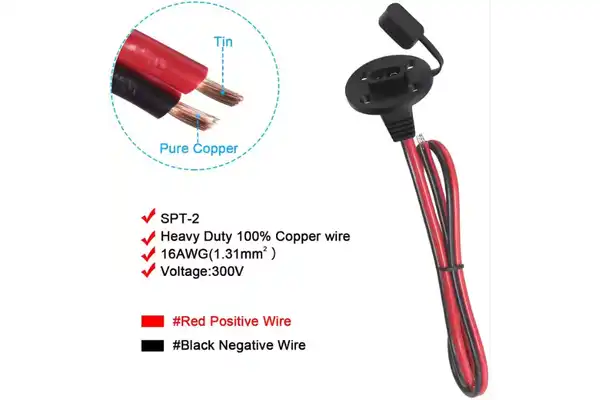
Why Trust Our SAE Socket Sidewall Ports with Mounting Screws for Your Marine Projects?
Do you know why you should use our SAE socket sidewall ports with mounting screws for your water projects? Kuncan Electronics has a lot of experience with naval power connection problems. With seventeen years of experience making things, we know exactly how to meet the tough needs of naval uses for electrical parts.
Manufacturing Excellence and Quality Standards
At every step of the making process, our ISO-certified factory strictly checks the quality. Before they are used in production, incoming material checking makes sure that the raw materials meet the requirements. Early deviations are caught by in-process quality checks, which stop faulty goods from moving through the production process. As part of the final review, all electrical systems are tested and the moisture seal is checked to make sure that every unit that leaves our plant works as it should.
We follow strict testing procedures that go beyond simple functioning checks. Each production batch goes through a series of tests to make sure it works properly. These include checking for electrical connection, placement force to make sure the connector stays in place, weather seal validation to make sure it works in real marine conditions, and mounting stress testing to make sure the hardware lasts. This thorough method finds possible flaws in goods before they reach customers.
Our engineering team is always improving ideas based on data from the field and changing needs in the business. This process of making things better over time uses feedback from customers, failure analysis from guarantee returns, and new best practices from groups that set standards for marine electrical systems. This leads to goods that meet current needs and think ahead to problems that might come up in the future.
Customization Capabilities for Specialized Applications
Marine vehicles come in a huge range of sizes and shapes, from small boats for fun to big cargo ships. Power transfer needs are different for each purpose. Our OEM and ODM services take this variety into account by giving you a lot of ways to customize your order.
Customizing the length of the cables allows for a range of installation setups, from small center desks to large flybridges. We make lines that are as short as six inches for tight spaces and as long as ten feet for equipment that is far from power sources. Custom lengths get rid of extra wire that is a pain to deal with and could get tangled.
Wire gauges ranging from 12AWG to 18AWG can be used to meet different current needs. For higher current uses, thicker gauge wire is used to keep the voltage steady and stop heat buildup. For uses with less current, lighter gauge wire can be used. This makes the wire lighter and more flexible, which makes it easier to route through small areas.
Housings come in a variety of colors and materials so they can fit the look of the vessel while still meeting their useful needs. We have different thermoplastic formulas that are best for different amounts of UV exposure, chemical compatibility, and exposure conditions. This material's adaptability makes sure that it works well in a wide range of conditions.
After-Sales Support and Partnership Approach
Our dedication goes beyond just delivering the goods. Technical support staff with experience in naval applications can help with questions about installation, fixing problems, and choosing the right specifications. Customers can avoid common mistakes that hurt efficiency or void warranties with this consultative method.
We keep a lot of information, like installation guides, technical specs, wire layouts, and suggestions for routine maintenance. These tools make installation and use more secure and cut down on the need for outside technical help for common issues.
Our world transportation network helps customers in many different areas. Strategic warehouse sites cut down on shipping times and make it possible to quickly restock for projects that need to be done quickly. Depending on your needs, we can use a variety of shipping ways that balance low costs with fast delivery.
Conclusion
For marine power connection to work, the parts need to be specially made to withstand tough conditions and last a long time. SAE socket sidewall ports with mounting screws give marine uses the mechanical stability, corrosion resistance, and weather protection they need. When choosing components, it's important to think about the quality of the material, the mounting hardware's specs, and the supplier's skills. This way, setups will last for years without any problems. Kuncan Electronics helps marine workers find reliable power interface options by combining manufacturing know-how, quality certifications, and service that focuses on the customer.

FAQ
How do mounting screws improve weatherproofing in SAE socket sidewall ports?
The rubber seal between the port body and mounting surface is consistently compressed by the mounting screws. This even pressure gets rid of any gaps where water could get in, giving the product an IP65 or better rating for security. If there are no mechanical fasteners, changes in temperature and pressure can cause the gasket to compress and expand, which weakens the weather cover over time.
What wire gauge should I specify for marine trolling motor applications?
Marine trolling motors usually use between 30 and 55 amps, but this depends on the speed and power rate. To keep the voltage from dropping and the heat from building up, you need 10AWG or 12AWG wires for these amounts of current. When figuring out what size wire you need, make sure you check the total length of the circuit, including both the positive and negative leads. Longer runs need larger gauge wire.
Can these ports withstand continuous saltwater exposure?
Marine-grade ports of good quality use stainless steel 316 gear and UV-stabilized housing materials that are made to work in saltwater. Inside the terminals, the secure cap keeps them safe from direct spray when not in use. Rinsing with fresh water and applying dielectric grease on a regular basis will make things last longer in harsh sea circumstances.
Partner with Kuncan Electronics for Reliable Marine Power Solutions
Kuncan Electronics is a specialized SAE socket sidewall port with mounting screws provider that can help you with your marine connection needs. We can make weatherproof ports with an IP65 rating, and they come with full quality tests and world certifications like ETL, CE, and RoHS compliance. To meet the needs of your particular application, we can customize cord lengths, wire gauges, housing materials, and even add your own label.
Because we've simplified our supply chain, we can send samples in 3–7 business days and make large quantities in 15–25 days. We don't have any restrictions on the minimum order amounts, so you can buy in bulk or in small batches. We guarantee that if there is a problem with any of our products for a year, we will fix them right away.
Email our expert team at rhea@szkuncan.net to talk about your needs for a marine power adapter. As a courtesy, we offer free design review and specification advice to help you choose the best parts for your purpose. Before you commit to large sales, ask for samples today to see for yourself how high our quality standards are.
References
Anderson, M. & Peterson, J. (2021). Marine Electrical Systems Installation Standards and Best Practices. Maritime Technology Publishers.
Chen, L. (2022). "Corrosion Resistance in Marine Power Connectors: Material Selection and Design Considerations." Journal of Marine Engineering, 18(3), 145-162.
International Marine Certification Institute. (2020). Guidelines for Weatherproof Electrical Components in Marine Applications. Technical Standard MS-4477.
Roberts, K. (2023). "Vibration Effects on Mechanical Fastening Systems in Marine Environments." Naval Architecture and Ocean Engineering Quarterly, 29(2), 78-94.
Williams, T. & Martinez, R. (2022). Professional Marine Electrical Installation Handbook. Coastal Technical Press.
Zhang, H., Thompson, D., & Liu, S. (2021). "Comparative Analysis of IP Rating Performance in Marine Power Distribution Components." Marine Systems Technology Review, 14(4), 201-218.

USER EVALUATE
Here is the customer's evaluation of us
_1786082832183.webp)
_1784355649917.webp)