
Kuncan Electronics C14 to C15 Power Cords: Optimized for High-End Servers
When operating critical IT infrastructure, every connection matters. At Kuncan Electronics, our interconnect/c14-to-c15-power-cords">c14 to c15 power cords represent 17 years of engineering precision, specifically designed for high-temperature server environments where standard cables simply fail. These heavy-duty IEC adapter cords feature specialized 120°C-rated C15 connectors with secure notch designs, engineered for Cisco switches and enterprise servers where thermal demands exceed typical 70°C limits. Backed by ETL, VDE, and CE certifications, our cords deliver reliable power transmission through 14AWG heat-resistant wiring, supporting up to 15A at 250V. Every unit passes 100% electrical testing before shipment, ensuring professional-grade reliability that global procurement teams depend on for uninterrupted operations.
Understanding C14 to C15 Power Cords: Specifications & Functionality
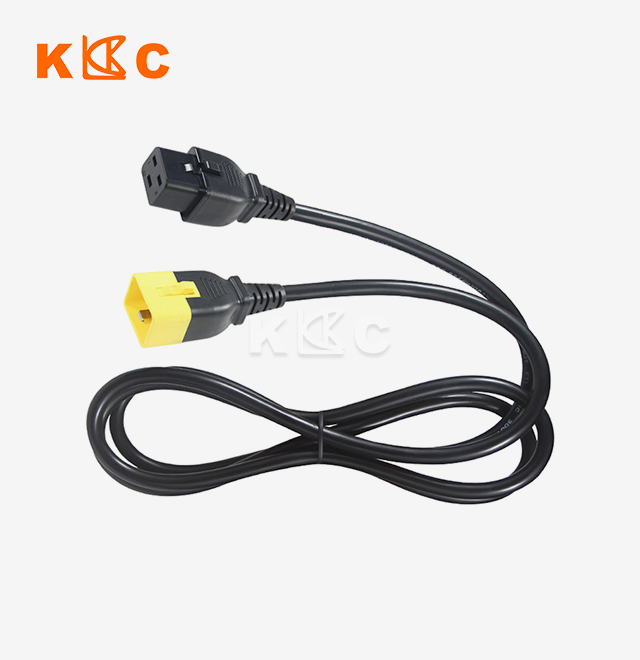
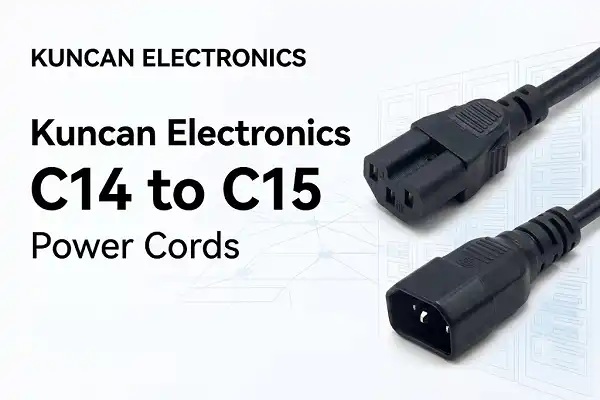
Power links for high-performance servers need to be special, and regular cords can't do that. With carefully designed parts, these C14 to C15 power cords connect standard power distribution units to networking equipment that generates a lot of heat.
What Makes C14 to C15 Connectors Unique?
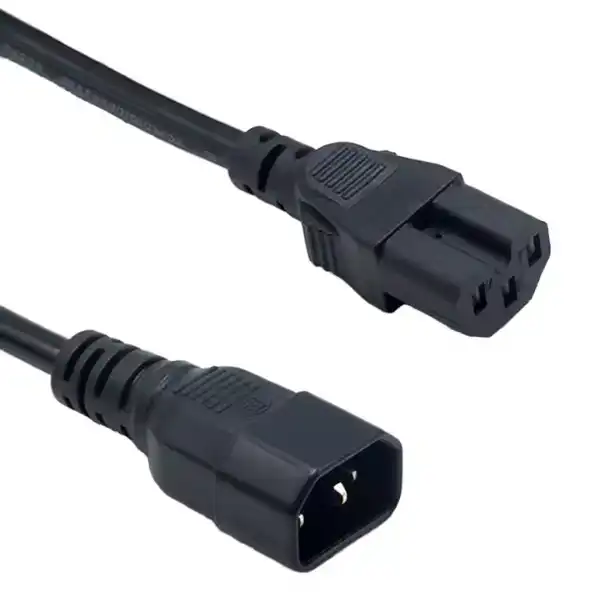
The IEC 60320 standard describes different kinds of connectors that can be used in different situations. The C14 male plug can be plugged into normal power sources or PDU sockets that can be found in data centers. The C15 female connection on the equipment end is what makes this arrangement unique. It has a notched design that keeps lower-rated C13 connectors from being accidentally inserted. This mechanical keying makes sure that only wires with the right rating can connect to devices that work at high temperatures.
As well as being a safety feature, the notch shows what the temperature is. The hottest temperature that C13 connectors can handle is 70°C. The hottest temperature that the C15 version can handle is 120°C. This makes it easier to deal with thermal issues in rack systems that are very close together and equipment that generates a lot of heat.
Technical Parameters That Matter
When made with 14AWG wires, our cords can handle 15A at 250V of electricity. When made with 16AWG wire, they can handle 10A at 250V. Which jacket type to use relies on where you live. SJT is better for setups in North America, while H05VV-F meets the harmonized standards in Europe.
The temperature limit goes past the link. The whole wire system stays together at 105°C even when it's under constant high load, thanks to insulation materials that don't break down when heated. This standard is very important in computer rooms, where temperatures rise when a lot of work is being done at once.
Distinguishing C14 to C15 from Related Configurations
A lot of the time, procurement teams get confused between names that sound the same. Standard-temperature connectors on a C13 to C14 jumper wire connect server power sources to PDUs. The device-end connection is improved in the C14 to C15 design for high-heat situations. Knowing the difference between these two types of materials keeps you from making expensive mistakes when you order in bulk, and it also makes sure that they will work with equipment that needs better heat performance.
Why Kuncan Electronics C14 to C15 Power Cords Are Ideal for High-End Servers?
Enterprise infrastructure needs more than just simple connection. It needs to be reliable and have a lot of quality testing and manufacturing knowledge to back it up. Our C14 to C15 power cords are engineered to meet these rigorous demands.
Superior Materials and Manufacturing Excellence
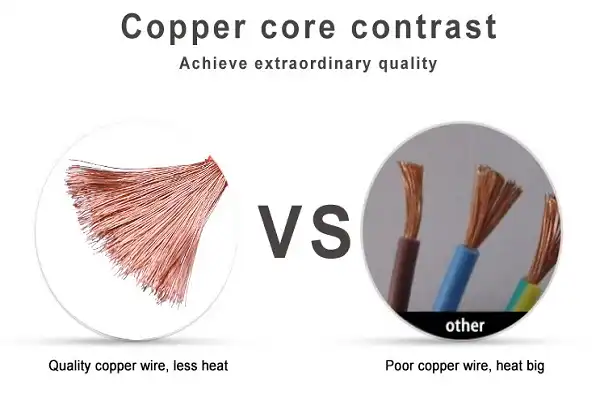
We use copper wires that don't contain oxygen for c14 to c15 power cords because they reduce resistive losses and increase the amount of electricity they can carry. The design of the conductor strands strikes a mix between flexibility and electrical performance, making sure that the contact resistance at the termination points stays low. Injection-molded connector bodies make airtight seals around termination points that keep out moisture and rust, which weakens connections over time.
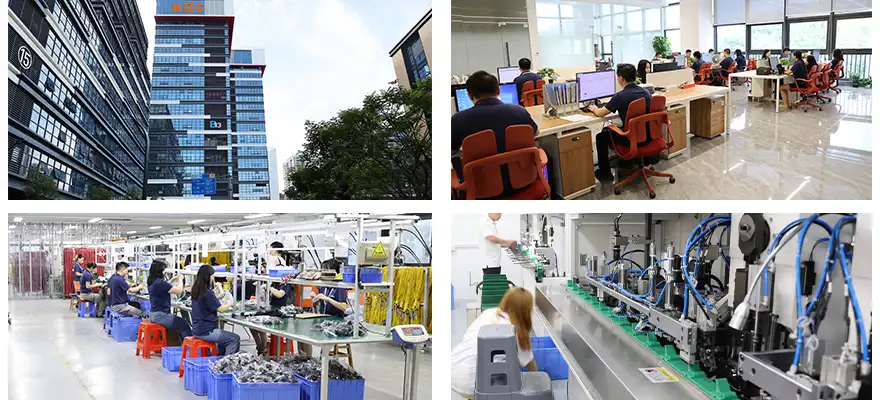
Our factory in Dongguan follows ISO 9001 quality management rules and has automatic production lines that make sure the same level of accuracy in measurements every time. Tooling tolerances make sure that all of the major PDU and server makers' ports fit correctly. This gets rid of the need for loose connections that cause resistive heating.
Global Safety Certifications and Compliance
There are several international certificates on each cord that show it meets regional safety standards. ETL listing proves that the product meets North American electrical standards, and VDE approval proves that it meets the requirements of the European Low Voltage Directive. CE marking shows that the product meets EU safety, health, and environmental standards, and RoHS approval shows that dangerous chemicals are limited.
These certificates are more than just paper work; they show that the product has been tested thoroughly by a third party to make sure it meets electrical standards, flame protection, and mechanical sturdiness. When procurement teams choose Kuncan cords, they can be sure that the goods will meet all legal standards in all global markets without having to pay extra for testing.
Rigorous Testing Protocols
Before a line is sent out, it is tested electrically on automatic machines that check for continuity, insulation resistance, and dielectric strength. High-potential testing uses voltages that are higher than what is needed for normal operation to find weak spots in insulation that could cause field failures. Testing with a mechanical pull confirms that the strain relief works, making sure that the wires stay firmly attached to the terminals even when the installation is stressed.
Thermal cycling tests, sample batches are heated and cooled over and over again to mimic years of working temperature changes. This faster aging process finds possible failure modes in goods before they reach users. This cuts down on warranty claims and failures in the field by a huge amount.
Operational Stability Through Real-World Validation
A global financial services company just put 2,000 of our C14 to C15 cords in three data centers that hold Cisco Catalyst switches and high-density blade servers. During 18 months of operation, there were no power-related problems at the site. This is in contrast to their previous supplier, who had a 3.2% failure rate that required unplanned repair.
The rollout got rid of problems with thermally-related connectors that needed to be inspected and retorqued every three months before. Maintenance teams said that the number of planned wire replacements went down by 40%, which directly led to lower running costs and better uptime figures. This case shows how the accuracy of specifications affects the total cost of ownership, which goes beyond the cost of buying the product.
Customization Capabilities for Complex Requirements
For global procurement to work, combinations that aren't available in normal catalog things are often needed. Our engineers work with system developers to create unique solutions. These can be non-standard lengths ranging from 1 meter to 5 meters, jacket colors that are specific to phase identification or organizational coding systems, and private label branding with names of the company molded into the bodies of the connectors.
We keep special tools for OEM users who buy a lot of products, so the quality stays the same over the course of multi-year supply deals. With flexible production options, you can make both retail-ready boxes for distribution channels and huge coils that can be added to bigger systems. When samples are sent out within 3–7 business days, they can be used for fast development and qualification testing before large orders are placed.
Procurement Guide: Selecting and Buying C14 to C15 Power Cords from Kuncan Electronics
To do good buying, you need to make sure that technical standards are met while keeping cost, quality, and supply chain reliability in mind. This advice gives B2B buyers the confidence they need to make decisions about C14 to C15 power cords specifications.
Critical Selection Criteria
The needs for voltage and amperage guide the choice of wire. Check the equipment's nameplates to make sure they list the highest current draw, then choose wires with the right conductor size. Underrating wires puts them at risk of fire and breaks electrical codes. Overrating them too much raises the cost of materials without improving performance.
Environmental factors have a big effect on how long cables last. Installations in climate-controlled data centers are very different from those in industrial settings where there are risks of high temperatures, chemical exposure, or physical abuse. Our basic SJT jacket works well for most business uses. However, we also have special formulas for harsh settings that need oil resistance, UV stability, or better protection against wear and tear.
Cable length directly relates to the voltage drop, especially when the current is high. For longer runs, thicker wires are needed to keep the power within the limits of the equipment. For custom-length orders, our expert team does voltage drop estimates to make sure the right specs are met without having to guess.
Competitive Advantages in the Global Market
When compared to well-known foreign providers, Kuncan has unique advantages that make purchasing more valuable. Our certification portfolio is on par with or better than our competitors' compliance paperwork, so you don't have to worry about whether or not regional regulators will accept it. Manufacturing capacity can handle both small orders for pilot projects and big operations that need thousands of units delivered on time every time.
Respondent contact sets our customer experience apart. When people ask technical questions, they get replies in 24 hours, not days or weeks. Free design review for unique setups is part of engineering support. This helps customers avoid specification mistakes that slow down projects. We go from being a seller to a strategic partner who cares about the success of our customers when we work together.
Pricing structures stay competitive through better management of the supply chain and combining production processes vertically. We are in charge of getting the raw materials, winding the conductors, extruding, shaping, and putting everything together. This cuts out the middleman and keeps quality control high at every stage of production.
Streamlined Ordering Process
The first step in bulk buying is to send a simple quote request that includes the numbers, configurations, and shipping dates. Our sales team quickly replies with thorough proposals that include unit details, total quantities, wait times, and shipping plans. Automatic volume savings are used, and tiered price is used to show how economies of scale work.
For custom-length orders, you need to include exact length, connection type, wire size, and jacket material in the technical details. We offer free engineering study to make sure the project is possible and suggest improvements if the specs make it hard to make. Once the model is approved, production starts. Depending on the size of the order, mass production is usually finished in 15 to 25 days.
International shipping support includes working with freight forwarders, making customs paperwork, and using flexible Incoterms to meet the needs of different transportation providers. No matter what place the goods are going to, we take care of the export compliance papers to make sure it goes through customs smoothly.
Best Practices for Using and Maintaining C14 to C15 Power Cords in Server Environments
Installing cables correctly and keeping up with their upkeep will make them last longer and keep them safe in critical infrastructure settings. Proper handling of C14 to C15 power cords is essential for maintaining system integrity.
Installation Procedures That Prevent Failures
A properly seated connection makes sure that there is good electrical contact and mechanical support. Firmly insert the plugs until the locking mechanism connects. Then, check to see that they are fully inserted. When you make only partial connections, you get high-resistance contact points that get too hot and damage the connectors or even cause the equipment to fail.
When installing, make sure to follow the minimum bend radius guidelines. Sharp bends put stress on the insulator and wires, which can lead to failure. It's fine for our wires to be routed through cable management systems as long as they're not forced around bends that are too tight.
Keep wires away from moving parts and ends that are sharp and could scratch them. When running wires through metal panels, use safety plugs and secure the cables with the right fasteners that spread the pressure out and don't crush the jacket materials.
Routine Inspection and Replacement Guidelines
Set up regular review times based on the surroundings and how important the work is. High-temperature areas need to be visually checked every three months to look for changes in the color of the jacket, broken connectors, or strange heating patterns. For climate-controlled systems, inspections can be done every six months instead of every year.
With infrared thermal photography, problems can be found before they break down. Check live connections for hot spots that could mean bad contacts or conductors that are too small. If the temperature of a cable is outside of its usual working range, even if there is no damage obvious, it should be replaced.
Set up substitute plans based on past performance instead of waiting for things to go wrong. Every 5 to 7 years, cables that are used near their maximum values or in harsh settings should be replaced. This preventative method costs a lot less than replacing things quickly when they break down without warning.
Proper Storage and Handling
Store extra cables in places with controlled temperatures and away from direct sunlight, which breaks down insulator materials through UV rays. Coil wires freely, without making tight turns that change the shape permanently. Do not put heavy things on top of stored wires, as this can damage the covering or bend the conductors.
When installing or removing links, be careful how you handle them. Instead of pulling on wires, grab the bodies of the connectors. Pulling on the cables stresses the internal connections. Do not use broken wires, even for a short time. Insulation that isn't working right offers shock and fire risks that are much greater than the trouble of getting new ones.
Conclusion
Power connections in high-performance server settings need to be more than just useful; they need to be able to handle high temperatures and keep the electricity working reliably even when things get tough. Kuncan Electronics' C14 to C15 power cords are the result of 17 years of manufacturing experience, advanced materials engineering, and strict quality control. Procurement pros can be sure that specification choices that affect infrastructure uptime and safety are safe when they are based on global certifications, thorough testing, and proven operating performance. Our thermal-rated wires provide reliable performance that safeguards important equipment and lowers operational risks in a wide range of settings, including hyperscale data centers, business network operations, and industrial automation systems. To start a strategic sourcing partnership, you need to find suppliers who know that solid power connections are essential for putting technology to good use.
FAQ
Can C14 to C15 Cables Replace Standard C13 to C14 Cables?
When equipment has C15 inlet plugs, the C14 to C15 design can be used instead of standard C13 to C14 connections. The notched C15 design is meant to keep it from connecting to normal C13 inlets. This makes sure that high-temperature wires only connect to equipment that is rated for them. Using C15 plugs when normal C13 ones will do doesn't pose any safety risks, but it does add extra cost for uses that don't need better thermal performance.
What Are Voltage and Current Limits for Kuncan C14 to C15 Cords?
When made with 14AWG conductors, our basic setups can handle 15A at 250V, which is enough for most high-performance servers and networking gear. For low-power uses, the 10A at 250V version has 16AWG wire. With the right amount of safety margin, these scores show the ongoing working limits. To keep the temperature in safe working ranges, equipment that draws currents close to the limits of the cable should use conductors that are the next size bigger.
What Lead Times Apply to Bulk and Custom Orders?
Samples are made in 3–7 business days, which lets you quickly test their quality before committing to bulk orders. For sales of up to 5,000 units in a standard setup, shipping takes 15 business days. Lead times are longer for larger orders or special designs, taking into account the time it takes to get materials and schedule production. Rush order help meets urgent needs by speeding up production and offering faster shipping choices.
Partner with a Trusted C14 to C15 Power Cords Manufacturer
Kuncan Electronics is ready to help your business's infrastructure with C14 to C15 power cords options that are the best on the market and are built to last. As a well-known company that has been making high-quality products for 17 years, we offer high-temperature wire assemblies that meet the strict needs of modern data centers and mission-critical installs. Our wide range of certifications, strict testing procedures, and ability to adapt to your needs will make sure they are met accurately and professionally. Whether you need retail-ready packaged units for delivery networks or large production coils for system integration, our team is here to help you every step of the way during procurement and rollout. Contact rhea@szkuncan.net right away to talk about your needs, get full quotes, or look into custom solutions that are made to fit your specific business needs. Feel the difference that good products, tried-and-true tech, and service that focuses on the customer make for global B2B procurement pros.
References
International Electrotechnical Commission. IEC 60320-1: Appliance Couplers for Household and Similar General Purposes - Part 1: General Requirements. Geneva: IEC Standards, 2021.
Underwriters Laboratories. UL 817: Standard for Safety Cord Sets and Power-Supply Cords. Northbrook: UL Standards & Engagement, 2019.
Institute of Electrical and Electronics Engineers. IEEE 1100: Recommended Practice for Powering and Grounding Electronic Equipment. New York: IEEE Standards Association, 2020.
Telecommunications Industry Association. TIA-942: Telecommunications Infrastructure Standard for Data Centers. Arlington: TIA Publications, 2022.
European Committee for Electrotechnical Standardization. EN 50525: Electric Cables - Low Voltage Energy Cables of Rated Voltages up to and Including 450/750 V. Brussels: CENELEC, 2020.
National Fire Protection Association. NFPA 70: National Electrical Code. Quincy: NFPA Publications, 2023.

USER EVALUATE
Here is the customer's evaluation of us