
What are the different types of c7 power cords?
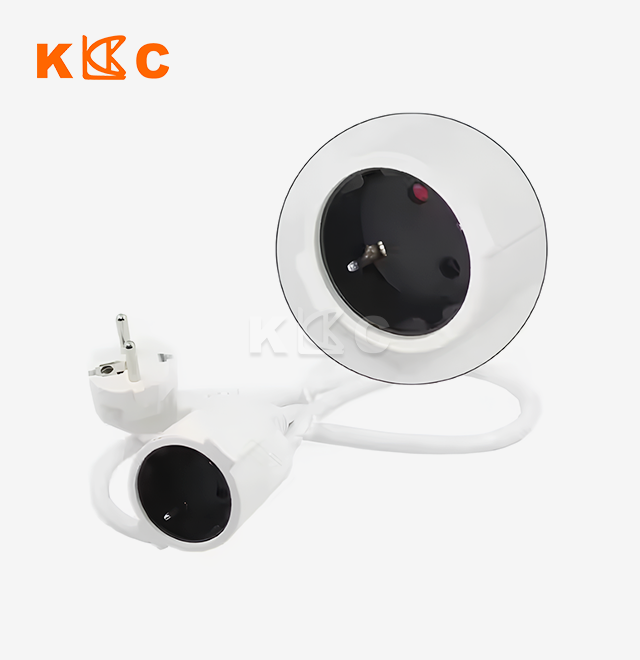
When looking for power connectivity options, knowing the different types of C7 power cords that are out there can have a big effect on how well operations run and how safe the equipment is. There are different kinds of C7 power lines, each made for a different voltage range, area standards, and use conditions. Standard non-polarized figure-8 cords are used for most home electronics. There are also polarised versions that make sure sensitive equipment is properly aligned with the neutral line, regional versions with plugs like NEMA 1-15P for North America or CEE 7/16 Europlug for Europe, and specialised models with ferrite cores that stop electromagnetic interference in medical and professional audio settings. When procurement professionals know these differences, they can choose lines that meet both technical needs and compliance standards while still being cost-effective across global supply chains.
Understanding C7 Power Cords: Basics and Specifications
The Figure-8 Connector Design
The unique two-pin layout that looks like the number eight is what gives these connectors their well-known name. This ungrounded connection system, which is based on the IEC 60320 standard, can handle voltages of up to 250V and current rates of 2.5A to 7A, depending on the wire length and approval in the area. The physical design has two round plugs that can connect to suitable device ports with the same-sized pins. This makes a strong mechanical link that also ensures electrical continuity.
Unlike grounded options, this type of link works with devices that are double-insulated, so they don't need to be connected to the earth. This design choice makes the cord thinner and lighter, which makes it perfect for music equipment, small tools, and movable electronics that need to be flexible and have a small size. Because the connection is balanced, it can be put in either direction. This makes installation and use easier.
Electrical Ratings and Wire Specifications
To match wires to gadget needs, it's important to know the specs of the conductors. Copper lines of 18 AWG (0.824mm²) or 20 AWG (0.519mm²) are usually used in standard designs, but 0.75mm² wire is often required by European standards. These changes in diameter have a direct effect on the cable's ability to carry power and its voltage drop over its length.
The material of the wire has a big effect on how well it works and how long it lasts. Oxygen-Free Copper (OFC) conductors are used in high-quality wires because they are better at conducting electricity than Copper Clad Aluminium (CCA) conductors, which are sometimes used in lower-quality goods. Temperature tolerance, flexibility, and weather protection are all based on the insulation jacket material, which can be PVC, rubber, or specialised materials like LSZH (Low Smoke Zero Halogen). With 0.75mm² wires rated for 2.5A at 250V, our H03VVH2-F flat cable design is a great example of the balance between flexibility and longevity needed in industrial settings.
Critical Safety Standards and Certifications
International safety standards help people and machines stay safe, and they also make it easier to sell goods in different parts of the world. Some important certifications are the UL and ETL marks for markets in North America, the VDE mark for Germany and most of Europe, the CE mark for EU compliance, the PSE mark for Japan, and the CCC mark for China. For each approval, strict testing procedures are used to make sure that the jacket materials meet fire safety standards. These include checking the dielectric strength through Hi-Pot testing at 2000V AC, measuring the insulation resistance, checking the temperature rise under the rated load, and testing the materials' ability to catch fire.
These licenses for a C7 power cord aren't just paperwork; they're actually safety gaps that have been checked and proven to work in the real world. When looking at different providers, it's important to make sure that the approval marks that are moulded into socket housings and written on wire jackets are real. We keep many global certificates, such as VDE, CE, ETL, and RoHS compliance, to make sure that our goods meet the strict standards of many foreign markets.
Types of C7 Power Cords: Classification and Differences
Standard Non-Polarized Figure-8 Cords
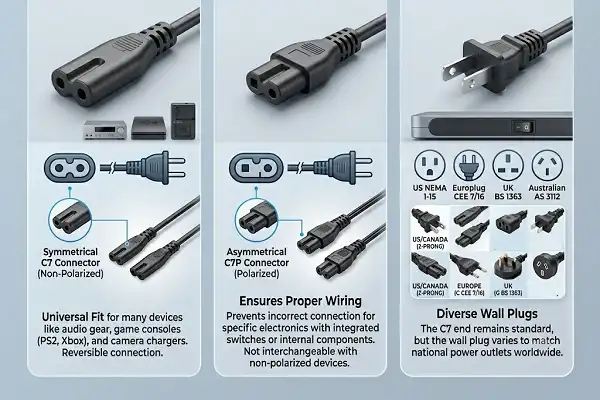
The most common type has a connection body that is exactly symmetrical and has two rounded contact holes. This design is not polarised, so it can work with any two-conductor device input, no matter which way the line and neutral are orientated. Because they are so flexible, these lines are great for devices that have built-in correction or AC-powered devices that don't care about the polarity.
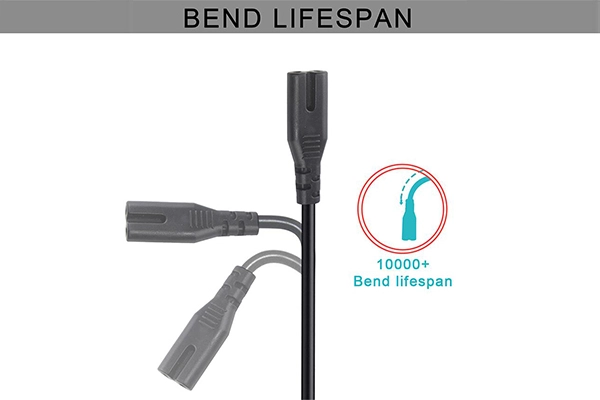
Build quality is very different between brands and price ranges. Low-cost cords might have shorter wires and jackets constructed of materials that don't last as long and break easily when it gets cold or over time. Professional-grade cables have stronger wires, better strain relief at the places where the connectors join, and superior jacket materials that keep the cables flexible at high and low temperatures. Our precision-molded connections are tested to make sure they can handle more than 3,000 flex cycles. This addresses the frequent failure point where repeated bending breaks conductors near the junction.
Polarized Variants for Safety-Critical Applications
For safe operation, some devices need to be connected to the power in the right way, which means they need polarised connections. The polarised version has one squared contact opening and one rounded opening. When paired with the right polarised inlets, it forms a mechanical key that ensures consistent direction. This design keeps the hot and neutral wires from switching places by mistake, which could cause shocks in equipment with metal parts that are visible and linked to the neutral line.
Polarised links are often needed for medical devices, professional recording gear with ground-referenced signal circuits, and some consumer products with metal cases. Because asymmetric moulding requires a little more accuracy during production, it usually costs a little more. But in risk-sensitive situations, the safety benefits make it worth the extra money. Carefully check the device needs with procurement teams, as non-polarized plugs will not fit polarised inlets.
Regional Plug Variants for Global Markets
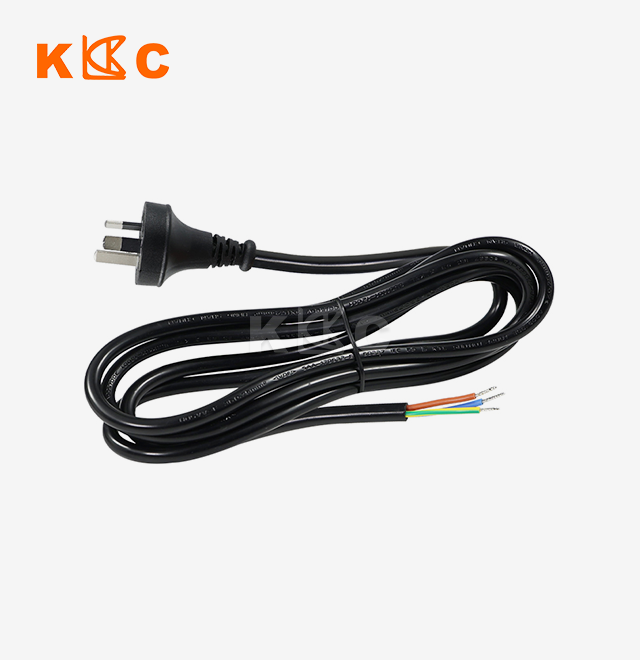
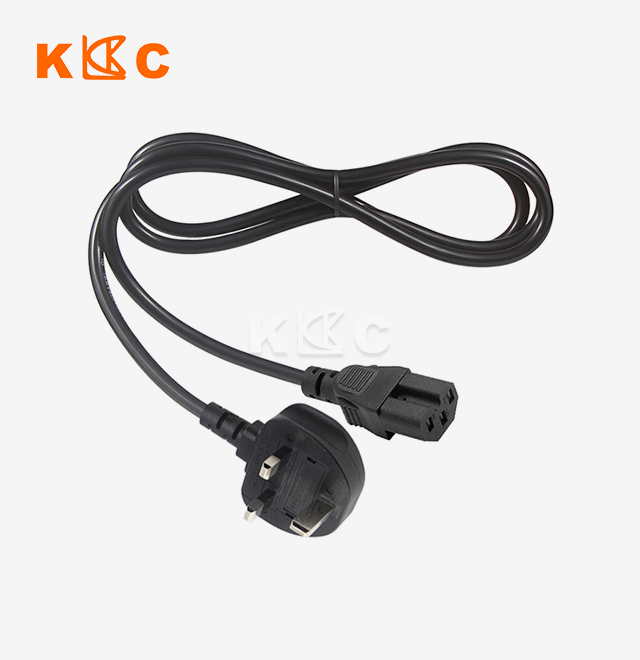
The adapter on the device side stays the same, but the wall plug end changes based on local electricity standards. For 120V operation, North American markets need NEMA 1-15P plugs that are not grounded and have two flat blades that are parallel to each other. For use in Europe, CEE 7/16 Europlugs with two round pins work with 220-240V circuits all over the continent. In the UK, plugs are called BS 1363 and have three oblong pins and built-in fuse safety. In the Asia-Pacific region, different standards apply. For example, Japan uses JIS C 8303 plugs, which are similar to NEMA plugs but have smaller pin spacing. Australia and New Zealand, on the other hand, need AS/NZS 3112 plugs with flat pins that are curved.
Our VDE-certified Europlug to C7 power cord is a great example of regional optimisation. It is made to be light so it can be used with low-power gadgets all over Europe. The thin H03VVH2-F flat wire design makes installation easier in small areas behind furniture and equipment racks. This solves real installation problems that aren't covered by technical specs alone. We can customise cord lengths from 1 meter to 2 meters, and we can also make cables in any colour you need for uses that need to colour-code or maintain brand consistency.
Specialized Cords with Enhanced Features
Professional audio and video setups often ask for lines that have ferrite cores built in. These are circular ferromagnetic parts that are placed near one or both connection ends. If high-frequency electromagnetic interference gets into sensitive signal circuits, it can make audio systems hum or video screens show strange patterns. These cores stop that from happening. Even though they are bulky and expensive, ferrite cores are necessary in places with a lot of RF noise or when joining devices that don't have enough internal filters.
An new type is hybrid cords that give power and send data at the same time. Some designs include USB ports along with the power plug, so you can charge and sync your data at the same time. Others use Power over Ethernet concepts to add Ethernet connection that works with specific uses. These multi-function cords make installations easier and less cluttered, but they need to be carefully specified to make sure that both the power and data parts meet the right standards on their own.
How to Select and Procure the Right C7 Power Cord for Your Business Needs?
Defining Technical Requirements
A thorough description of needs is the first step to a successful purchase. Voltage and frequency specs must match both the supply infrastructure and the device input standards. For example, plugs and cords that work with 120V/60Hz systems in North America and 230V/50Hz systems in Europe must be rated differently. The current rating should include a safety range above the device's highest draw to keep it from getting too hot and to make sure it follows electrical codes, which usually say that the constant load can't be more than 80% of the cord rating.
The length of the cable strikes a mix between ease of use and electricity efficiency. Longer lines make installation more flexible, but they also cause more power drop and radio interference. Standard lengths of 1m, 1.5m, and 2m work for most uses, and unique lengths can be made to fit specific fitting needs. Our manufacturing freedom lets us make unique lengths without having to meet unreasonable minimum order sizes. This lets us optimise for each project.
Environmental factors influence material selection. Standard PVC jackets can be used in climate-controlled indoor areas, but they need to be stronger in industrial settings where there are changes in temperature, chemical exposure, or mechanical stress. Our industrial-grade products can handle temperatures from -40°C to +85°C and popular industrial liquids, which means they last longer in tough circumstances. To make sure patients are safe, medical uses need extra things to be thought about, like being able to be sterilised and having strict leaking current limits below 100µA.
Evaluating Supplier Capabilities
When choosing a supplier for a C7 power cord, it's not just about price; it's also about quality security, the stability of the supply chain, and the supplier's expert help skills. Checking that safety certifications are real is a way to protect yourself from fake goods that might have fake certification marks. To be sure, you should ask for pictures of real licensing papers and testing results, not just promises that they are compliant. Customers can easily see copies of our certifications, test results, and material compliance statements in our clear quality paperwork.
Manufacturing capacity and lead time dependability are important, especially for jobs that need to be done quickly or when demand changes with the seasons. Suppliers who have enough production capacity and raw materials on hand can meet pressing needs and sudden increases in volume without lowering the quality of their products. We keep sample production schedules of 3–7 business days and mass production schedules of 15–25 days. Diversified supply lines for key components help us stick to these times. This skill came in very handy recently when there were problems in the global supply chain that affected many businesses.
Products can be made better for certain uses when they can be customised. In addition to basic parameter matching, you can choose the conductor material to save weight or money, the jacket material to make sure it works well with the environment, the orientation of the connector to make installation easier, and built-in strain relief or cable management features. We can change everything about your order, from the colours to the way the name is raised to the special packing. We can also help with engineering from the prototype stage all the way through production, acting as an extension of your product development team.
Price-Quality Balance and Procurement Strategies
Prices on the market vary a lot depending on the amount of approval, the material used for the wire, the quality of the manufacturing, and how the brand is positioned. Knowing the normal price ranges for different levels of quality can help you spot offers that are too good to be true and probably come with hidden costs. Usually, suspiciously low prices mean that the products aren't up to par, there isn't enough quality control, or there is certification fraud, which causes liability risks that are much higher than any initial savings.
Buying in bulk can save you money and make sure you always have what you need. When producers agree to a certain amount of a product, they can plan production and buy materials more efficiently, which leads to lower prices. We set up flexible deals that allow for both fixed amounts with the best prices and extra orders in case demand changes. This helps our customers find the right mix between investing in goods and making sure they have a steady supply.
Long-term relationships have benefits beyond just lowering the cost of doing business. Relationships that are already in place make it easier for expert teams to work together on new requirements, respond quickly to pressing needs, and commit to quality and supply predictability. Our customer-centred method sees buying relationships as strategic partnerships where your success directly affects our business goals. This aligns incentives toward long-term mutual gain rather than talks for each individual transaction.
Conclusion
In a strategy buying framework, choosing the right figure-8 connection leads means combining technical specs, safety requirements, quality concerns, and total cost factors. Knowing the differences between standard and specialised versions, being aware of important licensing requirements, and following the right tests and servicing procedures can help protect equipment investments and make sure they work reliably.
Because modern electronics are getting more complicated and safety rules are getting stricter, it's more important than ever to make smart choices about where to get your C7 power cord supplies. Power connection can be turned from a basic buy into a strategic advantage by working with experienced makers who offer clear quality paperwork, full customisation options, and quick technical support. We can help you succeed with your buying because we have 17 years of experience making things, a wide range of global certifications, and a focus on the customer.
FAQ
What determines if a figure-8 plug will work with my device?
To be compatible, both the mechanical and electrical requirements must be met. The device's input must be able to handle a two-pin connection, and the cord's voltage and current values must meet or beat the device's needs. The way the plugs are set up in your area must match the way your electricity works. Non-polarized plugs won't fit polarised inlets, so polarised devices need polarised wires with plugs that match.
How are polarised and non-polarized figure-8 cords different in how they work?
Non-polarized wires have uniform plugs that can be plugged in either way. This makes them good for devices where polarity doesn't affect safety or function. Polarised models have unbalanced connections with one straight and one rounded hole. This makes sure that the line-neutral direction stays the same, which is needed for some equipment to work safely. The decision is based on the device's specs, not on what the user wants.
In figure-8 uses, what wire size gives the best performance?
Conductors that are 18 AWG or 20 AWG for North America and 0.75mm² for Europe are used in standard applications. Thicker 18 AWG wire lowers resistance and heat production, giving devices that are getting close to the 2.5A rating limit extra safety. The size choice takes into account the electrical performance, the flexibility of the wire, and the cost, depending on the purpose and the situations that it will be used in.
How long do good figure-8 lines usually last when they are used regularly?
Service life depends on how well it was made, the surroundings, and the amount of mechanical stress it is under. Premium wires made of good materials and with the right amount of strain relief usually last between 5 and 10 years in normal indoor settings where the connections are cycled every so often. Applications that need to be reconnected a lot, are exposed to high temperatures, or are under a lot of mechanical stress may need to be replaced more often. Regular inspections find wear and tear before they break.
Can I safely use an authorised cord in a way that doesn't meet its rating?
When you operate wires outside of their approved limits, safety approvals are lost and risks are created. Going over the standard values leads to too much warmth, which damages insulation and raises the risk of a fire. Using wires at levels higher than their standard could cause the covering to break down and pose a shock risk. Always make sure that the specs of the cord meet or go beyond what the device needs, leaving enough room for error to ensure long-term reliability.
What signs of quality should I look for in sources when I'm judging them?
Safety certification marks that are moulded into joints and written on jackets show that the product is approved. Suppliers who are open about their licensing paperwork, material requirements, and quality control methods show that they are committed to meeting standards. Professional sellers are different from commodity vendors who only compete on price by being willing to send samples for testing, having clear guarantee terms, and providing quick technical support.
Partner with Kuncan Electronics for Reliable C7 Power Cord Solutions
Kuncan Electronics makes enterprise-grade figure-8 connection wires that are designed to work with high-demand B2B uses in the smart building, medical devices, industrial automation, and consumer electronics industries. Our VDE-certified Europlug to IEC C7 power options come with H03VVH2-F flat wires and precision-molded plugs that have been tested to withstand more than 3,000 bend cycles. This addresses common worries about durability while keeping prices low.
We have been making c7 power cords for 17 years and have all the necessary global certifications, such as VDE, ETL, CE, and RoHS compliance. We can meet your buying needs by offering flexible customisation, quick samples in 3–7 business days, and scalable production capacity. Our free sample program lets you check the fit before committing to a large order, and our low minimum order amounts make it easy to handle trial orders and other unique projects. Get in touch with our team at rhea@szkuncan.net to talk about your unique needs and find out how our technical knowledge and production skills can help you improve the quality and stability of your supply chain.
References
International Electrotechnical Commission. "IEC 60320-1: Appliance Couplers for Household and Similar General Purposes - Part 1: General Requirements." Geneva: IEC Standards, 2021.
Underwriters Laboratories. "UL 817: Standard for Safety Cord Sets and Power-Supply Cords." Northbrook, IL: UL Standards & Engagement, 2020.
VDE Testing and Certification Institute. "VDE 0620-1: Plugs and Socket-Outlets for Household and Similar Purposes - Part 1: General Requirements." Offenbach, Germany: VDE Verlag, 2019.
National Electrical Manufacturers Association. "NEMA WD 6: Wiring Devices - Dimensional Specifications." Rosslyn, VA: NEMA Publications, 2018.
British Standards Institution. "BS 1363: 13 A Plugs, Socket-Outlets, Adaptors and Connection Units." London: BSI Standards, 2016.
Japanese Industrial Standards Committee. "JIS C 8303: Appliance Couplers for Household and Similar General Purposes." Tokyo: Japanese Standards Association, 2019.

USER EVALUATE
Here is the customer's evaluation of us
_1781502912074.webp)
_1778576596139.webp)