
What Happens If You Overload a 3-Way Cigarette Lighter Socket Splitter?
When you plug a 3-way cigarette lighter socket splitter into an outlet that is too much power, the device draws more electricity than it can safely handle. This causes too much heat to build up, which could cause fuses to blow and damage to both the splitter and your car's electrical system. The wires inside the splitter could melt, connections could break, and in the worst cases, you could end up with an electrical fire or damage to the devices that are attached. Most power plugs in cars are designed for 10-15 amps. This means that plugging in multiple high-draw devices at once, like portable heaters, air compressors, and coolers, can quickly go over the safe limits and set off safety features or cause catastrophic failures.
Understanding Overload in 3-Way Cigarette Lighter Socket Splitters
When all the devices attached to the breaker use more power than it can handle, this is called electrical overload. Anyone who uses car power tools in a fleet, a ride-sharing service, or industrial mobile equipment needs to understand this idea.
What Defines an Overload Condition?
The cigarette lighter plug in your car usually gives off 12V DC power through a circuit that is protected by a 10-15 amp fuse. When you connect more than one gadget to a power switch, each one uses its own electricity. A car cam might use 0.5 amps, a GPS unit another 0.5 amps, but a portable cooler could use 5 to 7 amps. When you add a 10 amp tire compressor, you immediately go over the safe limits. The wires and connections inside the splitter are made to handle a certain amount of amperage, which is usually around 10 amps total across all sockets.
Common Overload Scenarios in Professional Use
When drivers use electronic logging devices, car heaters, phone chargers, and cooling units all at the same time, fleet managers often have problems with overload. Similar problems arise for delivery drivers who use various navigation systems, charge tablets, and power cooling devices at the same time. When rideshare companies offer extras like USB charging stations along with their own security cameras and police cams, they may unintentionally cause dangerous overload situations. These real-life examples show why knowing the capacity of your splitter is important for safety on the job and long-term equipment life.
The Critical Role of Fuse Protection
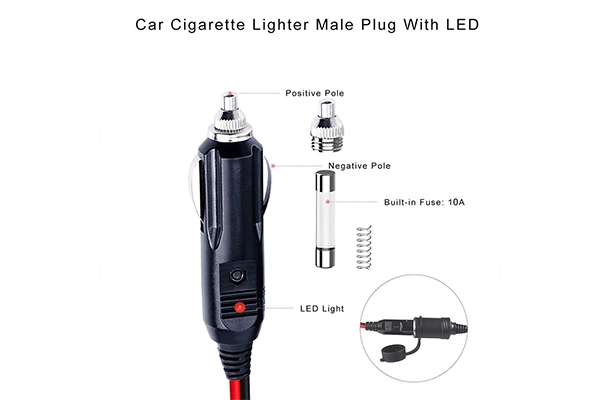
As a first line of defense against damage from overload, good splitters have built-in fuse safety. When the current flow goes too high, the fuse gives up its life to break the circuit. This keeps the wires from getting too hot and protects your car's electrical system. Our heavy-duty power hub has changeable fuses that are rated exactly for its 120W (10A) capacity. This way, you can be sure that your equipment will be safe even if there are power spikes or accidental overloads.
Causes and Consequences of Overloading a 3-Way Cigarette Lighter Socket Splitter
When procurement managers and fleet workers know why overloads happen, they can make better decisions about which tools to buy and how to use it.
Primary Causes of Overload Failures
Most of the time, overload problems are caused by splitters that aren't very good. Thin-gauge wiring, like 18AWG or 20AWG wire instead of the correct 16AWG wire, means that units can't safely carry rated current loads. When link points aren't good, resistance builds up, which makes heat even when everything is working normally. Cheap plastic housings don't let heat escape, so heat builds up inside the gadget. A lot of cheap units don't have enough fuse protection or use the wrong fuse values, so they either blow too soon or don't protect when they're supposed to.
| Specifications | Consumer-Grade Splitters (High Risk) | Kuncan Industrial-Grade Splitters (Safe) |
| Internal Wiring | 18AWG / 20AWG Copper-Clad Aluminum | 16AWG Pure Copper |
| Housing Material | Standard Plastic | UL94 V-0 Flame Retardant ABS / Aluminum |
| Fuse Protection | Glass tube (often incorrect rating) | Replaceable 10A/15A Automotive Blade Fuse |
| Certifications | Uncertified / Fake Marks | ETL, CE, VDE, FCC Compliant |
Overload risks for a 3-way cigarette lighter socket splitter are also caused by the way operations are run. Connecting several high-draw items without figuring out the total current is dangerous right away. If you run the splitter all the time with the car off, the battery will die and the device will get too hot. When you use devices that work with different voltages, like putting 24V truck tools into 12V car systems using adapters, you put more stress on the 3-way cigarette lighter socket splitter than it was designed to handle.
Real-World Consequences from Fleet Operations
When drivers used cheap splitters to power scanners, GPS units, and personal devices, the electrical systems in the entire fleet of a regional delivery company kept going out. The problems led to route delays, missed supplies, and expensive car breaks for fixing the electrical systems. The investigation found splitter housings that were melting, wire harnesses that were on fire, and car fuses that had blown. Replacement parts, diagnostic work, and missed output all added up to the total cost.
Financial and Safety Impact
In a different case, drivers for a cab service used small splitters to charge phones, run dash cams, and run seat coolers all at the same time. Several cars had electrical fires that had to be put out by professionals and had to have a lot of work done on the inside. The business had to deal with insurance claims, the cost of replacing vehicles, and the possibility of being sued. These accidents could have been avoided by using the right tools and following the right load management rules.
Overload fails cause problems that escalate beyond the initial cost of repair. When cars aren't in use because of maintenance, income is lost. Costs go up when you have to replace broken gadgets like dash cams, GPS systems, and repair tools. Safety incidents can lead to more attention from regulators, higher insurance rates, and damage to a company's image. The hidden costs of using bad tools are much higher than the money you save by buying cheap options.
How to Prevent Overloading and Optimize Splitter Performance?

If you choose, install, and use your vehicle's power distribution system correctly, you can avoid most excess risks and get the most out of it.
Calculating Your Total Power Requirements
Find out how much current all the gadgets will use together before you connect them. Check the specs of each item to see how much power it uses, which is usually given in watts or amps. Divide the number of watts by 12 to get the number of amps. A 30W phone charger needs 2.5 amps, a 60W laptop adapter needs 5 amps, and a 12W dash cam needs 1 amp. By adding these numbers, you can make sure that your total stays below the splitter's rated capacity by at least 20%.
Safe Installation Guidelines
Place your splitter so that it gets enough wind to get rid of heat. Covering the unit or putting it in a closed area like a glove box is not a good idea. Make sure the link to the power outlet in your car is tight and strong. Loose connections cause resistance and heat. When you use a cable-type splitter with a 60-cm extension, make sure the wire stays away from hot engine parts and sharp ends that could damage the insulation.
Make sure that the cigarette lighter fuse in your car fits the total rating of your devices and splitter. Check your owner's guidebook to find out where the fuses are and what they do. If you plan to regularly use high-power devices in your car, you might want to have a trained technician check out the electrical system.
Key Features to Look for in Quality Splitters
Professional-grade units have extra safety features that cheaper models don't have. Here are the main benefits that dependable power controllers for vehicles should offer:
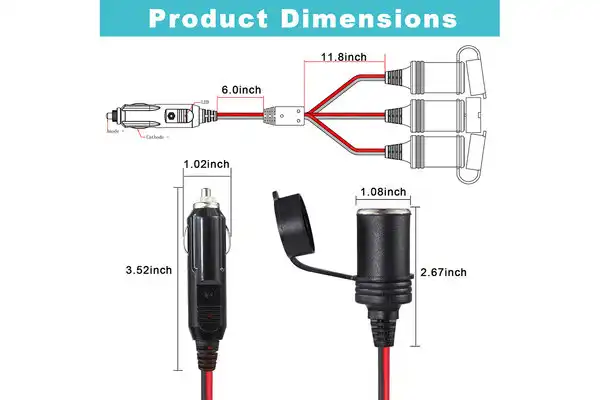
- Heavy-Gauge Internal Wiring: Good 3-way cigarette lighter socket splitter use 16AWG copper wire, which can safely carry the rated power without dropping the voltage or getting too hot. Thicker wire cross-sections are better at getting rid of heat and having less resistance than thin-gauge options.
- Robust Fuse Protection: The built-in fuses should exactly match the power level of the unit. Look for fuse types that are simple to change and don't need any tools or setup. Some more advanced types have LED lights that let you know when a fuse has blown before you find gadgets that aren't working.
- High-Temperature Housing Materials: Aluminum or ABS plastic housings made for industrial use can handle the heat stress of continued use. These materials are good at getting rid of heat and can handle the wide range of temperatures in a car, from below zero in the winter to over 70°C on the dashboard in the summer.
- Individual Socket Switching: You can choose to have separate switches for each outlet, which lets you handle only certain devices. This cuts down on power use that isn't needed and keeps the battery alive longer when the engine is off. In business settings, this function comes in very handy because drivers may need to turn on some devices but not others.
Together, these safety features stop overloading situations and make sure that the 3-way cigarette lighter socket splitter works the same way after thousands of link rounds. Buying high-quality parts is a good idea because they last longer and break down less often.
Maintenance and Troubleshooting Tips
The surprise problems can be avoided by inspecting regularly. Once a month, check the state of the switch and look for discoloration or broken parts. Every three months, use an electronics-safe contact cleaner to clean the plug contacts and get rid of the rust that raises resistance. Look for heat damage in the wiring by looking for things like discolored insulation, weak wire coating, or melted connection housings.
To fix splitters that don't work, unplug all of your devices and try with a single low-power device. If the splitter works with one device but not with others, you're probably using more than it can handle. Check the fuse and the fuse for the main power source in your car if nothing turns on. Problems that don't go away could mean that an internal link is broken and needs to be replaced.
Comparing Market Solutions: Which 3-Way Cigarette Lighter Splitter Is Right for Your Operations?
To choose the right power distribution system, you need to look at more than just the original purchase factors. There are a lot of choices on the market, and their performance and dependability ratings are very different.
Critical Evaluation Criteria for B2B Buyers
The main difference between consumer-grade and professional tools is how well it is built. Industrial buyers should look for splitters that have written specs for wire gauges that show 16AWG or heavier copper conductors. Instead of tin-plated steel contacts that rust and become resistant over time, connection points should have solid brass or copper metal contacts.
Safety badges give unbiased proof of a product's quality and safety. Look for units that have well-known labels, like those that say ETL, CE, VDE, or FCC. These guidelines call for testing in a separate lab to make sure the electrical safety, electromagnetic compatibility, and quality of the building are met. Products that are certified have been through tests that products that aren't certified skip right over.
Warranty coverage and help from suppliers for a 3-way cigarette lighter socket splitter are what set trustworthy makers apart from dishonest ones. Manufacturers who back their products with comprehensive one-year guarantees and helpful technical support show that they believe in their products. Suppliers who give new units, help with troubleshooting, and application tech support add a lot of value on top of the product itself.
Kuncan Electronics Heavy-Duty Power Hub Advantages
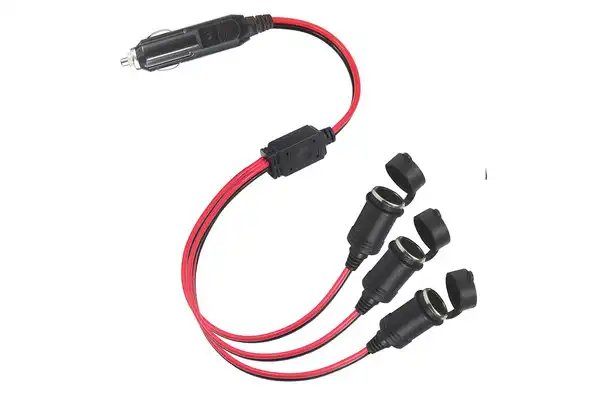
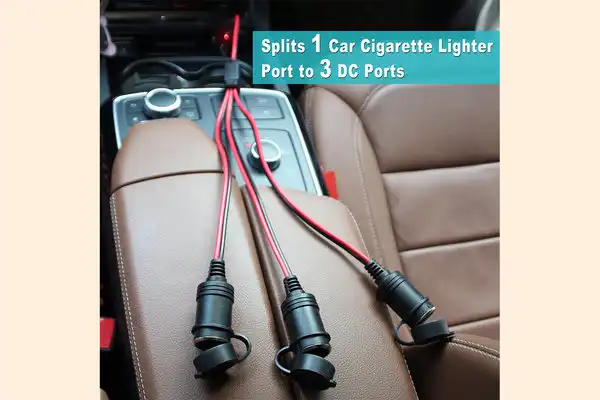
17 years of experience designing and building car accessories have gone into making our 3-way cigarette lighter socket splitter. The unit turns a single car plug into three separate 12V power ports that can safely handle a total output of 120W thanks to its strong 16AWG internal wire. This professional-grade construction makes sure that links are stable so that dash cams, GPS navigation systems, and portable refrigerators can all be used at the same time.
Intelligent circuit safety is built into the design to keep related gadgets from being damaged by power surges. Each plug delivers power consistently, with no drops in strength, even when it's fully loaded. The reinforced male plug stops connections from wobbling and dropping out, which happens with cheaper products. The high-impact ABS housing can handle the vibrations and temperature changes that happen in harsh car settings.
Matching Products to Use Cases
We offer a range of configuration choices so that we can meet the needs of any business. You can choose between small direct-plug models that don't take up much space on the dashboard or 60cm cable models that can be placed conveniently for the driver. If you choose to, you can add individual socket buttons that let you handle only certain devices. This cuts down on parasitic battery drain during long times of parking. As part of our production process, all of our products are tested for electrical integrity, thermal stability, and durability over 3,000 rounds. These quality assurance steps make sure that the products work well for as long as they are made.
Cable-type setups with individual switches work best for fleet operations because they let drivers handle multiple devices easily. The longer wire can reach mounting spots on the dashboard and keeps the power link safe. Commercial drivers like the LED power sign because it lets them see at a glance if the circuit is working or not. Rideshare companies need small direct-plug types that don't take up too much space and let passengers charge their phones. The sleek profile keeps the professional look of the cabin while providing stable power for driving tools and customer services. In harsh situations, emergency service cars need to be as reliable as possible. Our heavy-duty design, which includes over-sized heat sinks and military-grade ports, makes sure that mission-critical equipment stays powered up no matter how harsh the environment is or how busy the operations are.
Procurement Guide: Buying 3-Way Cigarette Lighter Socket Splitters for Bulk Use
To get the best return on investment while still meeting safety and dependability standards, strategic buying of car power accessories needs to balance a number of factors.
Supplier Evaluation Framework
Reliable manufacturers of 3-way cigarette lighter socket splitter have output skills that can be checked, quality control methods that work, and they follow the rules. Ask for proof of ISO certifications, records from testing labs, and badges of material compliance. Established providers keep their contact lines open, give clear technical specifications, and offer application engineering help to make sure the right product is chosen.
Be wary of sellers who offer prices that seem too good to be true without corresponding quality references. Some routes of marketing are full of fake and low-quality goods, which poses big problems for companies that value low acquisition costs over long-term performance. Dealing with early fails, safety issues, and damaged equipment costs a lot more than the money you saved by buying cheaply in the first place.
Volume Procurement Considerations
When you buy in bulk, you need to pay close attention to operations and quality control. Talk about wait times in great depth, keeping in mind that you can't rush quality manufacturing without lowering standards. Depending on the number of orders and the level of customization needed, production rounds usually last between 15 and 25 days. Plan your inventory properly, making sure you have enough of a backup stock to handle changes in demand without having to pay extra for emergency shipping.
Before placing a big order, it is important to try samples first. Ask for pre-production samples so that you can try them in the real world where they will be used. Check the electrical performance under real-life load conditions, the mechanical longevity by cycling the link, and the thermal behavior during long-term use. This approval investment stops mistakes that cost a lot of money, like ordering a lot of goods that aren't right.
Balancing Cost, Quality, and Risk
Talk about terms that protect your interests while taking into account what the maker can actually do. A reasonable way to set up payments could be to set up a fee and then pay the rest when the quality is inspected. Set clear standards for acceptance that are based on measured details instead of subjective judgments. Write down the exact terms of the insurance, such as when to expect an answer, how to get a replacement, and whether expert help is available.
The total cost of ownership is not just the price per unit. Think about the value of the guarantee support, the expected service life, the failure rate, and how to get a new one. A relatively more expensive product from a well-known brand is usually a better long-term investment than cheaper options that come with hidden costs like early failures, safety incidents, and operating disruptions. Some ways to lower the risk of problems are to get key parts from a variety of suppliers, keep a safety stock of products that have been shown to work, and build relationships with makers who can quickly fix quality problems.
Conclusion
If you overload a 3-way cigarette lighter socket splitter, you could damage tools, cause the electrical system to fail, or even put yourself in danger. By learning about load capacity, choosing high-quality goods with the right safety features, and following the right usage guidelines, you can avoid these risks and get the most out of your vehicle's power distribution features. When professionals make buying choices, they look for approved goods from well-known companies that have quality standards that can be checked and support that they can rely on. A small extra investment in industrial-grade equipment pays off big time with lower failure rates, higher safety, and longer operational life—benefits that are very important in commercial fleet operations, professional transportation services, and industrial mobile equipment applications.
FAQ
Can a blown fuse indicate overload problems?
Yes, multiple blown fuses mean that the devices you're connecting are using more power than the breaker can handle. The fuse gives up its life to keep the electrical system in your car from getting damaged. Find out how much amperage all of your devices use together. If it gets close to or goes over the splitter's limit, you need either a higher-capacity unit or fewer links at the same time. Good splitters use fuses with the right rating to protect the circuit without tripping for no reason.
How do I know if my splitter is overheating?
Some physical signs are a housing that feels hot to the touch, a plastic smell, connections that are damaged, or devices that lose power from time to time. When they're working properly, splitters may feel warm, but they'll never be too hot to touch. Too much heat means that there is an overload, bad internal connections, or wires that are too thin. If you see these signs, disconnect the devices right away and replace the splitter with an industrial unit with the right rating, heavy-gauge wires, and better heat absorption.
Are all vehicle power splitters compatible with both 12V and 24V systems?
No, compatibility depends on how the object is made. Most automobile splitters work with the 12V DC devices found in passenger cars. Commercial cars and other big machinery use 24V systems that need devices that are rated in a certain way. Always make sure the power works before you buy. When you use the wrong power tools, overloads and safety risks happen. Professional-grade makers make it clear what voltage levels they support and guarantee that the product will work in the intended uses.
Partner with Kuncan Electronics for Reliable Vehicle Power Solutions
Kuncan Electronics makes industrial-grade power distribution items and has been making car accessories for 17 years. Our heavy-duty 3-way cigarette lighter socket splitter has 16AWG copper wire, full fuse safety, and professional-grade construction that can handle tough industrial uses. We keep strict quality standards throughout our ISO-certified production process because we are an Alibaba Verified Supplier and have ETL, CE, VDE, and FCC certifications. To meet your exact needs, we offer full OEM customization, which includes designing the housing, giving you fuse specs, and private marking. Get in touch with our expert team at rhea@szkuncan.net to talk about buying in bulk as a reliable 3-way cigarette lighter socket splitter manufacturer, to look into unique solutions for your fleet, or to ask for samples for testing.

References
National Highway Traffic Safety Administration. (2023). "Vehicle Electrical System Safety Standards and Testing Protocols." Department of Transportation Technical Report Series.
Society of Automotive Engineers. (2022). "SAE J563: 12 Volt Cigar Lighter Standard Specifications." SAE International Standards Documentation.
Institute of Electrical and Electronics Engineers. (2023). "Thermal Management in Automotive Electrical Accessories." IEEE Vehicular Technology Conference Proceedings.
International Electrotechnical Commission. (2022). "IEC 60950: Safety of Information Technology Equipment Including Electrical Business Equipment." IEC Standards Publication.
Underwriters Laboratories. (2023). "UL 2089: Vehicle Battery Adapters Standard for Safety." UL Certification Requirements and Testing Methods.
Fleet Maintenance Association. (2024). "Best Practices for Commercial Vehicle Electrical Accessory Selection and Procurement." Professional Fleet Management Guidelines.

USER EVALUATE
Here is the customer's evaluation of us