
What is a C13 Power Cable?
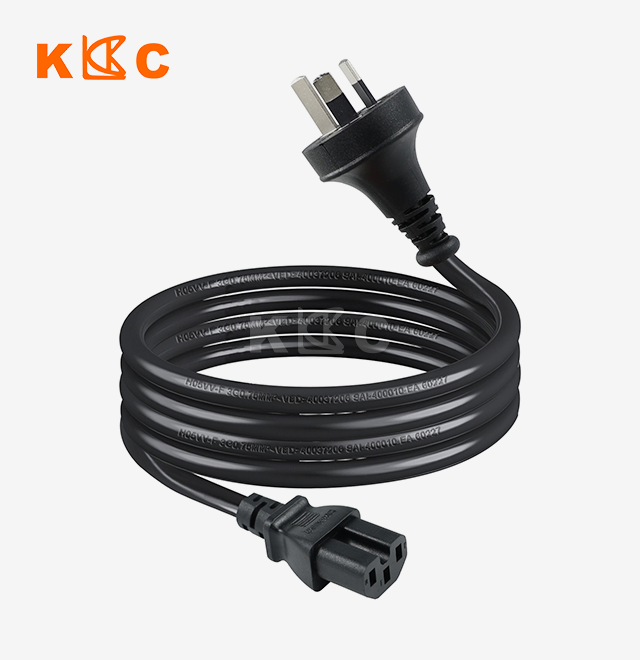
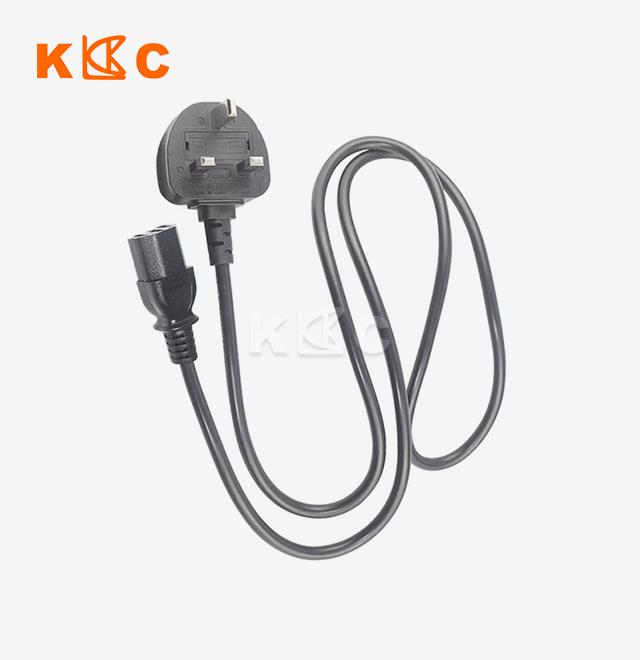
There are thousands of wires running through every modern data center and office. These cables keep everything powered and linked. When it comes to these parts, the c13 cable power connector is one of the most common and least known. The IEC 60320-1 international standard defines an IEC C13 power cable as a standard power cord assembly with a unique 3-pin female connection that is meant to connect to a C14 inlet. Around the world, this cable is the usual way to power Class I grounded IT gear like servers, desktop computers, monitors, and professional audio gear. The c13 cable power solution eliminates the fragmentation of regional power standards at the device level, ensures consistent grounding for user safety, and offers a modular approach that lets equipment be shipped globally with only the wall-side plug needing to be adapted for each region. It is rated for 10A internationally or up to 15A in North America at 250V AC.
Understanding the Basics of C13 Power Cable
What Makes the C13 Connector Universal?
Standardisation is what makes the C13 design so smart. This connector follows strict IEC 60320 guidelines that make sure it works with devices from all brands and countries, unlike proprietary power connections that force users to stick with a single maker. A server made in Taiwan and a monitor put together in Mexico can both connect to a C13 connection made in Germany and work with it without any problems. This universality makes buying things much easier and lowers the cost of goods by a huge amount.
Two power conductors and one ground connection are located on three pins that are grouped in a certain way on the physical design. This triangle-shaped pin design stops wrong insertion and always makes sure the right grounding. The housing of the connection is made of flame-resistant thermoplastics that meet UL 94 V-0 standards. This makes it safe to use even in equipment racks with a lot of equipment because heat builds up there.
Common Applications Across Industries
The c13 cable power link rules a number of important areas. These cables provide power to servers, network switches, and storage arrays that are placed on racks in data centers. When made to tight tolerances, the standard connection lets hot-swapping happen in redundant power configurations without the risk of arcing. There are often hundreds or thousands of these links in server rooms, so safety and reliability are very important.
Desktop computers, LCD monitors, laser printers, and photocopiers all use C13 connectors a lot in offices. They are used in professional audio setups for signal processors, mixing consoles, and amplifiers. Diagnostic and monitoring devices used in medical settings are certified variants. The connector has a track record of decades of reliable use in the field, which helps all applications.
Core Electrical Specifications Explained
Knowing the electrical ratings helps buyers match the cables to the needs of their tools. Standard international C13 cables can handle 10A at 250V AC, which means they can connect to gadgets that use up to 2,500 watts of power. In North America, versions with thicker 14AWG wires can safely handle 15A at 250V, which can handle up to 3,750 watts. With safety margins built into the design, these ratings are based on continuous running at full load.
The material of the wire is very important. Stranded bare copper with a high purity level reduces resistance and heat buildup when it's loaded. Cheaper wires with aluminium conductors that are covered in copper may meet basic standards, but they break down faster when they are constantly exposed to high currents. The jacket is usually made of industrial-grade PVC, SJT, SJTOW, or H05VV-F, which is flame-resistant (VW-1 or FT1) and resistant to oil, abrasion, and weather stress.
In dense setups, temperature ratings for c13 cable power should be paid attention to. Standard C13 cords can safely handle temperatures up to 70°C, which is enough for most office settings. High-temperature versions that can work continuously at 105°C are better for server rooms with high ambient temperatures or wires that run through hot exhaust zones. If you choose the wrong temperature grade, the insulation could fail early, which could be dangerous.
Key Technical Aspects and Safety Standards
What Makes C13, C14, and C15 Connectors Different?
People often get these related types of connectors mixed up, but knowing the differences between them can help you avoid making expensive mistakes when you're buying them. The female plug on the end of the wire that connects to the equipment is called the C13. The male inlet that goes with it is built into the device frame and is called C14. These are the standard "cold condition" pairs, which can handle temperatures up to 70°C.
The C15 and C16 pair is designed to work at 120°C, so it can be used in high-temperature situations. The C15 connector has a notched profile that physically stops it from fitting into normal C14 inlets. This makes sure that cables are sent to equipment that can handle higher temperatures. C15 and C16 ports can be found on industrial-grade networking gear, high-wattage computer hardware, and machines that work in hot places.
Regardless of temperature, the pin size and contact forces must meet exact standards. The grip on C13 female contacts needs to be strong enough to keep the link intact even when the device is vibrating, and they also need to be able to handle normal insertion and extraction forces. Precision tools and strict testing methods are used by good manufacturers to keep these parameters under control.
International Safety Certifications That Matter
Professional-grade cables are different from the cheap ones that are filling the market because they really do meet safety standards. The basic requirements are set by the IEC 60320 standard, but area certifications add more checks. Getting an ETL certification means that the product meets the safety standards set by UL 817 and CSA C22.2 No. 21 in North America. VDE marks show that something meets European safety standards. The SAA license opens up markets in Australia and New Zealand.
These licenses aren't just for show. Cables are put through thousands of insertion cycles, overload situations, flame resistance tests, and dielectric strength tests in testing labs. They make sure that wires keep their electrical integrity even after being exposed to high and low temperatures, physical stress, and time. Buying certified cables from reputable makers keeps your company safe from liability risks and makes sure that your insurance coverage stays valid in case equipment breaks down.
Our company, Kuncan Electronics, keeps full certification portfolios for all major countries. Our dedication to global compliance is shown by the ETL, VDE, CE, SAA, and RoHS marks on our products. Because of this wide range of certifications, our B2B partners can get a single type of cable to ship all over the world instead of keeping track of separate inventory for each area.
Voltage and Amperage Rating Interpretation
To read cable specifications, you need to know how grades apply to real-world uses. A wire that says "10A 250V" can safely send 10 amps of current all the time at voltages of up to 250V AC. By staying below these limits, you add a safety cushion and make the service last longer. When you run 8A equipment on a 10A cable, there is room for voltage drops and rare overloads.
The voltage number is mostly about how well the insulation works. A wire with a 250V rating has enough insulation thickness and dielectric strength to keep it from breaking at that voltage, plus some extra safety margins. It is safe to use these wires on 120V circuits because the insulation makes them even safer. On the other hand, you should never go over the voltage level because insulation breakdown can lead to a catastrophic failure, fire, or death.
Amperage rates for c13 cable power have to do with getting rid of heat. When electricity flows through a wire, it creates heat that is equal to the square of the current times the resistance, which is also known as I²R losses. Conductors that are too small heat up too much, which damages shielding and raises the risk of fire. Our industrial-grade cables have oxygen-free copper conductors whose cross-sections are matched to their current ratings. This way, even at full constant load, the temperature doesn't rise much.
Pin Configuration and Wiring Safety
The right wiring protects both the electricity and the tools. There are three pins on the C13 connector: Line (hot), Neutral, and Ground. The ground pin is a little longer than the power pins so that the ground connection is made before the power connections are made during placement. This sequence keeps users and devices safe from faults.
Colour coding rules are different in each area, but they stay the same within regions. The colour scheme for most European wires is brown for Line, blue for Neutral, and green-yellow for Ground. Line cables in North America are black or brown, Neutral cables are white, and Ground wires are green. As part of our production process, we check the wiring to make sure it meets the local standards for each market by checking the colours.
There is strain relief in the mechanical design where the wire goes into the connector housing. This trait keeps the electrical terminations from getting stressed when the cable bends. Moulded strain relief that is attached to the connector housing is used in high-quality cables. Bad cables have separate clamps that can come loose over time, putting stress on the conductors that finally breaks the connection.
How to Choose the Best C13 Power Cable for Your Business?
Durability Requirements for Different Environments
The environment has a big effect on how long cables last. In offices with controlled temperatures and little physical stress, standard-duty wires can last for years without breaking. Data centers that are hot, have a lot of cables running through them, and change their layouts often need stronger building. Chemicals, oils, and mechanical damage in industrial settings mean that jacket materials and strain relief need to be specially made.
The right cable decision is based on an analysis of your environment. Think about the temperature ranges around you, the chance of being exposed to chemicals or water, the chance of mechanical damage from moving equipment, and how often you connect and separate. Compare these things to the cable's requirements. Our industrial-grade products have thermoplastic jackets that can withstand oil, abrasion, and chemical exposure, making them perfect for use in tough environments and automated factories.
Cable length for c13 cable power affects both how well it works and how easy it is to use. Shorter cables reduce voltage drop and electromagnetic interference, but they make it harder to move tools around. Longer lines give you more options for routing, but they also add more resistance. We make custom lengths ranging from 0.5 meters to 5 meters, which lets us perfectly match the cable to the fitting needs without adding extra resistance or making the cable look messy.
Certification Compliance and Industry Standards
When making decisions about purchases, you need to make sure that they follow the rules in the places where you do business. In North America, systems need to be certified by ETL or UL. European deployments need products to have the CE mark and follow the rules set by the Low Voltage Directive (LVD) and RoHS for dangerous chemicals. For patient-care areas, medical centers need to be IEC 60601-1 certified. It's possible that industrial equipment needs to be UL 508 or IEC 60204 compliant.
Checking the authenticity of the certification keeps you safe from fake goods. Ask for proof of licensing, such as test results and registration numbers. Use the online databases of certification groups to confirm registrations directly with them. Reliable providers give this information in an open way. We are committed to selling real, fully certified goods, as shown by the fact that we are an Alibaba Verified Supplier and have been in business for 17 years.
In addition to basic safety, some uses need more specifics. Medical-grade wires have Class II insulation with multiple layers of safety protection and precise leakage current control below 100µA. There is no damage to these wires when they are sterilised. Cables with ferrite cores work better in server setups because they block electromagnetic interference. This keeps data from getting corrupted in sensitive electronics.
Supplier Reputation and After-Sales Support
The connection with the supplier is just as important as the product specs. Established manufacturers with proven track records make sure that the standard of each batch is the same. If you buy from a new or unknown seller, they might send you good samples but inconsistent production runs that cause problems and defects. Kuncan Electronics has been around for 17 years, which shows that they have the steadiness and knowledge needed for B2B partnerships to work.
Warranty coverage shows that the company that made the product is confident in its quality. Our usual one-year warranty against manufacturing defects makes sure that broken items are quickly replaced or fixed. Comprehensive warranties that cover a wide range of failure types show that the company is confident in the product's durability and quality. Make sure you understand the warranty terms, such as what it covers, how to file a claim, and how long it takes to be resolved, before you place a big order.
Support after the sale is what sets good providers apart from average ones. Technical support can help with startup questions and problems with applications. Respondent customer service takes care of order problems and quickly meets pressing needs. Our team offers help in multiple languages and keeps stock on hand so that it can be quickly restocked. This way, your operations will never stop while they wait for parts.
Conclusion
The C13 cable power is more than just a common part; it's the result of decades of work to make sure that all tools around the world can work with each other. Procurement professionals can make choices that balance cost, performance, and reliability when they know about a product's technical requirements, certification needs, and application issues. When you choose quality cables from well-known companies like Kuncan Electronics, you protect your business from the false economy of low-quality options and make sure you're in line with all applicable regulations. As technology advances toward smart infrastructure and higher power densities, the basic dependability of correctly configured C13 connections stays a key part of operating at peak performance. Strategic sourcing relationships that combine technical know-how, the ability to make things, and quick service can turn simple cable purchases into competitive advantages.
FAQ
Can I use C13 cords with C14 connectors?
According to IEC 60320, the C13 female connection can only connect to C14 male inlets. This pairing makes sure that there is good mechanical holding and electrical contact. Because the notches on C13 connectors and C16 high-temperature inlets are different, they will not physically fit. This keeps dangerous mistakes from happening. Check that the connectors will work together before you buy them to avoid mistakes and delays in installation.
How much current is safe to carry at most?
Standard C13 cables used around the world can safely handle 10A constantly at 250V AC. In North America, versions with 14AWG wires can handle 15A at 250V all the time. Staying within these limits protects you and your equipment. Going over the present ratings leads to overheating, which damages insulation and makes fires more likely. Match the cable's grade to the power needs of the equipment, leaving enough room for error.
Is there a way to check for foreign compliance?
Ask suppliers for proof of certification, such as test results and registration numbers. Check registrations directly through online sources for certification bodies. Real certificates have the right logos, registration numbers, and information about the body that issued them. In North America, products must meet ETL standards, in Europe they must meet CE standards, and in Australia they must meet SAA standards. Real compliance paperwork is guaranteed when you work with certified providers like Kuncan Electronics.
Partner with Kuncan Electronics for Reliable C13 Cable Power Solutions
If you need a reliable c13 cable power provider for any power connectivity needs, Kuncan Electronics is ready to help. Our 17 years of experience making things, our many global certifications, and our status as an Alibaba Verified Supplier make it possible for us to build trusting, long-term relationships with our customers. We offer great value by allowing variable OEM/ODM customisation, quick sampling in 3–7 business days, and 15–25 days for bulk production, depending on volume. We stand behind every cable with a one-year warranty against manufacturing flaws, quick technical help, and easy international shipping. Our engineering team works with you from the idea stage all the way through delivery, whether you need stock configurations or solutions that are made just for your needs. Get in touch with our B2B buying experts at rhea@szkuncan.net to talk about your needs and find out how our focus on quality and flexible supply chain can help your business run more efficiently and save you money overall.
References
International Electrotechnical Commission. "IEC 60320-1: Appliance Couplers for Household and Similar General Purposes - Part 1: General Requirements." Geneva: IEC Standards Publications, 2021.
Underwriters Laboratories. "UL 817: Standard for Cord Sets and Power-Supply Cords." Northbrook: UL Standards & Engagement, 2019.
Chen, Michael and Roberts, Patricia. "Power Distribution Reliability in Modern Data Centers: Analysis of Connector Performance and Failure Modes." Journal of Data Center Engineering 15, no. 3 (2022): 112-128.
European Committee for Electrotechnical Standardization. "EN 60320-1: Appliance Couplers for Household and Similar General Purposes." Brussels: CENELEC Technical Standards, 2020.
Martinez, Carlos. "Electrical Safety Standards in Global Equipment Manufacturing: Compliance Strategies for International Markets." Industrial Safety Quarterly 28, no. 2 (2023): 45-67.
Australian Standards. "AS/NZS 60320.1: Appliance Couplers for Household and Similar General Purposes - General Requirements." Sydney: Standards Australia Publications, 2021.

USER EVALUATE
Here is the customer's evaluation of us