
What You Need to Know About European Power Cords?
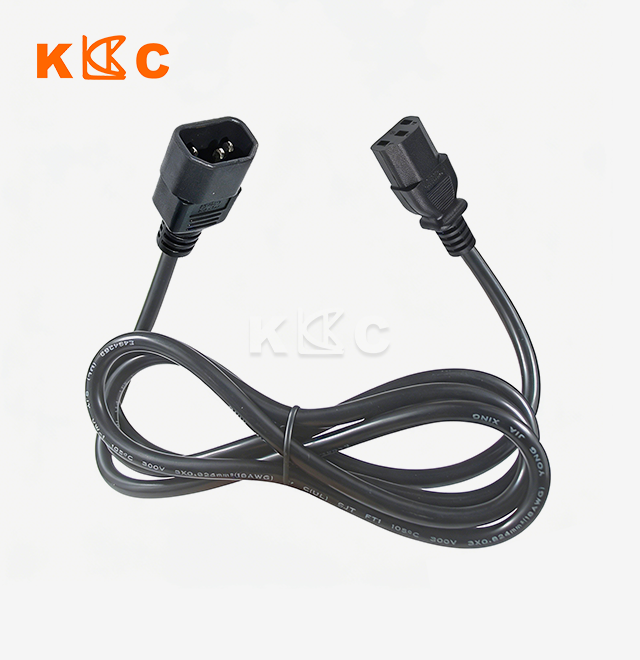
For successful procurement, it is important to understand the specifics of a European power cord when looking for electrical connectivity options for European markets. A European power cord is an AC mains power line assembly that can be detached. It is made to meet the standards set by the European Committee for Electrotechnical Standardisation (CENELEC), so it works with all EU member states' 230V/50Hz electrical systems. These cords meet the requirements for CE, RoHS, and VDE approval by combining CEE 7 standard plugs with IEC 60320 connectors. They connect local wall outlets to global appliance interfaces. With the right European power cord, you can avoid safety risks, delays at customs, and voltage problems that can mess up supply chains and hurt a brand's image in B2B settings that are very competitive.
Understanding European Power Cords: Definitions and Standards
What Makes a European Power Cord Different?
A European power cord, on the other hand, has to follow the Harmonised System (HAR) of designation, which makes sure that all countries use the same voltage levels and safety rules. Most of the time, the wires have conductors made of 99.99% Oxygen-Free Copper (OFC), which reduces resistance and heat production. This level of precision engineering makes sure that the system works the same way in a wide range of settings, from data centers to hospital facilities. The jacket coding system, which uses letters and numbers like H05VV-F for indoor use and H07RN-F for industrial settings, lets procurement teams know right away if something is suitable for a certain set of conditions, so they can make decisions without having to wait for long expert reviews.
Essential Voltage Standards and Certifications
The voltage in Europe is 230V AC at 50Hz, which is very different from the voltage in North America, which is 120V. Because of this voltage difference, safety rules must be followed very carefully, so CE approval is needed to get into the EU market. In addition to basic compliance, VDE approval from Germany is the gold standard for independent safety testing. It gives purchasing managers proof that the quality is top-notch. RoHS rules make sure that all cord parts keep dangerous chemicals like lead and cadmium to safe levels, and REACH rules make sure that chemicals are safe throughout the span of a product. All of these licenses reduce the risk of liability and make the customs clearance process go more smoothly.
Plug Types and Wiring Configurations
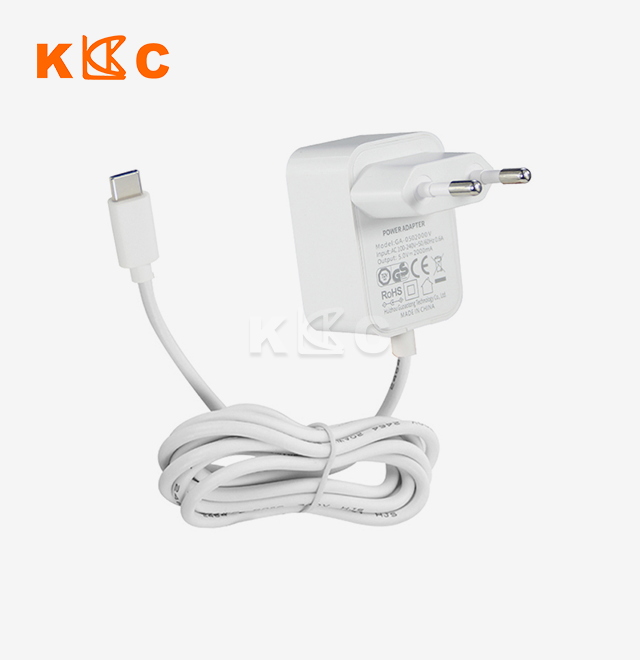
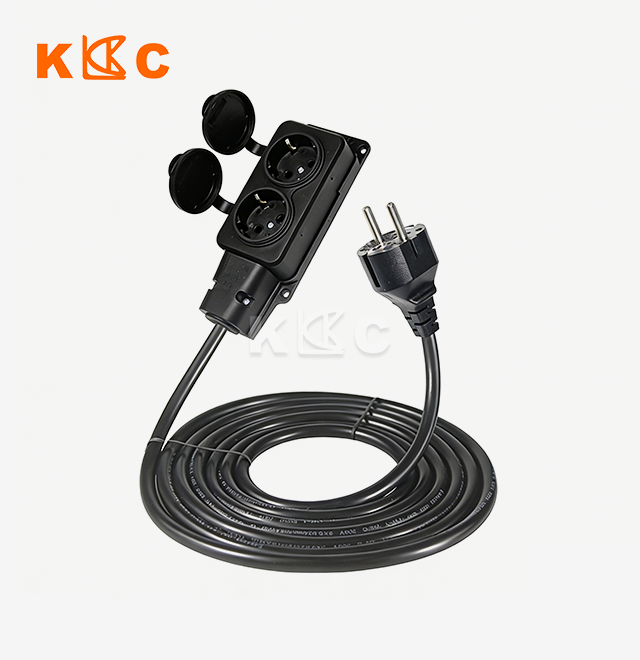
In the European market, there are different types of plugs that are used for different things. The Type C Europlug has two round pins that are not grounded. It can connect low-power devices up to 2.5A and has Class II insulation. The Type F Schuko plug is most common in Germany and nearby countries. It has grounding clips on the sides and can handle up to 16A at 250V. France and Belgium use Type E plugs, which have a male earth pin in the socket instead of on the plug itself. The CEE 7/7 hybrid design uses both grounding methods, so it can be used in all of mainland Europe. Knowing these differences can help you avoid making expensive mistakes when you're shopping and make sure that your devices will work in all of Europe.
Color Coding and Safety Requirements
In European power cord lines, the colour codes are very strict: brown means live conductors, blue means neutral, and green-yellow stripes mean protective earth connections. This standardisation cuts down on mistakes made during installation and raises the safety of upkeep work. The Low Voltage Directive (LVD) says that all cords must be able to survive dielectric testing at 1500V to 2000V AC without the insulation breaking. This makes sure that they are safe from voltage spikes that happen a lot on European power grids. Automated polarisation checks are used by quality manufacturers during production to avoid dangerous reverse polarity situations. This is an important quality control measure that protects both end users and the integrity of the brand.
Comparing European Power Cords: Features and Selection Criteria
Regional Differences: Europe, UK, and North America
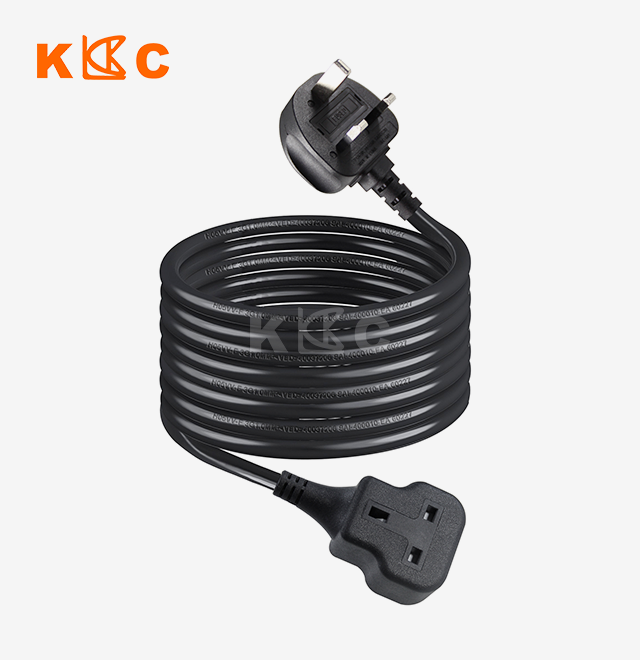
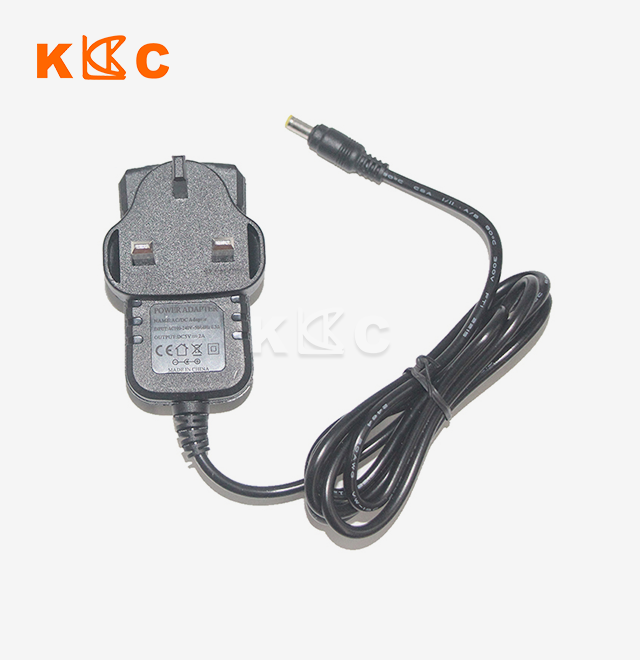
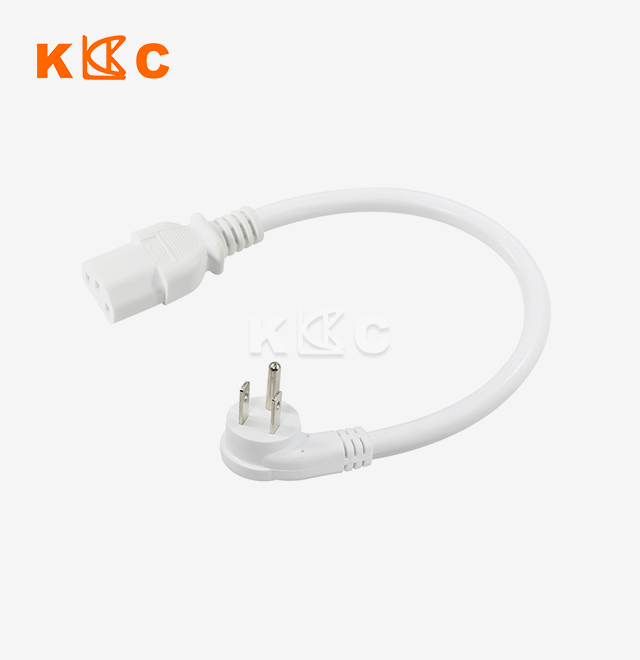
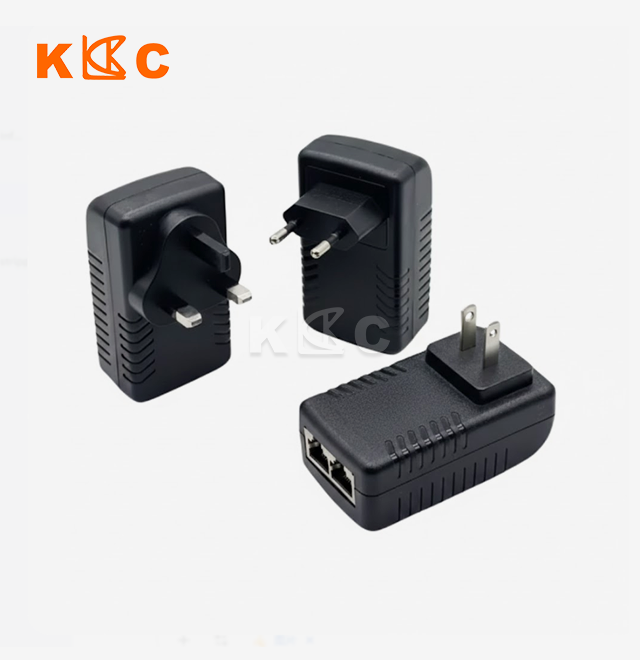
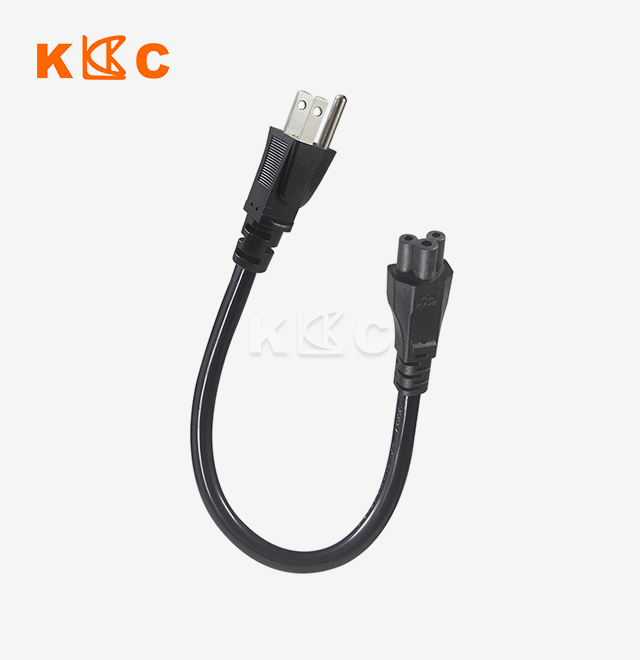
In terms of plug shape, voltage ratings, and grounding mechanisms, European power cords are very different from their UK and American peers. British BS 1363 plugs have square pins and fuses built in, while American NEMA plugs have flat, straight blades that are spaced at different distances. Because of these physical differences, adapters are needed, but they can be dangerous if they are not stated correctly. Voltage differences make things even more complicated. If you connect an American device rated at 120V to a European device rated at 230V without changing the voltage, the equipment could fail right away or there could be a fire risk. Before allowing operations across regions, procurement professionals must check not only plug compatibility but also device voltage tolerance and frequency sensitivity.
Advanced Features for Modern Applications
Many modern European power cords have extra features that go beyond just delivering power. Some assemblies have built-in USB ports that handle the PD (Power Delivery) and QC (Quick Charge) protocols. This lets mobile devices charge quickly in retail and hospitality settings. Surge protection types include Metal Oxide Varistors (MOVs) to keep sensitive equipment safe from short-term voltage spikes. This is especially helpful in places where the power grid isn't stable. In line with the EU Ecodesign Directive, designs that use less energy also use less power when they are not in use. LSZH (Low Smoke Zero Halogen) jackets stop the release of toxic gases during fires. This is a must-have feature for places like data centers and transportation hubs that are small and need to have quick escape times.
Durability Assessment for Different Environments
Long-term performance under certain operating situations depends on choosing the right material for the cable jacket. PVC-insulated H05VV-F cords work reliably between -5°C and +70°C and are flexible enough for light handling. They are good for home consumer electronics. Different types of the H07RN-F that are insulated with rubber can work in tougher industrial settings and can handle temperatures from -25°C to +60°C. They can also handle oil, water, and mechanical wear and tear. A conductor's cross-sectional area directly affects its current capacity. A cross-sectional area of 0.75 mm² can handle lighter loads, while a cross-sectional area of 1.5 mm² can support continued operation at higher amperage ratings. A long flex-cycle life is important for things that need to be moved around a lot, like portable work equipment or temporary event installations. We have seen that conductors that are too small cause problems with overheating that cause early failures and could be fire risks in high-demand situations.
Buying European Power Cords: Procurement and Supplier Insights
Navigating Wholesale and Custom Order Channels
Teams in charge of buying things for European power cord have to decide between standard goods that can be bought in bulk and custom configurations that are made to fit specific needs. Online business-to-business (B2B) platforms make it easy to find certified suppliers, but it's still important to check their manufacturing skills and quality systems. Direct relationships with manufacturers offer benefits in terms of price flexibility, customisation options, and quick response times for technical help. When you commit to buying in bulk, you can often get better prices, but to keep your supply chain flexible, you have to balance the costs of keeping inventory with the benefits of buying in bulk. Custom orders that include matching colours, printing logos, or changing the way connectors are set up usually cause lead times to grow, but the goods they deliver are exactly what the brand needs and meet all technical requirements.
Certification Verification and Quality Assurance
A real CE mark should have a four-digit notified body number that shows when a third-party review took place, not just a symbol that the company says it is CE marked. Instead of relying on superficial markings, you should ask for test reports from recognised laboratories like VDE, TÜV, or Intertek to prove the certifications that are being claimed. The terms of the warranty show how confident the maker is in the product's durability. For example, covering all manufacturing defects for 12 to 24 months shows that the company is serious about quality. Before buying in bulk, evaluating a sample lets you physically check the quality of the build, the choice of materials, and the performance characteristics in real-world situations. This initial investment keeps you from having to pay a lot of money for recalls or replacements when you find compatibility problems or low-quality parts in large amounts during production.
Supplier Credibility Assessment Criteria
If you want to build trust with power cord providers, you need to look at more than just price competitiveness. Manufacturing knowledge of at least ten years shows that you can stay in the market by consistently delivering high-quality products and keeping customers happy. Third-party verification programs, such as Alibaba's Verified Supplier standing, give basic assurance that a business is legitimate and can run its operations. Customers can get a clear picture of how things are made, how quality control works, and how the workers are treated by visiting the factory as part of an audit. Customer service commitments that go beyond transactional relationships are shown by technical support teams that are quick to respond and can handle both design questions and application problems. There are fewer financial risks when you buy things from other countries when you have flexible payment terms and clear return policies.
Ensuring Safety and Compliance in European Power Cord Procurement
Regulatory Bodies and Mandatory Requirements
CENELEC is in charge of coordinating electrical standardisation across all of Europe. It does this by publishing EN standards, which are the technical base for following the law for European power cord. The Low Voltage Directive (2014/35/EU) sets important safety rules for electrical equipment that works with 50V to 1000V AC. Each member state enforces these directives through its own national authorities, like Germany's VDE or France's NF, which keep an eye on the market to find goods that don't follow the rules. Buyers in business are legally required to make sure that all goods sold in Europe follow all relevant rules, such as EMC (Electromagnetic Compatibility) and RoHS (Restriction of Hazardous Substances). This duty goes all the way through the supply chain, which is why qualifying suppliers is more of a risk management task than just a buying job.
Common Procurement Pitfalls and Risk Mitigation
A number of common mistakes hurt safety and compliance when buying power cords. When you put low cost ahead of certification validity, you end up with fake markings and materials that don't hold up under stress. Overheating happens when the conductors are too small for the real load. This is especially true when multiple devices are connected through extension configurations. When you mix plug types that don't work with the right adapters, you get loose connections that are more likely to arc and start a fire. If you don't pay attention to the cable's flexibility ratings for dynamic uses, the insulation and conductors will crack and wear out. Setting minimum specification requirements, doing incoming inspection protocols, and keeping supplier audit schedules that check ongoing compliance instead of depending on initial qualifications are all good ways to reduce the risk.
Quality Control Best Practices
Using strict quality control procedures keeps faulty products from getting to places where they can be used. High voltage is applied between the conductors and the outer jackets in dielectric withstand voltage tests to make sure that the insulation doesn't break down or leak too much current. Continuity checks make sure that the plug pins and connection contacts properly terminate, which stops dangerous polarity reversals. In pull force testing, strain relief parts are put under controlled mechanical stress to make sure the wire stays in place when handling forces are applied. When thermal cycling is combined with automated flexing, it mimics years of use in a much shorter amount of time. This shows early failure modes before they are used in the field. These testing methods, which are used by all reputable makers, give a measurable guarantee that products will work safely for as long as they are supposed to.
Conclusion
To find European power cords that meet safety standards, you have to find a balance between technical requirements, safety certifications, and supplier dependability. This is to protect both business continuity and brand image. Knowing about voltage standards, plug configurations, and government rules can help you avoid expensive compatibility problems and fails to follow the rules. Quality control protocols and certification verification keep you safe from unsafe goods that don't meet standards. New smart features and eco-friendly materials give buying teams that think ahead a chance to get ahead of the competition. For long-term sourcing success in Europe's changing markets, it's important to build relationships with experienced makers who can show that their products are real, that they can be customised, and that they offer quick support.
FAQ
What makes European power lines different from UK ones?
European power lines usually have Type C, E, or F plugs with round pins and grounding clips on the sides. They work with 230V. Type G plugs with rectangular pins, built-in fuses, and bottom grounding pins are used on UK cords in line with BS 1363 guidelines. Because of the physical differences, country-specific cables are needed instead of methods that work for all countries.
Is it safe to use European power lines with American electronics?
If you connect 120V American devices directly to 230V European devices, you could damage them. It's time to use voltage converters or other gadgets that can accept voltages from 100V to 240V. Even if the voltages are compatible, plug adapters still need to have good grounding links to keep safety features.
How can I tell if a power cord's CE approval is real?
Legitimate CE markings include information about the maker and may include notified body numbers. Ask accredited labs for Declaration of Conformity documents and test results. If you look closely, good items should have moulded markings instead of sticker markings, but this doesn't prove that they are real.
Partner with Kuncan Electronics for Certified European Power Cord Solutions
Kuncan Electronics has been making specialised products for 17 years and helps business clients find trusted European power cord suppliers. Our wide range of certifications, such as VDE, CE, and RoHS, makes sure that your goods meet the strict requirements of the European market without any compliance risks. We know that buying teams need more than just standard catalogues. That's why our OEM/ODM services can make solutions that are exactly what you need, from the size of the conductors to the colours of the jackets and the configurations of the connectors. Rapid prototyping in 3–7 business days shortens the time it takes to finish a project, and our flexible production allows for both small-batch testing and large-scale deployment without having to meet strict minimum order amounts. Get in touch with our technical team at rhea@szkuncan.net to talk about your specific needs for a European power cord and find out how our quality assurance methods and quick support can turn your supplier relationships into strategic partnerships that help you succeed in the market.
References
CENELEC (European Committee for Electrotechnical Standardization), "EN 50525: Electric Cables – Low Voltage Energy Cables of Rated Voltages up to and Including 450/750 V," Technical Standards for Harmonized Cables, 2019.
European Commission, "Low Voltage Directive 2014/35/EU: Electrical Equipment Designed for Use within Certain Voltage Limits," Official Journal of the European Union, 2014.
VDE Testing and Certification Institute, "VDE 0620: Plugs and Socket-Outlets for Household and Similar Purposes – Requirements for European Plug Systems," German Electrical Safety Standards, 2018.
International Electrotechnical Commission, "IEC 60320: Appliance Couplers for Household and Similar General Purposes – Part 1: General Requirements," Global Connector Standards, 2021.
Directive 2011/65/EU, "Restriction of Hazardous Substances in Electrical and Electronic Equipment (RoHS Recast)," European Parliament and Council Regulations, 2011.
KEMA-KEUR Quality Mark, "European Power Cord Certification Requirements: Safety Testing Protocols and Market Surveillance Practices," Netherlands Testing Standards, 2020.

USER EVALUATE
Here is the customer's evaluation of us