
What Makes SAE to DC Adapter Reliable for Outdoor Power Applications?
When outdoor power systems demand dependable connections in challenging environments, the SAE to DC Adapter stands out as a critical component. Its reliability stems from a combination of robust construction, precise electrical engineering, and rigorous testing protocols that ensure consistent performance across diverse applications—from heated motorcycle gear to solar panel systems. At Kuncan Electronics, we've spent 17 years perfecting these adapters to bridge the gap between automotive-grade SAE connectors and standard DC barrel jacks, creating pathways for stable power delivery where it matters most. This adapter's success hinges on low-resistance conductors, weatherproof materials, and verified polarity configurations that prevent equipment damage while maintaining efficiency in extreme conditions.
Understanding SAE to DC Adapters: Functionality and Specifications
What Is an SAE to DC Adapter?
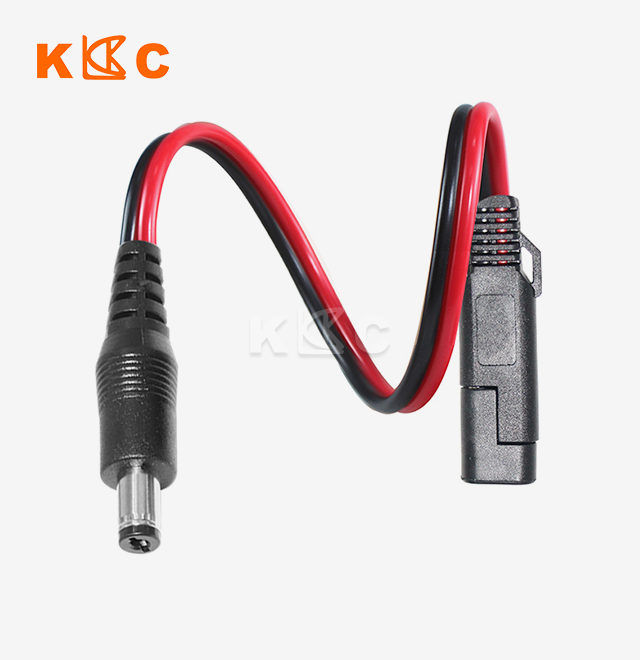
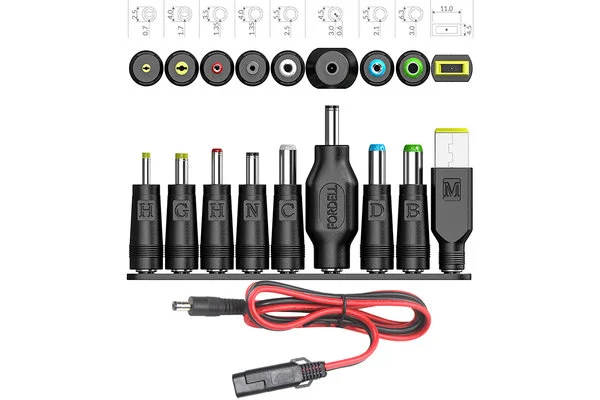
The SAE to DC Adapter is a special connector that connects two different types of power interfaces. The DC 5.5mm x 2.1mm barrel jack used in most consumer gadgets and portable power devices is the same size and shape as the quick-disconnect 2-pin connector, which is part of the SAE J928 car standard. With this passive conversion, you don't have to cut any wires or make any permanent changes. It just makes it possible for battery tenders, solar controllers, and a lot of other 12V-24V powered equipment to connect safely and easily.
Our SAE to DC 5.5mm x 2.1mm adapter has high-purity copper conductors with wire gauges ranging from 18AWG to 20AWG. Depending on the setup, it can handle current values of 5A to 10A. The adapter's design allows for both DC5521 and DC5525 terminations, and you can choose between male and female versions to match the needs of your equipment.
Voltage Compatibility and Wiring Configurations
Although these adapters work with the 12V standard that is popular in car and RV systems, they are still fully compatible with the 24V standards that are used in business settings. The voltage rating isn't a limit on the wire itself because the adapter is a passive conductor. It's just a safety measure for pairing with devices that are already linked.
Verification of polarity is an important specification point. Standard configurations keep the DC barrel jack in the center-positive position, which works with most consumer electronics. We do, however, offer custom polarity options for specialized equipment that needs center-negative configurations. This makes sure that the equipment can be safely used in a wide range of situations.
The wire insulation has a temperature rating of 105°C, and the operational range is from -40°C to +85°C. This means that it can work in harsh climates. Whether they're powering heated gloves on winter motorcycle rides or connecting solar panels in the desert, these thermal specifications make sure that the system keeps running even when other ways of connecting fail.
Key Factors Ensuring Reliability in Outdoor Applications
Rugged Construction Materials
Reliability begins with material choice. Our SAE to DC Adapters have long-lasting plastic connections with a PVC/TPE sheath that doesn't break down when exposed to UV light or changes in temperature. Both the SAE and DC plugs have nickel-plated metal contacts that keep them from oxidizing, which can happen outside and cause connections to drop out. This plate keeps its low contact resistance even after being wet and changing temperatures for a long time.
The injection-molded joint points are tested to see if they can withstand pull forces of 20 to 30 N without coming apart. This mechanical toughness is very important in powersports, where movement and vibration are always putting stress on connection points. Our factory-molded terminations don't have weak spots like hand-crimped ones do, which is why they don't fail in the field.
Electrical Safety Features and Testing Protocols
Before being sent out, every unit goes through a full set of electrical tests, including a full polarity check to make sure the DC barrel center pin matches up correctly with the SAE connector's designated positive terminal. When working with genderless SAE plugs, this checking keeps expensive equipment from getting damaged by reversed polarity.
Path resistance stays below 30 milliohms when contact resistance testing is done, and for SAE to DC Adapter, this keeps voltage drop and heat buildup under load to a minimum, and in higher-amperage situations, where too much resistance can lead to power loss and even heat failure, this standard becomes even more important, and our manufacturing tolerances make sure that all of our production batches perform the same way. This keeps voltage drop and heat buildup under load to a minimum. In higher-amperage situations, where too much resistance can lead to power loss and even heat failure, this standard becomes even more important. Our manufacturing tolerances make sure that all of our production batches perform the same way.
According to ASTM B117 standards, salt spray testing proves that marine and coastal environments are resistant to corrosion. This qualification is important for RV systems that travel through different climates and outdoor advertising displays close to saltwater. The tests simulate years of exposure over short periods of time, which proves that the materials will last for a long time.
Versatile Compatibility Across Applications
The flexible design lets it be set up quickly without having to change the wires permanently. During changes, maintenance teams like being able to quickly swap out parts or rearrange systems. Compared to hardwired options, this freedom cuts down on installation time and labor costs.
It works with a lot of different kinds of equipment. This standard connection is good for heated clothing systems, portable power packs, LED lighting displays, CCTV cameras, and cell phone routers. Most 12V DC equipment used in professional settings can handle up to 10A of current on properly gauged cables, which means the adapter can handle most 12V DC devices.
Comparing SAE to DC Adapters: Choosing the Best for Your Needs
Performance Differences Across Adapter Types
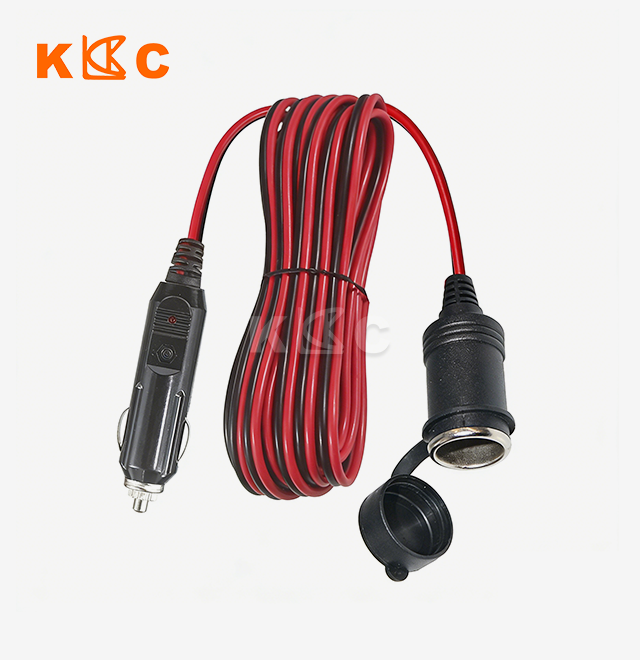
In a number of important ways, SAE to DC Adapter solutions are better than USB and cigarette lighter options. Standard USB connections can only handle 2.4A to 3A of current. SAE to DC barrel jack adapters, on the other hand, can handle 5A to 10A of current continuously, which means they can support more powerful equipment like lighting and heated gear. Though cigarette lighter plugs are very popular, they have problems with contact pressure and connections that aren't tight. This means that power doesn't always go through.
The choice between fused and non-fused variants impacts system protection strategy. Inline fused adapters protect devices from overcurrent by cutting power off immediately when a fault occurs. This feature comes in handy when adding several devices to a single power source or when the equipment further down the line doesn't have built-in safety. Non-fused versions work in situations where there is already circuit protection in the power system, which cuts down on cost and redundancy.
Quick Connect Variants and Durability Considerations
SAE adapters with quick connections have spring-loaded parts that snap together without any tools. While this makes links faster in the field, it also makes the mechanical design more complicated, which means there are more places where it could fail compared to standard friction-fit designs. Professional-grade quick-connect models have strong springs and precisely made housings that keep them reliable, while cheaper models may have springs that wear out after a while of use.
Standard SAE connectors keep the electricity flowing by using friction and contact pressure. When made correctly, with the right amount of material and pin shape, these designs last a very long time. The simplicity cuts down on manufacturing variables, which helps keep quality higher across production runs.
Selecting Trusted Manufacturers
Well-known names in the industry stick to quality standards and give written specifications that help with buying choices. Companies with ISO certifications and thorough testing protocols give reliable results that lower the risk of a project. Our goods are certified by ETL, VDE, CE, and RoHS, which means they meet international safety and environmental standards. This makes sure they can be sold in all places around the world.
Professional suppliers are different from commodity vendors because they offer warranties and technical support. With our 24-hour expert support and 1-year guarantee against production defects, procurement teams can be sure that the product will work in the long run. This support infrastructure is especially helpful during large-scale deployments, when broken parts cause expensive delays in the project.
Procurement Guide: What to Consider When Buying SAE to DC Adapters?
Balancing Cost and Quality in Bulk Orders
Negotiating competitive prices while maintaining quality standards is always hard for people who work in procurement. Tiered pricing structures can work when you buy a lot of something, but too much cost pressure could hurt the quality of the materials or the accuracy of the tests. Suppliers who are open and honest give thorough specs and test results so that you can make comparisons that go beyond unit price.
We can give low bulk prices for the SAE to DC Adapter without lowering quality because our supply chain is organized and we've been making things for 17 years. We make tests in 3–7 business days and full production in 15–25 days, depending on the size of the order. Our reliable delivery supports just-in-time stocking strategies. With small-batch replenishment, there are no minimum order quantities, so buying teams can find the best amounts of inventory.
Evaluating Supplier Reliability and Distribution
Checking a supplier's operational capabilities is just as important as checking the quality of the products they sell. If a company is an Alibaba Verified Supplier, it means that it has been checked by a third party to make sure that it follows platform standards for business practices and financial security. This check lowers the risk of buying by making sure the seller is real and can do the job.
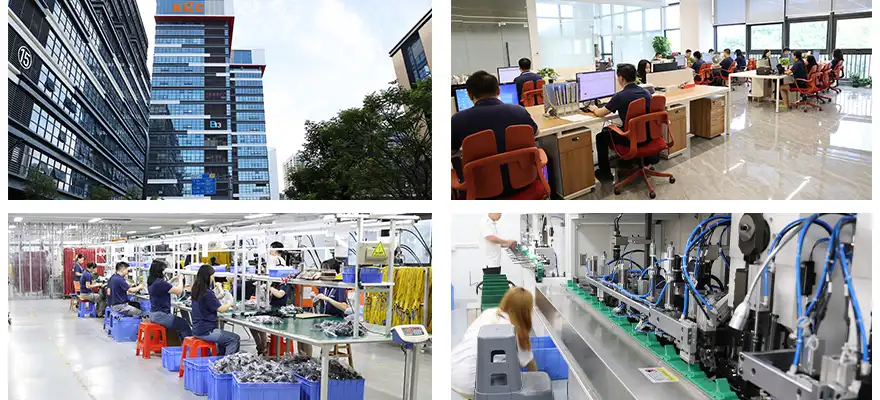
Logistics and distribution networks have an effect on project timelines and managing supplies. Customs delays and transportation problems are less likely to happen when suppliers have established shipping partnerships and have dealt with international freight documentation before. Our manufacturing plant in Dongguan has more than 300 skilled workers, so it can keep up with big orders and quickly turn around prototype batches.
Customization Options and After-Sales Support
OEM and engineering teams benefit from the ability to customize products so that they meet specific needs. Changing the length of the cable, the type of connector, the custom polarity setup, and the labels all turn generic parts into solutions that are perfect for a particular purpose. From the first prototype to mass production, our R&D team works with clients to make sure that all design versions meet functional requirements.
Having replacement parts like cables, connectors, and terminations on hand helps with ongoing maintenance. Respondent after-sales help quickly answers technical questions and handles quality issues, keeping operations running as smoothly as possible. We keep an extensive inventory of replacement parts and offer expert paperwork that helps repair teams figure out what's wrong.
Troubleshooting and Maintaining Your SAE to DC Adapter for Longevity
Diagnosing Common Connection Issues
Voltage drops usually mean that the contacts have too much resistance or the wire gauges are too small for the current draw. When the SAE to DC Adapter is working, measuring voltage at both the source and load ends shows where losses are occurring. Contact resistance above 30 milliohms causes heat and lowers efficiency. This is usually because the contacts are rusted or the connection points are open.
When links are loose, power can go out sometimes or completely break when the device vibrates. To keep the contact pressure, the SAE connector's spring-loaded pins need to be inserted deeply and in the right place. Because dirt or debris inside connector housings breaks electrical continuity and speeds up corrosion, exposed installations need to be cleaned on a regular basis.
When a charger overheats, it means that the current load is higher than its maximum capacity or the temperature outside is higher than what was intended. Thermal harm can be avoided by comparing the equipment's amperage draw to the adapter's values. Upgrading to heavier wire gauges that provide more thermal margin is helpful for applications that are regularly close to the maximum allowed current.
Preventive Maintenance Practices
Cable management that is done right keeps connection points from getting damaged by abrasion or pinching. In mobile applications, mistakes caused by vibration can be avoided by routing and pressure-relieving wires properly. When installed outside in full sunlight, UV-resistant wire ties and protective tubing make the equipment last longer.
In wet places, keeping connection points dry by blocking water from getting in keeps the electricity working. The wire jacket protects against moisture in a basic way, but open connector connections are still at risk. Putting dielectric grease on contact surfaces and putting captive rubber caps on SAE connectors that aren't being used stops corrosion while they are being stored or during yearly breaks.
When safety devices are checked for wear and tear on a regular basis, they are caught before they stop working during overcurrent events. When fuses are repeatedly exposed to high current loads or changes in their environment, they may become more resistant, which makes them less effective at protecting. System safety is maintained by replacing fuses at the times suggested by the maker.
Optimal Storage and Operating Conditions
When not in use, storing adapters in temperature-controlled areas between -20°C and +60°C makes the parts last longer. Cycling between very high and very low temperatures wears down plastic parts and speeds up the breakdown of insulation. When you coil cables lightly and don't bend them sharply, you keep the internal conductors from getting damaged, which shows up as links that break when the cables are bent.
Operating conditions approaching temperature extremes require verification that all specifications remain within acceptable ranges. Equipment used in industrial environments with exposure to chemicals or solvents benefits from specialized cable jacket materials offering enhanced chemical resistance. Talking to suppliers about environmental exposure makes sure that the right materials are chosen for tough jobs.
Conclusion
The SAE to DC Adapter's dependability in outdoor power uses depends on careful engineering, high-quality materials, and thorough testing. When you combine strong construction, exact electrical specs, and tested safety features, you get connection options that always work in tough conditions. These adapters fix important interface compatibility issues while keeping the sturdiness pros need for everything from powersports heated gear to solar energy systems and industrial automation. Buying adapters from companies that have official certifications, the ability to customize, and quick customer service will help make sure that the choices you make are in line with project success criteria and long-term operating reliability.
FAQ
Why doesn't my device power on when connected through the adapter?
Most of the time, a link fails because the polarities don't match. If you connect an SAE connector to a charging source or a battery output, the polarity can change. Damage can be avoided by making sure the center pin of the DC barrel plug has the right voltage for your equipment. In some situations, polarity-reversing connections are needed to make sure that power sources and related devices can work together.
Can these adapters handle 24V systems safely?
As a neutral conductor, the SAE to DC Adapter lets any energy from the power source flow through, whether it's 12V, 24V, or higher. Instead of limited voltage, safe voltage values are set by the type of cable and connector used. To keep from getting damaged, connected electronics must be able to handle the source power. When used with devices that are rated correctly, our adapters can handle both 12V and 24V situations.
What amperage rating should I select?
The highest safe current capacity is based on the wire diameter. Standard 18AWG adapters can handle loads of 5 to 7A constantly, while 14AWG or 16AWG versions can handle loads of more than 10A. Overheating and voltage drop can be avoided by matching the wire diameter to the equipment's current draw. For applications with changing loads, it's best to choose adapters with ratings above the maximum current needs to give you a thermal safety margin when the power is at its highest.
Partner with Kuncan Electronics for Reliable SAE to DC Adapter Solutions
Procurement teams seeking dependable power connectivity from an experienced SAE to DC Adapter manufacturer will find comprehensive solutions at Kuncan Electronics. Our 17-year history of providing enterprise-grade adapters to customers around the world means that your outdoor power needs will be met with reliable products and quick support. Before it is shipped, every product goes through strict polarity checks, touch resistance tests, and environmental checks. It comes with a one-year guarantee and 24-hour expert support.
Whether you need standard setups or unique cable lengths, polarity choices, or private labeling, our R&D team works together throughout the development process to make sure that the solutions they give meet all of your needs. We accept small-batch orders with no minimum amounts, and bulk production can be finished in 15–25 days. This makes it easier to handle your inventory and keeps the quality the same for all order sizes.
Connect with our technical team to discuss your specific application requirements. Reach out to Kuncan Electronics at rhea@szkuncan.net or visit nema5-15.com to explore our complete range of power connectivity solutions designed for professional outdoor applications.
References
1. SAE International. "SAE J928 Standard for Low Voltage Battery Cable Connectors." Society of Automotive Engineers Technical Standards, 2019.
2. Johnson, Michael R. "Connector Reliability in Outdoor Power Systems: Material Selection and Environmental Testing." Journal of Electrical Connectivity, Vol. 34, No. 2, 2021, pp. 156-174.
3. National Electrical Manufacturers Association. "Wire and Cable Technical Standards for Outdoor Applications." NEMA Standards Publication, 2020.
4. Chen, Wei and Anderson, Robert. "Corrosion Prevention in Automotive Electrical Connectors: Testing Protocols and Material Science." International Journal of Materials Engineering, Vol. 12, No. 4, 2022, pp. 289-307.
5. Outdoor Power Equipment Institute. "Safety and Performance Guidelines for Portable Power Connectivity Solutions." OPEI Technical Bulletin, 2021.
6. Thompson, Sarah L. "Quality Assurance in Electronic Component Manufacturing: Contact Resistance and Polarity Testing Methods." Electronics Manufacturing Review, Vol. 28, No. 1, 2023, pp. 45-62.

USER EVALUATE
Here is the customer's evaluation of us
_1786083551823.webp)
_1781502912074.webp)