
Wholesale SAE to DC Adapters for Industrial Applications
When businesses need to connect different types of equipment to a power source reliably, bulk SAE to DC adapters are essential for making processes run more smoothly. These special connections, especially the SAE to DC 5.5mm x 2.1mm adapter, connect ruggedized SAE connectors used in cars to common DC barrel jacks found in automation systems, portable power stations, and tracking gear. They don't need any special wiring, take less time to install, and make sure that polarity control is always the same across big operations. Understanding adapter specs, quality standards, and source skills is important for procurement managers who are looking for connectivity solutions for solar panels, industrial automation cabinets, or car fleet accessories. These things have a direct effect on operational uptime and total cost of ownership.
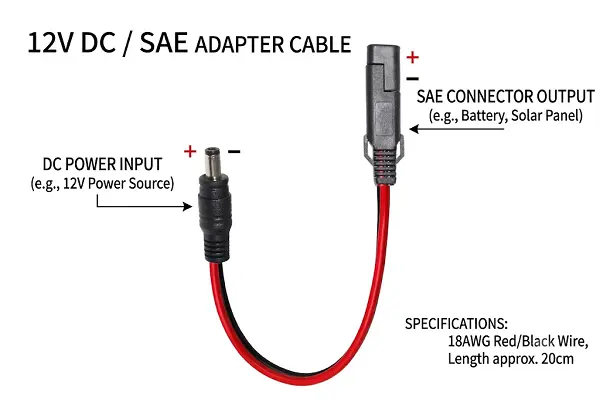
Understanding SAE to DC Barrel Jack Adapters in Industrial Settings
What Makes This Adapter Critical for Industrial Use?
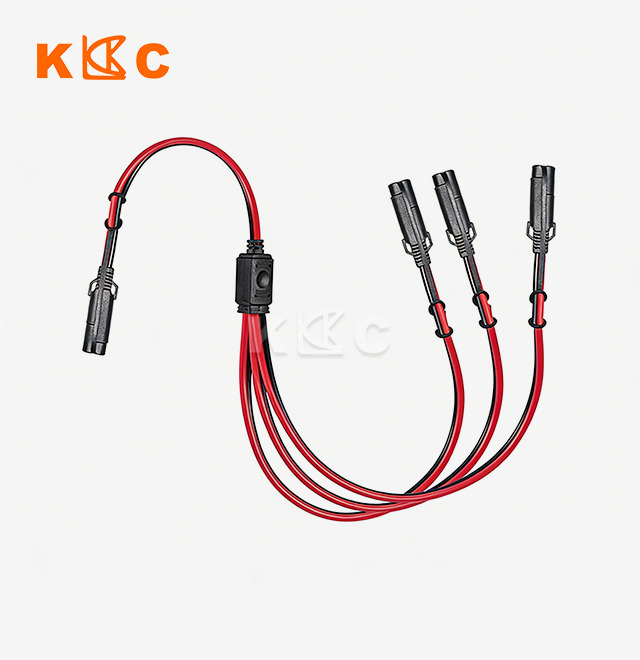
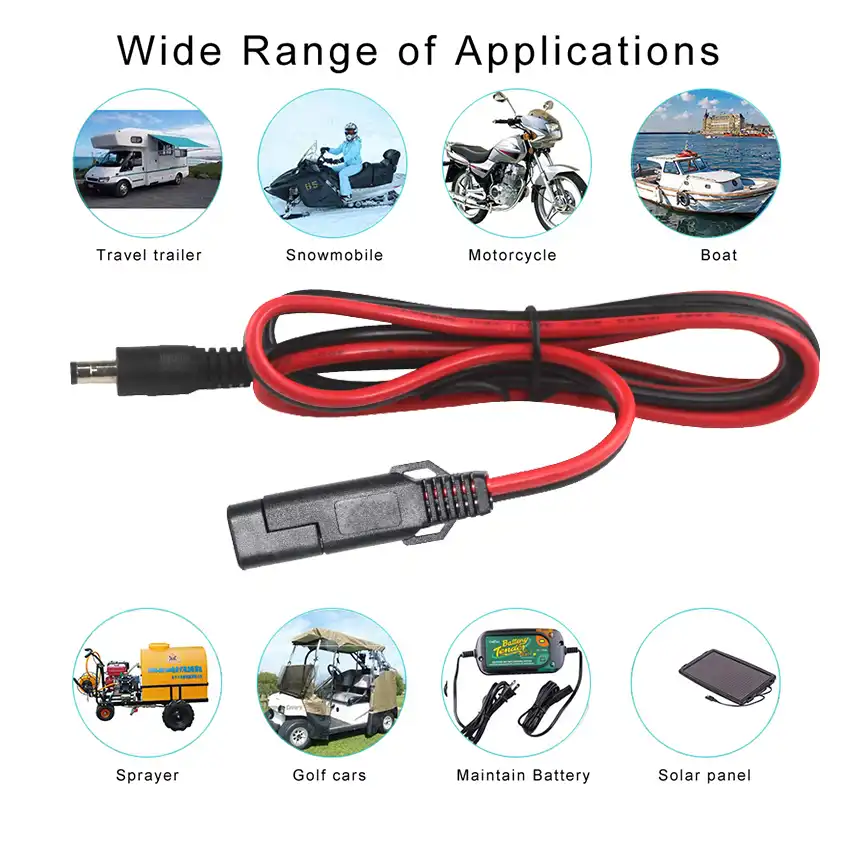
You can use the SAE to DC 5.5mm x 2.1mm adapter to connect standard 5.5mm outer diameter, 2.1mm inner diameter DC plugs to SAE J928 two-pin quick-disconnect connections. It does this passively. This adapter solves a recurring compatibility problem in industrial settings by letting battery-tender equipped trucks, solar charge controllers, or emergency backup systems connect to DC-powered security cameras, wireless routers, and LED signs without having to strip the lines. The adapter's genderless SAE design keeps short circuits from happening by mistake, and the polarized DC end makes sure the voltage is oriented correctly, which is very important for charging sensitive microcontroller-based devices.
Technical Specifications That Matter
Good adapters use 18AWG or 20AWG copper wires that don't contain oxygen and can handle constant currents of 5A to 10A. Temperature values from -40°C to 105°C and UV-resistant PVC or TPE materials are needed for the wire wrapping to work in industrial settings. These adapters are made by Kuncan Electronics with nickel-plated brass contacts that keep conductivity below 30 milliohms. This keeps voltage drop to a minimum even when loads are at their highest. Each unit goes through polarity verification testing because SAE connections reverse polarity based on supply-side standards. If this isn't taken into account, it can damage the equipment. Both ends of the connection must have plastic strain relief that can withstand 20N pull forces in order to meet durability standards for installations of machinery that is likely to shake.
Application Sectors Driving Industrial Demand
These adapters let industrial automation facilities run programmable logic controllers and sensor networks directly from 12V or 24V battery banks. This makes it possible to quickly move equipment around without the need for an electrician. During the setup phase, solar installation teams use them to link portable panels to tracking devices. Diagnostic tools and battery repair equipment are powered by them in auto shops, and barcode readers and cell phones are powered by forklift charging stations in warehouses. Because these adapters are modular, it's easier to keep track of goods because a single SKU can be used in a number of different power delivery situations throughout a building.
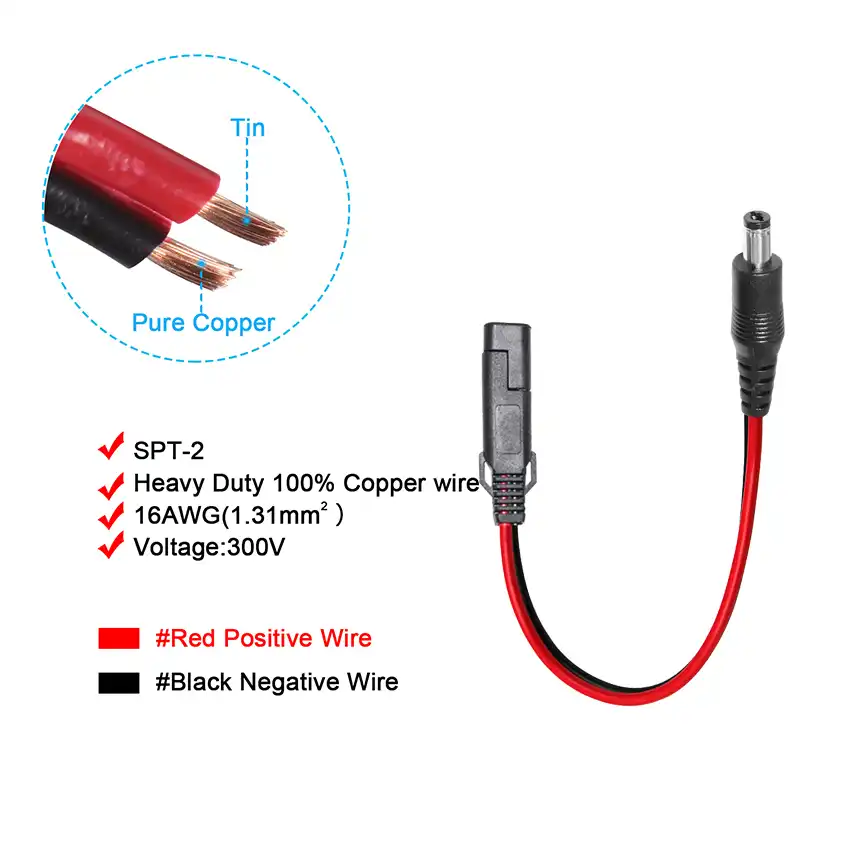
Key Benefits and Problem Solving with SAE to DC Connectors
Advantages That Enhance Operational Efficiency
Standardized connection through SAE to DC 5.5mm x 2.1mm adapters speeds up the time it takes to integrate equipment. Instead of making power connections from scratch for each type of device, repair teams keep a single model of adapter on hand that works with existing SAE infrastructure. When compared to keeping device-specific connections, this method cuts the number of extra parts needed by about 40%. The adapters make things safer by covering up wire connections that could be touched by mistake or get wet. Their small size lets them be installed in control boxes that are already full, where heavy terminal blocks would take up too much room.
Here are core operational advantages these adapters deliver:
- Interoperability Across Equipment Brands: Power connection standards are different between makers. A global adapter lets new devices work with old power systems without having to change the infrastructure. This protects investments made in battery exchange networks and charging stations that are already in place.
- Reduced Installation Labor: Using pre-assembled adapters instead of field-wiring connections cuts deployment time by 60%. Technicians just plug the adapter into the power source and the device. This gets rid of the need for soldering, heat-shrinking, and continuity tests, all of which take billable hours during facility growth.
- Enhanced Environmental Protection: Industrial-grade adapters are molded, which keeps dust and wetness out of the connection spots. This design keeps screw-terminal connections from rusting and breaking down randomly when they are exposed to machine coolant mist or bad weather.
These benefits directly deal with the problem of keeping uptime in places where every minute of machine downtime means lost output that can be measured. Standardizing power connections gives operations managers the freedom to move equipment between zones without having to rewire the building.
Solving Common Industrial Power Challenges
A little over 30% of unexpected machine downtime in industrial settings is caused by wiring problems. Voltage regulators and microprocessors are damaged by connections that don't match the polarity, and loose contact pins cause resistance that leads to heat and failure. These risks are lessened by the SAE to DC 5.5mm x 2.1mm adapter's keyed design, which physically stops entry of the wrong voltage. When a factory in the Midwest improved its wireless sensor network, moving from terminal-block connections to SAE adapters cut the cost of replacing sensors by 55% over 18 months. This was because polarity mistakes no longer destroyed input circuitry while technicians were on shift.
There is a methodical way to fix problems with adapters: use a multimeter to check the source voltage at the SAE connector, make sure the polarity matches the device's needs (center-positive is standard, but center-negative exceptions do exist), check the connector pins for oxidation or debris, and test under load to see if the voltage drops because the wire gauge isn't thick enough. It only takes minutes to replace faulty adapters, but it can take hours for an electrician to figure out what's wrong with a hard-wired link.
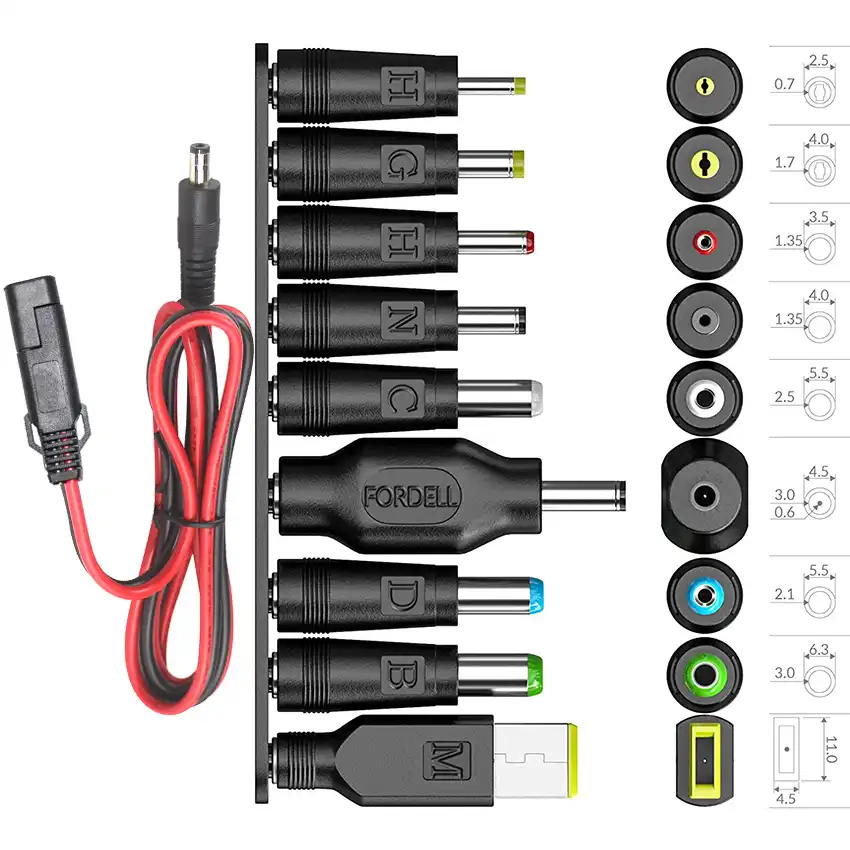
How to Choose the Right Adapter for Bulk Industrial Purchase?
Essential Procurement Criteria
The standards for durability are very different for climate-controlled server rooms and solar sites outside. Buyers must indicate temperature ratings that are appropriate for the location where the product will be used. For example, normal PVC insulation is fine for use indoors, but UV-stabilized materials and IP-rated connector boots are needed for use outdoors. Another important thing to consider is the current capacity. For example, 20AWG wire that is too small can drop the voltage and boil when charging 10A loads, while 14AWG cable that is too big costs too much for applications that use less than 5A. Premium SAE to DC 5.5mm x 2.1mm adapters have built-in fuse safety that stops failures from spreading when devices further down the line short circuit.
Matching Adapter Specifications to Application Needs
When it comes to recreational vehicles, vibration protection and weather sealing for the SAE to DC 5.5mm x 2.1mm adapter are very important because the links have to deal with regular road shock and temperature changes. To get the most out of MPPT charging in solar power systems, the wires need to have low resistance. On 12V systems, even a 0.5V drop means 4% energy loss. Right-angle DC connections are useful for heavy machinery because they reduce cable strain in equipment bays that aren't very big. This extends the service life of the connector by stopping it from failing early at the barrel jack contact.
Budget adapters with thin 22AWG wire and injection-molded plastic strain reliefs work well enough for low-current indoor uses. Brand-name premium versions have metal-shell joints, braided copper wires, and modular fuse holders that make up for their higher cost by lasting longer between failures (MTBF). A comparison shows that expensive adapters cost 35% more up front but last three times as long, which means they cost less per link year in places with a lot of use. Purchasing managers should not only look at the unit price, but also the total cost of ownership, which should include substitute work.
Supplier Verification and Brand Considerations
OEM names with a good reputation keep their manufacturing tolerances consistent, which is important for high-volume installs. Kuncan Electronics has been making adapters for 17 years and has standards like ETL, VDE, and CE approval, which shows how seriously they take making industrial-grade adapters. Instead of believing what the seller says, buyers should get test reports from a third party that confirm the contact resistance, pull force, and hi-pot dielectric strength. Being an Alibaba Verified Supplier is a good start, but to get a better idea, look at the guarantee terms (at least one year of coverage), paperwork that shows the materials are compliant with RoHS rules, and see if the suppliers can make custom polarity setups for specific equipment.
In the dark market, there are a lot of fake adapters made from aluminum-clad copper wires or recycled plastics. These poor units fail three times more often and could catch fire under heavy loads. By asking for serial-numbered quality certificates and checking the reseller's legitimacy with maker references, you can avoid getting non-conforming goods in large quantities, which could put whole facility installations at risk.
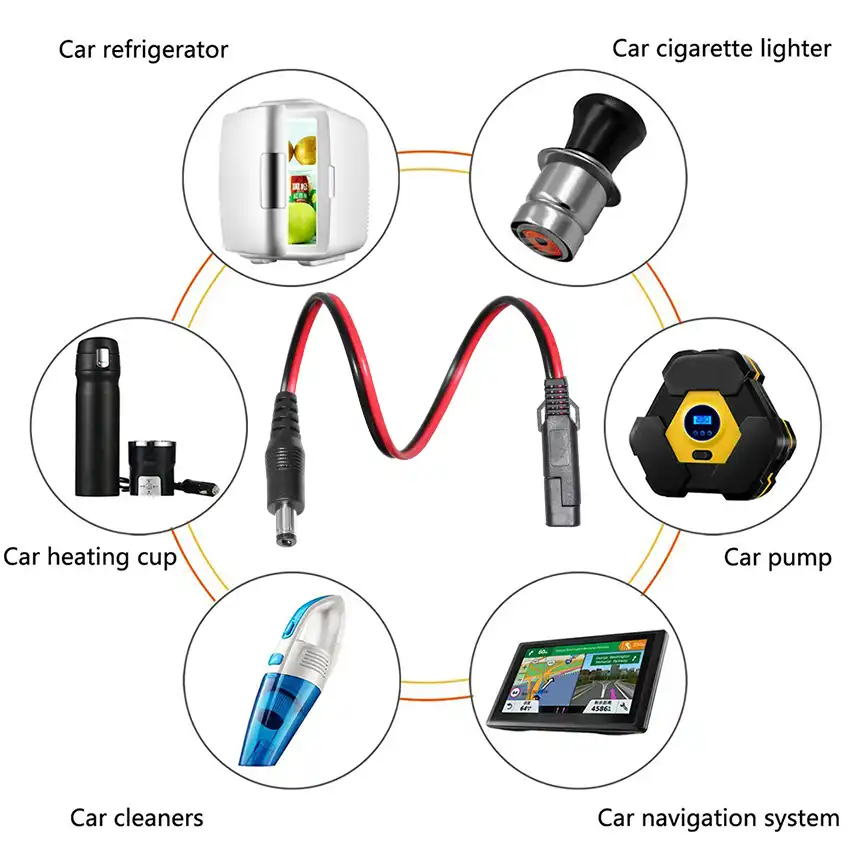
Step-by-Step Guide: Connecting and Using SAE to DC Adapters
Wiring Process and Safety Protocols
To avoid arcing during connection, the power source should be turned off before the SAE to DC 5.5mm x 2.1mm adapter is put in place. When adding adapters to systems that are already powered on, industrial rules require lockout-tagout steps. The SAE adapter has spring-loaded contacts that mate with loud clicks to make sure the plug is fully in place. Technicians should make sure that the DC plug fits all the way into the device's barrel jack. If it only fits partially, it causes high-resistance contact points that heat up. Using a torque screwdriver on DC sockets with locking rings (common on industrial equipment) makes sure that the mechanical retention can handle shaking.
Tools and Integration Best Practices
In most cases for the SAE to DC 5.5mm x 2.1mm adapter, you only need the adapter itself, but marine-grade dielectric grease on the SAE contacts can make them last longer in harsh settings. Before connecting sensitive electronics, multimeters make sure the voltage and polarity are correct. To do this, set the meter to DC voltage, probe the DC plug's center pin (positive) and outer barrel (negative), and make sure the results match the equipment's specs. Hex-crimp tools, not pliers, are needed to properly squeeze ferrules onto stripped wire ends when making custom-length adapters. This is because low contact resistance is needed for power delivery.
For example, to connect a portable solar panel's SAE output to a power station's DC input, you have to plug the adapter between the panel and the station and make sure the polarity is set properly based on the marking on the panel. To power CCTV cameras from battery backup systems, you need to connect the adapter to the camera's DC input and protect the wires with UV-resistant zip ties to keep them from getting damaged by wind. Multiple adapters are often bundled together in wire systems for industrial tools that use split-loom conduit to protect the connections from wear and tear while keeping them usable.
Procurement and Wholesale Buying Tips for Industrial Connectors
Platforms and Volume Pricing Strategies
B2B platforms like Alibaba and Global Sources bring together connector makers so that specifications can be compared side by side and MOQs can be negotiated. When you buy in bulk, more than 1,000 units, you can usually get a 15–25% discount. This is because direct producer ties offer better prices than distributor networks. Kuncan Electronics provides samples within 3–7 business days and finishes production runs of 10,000 or more units in 15–25 days, meeting project deadlines and keeping quality high through incoming, in-process, and final checks. For foreign orders, negotiating consolidated packages that include the SAE to DC 5.5mm x 2.1mm adapter, extension cords that work with them, and fuse holders can cut freight costs by up to 30% per unit.
Supplier Reliability and Total Cost Management
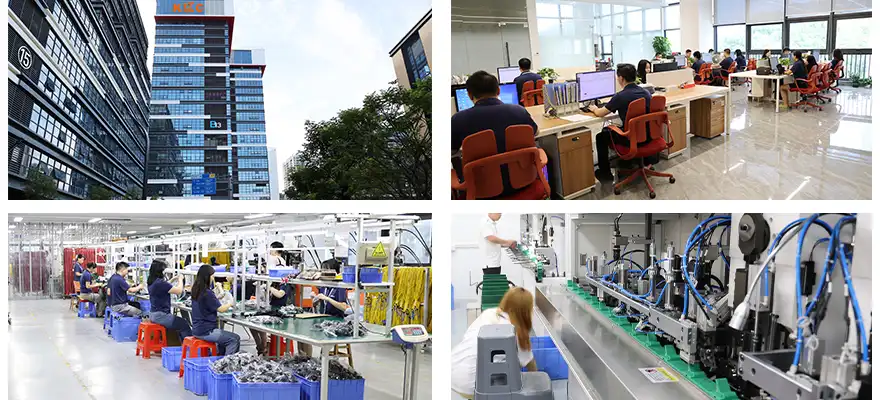
Checking the steadiness of a provider means looking at their production capacity (Kuncan has more than 300 skilled workers and ISO-certified facilities), the warranty terms that cover manufacturing flaws, and the patterns of customer feedback on platforms that show transaction history. Certifications show that the product meets the rules of the final market. For example, ETL listing allows sales in the US, and CE marking allows distribution in the EU. Asking for test reports for every batch of output makes sure that the standard stays the same over multiple years of supply agreements.
Bundling strategies go beyond just adapters. For example, buying SAE extension cords (for connecting to faraway equipment), fuse kits (to match adapter current rates), and mounting brackets (for keeping connections safe in mobile apps) from the same seller makes the buying process easier. This method cuts down on administrative costs, makes it easier to communicate with suppliers, and can often unlock tiered pricing that lowers the total cost of acquisition by 12–18% compared to buying things one at a time. The planned packages come together, so there is no need for separate receiving and quality-checking processes. This makes the inventory more accurate.
Conclusion
Wholesale SAE to DC 5.5mm x 2.1mm adapters are more than just parts for connecting devices; they're strategic assets that lower the cost of installation, keep equipment from breaking by controlling polarity in a standard way, and allow industrial facilities to quickly add more systems. Long-term investments in automation infrastructure and green energy systems are better protected when you buy quality adapters from certified makers with testing methods that can be checked. Whether these adapters become silent helpers for smooth operations or frustrating sources of downtime depends on how long they last, what electrical ratings they have, and how reliable the provider is. As factories use more and more different kinds of equipment, the simple adapter becomes an important part that makes sure power always goes from the source to the application. Careful buying today keeps you from having to pay a lot of money for repairs tomorrow, and it also helps you build relationships in the supply chain that support ongoing business greatness.
FAQ
Can I connect solar panels directly to power stations using these adapters?
Most portable solar panels end in SAE plugs that keep out the weather, while power units have DC barrel inputs. This connection is made smooth by the SAE to DC 5.5mm x 2.1mm adapter. Make sure that the input voltage range of your power station (12–24V) fits the output voltage range of the panel, and make sure that the adapter's current rating is higher than the panel's highest amperage to keep it from overheating when it's charging in the sun.
What precautions prevent adapter damage during installation?
Always turn off systems before joining adapters to keep contacts from being damaged by arcing. Before charging sensitive electronics, use a multimeter to check the orientation. Reversing the voltage can damage controllers. When you bend cords at sharp angles near molded connections, you put stress on the wire junctions inside the connectors. When installing things outside, use dielectric grease and IP-rated connecting boots to keep water out, which can cause rust.
Can I mix different brand adapters in one system?
Mixing names works as long as the specs are the same. The wire size, current rate, and polarity setup all need to be the same. But differences in quality between makers lead to differences in how reliable they are. It only takes one bad connection for the whole power delivery network to shut down. Sticking to one tested maker, like Kuncan Electronics, makes sure that all of your products work the same and makes it easier to file a guarantee claim if something goes wrong.
Secure Reliable Power Connectivity with Kuncan Electronics
Power connectivity options that remove downtime and speed up installations are what your manufacturing operations need. Kuncan Electronics has been making SAE to DC adapters for demanding conditions for 17 years, helping companies around the world in the robotics, solar, and car equipment industries. Our line of SAE to DC 5.5mm x 2.1mm adapters has been 100% electrically tested, comes with certifications that meet US, European, and foreign safety standards, and can be set up with any polarity setup you want. Our production is flexible enough to handle orders from 500 to 50,000 units, and wait times range from 15 to 25 days. This is true whether you're a producer looking for OEM partnerships or a distributor needing a steady supply of wholesale goods. You can email our procurement experts at rhea@szkuncan.net to get detailed specs, volume price that fits the needs of your project, and sample requests that let you check the quality before placing large orders.
References
National Electrical Manufacturers Association. (2021). NEMA Standards Publication WC 3: Rubber-Insulated Wire and Cable for the Transmission and Distribution of Electrical Energy. Rosslyn, VA: NEMA.
Society of Automotive Engineers. (2019). SAE J928: Battery Terminals and Cable Connectors. Warrendale, PA: SAE International.
Underwriters Laboratories. (2020). UL 2464: Standard for Safety—Cord Sets and Power-Supply Cords. Northbrook, IL: UL Standards.
International Electrotechnical Commission. (2018). IEC 60529: Degrees of Protection Provided by Enclosures. Geneva, Switzerland: IEC.
Institute of Electrical and Electronics Engineers. (2022). IEEE 1625: Rechargeable Batteries for Multi-Cell Mobile Computing Devices. Piscataway, NJ: IEEE Standards Association.
American Society for Testing and Materials. (2020). ASTM B117: Standard Practice for Operating Salt Spray (Fog) Apparatus. West Conshohocken, PA: ASTM International.

USER EVALUATE
Here is the customer's evaluation of us