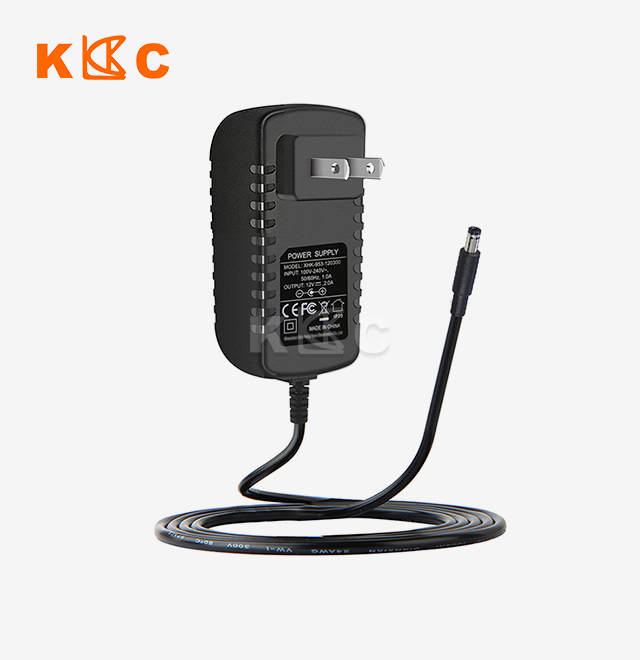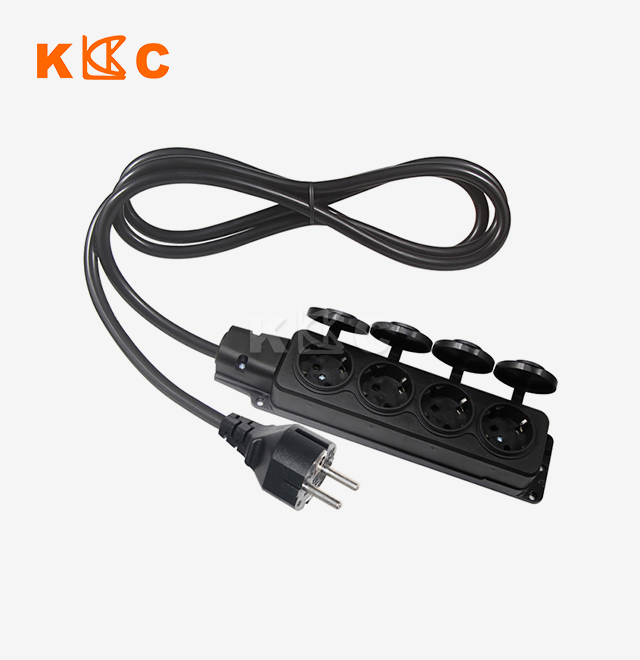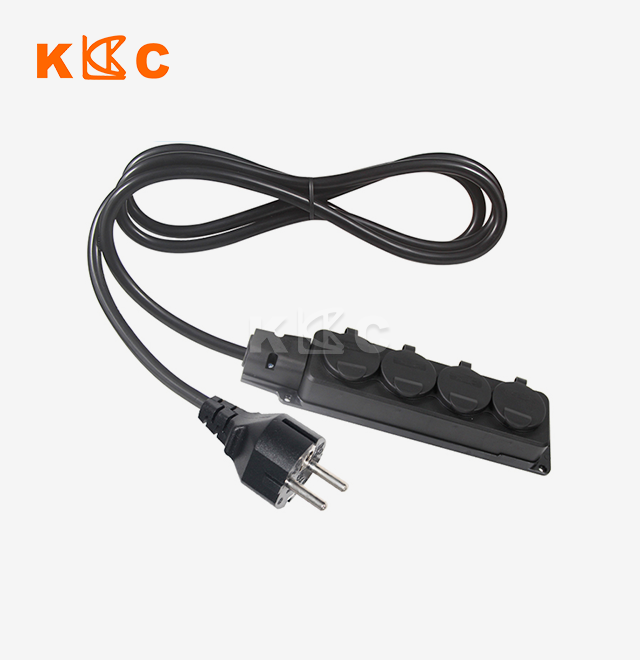

Best Heavy Duty IEC Cords for Industrial Equipment
When it comes to charging mission-critical industrial equipment, you have to choose the best heavy-duty IEC cord. Built to meet the requirements of IEC 60320, these power connection kits provide safe, reliable, and constant power to machines, control systems, and data infrastructure that are working in harsh conditions. Industrial-grade power cables are different from regular household power lines because they have strong conductor materials, stronger insulation, and strict safety approvals. They are made to work in harsh settings, keep tools running smoothly, and make sure that regulations are followed in all global markets. This detailed buying guide walks procurement professionals and building engineers through every important factor. It will help you make smart choices that protect your business and your investment.
Understanding Heavy Duty IEC Cords for Industrial Applications
Power options for industrial settings need to be more than just connecting devices. Heavy-duty IEC cord solutions are the most important connection between your electronics and the power grid. They keep your electronics running smoothly even when things get tough.
What Defines an IEC Power Cord?
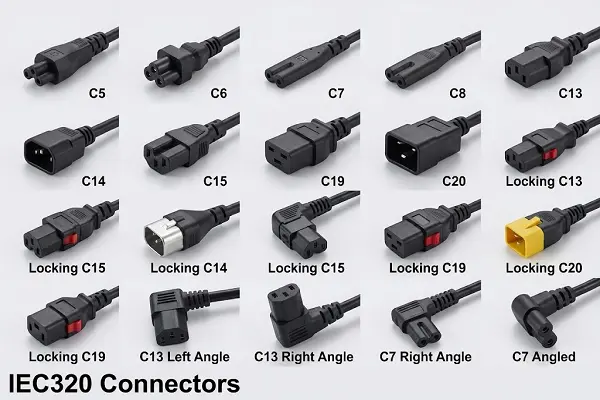
A standard power wire assembly that meets the IEC 60320 worldwide standard for appliance couplers is called an IEC cord. These wires have connections that can be taken off of one or both ends, making them compatible with devices around the world and making replacements easier. Standardization solves a big problem for the industry: now, equipment makers can ship their products all over the world without having to hardwire plugs for each area, and end users can switch cords based on their country's electrical rules. Most of the time, C13 to C14 connections are used for computers and networking equipment, and C19 to C20 assemblies are used for higher-amperage tasks like industrial control systems and big machines.
Common Industrial Connector Types
Knowing the different kinds of connectors makes sure that everything in your building works together and is safe. Most data centers and light industrial settings use C13 and C14 plugs, which are rated for 10A internationally and up to 15A under UL guidelines. These plugs fit into normal equipment outlets on computers, switches, and power distribution units. It is rated at 16A globally and 20A in North America, so the C19 and C20 versions can handle more power. This makes them perfect for big machinery, industrial control systems, and high-power computer infrastructure. Because they are physically different, they can't be mixed up by mistake. For example, C13 plugs won't fit C20 inlets, which is a built-in safety feature to protect against overloading.
Voltage, Current, and Temperature Ratings
Heavy-duty versions are made to keep working in temperatures ranging from -40°C to +85°C, which makes them useful in foundries, cold storage facilities, and outdoor industrial sites. The conductor gauge directly affects the current rate. For example, 16AWG cables can handle 13A to 15A, while 10AWG extra heavy-duty sections can handle loads of up to 20A for a long time. Temperature ratings are very important. Standard lines can handle pin temperatures of up to 70°C safely, while high-temperature versions (C15/C16 connectors) can handle temperatures of up to 120°C. This difference is very important when working with heat-generating tools or in small areas where airflow is limited.
Safety Certifications That Matter
Certifications for an IEC cord are more than just a way to make sure that rules are followed; they also make sure that wires follow strict safety rules that protect people and equipment. UL and cUL entries show that a product meets North American safety standards for things like fire resistance, electrical strength, and grounding integrity. When something has a CE mark on it, it means that it meets the safety standards set by the European Union for electromagnetic compatibility and low-voltage equipment. For European markets, VDE certification from Germany's Association for Electrical, Electronic, and Information Technologies gives extra peace of mind. In North America, ETL listing is an alternative safety certification accepted by the appropriate authorities. Teams in charge of buying things should make sure that the certificates are valid for both the final market and the area where they will be used. This is because some certificates have limits on power, amperage, or environmental conditions.
Operational Advantages in Industrial Settings
Using approved heavy-duty power lines has real benefits that have an immediate effect on your bottom line. Longer replacement cycles and lower upkeep costs are both benefits of increased longevity. High-quality assemblies with 99.99% oxygen-free copper wires and reinforced strain relief can work constantly for years without breaking down. Safety compliance guards against lawsuits, accidents at work, and fines for breaking the law. The biggest benefit might be less downtime. When industrial machinery is running 24 hours a day, seven days a week, even short power outages can cause lost production, missed deadlines, and unhappy customers. Reliable power links get rid of a common point of failure, so your important systems can keep working.
Key Criteria for Choosing the Best Heavy Duty IEC Power Cord
To choose the best IEC cord, you have to look at a lot of technical and natural factors that have an impact on performance, durability, and safety.
Assessing Power Requirements and Environmental Conditions
The unique conditions of your building should guide your choice. Find out what each piece of equipment can handle in terms of continuous load, and then choose wires that are rated at least 20% higher than this limit to account for voltage changes and transient loads. Environmental factors are very important. For example, outdoor setups need weather-resistant clothing like SJTW or STW that can handle UV light, water, and changes in temperature. Normal SJT or SVT jackets can be used indoors, but special insulation materials are needed for places with high temperatures, like near boilers or processing equipment. Chemical-resistant jackets should be specified for buildings that are exposed to industrial chemicals, oils, or solvents to keep insulation from breaking down too soon.
Wire Gauge Impact on Performance
One of the most important specs that affects both safety and economy is the conductor gauge. Knowing this link helps you avoid making mistakes that cost a lot of money. With smaller AWG numbers, heavier gauges have less electrical resistance. This means that voltage drops are less likely to happen over longer wire runs, and less heat is produced during operation. For short runs of up to 6 feet at 13A, a 16AWG cable might work, but to keep the voltage stable, you'll need to switch to a 14AWG or 12AWG cable for runs of 25 feet or 50 feet. Undersized wires make too much heat, speed up the breakdown of insulation, and increase the risk of fire. This risk is heightened in high-density rack setups where dozens of cables are bundled together.
Conductor Material: Copper vs. Copper-Clad Aluminum
If you choose the right materials, they will last longer and be more reliable. Pure copper wires that don't contain any oxygen are better at conducting electricity, being flexible, and not oxidizing than copper-clad aluminum alternatives. Even though CCA conductors lower the cost of materials, they also come with a lot of operating risks. For example, higher resistance makes more heat, oxidation at connection points causes faults that happen and then go away, and lower mechanical strength makes wires more likely to break when they are bent. To get the best performance, professional-grade makers always ask for 100% stranded bare copper (Class K or Class M flexibility). To avoid long-term reliability problems and possible safety risks, procurement pros should clearly say no to CCA materials in specs.
Connector Build Quality and Materials
The way a connector is built on an IEC cord affects both its mechanical longevity and its electrical performance. In several important ways, metal-bodied connectors are better than plastic ones: they dissipate heat better, so they don't break when they're working at high currents for a long time; they're also stronger, so they can handle being inserted and removed many times without cracking; and they make sure that electricity stays safe by making better grounding contacts. For a solid fit and uniform contact pressure over the entire service life, precision-molded connections have tighter dimensional tolerances. Some industrial uses benefit from locking systems that keep connections from coming apart by mistake in places with a lot of vibration. The C13-Lock and other similar designs add mechanical retention that regular friction-fit connectors don't have.
Matching Cords to Equipment Specifications
Checking for compatibility stops operating problems and safety risks. Look at the equipment's nameplates to find out what kind of outlet it has (C14, C20, etc.), how much power it needs, and how much current it can handle. Compare these specs to the grades for the cord to make sure there are enough safety gaps and enough capacity. Keep an eye on high-temperature devices like UPS systems, server power sources, and industrial control boxes; they might need C15/C16 high-temperature connectors instead of the more common C13/C14 assemblies. Mismatched pairings can cause overheating and may cancel the warranty on the equipment. When you're not sure what to do, talking to the makers of the tools or experienced power cord experts can help you understand what you need and make the right choice.
Comparing Heavy Duty IEC Power Cords: Insights for Informed Decisions
Knowing the differences between the different types of IEC cord options helps people who buy things balance cost concerns with performance needs.
Industrial-Grade vs. Standard Consumer Cords
There is a big difference between industrial-grade wires and consumer-grade cords that goes beyond just marketing differences. Industrial versions have wires with a heavier gauge, stronger strain relief at connection points, and jackets made to survive external pressures that aren't present in household settings. Standard power lines have 18AWG strands that can handle up to 10A, thin PVC jackets that can crack when heated, and molded connections that don't hold their shape well when pulled. Industrial systems use 14AWG or 12AWG wires, jackets made of long-lasting materials like SJTW or STW that stay flexible at high and low temperatures, and stronger strain relief boots that keep the conductors from separating. In demanding situations where cable failure costs a lot of money, these changes directly lead to higher dependability.
C13 vs. C14: Knowing How to Use Connectors
Even though they are often talked about together, C13 and C14 have different jobs to do in power delivery systems. The female socket that goes into equipment inlets is called C13, and the male inlet receptacle that is built into devices is called C14. In a normal data center, power distribution units (with C13 outlets) are linked to computers (with C14 inlets) using C14-to-C13 wires. Understanding this difference keeps you from making mistakes with the process and makes sure that your system is set up correctly. Both have the same electrical ratings and physical measurements, so they can still be used with products from different makers and areas.
Quality Considerations: Budget Options vs. Certified Products
Power cords really cost a lot more than what you paid for them. Budget options often use ways to cut costs that hurt safety and durability, like using copper-clad aluminum conductors instead of pure copper, wire gauges that are too small to meet basic requirements, and production that isn't approved and hasn't been checked for safety by a third party. These short-cuts lead to early fails, higher fire risks, and maybe even breaking the law. A comparison shows that certified goods from well-known brands usually have three to five times longer service lives, much lower failure rates, and full paperwork for safety compliance. When equipment downtime costs hundreds or thousands of dollars an hour, the difference in price between cheap and expensive wires is almost unnoticeable.
Real-World Impact on Operations
Industrial sites that switched to certified heavy-duty IEC cord say that operating measures have gotten better. After switching from consumer-grade wires to industrial C19/C20 assemblies rated for their high-amperage equipment, a Midwest company that makes auto parts saw a 73% drop in power-related equipment problems. Within eight months, the investment paid for itself because there was no longer any downtime and fewer emergency service calls. In data centers, where reliable power distribution directly affects computer uptime, cooling efficiency, and the amount of repair work that needs to be done, the same benefits can be seen.
Where and How to Buy Heavy Duty IEC Cords for Industrial Use?
Strategic buying choices strike a balance between making sure quality, saving money, and making sure the supply chain is reliable. There are a lot of companies that make industrial IEC cord assemblies, but the quality changes a lot.
Trusted Manufacturers and Suppliers
Well-known brands keep their quality high by using strict process controls, approved testing methods, and raw materials that can be tracked back to where they were grown. When procurement workers look at possible sources, they should check to see if they can make the goods, look over their certifications, and evaluate their quality control systems. Direct relationships with manufacturers are better than relationships with distributors because you can get technical help, make changes, see clear quality paperwork, and often get better prices for larger orders.
Benefits of Bulk Purchasing and Customization
Buying in bulk can save you money and help your business run more smoothly. Manufacturers usually offer tiered pricing that rewards orders with bigger amounts. However, smart buying weighs unit cost against the costs of keeping inventory and the need for working capital. Customization options are very useful; for example, set cable lengths get rid of extra coiling and make cable management better; custom colors help identify circuits visually and lower installation mistakes; and branded printing upholds quality standards and makes tracking assets easier. We offer full customization, including changing the length (from 1ft to 100ft), choosing the color of the jacket, and printing your brand, and there are no minimum order quantities. This means that we can support both large-scale deployments and specialized uses.
Evaluating Pricing and Certification Authenticity
To figure out a price, you need to look at more than just the cost per unit. A full total cost of ownership study looks at how long cables last, what warranties cover, how often they break, and the chance of downtime. Prices that seem too cheap to be true are often a sign of fake certifications, low-quality materials, or production methods that haven't been approved. To protect yourself from these risks, you should ask for copies of certification test reports from approved laboratories, make sure that the names and model numbers of the manufacturers match the databases of certifications kept by UL, CE, and other authorities, and check physical samples for quality of construction, correct measurements, and the right markings. Genuine makers give clear paperwork and welcome questions about its accuracy.
International Shipping and After-Sales Support
When you use global sources, you have to think about logistics, which can change project timelines and total costs. Lead times depend on how customized the product needs to be and how many are ordered. Standard configurations usually ship within days, but unique standards may need 15–25 days for production and quality checks. Reliable makers keep a stockpile of raw materials to speed up the start of production and avoid delays caused by getting parts. Professional sellers are different from commodity vendors when it comes to after-sales support. Technical support helps fix installation problems, guarantee programs protect against problems with the product itself, and quick customer service answers questions. Our team offers full pre-sale advice and a one-year warranty, which guarantees the value of a long-term relationship.
Conclusion
To choose the best heavy-duty IEC cord for power lines, you need to carefully look at their technical specs, the surroundings, and how they will be used over time. When used in industrial settings, wires need to work the same way in all temperatures, be able to handle mechanical stresses, and stay safe over long service lives. Important things to look for when choosing a connection are the type of material and gauge of the conductor, the quality of the build, the right approvals, and the environmental grades that are right for your needs. Initial costs can be different, but the real value comes from being reliable, having less downtime, and being safer—benefits that far outweigh small price differences. We make professional-grade power cords that are designed to work in harsh industrial settings. With 17 years of experience, strict quality standards, and a wide range of certifications, we can do this. Our methods make sure that your important equipment gets the power it needs.
FAQ
What current ratings do heavy-duty IEC power cords support?
Heavy-duty industrial power lines can usually handle currents of 10A to 20A, though this depends on the type of connector and local norms. Assemblies C13 and C14 can handle 10A in most countries and up to 15A with UL approval. Assemblies C19 and C20 can handle 16A in most countries and 20A in North America. Always make sure that the wire size fits the current need—16AWG is good for 13–15A loads, while 10AWG extra-heavy-duty constructions can handle 20A loads for a long time. Choosing wires with a 20% capacity margin above the highest equipment draw protects against sudden loads.
How can I verify compatibility with my industrial equipment?
Checking for compatibility starts with the paperwork of the tools. Check the nameplates to find out what kind of input connection it is (C14, C20, etc.), what the voltage requirements are, and how much current it can handle. Match these needs to the cord's specs, making sure that the plug type fits physically and that the electrical values are higher than what the equipment needs. Some high-temperature devices, like computer power supplies, may need C15/C16 high-temperature connections instead of the more common C13/C14 assemblies. When paperwork isn't clear, talking to the makers of the tools or experienced power cord experts makes things clear and keeps mistakes from being costly.
Are customized cable lengths available for industrial installations?
Customization choices make installation go much more smoothly and look better. We have cable lengths ranging from 1 foot to 100 feet, and there are no minimum order sizes. This means that our products can be used in both small equipment racks and large plant floor plans. Custom lengths get rid of the need to coil extra cables, which makes maintenance harder and causes trip hazards. You can also choose the color of the jacket to help identify circuits, put a brand on it to keep track of assets, and use special materials for chemical-resistant or outdoor uses. These choices work for both large-scale, standard operations and needs for specific tools.
Partner with Kuncan Electronics for Industrial-Grade Power Solutions
Kuncan Electronics can help you with your industrial power connectivity needs by providing approved, heavy-duty systems made for tough situations. We have been making IEC cords for 17 years and have a lot of world certifications, such as UL, CE, VDE, and ETL. We can make standard setups or fully customized solutions. Every assembly has precision-molded connectors, 99.99% oxygen-free copper wires, and strict quality control. There are never any copper-clad metal shortcuts that lower reliability. Whether you need large amounts for new building projects or custom shapes for specific pieces of equipment, our engineering team offers free technical advice to make sure you get the best specs. Email us at rhea@szkuncan.net to talk about the details of your project and get quotes. Find out how our dedication to quality, quick response, and low prices can change your power system.
References
International Electrotechnical Commission. "IEC 60320-1: Appliance Couplers for Household and Similar General Purposes - Part 1: General Requirements." Geneva: IEC Standards Publications, 2021.
Underwriters Laboratories. "UL 817: Standard for Safety for Cord Sets and Power-Supply Cords." Northbrook: UL Standards & Engagement, 2019.
National Electrical Manufacturers Association. "NEMA WC 57: Standard for Appliance Wiring Material." Rosslyn: NEMA Technical Publications, 2020.
Institute of Electrical and Electronics Engineers. "IEEE 1100: Recommended Practice for Powering and Grounding Electronic Equipment." New York: IEEE Standards Association, 2022.
Canadian Standards Association. "CSA C22.2 No. 21: Flexible Cords and Cables." Toronto: CSA Group Standards Division, 2018.
European Committee for Electrotechnical Standardization. "EN 60320 Series: Connectors for Appliances - Safety and Performance Requirements." Brussels: CENELEC Publications, 2020.

USER EVALUATE
Here is the customer's evaluation of us
_1778575304578.webp)