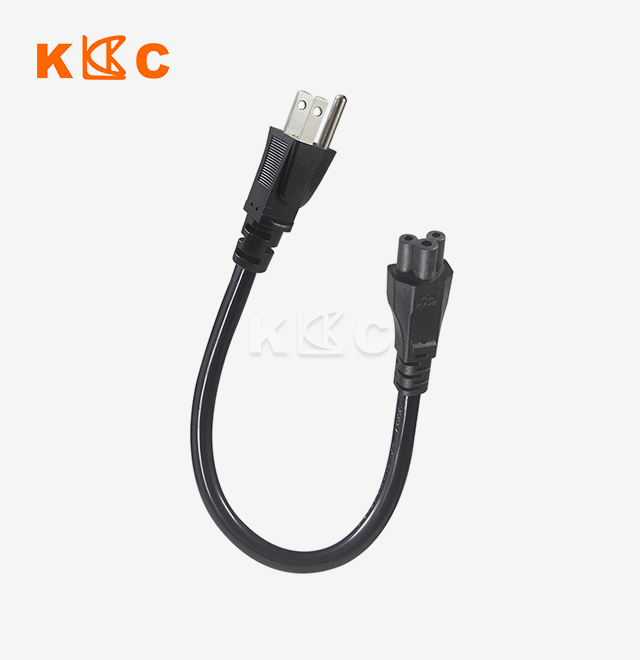

C13 Power Cord Fits Which Monitor and PC Models
It is important to know which devices use C13 cable power connections when looking for stable power options for office tools. The IEC 60320-1 standard officially defines the C13 connector as the main way that desktop computers from big brands like Dell (OptiPlex and Precision series), HP (EliteDesk and ProDesk workstations), Lenovo (ThinkCentre models), and professional monitors from ASUS, Acer, and ViewSonic get power. Kuncan Electronics has been making electronics for 17 years and can confirm that this three-pin female connector works with equipment that needs stable grounding and consistent power delivery. This makes it an essential item for B2B procurement teams that are setting up corporate offices, data centers, and industrial facilities.

Understanding the Basics of C13 Power Cords
The standard form of C13 cable power makes it easy for a wide range of tools to work together. These cables link directly to the C14 ports that are found on most current IT systems. This makes them a universal option that makes managing inventory easier and buying things less complicated.
Technical Specifications and Power Ratings
C13 cable power plugs work within clear electricity limits that make sure they are safe and always do their job. The international standard says that these wires can handle 10 amps at 250 volts, but larger 14AWG conductors allow up to 15 amps for North American uses. The dielectric resist voltage usually goes over 2000V AC for one minute without breaking, showing that the insulation is very strong. Stranded, tempered 99.99% Oxygen-Free Copper (OFC) is used to make our wires so that they have the least amount of resistance and heat generation over time. The gauges of the conductors range from 18AWG to 14AWG (North America) or 0.75mm² to 1.5mm² (International). The gauges are chosen based on the present load and the factors in the area. Insulation resistance is more than 100MΩ at 500V DC, which is very good at stopping current loss.
Pinout Configuration and Grounding Mechanism
If you understand the three-pin design, you'll understand why C13 cable power connections are safer than two-prong ones. One ground pin (earth), one neutral pin, and one line pin (hot) make up the arrangement. This setup makes sure that any fault current goes safely to ground before it hurts people or breaks equipment. The mechanical design of the connector includes a pull-out force barrier between 10N and 50N. This keeps the connections from disconnecting by mistake but lets them be taken off on purpose when needed. Our testing methods make sure that each connection can handle more than 3,000 times of being inserted and removed without breaking. This guarantees long-term dependability in places where equipment moves around a lot or needs to be serviced.
Common Cable Lengths and Use Case Scenarios
B2B buying teams often ask for specific lengths that are based on how the office is set up and where the equipment is placed. Standard lengths are 3 feet (0.9m), 6 feet (1.8m), 10 feet (3m), and 15 feet (4.5m), but special lengths can be made to fit the needs of any building. Shorter C13 cable power cords keep computer racks from getting too crowded with them, while longer ones can be used in flexible office layouts where power outlets are far from desks. We can make unique lengths and don't have a minimum order number, so you can precisely manage your inventory.
These technical foundations give procurement workers the confidence to define C13 cable power, knowing that meeting IEC 60320 standards will ensure interoperability across all global markets.
Monitor and PC Model Compatibility Reference
Major computer makers make their business and home computers with C14 plugs and interconnect/c13-to-c14-cable">C13 cable power as standard. This connection standard is used by all of Dell's OptiPlex 3000, 5000, 7000, and 9000 lines, as well as the 3000 through 7000 series of Precision PCs. C14 inlets are also used by HP's EliteDesk 800 G-series, ProDesk 400 and 600 models, and Z-series computers. Lenovo's ThinkStation, ThinkCentre M-series, and P-series PCs are all still compatible with C13 cable power. It is possible to plug in a C14 power adapter to professional monitors from ASUS ProArt and PA series, Acer B-series business displays, BenQ PD series, Dell UltraSharp and P-series monitors, HP Z-series displays, and ViewSonic VP series. This wide use is due to the connector's dependability, ease of integration into production processes, and agreement with international safety standards.
Comparing C13 Power Cords with Other Power Cable Types
Identifying the different types of C13 cable power connectors helps you avoid expensive mistakes when buying things and makes sure that your equipment works at its best. Each type of connector meets different electricity needs and working conditions, so making an informed choice is very important for a successful purchase.
C13 vs. C14: Understanding Male and Female Connectors
The numbers C13 cable power and C14 stand for two parts of a single link system that work together. The female plug on the equipment end of a power line is called C13 cable power, and the male inlet built into the device chassis is called C14. This pair makes the full power line from the wall plug to the equipment. When purchasing replacement cords, procurement teams must describe the C13-to-wall-plug configurations they need, such as C13-to-NEMA 5-15P for North America or C13-to-CEE 7/7 for Europe. This is to make sure that the cords work with both the device and the electrical infrastructure in the area. Ordering mistakes happen when people get these names mixed up, so purchasing offices should have clear specification processes to cut down on delays.
C15 and C19: High-Temperature and High-Power Variants
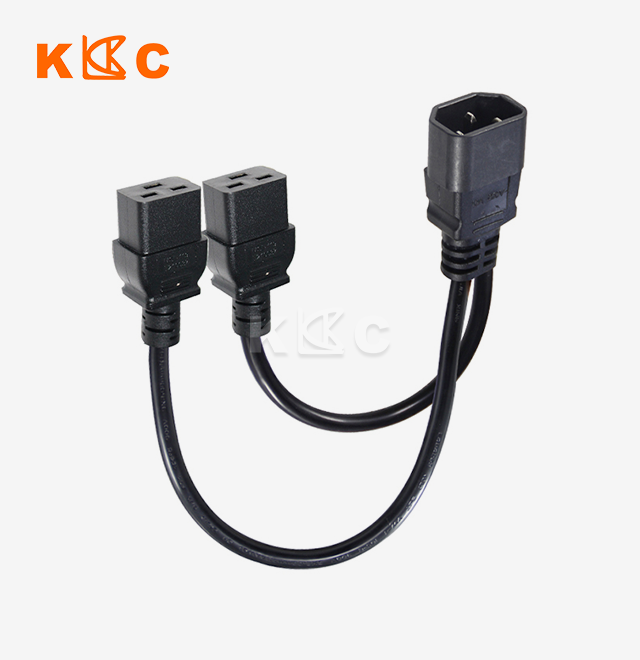
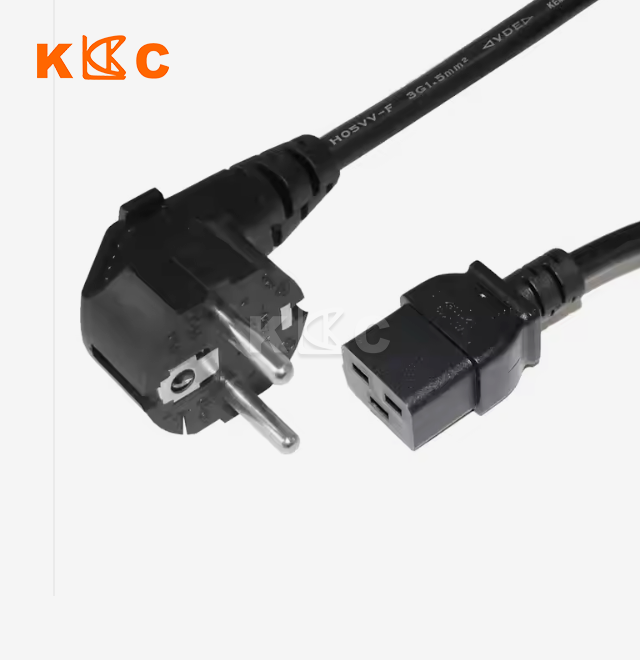
Different types of connectors are needed when equipment works in places with high temperatures or a lot of power. The C15 connection looks like the C13 cable power connector but has a notched design. It can handle temperatures up to 120°C, while the C13 cable power connector can only handle temps up to 70°C. The better thermal tolerance of C15 makes it better for data center equipment with thick processing groups or devices placed near heat-generating parts. The C19 connector is designed for 16 amps (International) or 20 amps (North America), which means it can handle high-power applications. This means it can be used with business computers, big UPS systems, and power distribution units. All of these variations are made by us, so procurement teams can get different types of connectors from a single confirmed provider. This makes managing vendors and making sure quality standards are met easier.
Material Composition and Environmental Suitability
The jacket materials have a big effect on how long a C13 cable power lasts and how well it works in certain situations. PVC jackets are a cheap option for normal office settings where chemicals aren't used much and temps are kept stable. Rubber materials like SJT and SJTOW are better at being flexible in cold places and don't get contaminated by oil, which makes them better for industrial automation uses where wires come into contact with machinery oils. Halogen-free versions (with the code H05VV-F) meet strict fire and environmental safety rules in European markets and places that need to follow low-smoke, zero-halogen rules. We keep a stockpile of all types of materials, which lets us quickly complete jobs with a wide range of environmental requirements.
When procurement workers understand these differences, they can exactly match the characteristics of C13 cable power to practical needs. This way, they can avoid over-specification, which drives up costs, or under-specification, which compromises safety and durability.
How to Choose the Right C13 Power Cord for Your Business Needs?
When choosing C13 cable power strategically, you have to think about technical needs, legal requirements, and the cost of running the business. We lead procurement teams through an organized review process that finds the best specs and keeps them from making common mistakes.
Assessing Device Power Requirements and Environmental Conditions
Start by writing down the power requirements of all the linked devices. Check the nameplates or technical documents for the device to find out how much power it can handle. Make sure that the C13 cable power you choose has enough amperage capacity with safety margins. To keep voltage from dropping and heat from building up, equipment that draws close to the highest wire ratings needs to have the conductors upgraded. An environmental review looks at things like temperature ranges, contact with water or chemicals, and mechanical stress from shaking or bending over and over again. Our industrial-grade wires can handle temperatures ranging from -40°C to +85°C, so they can be used in a wide range of settings, from cold rooms to hot factory floors. Oil-resistant clothing designs keep things from breaking down too quickly in places where cleaning agents or industrial fluids are used.
Certification Verification and Compliance Standards
To get into global markets, you have to follow regional safety standards that are followed by well-known certification groups. We keep a lot of certificates, like ETL (US/Canada), VDE (Europe), BS (UK), SAA (Australia/New Zealand), CE (Europe), and RoHS environmental compliance, so our customers can use our C13 cable power with confidence in foreign operations. To get these certificates, products must pass strict tests that check for electrical safety, resistance to fire, and effect on the environment. So that products are real and can be tracked, procurement teams should ask sellers to show proof of certification along with batch-specific test results. Fraudulent cables that don't have real certifications pose serious safety risks, such as fire dangers and damage to equipment. This is why verifying the seller is an essential step in the buying process.
Customization Options and Bulk Procurement Strategies
Standard C13 cable power designs work for most uses, but for particular operations, unique specs improve performance and save money. Our custom color-coding helps you find the right phase in three-phase systems. Our custom packaging makes it easier to keep track of your inventory and get it to where it needs to go. We also have right-angle connector options that make it easier to install cables in tight spaces, and our equipment comes with built-in surge protection for places with a lot of electrical noise. When negotiating for bulk purchases, number agreements are used to get better unit economics while quality standards are kept. We send samples within 3–7 business days so that they can be looked over and approved. Based on the size and complexity of the order, large orders are then finished in 15–25 days. Our adaptable method allows for small-batch refilling with no minimum order number limits. This makes just-in-time inventory strategies possible, which lower the cost of holding inventory.
These evaluation factors make up a complete decision framework that makes sure that operating needs, legal responsibilities, and financial limits are all met by C13 cable power specs.
Practical Applications: Case Studies of C13 Power Cord Usage
Real-life usage examples show how choosing the right C13 cable power affects operating efficiency, safety compliance, and the overall cost of ownership. These examples show best practices that can be used in a variety of B2B settings.
Corporate Office Monitor and Workstation Deployments
A global financial services company set up all of its regional offices with 5,000 Dell OptiPlex computers and HP EliteDisplay monitors as the norm for its workstation infrastructure. For their open-plan office, the buying team chose 6-foot C13-to-NEMA 5-15P cables with VW-1 flame-retardant jackets, which gave them the best of both worlds in terms of reach and safety. By buying in bulk through Kuncan Electronics, big savings were made while quality was maintained throughout the rollout. The C13 cable power reliability rating of 3,000+ cycles allowed for frequent desk reconfigurations during organizational restructuring. This kept the cables from breaking down before they were supposed to, which would have caused problems with operations. This case shows how matching cable specs to the way a workspace works can lower long-term upkeep costs and make workers more productive.
Data Center and Server Rack Power Distribution
A cloud services company that was in charge of several data centers had trouble getting power to high-density server racks that held Dell PowerEdge and HP ProLiant servers. The engineering team chose 3-foot-long C13-to-C14 jumper wires with 14AWG conductors that can handle 15 amps and connect computers to power distribution units that are placed on racks. The shorter C13 cable power lengths cut down on cable clutter and made it easier for air to flow through computer racks, which is important for keeping temperatures down in tight spaces. The high temperature values of our wires worked with the hot environments in server exhaust zones, and strict insulation standards stopped current leakage that could set off ground fault protection systems that are very sensitive. Compared to the provider's previous source, this rollout cut power-related downtime by 40%. This had a direct effect on meeting service level agreements and making customers happy.
Industrial Automation and Control System Applications
A factory that was putting Industry 4.0 plans into action needed to make sure that all of its distributed control systems, sensor networks, and human-machine interfaces had stable power links. Temperature changes, mechanical vibrations, and cutting fluids were all part of the tough atmosphere. Our industrial-grade C13 cable power with SJTOW rubber jackets were chosen by procurement because they are resistant to oil and can work in temperatures from -40°C to +85°C. The strong design of the wires meant they could withstand mechanical stress from shaking equipment and the odd hit from moving things around. During 18 months of nonstop operation, the plant had no cable-related problems. This kept production plans on track and avoided costly downtime. This application shows how choosing the right C13 cable power for tough conditions is important for keeping operations running.
These case studies show how important it is to be clear about specifications and choose the right partner when working on a variety of B2B projects.
Conclusion
Choosing the right C13 cable power has a direct effect on the safety of technology, how well it works, and how reliable it is in business, industrial, and data center settings. When buying teams know technical details like power rates, conductor materials, and jacket compositions, they can exactly match the features of cables to the needs of applications. Recognizing different types of connectors, like C13 cable power, C14, C15, and C19, stops connection mistakes and makes sure the best performance. Verification of certification by well-known organizations like ETL, VDE, and SAA keeps companies safe from fake goods and lets them sell their goods all over the world. Kuncan Electronics has been making things for 17 years, so we can help you reach your buying goals by giving you certified, reliable power options that are made to fit your specific needs.
FAQ
What monitors and PCs use C13 power cables?
Dell, HP, Lenovo, ASUS, Acer, Benq, and ViewSonic make most business desktop computers and professional monitors that use C14 plugs and C13 cable power. The Dell OptiPlex and Precision series, the HP EliteDesk and ProDesk models, the Lenovo ThinkCentre computers, and the professional monitor lines from these companies are all included. This connection is used by all enterprise-level tools because it is reliable and meets all world regulations.
What is the maximum power rating for C13 cables?
International standards say that C13 cable power can handle 10 amps at 250 volts, but North American standards say that they can handle up to 15 amps with the right size conductors (14AWG). Around 2500 watts (10A × 250V) is the safest amount of power that can be sent around the world, or 1875 watts (15A × 125V) in North America. To keep safety margins, always compare how much power a gadget uses to the cable's rates.
How can I verify authentic certifications from suppliers?
Ask for proof of approval, such as test records with batch or production run numbers. Real certifications have unique registration numbers that can be tracked through the systems of the awarding bodies. Every order comes with full certification paperwork, such as ETL, VDE, CE, and RoHS compliance certificates. This makes sure that everyone in your supply chain is honest and responsible.
Partner with Kuncan Electronics for Certified C13 Cable Power Solutions
Kuncan Electronics offers approved, high-performance C13 cable power kits that are custom made to meet your business needs. We have been making these products for 17 years and are an Alibaba Verified Supplier. As a specialist in C13 cable power, we offer OEM/ODM customization options for conductor sizes, jacket materials, cable lengths, and connection designs that help you get the most out of your infrastructure investments. Our ETL, VDE, BS, SAA, CE, and RoHS certifications make sure that we comply with all foreign markets. Our flexible supply chain gets samples to you in 3–7 business days and bulk orders to you in 15–25 days, with no minimum order number requirements. We stand behind every product with a full 1-year warranty against manufacturing flaws and offer specialized expert help for the entire lifecycle of your product. Get in touch with our purchasing experts at rhea@szkuncan.net to talk about big discounts and custom specs that will make your power distribution more reliable and save you money.
References
International Electrotechnical Commission. (2018). "IEC 60320-1: Appliance Couplers for Household and Similar General Purposes - Part 1: General Requirements." IEC Standards Publication.
Underwriters Laboratories. (2020). "UL 817: Standard for Safety Cord Sets and Power-Supply Cords." Underwriters Laboratories Certification Standards.
Verband der Elektrotechnik. (2019). "VDE 0620-1: Plugs and Socket-Outlets for Household and Similar Purposes - Part 1: General Requirements." VDE Testing and Certification Institute.
Dell Technologies. (2022). "OptiPlex Technical Specifications and Power Requirements Guide." Dell Commercial Product Documentation.
Hewlett-Packard Enterprise. (2021). "HP EliteDesk and ProDesk Series Power Connection Standards." HPE Business Desktop Reference Manual.
Standards Australia. (2020). "AS/NZS 3112: Approval and Test Specification for Plugs, Socket-Outlets and Couplers." Australian/New Zealand Electrical Safety Standards.

USER EVALUATE
Here is the customer's evaluation of us
_1778575304578.webp)
_1775617034231.webp)