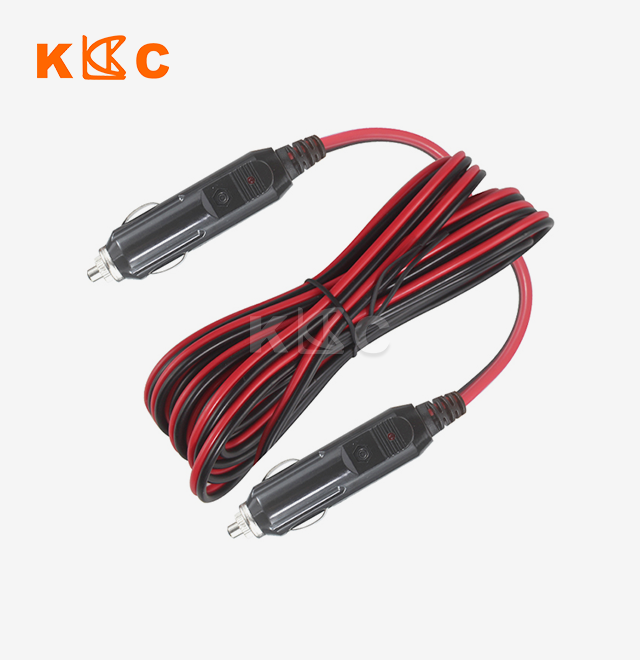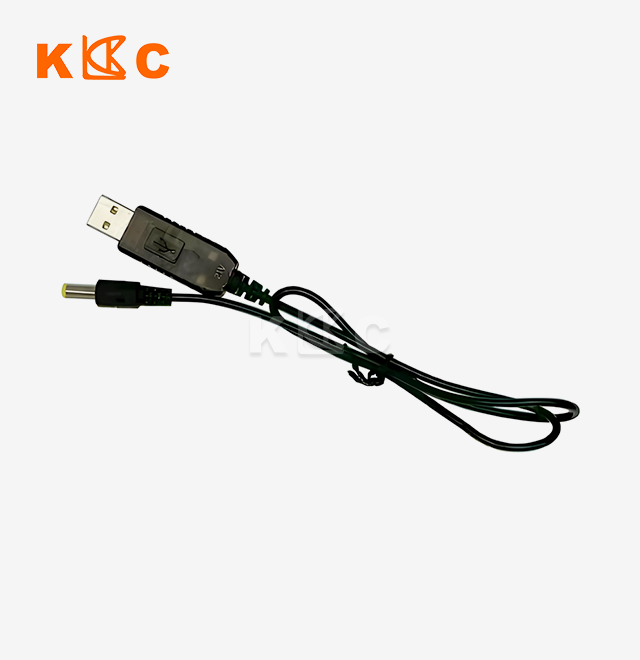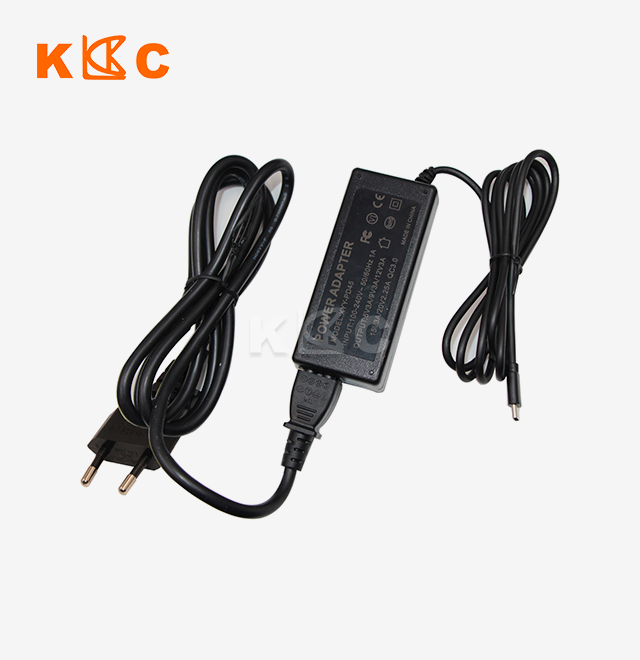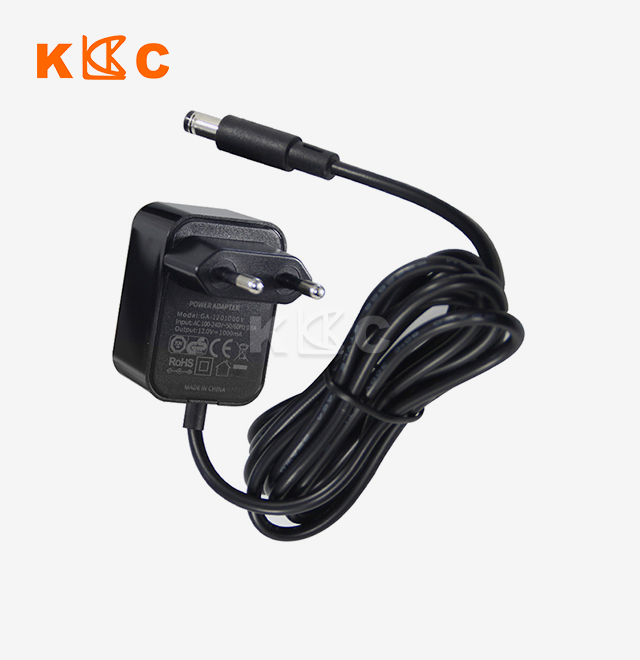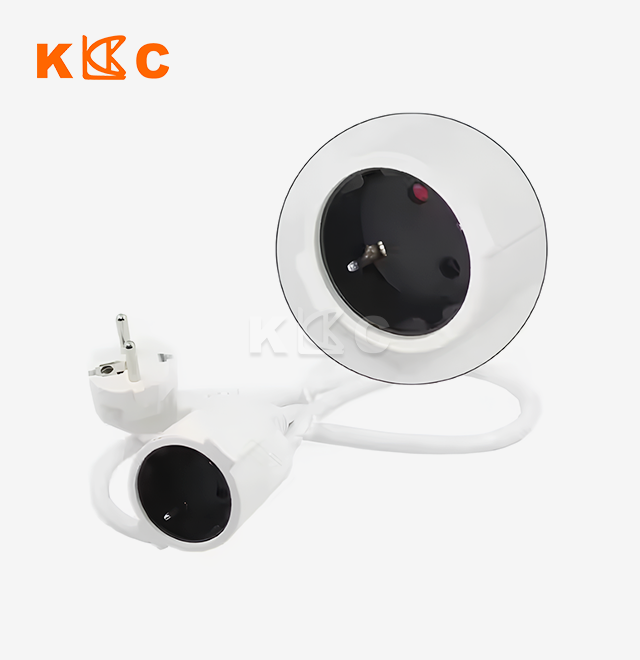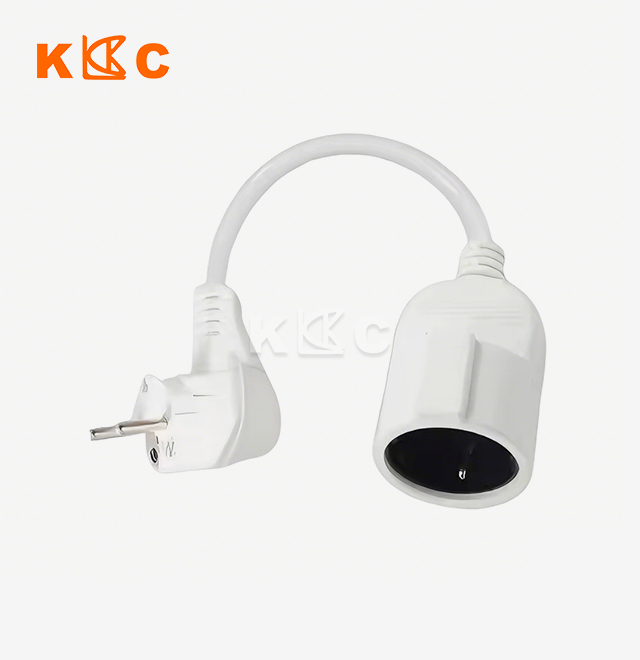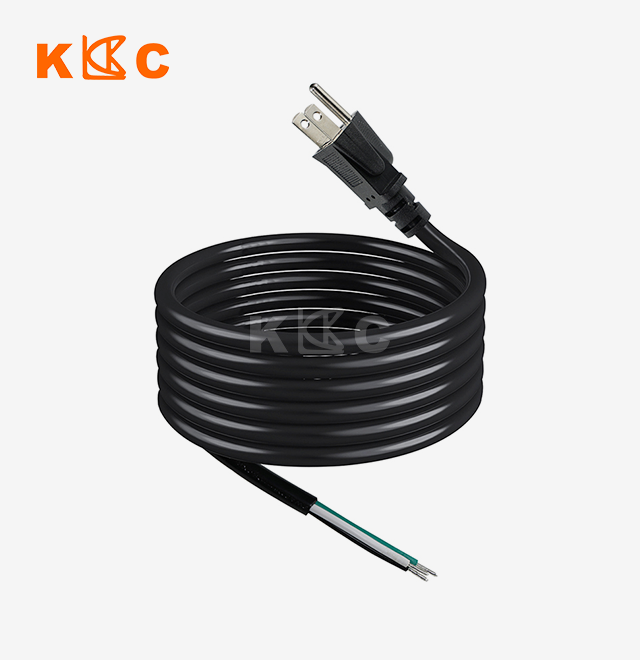

Custom Length Power Cable for Industrial Equipment
Any off-the-shelf choices don't always meet the space, energy, and environmental needs of specialized machinery when industrial processes need steady, constant power. Individually cut power cords for heavy machinery are electrical connection parts that are exactly made to fill this gap. They do this by using strong insulation materials, conductors of the right size, and exact measures that fit the plan of your building exactly. These custom solutions are better than common power cord cable options because they don't have extra slack that can cause trips. They also lower voltage drop over certain lengths and work well with sensors, control systems, and heavy machinery that is working in tough conditions. Strategic customization makes it easier for buying teams to run their businesses without having to worry about the downtime that comes with using cable systems that don't match.
Understanding Custom Length Power Cables for Industrial Equipment
You can't just plug things into an outlet to send power to an industrial setting. AC or DC line energy from power distribution units gets to machines mostly through the power cord cable. This makes sure that machines always work right, even when things are tough. You need to know about the rules that govern wires and how they work in order to make smart decisions about what to buy.
Core Components and Functionality
Each industrial power line is made up of several carefully planned layers that work together to send steady, safe electricity. Stranded copper wiring is often used for the core of the circuit because it is more flexible than solid wire but still does a great job of moving electricity. Cross-linked polyethylene (XLPE) or ethylene propylene rubber (EPR) is often used as padding around these lines. It keeps electricity from leaking and can handle mechanical stress. The top jacket can be made of PVC, synthetic rubber, or chlorinated polyethylene. It keeps UV light, water, chemicals, and normal wear and tear out of the inside. At the ends of wires, where they connect to equipment, strain release devices keep the mechanical failure safe. With this, there are no more dangerous arcing or short circuits that could stop lines of work.
Wire Gauge Selection and Voltage Ratings
Picking the right wire size affects both how well it works and how safe it is. As the wire width grows, the American Wire Gauge (AWG) number decreases. It means that lines that are smaller can carry more electricity without getting too hot. In general, industrial equipment that runs on 120V needs at least 14 AWG wires for 15-amp lines. Things that use 240V and 30 amps need at least 10 AWG wires. It's important that the voltage levels are right for the gadgets and follow the rules for energy in your area. 120V, 208V, 240V, 277V, 480V, and 600V are the common volts used in business in the United States. If you don't know enough about the wire size or voltage capacity, you could start a fire. If you know too much, you'll have to pay more for materials without getting better performance.
Standards and Certifications Across Markets
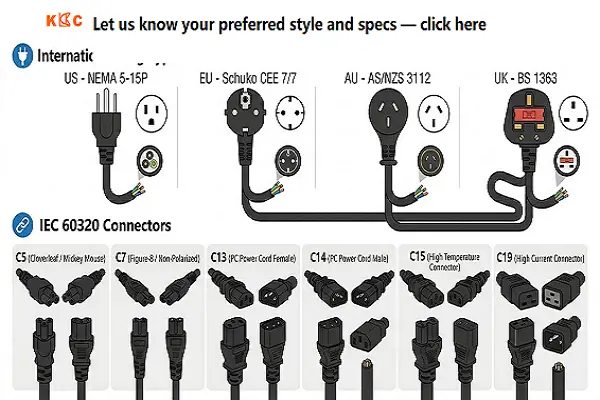
You can get into the market and run your business smoothly if you follow well-known safety rules. In North America, wires that have UL (Underwriters Laboratories) or ETL (Intertek) certifications have passed strict safety tests to make sure they are flame-resistant, conductive, and long-lasting. For goods to be sold in Europe, the VDE (Verband der Elektrotechnik) has to say they're good. It has a CE mark on it, which means it meets EU safety rules for low power and electromagnetic compatibility. The National Electrical Code (NEC) in the US tells you how to place things, what kinds of wires to use (like SOOW for outdoor use or THHN for pipe use), and how big of a conductor you need. International IEC 60320 rules say how connections should be set up. These rules make sure that electrical and physical tools made anywhere in the world works with everything else.
Distinguishing Power Cords from Extension Cables
The two types of wires look a lot alike, but they are used for different things in business. If you want to connect a power cord cable permanently or partly permanently to a power source and an item of equipment, you can do that. It has certain terminations that meet the input specs for the power source and the piece of equipment. These sets have strain relief, the right way to ground, and lines that are the right size for the load they are connected to. Extension cords with receptacles that let you connect and detach them more than once, on the other hand, offer temporary power when permanent wiring is not a choice. Many places in the workplace don't let extension cords be used because there are more places where things can go wrong and people could trip. They would rather have custom power lines that are the right size, permanently put, and fit in well with how the building is set up and where the equipment is located.
Why Choose Custom Length Power Cables for Industrial Equipment?
Most standard power lines are six, ten, or fifteen feet long, which doesn't always match up with where industrial equipment is situated. This difference causes problems in the real world, safety risks, and extra costs that aren't necessary. These problems can all be fixed with custom solutions.
Limitations of Off-the-Shelf Solutions
In order to use generic wire links, you have to give up. Extra length rolls up on the floors, making them dangerous for people to trip on and for trucks or mobile equipment to hit as they move through work areas. When you group more wires together, they get hotter, which breaks down the insulation faster. It's even more important when the wires are grouped together in cable boxes or pipes. The termination points of lines that are almost at their target, on the other hand, are always under stress. As a result, connections become less secure over time, and contact resistance goes up. This is one of the main reasons why the link can get hot and fail or catch fire. Standard products also have size limits on the conductors that can be used. This means that you have to pick between using small lines that could lead to voltage drops and warming or buying kits that are too big, which costs more and is harder to install in tight spaces.
Operational Advantages of Custom Specifications
Power lines that are precisely the right length make the whole process of spreading power in industry better. There is no slack with exact measures, so the setups are clean. This makes it easier to check, manage, and fix problems. Cutting down on the amount of cables in boxes and ducts makes it easier for heat to leave, which makes your whole power system last longer. Copper costs stay low by making the wires' sizes fit the real load needs and run lengths. This also keeps the voltage within the equipment's limits. For automated systems that need to turn on at the same time, special wires help make sure that the right amount of space is between the equipment and the power transfer. We recently helped a client in production put together tools for an assembly line. When they used custom power cords instead of standard cables, installation time was cut by 30%. They also got rid of fourteen potential trip risks that were found during safety checks.
Safety Enhancement Through Tailored Design
There are safety problems that are unique to each place that are taken into account by custom links but not by generic ones. Stress relief that is harder and jackets that don't harden or crack are helpful in places where there is a lot of vibration, like pressing processes or conveyor lines. In places where cutting fluids, acids, or hydraulic oils are present, you need clothing materials that are made for those conditions. These are things like synthetic rubber or chlorinated polyethylene that don't break down chemically like regular PVC does. When it comes to insulation, you need to make different choices for each temperature range. For instance, wires in cold storage facilities need to be able to stay flexible at -40°C, and insulation near a furnace or kiln needs to be made of high-temperature rubber that can handle 200°C. You can change how the grounding is set up to meet the needs of electrical controls that are sensitive and need their own grounds or heavy machinery that needs more than one grounding line to safely get rid of fault currents.
Future-Proofing Equipment Installations
As factories change, their power needs shift, their work lines get longer, and their equipment moves around. These changes can be made to custom power cord cable that have limited future capacity, so they don't need to be changed fully. As long as the links have the right amount of strain relief and service loops, you can move the equipment within a reasonable range without having to change the connections. Write down the details of a unique wire. This creates institutional knowledge that can help repair teams years after the installation, even if the people who did the installation are no longer working there. When standard custom lengths are used for equipment families, modular custom cable plans find a balance between the benefits of customization and the difficulty of keeping track of supplies. This makes it easier to handle spare parts and keep the same installation style across multiple production rooms or adds to the building.
How to Select the Right Custom Power Cord Cable for Your Equipment?
When you define special power lines, you have to carefully look at the rules, the environment, and the amount of electricity that is needed to find the best ways to set them up so that they work well for a long time.
Assessing Electrical Requirements
First, write down the voltage, current draw, frequency, and phase settings that are written on the sign of the machinery. It's easy to find the voltage drop: VD = (2 × L × R × I) / 1000. What is L? It's the one-way cable's length in feet. R is the circuit resistance per thousand feet, which you can find in wire tables. I is the load current in amps. The NEC says that with branch circuits the voltage drop should be less than 3% and with circuits that mix feeds and branch circuits it should be less than 5%. To find the right overcurrent safety for motorized equipment, you need to know how much inrush current there is. This is usually five to seven times the moving current. But wire size is based on load that stays the same over time. Certain three-phase equipment needs the right amount of conductors. For systems that are not grounded, they need four conductors (three phases plus ground), and for grounded wye setups, they need five conductors (three phases, neutral, and ground).
Environmental Factor Analysis
In a business or home, the conditions for lines are very different from those in an industrial setting. The temperature range affects which protection to use. Standard PVC can bend at -10°C to 60°C, XLPE at -40°C to 90°C, and silicone rubber at -60°C to 200°C. Wires that are going to be wet need to have waterproof covers and ends that are covered. They need to have the right IP (Ingress Protection) scores for wet places when they are used outside or in dirty places. When chemicals are present, jackets need to be made of materials that are resistant to those chemicals. Chemical protection charts can help you choose a jacket that is right for the fluids in your building. When there are mechanical risks like cutting, slicing, or touching, you need protected wires with metal sheaths that are linked together or heavy-duty jackets. When UV light hits regular materials outside, they break down. To protect lines that will be in direct sunlight, use UV-stabilized jackets or tubing.
Conductor Material and Jacket Selection
Copper is still the most common conductor material because it is easy to work with, doesn't cost much, and moves energy well. Because oxygen-free copper (OFC) stops terminations from rusting, links last longer and work better. If you tin copper wires, they won't rust in salty or wet places. To save money, aluminum wires are sometimes used in large feeding lines. To get the same ampacity, though, they need to be terminated in a certain way and be bigger. The right jacket materials combine price, comfort, and adaptability. Chemicals and oils don't hurt chlorinated polyethylene (CPE), thermoplastic elastomer (TPE), or chlorosulfonated polyethylene (Hypalon). TPE is very flexible in cold places, and Hypalon is very resistant to weather and ozone for outdoor uses.
Connector and Termination Options
How fast and efficiently the installation goes and how long it lasts depend on the connection you choose. The C13/C14 and C19/C20 types of IEC 60320 connectors offer standard links that can be disconnected. These are commonly used in test and IT tools. The C19 and C20 models can handle up to 16 amps of power, but the C13 and C14 models can only handle 10 amps. Straight-blade NEMA plugs (5-15, 5-20, 6-20, L5-30, and L6-30) can be used for most 120V and 240V jobs. In industrial settings, models that have the word "L" before the name keep them from disconnecting by mistake. When there are a lot of movements, twist-lock systems help. Heavy industrial equipment often has pin-and-sleeve connections (IEC 60309) because they can handle large currents and have mechanical keying that stops voltages from being out of sync. Problems with plug interfaces can be solved with hardwired connections, such as ring terminals, spade lugs, or direct wire connections in fixed setups. There is less freedom with installs, though.
Conclusion
With custom-length power cord cable, industrial power distribution goes from being a deal that has to be made to a system that works perfectly and helps businesses do their best. Custom solutions get rid of the waste, safety risks, and dependability issues that come with off-the-shelf goods by perfectly meeting building plans, energy needs, and environmental needs. Strategic buying that includes both technical due diligence and source review makes sure that custom wires are useful for both the short term (during installation) and the long term (during operations). If you install and take care of your equipment the right way, it will protect your investment and keep working easily, which is what modern business processes need. You'll be safer, have less downtime, and be able to run your business more freely when you take the time to plan and buy special power lines.
FAQ
What factors determine the correct wire gauge for custom industrial power cables?
Three things should guide your choice of wire size: the ampacity (the amount of electricity it can carry), the voltage drop it can handle, and how strong it is. First, find the steady current going through the load. Then, use the NEC ampacity tables to account for the insulation temperature grade and the fitting conditions. For the cable's length and load, make sure that the voltage drop stays below the limits that are given. When used for hard work, wires may need to be larger than what is required for safety reasons so they last longer.
How long does custom cable manufacturing and delivery typically require?
It depends on how many orders there are and how difficult the specs are. Most simple changes to standard setups are sent out within two weeks. For example, custom lengths using the same wires and connections are sent out within two weeks. Lead times can be as long as four weeks if the standards are difficult and need unique materials, different testing methods, or a lot of them. Sample numbers ship faster—within a week—so they can be tried out before the full amount is promised. Talking to makers while you're getting quotes can help you figure out how long it will take to make something that fits your needs.
Do custom industrial power cables meet international safety standards?
Reliable producers get the right permissions for their own television shows. In North America, it might be UL or ETL, and in Europe, it might be VDE. Check any other approvals that are needed to make sure they work where you live. When handmade lines use approved parts that are put together in a certified way, they need to be certified. When you buy something, ask for proof that it has been approved; a trustworthy business will gladly give it to you. If the unique specs are very different from the standard designs, they may need to be tested or approved more often.
Partner with Kuncan Electronics for Your Custom Power Cable Needs
You can get the most out of your industrial tools if you get custom-length cords that are carefully made and don't skimp on performance. These power cord cable have been made by Kuncan Electronics for seventeen years. They can help with automating factories. From the time you tell them what you need until it's done, they can be your strategic partner. Everyone on our tech team works together to find ideas that are both good at what they do and good value for money. Plus, our production is very adaptable, so we can take on orders of any size, from small samples to big orders. There is no minimum order size. Global rules, such as ETL, VDE, CE, and RoHS, make sure that all places around the world follow the rules. It only takes three to seven work days for us to send you samples, and fifteen to twenty-five days for us to send you big orders. We are a trustworthy power cord cable source. Email us at rhea@szkuncan.net for technical help, low-cost prices, or to talk about how our custom cable solutions can make your business run better.
References
National Electrical Manufacturers Association (NEMA), "Industrial Power Cable Selection Guide," 2021, Technical Publication WC 70.
Institute of Electrical and Electronics Engineers (IEEE), "Recommended Practice for Industrial and Commercial Power Systems Analysis," IEEE Standard 399-2021.
Underwriters Laboratories, "Standard for Flexible Cords and Cables," UL 62 Technical Standards, 2020 Edition.
International Electrotechnical Commission (IEC), "Industrial Cable Systems: Selection and Installation," IEC 61439 Series Standards, 2022.
Copper Development Association, "Voltage Drop and Cable Sizing for Industrial Applications," Technical Reference Handbook, 2020.
American Society for Testing and Materials (ASTM), "Standard Specification for Insulated Wire and Cable for the Transmission and Distribution of Electrical Energy," ASTM B8-21, 2021.

USER EVALUATE
Here is the customer's evaluation of us
_1775617034231.webp)