


Best Schuko Extension Leads for European Power Tools & Gadgets
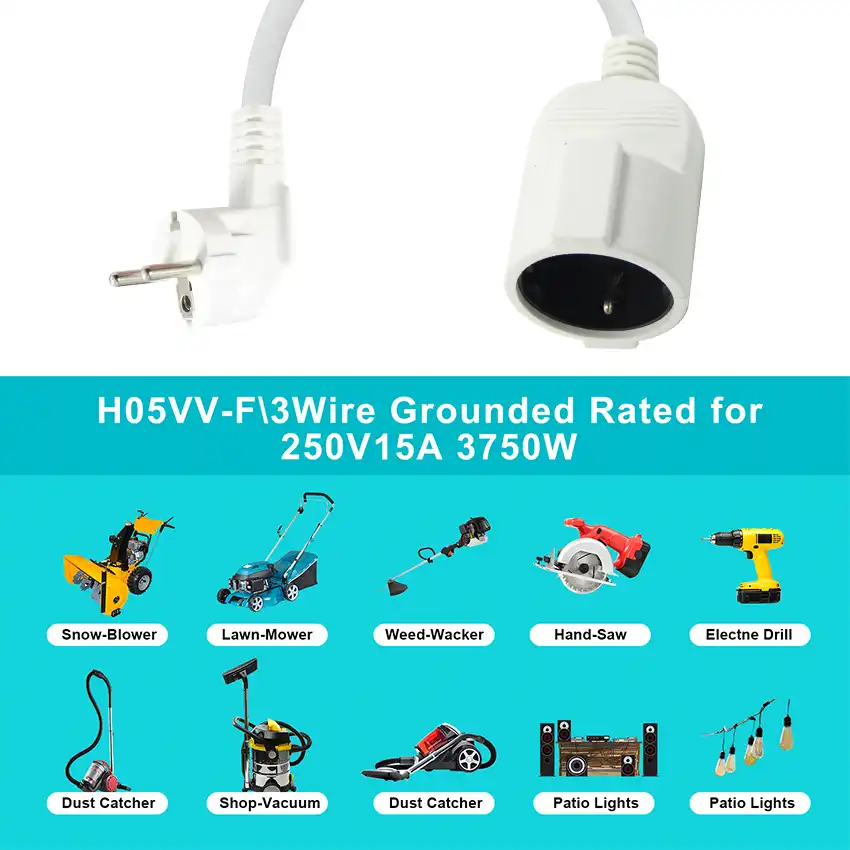
Finding the right Schuko extension lead changes how businesses in Europe run their most important machines. As an engineer or B2B procurement manager, you know that choosing reliable power distribution options has a direct effect on safety, efficiency, and the ability to keep operations running. VDE-certified Schuko extension cords have the features that tough industrial settings need: strong 16A 250V rates, plug compatibility with CEE 7/7 standards, and construction that can handle the daily stress of work. If you're running CNC machines in German workshops or connecting IT systems in offices across multiple countries, you need to make sure that your European extension leads meet strict EN/IEC safety standards that protect both your employees and your equipment.
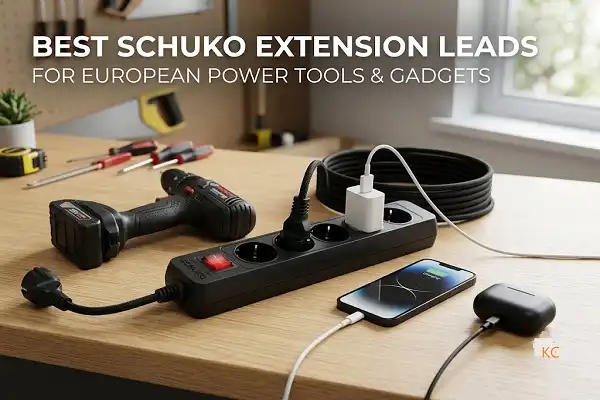
Understanding Schuko Extension Leads: Key Features and Technical Insights
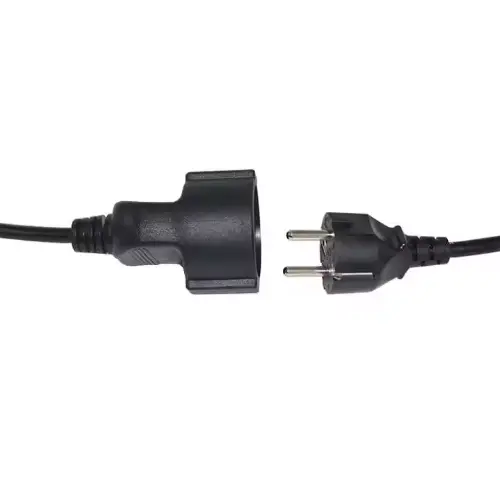
European power transfer needs precise engineering that works with electricity standards across the whole continent. Schuko extension leads work in 230V, 50Hz settings and have a unique CEE 7/7 plug design that keeps the grounding continuity and stops accidental disconnections while the leads are in use.
What Makes Schuko Design Essential for European Applications?
It comes from the German word "Schutzkontakt," which means "protective contact." The Schuko connector system has two round pins with side grounding clips that keep the earth connection even when plugs spin a little while they're being used. Electrical safety is a top priority in this design theory, which uses multiple grounding paths to lower the risk of shock in high-vibration industrial settings. Good extension cords have 3G1.0mm² or 3G1.5mm² wires that keep the amperage steady without dropping the voltage too much. This is important when using power-hungry tools like angle grinders, industrial vacuum systems, or lab analysis instruments.
Critical Safety Features That Protect Operations
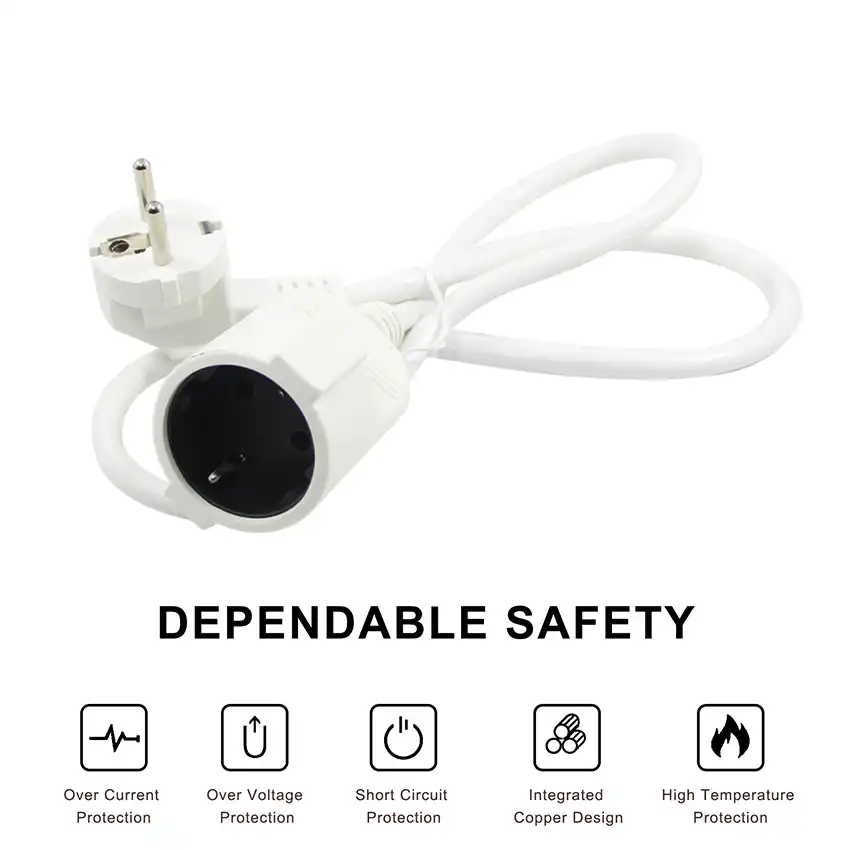
Modern European extension lines have more than one layer of protection on top of the basic insulation. Child safety screens keep kids from touching live terminals by mistake. This is especially important in mixed-use buildings where non-technical staff can reach power points. Outdoor types with an IP44 rating can handle rain and dust, so they can work reliably on building sites or at outdoor events. Temperature-resistant H07RN-F rubber jacketing keeps insulation flexible in cold buildings and keeps it from becoming brittle, which would compromise its structure. These engineering factors directly address common problems in the workplace, such as being hurt by dropped tools, being exposed to chemicals in factory settings, and temperature changes in places that don't have climate control.
Voltage Compatibility and Wiring Standards
Following EN/IEC rules makes sure that all European markets can work together. Extension leads that meet EN 61242 standards go through strict dielectric strength tests to make sure the insulation can handle voltage spikes without breaking. When you have proper wiring conformity, the wires stay the right way around along the lead. This means that the neutral, live, and earth links stay the same from plug to socket. This level of technical detail is important for managing international projects that need tools from different countries to work together smoothly. Specifying VDE or GS certificates is helpful for procurement managers because they ensure that these important electrical factors have been checked by a third party.
How to Choose the Best Schuko Extension Lead for Your Business Needs?
To choose the best power distribution tools, you need to look at specific operating situations instead of just using general solutions. When you make your purchasing choice for a Schuko extension lead, you should think about both short-term practical needs and long-term reliability issues that will keep the total cost of ownership as low as possible.
Assessing Power Requirements and Usage Environments
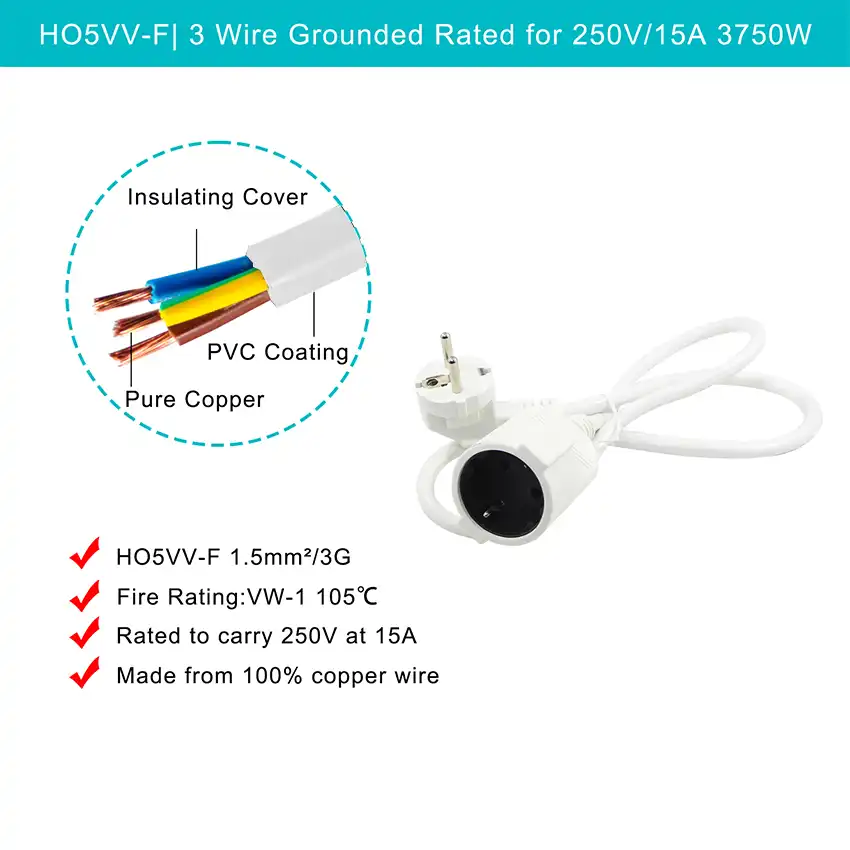
Find the required electricity values for the Schuko extension lead by adding up the wattages of all the connected devices. A 16A extension cord can safely handle up to 3,680 watts at 230V, which is enough power for several tools to be used at the same time. But long-term loads that get close to the highest limits speed up insulation degradation. Choosing leads with 20% capacity headroom greatly increases service life. Standard H05VV-F PVC wires can be used in offices, but workshops need abrasion-resistant H07RN-F rubber versions that won't cut through metal shavings and will stay flexible after being wound up many times. For outdoor uses, protection grades of IP44 or higher are needed to make sure that moisture doesn't damage electricity safety when the weather changes with the seasons.
Evaluating Cable Specifications and Durability
The conductor range has a direct effect on how long the show lasts. While 3G1.0mm² cables meet basic European standards, upgrading to 3G1.5mm² construction lowers resistive heating during high-load operation. This stops the premature insulation failure that users often describe as "overheating issues." Another common complaint is that extension cords that won't lay flat make it easier to organize your workspace and create tripping hazards. Plasticizers used by good manufacturers keep cables flexible even after thousands of coiling cycles without affecting their flame-resistant qualities, which are needed by safety rules.
Before placing large orders, buying teams should look at these success indicators:
- Load Capacity Verification: Make sure the extension lead can handle the starting surge current of your equipment. For motor-driven tools, this current is often 200–300% higher than the steady-state amperage. This stops annoying trips and makes plugs and sockets' contacts last longer.
- Mechanical Robustness: Look for stronger strain relief at the places where the plugs enter the system where stress builds up during bending. Cheaper crimped assemblies break apart after a while of use, leaving dangerous wires uncovered. Molded plug housings last longer.
- Thermal Management: Good designs have conductors that are big enough to get rid of heat quickly, even when they're fully loaded. Plug housings that are too warm while they're working are a sign of bad thermal design that repair teams should keep an eye on.
These technical factors set professional-grade tools apart from consumer goods that aren't up to the task of demanding industrial uses. Reliable sources like Kuncan Electronics design their European extension cords to withstand these practical stresses. They do this by using their 17 years of experience in manufacturing to add details to the construction that make it last longer between replacements.
Supplier Reliability and Warranty Considerations
The efficiency of procurement relies on partnerships with vendors that provide uniform quality and quick assistance. When evaluating possible providers, look at how many certifications they have. Manufacturers with VDE, CE, GS, and RoHS approvals show that they are committed to following the rules in many places. The length of the warranty shows how confident the company is in the product's durability. Full coverage against production flaws for one year saves purchase budgets from costs related to early failure. Sample evaluation programs let technical teams check performance promises before placing large orders. This lowers specification risk in mission-critical settings where power outages cost a lot of money in lost time.
Top Schuko Extension Leads in 2026: Performance, Features & User Reviews
Knowing about the top solutions on the market can help you compare your buying requirements for the best Schuko extension leads to solutions that have been shown to work in the past. Looking at what's already on the market shows the main differences that affect customer happiness and the dependability of operations over time.
Professional-Grade Solutions for Industrial Environments
Schuko extension lead that are VDE-certified and made for tough jobs have 16A 250V values and CEE 7/7 plugs and sockets. Lengths ranging from 2m to 20m are available to suit a variety of workspace layouts without creating extra cord clutter. Dual conductor gauge choices (3G1.0mm² and 3G1.5mm²) let procurement managers find the best balance between cost and performance. For example, lighter-duty office applications use economical 1.0mm² versions, while heavy machinery setups need 1.5mm² versions for long-term high-load operation. Optional child protection screens meet safety standards in places where untrained people can access power distribution equipment. This lowers the risk of responsibility from electrical accidents.
Outdoor-Rated Models for All-Weather Reliability
Rubber-jacketed extensions with an IP44 rating can handle conditions that would kill regular PVC wires in months. The H07RN-F construction stays flexible at temperatures ranging from -25°C to +60°C, so it works well whether it's stored in a building that isn't warm or used in the middle of summer in the sun. Designs that can withstand the weather are especially useful for construction workers, people who plan outdoor events, and repair crews who work on the outside of buildings. User feedback always points out the benefits of durability—outdoor-rated leads usually last 3 to 5 years in harsh settings where regular wires break after just one season because of UV damage and water getting inside.
Customization Options Supporting Brand Differentiation
Flexible manufacturing skills can turn standard products into branded solutions that are good for both retail sellers and OEM clients. Customization options include high-visibility orange jacketing for landscaping and building projects where cables need to be visible so they don't get cut by mistake, professional black finishes for the look of a corporate office, and custom color matching that strengthens brand identity. Private labeling services put customer logos on cable jackets and packages directly, making goods that are ready to sell and help people remember your brand. These value-added services make supply lines easier for wholesalers who would rather buy finished goods than handle back-end tasks themselves.
When companies are thinking about buying extension leads, they should keep in mind that performance consistency across production batches is just as important as the quality of the first sample. Manufacturing partners who use 100% electrical testing procedures make sure that every unit meets the requirements. Checks for dielectric strength, earth bond continuity, and temperature rise get rid of any faulty items before they are shipped. This way of making sure quality is very different from spot-check testing, which lets some flaws get to customers and cause problems in the field that hurt relationships with suppliers and raise insurance costs.
Procurement Tips: How and Where to Buy Schuko Extension Leads for B2B Clients?
Decisions about strategic buying have a big effect on the total cost of procurement, not just the unit price. By using a thorough framework to evaluate suppliers, you can be sure that the relationships you make will offer value throughout the lifecycle of Schuko extension leads.
Comparing Sourcing Channels and Lead Times
It is cheaper to buy Schuko extension lead in bulk from specialized makers online than from local distributors, who add markups that make buying budgets bigger. When you work directly with a maker, you can get engineering help that answers technical questions during the specification development process, which cuts down on the number of design iteration rounds. Shipping times from Asian factories are longer, though, so it's important to plan your supplies well. Sample lead times are 3–7 business days, which gives you time to make sure the design works, and bulk production takes 15–25 days, based on the size of the order and how complicated the customization is. When project deadlines get squished out of the blue, the ability to place a rush order comes in handy, though there are extra costs for faster production schedule.
Negotiating Volume Discounts and Contract Terms
When negotiating a bulk buy, you should talk about more than just unit price. Manufacturing costs are affected by differences in cable length, conductor gauge, and customization needs. Sticking to fewer SKU versions increases price power by focusing volume. When procurement managers sign annual supply agreements, they often include price guarantee terms that keep budgets stable when the prices of raw materials change. This is especially important when the prices of copper change. Delivery reliability measures put into contracts protect against supply disruptions; suppliers are encouraged to stick to production schedules that meet your needs by enforcing penalties for late shipments.
Quality Assurance and Supplier Verification
Doing research on new providers before making a commitment can help avoid expensive quality problems that only show up after a lot of work has been done with them. Check the certification paperwork to make sure the product has VDE, CE, and GS approvals. Trustworthy manufacturers will give you test results from approved labs instead of vague compliance claims. Factory checks show how well the factory can make things and how well it manages quality. ISO-certified factories show that they are dedicated to process control that ensures consistent output. Checking with current customers for references can reveal problems with responsiveness, defect rates, and insurance claim handling that could affect the long-term happiness of the partnership.
Safety and Compliance: Ensuring Your Schuko Extension Leads Meet European Standards
Following the rules keeps businesses from being sued and makes sure workers are safe while they do their daily work. Knowing what certifications are needed lets you make smart buying choices for your Schuko extension leads that follow the law in all European markets.
Essential Certifications and Their Significance
Products like the Schuko extension lead that are sold in the EU must officially have the CE marking on them to show that they meet European health, safety, and environmental protection standards. The Association for Electrical, Electronic, and Information Technologies (VDE) in Germany gives certifications after strict, independent tests that check the quality of the building and the electrical performance. The GS (Geprüfte Sicherheit) marking gives you extra peace of mind because it means that a third party has tested the product and found it to be safe above and beyond what is required by law. RoHS compliance limits the use of dangerous materials in electrical equipment, which helps the environment and is becoming more and more important to companies that want to buy things that are good for the environment.
Common Safety Pitfalls and Prevention Strategies
Most electrical accidents in industrial settings happen because extension leads are overloaded. People often daisy-chain multiple connections or connect more equipment than it can handle, which creates too much heat that damages insulation and poses a fire risk. These risks can be reduced by teaching people about safe working limits through clear load rating signs and user training programs. Another weakness is inadequate surge protection—extensions that are too cheap and don't have the right transient voltage reduction let voltage spikes damage sensitive electronics, leading to equipment failures that stop operations. These expensive problems can be avoided by choosing goods with tested surge safety parts.
Maintenance Protocols Extending Service Life
Protocols for regular inspections find problems as they start to form, before they lead to fails or safety issues. Visual inspections should find broken jacketing, bent pins, or weak connections that show abuse and need to be replaced. Testing electrical equipment with portable appliance testers (PAT) makes sure that the earth continuity and insulator resistance stay within safe limits as the equipment gets older. Systems that keep records of inspections and trends of failure help make replacement plans that avoid unplanned downtime. These preventative maintenance methods turn following safety rules from a legal requirement into a practical benefit that makes equipment more reliable and keeps people safe from electrical dangers.
Conclusion
To get the best working performance, choosing the right Schuko extension leads means balancing technical specs, safety certifications, and the dependability of the provider. European extension cords that are VDE-certified and are made with the right size conductors, strong jackets, and a lot of safety features work reliably in a wide range of difficult industrial settings. When purchasing managers put an emphasis on quality building and making sure that all regulations are followed, they ensure long-term value that lowers total ownership costs by increasing service life and lowering failure rates. Strategic partnerships with suppliers that offer customization options, quick technical support, and reliable delivery times help businesses stay ahead of the competition while ensuring electrical safety standards that protect workers and equipment investments throughout their entire operational lifecycles.
FAQ
What distinguishes Schuko extension leads from UK power strips?
For 230V European electrical systems, Schuko sockets have round pins with side grounding clips. UK extensions, on the other hand, have rectangle three-pin plugs with different grounding arrangements. Without adapters, these systems still can't talk to each other, and since voltage levels are different, mixing parts could cause electrical problems or damage to the equipment.
Can Schuko extension leads safely operate in outdoor or wet conditions?
Models that are labeled IP44 and have a H07RN-F rubber jacketing can handle rain and dust well. However, better IP67/IP68 grades are needed for direct immersion or water that doesn't move. Before deploying, you should always make sure that the protection grades match the conditions of the area.
How do I confirm power tool compatibility before purchasing?
Check the equipment's nameplates to see what power it needs (it should be 230V), how much current it needs, and how the plugs are set up. Find the total linked load and make sure it stays below the maximum capacity of the extension lead by a sufficient amount. Good makers give detailed technical specs that let you check for exact compatibility during the review of the procurement.
Partner With Kuncan Electronics for Professional Schuko Extension Lead Solutions
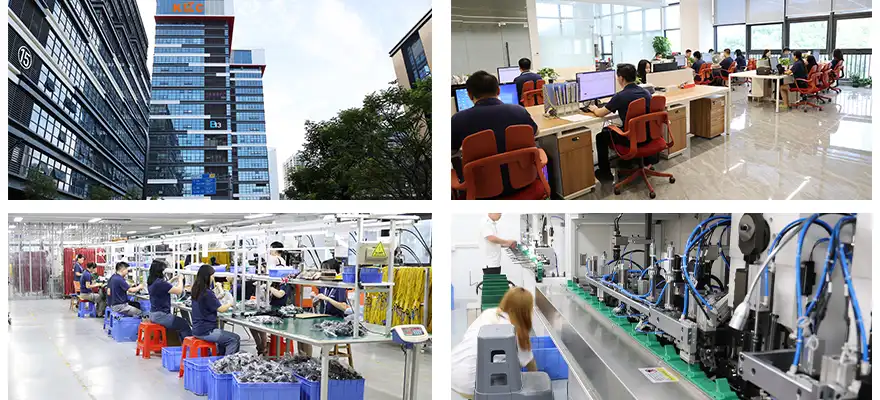
Kuncan Electronics offers officially approved power transfer systems made just for tough business-to-business uses. Our VDE-certified Schuko extension leads are built with 17 years of production experience in mind, so they work reliably in industrial, business, and specialized technical settings. We help sourcing teams by offering flexible customization options, such as different conductor sizes, outdoor-rated jacketing, and private marking services that make goods that are ready to sell for OEM and distributor clients.
We can get samples to you in 3–7 business days and full production in 15–25 days thanks to our streamlined supply chain. We also offer 24-hour technical help and a full 1-year guarantee. Get in touch with our engineering experts at rhea@szkuncan.net to talk about your unique needs, such as mixed-length bulk orders, custom color matching, or technical advice about load estimates and environmental ratings. As a reputable Schuko extension lead manufacturer, we offer low prices and quality guarantee that includes 100% electrical testing to make sure every unit meets strict European safety standards before it is shipped.
References
European Committee for Electrotechnical Standardization. (2021). "EN 61242: Electrical Accessories - Cable Reels for Household and Similar Purposes." CENELEC Technical Standards.
VDE Testing and Certification Institute. (2023). "Safety Requirements for European Extension Cords and Power Distribution Equipment." VDE Quality Assurance Standards.
International Electrotechnical Commission. (2022). "IEC 60884: Plugs and Socket-Outlets for Household and Similar Purposes - Part 2: Particular Requirements for Schuko Systems." IEC Technical Publications.
German Association for Electrical Engineering. (2023). "GS Certification Guidelines for Extension Leads and Power Strips." VDE Publishing House.
Electrical Safety Foundation International. (2022). "Industrial Power Distribution Best Practices: Extension Cord Selection and Maintenance Protocols." ESFI Technical Guidelines.
European Union Restriction of Hazardous Substances Directive. (2021). "RoHS Compliance Requirements for Electrical and Electronic Equipment in EU Markets." Official Journal of the European Union.

USER EVALUATE
Here is the customer's evaluation of us
YOU MAY LIKE
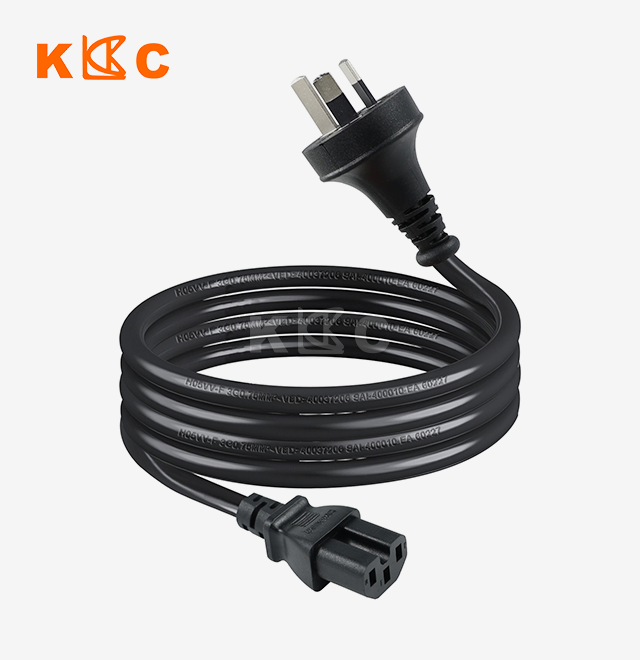 VIEW MOREAS/NZS 3112 to IEC C15 High-Temp Cord
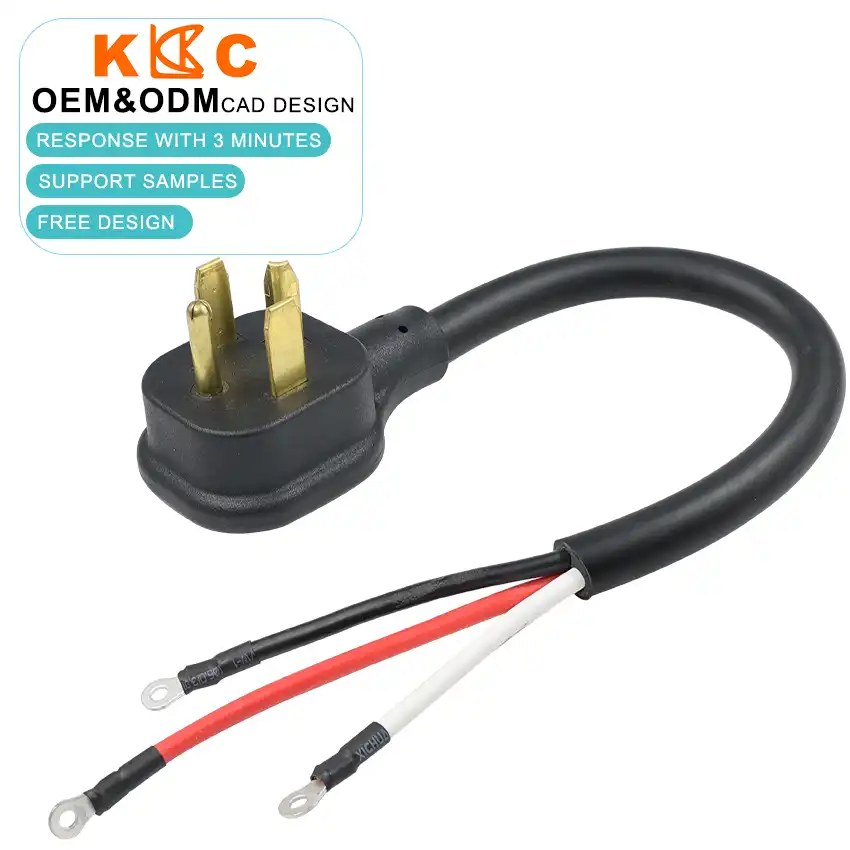 VIEW MORENEMA14-30P to O-ring terminal cable
_1779784337428.webp) VIEW MORE5V 2A USB C Power Adapter
VIEW MORE5V 2A USB C Power Adapter_1778576596139.webp) VIEW MORENema 5-15P to 3X 5-15R Y Splitter Cord
VIEW MORENema 5-15P to 3X 5-15R Y Splitter Cord VIEW MORECigarette Lighter Plug to Spade Terminals
 VIEW MOREuninterrupted power supply for wifi router
 VIEW MORE12v dc power supply for led lights
 VIEW MOREpdu schuko c13