
British Power Cords: A Complete Guide to BS1363 Standards
If you want to find solid power connectivity options for the UK and Ireland markets, you need to know about British power cords and the BS1363 standard. This unique three-pin system is more than just a plug arrangement; it's the result of decades of safety innovations meant to keep people and equipment safe. British power cords have sleeved pins, built-in ceramic fuses, and strong earth links that provide 230V at 50Hz with unbeatable dependability. These cords meet strict international safety standards and can be customized to fit your needs, whether you're selling consumer goods, industrial equipment, or medical devices. Our complete guide helps you understand technical details, buying strategies, and legal requirements so you can make smart choices that improve your supply chain.
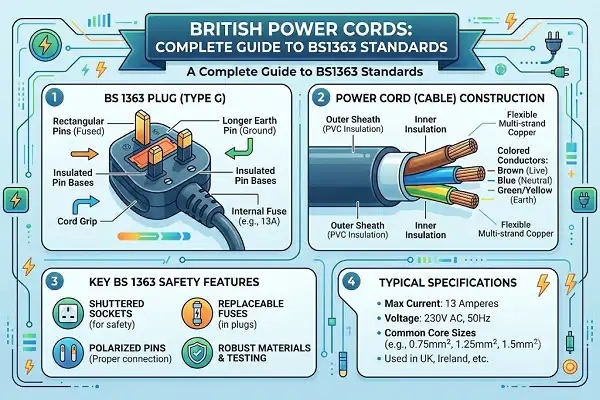
Understanding British Power Cords and the BS1363 Standard
The Distinctive Three-Pin Design and Its Purpose
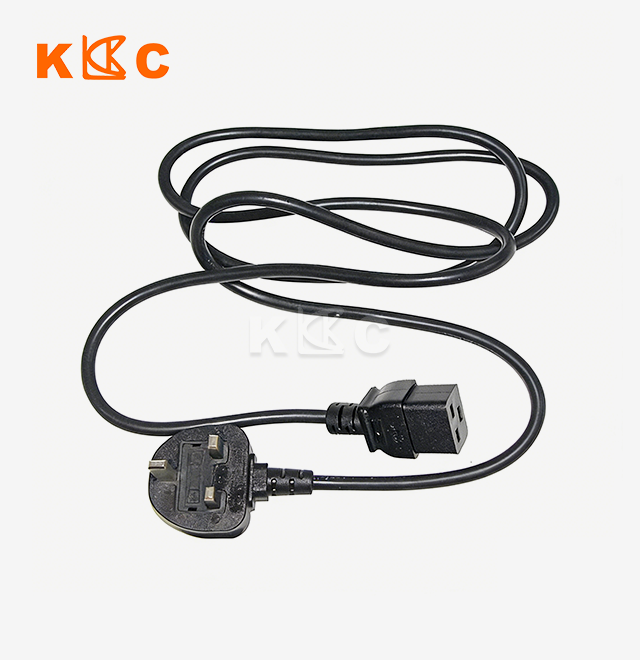
The rectangular three-pin shape of the UK plug system makes it stand out. This design came about because of changes made to electrical safety after World War II. Each BS1363 plug has a longer earth pin that opens safety shutters in the socket before the live and neutral pins touch. This mechanical safety feature keeps you from touching live wires by mistake. This is especially important in places where kids or people who haven't been trained can reach power outlets. The pins have partially insulated covers that make them even safer to use or remove because they lower the risk of shock even more.
Historical Development and Certification Framework
In 1947, BS1363 was made to standardize electrical links in the UK and fix safety problems with older systems. The British Standards Institution set very strict rules for tests that companies must follow in order to get certified. ASTA approval makes sure that parts meet performance standards, material requirements, and limits for size. This validation by a third party makes sure that all makers produce the same high-quality products and protects dealers and end users legally. Certification groups do regular checks of factories and samples of products to make sure that standards are being met throughout production runs.
Electrical Specifications and Safety Protocols
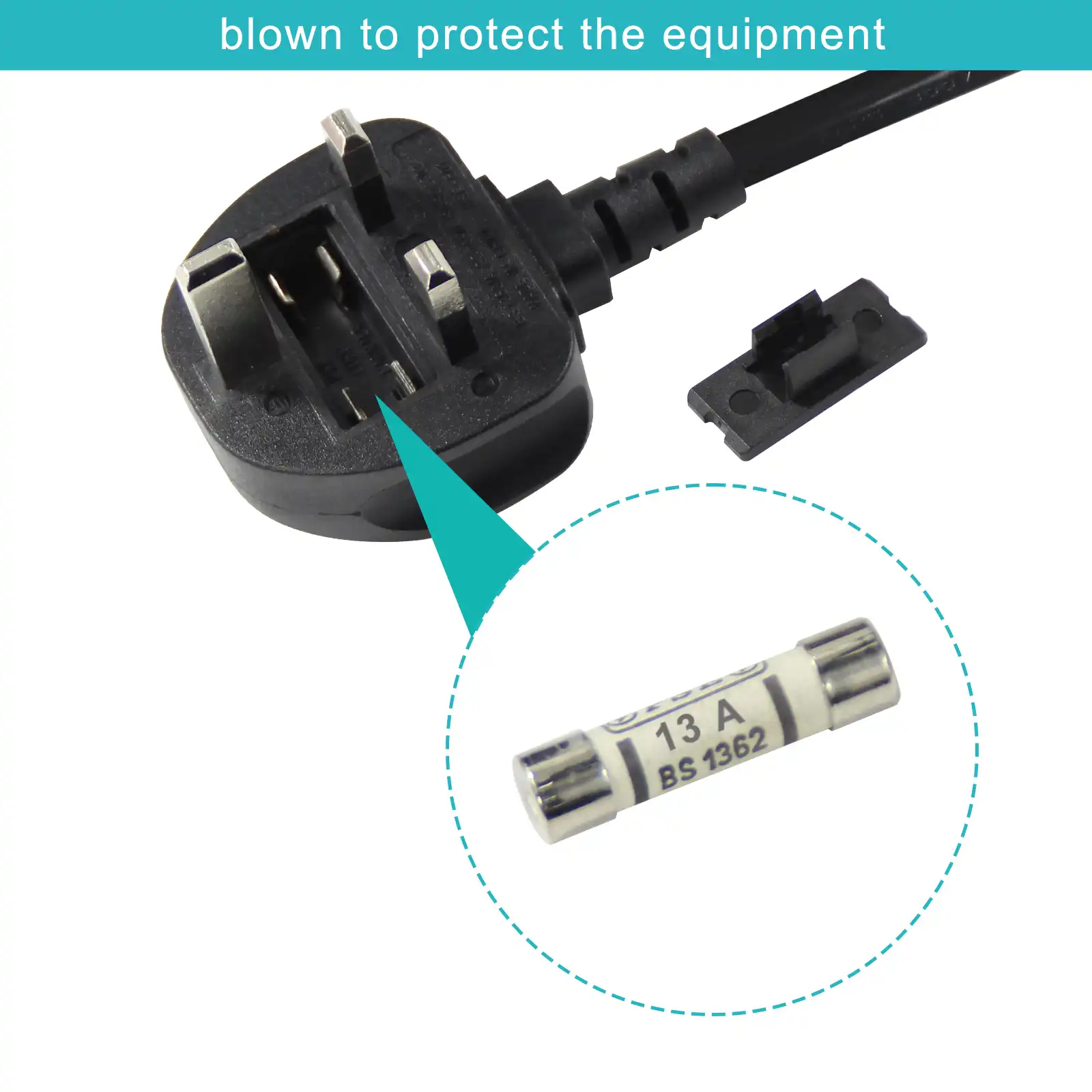
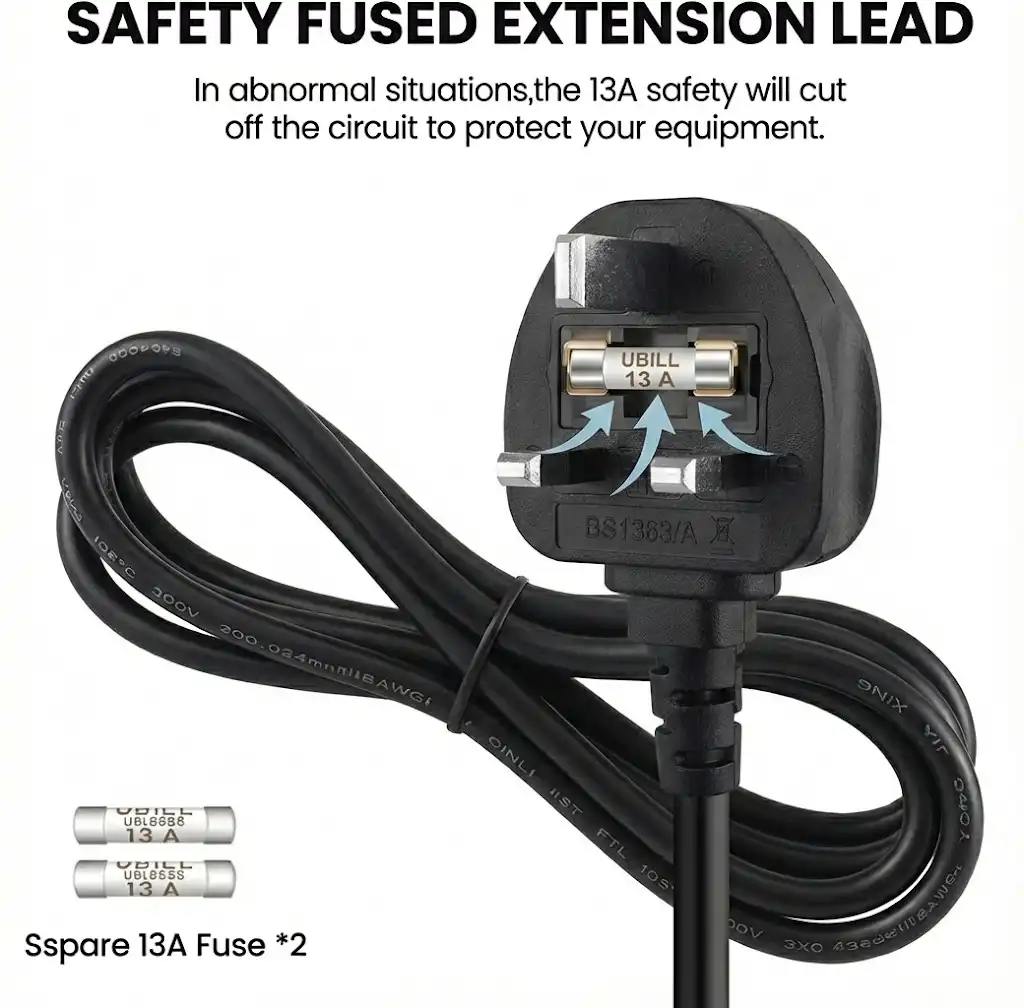
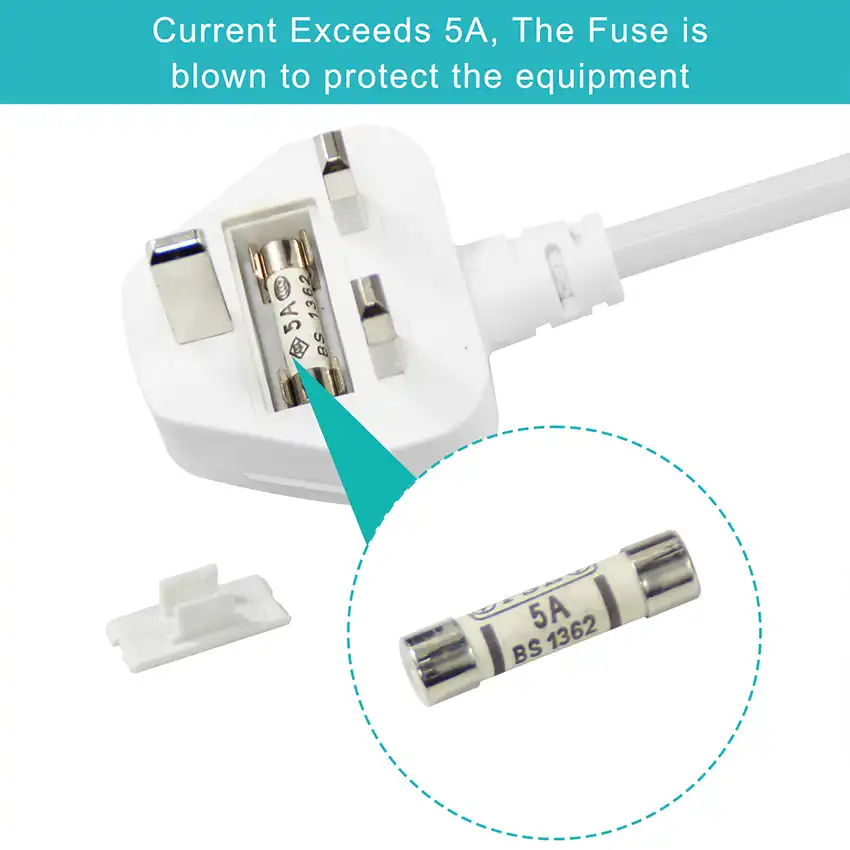
The British power cords work at 230V and 50Hz and can send up to 13A of power through normal H05VV-F wire configurations. The required fuse built into every plug protects against overcurrent and is usually set at 3A, 5A, or 13A, based on the load that is connected. This fuse-in-plug method is better for safety than systems that only use circuit breakers because it keeps the flexible cord from getting too hot. Copper conductors that are 1.0 mm² or 1.5 mm² in diameter are usually used to make cables. The insulation can be PVC or rubber, depending on the needs of the product and the surroundings.
Key Features and Advantages of British Power Cords
Superior Electrical Performance and Built-In Protection
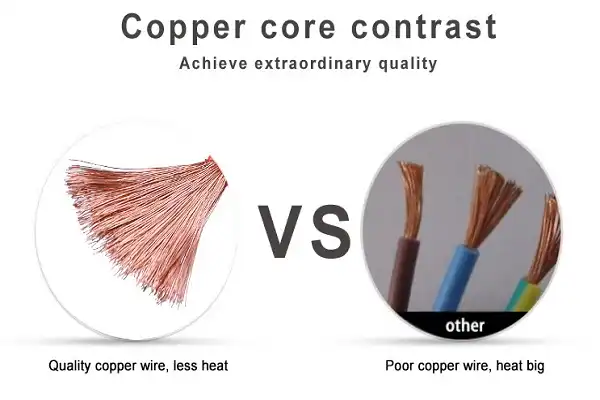
The high level of engineering that went into making British power cords BS1363 power solutions gives B2B uses in many areas real benefits. Knowing about these benefits helps buying teams explain the value of investments to stakeholders and back up their choices. In British power cords, voltage tolerance allows changes between 216V and 253V to happen without affecting safety or function. The ceramic fuse reacts in milliseconds to overcurrent situations, keeping sensitive gadgets safe and avoiding fire risks. Premium copper conductivity keeps voltage drop to a minimum over long wire lengths, so linked equipment always gets stable power. During the production process, we test the electrical strength at 2,000V for 60 seconds. This makes sure that the insulation is solid, which goes above and beyond what is required by standard. Mechanical strain relief at both plug and socket links keeps internal wires from getting damaged during normal handling, which makes products last longer in harsh settings.
Comparative Analysis with European and North American Standards
European Schuko plugs don't have built-in fuses; instead, they use built-in wire safety that might not protect flexible cords well enough. In North America, NEMA setups use smaller pins with less contact surface area. This makes the connection less reliable and causes the potential to heat up when loads are applied for a long time. The BS1363 system's bigger touch areas spread current more evenly, which lowers the thermal stress on the connection points. Interoperability problems happen when British technology is used in other areas without the right voltage conversion and plug adaptation. For the UK market to grow, real BS1363 answers are needed.
Reliability Factors for Industrial and Commercial Applications
Safety that is backed by certification gives procurement managers peace of mind when they are choosing power options for mission-critical apps. The track record of BS1363 systems in industrial settings, such as plant floors with extreme temperatures and outdoor security setups that are open to the weather, shows that they are durable enough to justify the initial investment. Real goods are tested in the workshop to make sure they are 100% working. This includes checking for continuity, polarity, and high-voltage dielectric strength. This quality guarantee gets rid of the risks of fakes that come with buying things on the gray market. It also protects your brand's image and lowers your liability exposure.
How to Choose the Best British Power Cords for Your Business Needs?
Application-Specific Selection Criteria
To make sure long-term value and operating dependability, strategic buying looks at more than just the original cost. We've come up with a useful strategy that helps people make decisions in the real world. Computers, monitors, and other office tools usually need British power cords that are 3 to 5 meters long and have 1.0 mm² wires. Industrial uses need 1.5mm² wires that can handle 13A of current continuously, along with jackets made of special materials that don't get damaged by oil, poisons, or wear and tear. Medical facilities need wires that can handle being sterilized, have Class II insulation, and have a leaking current of less than 100µA. For our UK single-gang extension cord solutions, we offer both switched and unswitched socket choices. This way, safety-conscious facilities can see the power state and easily turn it off.
Evaluating Build Quality and Certification Status
Check the construction of the plug to make sure that the shaping is precise and there are no flashes or gaps that would suggest poor manufacturing. Check that the places where the cables enter the system have the right strain relief and safe cord grips to keep the wires inside from getting stressed. Check that certification marks are real by comparing certification numbers to those in official ASTA or BSI records. Ask for test records that show the dielectric strength, earth continuity resistance, and mechanical pull tests that were done on production samples. Supply companies with a good reputation easily give this paperwork, but people who sell fake goods often hide or fake the papers.
Balancing Performance Requirements with Budget Constraints
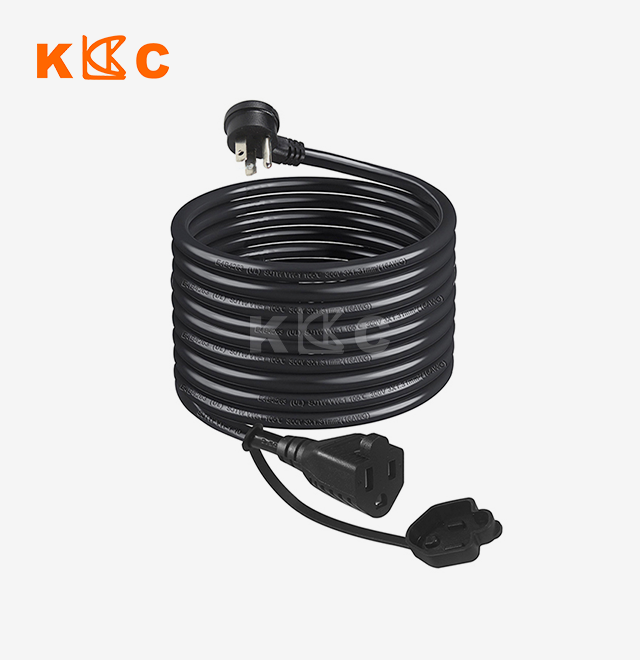
Single-gang setups for British power cords are cheaper than multi-gang options and work best for point-of-use situations where equipment density is low. Multi-gang extension cords make it easier to handle cables and cut down on the time it takes to set up desks or groups of equipment by distributing power centrally. Customizable lengths from 3 meters to 10 meters or more get rid of extra wire while still making sure there is enough reach, which saves money and keeps people safe. Our production options are flexible enough to support both retail-ready plastic packaging for consumer channels and bulk packaging for project-based assembly. This lets you match your purchasing strategies with your distribution plans.
Procurement and Buying Guide for British Power Cords
Identifying Trusted Manufacturers and Distributors
To get around the provider world, you need to know where to find real goods and how to make purchases that protect your interests. Verified makers keep their factories ISO-certified and have quality management systems that are written down. When you deal directly with a manufacturer, you avoid the markups that come from middlemen and get access to expert help and customization options. Kuncan Electronics has been making British power cords for 17 years and has certificates from ETL, BS, VDE, SAA, CE, and RoHS that show they are committed to foreign standards. Over 300 trained workers at our Dongguan plant use high-tech production equipment that keeps tight tolerances throughout the whole manufacturing process.
Structuring Bulk Orders and Negotiating Terms
When you commit to a volume, you can get better prices, but the minimum order quantities range from seller to supplier. Our method gets rid of the need for strict MOQs for small-batch replenishment. This supports just-in-time inventory tactics that lower the cost of holding inventory. Lead times for large production are usually between 15 and 25 days, and samples can be sent out within 3 to 7 business days for testing and approval. We can meet pressing project deadlines with rush orders, but communicating with you ahead of time helps us use our production capacity more efficiently.
Customization Options and Technical Collaboration
Through name embossing, custom color schemes, and package design that supports your market position, OEM agreements give you the chance to build your brand. Technical specs can be changed to meet the needs of each application. For example, jacket materials can be changed for harsh conditions, and cable lengths can be changed to fit specific installation situations. From the first study of the specifications to the final confirmation of production, our engineering team works together to make sure that the goods we make meet all of your exact needs. Changes to the interface, adding surge protection, and improving strain relief are all common customization requests that we regularly meet.
Logistics Considerations and Quality Assurance
For international shipping of British power cords, you need to work with freight forwarders who know how to follow the rules for transporting electrical goods. We work with transportation companies that know what paperwork is needed to get goods through customs in the countries where they're going. Delivery times rely on the shipping method chosen. For example, plane freight can speed up urgent packages but costs more than ocean transport. Our full warranty program covers problems with the way the product was made for a year, and we replace or fix them quickly by following clear RMA processes. This coverage shows that you trust the quality of the making and gives you extra peace of mind about your purchase.
Ensuring Safety and Compliance When Using British Power Cords
Correct Installation and Wiring Practices
Proper installation and continued upkeep protect workers, extend the life of equipment, and make sure that regulations are followed. Make sure that the cable's rate is the same as or greater than the equipment's current draw. When you replace fuses, make sure you get ones with the right rating. Never use wire or other homemade conductors that get around overcurrent protection. Make sure that the earth connections stay in place and that standardized test equipment shows less than 0.1 ohms of resistance. Keep cables away from sources of heat, sharp edges, and places with a lot of foot activity that could damage them mechanically. Wall-mountable sockets give you more choices for permanent installations that get rid of trip risks on the floor in business settings.
Common Safety Pitfalls and Prevention Strategies
When you daisy-chain several extension cords together, the power drops too much and there is a risk of overheating. Instead, use single British power cords of the right length. Check cords often for damage like cracked insulation, exposed wires, or misshapen plugs that could mean problems inside. Instead of trying to fix broken lines in the field, which could harm safety features, replace them right away. Using goods that aren't approved voids your insurance and puts you at risk of being sued during accident investigations. Our 100% factory testing procedure makes sure that every unit meets safety standards before it is shipped. This gets rid of the quality differences that are common in gray-market goods.
Regulatory Compliance and Certification Body Roles
To get into the UK market, goods must have the right CE and UKCA marks, which show that they follow safety guidelines. To keep certifications valid, certification groups check designs, visit factories, and keep an eye on things all the time. When manufacturing methods or component suppliers change, recertification standards are put in place to make sure that compliance stays high. Test results, declarations of conformity, and installation instructions are some of the documents that must be kept and given to regulatory officials when they ask for them. When people question why certified goods cost more than non-certified ones, linking proper use to lower risk helps to defend the investment.

Conclusion
Selecting the right UK plug extension cords requires balancing safety, performance, cost, and supplier reliability. The BS1363 standards provide the framework for power solutions that protect equipment and personnel while meeting regulatory requirements across diverse applications. Our production skills allow us to make goods that are tailored to your needs and come with full testing and global certifications. Strategic purchasing partnerships with well-known makers reduce the risk of fake British power cords while giving customers access to technical support and flexible buying terms. When you work with certified providers, you can be sure that your power connectivity needs will be met in a professional and reliable way, whether you're looking for personal goods, industrial automation, medical equipment, or smart building infrastructure.
FAQ
Can British Power Cords Work with European Devices?
Plug adapters are needed for physical compatibility, but voltage compatibility varies on the specifics of the equipment. Most new gadgets can work with 230V power from both areas, and the difference in frequency (50Hz UK vs. 50Hz Europe) doesn't usually affect how well they work. The most important thing to worry about is the fuse rating—ensure British power cords maintain proper overcurrent protection rather than bypassing safety features.
How Do I Verify Authentic BS1363 Certification?
Examine plugs for molded certification marks including BS 1363 designation and third-party certifier logos like ASTA. Request documentation including test reports with traceable certification numbers. Cross-reference these numbers with official certification body databases accessible online. Reputable manufacturers provide this documentation promptly, while counterfeit suppliers offer excuses or falsified papers.
What Makes BS1363 Systems Inherently Safer?
Integrated fuse protection responds faster than distant circuit breakers, protecting the flexible cord itself from damage. Shuttered sockets prevent accidental contact with live terminals, particularly important around children. Sleeved pins reduce shock risk during insertion. Robust earth connections with larger contact surfaces ensure reliable grounding that protective devices depend on.
Partner with Kuncan Electronics for Premium BS1363 Power Solutions
Kuncan Electronics turns problems with power connectivity into competitive benefits by providing certified production quality and service that is focused on the needs of our customers. Our skills as a British power cords maker allow us to offer customized solutions, ranging from 3-meter laptop extensions to specialized industrial setups. Get in touch with rhea@szkuncan.net to talk about your unique needs. Our technical team can give you full specifications, reasonable bulk quotes, and quick samples within 3–7 business days. We are your trusted partner for UK power solutions because we have been in the business for 17 years, have widely recognized certifications, and can do both OEM and ODM work. See how ISO-certified quality control, thorough testing methods, and quick communication can make a difference in the success of your supply chain.
References
British Standards Institution. (2016). BS 1363-1:2016+A1:2018 - 13A Plugs, Socket-Outlets, Adaptors and Connection Units. London: BSI Standards Limited.
Electrical Safety Council. (2019). Best Practice Guide: Flexible Cables, Plugs, Sockets and Couplers. Technical Publication Series No. 4.
Health and Safety Executive. (2020). Electrical Safety and You: A Brief Guide. HSE Books, Publication INDG231(rev3).
Institution of Engineering and Technology. (2018). IET Wiring Regulations: BS 7671:2018 - Requirements for Electrical Installations. 18th Edition. Stevenage: IET Standards.
Palmer, A.J. & Stevens, R.D. (2017). International Electrical Plug and Socket Systems: A Comparative Safety Analysis. Journal of Electrical Safety Engineering, 29(3), 145-168.
ASTA Certification Services. (2021). Technical Requirements for BS 1363 Plug and Socket Testing and Certification. ASTA Technical Specification Document ATS-2021-03.

USER EVALUATE
Here is the customer's evaluation of us