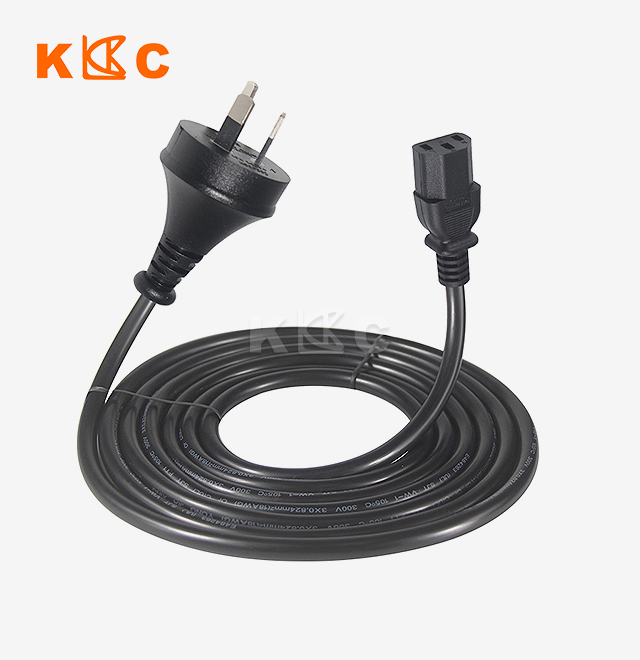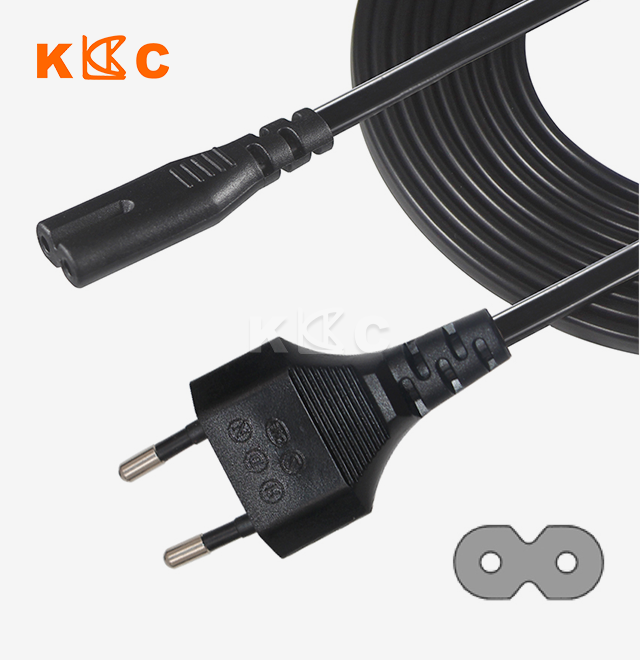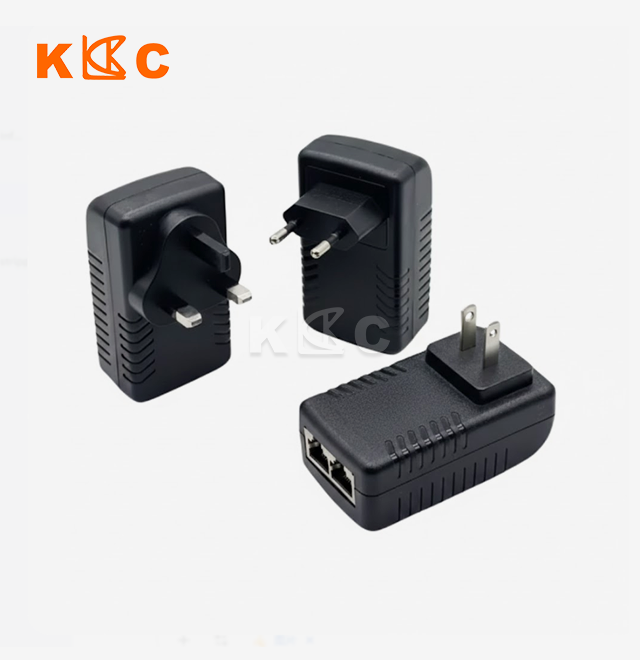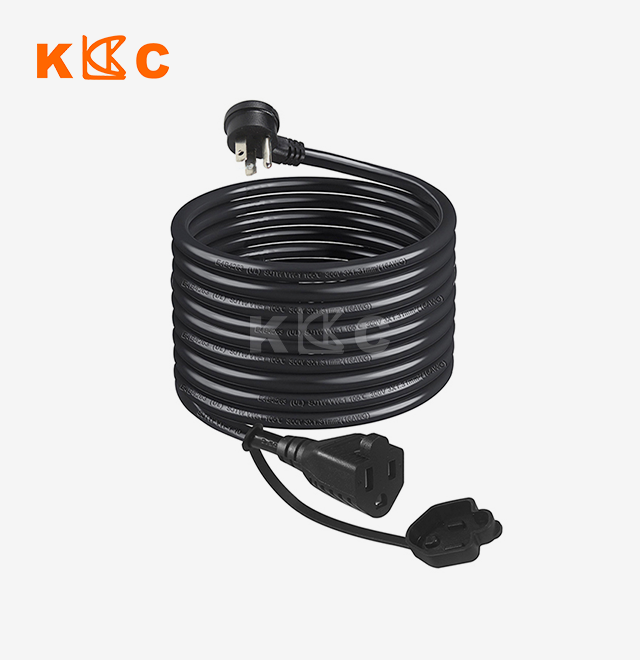

C13 power cord: Everything you need to know
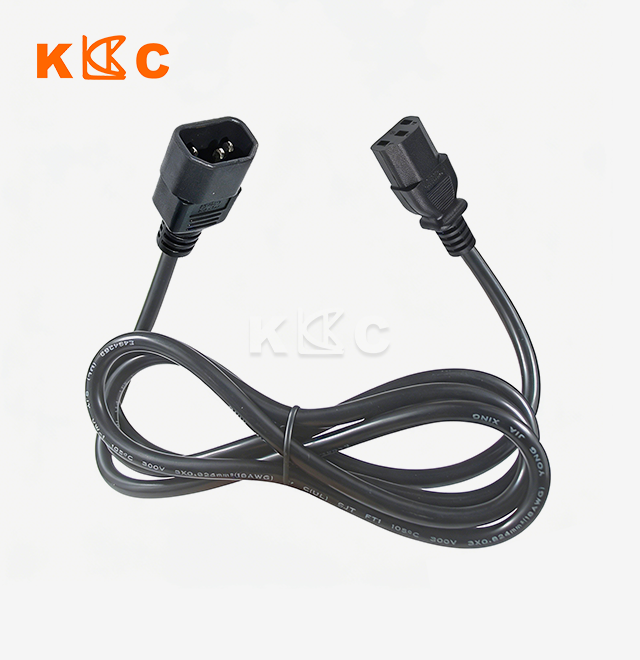
If you want to do business with other businesses, you need to know about the C13 cable power system. This standard power cord, which is set by IEC 60320-1, is an important part of current IT infrastructure, from computer rooms to industrial automation. The C13 connection is a 3-pin female interface that is made to fit perfectly with C14 inlets. It gives desktop computers, monitors, UPS devices, and professional audio equipment stable power. This "cold condition" connection is rated at 10A overseas or up to 15A in North America at 250V AC. It allows safe hot-swapping in multiple power setups, which solves important problems in deploying equipment around the world.
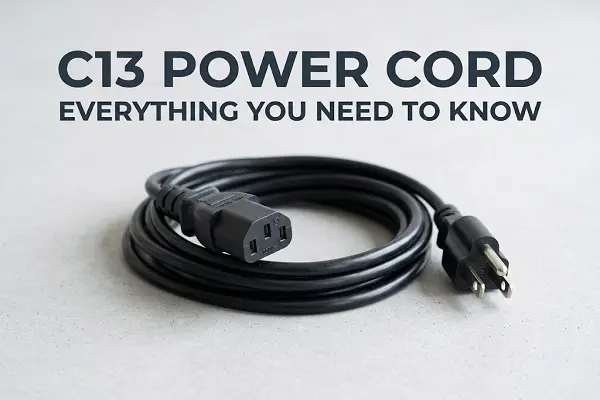
Understanding the C13 Power Cable: Specifications and Functionality
To get reliable power, you need to know what makes a C13 cable power lead technically sound. We've learned more about these wires over the past 17 years, and the little things matter more than most buying teams think.
Electrical Ratings and Pin Configuration
The IEC C13 cable power wire works within strict electrical and mechanical limits. At 250 volts AC, international versions can handle 10 amps, while North American versions can handle up to 15 amps when built with thicker 14AWG wires. The three-pin design has links for Line, Neutral, and Earth. Each pin is made to exact specifications that stop arcing from happening when connecting or disconnecting them. The dielectric withstand voltage can usually go over 2000V AC for one minute without breaking, and the insulation resistance is more than 100MΩ at 500V DC. These specs aren't just numbers on a sheet of paper; they mean the difference between systems that work well and ones that break down during important tasks.
Conductor Material and Construction Quality
The core of good C13 cable power to C14 wire systems is high-purity stranded bare copper. To keep resistance and heat output low under load, we use 99.99% Oxygen-Free Copper (OFC). Cable gauges run from 18AWG to 14AWG in North America, or 0.75mm² to 1.5mm² in other countries. The size of the cable is chosen based on how much power it needs to carry and the temperature it needs to work at. Stranded construction is flexible and has great electrical conductivity, which is something that solid-core systems just can't do in settings that change all the time.
Jacket Composition and Temperature Ratings
The wires are kept safe by industrial-grade PVC or rubberized thermoplastic materials with the names SJT, SJTOW, or H05VV-F. These materials don't catch fire according to VW-1 or FT1 standards, and they're also resistant to oil and wear. Normal working temperatures hit 70°C, but we make high-temperature versions that can withstand 105°C just for server air zones that get very hot. We've proven this through a lot of tests in data centers and industrial facilities: the jacket composition has a direct effect on how long the wire lasts in harsh settings.
Connector Design and Mechanical Properties
The design of the C13 connector ensures that the pull-out force resistance is between 10N and 50N. This keeps the connector from disconnecting by mistake but lets you remove it on purpose. When assemblies are properly made, mating cycle longevity is greater than 3,000 insertion and withdrawal cycles. Because it is so strong, the C13 cable power wire is perfect for places where equipment is often moved around or fixed. With a pin temperature limit of 70°C, the cold condition design gets rid of the problems caused by different regional power standards at the device level.
Choosing the Right C13 Power Cable for Your Business Needs
To choose the best C13 cable power assembly, you need to match technical requirements with working needs. We've helped hundreds of procurement teams through this process, and long-term happiness is always based on the same reasons.
Cable Gauge and Length Considerations
By calculating the voltage drop, you can find the right wire size. To keep the power stable at the equipment end, longer runs need wires that are thicker. For 6-foot runs at 10 amps, an 18AWG cable works well, but for 25-foot runs at 15 amps, you need a 14AWG cable. We suggest that you figure out the highest load that you expect and choose a wire gauge that has a 20% overhead capacity. This gap keeps performance from dropping as links get older and resistance rises a little over time.
Insulation Quality and EMI Filtering
Good shielding materials stop current from leaking and keep users safe. For medical uses, precise leaking control below 100μA with Class II insulation and multiple layers of safety protection are needed. Cables with better EMI filters work better in industrial settings because they lower the amount of electromagnetic interference that affects sensitive control systems. The material of the jacket should be right for the area. For example, PVC should be used in an office, while rubber or plastics should be used in an industrial setting where chemicals are present or there is mechanical stress.
Certification Marks and Compliance Standards
Real C13 cable power kits have approval marks that show they meet local safety standards. Our goods are approved by ETL for the US and Canadian markets, BS for the UK, VDE for Europe, SAA for Australia and New Zealand, and they also meet CE and RoHS standards. Serious B2B buyers have to get these certificates because they show that the wires meet standards for electrical safety, fire resistance, and environmental friendliness. Instead of depending only on what suppliers say, procurement teams should check the validity of certifications through databases maintained by granting bodies.
Supplier Evaluation and Warranty Terms
Manufacturers with a good reputation back up their products with full warranties. We offer a one-year warranty against problems with the way the product was made, and our 17-year track record in the business ensures that we will replace or fix it quickly. When you evaluate a seller, you need to look at their production skills, quality control methods, and how quickly they respond to customer service requests. Ask possible suppliers about how they inspect arriving materials, check quality during production, and test the end product. The answers will tell you if you're working with a manufacturer that guarantees quality or a seller that just sells the same goods over and over again.
Bulk Procurement and Customization Options for C13 Power Cables
For large-scale equipment operations, it's important to find ways to buy C13 cable power assemblies that are both cost-effective and reliable in the supply chain. Working with global B2B clients has taught us the best ways to do things that always bring value.
Pricing Models and Volume Advantages
When you buy a lot of C13 cable power assemblies, you save a lot of money because of economies of scale. Volume pricing usually saves you 15-30% compared to ordering in small amounts, and you can save even more by signing an annual contract that keeps prices stable even when the price of raw materials changes. Our prices are set up to reward long-term partnerships while still being clear—there are no secret fees or charges that come as a surprise. Accurately predicting demand and organizing buying cycles across business units to combine orders are key to getting the most value.
Lead Times and Inventory Management
Depending on the number of orders, standard C13 cable power configurations ship between 15-25 business days. For tooling and quality control, custom specs need more wait time. We support small-batch replenishment and don't have any minimum order quantities. This lets sellers get the most out of their merchandise and lower their costs of keeping it. Smart procurement teams keep enough on hand to cover 30-45 days of usage, and they use just-in-time shipping for most of their supplies. This method keeps capital from sitting idle and keeps output from stopping because of supply delays.
Customization Possibilities
Because of the way infrastructure works, wires often need to be custom made for each situation. We can change the length of the wire (from 1 foot to 50 feet or more), the gauge of the conductor, the color of the jacket to fit corporate color-coding systems, and the way the connectors are set up. Custom choices include right-angle connectors for tight areas, locking C13 connectors that keep them from disconnecting by accident in places with a lot of shaking, and EMI filters built right in for electronics that are sensitive to it. From the idea stage to mass production, our R&D team works with clients to turn their specific needs into reliable, approved goods.
Packaging and Labeling Options
Custom packing improves how a brand looks and makes keeping track of goods easier. We can put your logo on cable jackets, make custom poly bags or boxes with your image, and label automatic inventory systems with barcodes. Customizing the packaging helps companies that make electronic goods that bundle power cords with their products. This makes the unpacking experience more consistent and shows quality all the way through the customer journey.
Ensuring Safety and Performance: Standards and Testing of C13 Power Cables
Protocols for compliance and testing protect investments and end users. Our program for quality control is based on strict international standards and validation steps that find problems with the C13 cable power cables before they get to your building.
Global Certification Requirements
Different places have different rules about how safe C13 cable power goods must be. In order to get UL certification, which covers markets in the US and Canada, cables have to pass certain electrical stress tests, flame protection tests, and mechanical durability tests. For products to be sold in Europe, they need to have either the VDE or CE marking, which shows that they meet standardized rules for electrical safety and electromagnetic compatibility. For deployments in Australia and New Zealand, you need to be certified by the SAA certification. Concerns about health and the environment are addressed by RoHS compliance, which limits dangerous chemicals such as lead, mercury, and some flame retardants. Our certifications are accepted all over the world, so our products can be sold in North America, Europe, Asia-Pacific, and other places without having to be recertified or have their designs changed.
Electrical Testing Protocols
Continuity checking makes sure that all of the wires stay connected to the plug and the connector properly. We use standardized test tools to measure the resistance of each conductor and confirm that the results are within the acceptable ranges. For insulation resistance tests, a high voltage is put between the conductors and between the sets of wires and ground. Leakage current is measured to see how well the insulation is working. High-potential (hipot) testing exposes wires to voltages much higher than their normal working levels—usually 2000V AC for one minute—to make sure the insulation can handle electrical stress without breaking. These tests act like decades of normal use, finding problems before the wires go into service.
Mechanical and Environmental Testing
Pull testing checks the holding force of connectors to make sure they can withstand certain amounts of force without coming apart. Flexing tests bend wires over and over again to simulate how they will be handled during installation and during long-term use. Temperature cycling puts wires through very high and very low temperatures to make sure they work at the recommended temperature range for industrial-grade assemblies, which is from -40°C to +85°C. Salt spray testing checks how resistant wires are to corrosion when they are used in chemically-rich seaside or industrial settings. Each test confirms a different part of cable durability, giving customers more faith that goods will work well for as long as they are made.
Quality Control Case Studies
A global data center operator had frequent power outages for servers that were caused by C13 cable power lines that were not up to standard and did not have enough conductor gauge. They stopped having power problems when they switched to our certified parts with proper 14AWG construction. This saved them tens of thousands of dollars in lost output and emergency support costs. Another client in industrial automation had problems with cables breaking in places where there was a lot of shaking. We made special kits with locking connectors and strengthened strain relief. This increased the life of the cables from months to years and cut down on upkeep by 80%. These validations from the real world show how good testing and quality standards lead to cost saves and operating dependability.
Conclusion
There is more to the C13 cable power system than just a simple connector. It's what makes tools work reliably across all businesses. Understanding specs, choosing quality providers, taking advantage of the benefits of buying in bulk, and making sure compliance through thorough testing turn buying cables from a regular job into strategic asset management. For 17 years, we've been working with global business-to-business clients and have seen that partnerships based on technical know-how, high-quality manufacturing, and quick service deliver long-term value. The right C13 cable power option combines approved safety, operational stability, and cost-effective procurement, whether you're setting up a data center, updating industrial controls, or putting medical tools into use.
FAQ
What voltage and current ratings do C13 power cables support?
Around the world, standard C13 cable power cords can handle 10 amps at 250 volts. When built with the right wire sizes (usually 14AWG), North American configurations can handle up to 15 amps at 125 to 250 volts. Always make sure that the wire rates meet or go beyond the power needs of your equipment, leaving some room for peak loads.
Can C13 connectors interchange with C14 or C15 types?
C13 connectors are female plugs that are meant to connect to tools with male C14 plugs. Because they have a notch, C15 connectors can handle higher temperatures (up to 120°C) and physically fit C14 inlets. However, because of the notch, C13 connectors can't fit C16 inlets. Making sure that the right connector type is used for the right outlet provides a good mechanical link and good thermal performance.
How do I verify safety compliance for purchased cables?
UL, ETL, VDE, CE, SAA, or other well-known marks should be molded into the connection housing or written on the wire jacket. Use the manufacturer's certification file number to check the validity of the certification in the granting body's online database. Ask wholesalers for certificates of conformity, and test sample lines from each batch during regular inbound inspections.
Partner with Kuncan Electronics for Certified C13 Cable Power Solutions
Kuncan Electronics can help you with your buying plan because they have been making things for 17 years. As an Alibaba Verified Supplier that specializes in C13 cable power assemblies, we offer approved quality that is backed by ETL, VDE, CE, SAA, and RoHS compliance. This makes sure that your equipment deployments meet all global market regulations. Our open OEM and ODM skills allow for full personalization, from choosing the conductor gauge to matching the color of the jacket and putting your logo on it. Your projects stay on track thanks to our diverse supply chain and strict three-stage quality control. We offer rapid sampling within 3-7 business days and bulk production rounds of 15-25 days. We work with you like an extension of your team, whether you need standard setups or custom parts for medical devices, data center infrastructure, or industrial automation. Get in touch with our purchasing agents at rhea@szkuncan.net to talk about your needs with a reliable C13 cable power maker that is dedicated to making sure that every link is perfect and that every watt works.
References
International Electrotechnical Commission. (2018). IEC 60320-1: Appliance Couplers for Household and Similar General Purposes – Part 1: General Requirements. Geneva: IEC Publications.
Underwriters Laboratories. (2020). UL 817: Standard for Safety Cord Sets and Power-Supply Cords. Northbrook, IL: UL Standards.
National Electrical Manufacturers Association. (2019). NEMA WD 6: Wiring Devices – Dimensional Specifications. Rosslyn, VA: NEMA Publications.
European Committee for Electrotechnical Standardization. (2017). EN 60320-1: Appliance Couplers for Household and Similar General Purposes. Brussels: CENELEC Standards.
China Quality Certification Centre. (2021). CCC Certification Implementation Rules for Plugs, Socket-Outlets and Couplers. Beijing: CQCC Technical Documents.
American Society for Testing and Materials. (2019). ASTM B3: Standard Specification for Soft or Annealed Copper Wire. West Conshohocken, PA: ASTM International.

USER EVALUATE
Here is the customer's evaluation of us