
Understanding IEC C13 Power Cords: Everything You
C13 cable power options are the first thing that comes to mind when I think of the core of current business systems. Many devices depend on these seemingly easy connectors to work, from computer racks in data centers to industrial control systems that run production lines. An IEC C13 power cord is more than just a wire; it's an internationally standardized three-pin female connection that meets the requirements of IEC 60320 standards and is designed to provide reliable power to Class I grounded equipment. If you know about these power cords, you can make choices that protect your bottom line, ensure operational continuity, and manage IT operations. This is also true if you're in charge of manufacturing automation or selecting parts for medical facilities.
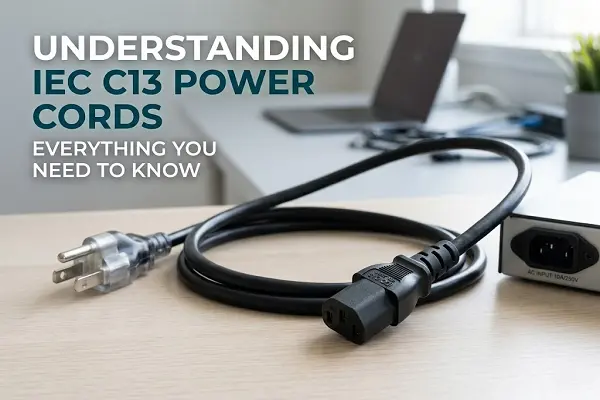
What is an IEC C13 Power Cable? Key Specifications and Standards?
Defining the C13 Connector Standard
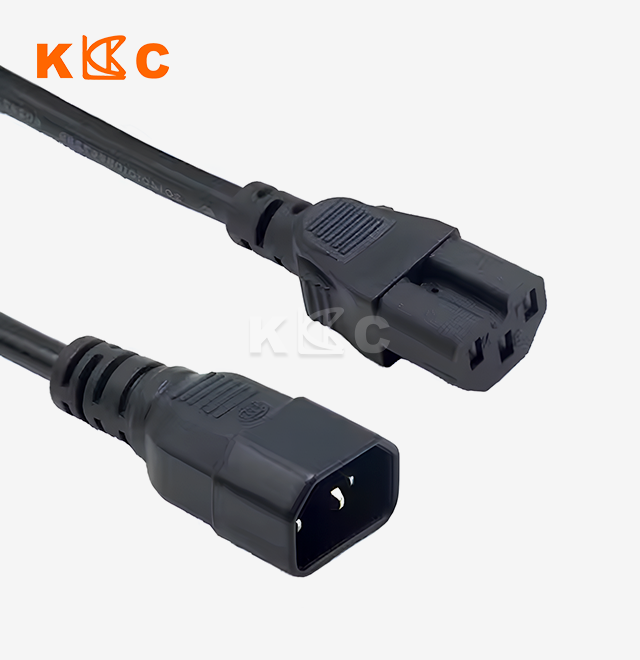
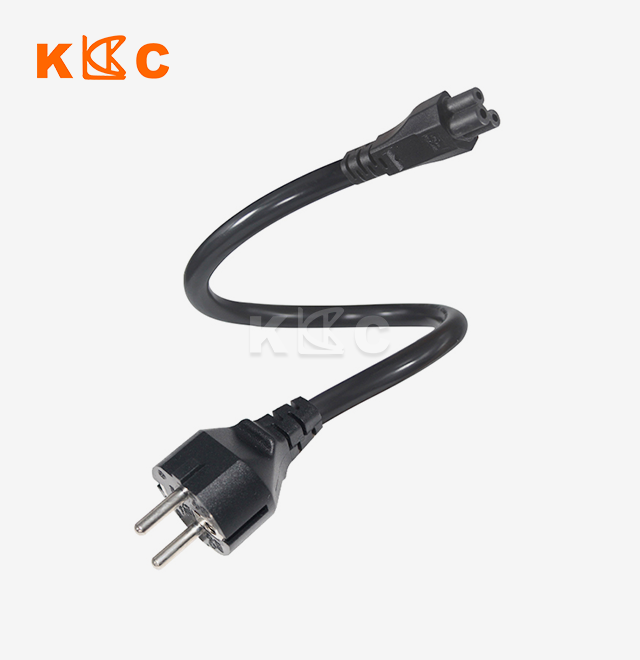
Everyone in the world knows that the IEC C13 power cord is the best way to power computers and other business gear. The three-pin female connector on this wire is known as the "kettle lead" in some places. It fits into a C14 port, which is found on most desktop computers, monitors, servers, network switches, and professional audio boosters. The design comes from the IEC 60320-1 standard, which calls it a "cold condition" connection. This means that the pins can only get as hot as 70°C while they are working under average load conditions.
The fact that this connector works with all devices across countries makes it very useful. Wall plugs are very different from one country to the next, but the C13 connection on the device side stays the same. This means that makers can ship equipment around the world without having to change the device input. This modular method solves a major problem in foreign trade by making inventory less complicated and providing a stable base for user safety.
Electrical Ratings and Technical Parameters
Knowing the electrical specs helps people who buy things match cables to the needs of devices correctly. In international markets, standard C13 power lines can usually handle 10 Amps of current at 250 Volts AC. In North America, however, models with thicker 14AWG conductors can usually handle 15 Amps of current at 125–250V. The dielectric resist voltage, which is a measure of how strong the insulation is, usually goes over 2000V AC for one minute without breaking. This shows that the electrical separation is strong.
The material of the wire is very important. Stranded, annealed 99.99% Oxygen-Free Copper (OFC) is used in high-quality wires to reduce electrical resistance and heat buildup when the load is kept on for a long time. In North America, common wire sizes range from 18AWG to 14AWG, which is equal to 0.75mm² to 1.5mm² in cross-sectional area. Insulation resistance is higher than 100MΩ at 500V DC, which means that very little current can leak out and harm safety or machine performance.
Critical Certifications and Compliance Requirements
With global approvals, a working cable becomes a product that is legal and ready for the market. UL (Underwriters Laboratories) and CSA (Canadian Standards Association) marks show that a product meets safety standards in North America, while VDE and ENEC certifications show that a product meets safety standards in Europe. CE marking shows that a product follows EU rules, and RoHS approval makes sure that dangerous chemicals are limited. This is especially important for companies that care about the environment.
These licenses aren't just for show. They are strict testing methods that include flammability (UL VW-1 or IEC 60332-1 flame tests), mechanical longevity (usually 3,000+ insertion/withdrawal cycles), and resistance to pull-out forces (10N to 50N). Verified certification paperwork is a must when I'm evaluating suppliers because it has a direct effect on my brand's image and risk.
Comparing IEC C13 Power Cables with Similar Types: Choosing the Right Cord
C13 vs. C14: Understanding Gender and Compatibility
People who are new to buying power cables often get confused about how C13 and C14 plugs work together. The most usual way to connect cables is from C13 to C14. The female end (C13) plugs into equipment, and the male end (C14) links to power distribution units or UPS systems. When planning power design in data centers or factories, this gender difference between men and women is very important.
The equipment's C14 outlet fits the C13 cable power socket perfectly, making sure that the right amount of contact pressure is applied to all three pins (live, neutral, and ground). This design theory stops cross-connections that aren't meant to happen between devices with different voltage or current levels. When describing cords, checking both ends of the assembly against the power sources and inputs on your equipment can help you avoid costly mistakes and delays in deployment.
Temperature Tolerance: C13 vs. C15 Considerations
The operating temperature is what sets the C13 connector apart from its more powerful sibling, the C15 connection. Standard C13 kits can work in temperatures up to 70°C, which makes them good for most office and light industrial settings. The C15 version has a keyed hole in its socket design and can handle temperatures up to 120°C. This is important for equipment that will be placed near heat sources like server exhaust zones or industrial ovens.
The physical keying keeps lower-rated C13 plugs from accidentally being put into C16 inlets that are made to work at high temperatures. This automatic safety feature keeps both people and tools safe. When I work with clients who use equipment that generates a lot of heat, I tell them that selecting C15/C16 pairs gets rid of a major failure mode while keeping power delivery reliable.
Power Capacity: When to Choose C19 Over C13
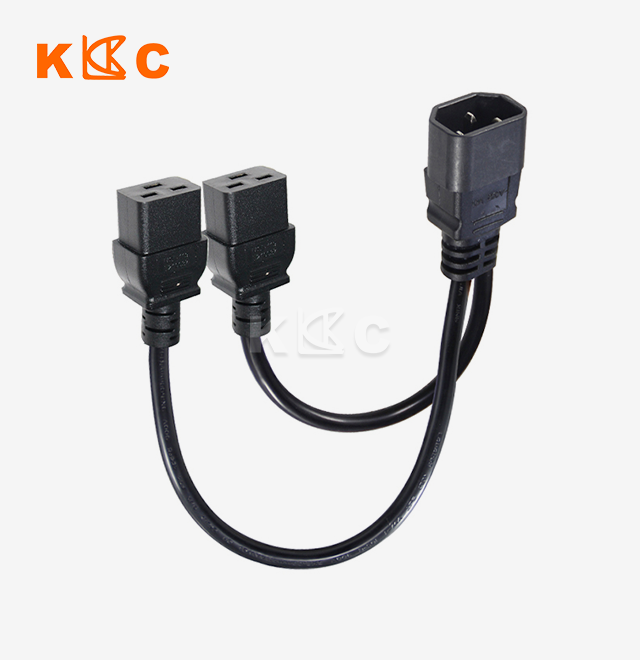
Connections need to be stronger for tools with more power. The C13 cable is good for devices that need up to 10 to 15 amps of power. The C19 connector, on the other hand, can handle 16 to 20 amps of power, which is great for computers, workstations, or industrial tools that use a lot of power. The C19 has a wider physical shape and pins that are spread differently, which keeps it from accidentally connecting to lower-rated C14 inlets.
To choose between these types, you need to correctly calculate the total power draw. When added up, a server rack with several blade servers might have more than C13 capacity, which would require C19 distribution. Undersizing wires can cause fires and early failure, while oversizing them costs more than it's worth. Accurate load estimates, which are usually done with power tracking gear, help find the best specs that balance safety margins with cost-effectiveness.
How Do IEC C13 Power Cords Work? Operation and Testing Procedures?
Electrical Current Flow and Connector Interface
Power supply through the C13 uses simple but accurate electrical contact as its main concept. The C13 connector fits into a C14 inlet by making contact with three spring-loaded pins inside the inlet that match sockets on the C13 connection body. An AC current flows through the line conductor and into the device. The neutral conductor completes the circuit, and the ground conductor protects the device from fault currents.
The design of the connection includes a number of safety measures. To keep connection points from arcing or resistively heating up, the contact pressure must stay the same over thousands of joining cycles. Quality wires keep the contact resistance below certain levels, which are usually measured in milliohms. This keeps the voltage drop and heat generation to a minimum. During the connection process, the grounding pin makes contact slightly before the live pins when it is inserted and breaks contact last when it is removed. This keeps the safe earth continuity throughout the process.
Testing Cable Integrity: Tools and Techniques
Systematic testing procedures are needed for quality control to work well. Technicians check the continuity of the conductor by measuring the resistance along the length of the wire with a digital multimeter. For copper conductors that are whole, the results should be close to zero ohms. If the cable's resistance is higher than what is recommended, it means that the wires are broken or the connector ends are not properly crimped.
A high voltage (usually 500V DC) is put between the wires and between each lead and ground during insulation resistance testing of a C13 cable power. Leakage current is measured. Readings below 100MΩ mean that the insulation isn't as good as it should be, which could cause shocks or damage to equipment. Visual checking goes along with electrical testing. It checks the state of the jacket for cuts, scratches, or changes in color that could mean thermal stress or mechanical damage. There should be no cracks in the housings of the connectors, and the strain reliefs should fit properly so that the conductors are not exposed.
Troubleshooting Common Issues
Power generation that comes and goes is often caused by worn-out connecting contacts. Insertion cycles wear down contact surfaces over time, raising resistance and causing voltage drops when the load is applied. This problem gets worse when brass or copper meets rust. Most of the time, these problems can be fixed by cleaning the contacts with the right electrical contact cleaner and checking for actual deformation.
Damage to the cable jacket near the strain reliefs is another common way that cables fail. When you bend something over and over, especially when the bend radius is small, the individual wire strands break, which leads to open circuits. Using the right bend radius and pressure relief when managing cables properly greatly increases their service life. When I check setups, I always find that bad wire routing leads to early breakdowns and unplanned downtime.
Where and How to Procure Quality C13 Power Cables for B2B Needs?
Evaluating Wholesale Suppliers and Manufacturers
Decisions about where to get things have a big effect on the long-term dependability of operations and cost systems. Working directly with makers lets you make changes and get better prices for large orders, but you have to carefully check out the suppliers first. You can tell the difference between trustworthy partners and shady vendors by checking their testing, production, and quality management systems (ISO 9001 certification).
Asking for plant audit records or inspection results from a third party gives you an unbiased look at how well the standards are being met. Kuncan Electronics is a good example of the openness that serious B2B buyers need. They have been making electronics for seventeen years and are an Alibaba Verified Supplier. Well-known companies keep track of their raw materials, use statistical process control, and test each batch individually. These are all things that make sure the quality of their products is always the same.
Custom Configurations and Bulk Ordering Strategies
Standard wire lengths work for a lot of situations, but custom designs work best for some systems. Custom-length making gets rid of extra wire that gets in the way of managing cables or makes equipment racks look cluttered. You can use color coding to make it easier to see where a circuit goes in complicated setups, and custom labeling helps with asset management and repair procedures.
Strategies for bulk buying weigh the costs of keeping inventory against volume savings and making sure there is a steady supply of goods. By negotiating blanket purchase orders with planned releases, procurement can stay on track with project deadlines and get better prices. Some sellers allow small-batch replenishment without a minimum order number. This supports flexible inventory management, which is especially helpful for service providers who have to meet the needs of a wide range of clients.
Certification Verification and Quality Assurance
Verification of documentation stops fake or low-quality goods from getting into supply chains. It is more thorough to check certification test reports directly from certification bodies like UL, VDE, and CSA instead of just depending on papers given by the seller. Certificate numbers should be linked to specific types of products so that they can be checked by anyone using the online records of the certifying bodies.
By putting in place processes for incoming checking of C13 cable power, bad goods are caught before they get to production lines or customer sites. Using the steps we've already talked about, testing samples from each shipment lot finds differences in quality that require conversation with the seller or rejection. Including accepting criteria and ways to fix problems in purchase orders that specify quality standards makes it clear who is responsible for what and encourages suppliers to keep getting better.
Benefits of Using Certified IEC C13 Power Cables in Your Business Setup
Enhanced Equipment Longevity and Operational Reliability
Through stable power transfer, certified power cables directly affect the life of the devices they link to. Power source parts are stressed by voltage changes and electrical noise, which is often caused by bad connections. This speeds up capacitor aging and shortens MTBF (Mean Time Between Failures). High-purity copper wires of the right gauge reduce resistive losses so that equipment gets the full power, even when it's under a lot of stress.
Because certified wires are mechanically strong, they need less upkeep. Good strain reliefs keep conductors from wearing out at termination places, and jackets that don't wear down easily can handle rough installation conditions. When data center owners upgrade to certified cable infrastructure, they report a clear drop in service calls and equipment failures. This translates complicated reliability engineering into simple cost saves.
Regulatory Compliance and Risk Mitigation
Companies that use tools with power lines that aren't certified could be held responsible if something goes wrong with the electricity. Insurance claims may be looked over carefully or denied if reviews show that parts that don't follow the rules caused fires or injuries. Regulatory bodies, such as the Occupational Safety and Health Administration (OSHA), require electrical systems to be safe and legal. If they are not, the fines could be as high as six figures.
In addition to following the law, certified wires show that safety management is being done properly. This is especially important for companies that deal with the public and industries that are audited regularly. Very strict rules apply to medical centers, schools, and government companies in particular. Using only certified cables during the whole buying process builds safety into the organization's mindset and makes getting ready for an audit easier.
Energy Efficiency and Sustainability Contributions
Even though small cable losses may not seem like a big deal on their own, they add up to a lot when used in large setups. Kilowatts can be wasted in a data center with thousands of computers that are always running because of resistive losses in wires that are too small or broken. Cables with the right specifications and wire cross-sections reduce I² losses, which are power lost as heat equal to current squared times resistance.
Saving energy makes tools need to be cooled for longer periods of time. Every watt that is lost as heat in wires needs more cooling space, which makes the total amount of energy used go up. Buildings that want to get LEED recognition or reach their carbon neutrality goals know that improving their cable system is a good way to do both. RoHS-compliant wires help the environment by getting rid of lead, mercury, and other harmful materials that are used in devices.
Infrastructure Scalability and Future-Proofing
Cable standards that are well thought out allow for business growth and changes in technology. By installing lines with higher ratings than the current needs, you can add new equipment without having to rewire. C13 cables marked for 15A instead of 10A, which are a little more expensive at first, serve devices that need more power as computing needs grow.
Using the same high-quality, certified cables throughout a building makes upkeep and managing supplies easier. Technicians can get more done when all of the wires meet the same quality standards. Stocking only one measurement makes the inventory simpler. This organizational benefit grows over time, which is especially helpful for companies with multiple sites that want to standardize their deployment processes.
Conclusion
Deciding on the right C13 cable power solutions is a big strategy choice that goes far beyond just buying things. We have talked about how these standardized connections are the basis for safe power distribution in IT infrastructure, industrial automation, and professional equipment installs. When procurement workers know about electrical ratings, licensing requirements, and testing processes, they can choose cables that make devices last longer, meet legal requirements, and support operational resilience. When matching cords to different uses and environments, the differences between connecting types (C13, C14, C15, and C19) are very important. Companies build power infrastructure that grows with their business while minimizing downtime and legal risks by working with well-known makers that offer clear certifications, the ability to customize products, and quick customer service.
FAQ
What distinguishes C13 from C14 connectors in practical applications?
The C13 connector has a female three-pin plug that goes into devices, while the C14 connector has a male three-pin plug that is attached to devices. The usual way to connect devices to power sources is with a C13 to C14 cable. The difference between men and women stops bad connections and makes sure that the grounding direction is right. When you order, make sure to include both types of connectors so that they work with your tools. Cables that are the wrong gender can't be used for their original purpose.
How can I be sure that the wires I'm using meet the right safety standards?
Real approval needs proof that can be traced back to approved testing labs. Ask for certificate numbers and check them on the websites of the licensing groups (UL.com, VDE.com). Reliable providers give test records with scores for flammability, electrical performance, and mechanical durability. On closer study, you should be able to see certification marks molded into the connector housings and written on the wire jackets. Labels that are just printed may be a sign of fake goods. Testing sample units by a third party who is not involved in the project gives extra assurance for important uses.
Can C13 wires work successfully in industrial settings with high temperatures?
Standard C13 plugs that can handle 70°C work well in most office and light industrial settings. C15 plugs rated to 120°C are needed in places with high temperatures, like near industrial ovens, in server exhaust paths, or outside shelters. The C15 has a locked hole that stops it from fitting into standard-temperature C14 inlets. This protects against incorrect use mechanically. Also, wire jackets are made of different materials. PVC is fine for controlled environments, but rubber or thermoplastic compounds can handle rougher conditions like oil contact and changing temperatures quickly.
Partner with Kuncan Electronics for Reliable C13 Cable Power Solutions
Every C13 cable power option Kuncan Electronics makes is backed by our seventeen years of experience in making specialized products. As an Alibaba Verified Supplier, we keep our standards up to date, such as ETL, VDE, CE, SAA, and RoHS. This makes sure that your purchases are legal in all global markets. Our OEM/ODM services let you choose the exact cable lengths, color coding, and connector setups you need for your uses, whether you're setting up medical facilities, data centers, or industrial control systems. We can ship examples in 3–7 business days and finish large orders in 15–25 days, so we can meet your project deadlines without sacrificing quality.
Our engineering team works directly with your purchasing and technical staff to make sure that the lines you choose meet all of your electrical needs and work well in your surroundings. We work as an extension of your supply chain team because there are no minimum order amounts for restocking orders and our guarantee covers everything for a year. You can talk to our C13 cable power provider experts about your needs at rhea@szkuncan.net. You can also ask for detailed technical specs or a project-specific quote that shows our dedication to competitive value and manufacturing excellence.
References
International Electrotechnical Commission. (2015). IEC 60320-1: Appliance Couplers for Household and Similar General Purposes – Part 1: General Requirements. Geneva: IEC Central Office.
Underwriters Laboratories. (2019). UL 817: Standard for Safety Cord Sets and Power-Supply Cords. Northbrook, IL: UL Standards & Engagement.
National Fire Protection Association. (2020). NFPA 70: National Electrical Code (NEC). Quincy, MA: NFPA Publications.
European Committee for Electrotechnical Standardization. (2018). EN 60320-1: Appliance Couplers for Household and Similar General Purposes. Brussels: CENELEC.
Occupational Safety and Health Administration. (2021). OSHA 1910 Subpart S: Electrical Safety Standards. Washington, DC: U.S. Department of Labor.
Institute of Electrical and Electronics Engineers. (2017). IEEE 1100: Recommended Practice for Powering and Grounding Electronic Equipment. Piscataway, NJ: IEEE Standards Association.

USER EVALUATE
Here is the customer's evaluation of us