
C7 Power Cord Guide: Everything You Should Know
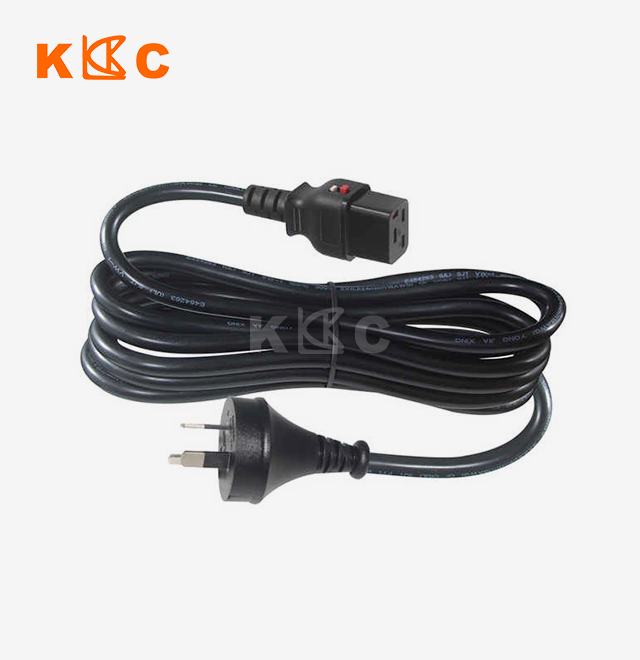
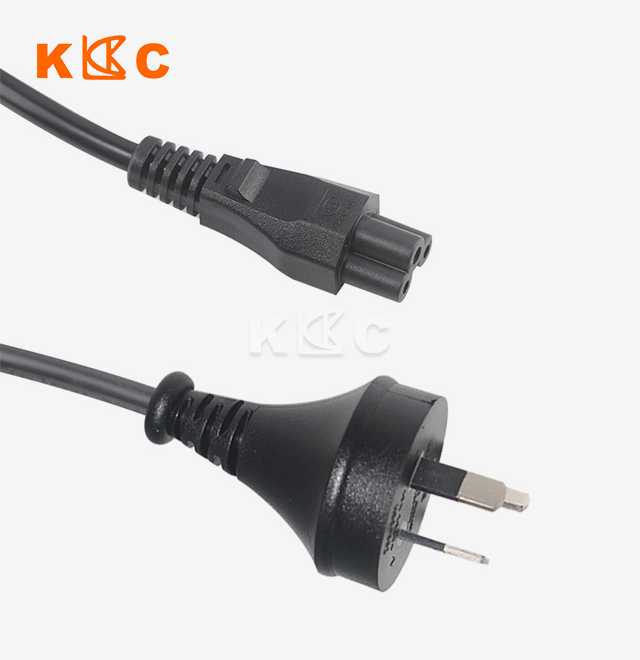
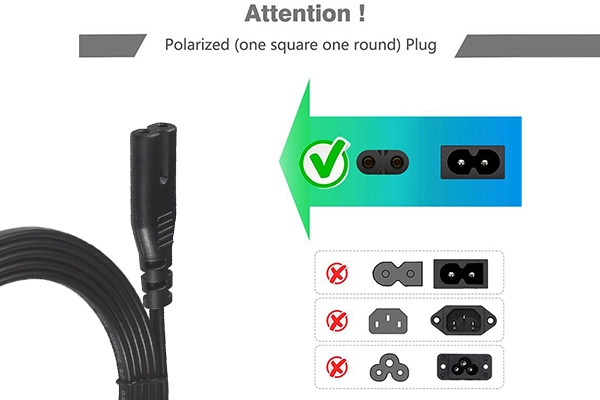
The figure-8 form of the C7 power cord makes it easy to identify. It is an important way for millions of low-power electronics around the world to connect to power. This IEC 60320 C7 connector has two pins that are not polarised and are rated at 2.5A and 250V. It is the best choice for computers, game systems, recording equipment, camera chargers, and handheld radios. For procurement managers and electrical engineers navigating strict compliance frameworks, understanding the precise specifications, safety certifications, and thermal stability of C7 power cords is critical to securing reliable, cost-effective BOM solutions., and how to choose the right one, they can make choices that are cost-effective, reliable, and in line with regulations in a wide range of situations.
Understanding the Basics of C7 Power Cords
What Makes the Figure-8 Connector Unique?
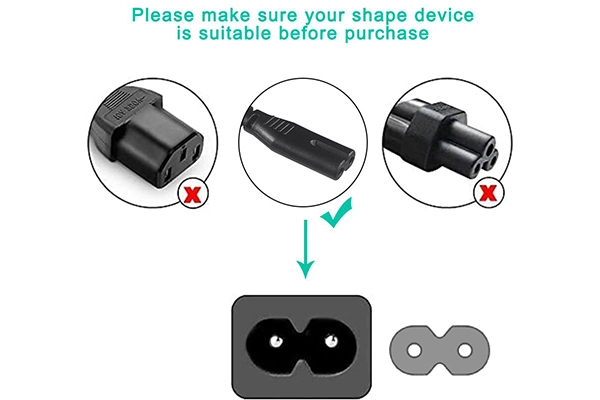
The C7 connection is called a "figure-8" connector because it has a symmetrical, dual-rounded shape that fits perfectly into C8 ports found on many consumer electronics. Compared to grounded three-pin options, this ungrounded design makes managing cables easier and lowers the cost of making gadgets that need less power. Because the connection is physically symmetrical, it can be used in either direction. This makes fitting easier in production or repair settings where things move quickly.
When it comes to electricity, most figure-8 cords use H03VVH2-F or SPT-2 cables with 0.75mm² to 18 AWG copper wires. These requirements make sure that the cables can carry enough power while still being flexible enough to be routed behind furniture or inside equipment boxes. In most cases, the voltage range goes up to 300V, which is a lot more than the normal 125V or 250V mains supply found in homes and businesses.
Key Technical Specifications That Matter
When judging the quality of a wire, the main material is very important. High-purity Oxygen-Free Copper (OFC) is a better conductor than Copper Clad Aluminium (CCA) options. This means that it creates less resistance and heat while it works. This difference is especially important for devices that are getting close to the 2.5A limit, since voltage drops can hurt performance or set off safety circuits.
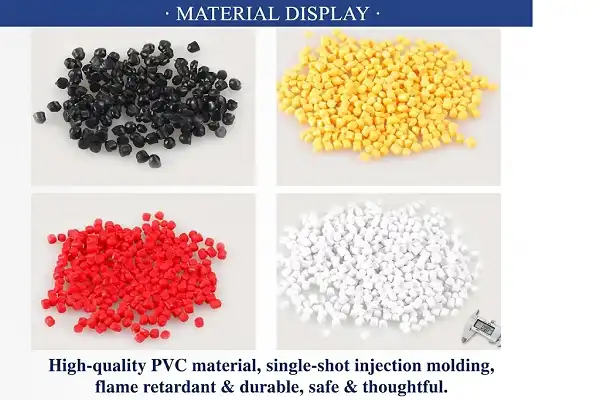
Quality of insulation has a direct effect on safety and life. Premium wires have PVC jackets that are rated VW-1 or FT1 for flame retardancy. This makes sure that the materials themselves put out fires during electrical problems instead of spreading them. Testing with a 2000V AC Hi-Pot showed that the insulation is strong enough to handle voltage spikes without breaking, which could put people in danger or damage equipment.
Lengths that range from 1 meter to 2 meters allow for a variety of mounting situations. In small spaces, shorter lines keep things organised, while longer ones give you more options for wall-mounted screens or equipment that isn't close to an outlet. Specialised makers like Kuncan Electronics offer custom lengths to meet the specific space needs of industrial robotics, medical equipment installs, and security camera deployments.
How C7 Differs from C13 and Other Connector Types?
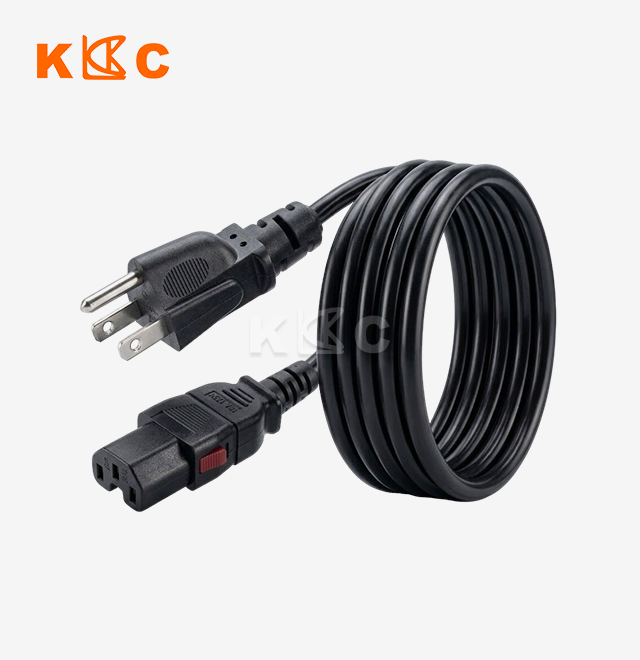
The C13 connection looks a lot like the USB connector, but it has three grounded pins that are made for devices that need more power, like desktop computers and servers that draw 10A or more. Its square form and grounding pin make it unsuitable with C8 inlets. This keeps them from mismatching by mistake, which could be dangerous. Knowing this difference helps buying teams choose the right types of connectors when they are placing big orders.
Polarised C7P versions have one curved edge to make sure that the line and neutral are properly aligned in devices that need directed power flow. Standard C7 plugs don't become polarised, so they can be used with double-insulated Class II equipment that doesn't need to be grounded. This classification changes what needs to be certified and how it will be used, especially in medical and industry settings with strict safety rules.
Premium C7 power cord products are also different from regular ones because they use cable construction. Flat H03VVH2-F wires work great in setups with limited room because they can be easily hidden behind TVs placed on the wall or along borders. Round SVT or SJT constructions last longer in places where things move around a lot or are put under a lot of mechanical stress, like portable audio equipment or temporary lighting setups at outdoor events.
| Connector Type | Pin Count | Grounding | Amp Rating | Typical Applications |
| IEC 320 C7 (often called "Figure-8") | 2-pin | Ungrounded (Class II devices) | Typically 2.5A | Laptop power adapters, portable A/V equipment, gaming consoles, camera chargers |
| IEC 320 C13 (often called "Kettle Plug") | 3-pin | Grounded (Class I devices) | Typically 10A (International IEC standard) / 15A (North American UL standard) | Desktop computers, monitors, servers, professional audio equipment, large power modules |
Comparing and Choosing the Right C7 Power Cord for Your Business Needs
Evaluating Heavy-Duty and Specialty Variants
Standard consumer-grade lines work fine for fixed devices in controlled settings, but for more demanding uses, they need to meet higher standards. Heavy-duty versions have 18 AWG wires instead of the usual 20 AWG ones, which cuts down on electrical resistance by about 20%. This improvement reduces voltage drop over longer cable runs and heat buildup during constant high-load operation. This makes cords last longer in game machines during marathon sessions or audio boosters playing music in the background all the time.
Radio frequency interference (RFI) and electromagnetic interference (EMI) are stopped by ferrite cores that are built into the ends of connectors. This is very important for professional recording equipment because electrical noise lowers the quality of the signal. These special lines are a little more expensive, but they are very useful in places like recording studios, broadcasting facilities, and medical monitoring tools where clean power supply affects the quality of the output and the accuracy of the measurements.
Nylon braided jackets are better at resisting wear and tear than regular PVC jackets. This makes them perfect for movable equipment that is handled, rolled up, and stored a lot. The braided design also makes it more flexible at high and low temperatures, so it stays bendable in cold warehouses or hot outdoor sites where regular PVC would become too hard or too soft.
Matching Cords to Device Requirements
C7 power cords are highly specified in Class II medical electronics, professional broadcast equipment, and industrial testing monitors. For instance, in sensitive AV racks, integrated ferrite cores mitigate EMI/RFI, while precision-molded C7 connectors prevent micro-arcing and power interruptions during critical operations. If you choose cords with precision-molded joints, they will fit tightly and be able to handle controller movements and accidental cable tugs. This will also stop power gaps that can damage save files or cause system problems during online multiplayer sessions.
When making audio equipment, you need to think carefully about how pure the conductors are and how well the insulation works. OFC conductors help high-fidelity amplifiers and powered monitors because they keep the impedance properties the same across the frequency spectrum. Integrated shielding stops ground loop hum that is caused by stray RF signals from nearby wireless devices or dimmer switches that are connected to the same electrical circuit.
Power bricks for laptops and chargers for cameras are designed to be portable and take up little space. Flat cable designs take up less space in equipment bags, and lightweight builds that weigh less than 50 grams keep journey weight to a minimum. The cord's flexibility grade is important in this case, because too much stiffness causes premature circuit wear at stress points close to connectors, which causes connections to drop out, which is annoying for mobile workers who need reliable charging performance.
Assessing Build Quality and Durability Indicators
The quality of the connector building can be seen in the technical details. Injection-molded strain reliefs on high-end wires gradually change the cable's softness to stiff connection housings. This spreads mechanical stress over a larger area instead of collecting it at the housing joint. This choice in design is clear when you try the flexility of the cords. Good cords can handle over 3,000 bend cycles without breaking the wire or cracking the insulation.
How reliable a C7 power cord link is over time depends on how tight the contact spring is inside C7 sockets. When the product is made, precise tools make sure that the springs keep the right amount of pressure on the device outlet pins. This stops the "connector wiggle" that causes micro-arcing and contact oxidation. Oxidised contacts raise electrical resistance, which causes localised heat that speeds up decline in a process that is damaging. Manufacturers with a good reputation use Go/No-Go gauge checking to make sure the dimensions are correct before sending.
Markings on the jacket are useful for figuring out the quality. Safety approvals like UL, VDE, or PSE can be found moulded into connection housings or written on cable jackets along with information like the voltage grade, wire length, and cable type name. If there aren't any clear marks or general "CE" stamps without body numbers, it's likely that the product hasn't been approved and could break under stress or break local electricity codes, putting sellers at risk of responsibility and product recalls.
Procurement Considerations for C7 Power Cords
Identifying Trusted Sourcing Channels
OEM providers offer the best level of guarantee for companies that make named equipment and need regular quality and full proof of regulatory compliance. These partnerships usually have longer wait times and higher minimum order amounts, but they offer full support, such as special tools for different types of unique connectors, quality inspection reports, and shipping plans that work with production runs. Companies like Kuncan Electronics, which has been in the business for 17 years and is an Alibaba Verified Supplier, show how reliable this route is by having well-established quality systems and clear communication.
Branded replacement makers are in the middle. They offer standard cord setups with well-known safety certifications at modest volume needs. These providers keep popular length and plug combos in stock, which lets wholesalers and stores who stock new parts get them faster. Customers trust that their products will be the same because of their well-known brands, but customisation options are still restricted compared to OEM outlets.
Generic suppliers serve price-conscious customers who value basic functions over high-end features or unique design. Large buyers can save a lot of money, but the quality may vary more and the paperwork for approval may not be full. This route works well for non-essential tasks or short-term setups where replacing the cord won't cost much. However, buying teams should try samples to make sure they meet basic safety standards before placing big orders.
Strategies for Bulk Purchasing and Cost Optimization
In the power cord business, volume discounts happen in regular ways. Tier pricing usually lowers the cost per unit by 15–25% compared to small-batch orders for orders over 1,000 units. For orders over 5,000 units, producers can get an extra 10–15% off by making production more efficient and buying materials in quantities. Distributors should make yearly demand forecasts and use them to find the best order amounts that balance the cost of capital up front with the cost of saving money on unit costs and storage.
Managing lead times means making sure that the cycles for buying things and the plans for making things work together. Standard setups usually ship within 15 to 25 days from well-known makers. However, if you need special plug types, cord colours, or packing, it may take an extra 2 to 4 weeks to prepare the tools and get approval on a sample. Having extra stock of fast-moving SKUs will keep you from running out of stock during busy times, and keeping in touch with several reliable sources will give you extra capacity in case of sudden demand spikes or supply problems.
Terms of payment and quality promises have a direct effect on the total cost of ownership. Net 30 or Net 60 payment terms make it easier for wholesalers with small profit margins to handle their cash flow. Longer guarantee periods—Kuncan Electronics covers manufacturing flaws for one year—lower the cost of replacements and the work of customer service. Clear quality acceptance criteria, such as the number of defects that are acceptable and how the shipments will be inspected, can help avoid disagreements and make sure that shipments meet practical needs without having to be sorted or reworked a lot.
Regional Compliance and Plug Type Variations
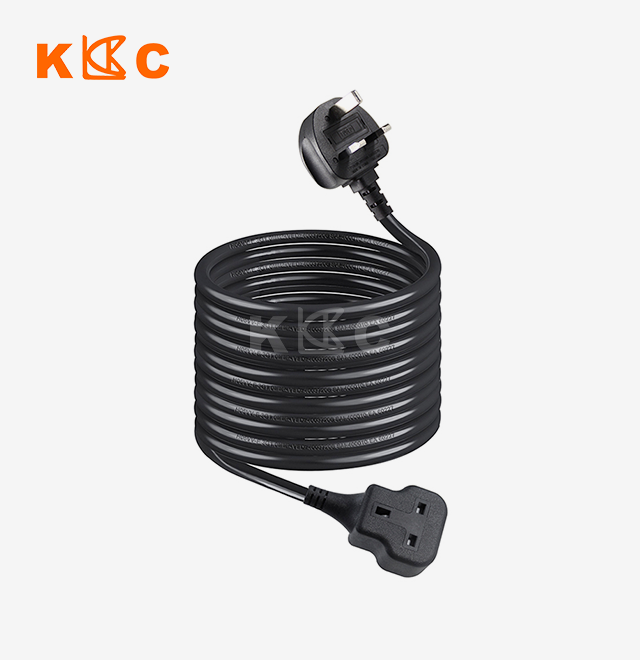
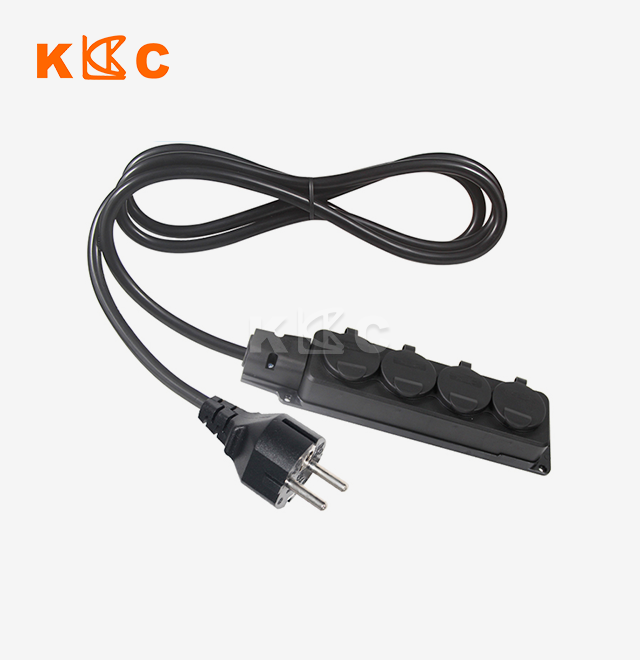
In North America, plugs for a C7 power cord with two parallel flat blades are called NEMA 1-15P plugs. In Europe, on the other hand, CEE 7/16 Europlugs with two round pins 19 mm apart are used. Understanding these regional differences helps you avoid making mistakes when you're buying, which can cost a lot of money, and makes sure that your goods come ready to use right away, without the need for adapters that add weight and create more failure points. While some international wholesalers keep separate stock for each regional version, others use suppliers that let them customise plugs to lower their SKU numbers.
Different target markets have very different certification standards. UL or ETL marks meet electricity rules in the US and Canada, VDE approval meets standards in Germany and the rest of the EU, and Japanese imports must still have PSE certification. Different testing procedures and agency fees are needed for these licenses, which affects the price and supply of products. Reliable sellers keep their certifications up to date in a number of different areas. They can then provide the paperwork needed for customs clearance and local regulatory checks without the buyer having to do anything.
Ratings for voltage and frequency must match the electricity infrastructure of the target market. The C7 socket is the same everywhere, but the wire specs should match the power source, which is 125V/60Hz in North America and 230V/50Hz in Europe and most of Asia. Premium wires rated for 250V or 300V work with all devices, making inventory management easier for global wholesalers who serve many areas from centralised stores. But buying teams should check to make sure that end-user devices are compatible to avoid confusion or problems with warranties caused by voltage mismatches.
Quality Assurance and Safety in C7 Power Cords
Understanding Critical Safety Certifications
To get UL approval, products must pass strict tests that check for flame resistance, insulation integrity, circuit temperature rise, and mechanical longevity in real-life situations. Products with real UL marks are inspected by the factory on a regular basis to make sure they are still made according to the methods that were written down when they were first approved. This monitoring by a third party gives purchasing managers faith that shipped goods will always meet safety standards throughout the supply relationship. This lowers the risk of being held responsible for electricity accidents.
The German Association for Electrical, Electronic, and Information Technologies (VDE) oversees certification. It focuses on European safety priorities, such as specific requirements for cable flexibility retention after accelerated ageing, connector pull-out force resistance, and environmental compliance with RoHS restrictions on hazardous substances. The fact that all European Union member states recognise the VDE mark makes it easier to get into the market. This is because each country doesn't have to do the same tests twice, which speeds up the time it takes for new goods or private-label programs to hit the market.
IEC 60320 guidelines set the basic requirements that all C7 connections must meet, no matter which certifying group certifies them. These requirements include exact measurement tolerances that allow parts from different makers to be interchangeable, minimum contact pressure standards that keep connections from coming loose, and temperature rating classes that spell out safe working conditions. When buying things for less-regulated markets or cost-sensitive uses, procurement workers can compare non-certified goods to basic requirements if they know about IEC standards.
Material Quality and Manufacturing Process Standards
Conductor clarity for a C7 power cord is directly linked to how well it conducts electricity and how long it lasts. At room temperature, pure copper wires have a resistance of about 1.68 × 10⁻⁸ ©·m. This means that as current flows through them, there is less voltage drop and heat production. Bader options to CCA raise resistance by 40% or more, which means that bigger conductor cross-sections are needed to get the same performance. This replacement lowers the cost of materials, but it makes it harder to control the temperature in high-duty-cycle uses. This could shorten the life of the cord or make it more likely to catch fire in tight spaces without enough air flow.
Quality of injection moulding affects how long connectors last and how safe they are. Precision tooling makes walls that are all the same thickness, which keeps the structure strong even when it's under a lot of mechanical stress. Choosing the right material also makes sure that it is resistant to flames without being too flimsy, which can cause cracks when dealing in cold weather. When manufacturers use automated moulding with statistical process control, they can get tighter tolerances on dimensions and lower defect rates than when they use manual processes. This is especially important for high-volume production, where small percentage differences can lead to a lot of potentially defective units.
Protocols for testing set professional makers apart from small businesses. Electrical continuity testing makes sure that the conductor paths stay connected, insulation resistance testing makes sure that there is enough space between the conductors and grounding paths, Hi-Pot testing makes sure that the dielectric strength is valid under overvoltage conditions, and physical flex testing simulates years of normal use by cycling quickly. Kuncan Electronics tests all of their products before they are shipped. This way, they can find problems that a sampling-based check might miss, and they can give customers written proof of quality that can be used for regulatory compliance or customer reports.
Evaluating Supplier Credentials and Reputation
Factory standards like ISO 9001 show that they follow a set of methods for managing quality that include controlling the design, planning the production, inspecting the work, and taking appropriate action when problems are found. Even though these certificates aren't special to a product, they show that a maker can regularly make goods that meet standards and handle problems well when they happen. When combined with product-specific safety qualifications, ISO credentials give a full picture of a supplier's dependability that can be used to make strategic relationship choices that involve large volume agreements or co-development projects.
The size of a supplier's production capacity and staff can show how well they can grow with their customers. A company with more than 300 trained workers on specialised production lines can handle changes in demand and prioritise pressing orders without lowering quality. Smaller companies, on the other hand, may have trouble during busy times or when they are working with several big accounts at the same time. To make sure that products are delivered on time and in good condition, buying teams should visit the site as often as possible to check on the up-to-dateness of the equipment, the organization of the building, and the training programs for employees.
Case studies and references from customers back up what suppliers say they can do in the real world. Building long-term relationships with well-known brands or finishing difficult customisation projects successfully shows that you have the technical skills and customer service skills to do the job. Online marketplaces like Alibaba show confirmed transaction records and customer reviews. This gives buyers a clear picture of how well suppliers are doing in a number of areas, such as product quality, delivery times, and resolving disputes. Using sellers with a history of success lowers the risk of implementation during changes in vendors or efforts to grow the market.
Conclusion
To choose the right C7 power cord for your purpose, you need to weigh the technical specs, safety standards, source dependability, and total cost of ownership. When buying workers know about the different types of connectors, circuit materials, licensing standards, and quality signs, they can make choices that protect end users and make the best use of budgets. When you put something correctly, check it regularly, and change it before it breaks, you can make sure that your equipment works well and safely for as long as the cord lasts. As global markets change, safety rules and expectations for sustainability become stricter. To be successful in competitive markets in the long term, your business should work with well-known manufacturers that offer full certifications and helpful customer service.
FAQ
What kinds of gadgets use C7 power cords most often?
The most common things that have Figure-8 connections are power adapters for laptops, portable DVD players, camera battery chargers, clock radios, and powered computer speakers. Most of the time, these gadgets use between 0.5A and 2.5A, which is within the C7 connector's range. This type of socket is also used by LED light strips, TVs smaller than 32 inches, and some audio mixing gear because it is small and doesn't need to be grounded for Class II double-insulated gear.
In real life, how are C7 and C13 power lines different?
The C13 connector has three pins, one of which is a ground. It can handle higher currents of up to 10A to 15A and fits rectangular ports that are popular on desktop computers and servers. The C7's two-pin figure-8 design doesn't have grounding, usually limits current to 2.5A, and works with movable gadgets that need to be flexible and small. You can't use these connections with each other—trying to force a C13 into a C8 outlet could damage the equipment, and C7 cords can't physically connect to C14 inlets that need three-pin contact.
When I buy a lot of figure-8 cords with unique plugs, what should I think about?
Make sure the seller has the right approvals for the areas you want to reach, such as UL for North America, VDE for Europe, and PSE for Japan. Ask for samples to try how well the plug fits on your individual devices, since small differences in size can affect how well the link works. Make sure you know how long it takes to make custom tools if you need special plug setups. This usually adds two to four weeks to regular production plans. Set clear quality acceptance standards, such as the maximum number of defects that are acceptable and the specs for the conductors, to avoid problems when big orders are delivered.
Partner with Kuncan Electronics for Premium C7 Power Cord Solutions
Kuncan Electronics is ready to be your reliable C7 power cord provider. They offer VDE-certified figure-8 lines that are designed to work better in household electronics, industrial automation, and other specific situations. Our H03VVH2-F flat wires have pure copper conductors that make them very good at conducting electricity. They also meet strict international safety standards, such as UL, VDE, and CE approval. We've been making high-quality products for 17 years, and we can customise the lengths, colours, and plug configurations. Our minimum order quantity (MOQ) is flexible, and we offer free samples to make sure they fit perfectly. Get in touch with our team at rhea@szkuncan.net to talk about your particular needs and experience the Kuncan advantage—where accuracy meets dependability in every link.
References
International Electrotechnical Commission. (2018). IEC 60320-1: Appliance Couplers for Household and Similar General Purposes - Part 1: General Requirements. Geneva: IEC Publications.
Underwriters Laboratories. (2020). UL 817: Standard for Safety Cord Sets and Power-Supply Cords. Northbrook, IL: UL Standards.
VDE Testing and Certification Institute. (2019). VDE 0620-1: Plugs and Socket-Outlets for Household and Similar Purposes - Part 1: General Requirements. Offenbach, Germany: VDE Verlag.
National Electrical Manufacturers Association. (2021). NEMA WC 70: Power Cables Rated 2000 Volts or Less for the Distribution of Electrical Energy. Rosslyn, VA: NEMA Publications.
Society of Automotive Engineers. (2022). SAE J1772: Electric Vehicle and Plug-in Hybrid Electric Vehicle Conductive Charge Coupler. Warrendale, PA: SAE International.
Institute of Electrical and Electronics Engineers. (2020). IEEE 1725: Standard for Rechargeable Batteries for Portable Computing Devices. Piscataway, NJ: IEEE Standards Association.

USER EVALUATE
Here is the customer's evaluation of us