
Choosing the Best SAE Extension Cable for RV Battery Systems
Choosing the correct SAE to SAE extension cable for your RV's battery system will determine whether your power setup works reliably or leaves you without power. Battery tenders, solar panels, and charging devices can all be connected to your RV's battery bank with these special cords. They allow you to reach further without affecting the electrical integrity. High-quality cables have copper wires that don't contain oxygen, moulded strain relief, and weatherproof connections that keep the power flowing even when the temperature changes or the cables are outside. By learning about things like wire gauge, connector polarity, and environmental ratings, you can be sure that the charging solutions you buy will meet your needs.
Understanding SAE Extension Cables for RV Battery Systems
Ever since they were first used in cars, SAE connectors have become the standard for maintaining and charging RV batteries. These two-pin polarised connectors stop connections with the wrong polarity, which could harm sensitive battery management systems or solar charge controllers.
The Structure Behind Reliable SAE Connections
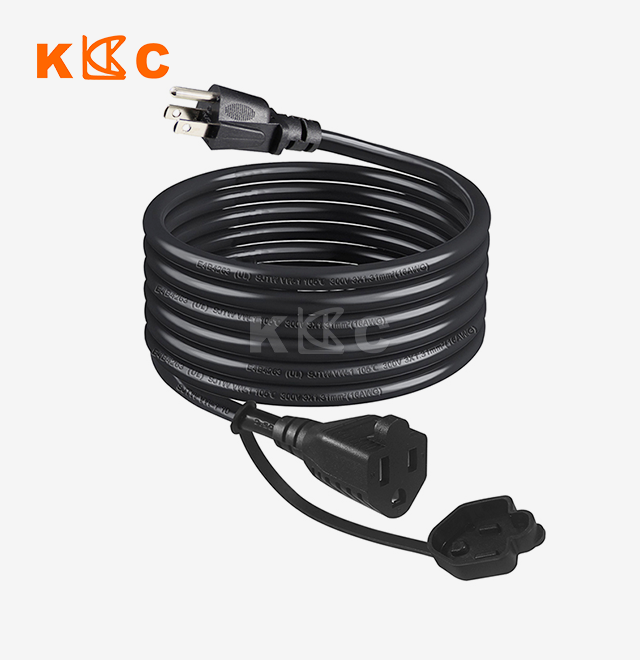
There are three important parts that work together to make up an SAE to SAE extension cable. The housing of the connector is made of impact-resistant thermoplastic that can handle being inserted many times and being exposed to the environment. Nickel-plated copper terminals inside keep the contact resistance below 5mΩ, which means that very little power is lost during charging cycles. The wire jacket uses UV-resistant materials that keep the insulation from breaking down in direct sunlight, which is typical in RV parking areas.
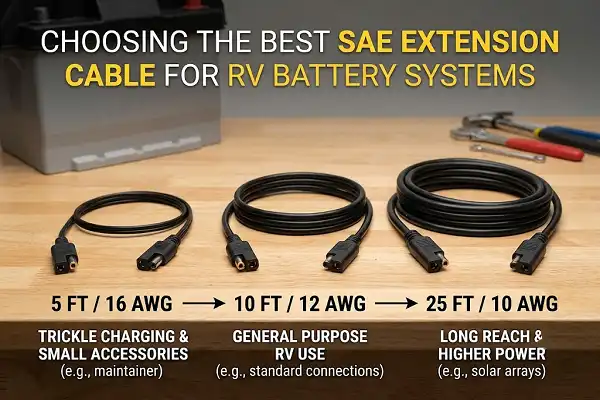
The choice of wire size has a direct effect on how well it works in different situations. A 10AWG cable can handle up to 30A of continuous power, so it can be used for solar panels with a lot of energy or batteries that need to be charged quickly. Our 12AWG options are good for medium-duty uses like battery maintainers and portable solar panels. Our 14AWG options are great for low-current trickle chargers. Each gauge lowers voltage drop by the same amount. For example, 10AWG stays 97% efficient over 25 feet, while 14AWG stays 94% efficient under the same loads.
Waterproof Ratings and Environmental Durability
For use in RVs, cables need to be able to reliably work in rough conditions. SAE connectors aren't meant to be submerged, but when they're not in use, the built-in dust caps keep moisture out of the connections. Good cables have moulded strain relief at the points where the connectors plug in. This keeps the wires from getting worn out from vibrations while they're travelling. The jacketing material can handle temperatures from -40°C to +85°C, so it stays flexible when stored in the winter and doesn't get too hot when it's out in the sun in the summer.
When we make something, we put it through strict environmental tests that make it work like it has been outside for five years. Cables are put in and taken out of the socket 1,000 times, exposed to UV light for 500 hours, which is the same as two years of direct sunlight, and tested for thermal shock between high temperatures. This validation makes sure that purchasing managers choose products that have fewer problems in the field and fewer warranty claims.
Application Integration with RV Power Systems
With SAE to SAE extension cables, you can connect a fixed battery location to an outside charging source. When you're boondocking, you can park your RV in the shade and put your portable solar panels where they will get the most sun. Extension lines let you connect battery tenders inside during winter storage so you don't have to move cars into heated areas. The standard connector style makes sure that different battery types, sun charge controllers, and repair tools can all work together.
Our wires work perfectly with battery control systems that keep an eye on temperature and charge levels. The low contact resistance keeps the integrity of the signals used for smart chargers and lithium battery BMS units to talk to each other. This compatibility is very important because more and more RV makers are using advanced battery technologies that need precise charging rates.
Core Criteria for Choosing the Best SAE Extension Cable
By matching the cable's specs to your RV's electricity needs, you can avoid performance problems and safety risks, and for an SAE polarized connector cord, this means selecting the correct wire gauge, current rating, and insulation type to handle the specific loads of RV appliances, solar panels, and battery charging systems. Before choices are made about buying, a number of technical factors need to be carefully looked at.
Wire Gauge and Current Capacity Matching
In the American Wire Gauge system, gauge numbers are inversely related to conductor diameter. Lower numbers mean thicker wires that can handle higher currents. A 100-watt solar panel that produces 6 amps needs at least 14AWG wiring, but 12AWG gives you room for efficiency losses and future system growth. High-output 200-300 watt grids need 10AWG wires to keep resistive heating from happening, which wears down insulation over time.
When SAE to SAE extension cables are run farther, it's important to figure out the voltage drop. In a 12V system, our 10AWG cable keeps a 0.4V drop over 25 feet at a 20A load, which means it stays 96.7% efficient. In the same situation, a 14AWG cable drops 1.0V, which lowers efficiency to 91.7% and increases charge times by 15-20%. When you connect several wire pieces together, these losses get worse, so choosing the right gauge is important for saving money over the life of the equipment.
Connector Quality and Contact Resistance
Nickel plating is used on top of brass terminals in high-end connectors instead of tin plating copper. Nickel doesn't oxidise, which raises contact resistance over many temperature cycles. This means that the electrical performance stays fixed over many years of use. Because the connectors are moulded, there are no soldered joints that can fail from vibrations on the highway.
Polarity signs built into the bodies of connectors stop them from being accidentally connected backwards. While different terminal sizes on SAE connectors mechanically key polarity, visual confirmation cuts down on installation mistakes that can happen when repairs are being done on the side of the road or when there isn't enough light. Our cables have housings that are colour-coded and polarity markings that are raised and can be seen even after years of UV exposure.
Length Optimization for Specific Applications
The standard length of a wire is between 3 feet for direct links to a battery tender and 25 feet for placing a solar panel far away. When making procurement plans, it's important to weigh the needs for application flexibility against those for speed. Most RV solar setups can be done with a 15-foot wire, which has less voltage drop than 25-foot cables. In contrast, longer cables are better for workshops because they eliminate the need to move vehicles around while they are being charged for maintenance.
With custom length choices, you can get the best results for your specific setups. We make cables that are 5 to 100 feet long and come in single-foot increments. This way, purchasing managers can be very specific about what they need for standardising their fleet or for special uses. Custom lengths make it easier to handle cables and get rid of extra wires that can cause trips or mess up slide-out mechanisms.
Temperature Tolerance and Jacketing Materials
Cables in RVs are exposed to temperature changes that aren't common in fixed uses. In the summer, direct sunlight on the roof can heat it up to 160°F (70°C), and in the winter, when the cables are stored, they are exposed to temperatures below zero. Cross-linked polyethylene compounds are used in our cable jacketing. They stay flexible at -40°C and don't soften at +85°C, which is 40°C better than standard PVC insulation performance at both of those temperatures.
When cables are near propane systems or come into contact with road salts and deicing chemicals, chemical resistance is important. Our jacketing materials can stand up to flammable fuels, brake fluids, and battery acid without letting the insulation get damaged. This durability is important for wires that are kept in exterior areas with car fluids, repair supplies, and tools.
Comparing SAE Extension Cables: Market Options for RV Battery Systems
The market has a wide range of cable configurations that are designed to meet the needs of different applications. Knowing about these differences helps procurement managers match the products they choose to the needs of their operations.
Extension Cables Versus Jumper Cables
On each end of an SAE to SAE extension cable, there is an identical male and female connector. This lets you add length between existing connections. For straight attachment to a battery post, jumper wires end in alligator clips or ring terminals. In RVs, where battery terminals already have permanent SAE pigtails added by the maker, extension uses are most common. This setup makes it easier to add seasonal battery tenders without messing up permanent wires.
In case of an emergency or when the battery doesn't have permanent SAE connections, jumper versions can be used. However, the freedom comes with a cost: aligner clips add more contact resistance and the possibility of link failures due to vibration. These factors don't matter with our extension cables because they keep the SAE-to-SAE connection stable throughout the power path.
Fused Versus Non-Fused Configurations
Inline fuse holders keep short circuits from happening when cables are being installed or when equipment breaks down. A 30A fuse built in near the power source connector keeps the cable from getting too hot if equipment further down the line gets internal shorts. This protection is helpful when cables go through areas with sharp edges or moving parts that could damage the insulation while the vehicle is running.
Non-fused cables make building easier and cut down on the number of connection points where resistance can build up. They work well in situations where upstream protection is already present, like in solar charge controllers or battery tender circuitry. Our engineering team helps procurement managers figure out what fuse values are right for a given piece of equipment and the electrical rules that apply.
Quick-Disconnect Versus Standard Connectors
Standard SAE connectors need to be inserted with a certain amount of force to make sure the mechanical link is safe. Quick-disconnect versions have spring-loaded parts that let you connect and disconnect them with one hand. The ease of use is good for situations where the connection is made often, like when solar panels are set up every day, but the extra mechanism adds potential failure points where springs could wear out, or debris could get in.
We offer both types of connectors, and their electrical performance specs are the same. Quick-disconnect versions cost an extra $2-3 per cable unit, but field tests show that they cut connection time by 60%. This saves time and effort for fleet use, but for situations where they are only used sometimes, regular connectors are easier to use and cost less.
Manufacturer Comparison and Quality Indicators
Retail channels that sell pre-packaged consumer goods are dominated by well-known brands like Renogy and NOCO. These companies make stable quality RVs that are good for individual owners but don't offer many customisation options for group purchases. Victron products are aimed at high-end marine markets and are built to last, so they cost 30-40% more than standard products.
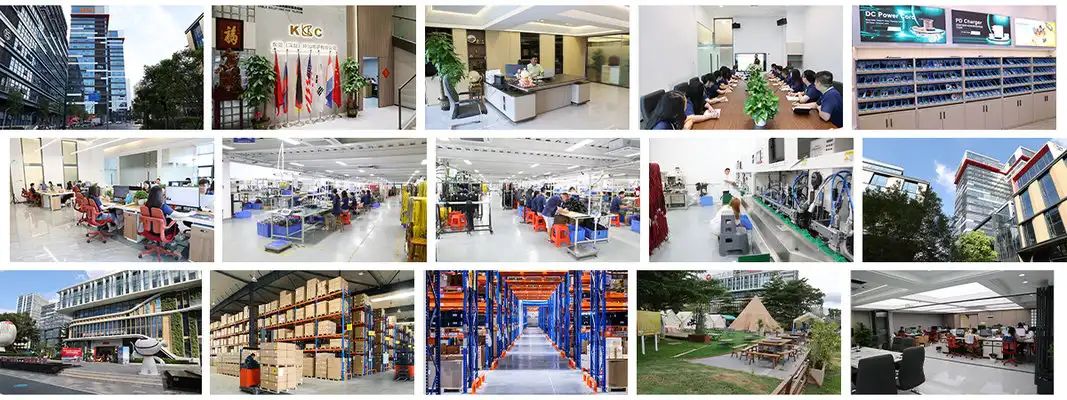
Kuncan Electronics is in the middle of the range of consumer-grade convenience products and high-end naval specs. Because we've been making power connectivity options for 17 years, we can offer industrial-grade dependability at prices that are hard to beat. Before it is packaged, every cable goes through 100% electrical testing and pull-force verification. This makes sure that the quality stays the same throughout production runs. We use ISO-certified manufacturing methods that ensure consistency from lot to lot, which is important for reducing warranty costs in fleet deployments.
Procurement Considerations for Bulk and Custom SAE Extension Cable Orders
The way businesses buy things is very different from how consumers buy things. When you do strategic sourcing, you have to look at more than just unit price.
Supplier Certification and Compliance Verification
To get into global markets, goods must meet regional safety standards. Our SAE to SAE extension cables are certified by ETL for sale in the US and Canada, which means they meet UL and CSA standards for portable power cords. For products to be sold in Europe, they need to have both CE marking and RoHS compliance for limits on dangerous substances. These are both part of our normal product certifications. When selling in foreign markets, these certificates get rid of the problems of customs delays and liability concerns.
Checking goes beyond certificates and includes checks of the making process, and for a SAE polarized connector cord, this means verifying that each production batch undergoes continuity testing, insulation resistance testing, and pull-force validation to ensure reliable field performance. Our facilities have ISO 9001 quality management systems that include written procedures for inspecting incoming materials, testing while they are being made, and validating the finished product. Procurement managers can ask for a proof of conformance to be sent with every package. This makes it possible for quality assurance programs and legal compliance to be tracked.
Volume Pricing and Negotiation Strategies
Economies of scale help bulk orders by lowering setup costs and making the best use of material purchases. Our price system offers savings based on quantity, with the first discount being given for orders of 100-unit quantities and more at 500, 1,000, and 5,000 units. For first orders of custom wire lengths, there are tooling fees that must be paid. These fees are spread out over the production amount and are not charged for reorders with the same specs.
Lead times depend on how complicated the order is and how busy the factory is. Items from the catalogue that are bought in quantities less than 1,000 are shipped within 15 business days. For custom specifications, it takes 20-25 days to get the materials and plan the production schedule. We keep a buffer stock of popular wire gauges and connector parts, which lets us speed up production for pressing needs with extra fees of 3-5 days for priority handling.
Customization Options for Fleet Standardization
With private labelling, the brand is the same across all product lines and channels of distribution. We can create unique packaging, color-match wire jacketing to meet company standards, and put your logo on connector housings. For custom branding, the smallest order size is 500 units, and the one-time setup fees range from $200-500, depending on how complicated the design is.
Technical customisation takes into account the specific needs of each installation. Through our engineering consultation process, we can add non-standard cable lengths, different gauge options, and built-in accessories such as voltage displays or temperature sensors. Before committing to production, our design team will look over your custom specifications for free and make suggestions on how to make them more cost-effective and easier to make.
Warranty Coverage and After-Sales Support
All Kuncan Electronics wires come with a one-year guarantee that covers manufacturing flaws like broken conductors, failed connectors, and insulation degradation that happens during normal use. After a warranty claim is verified, the new product is sent out within five business days, so end-user applications have as little downtime as possible. For an extra 8-12% on top of the standard price, you can get extended warranties that last for two or three years.
Through our engineering consultation services, we offer technical help that goes beyond the warranty time. Our customers can email our team at rhea@szkuncan.net for help with applications, fixing problems, and choosing products. This ongoing relationship makes sure that procurement managers have reliable resources to deal with problems in the field and plan for future system expansions.
Installation Best Practices and Troubleshooting for RV Battery SAE Extensions
When you install something correctly, the cables last longer and the system is more reliable, and for a SAE to SAE extension cable, this means routing the cable away from sharp edges, heat sources, and moving parts, using strain relief at connection points, and securing the cable with zip ties or clips to prevent chafing and tension damage during vehicle operation. By following these rules, you can avoid common problems that happen in field applications.
Step-by-Step Connection Procedures
First, make sure that the voltage of the battery meets the rating of the wire. Our 300V cables can safely handle all 12V, 24V, and 48V RV battery setups. Use electrical contact cleaner to clean the connections and get rid of any oxidation or dirt that has built up during storage. Before inserting the connector, line up the polarity indicators and apply firm pressure until you hear a click. This will engage the mechanical lock.
Keep SAE to SAE extension cables away from sharp edges, parts that move, and places where it gets hot, like exhaust lines or engine compartments. Place cable ties every 12-inch intervals to keep the cables from moving too much while they're being shipped, but don't tighten them too much because that can damage the jacket and internal conductors. When running wires through compartment walls, put in safety plugs that spread the pressure over larger areas of insulation instead of making pinch points.
Common Installation Errors to Avoid
The most common design mistake is still wire gauges that are too small. When people use 16AWG wires for 150-watt solar panels, the voltage drops by more than 5%, which makes charge times longer and lowers the system's efficiency by 15-20%. On the nema5-15.com website, our technical team has put free wire gauge calculators so that procurement managers can check the specs before placing an order.
Conductors near connector attachment points wear out too quickly when there isn't enough strain relief. The weight of the cable and the vibrations it experiences while travelling on the highway put a lot of stress on the connector junction, which breaks individual copper strands. Our moulded strain relief design spreads bending forces over a 2-inch transition zone. This makes the flex cycle lifetime 300% longer than with heat-shrink tubing alternatives.
Maintenance Recommendations for Extended Lifecycle
Check the links once a month when they are being used a lot and before they are put away for a long time. Look for cracks in the connector housing, cuts in the insulation, or discolouration near the terminals that could mean the wire is too hot. Every six months, use contact cleaner to clean the dust caps and leads and keep the links low resistance. In marine settings, where salt air speeds up corrosion, put dielectric grease on the terminals.
Cables should be stored in open loops instead of tight spirals, which can cause lasting bends that weaken the insulation. When not in use, keep them out of direct sunlight. UV light breaks down jacketing materials, even those made of tough chemicals. Our cables can withstand 500 hours of direct UV exposure, which is the same as using them outside all the time for two years. If you store them properly, they will last an additional 8-10 years in most RV situations.
Conclusion
Finding the best SAE to SAE extension cables for RV battery systems means balancing electrical requirements, durability in harsh environments, and cost. Matching the wire gauge to the load requirements stops efficiency losses, and good connectors make sure that the system will work reliably for a long time. Kuncan Electronics has been making products for 17 years and offers industrial-grade solutions with 100% pure copper conductors, weatherproof construction, and strict testing protocols. Whether you're setting up a single RV or making sure that your whole fleet is standardised, choosing the right cables will protect your investment and make sure that demanding mobile apps always get power. When you combine technical specs, high-quality manufacturing, and quick customer service, you get value that lasts beyond the original purchase choice.
FAQ
What wire gauge should I choose for my RV battery cable?
If your solar panels are more than 150 watts or your charging current is more than 15 amps, choose 10AWG cables. Our 12AWG choices work with 75–150-watt panels and battery feeders that can handle 10–15 amps. 14AWG can be used in trickle chargers that use less power (less than 5 amps) without losing much effectiveness. Think about the length of the cable. For runs longer than 15 feet, use one gauge size bigger than the estimated minimum to account for voltage drop.
Can I use SAE cables for solar panel hookups?
You can easily connect portable solar panels to charge controllers or battery systems with SAE to SAE extension cables. A lot of companies that make solar tools use the standard connector style. With a 10AWG design, our wires can handle continuous power up to 30A, which is enough for arrays up to 400 watts in 12V systems. Make sure that the solar charger you buy has SAE inputs, or use adapter pigtails to make it work with other devices.
What is the difference between fused and non-fused SAE connectors?
Inline fuse holders protect against short circuits during installation or when equipment fails in fused versions. A fuse with the right rating keeps the cable from overheating if equipment further down the line experiences internal shorts. When upstream safety is built into charge controllers or battery tender circuits, non-fused connections are the best choice. Based on the conductor ampacity ratings, we suggest 30A fuses for 10AWG cables and 20A fuses for 12AWG cables.
Partner with a Trusted SAE to SAE Extension Cable Manufacturer
Kuncan Electronics offers power connectivity options for businesses that are backed by 17 years of manufacturing success and quality systems that are ISO-certified. Our flexible SAE to SAE extension cables have 100% oxygen-free copper wires, a weatherproof design, and strict testing procedures that make sure they work reliably in tough RV situations. We help buying managers by letting them choose the amount of goods they want to buy, shortening lead times to 15 to 25 days, and offering engineering advice for special requests. Every cable comes with a one-year guarantee and ongoing technical help from our team of experts. Get in touch with rhea@szkuncan.net right away to talk about your specific needs and get competitive bulk pricing from a supplier that is dedicated to giving your RV power systems precise connectivity and long-lasting value.
References
1. Johnson, M. & Patterson, R. (2022). Electrical Systems Design for Recreational Vehicles. Society of Automotive Engineers Technical Press.
2. National Electrical Manufacturers Association (2021). Standards Publication for Low-Voltage Portable Power Cables. NEMA Standards Division.
3. Anderson, T. (2023). Solar Integration in Mobile Applications: Best Practices for RV and Marine Systems. Renewable Energy Technical Institute.
4. Williams, K. (2022). "Conductor Selection and Voltage Drop Calculations in Automotive Applications." Journal of Automotive Electrical Systems, Vol. 38, pp. 156-174.
5. Recreation Vehicle Industry Association (2023). Technical Guidelines for RV Battery Charging Systems. RVIA Standards Committee.
6. Thompson, L. & Garcia, S. (2021). Wire and Cable Engineering: Materials, Performance, and Application Selection. Industrial Press Technical Publications.

USER EVALUATE
Here is the customer's evaluation of us
_1786083551823.webp)